Singapore Luxury Car Dealers Market
Published on: February 2026
Report Overview
SingaporeLuxury Car Dealers Market Overview
Market Highlights
The Singapore luxury car dealers market is characterized by a tightly structured competitive environment dominated by established dealer groups with long-standing OEM relationships, complemented by agile multi brand retailers and specialized pre owned platforms. Large dealership groups anchor the ecosystem through exclusive brand mandates, integrated sales and aftersales operations, and deep regulatory compliance capabilities, while smaller and mid sized players differentiate through flexibility, sourcing agility, and customer centric retail experiences.
Global automotive innovation flows into the market through premium OEM portfolios, but competitive advantage is shaped locally through adaptation to Singapore’s regulatory framework, ownership economics, and consumer preferences. Dealers actively tailor vehicle configurations, financing structures, and ownership packages to address cost sensitivity, usage patterns, and lifestyle driven demand, ensuring alignment with local buyer behavior despite global brand positioning.
The distribution and aftersales ecosystem plays a decisive role in shaping long term competitiveness, with service reliability, turnaround efficiency, and warranty coverage strongly influencing customer retention and brand loyalty. Players with extensive service infrastructure and strong certified pre owned programs are better positioned to monetize the full vehicle lifecycle, while digital engagement increasingly supports lead generation, appointment management, and post sales interaction.
Looking ahead, competitive leadership in the Singapore luxury car dealers market will be defined by the ability to balance brand exclusivity with operational efficiency, integrate technology into retail and service workflows, and adapt quickly to regulatory and mobility shifts. Strategic agility, combined with strong OEM alignment and service led differentiation, is expected to remain the core driver of sustained market relevance and profitability.
Ecosystem Matrix
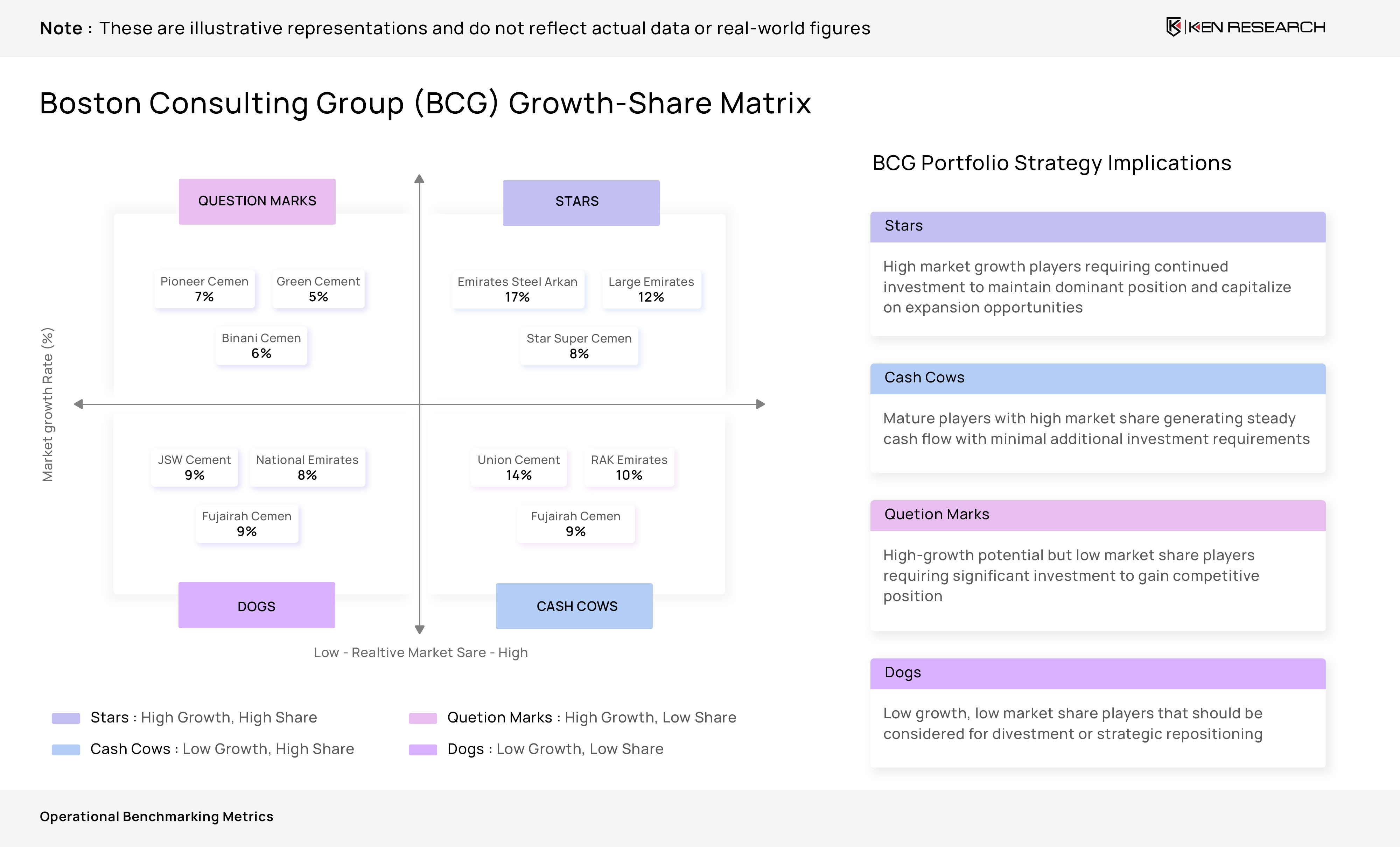
The ecosystem is led by a handful of authorised dealer groups controlling premium brand access, showroom networks, and aftersales capacity. Benchmarking typically centres on pricing discipline, allocation priority from OEMs, and service throughput as the core levers shaping revenue concentration and customer retention.
Competitive intensity is amplified by pre-owned specialists and parallel importers that pressure transaction pricing and trade-in margins. Market leaders usually defend share through certified pre-owned programs, finance and insurance attach rates, service packages, and faster fulfilment across high-demand luxury models.
Leading Player Profiles
Company Profile Overview
A clear split emerges between authorised dealer groups and specialist pre-owned or parallel-import platforms. Competitive benchmarking focuses on how each model monetises the full ownership lifecycle, especially finance attach, warranty penetration, and recurring aftersales revenue versus one-time vehicle margin.
Dealer groups with OEM alignment typically win on allocation, brand equity, and service depth, while challengers compete through pricing agility, faster sourcing, and broader multi-brand choice. The market’s operating playbook is increasingly defined by certified pre-owned quality and experience-led retailing.
Key Operational Performance Metrics
Company Performance Overview
Unlock Market Insights
Dive deeper into production, distribution, and pricing intelligence.
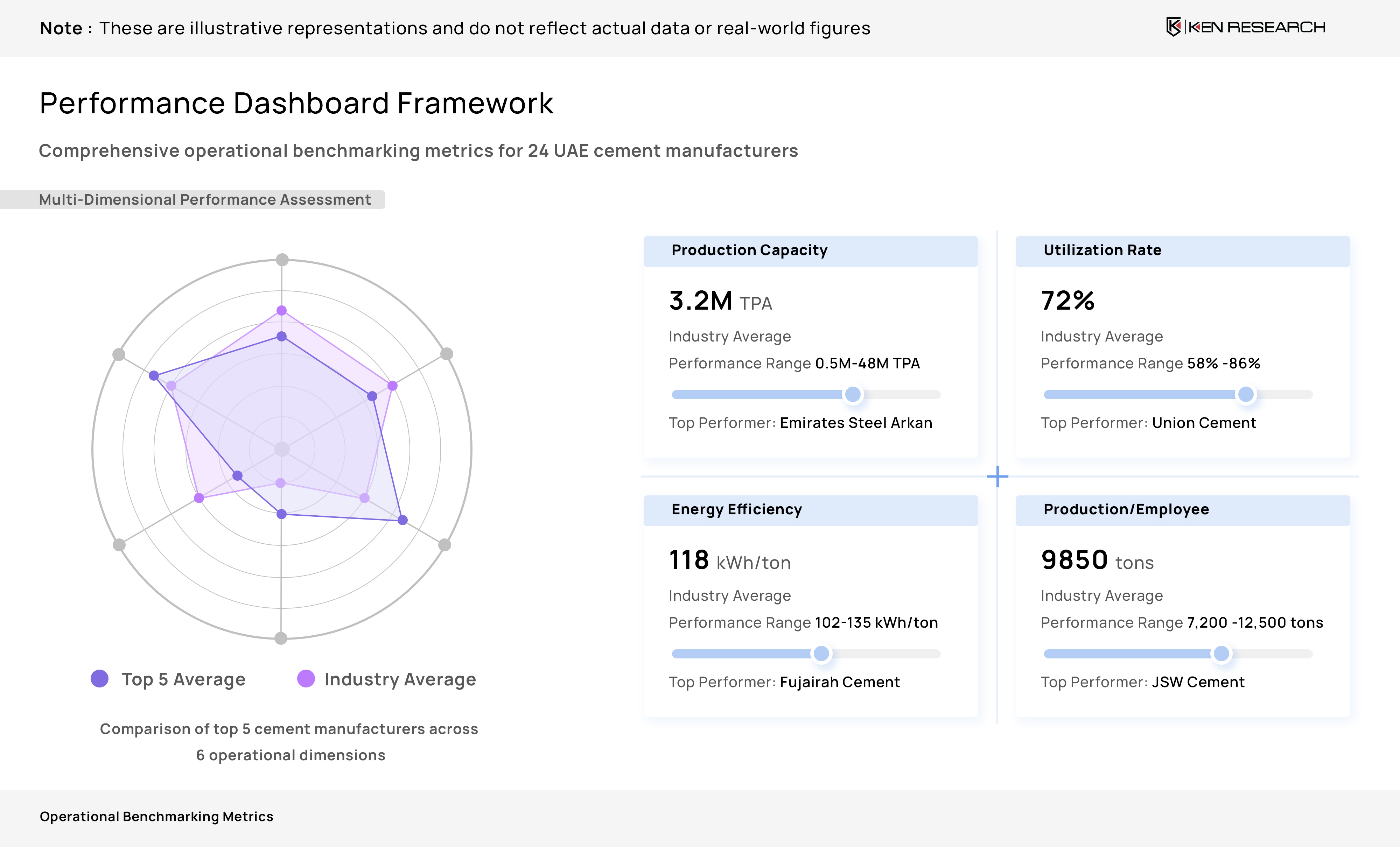
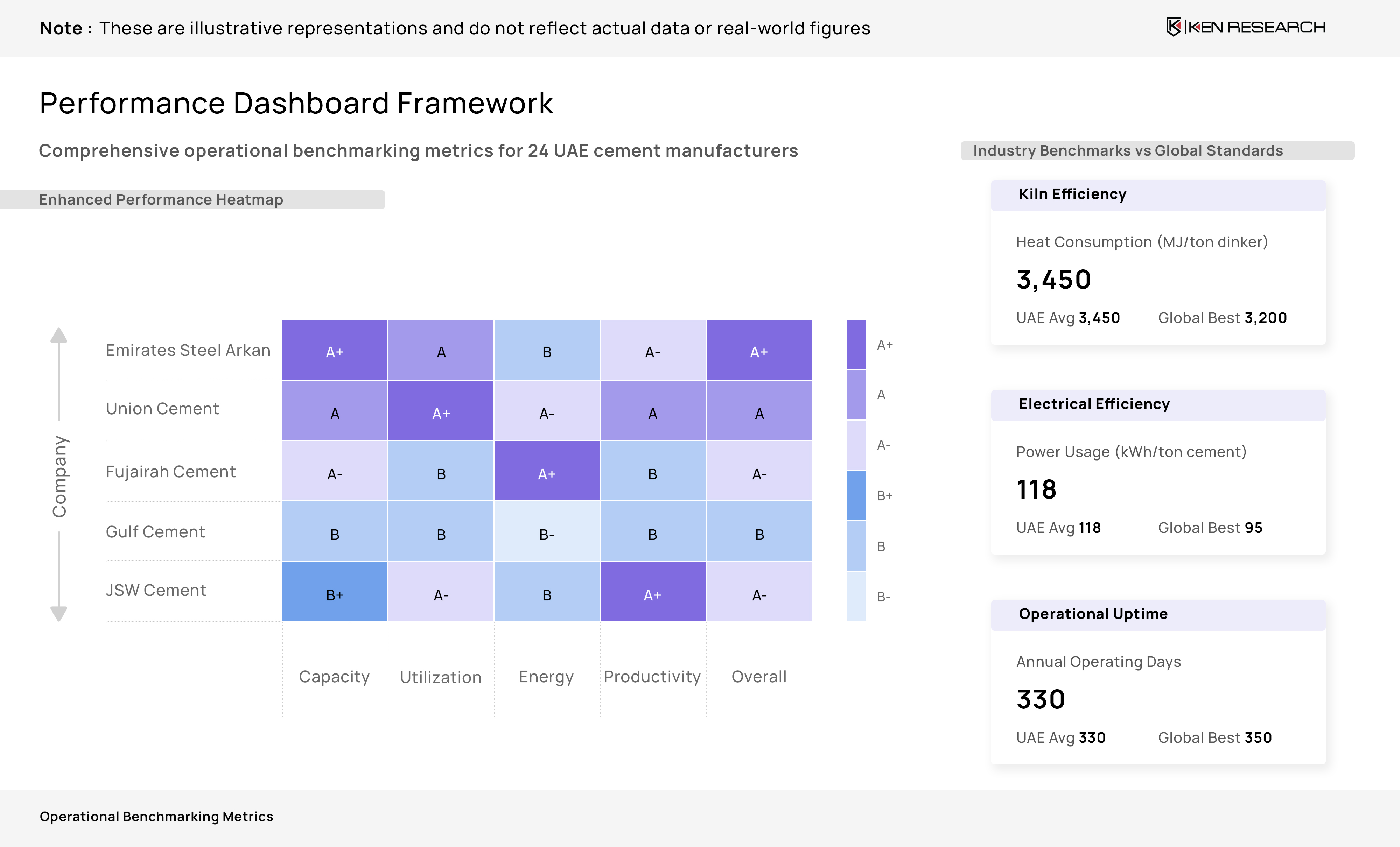
Get Customized ReportOperational benchmarking in luxury dealerships is most predictive when anchored on pricing power and the mix of new, pre-owned, and aftersales revenue pools. The strongest operators usually show balanced monetisation, where service absorption and parts economics stabilise profitability across demand cycles.
The next differentiators are trade-in margin discipline, finance attach, and service package penetration, which directly expand lifetime value per customer. Digital conversion and subscription models matter only when they demonstrably convert into measurable transaction revenue and recurring income.
Core Financial Performance Metrics
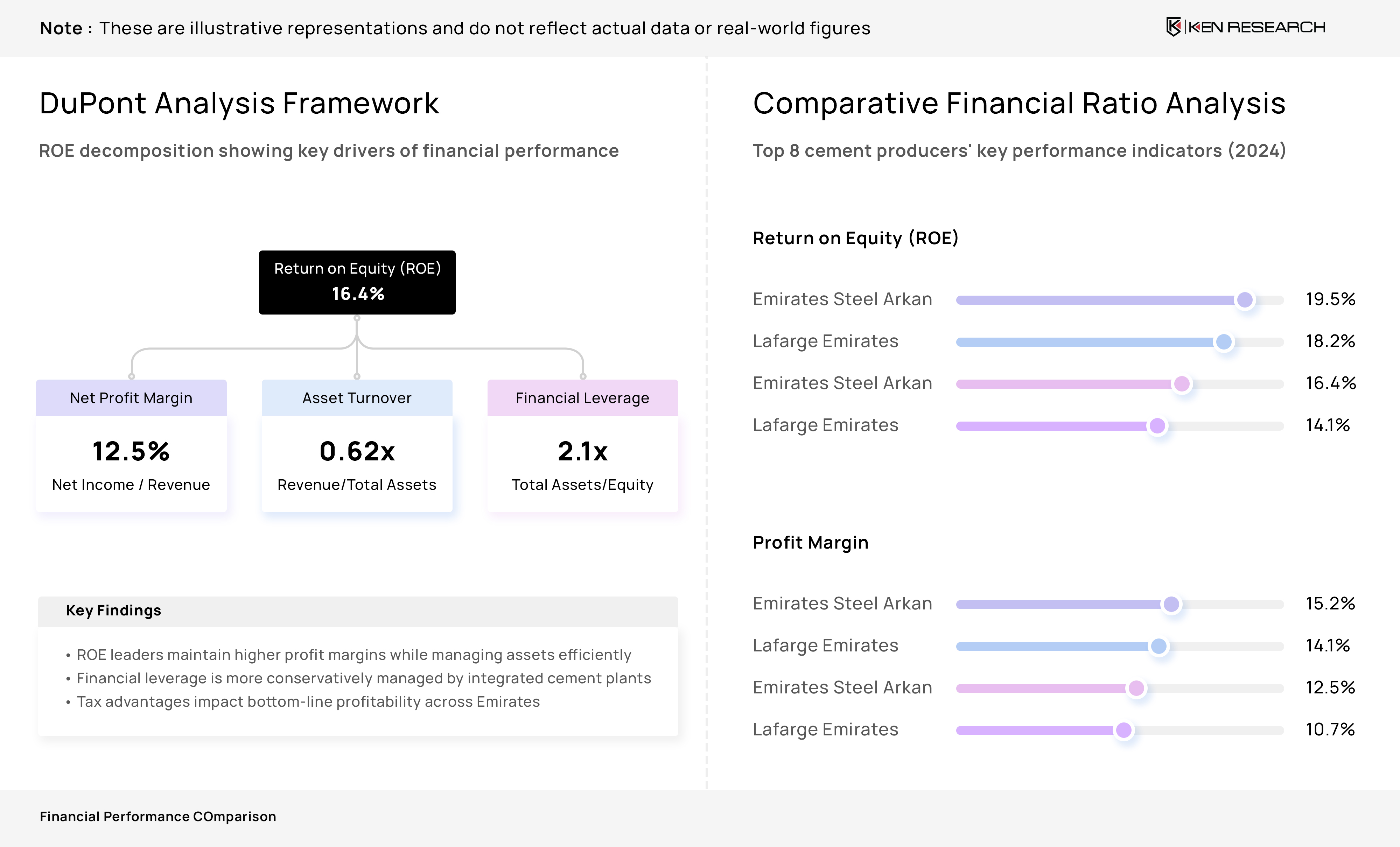
Financial benchmarking in this market typically highlights two realities: revenue scale is driven by vehicle throughput and brand allocation, while margin quality is protected by aftersales mix and disciplined discounting. EBITDA resilience often signals stronger service operations and better cost control.
Players with heavier exposure to ultra-luxury and certified pre-owned can show higher gross margins but more volatile growth, depending on model cycles. PAT outcomes usually depend on inventory efficiency, operating leverage, and how effectively financing and packages lift contribution margins.
Table of Contents
1. Ecosystem Matrix
1.1 Large Players
1.1 Large Players
1.1.1 Cycle & Carriage Singapore
1.1.2 Wearnes Automotive
1.1.3 Eurokars Group
1.1.4 Performance Motors Limited (PML)
1.1.5 Borneo Motors Singapore
1.1.6 Premium Automobiles
1.2 Medium Players
1.2.1 Stuttgart Auto
1.2.2 Ital Auto
1.2.3 EuroSports Global
1.2.4 Eurokars Supersports
1.2.5 Motorway Group
1.3 Small Players
1.3.1 Autobahn Motors (S)
1.3.2 VINCAR
1.3.3 CarTimes Automobile
1.3.4 EuroAutomobile (Alfa Romeo Distributor)
2. Leading Player Profiles
2.1 Parameters
2.1.1 Company Name
2.1.2 Group Name
2.1.3 Headquarters
2.1.4 Established Year
2.1.5 Core Services
2.1.6 Mode of Functioning
3. Key Operational Performance Metrics
3.1 Pricing (Avg Transaction Value, USD)
3.2 New Vehicle Sales (USD Mn)
3.3 Pre-Owned Vehicle Sales (USD Mn)
3.4 After-Sales Service Revenue (USD Mn)
3.5 Parts & Accessories Revenue (USD Mn)
3.6 Finance & Insurance Commission (USD Mn)
3.7 Trade-In Margin Contribution (USD Mn)
3.8 Corporate / Fleet Sales Revenue (USD Mn)
3.9 Leasing / Subscription Revenue (USD Mn)
3.10 Extended Warranty & Service Packages (USD Mn)
4. Core Financial Performance Metrics
4.1 Parameters
4.1.1 Revenue (USD Mn)
4.1.2 Revenue Growth (%)
4.1.3 COGS (USD Mn)
4.1.4 COGS Growth (%)
4.1.5 EBITDA (USD Mn)
4.1.6 EBITDA Growth (%)
4.1.7 EBITDA Margin (%)
4.1.8 PAT (USD Mn)
4.1.9 PAT Margin (%)
5. Methodology
5.1 Approach
5.1.1 Desk Sources
5.1.2 Primary Interviews
5.1.3 Sanity Checking & Validation
5.2 Benchmarking Process
5.2.1 Data Collection
5.2.2 Primary Validation
5.2.3 Proxy KPI Modelling
5.2.4 Normalization & Indexing
5.2.5 Gap Analysis
5.2.6 Peer Review
5.3 Sample Composition
5.3.1 Scope Items
5.3.2 Sample Size
5.3.3 Target Respondents
Methodology
Ken Research will deploy its proprietary, multi layered research framework combining robust secondary research, targeted primary outreach, and rigorous data validation to deliver an authoritative competitive benchmarking and landscape assessment of the Singapore Luxury Car Dealers Market. The methodology is designed to ensure consistency, comparability, and analytical rigor across all players, with proxy KPIs carefully calibrated to the operating realities of luxury automotive retail in Singapore.
Desk Sources
- Industry reports from proprietary databases and Ken Research internal archives to establish historical benchmarks, dealership models, and brand-wise market positioning
- Company annual reports, investor presentations, statutory filings, and group disclosures to extract financial structure, operating scale, and strategic priorities of dealer groups
- Government publications and regulatory releases to understand vehicle registration policies, COE dynamics, emissions norms, and compliance requirements impacting luxury vehicle retail
- Trade magazines, automotive journals, and industry e-articles to track dealership consolidation, new brand entries, retail format evolution, and pricing dynamics
- Financial intelligence platforms such as Bloomberg and Capital IQ to standardize financial ratios, cost structures, and peer-level performance indicators
- Digital intelligence platforms such as SimilarWeb and app-usage dashboards to assess brand visibility, online lead generation strength, and digital engagement effectiveness across dealer networks
Primary Interviews
- CATI interviews and structured online surveys with dealership principals, category managers, and operations heads at leading luxury car dealers
- In-depth discussions with senior sales, marketing, and aftersales leaders to validate pricing strategies, sales mix, and service-led revenue models
- Interviews with distributors, financing partners, and insurance intermediaries to cross-check transaction structures, financing penetration, and customer acquisition patterns
- Consultations with automotive industry analysts, consultants, and service ecosystem providers to validate competitive dynamics and strategic trends
Sanity Checking and Validation
- Triangulation of estimates through cross-verification of secondary data, primary inputs, and proxy-based modeling outputs
- Proxy KPI synthesis using indicators such as showroom footprint, service bay capacity, vehicle throughput, digital traffic, and brand portfolio mix to approximate revenue and scale
- Outlier analysis to identify anomalous performance indicators and reconcile deviations through targeted follow-up interviews
- Structured assumption tracking capturing all proxy logic, constraints, and data limitations applied during benchmarking
- Internal peer review of methodology, analytical logic, and benchmarking outputs by senior Ken Research analysts prior to report finalization
An Inside Look At Our Custom Insights
Take a look at ourcustomized insights, tailored to yourmarket and business needs. Our benchmarking reports deliver data-driven comparisons of key players, helping you uncover opportunities, assess performance, and make confident strategic decisions.