Singapore Poultry Producers Market
Published on: December 2025
Report Overview
Singapore Poultry Producers Market Overview
Market Highlights
The Singapore Poultry Producers Market showcases a diverse competitive structure, where multinational corporations, regional manufacturers, and local firms engage in a dynamic interplay. Multinationals leverage economies of scale and advanced supply chain efficiencies, while regional players focus on tailored offerings that resonate with local consumer preferences, and local firms capitalize on agility and niche market opportunities.
Innovation from global leaders is seamlessly integrated with localized strategies, as companies adapt their product offerings to meet Singapore's unique culinary traditions and consumer expectations. Collaborations between technology providers and local producers enhance the adaptability of solutions, ensuring that innovations are relevant and effective within the local context.
The distribution and aftersales ecosystem is critical in establishing a competitive edge, with strategic partnerships enhancing market reach and service reliability. Effective collaboration among producers, distributors, and retailers ensures that products are readily available, while robust aftersales support fosters customer loyalty and satisfaction in a highly competitive environment.
Forward-looking strategies emphasize efficiency, cost management, and sustainability, with industry players increasingly adopting technology-driven solutions to enhance operational performance. The focus on agility and innovation positions firms to respond swiftly to market changes, ensuring that they remain competitive in an evolving landscape shaped by consumer demands and regulatory frameworks.
Ecosystem Matrix
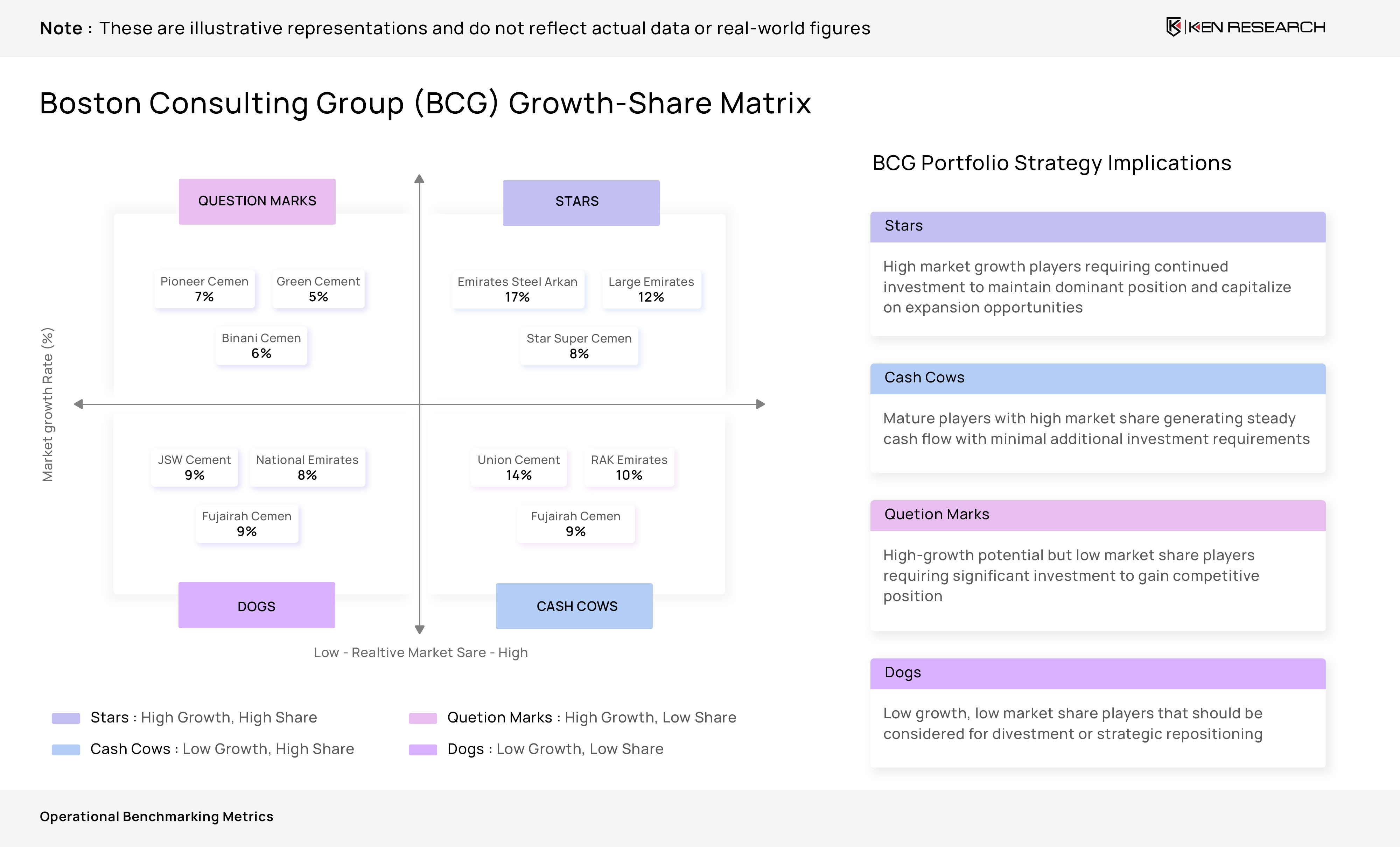
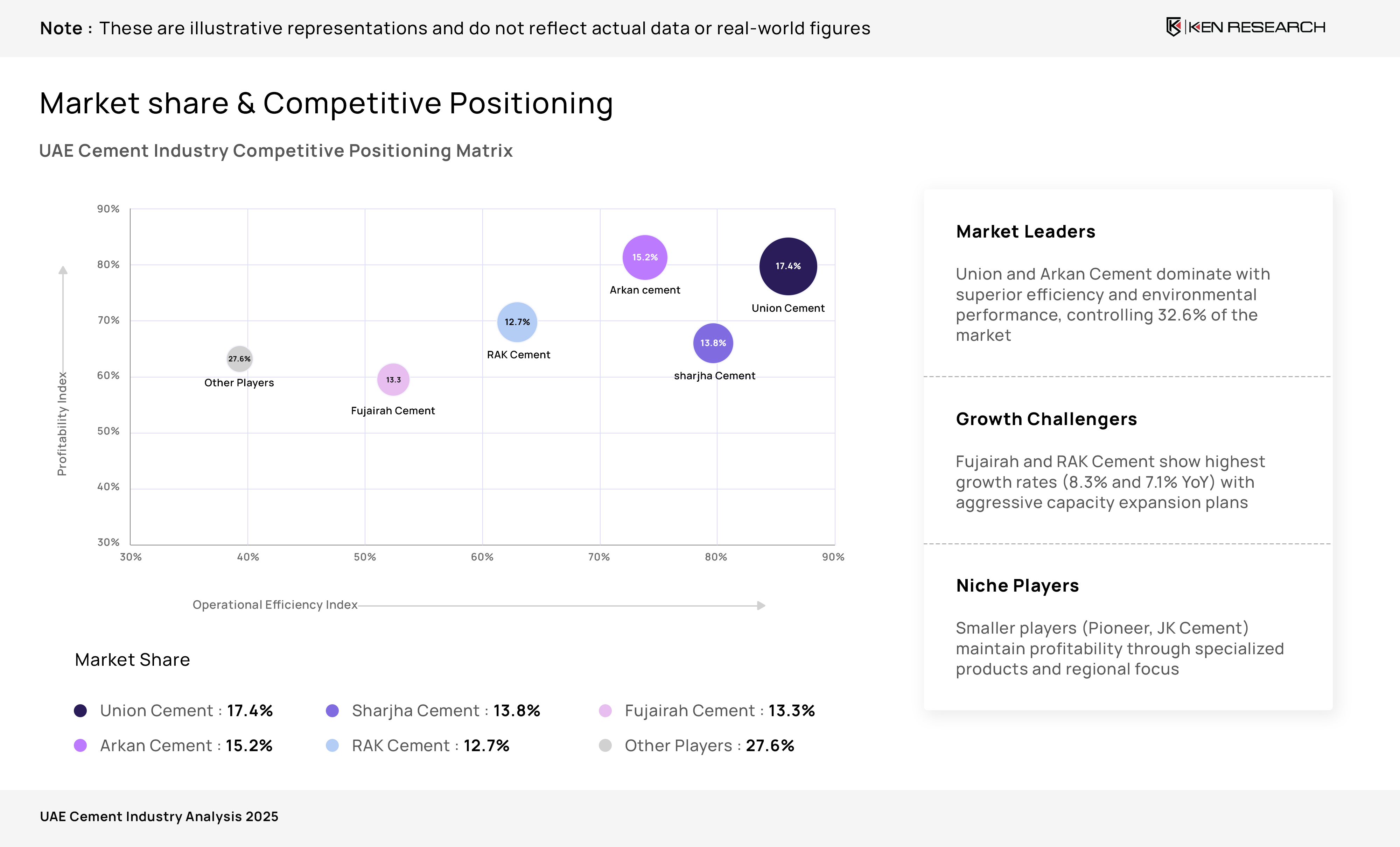
The Singapore poultry market is led by large integrated producers such as Kee Song and Seng Choon, who control a significant share of domestic demand through vertically integrated operations, ensuring quality control and strong distribution capabilities.
Medium and small-sized players serve niche segments including specialty poultry, halal-certified offerings, and small-scale farming, reinforcing the fragmented yet resilient ecosystem of the industry.
Leading Player Profile
Company Profile Overview
Large players like Kee Song, Seng Choon, and Chew’s Agriculture leverage advanced production methods such as cage-free and organic farming, strengthening their competitive edge in sustainability-driven demand.
Mid-sized and smaller entities balance local supply gaps, cater to halal and specialty categories, and preserve Singapore’s poultry supply chain resilience through niche and community-level production.
Key Operational Performance Metrics
Company Performance Overview
Unlock Market Insights
Dive deeper into production, distribution, and pricing intelligence.
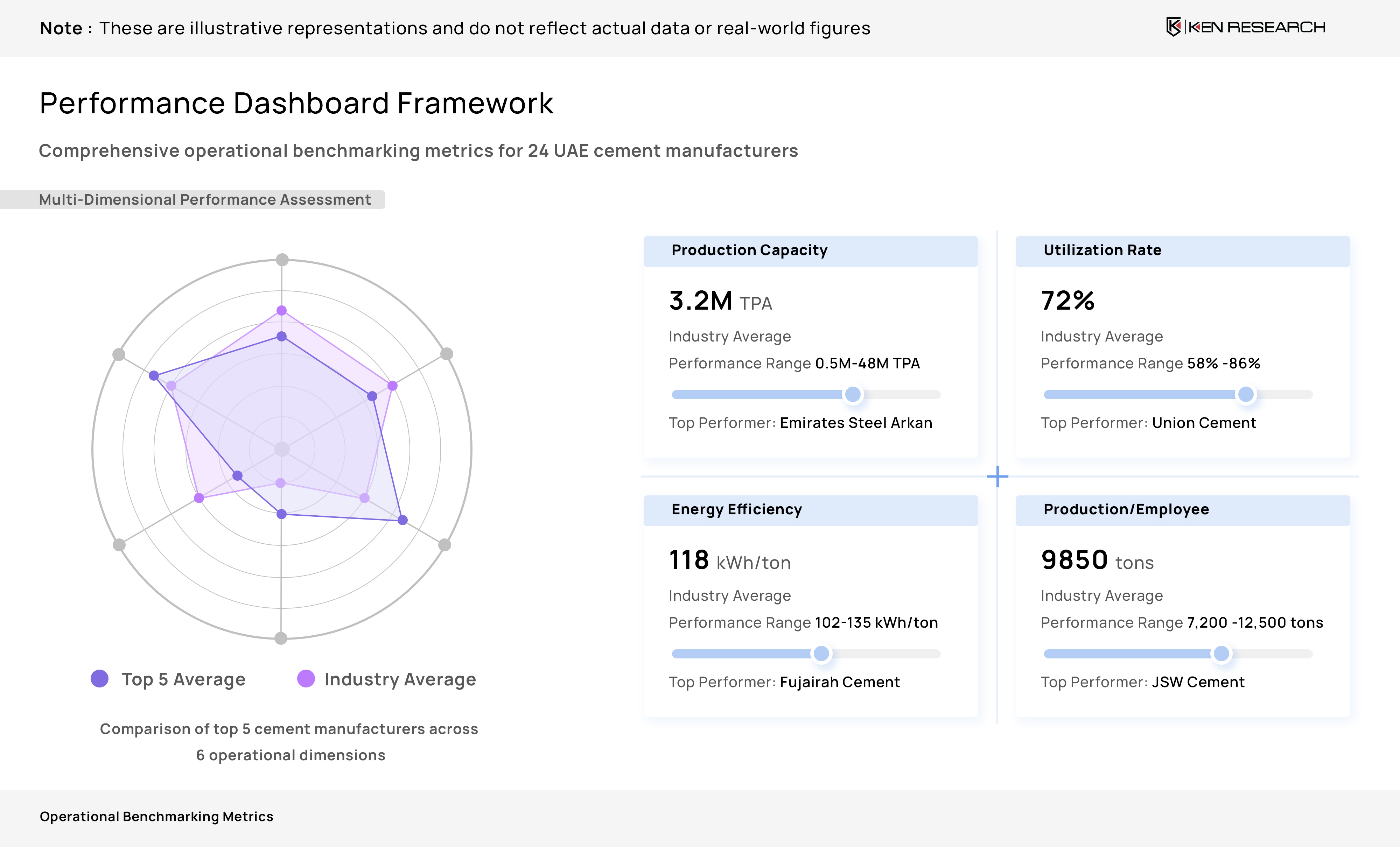
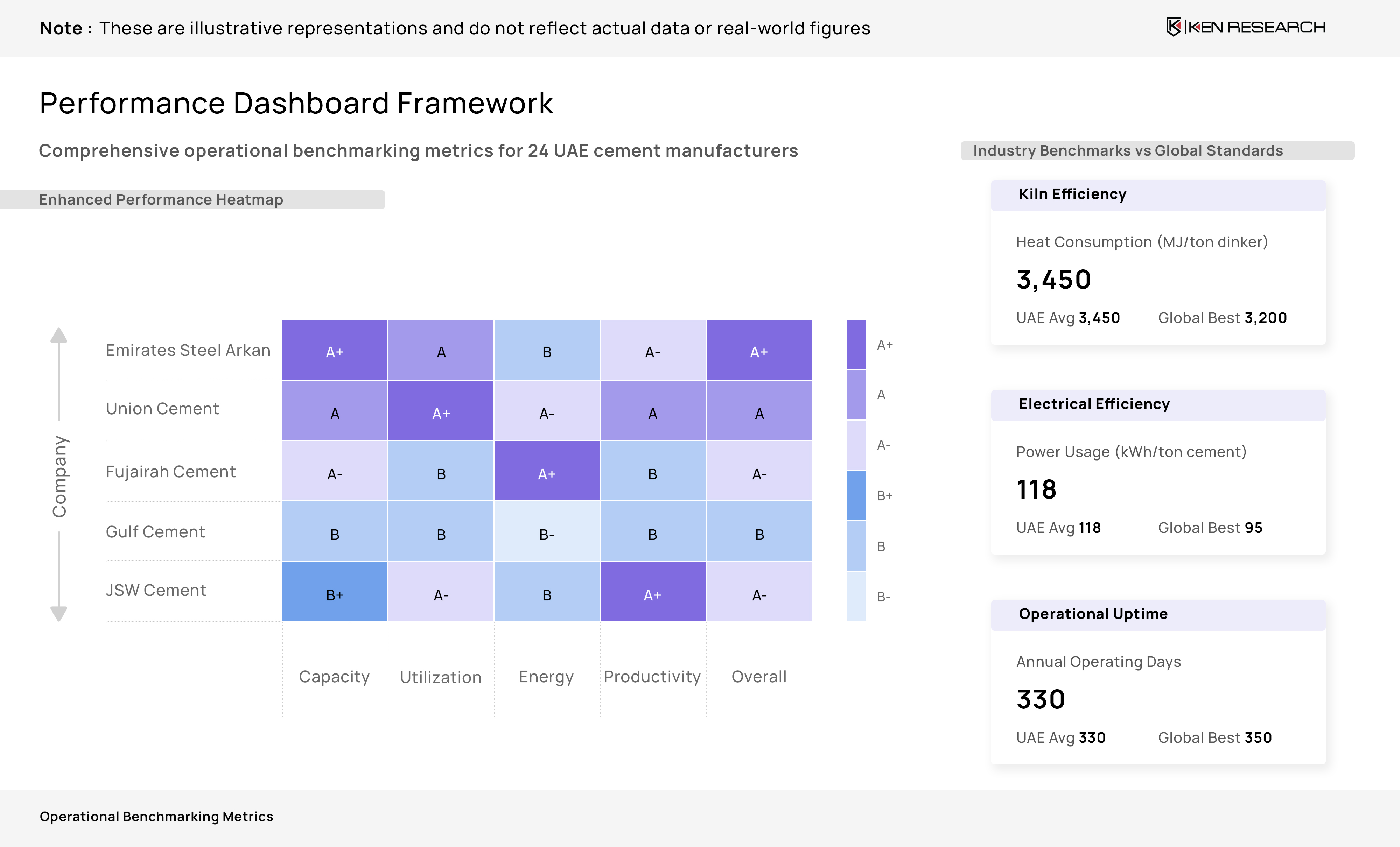
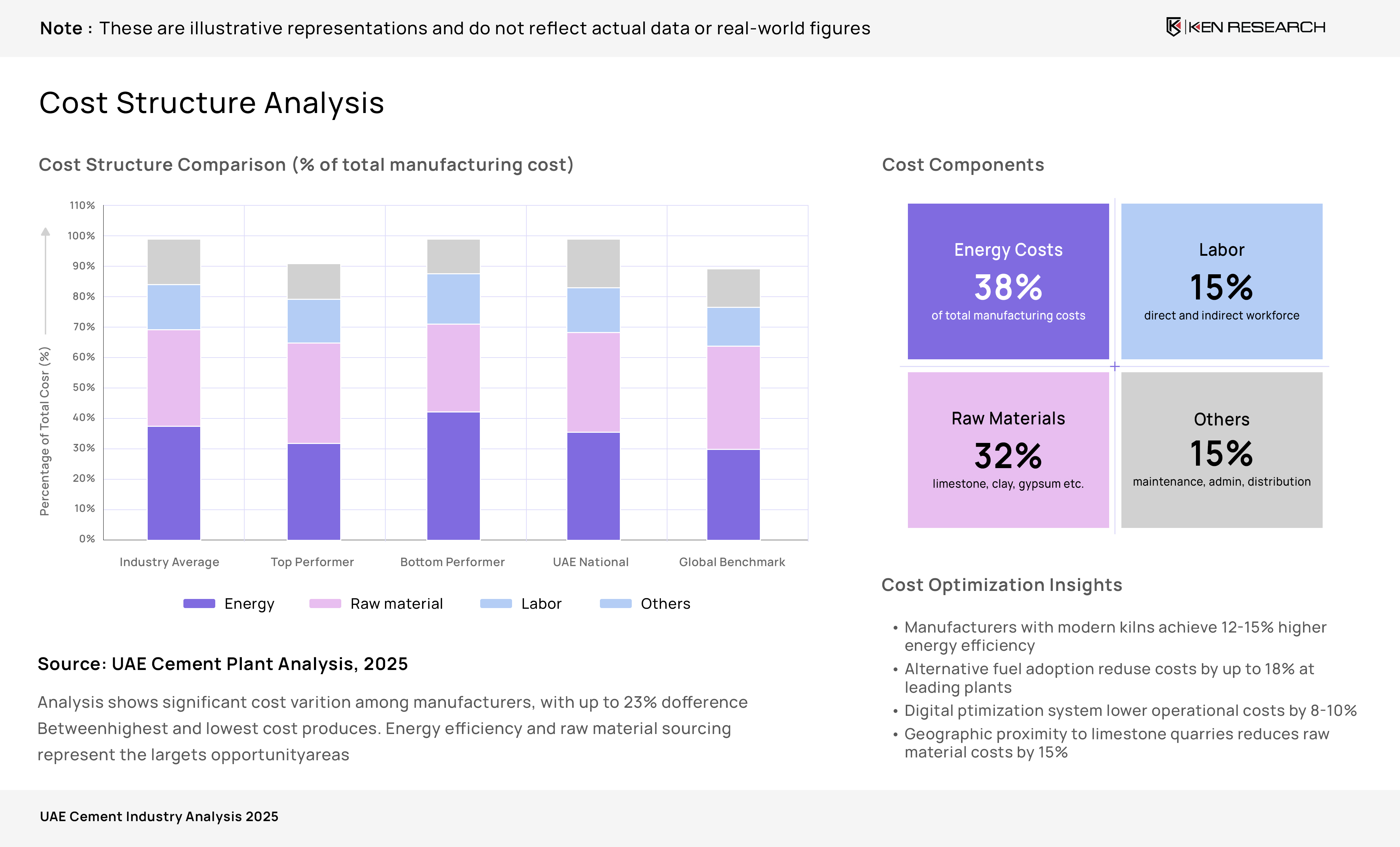
Get Customized ReportOperational benchmarks like production capacity, distribution coverage, and pricing are key differentiators in Singapore’s poultry market, where players compete on efficiency and food safety.
Larger integrated producers gain advantages through automation and premium pricing strategies, while smaller operators depend on local distribution contracts and competitive pricing to maintain relevance.
Core Financial Performance Metrics
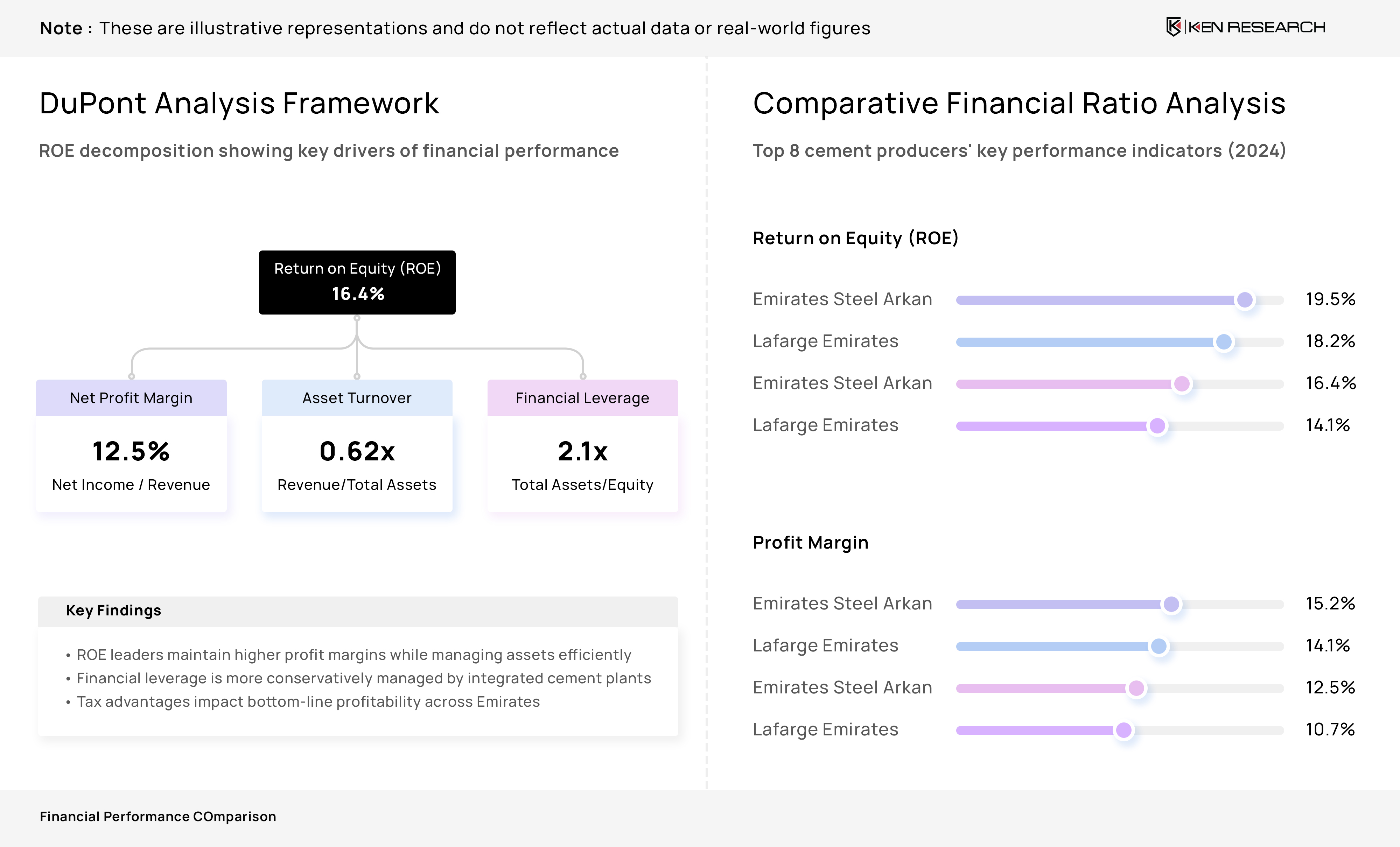
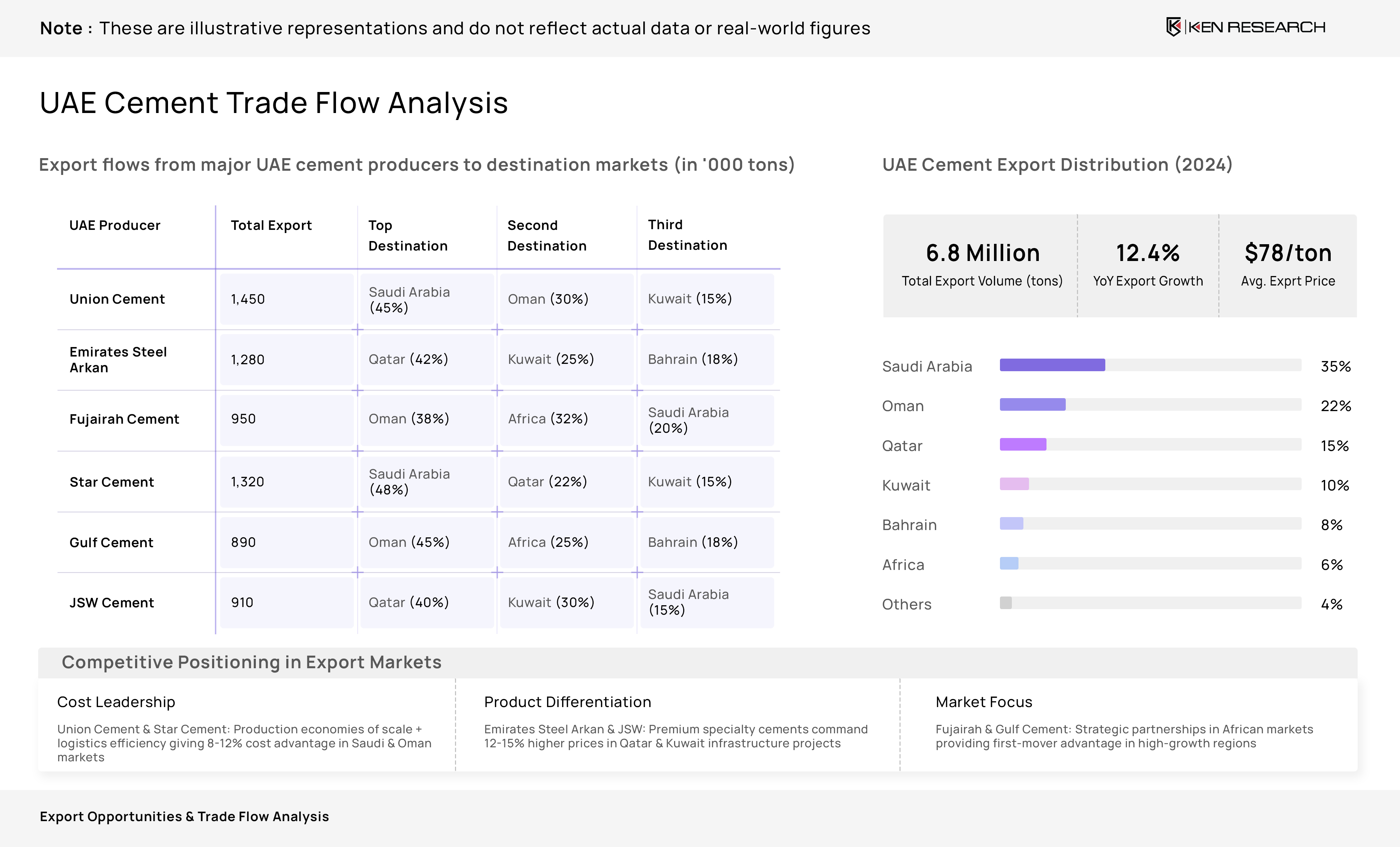
Financial performance benchmarking reveals profitability differentials, with established large players sustaining higher EBITDA margins due to economies of scale, modern farming systems, and premium product positioning.
Mid- and small-tier producers experience tighter margins, driven by higher input costs, local dependency, and limited economies of scale, underscoring the structural
Table of Contents
1. Ecosystem Matrix
1.1 Large Players
1.1.1 Kee Song Group
1.1.2 Toh Thye San Farm
1.1.3 Chew’s Agriculture
1.1.4 Seng Choon Farm
1.1.5 N&N Agriculture
1.2 Medium Players
1.2.1 Uncle Tony’s Poultry
1.2.2 Sinmah Poultry
1.2.3 Ban Choon Marketing
1.2.4 Tong Huat Poultry Processing
1.2.5 Leong Hup Singapore
1.3 Small Players
1.3.1 Lian Wah Hang Farm
1.3.2 Kee Wee Poultry
1.3.3 Ho Wah Genting Poultry
1.3.4 Primary Industries Poultry
1.3.5 Lee Say Poultry
2. Leading Player Profiles
2.1 Company Name
2.2 Group Name
2.3 Headquarters
2.4 Established Year
2.5 Core Business
2.6 Mode of Functioning
3. Key Operational Performance Metrics
3.1 Group Name
3.2 Number of Farms (Units)
3.3 Production Capacity (MT/Year)
3.4 Processing Plants (Units)
3.5 Distribution Coverage (%)
3.6 Pricing (USD/Kg)
3.7 Product Range (SKUs)
3.8 Export Share (%)
3.9 Supply Contracts (Units)
4. Core Financial Performance Metrics
4.1 Parameters
4.1.1 Revenue (USD Mn)
4.1.2 Revenue Growth (%)
4.1.3 COGS (USD Mn)
4.1.4 COGS Growth (%)
4.1.5 EBITDA (USD Mn)
4.1.6 EBITDA Growth (%)
4.1.7 EBITDA Margin (%)
4.1.8 PAT (USD Mn)
4.1.9 PAT Margin (%)
5. Methodology
5.1 Approach
5.1.1 Desk Sources
5.1.2 Primary Interviews
5.1.3 Sanity Checking & Validation
5.2 Benchmarking Process
5.2.1 Data Collection
5.2.2 Primary Validation
5.2.3 Proxy KPI Modelling
5.2.4 Normalization & Indexing
5.2.5 Gap Analysis
5.2.6 Peer Review
5.3 Sample Composition
5.3.1 Scope Items
5.3.2 Sample Size
5.3.3 Target Respondents
Methodology
Ken Research will deploy its proprietary, multi-layered research framework—combining robust secondary research, targeted primary outreach, and rigorous data validation—to deliver an authoritative competitive landscape analysis of the Singapore Poultry Producers Market.
Desk Sources
- Industry reports from proprietary databases and Ken Research archives
- Company annual reports and investor presentations
- Government and trade association publications, including the Singapore Food Agency, AVA, and Poultry Merchants’ Association
- Trade magazines, journals, and online news portals
- Financial databases such as Bloomberg and Capital IQ
- Web traffic and digital footprint dashboards including SimilarWeb and App Annie
Primary Interviews
- CATIs and online surveys with category managers and R&D heads of poultry producers
- Senior sales and marketing leaders at major poultry companies
- Distributors and modern trade buyers
- Veterinarians, nutrition suppliers, and poultry feed experts
- Cold-chain logistics providers and service enablers
Sanity Checking & Validation
- Triangulation to cross-verify estimates from secondary research, primary inputs, and proxy model outputs
- Proxy KPI synthesis using number of farms, production capacity, feedmill output, slaughterhouse throughput, cold-chain network scale, and retail penetration to estimate revenues or capacities
- Outlier analysis to identify and reconcile anomalous data points through follow-up discussions
- Assumption tracking with a structured log documenting benchmarking limitations and proxy KPI sources
- Peer review by internal experts validating methodology, models, and outputs prior to finalization
An Inside Look At Our Custom Insights
Take a look at ourcustomized insights, tailored to yourmarket and business needs. Our benchmarking reports deliver data-driven comparisons of key players, helping you uncover opportunities, assess performance, and make confident strategic decisions.