South Africa Automotive Aftermarket Parts Market
Published on: February 2026
Report Overview
South Africa Automotive Aftermarket Overview
Market Highlights
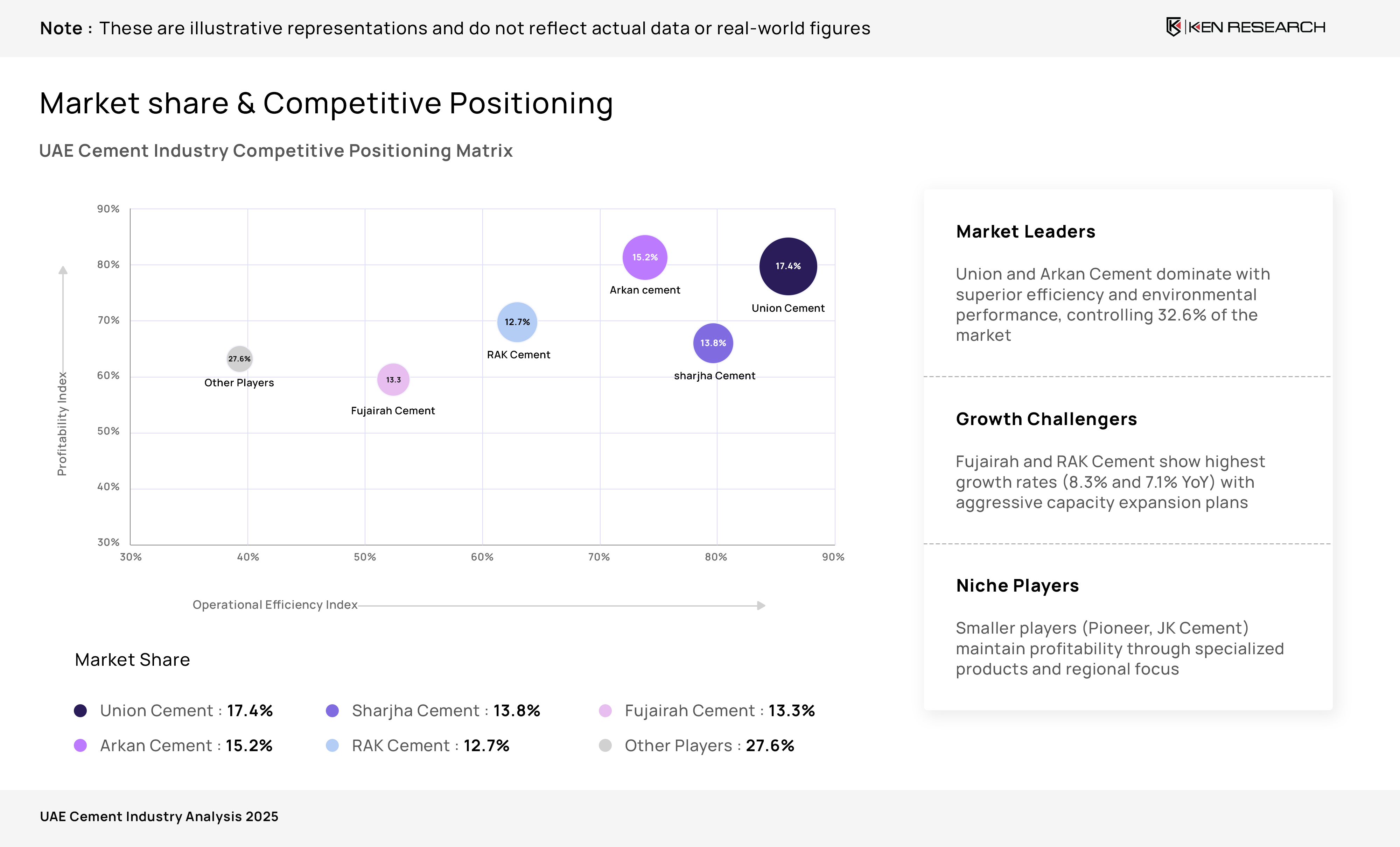
The South Africa automotive aftermarket parts market features a layered competitive structure with large national chains, regional distributors, and niche local players. Large players leverage scale, branch density, and broad SKU portfolios, while mid sized and smaller firms differentiate through specialization, speed, and strong workshop or regional relationships.
Competition in the market blends global sourcing standards with localized execution. Domestic manufacturers and distributors tailor product ranges, pricing, and specifications to suit the local vehicle parc, operating conditions, and affordability levels, enabling effective competition against imported aftermarket alternatives.
Distribution strength and aftersales support are central to market success. Fast availability, reliable service turnaround, and technical assistance influence workshop loyalty and repeat purchases. Fitment networks and trade focused models help embed demand across high frequency replacement categories.
Strategically, leading players prioritize operational efficiency, pricing discipline, and inventory optimization to sustain margins. Increasing use of digital ordering, supply chain analytics, and demand forecasting strengthens execution, while long term competitiveness depends on balancing innovation, localization, and evolving customer expectations.
Ecosystem Matrix
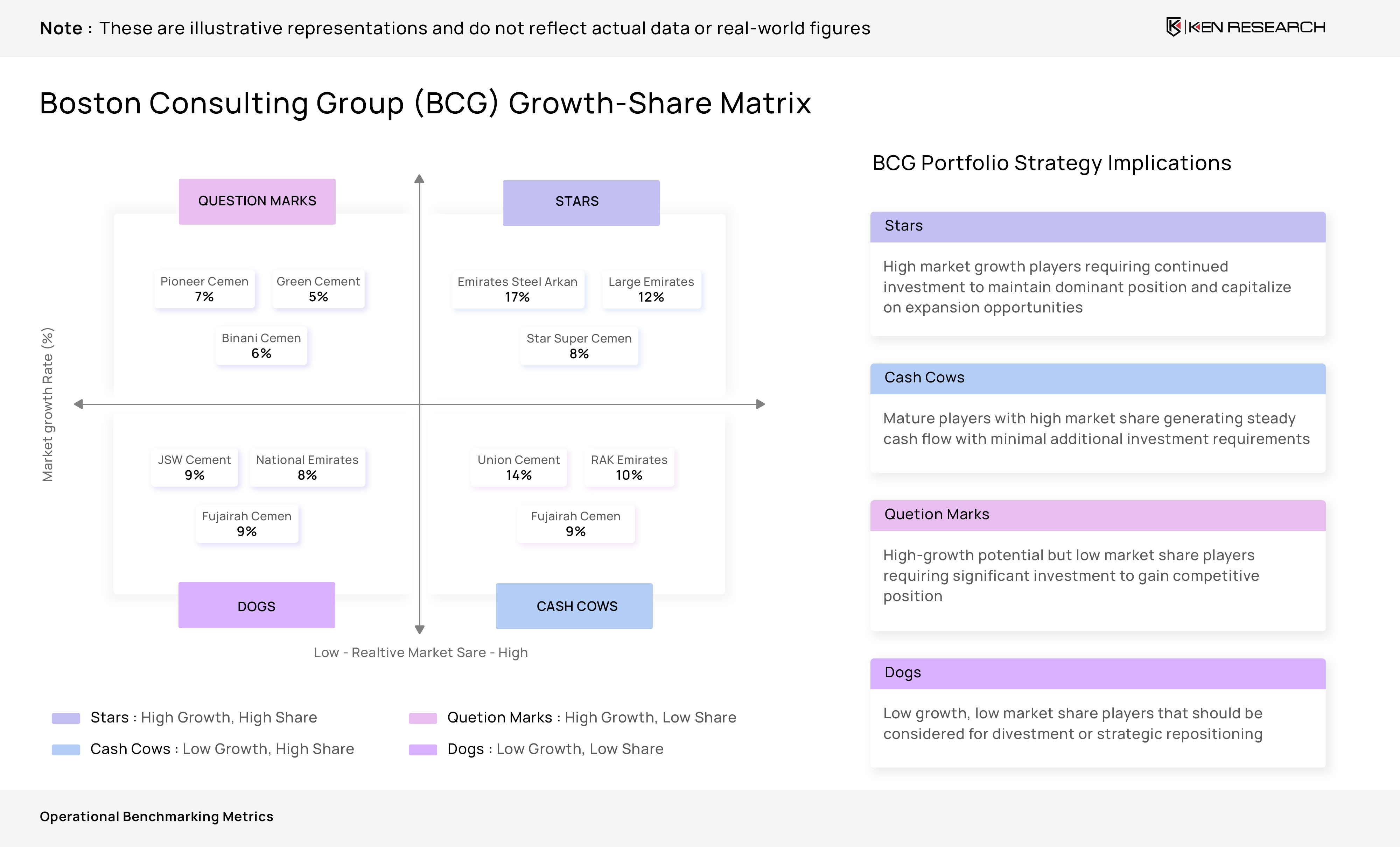
South Africa’s aftermarket is scale-led: nationwide branch density, fast-moving SKU breadth, and distribution reach decide who wins trade wallets, while fitment networks lock in repeat demand through service attach and bundled pricing discipline.
Competitive intensity is highest in price-sensitive segments (brakes, filters, oils, tyres, batteries), pushing players to build private-label portfolios, tighter inventory turns, and stronger last-mile availability to defend share without eroding margins.
Leading Player Profiles
Company Profile Overview
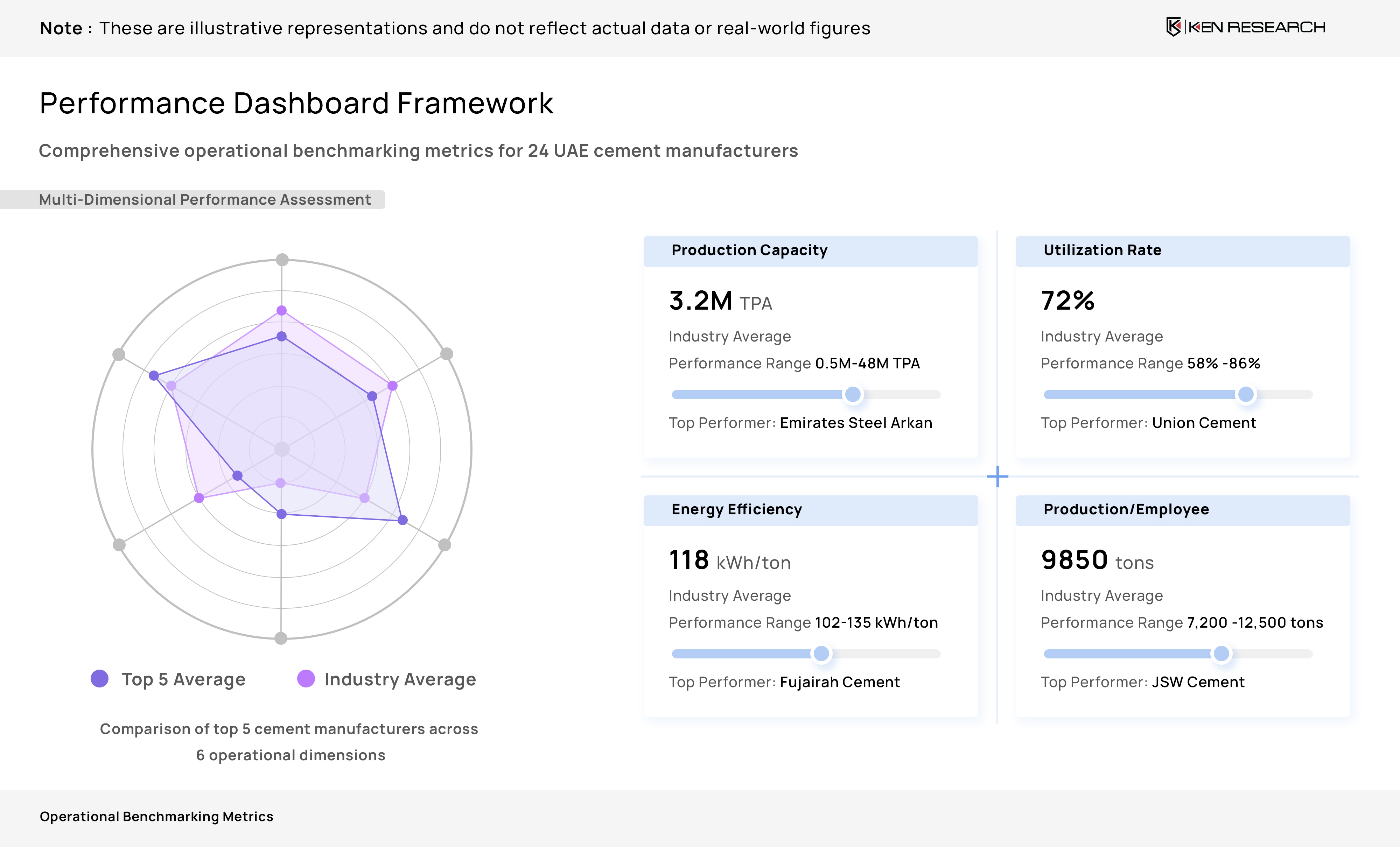
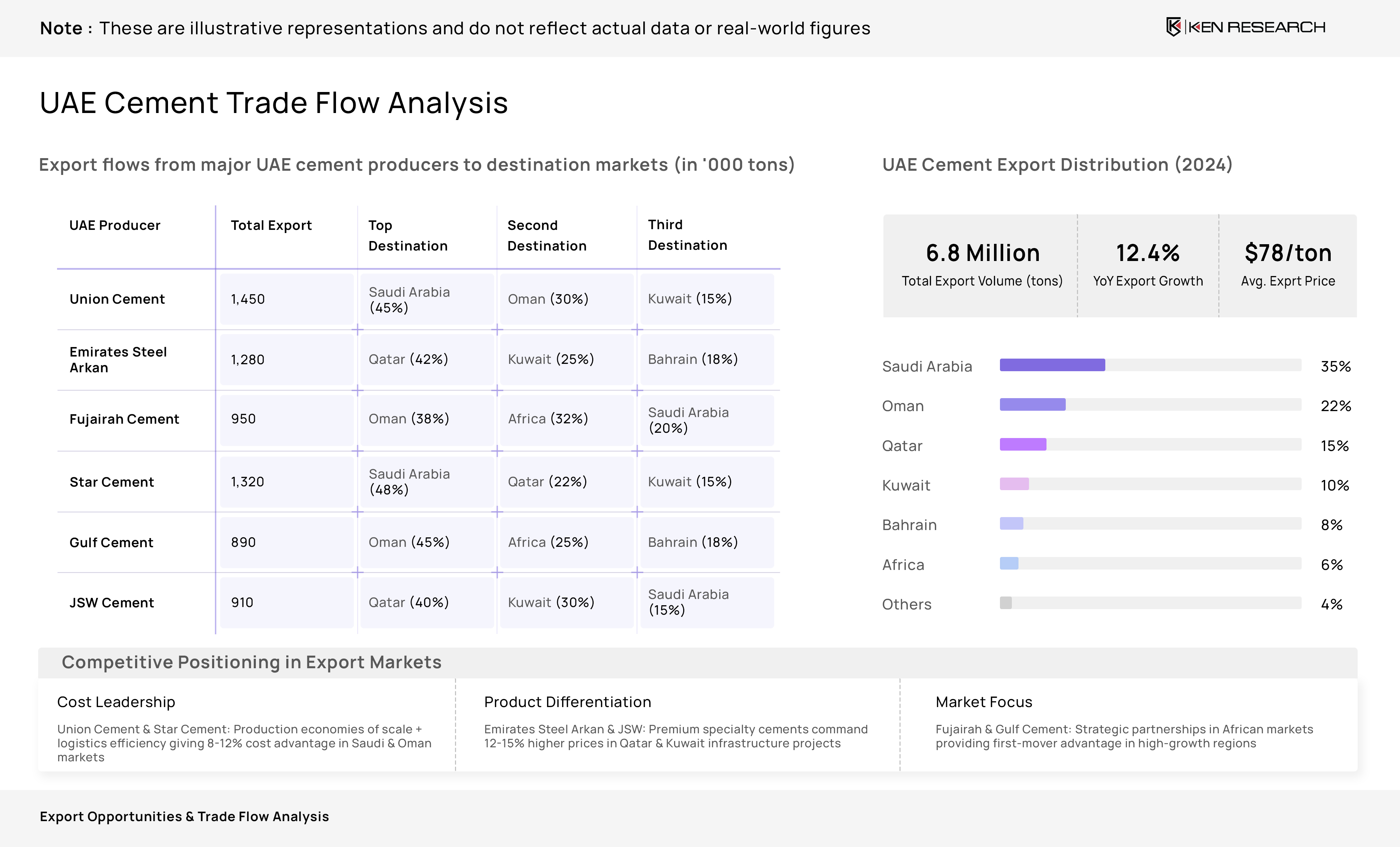
Leaders differentiate less by “having parts” and more by supply reliability: SKU breadth, trade credit capability, and high-fill distribution cycles decide workshop loyalty, especially when customers shift to value brands during cost pressure.
Fitment-led chains reinforce share via service attach and repeat cycles (tyres, batteries, brakes), while pure-play distributors win by being fastest on availability and strongest on technical matching for the installed vehicle parc.
Key Operational Performance Metrics
Company Performance Overview
Unlock Market Insights
Dive deeper into production, distribution, and pricing intelligence.
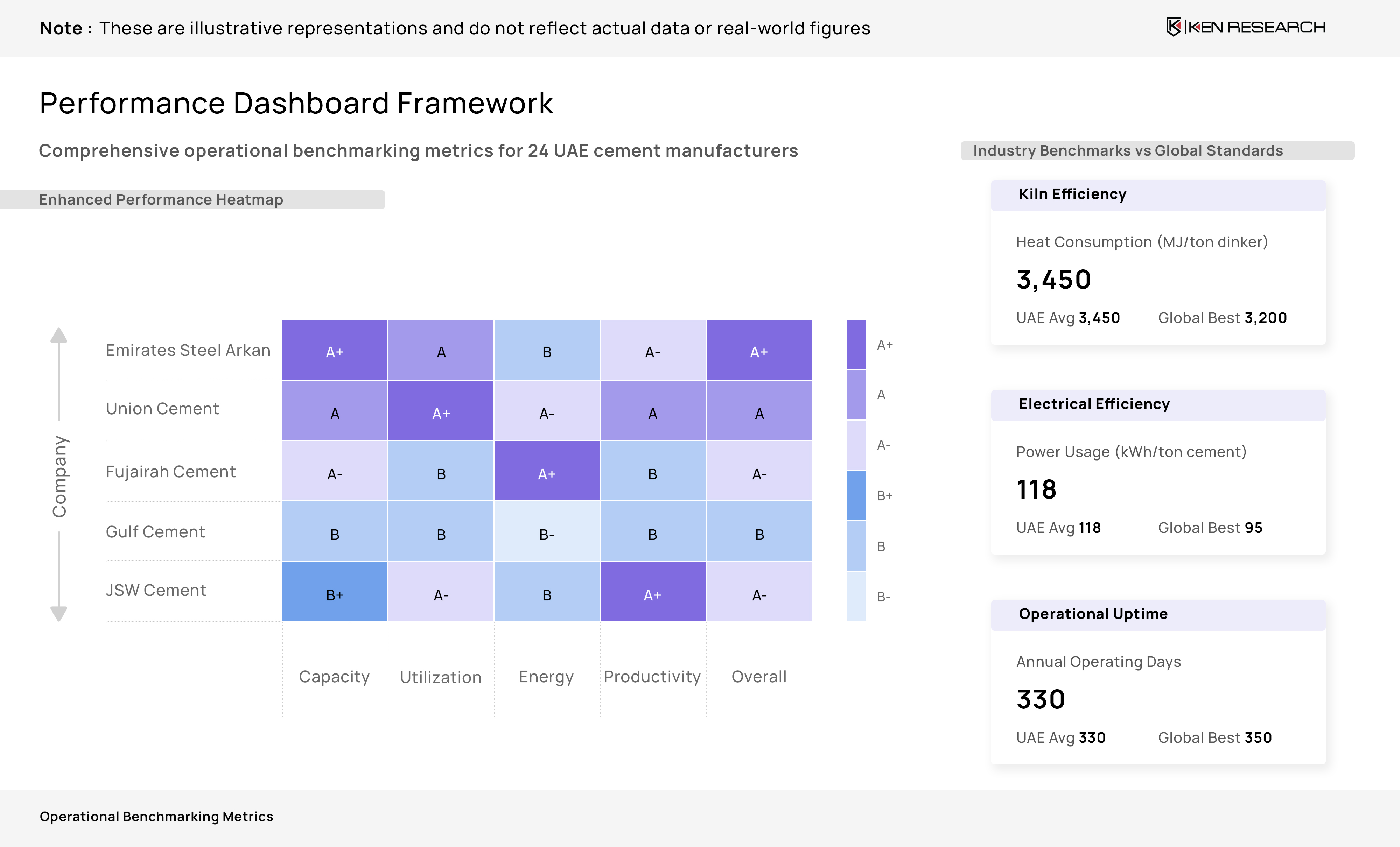
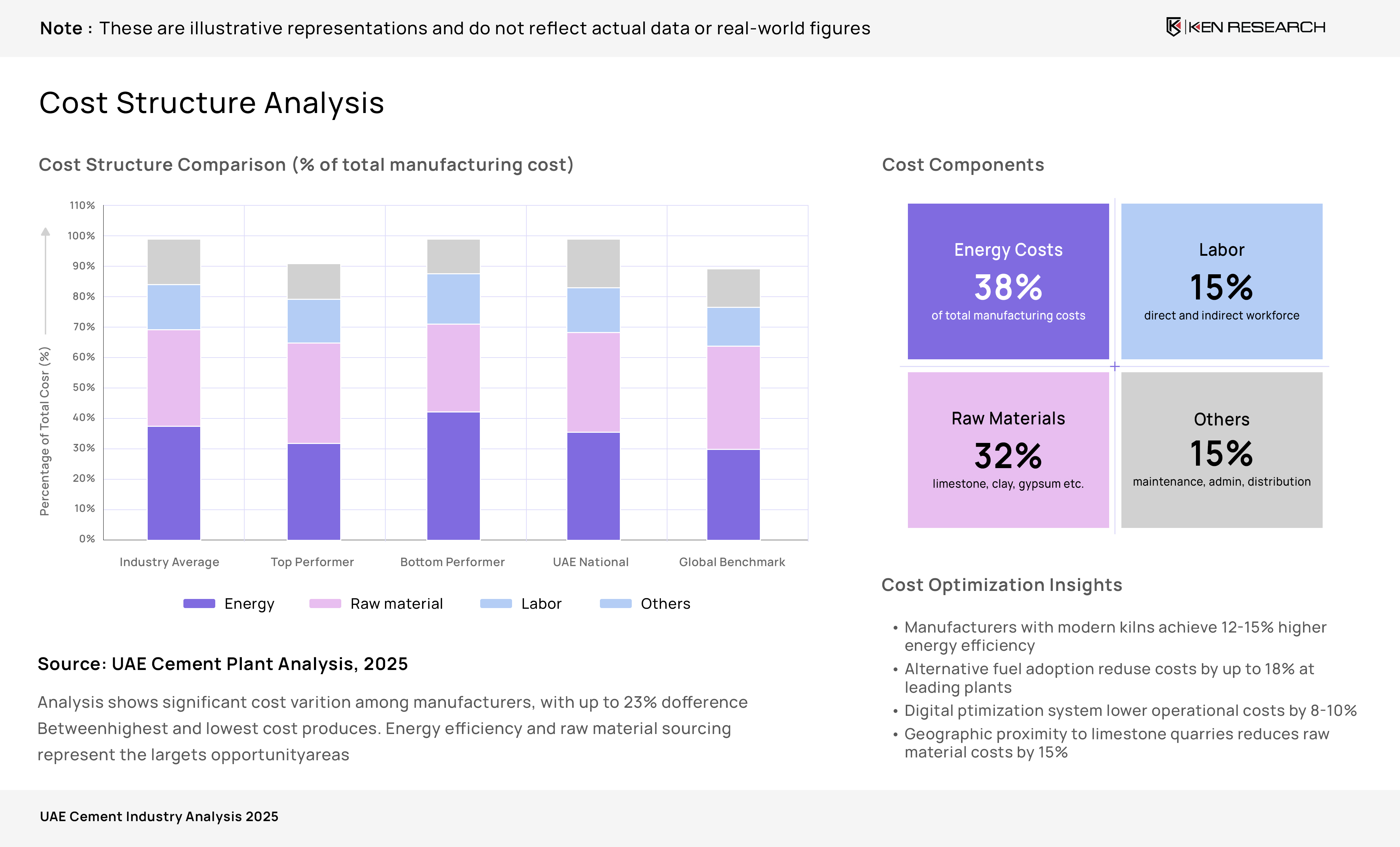
Get Customized ReportRevenue leadership tracks with commercial levers: pricing discipline, trade penetration, and conversion through service attach, supported by high fill-rates and faster inventory cycles that reduce lost sales on fast-moving maintenance categories.
The most bankable advantage in South Africa is availability at the right price point, where private label mix and promotion control protect margins while keeping workshops loyal across high-frequency replacement cycles.
Core Financial Performance Metrics
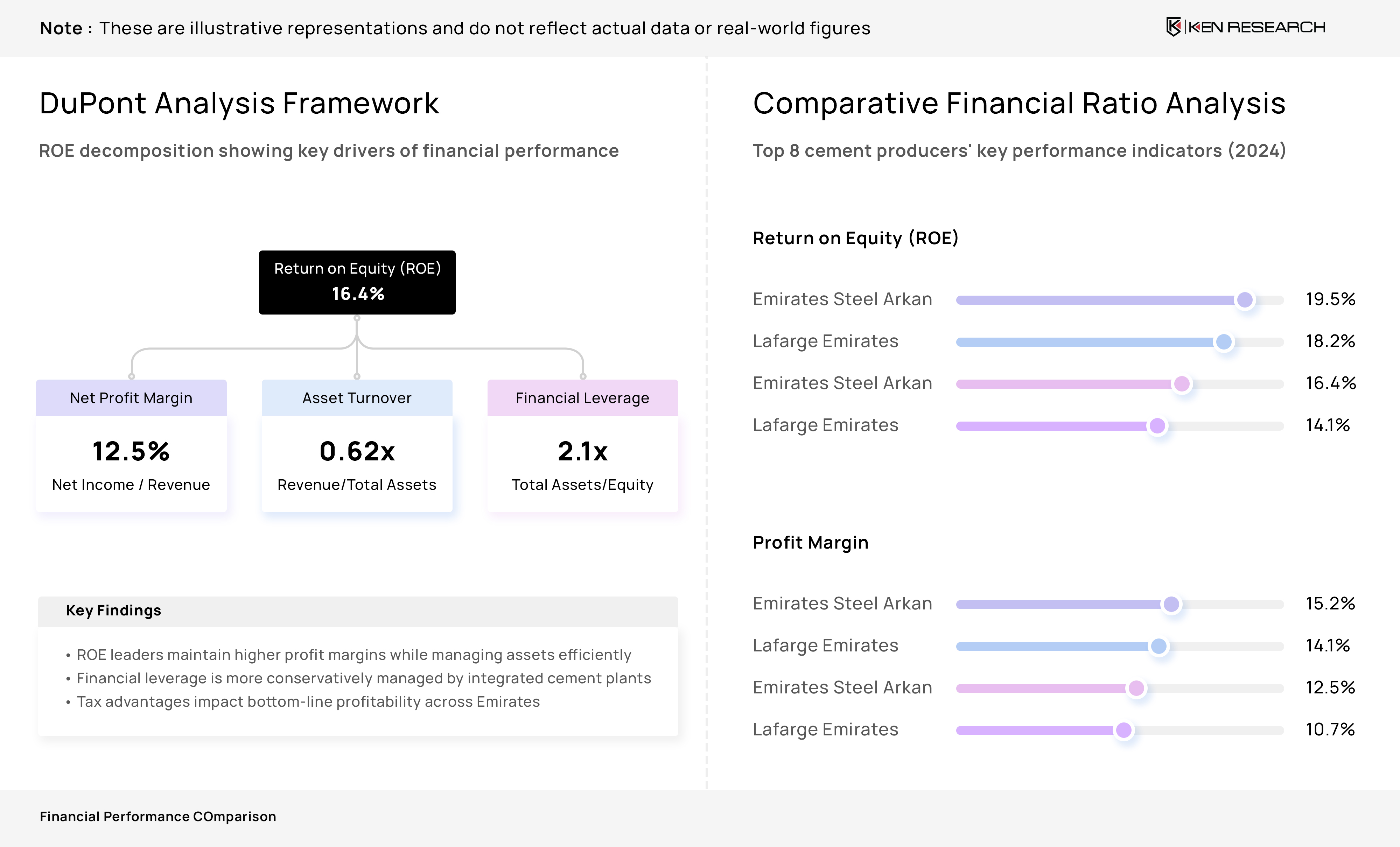
Financial outperformance typically follows mix: players with higher trade share, tighter promotional leakage, and rising private label contribution sustain EBITDA margins even when consumer demand softens and price competition rises in core replacement categories.
Scale benefits are real, but execution decides: inventory accuracy, procurement terms, and network productivity drive COGS efficiency, while service-led upsell and repeat cycles improve operating leverage and cash conversion quality.
Table of Contents
1. Ecosystem Matrix
1.1 Large Players
1.1.1 AutoZone
1.1.2 Midas
1.1.3 Goldwagen
1.1.4 Supa Quick
1.1.5 Hi-Q
1.1.6 Tiger Wheel & Tyre
1.1.7 First Battery (First National Battery)
1.1.8 Metair
1.2 Medium Players
1.2.1 Masterparts
1.2.2 Alert Engine Parts
1.2.3 Partquip
1.2.4 Grandmark International
1.2.5 Bearing Man Group (BMG)
1.3 Small Players
1.3.1 Accessories Spares Centre (ASC)
1.3.2 Willard Batteries
1.3.3 ESP Africa
2. Leading Player Profiles
2.1 Parameters
2.1.1 Company Name
2.1.2 Group Name
2.1.3 Headquarters
2.1.4 Established Year
2.1.5 Core Services
2.1.6 Mode of Functioning
3. Key Operational Performance Metrics
3.1 Parts & Accessories Sales (USD Mn)
3.2 Trade/Wholesale Sales (USD Mn)
3.3 Service/Fitment Sales (USD Mn)
3.4 Average Selling Price (USD)
3.5 Promotion Intensity (% of sales)
3.6 Stock Fill Rate (%)
3.7 Inventory Turns (x)
3.8 Average Basket Value (USD)
3.9 Repeat Purchase Rate (%)
3.10 Pricing Governance
4. Core Financial Performance Metrics
4.1 Parameters
4.1.1 Revenue (USD Mn)
4.1.2 Revenue Growth (%)
4.1.3 COGS (USD Mn)
4.1.4 COGS Growth (%)
4.1.5 EBITDA (USD Mn)
4.1.6 EBITDA Growth (%)
4.1.7 EBITDA Margin (%)
4.1.8 PAT (USD Mn)
4.1.9 PAT Margin (%)
5. Methodology
5.1 Approach
5.1.1 Desk Sources
5.1.2 Primary Interviews
5.1.3 Sanity Checking & Validation
5.2 Benchmarking Process
5.2.1 Data Collection
5.2.2 Primary Validation
5.2.3 Proxy KPI Modelling
5.2.4 Normalization & Indexing
5.2.5 Gap Analysis
5.2.6 Peer Review
5.3 Sample Composition
5.3.1 Scope Items
5.3.2 Sample Size
5.3.3 Target Respondents
Methodology
Ken Research will deploy its proprietary, multi layered research framework combining robust secondary research, targeted primary outreach, and rigorous data validation to deliver an authoritative competitive benchmarking assessment of the South Africa Automotive Aftermarket Parts Market. The methodology is designed to capture both scale driven players and specialized aftermarket participants across parts distribution, fitment services, and component manufacturing, ensuring consistency across operational and financial benchmarking outputs.
Desk Sources
- Industry reports from proprietary databases and Ken Research internal archives to establish historical benchmarks for the automotive aftermarket ecosystem
- Company annual reports, investor presentations, and statutory disclosures to extract segment level financials, aftermarket exposure, and strategic priorities
- Government publications, customs data, and trade association releases to assess vehicle parc evolution, import dependency, and regulatory context
- Trade magazines, automotive journals, and industry portals to track competitive developments, product launches, and pricing behavior
- Financial intelligence platforms such as Bloomberg and Capital IQ to standardize peer financials and group level disclosures
- Digital intelligence tools including SimilarWeb and app usage dashboards to assess brand visibility, trade engagement, and digital channel relevance
Primary Interviews
- CATI interviews and structured surveys with category managers and R&D heads of aftermarket parts manufacturers and distributors
- In depth discussions with senior sales and marketing leaders at leading aftermarket retailers, wholesalers, and fitment chains
- Interviews with distributors, workshop owners, and channel partners to validate pricing structures, volume flows, and regional demand patterns
- Consultations with automotive industry analysts, consultants, and service providers for expert validation of competitive dynamics and structural shifts
Sanity Checking and Validation
- Triangulation of estimates by cross verifying secondary research, primary inputs, and proxy based model outputs
- Proxy KPI synthesis using indicators such as outlet count, SKU breadth, inventory turns, service bay utilization, and web engagement to approximate revenues
- Outlier analysis to identify inconsistencies across reported and derived metrics, followed by targeted follow up discussions
- Assumption tracking through a structured log capturing all modeling assumptions, limitations, and proxy KPI sources
- Internal peer review of methodology, analytical frameworks, and benchmarking outputs prior to final report closure
An Inside Look At Our Custom Insights
Take a look at ourcustomized insights, tailored to yourmarket and business needs. Our benchmarking reports deliver data-driven comparisons of key players, helping you uncover opportunities, assess performance, and make confident strategic decisions.