South Africa Car Washing Market
Published on: November 2025
Report Overview
South Africa Car Washing Market
Market Highlights
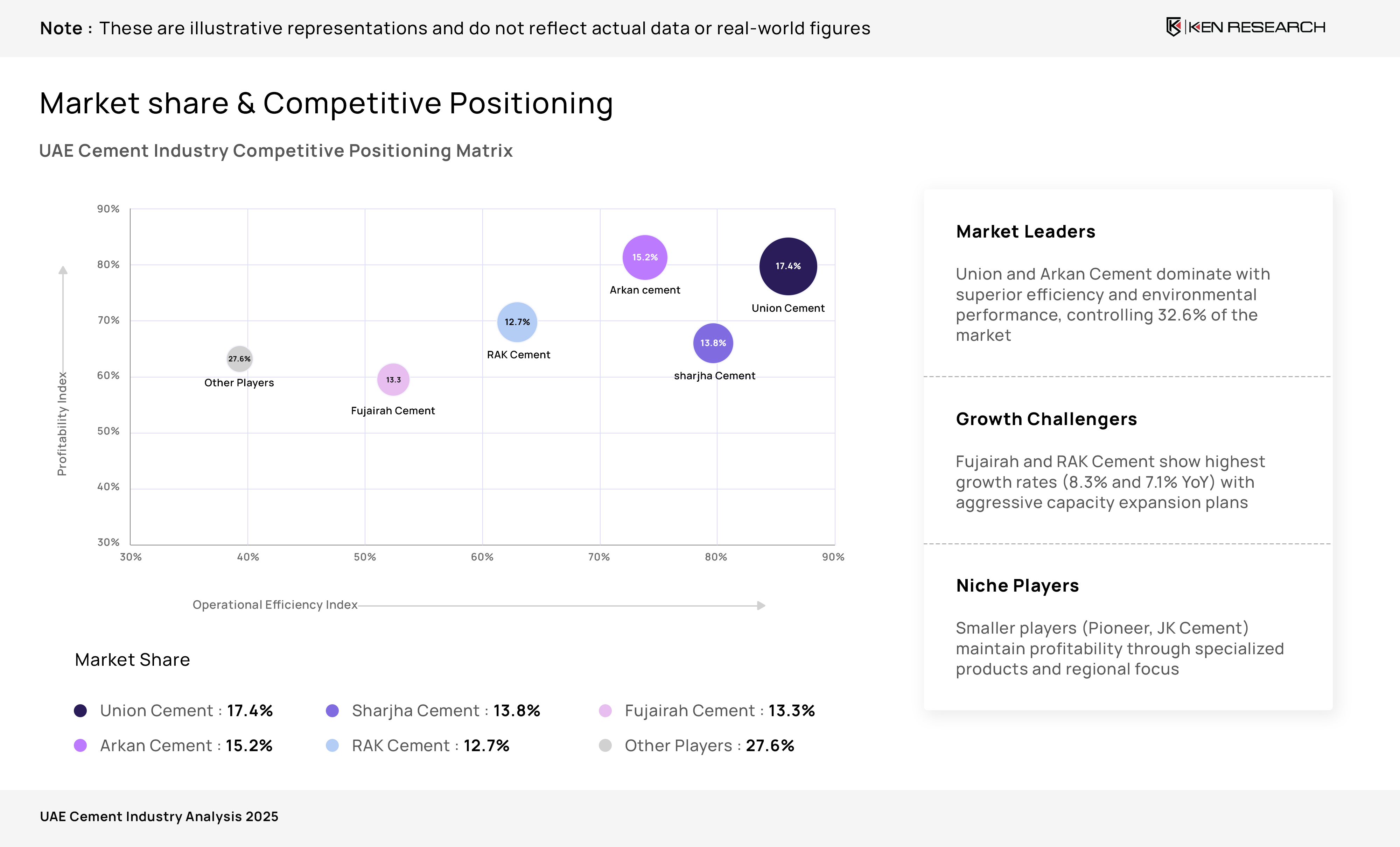
The South Africa car washing market features a mix of organized franchise networks, independent service operators, and rapidly growing mobile car wash providers. Established brands leverage standardized processes and technology integration, while smaller operators compete through affordability, convenience, and personalized service delivery across residential, commercial, and fleet-based customer segments.
Competitiveness is influenced by the adoption of modern washing technologies and strong alignment with local vehicle maintenance preferences. Operators integrate automated systems, water-efficient equipment, and eco-friendly cleaning agents while tailoring service packages, pricing structures, and turnaround times to match customer expectations for quality, convenience, and budget flexibility in urban and semi-urban areas.
Distribution and service networks rely on strategic positioning near malls, fuel stations, office complexes, and residential communities. Providers with mobile units, subscription-based offerings, and consistent service quality achieve stronger customer retention, enabling them to navigate fluctuating demand patterns and expand reach across diverse consumer and corporate-client clusters.
Strategic priorities across the sector focus on operational efficiency, sustainability, and customer experience enhancement. Companies invest in technology-driven scheduling, water recycling systems, and staff training while introducing value-added services such as detailing, interior sanitization, and premium polishing. These initiatives reinforce competitiveness in a market shaped by rising urbanization and evolving vehicle care expectations.
Ecosystem Matrix
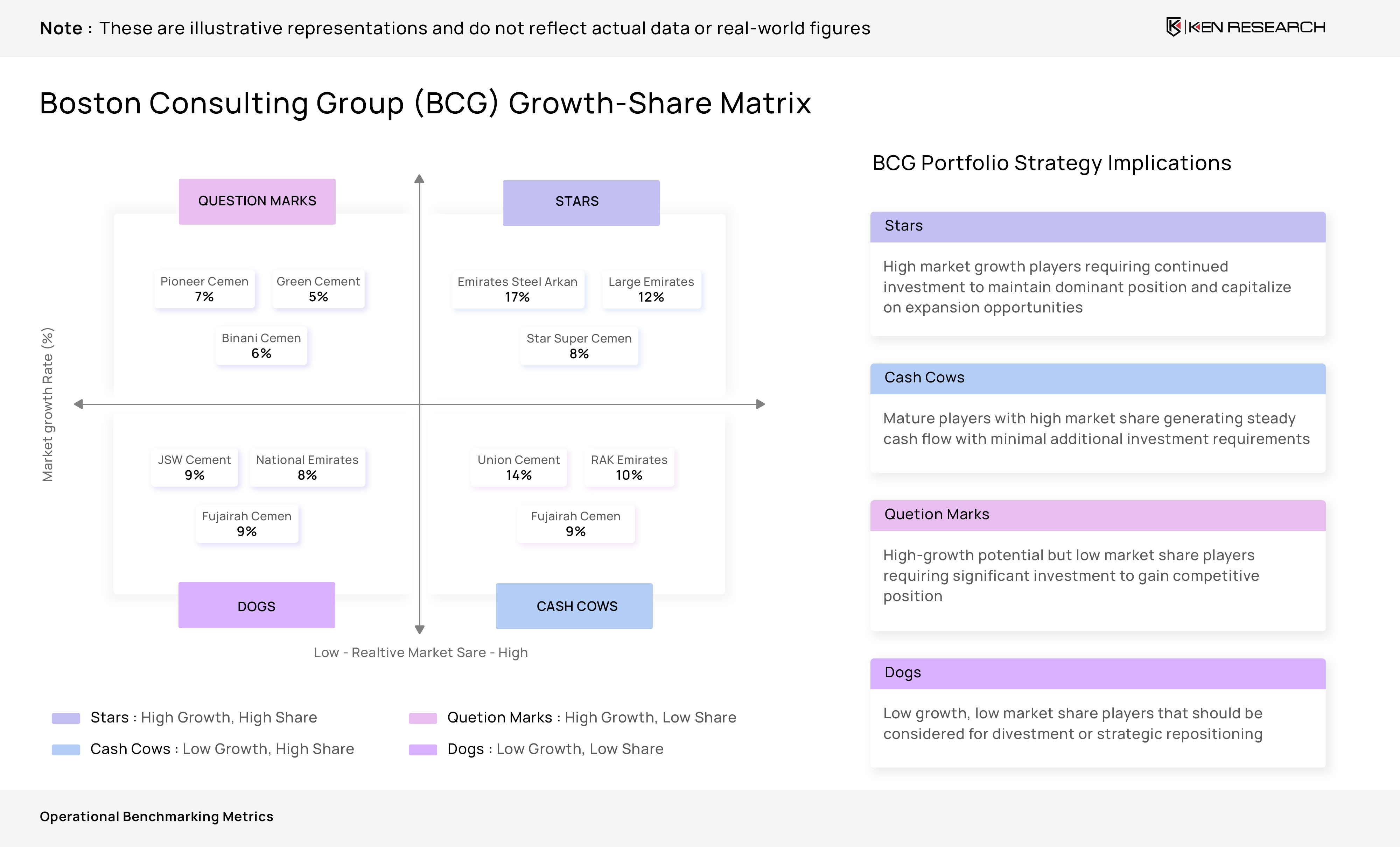
The South Africa car wash market is shaped by large organized chains like Car Spa SA and Washtec SA that dominate high-traffic urban centers, while medium-sized networks and franchises cover regional demand and emerging suburban hubs.
Smaller operators sustain localized demand by targeting budget-conscious customers, often leveraging personalized service and flexible pricing models. This creates a dual market dynamic of consolidation in premium segments and fragmentation across low-cost segments.
Leading Players Profiles
Company Profile Overview
The leading companies showcase a mix of traditional car wash formats and app-driven models, highlighting a gradual transition towards digitization and eco-friendly practices.
Group-level backing (e.g., Supa Quick under Bridgestone) provides competitive advantage, while standalone operators focus on hyper-local demand and cost efficiencies.
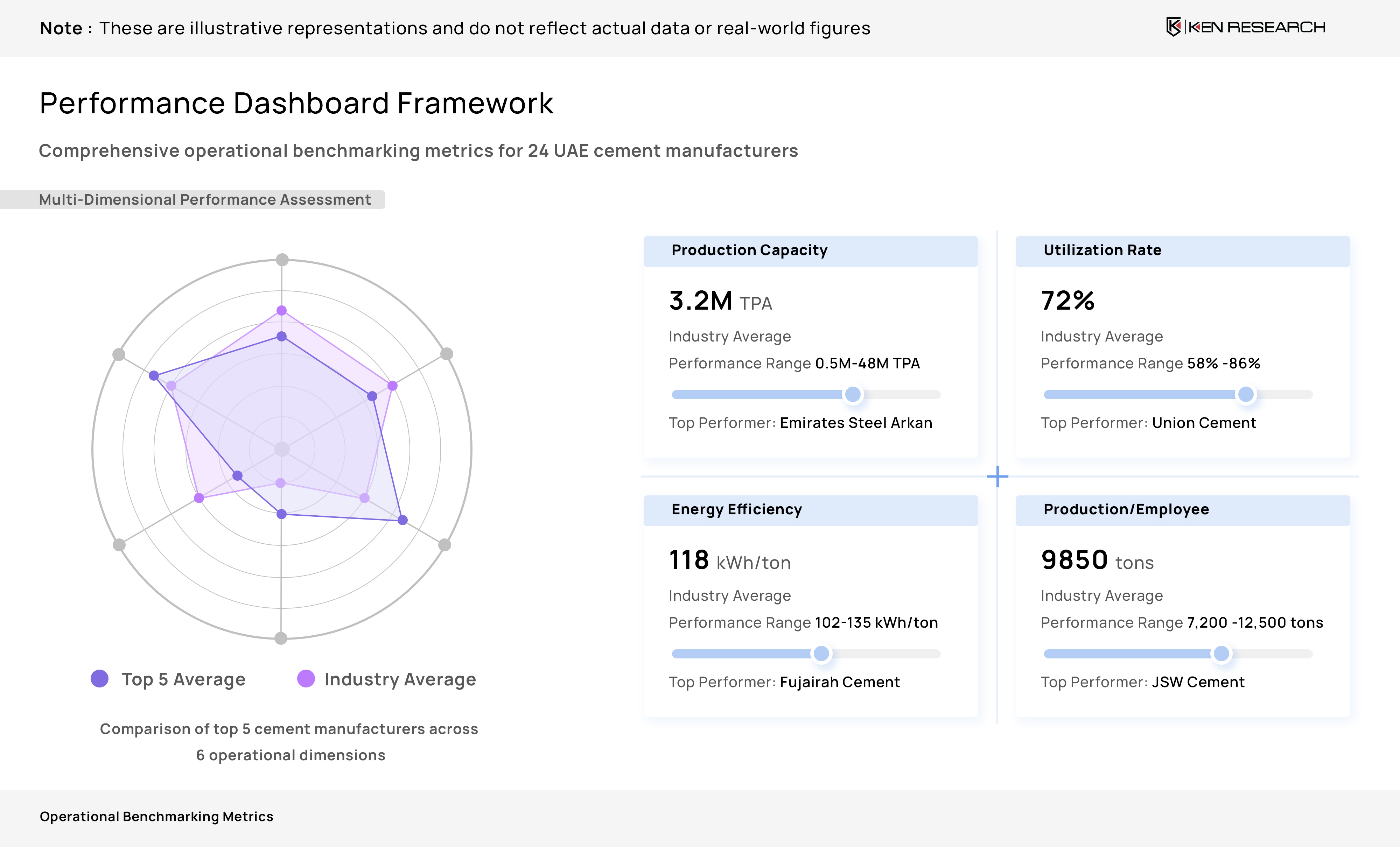
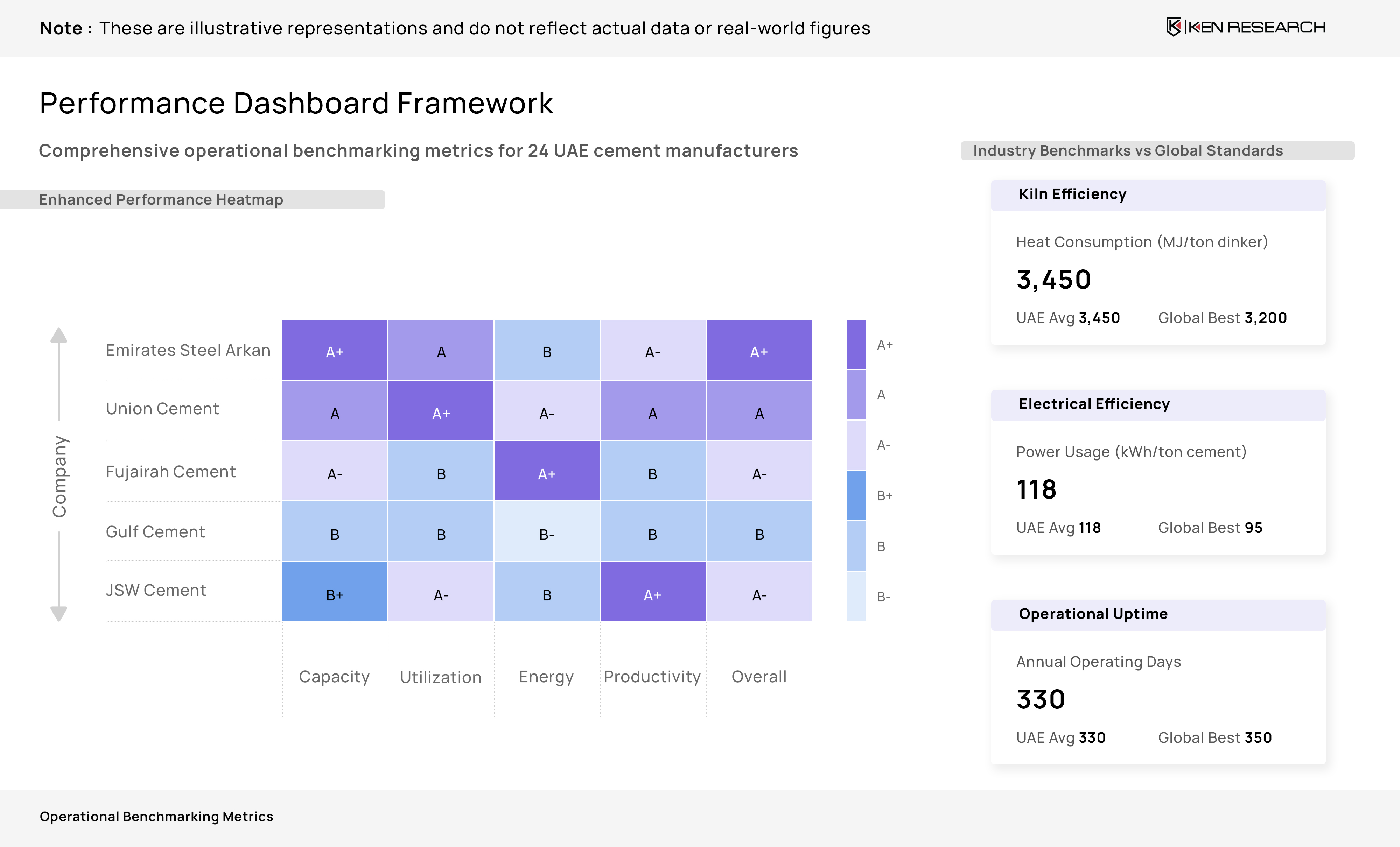
Key Operational Performance Metrics
Company Performance Overview
Unlock Market Insights
Dive deeper into production, distribution, and pricing intelligence.
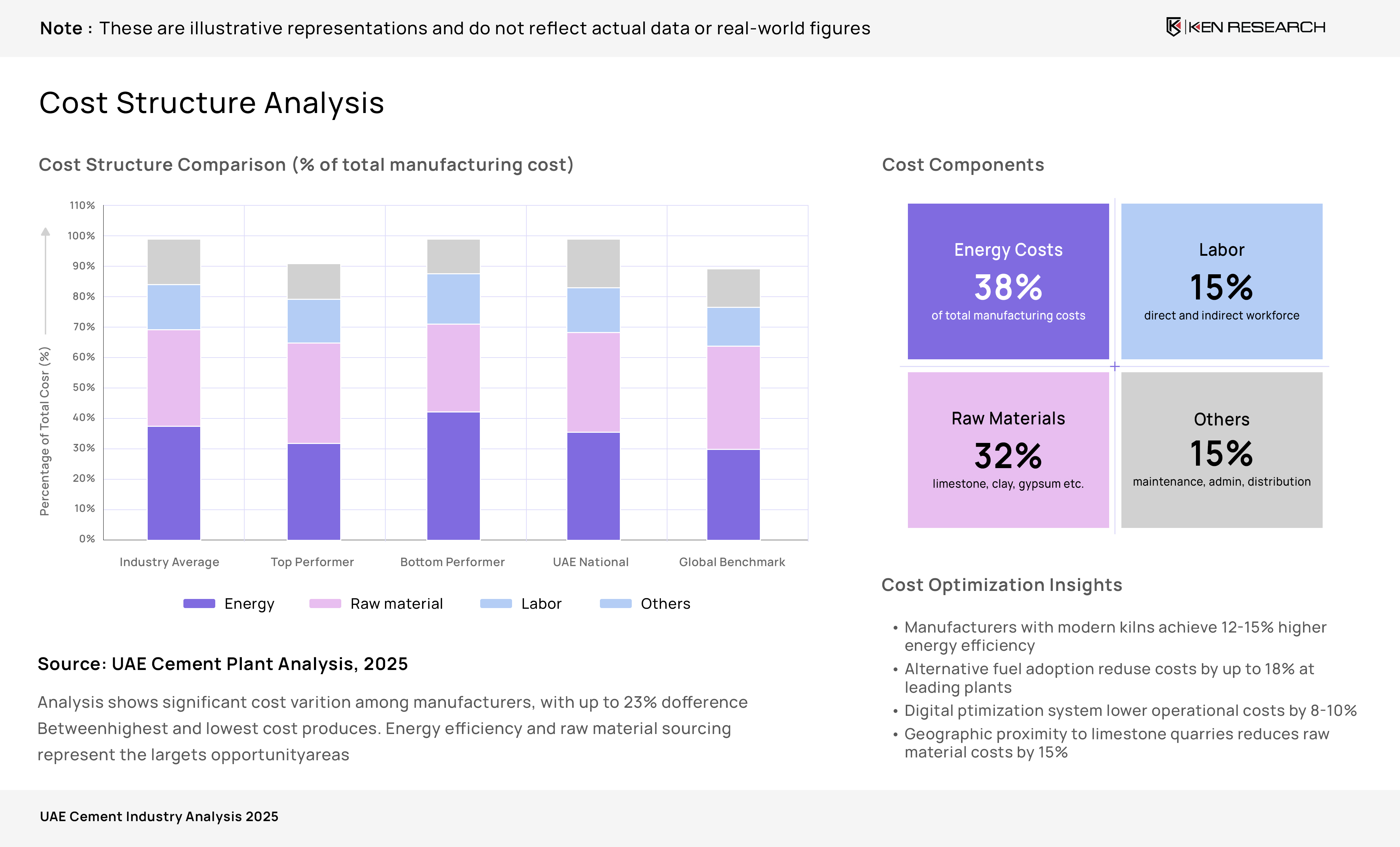
Get Customized ReportCore operational parameters such as pricing, service diversity, and subscription adoption are pivotal in defining profitability. Digital-first models like Wash My Car rely heavily on recurring revenues, while physical operators compete on pricing and service throughput.
Efficiency in operations, particularly outlet density and average daily washes, remains the key differentiator among players. Sustainability and water conservation are emerging operational KPIs for future competitiveness.
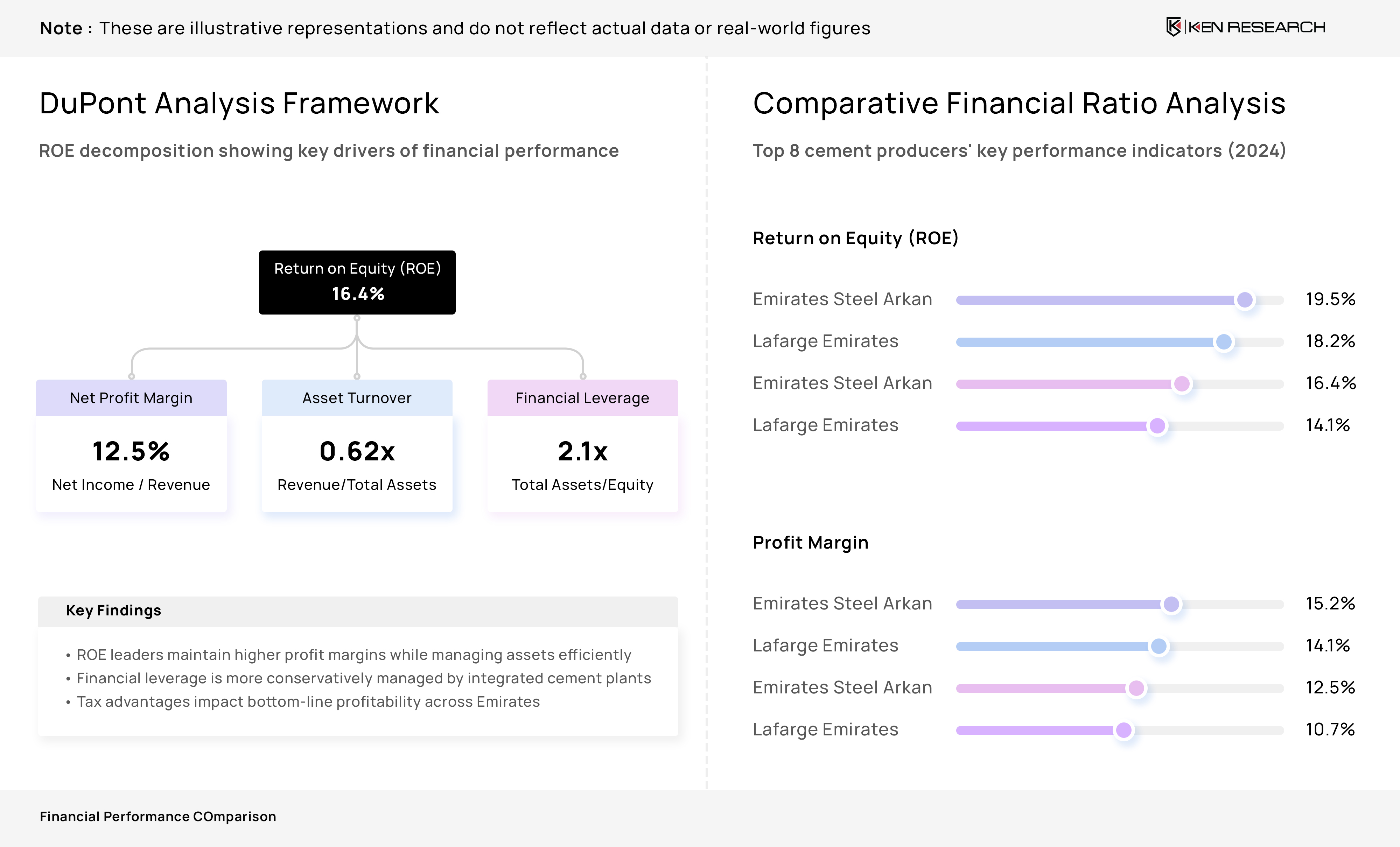
Core Financial Performance Metrics
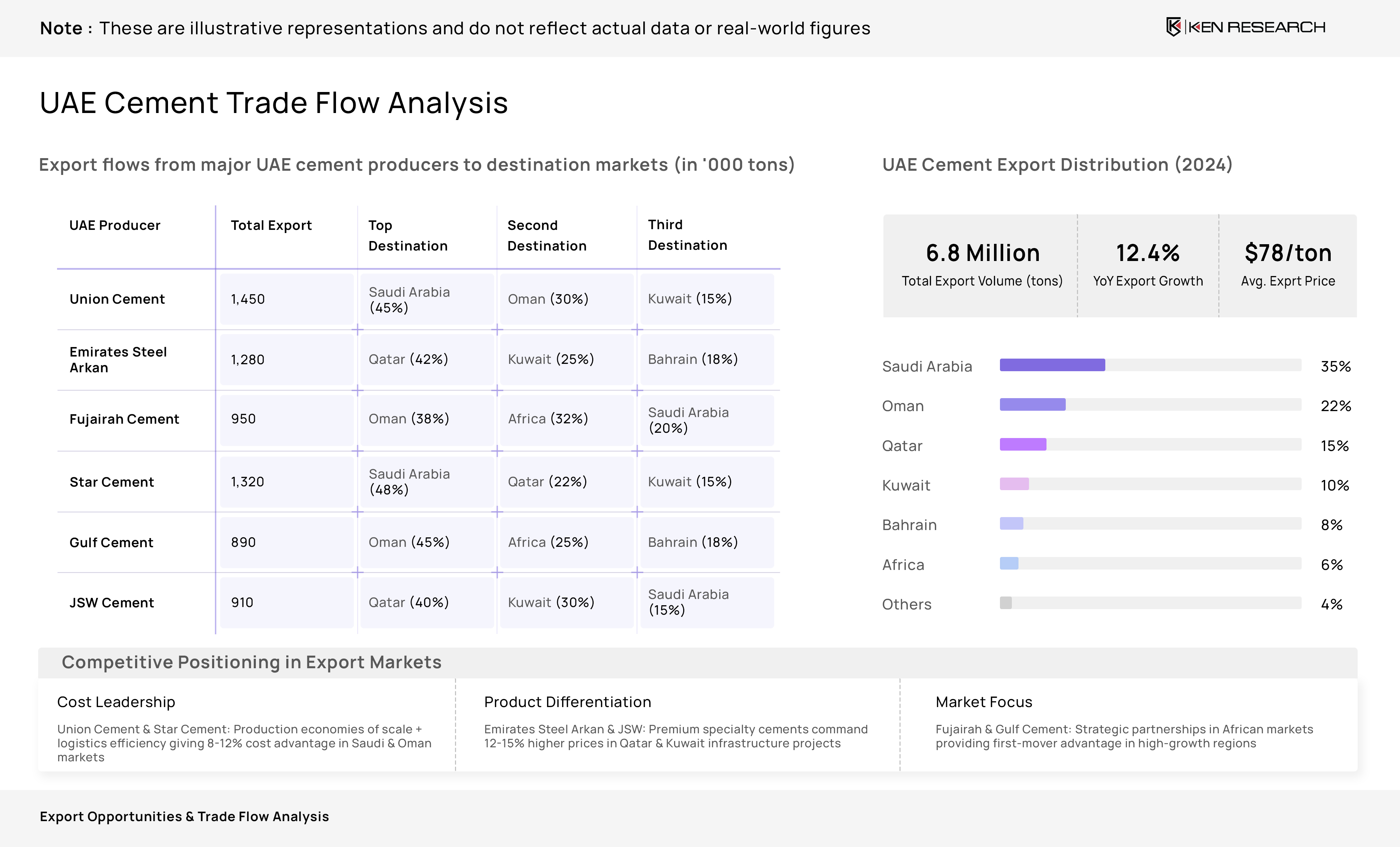
Revenue and margin performance highlight structural differences between large-scale franchise networks and smaller independent operators, with the former benefiting from scale efficiencies and group synergies.
Profitability margins are under pressure due to rising water tariffs and operational costs, compelling players to optimize pricing strategies and adopt water-efficient technologies.
Table of Contents
1. Ecosystem Matrix
1.1 Large Players
1.1.1 Car Spa SA
1.1.2 Perfect Car Wash
1.1.3 Washtec SA
1.1.4 AutoSpa Car Wash
1.1.5 Supa Quick Car Wash
1.1.6 Easy Car Wash
1.2 Medium Players
1.2.1 Sparkling Auto Care
1.2.2 Shiners Car Wash
1.2.3 EcoWash South Africa
1.2.4 Wash My Car
1.2.5 Clean Car Express
1.2.6 Rapid Auto Spa
1.3 Small Players
1.3.1 Mr. Wash Car Wash
1.3.2 PitStop Car Wash
1.3.3 Urban Car Wash
1.3.4 Shine & Go
1.3.5 Turbo Wash
1.3.6 Splash Car Wash
2. Leading Player Profiles
2.1 Company Name
2.2 Group Name
2.3 Headquarters
2.4 Established Year
2.5 Service Focus
2.6 Mode of Functioning
3. Key Operational Performance Metrics
3.1 Number of Outlets (Units)
3.2 Average Cars Washed Daily (Cars/Day)
3.3 Pricing (USD Mn)
3.4 Service Diversity (Number of Services)
3.5 Workforce Size
3.6 Subscription Plans (Yes/No & Price in USD)
3.7 Average Ticket Size (USD Mn)
3.8 Customer Retention Rate (%)
4. Core Financial Performance Metrics
4.1 Parameters
4.1.1 Revenue (USD Mn)
4.1.2 Revenue Growth (%)
4.1.3 COGS (USD Mn)
4.1.4 COGS Growth (%)
4.1.5 EBITDA (USD Mn)
4.1.6 EBITDA Growth (%)
4.1.7 EBITDA Margin (%)
4.1.8 PAT (USD Mn)
4.1.9 PAT Margin (%)
5. Methodology
5.1 Approach
5.1.1 Desk Sources
5.1.2 Primary Interviews
5.1.3 Sanity Checking & Validation
5.2 Benchmarking Process
5.2.1 Data Collection
5.2.2 Primary Validation
5.2.3 Proxy KPI Modelling
5.2.4 Normalization & Indexing
5.2.5 Gap Analysis
5.2.6 Peer Review
5.3 Sample Composition
5.3.1 Scope Items
5.3.2 Sample Size
5.3.3 Target Respondents
Methodology
Ken Research will deploy its proprietary, multi layered research framework—combining robust secondary research, targeted primary outreach, and rigorous data validation—to deliver an authoritative competitive landscape analysis of the South Africa Car Wash Market. All proxy KPIs are tailored to the market, ensuring accuracy in revenue and operational benchmarking.
Desk Sources
- Industry reports from proprietary databases and Ken Research archives
- Company annual reports and investor presentations
- Government and trade association publications (e.g., South African Carwash Association, automotive services bodies)
- Trade magazines, journals, and e-articles covering automotive aftermarket and car wash services
- Financial databases including Bloomberg, Capital IQ, and local financial filings
- Web traffic and app-usage dashboards (SimilarWeb, App Annie, local car wash aggregator applications)
Primary Interviews
- CATIs and online surveys with key stakeholders
- Category managers and operations heads of organized car wash chains
- Senior sales and marketing leaders at established players
- Distributors and channel partners supplying detergents and equipment
- Industry analysts and consultants tracking the car wash ecosystem
- Technology and service providers for digital platforms and mobile apps
Sanity Checking and Validation
- Triangulation to cross-verify secondary data, primary inputs, and proxy-model outputs
- Proxy KPI synthesis using indicators such as number of outlets, cars washed per day, pricing models, customer retention, and subscription adoption
- Outlier analysis supported by targeted follow-up discussions to reconcile discrepancies
- Assumption tracking with a detailed log covering limitations and proxy-KPI dependences
- Peer review through internal expert scrutiny of methodology, models, and final outputs
An Inside Look At Our Custom Insights
Take a look at ourcustomized insights, tailored to yourmarket and business needs. Our benchmarking reports deliver data-driven comparisons of key players, helping you uncover opportunities, assess performance, and make confident strategic decisions.