South Africa Fertilizer Distribution Market
Published on: January 2026
Report Overview
South Africa Fertilizer Distribution Market Overview
Market Highlights
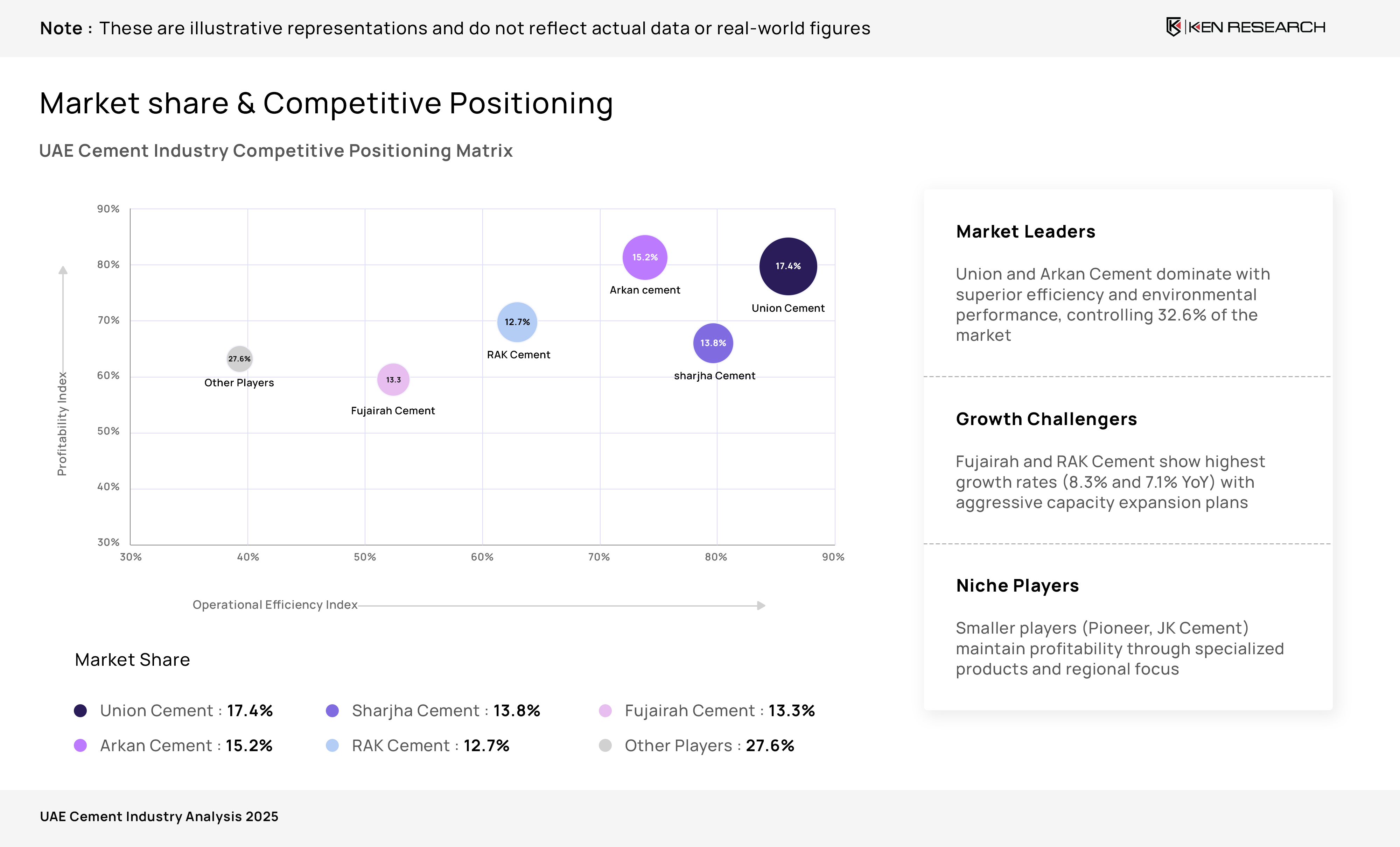
The South Africa Fertilizer Distribution Market showcases a diverse competitive framework, where multinational corporations, regional manufacturers, and local firms engage in a dynamic interplay. Multinationals leverage their extensive resources for efficiency, while regional players focus on tailored solutions that resonate with local agricultural practices, and local firms capitalize on agility and niche expertise to carve out market share.
Innovation from global leaders is increasingly harmonized with localized strategies, as companies adapt their product offerings to meet the specific needs of South African farmers. This includes the integration of advanced technologies and sustainable practices that align with local environmental conditions and regulatory frameworks, ensuring relevance and effectiveness in the market.
The distribution and aftersales ecosystem is pivotal in enhancing customer satisfaction and operational reliability. Collaborations among manufacturers, distributors, and agricultural cooperatives facilitate efficient supply chains, while robust aftersales support, including training and maintenance services, fosters long-term relationships and trust among end-users in a competitive landscape.
Future competitiveness hinges on the ability to integrate innovative practices with localized insights, as firms prioritize sustainability, cost management, and technological advancements. The agility to adapt to changing market demands and regulatory environments will be crucial in shaping the competitive dynamics of the South Africa Fertilizer Distribution Market moving forward.
Ecosystem Matrix
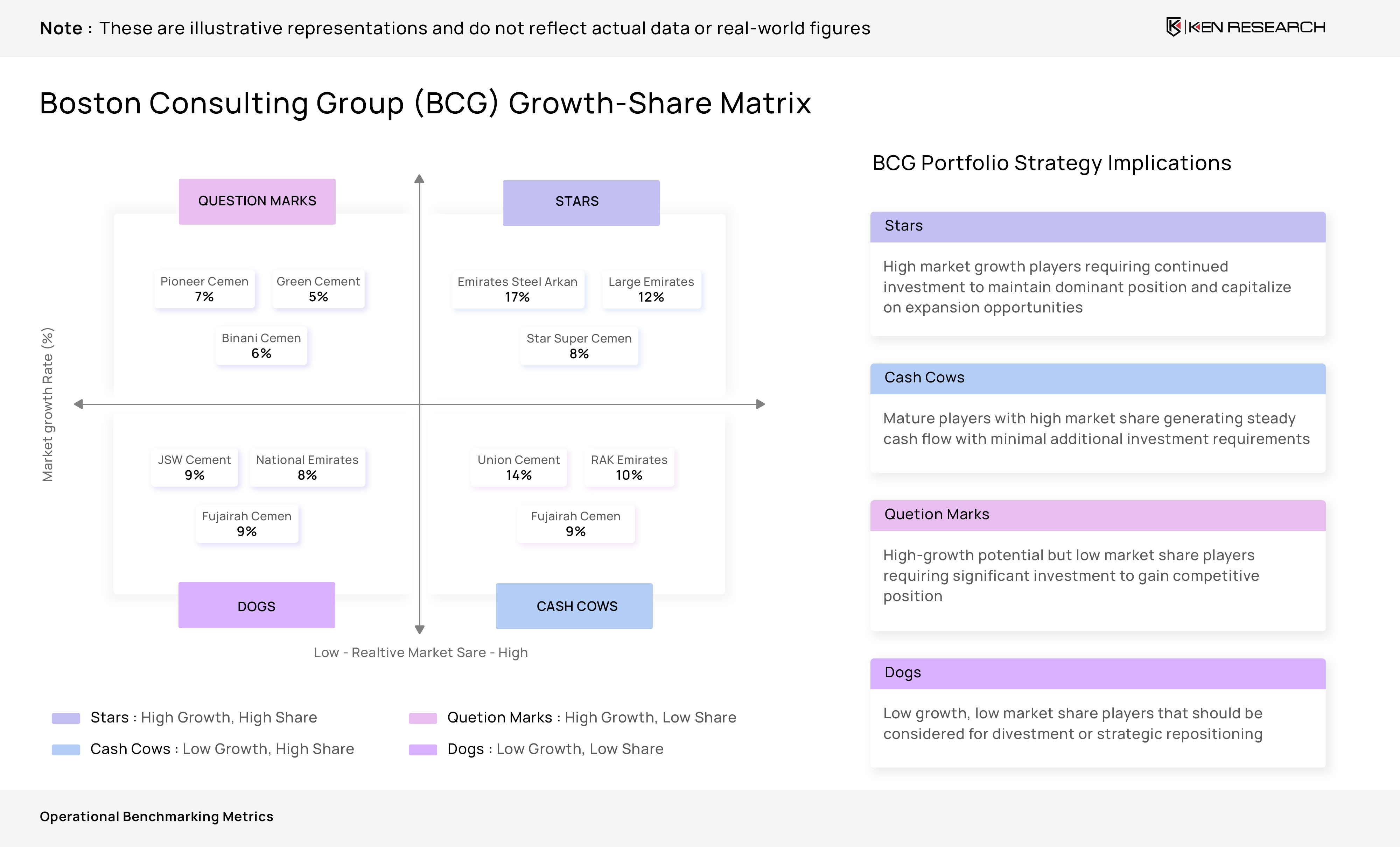
The South African fertilizer distribution ecosystem is moderately consolidated, with large players leveraging integrated production-distribution models and port-based logistics advantages, while medium players remain regionally dominant through cooperative-linked distribution and farmer credit integration.
Competitive intensity is shaped by access to raw materials, inland logistics efficiency, and pricing flexibility, with smaller distributors competing on localized reach, customized blends, and faster last-mile delivery to commercial and emerging farmers.
Leading Player Profiles
Company Profile Overview
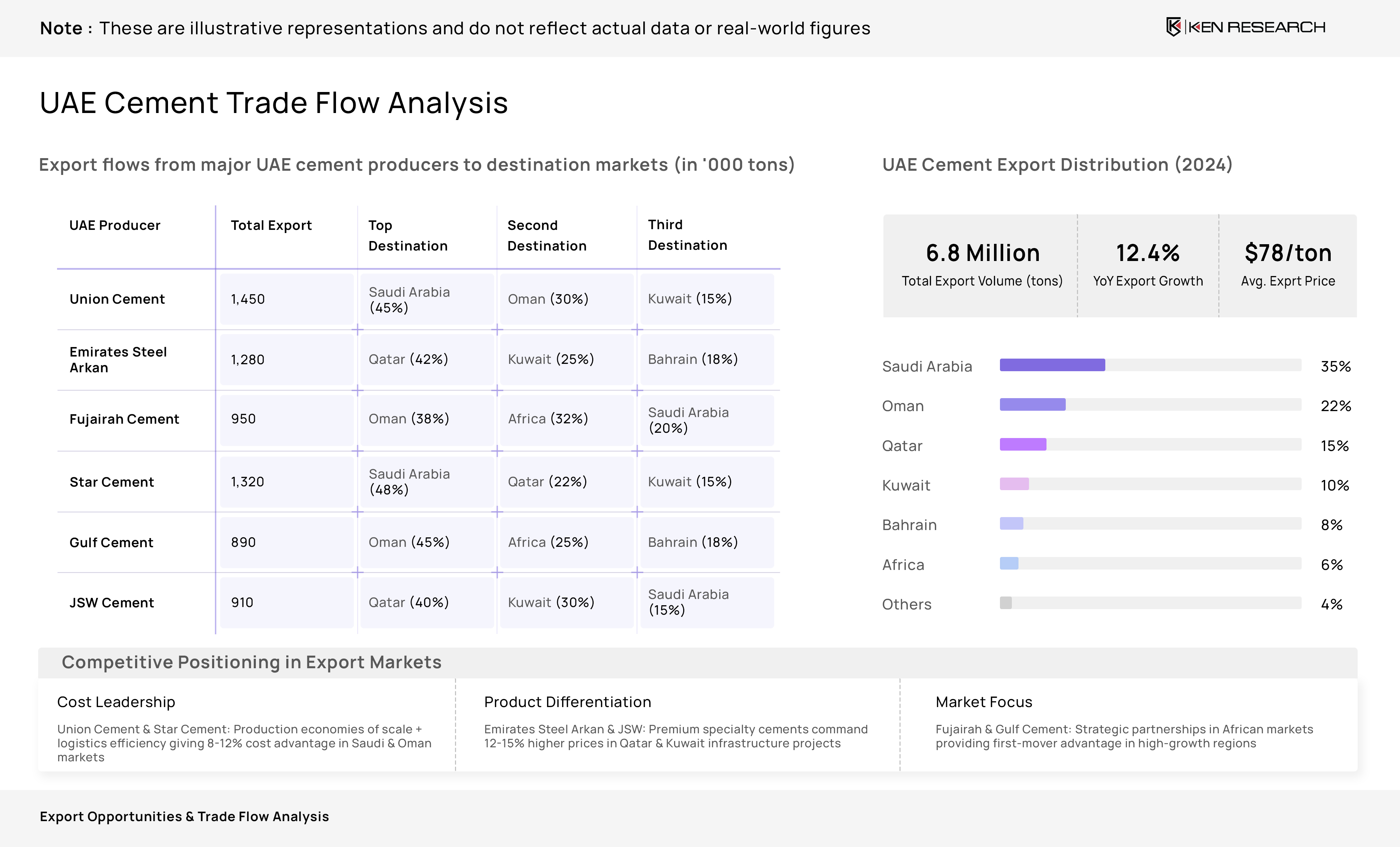
Leading players differentiate primarily through vertical integration, access to global sourcing, and long-term farmer contracts, while cooperative-backed entities maintain resilience through embedded rural networks and bundled agri-services.
The market reflects a hybrid structure where multinational groups coexist with strong domestic incumbents, creating competitive pressure on pricing, credit terms, and supply reliability amid fluctuating import parity prices.
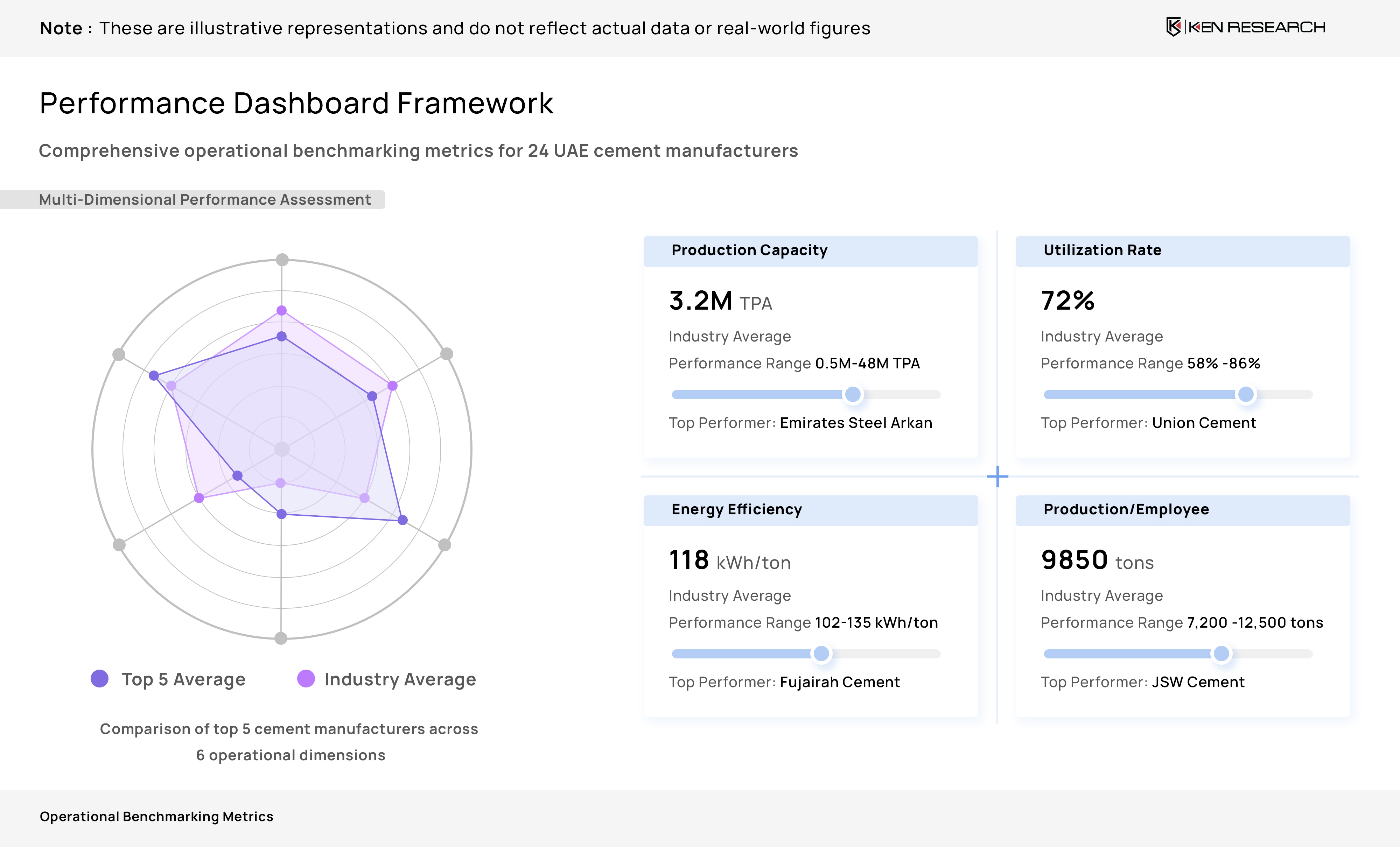
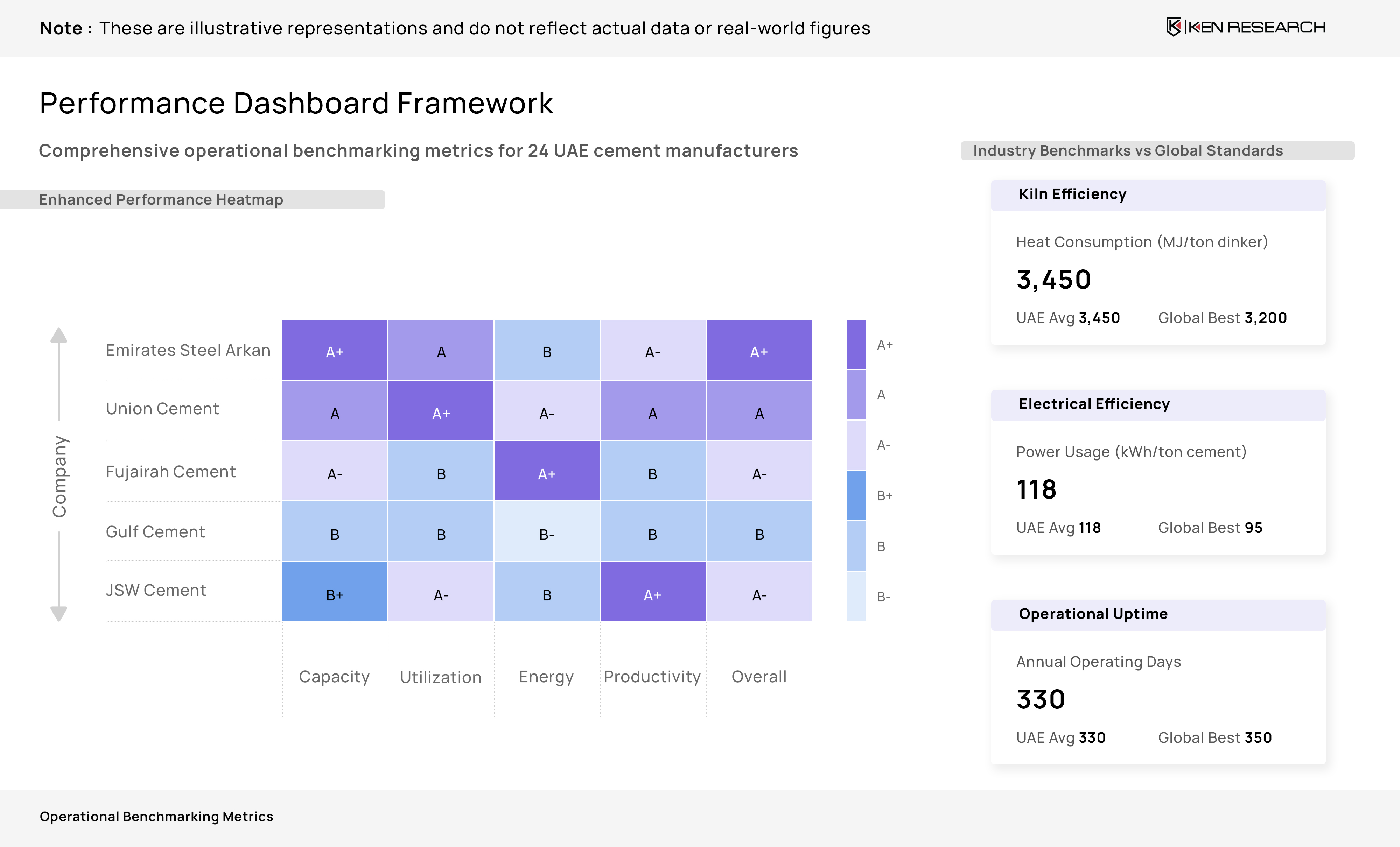
Key Operational Performance Metrics
Company Performance Overview
Unlock Market Insights
Dive deeper into production, distribution, and pricing intelligence.
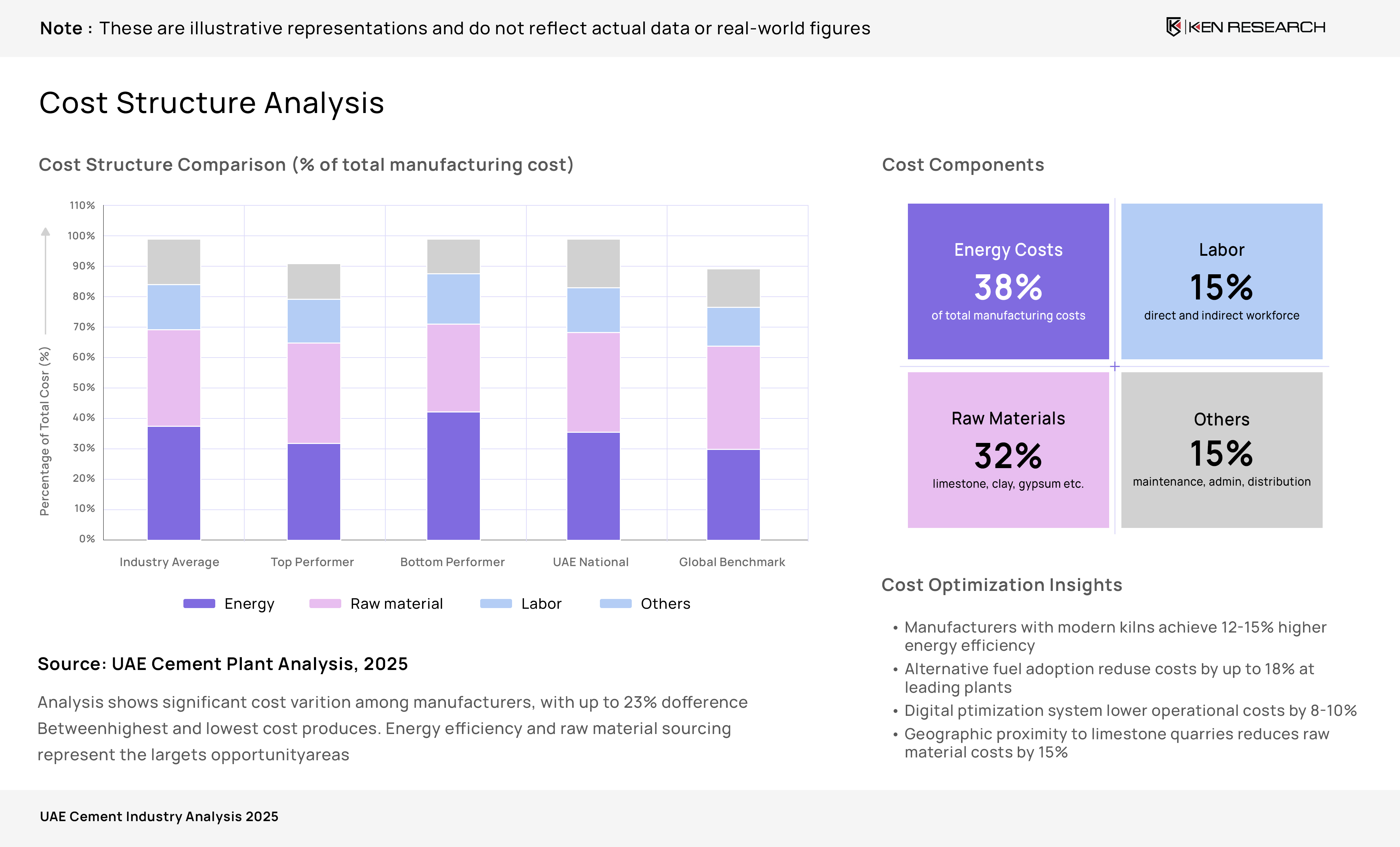
Get Customized ReportRevenue generation in fertilizer distribution is highly sensitive to pricing per ton, distribution volume, and import exposure, with logistics cost efficiency emerging as a decisive margin lever amid volatile fuel and port handling costs.
Players with strong credit management systems and higher custom-blend penetration demonstrate superior revenue stability, particularly during periods of commodity price volatility and seasonal demand compression.
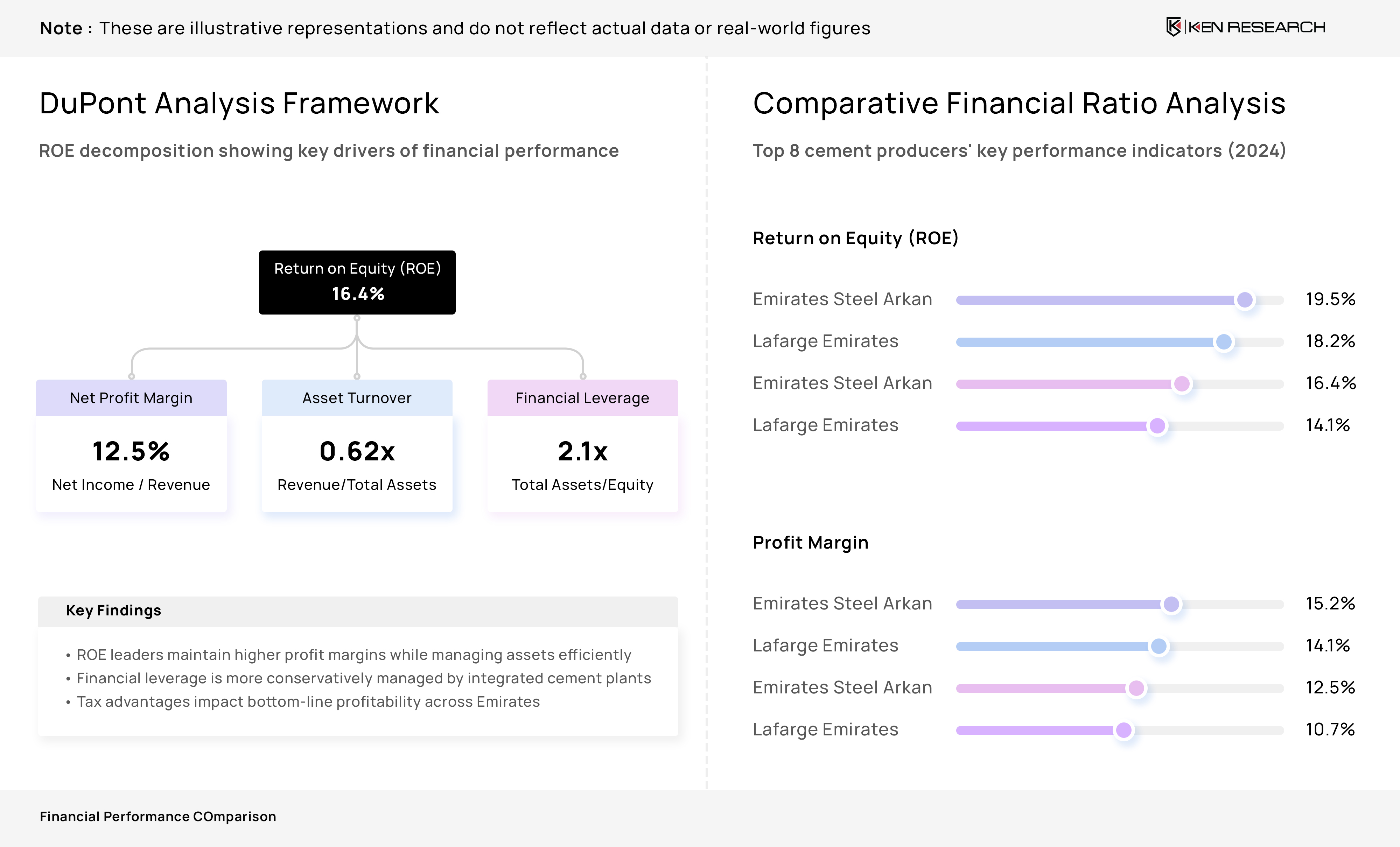
Core Financial Performance Metrics
Financial performance across South African fertilizer distributors is closely tied to raw material sourcing costs and currency movements, with EBITDA margins compressing for import-heavy players during periods of rand depreciation.
Integrated producers and mining-linked distributors exhibit stronger margin resilience and PAT stability, while pure distributors face higher earnings volatility driven by working capital cycles and price pass-through limitations.
Table of Contents
1. Ecosystem Matrix
1.1 Large Players
1.1.1 Omnia Fertilizer
1.1.2 Yara South Africa
1.1.3 Kynoch Fertilizer
1.1.4 LANXESS Chemicals South Africa
1.1.5 Sasol Chemicals
1.1.6 Foskor
1.2 Medium Players
1.2.1 Nutrien Ag Solutions South Africa
1.2.2 Profert Fertilizers
1.2.3 GWK Ltd
1.2.4 TWK Agri
1.2.5 Senwes
1.3 Small Players
1.3.1 Farmsecure Fertilizers
1.3.2 Gavilon South Africa
1.3.3 Intaba Fertilizers
1.3.4 Rooiberg Fertilizers
2. Leading Player Profiles
2.1 Company Name
2.2 Group Name
2.3 Headquarters
2.4 Establishment Year
2.5 Core Services
2.6 Mode of Functioning
3. Key Operational Performance Metrics
3.1 Annual Distribution Volume (USD Mn)
3.2 Pricing per Ton (USD)
3.3 Import Dependency (%)
3.4 Distribution Network (Depots)
3.5 Average Order Size (USD)
3.6 Farmer Credit Exposure (USD Mn)
3.7 Repeat Purchase Rate (%)
3.8 Logistics Cost Ratio (%)
3.9 Custom Blend Share (%)
4. Core Financial Performance Metrics
4.1 Parameters
4.1.1 Revenue (USD Mn)
4.1.2 Revenue Growth (%)
4.1.3 COGS (USD Mn)
4.1.4 COGS Growth (%)
4.1.5 EBITDA (USD Mn)
4.1.6 EBITDA Growth (%)
4.1.7 EBITDA Margin (%)
4.1.8 PAT (USD Mn)
4.1.9 PAT Margin (%)
5. Methodology
5.1 Approach
5.1.1 Desk Sources
5.1.2 Primary Interviews
5.1.3 Sanity Checking & Validation
5.2 Benchmarking Process
5.2.1 Data Collection
5.2.2 Primary Validation
5.2.3 Proxy KPI Modelling
5.2.4 Normalization & Indexing
5.2.5 Gap Analysis
5.2.6 Peer Review
5.3 Sample Composition
5.3.1 Scope Items
5.3.2 Sample Size
5.3.3 Target Respondents
Methodology
Ken Research will deploy its proprietary, multi-layered research framework—combining robust secondary research, targeted primary outreach, and rigorous data validation—to deliver an authoritative competitive benchmarking analysis of the South Africa Fertilizer Distribution Market.
Desk Sources
- Ken Research proprietary databases and internal research archives
- Company annual reports, financial statements, and investor presentations
- Government and trade association publications covering agriculture, fertilizers, ports, and logistics
- Trade magazines, industry journals, and sector-specific publications
- Financial intelligence platforms such as Bloomberg and Capital IQ
- Web and digital intelligence dashboards (e.g., SimilarWeb, where applicable)
Primary Interviews
- Category managers and procurement heads of fertilizer manufacturers
- Senior sales and marketing leaders at leading fertilizer distributors
- Regional distributors and channel partners across key markets
- Industry analysts and independent consultants
- CATI-based interviews and structured online surveys with key stakeholders
Sanity Checking and Validation
- Triangulation of estimates using secondary research, primary inputs, and proxy KPI model outputs
- Proxy KPI synthesis leveraging indicators such as distribution volumes, depot counts, import dependency, pricing per ton, and logistics cost ratios to estimate revenues
- Outlier analysis to identify and validate abnormal trends in pricing, margins, or volume growth through follow-up interviews
- Assumption tracking via a structured log covering pricing benchmarks, volume conversion factors, and margin normalization
- Internal peer review to validate methodology, proxy logic, assumptions, and benchmarking outputs prior to finalization
An Inside Look At Our Custom Insights
Take a look at ourcustomized insights, tailored to yourmarket and business needs. Our benchmarking reports deliver data-driven comparisons of key players, helping you uncover opportunities, assess performance, and make confident strategic decisions.