South Africa Luxury Car Dealers Market
Published on: February 2026
Report Overview
South Africa Luury Car Dealers Market Overview
Market Highlights
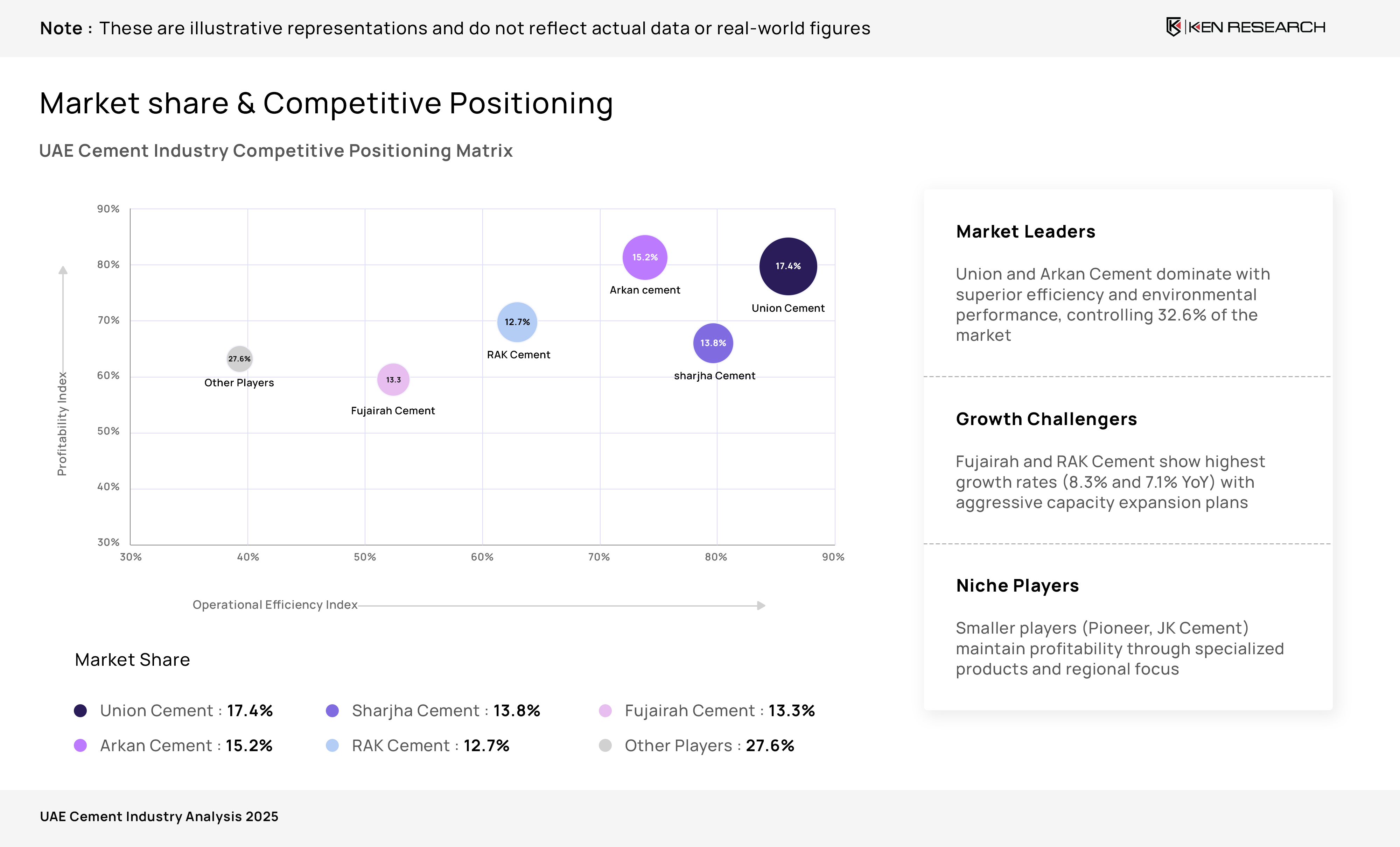
The South Africa luxury car dealers market is characterized by a structured yet competitive ecosystem where large, diversified dealer groups coexist with focused regional operators and specialist luxury retailers. Market leadership is concentrated among multi franchise dealer groups with strong OEM relationships, broad geographic coverage, and the ability to balance new vehicle sales with higher margin used vehicles and aftersales operations. Medium and smaller players operate with sharper regional focus, often leveraging brand specific expertise and customer intimacy to remain competitive against scale driven incumbents.
Global luxury automotive standards strongly influence the market, but competitive differentiation increasingly comes from localized execution. Dealer groups tailor showroom formats, service offerings, and customer engagement models to align with South African buyer expectations, financing behavior, and trade in preferences. The ability to adapt global brand propositions to local affordability thresholds, service expectations, and ownership cycles plays a critical role in sustaining volumes and protecting margins.
Distribution strength and aftersales depth remain central to competitive positioning. Dealer networks with wider service coverage, faster turnaround times, and stronger parts availability are better positioned to drive customer retention and lifetime value. Aftersales operations act as a stabilizing force, particularly during periods of inventory imbalance or slower new vehicle inflows, reinforcing their importance in overall dealer economics.
From a strategic standpoint, operational efficiency, disciplined pricing, and technology enabled lead management increasingly define competitive advantage. Dealers investing in digital lead conversion, inventory optimization, and integrated finance offerings demonstrate stronger resilience and profitability. Looking ahead, sustained leadership in the South Africa luxury car dealers market will be shaped by the ability to combine innovation with localization, maintain operational agility, and continuously enhance the end to end ownership experience in a competitive and evolving automotive landscape.
Ecosystem Matrix
Large dealer groups dominate premium brand access through multi-franchise footprints, stronger OEM relationships, and higher leverage in inventory allocation, finance partnerships, and aftersales retention, shaping market share concentration in top metros.
Mid and smaller players compete via localized brand strength, certified pre-owned throughput, and aftersales experience, while digital lead capture and faster trade-in cycles increasingly influence conversion, especially for luxury buyers comparing cross-brand offers.
Leading Player Profiles
Company Profile Overview
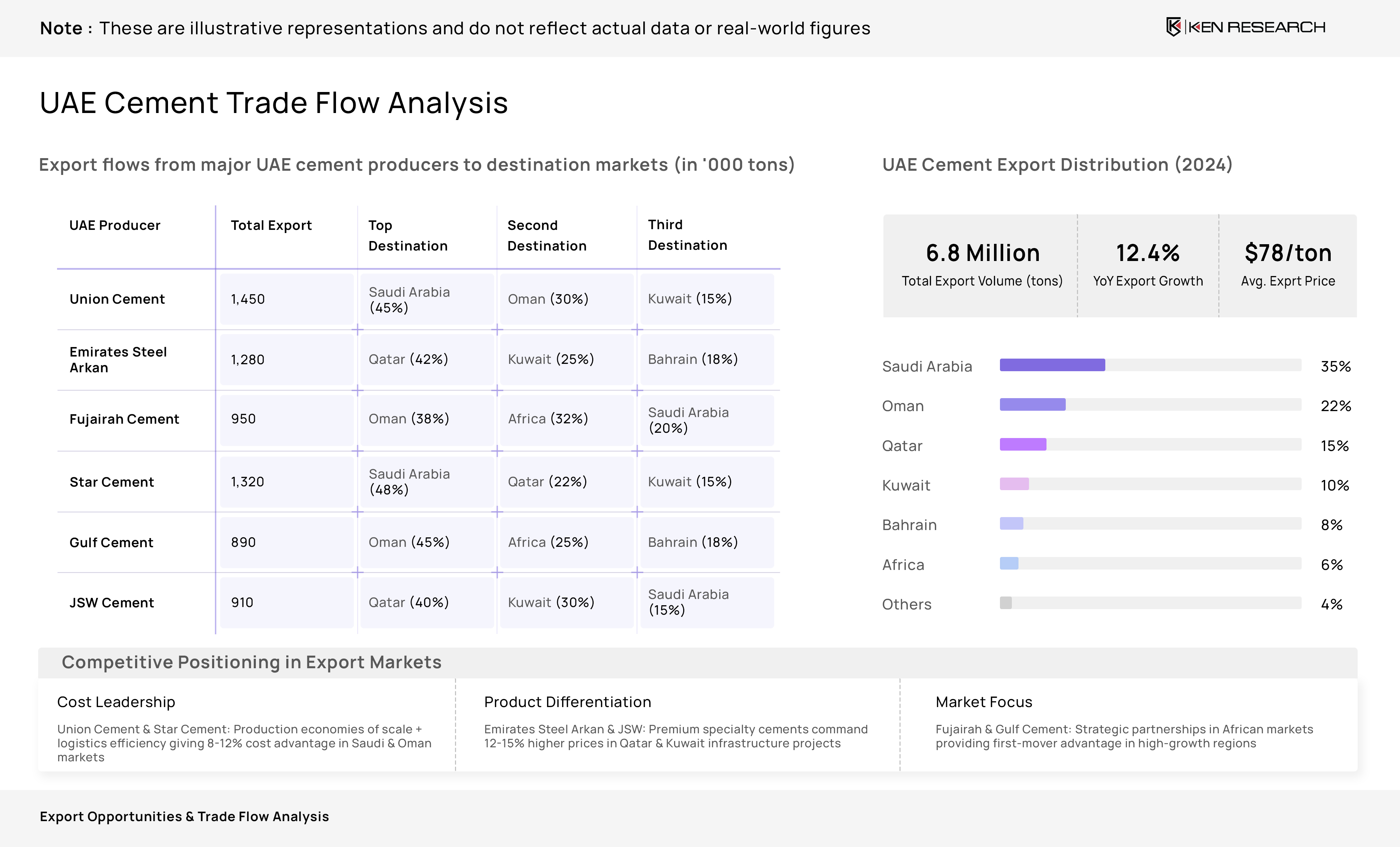
The leading set shows a clear split between listed or large-scale dealer groups and specialist or regional operators, with scale improving allocation access, showroom density, and finance partnerships, while premium customer experience and aftersales retention remain the main differentiators.
Establishment timelines indicate mature incumbents still shaping trust-driven luxury buying, but newer entities are winning share via sharper brand positioning and faster cycle times in pre-owned and certified inventory, where transparency and conversion speed matter most.
Key Operational Performance Metrics
Company Performance Overview
Unlock Market Insights
Dive deeper into production, distribution, and pricing intelligence.
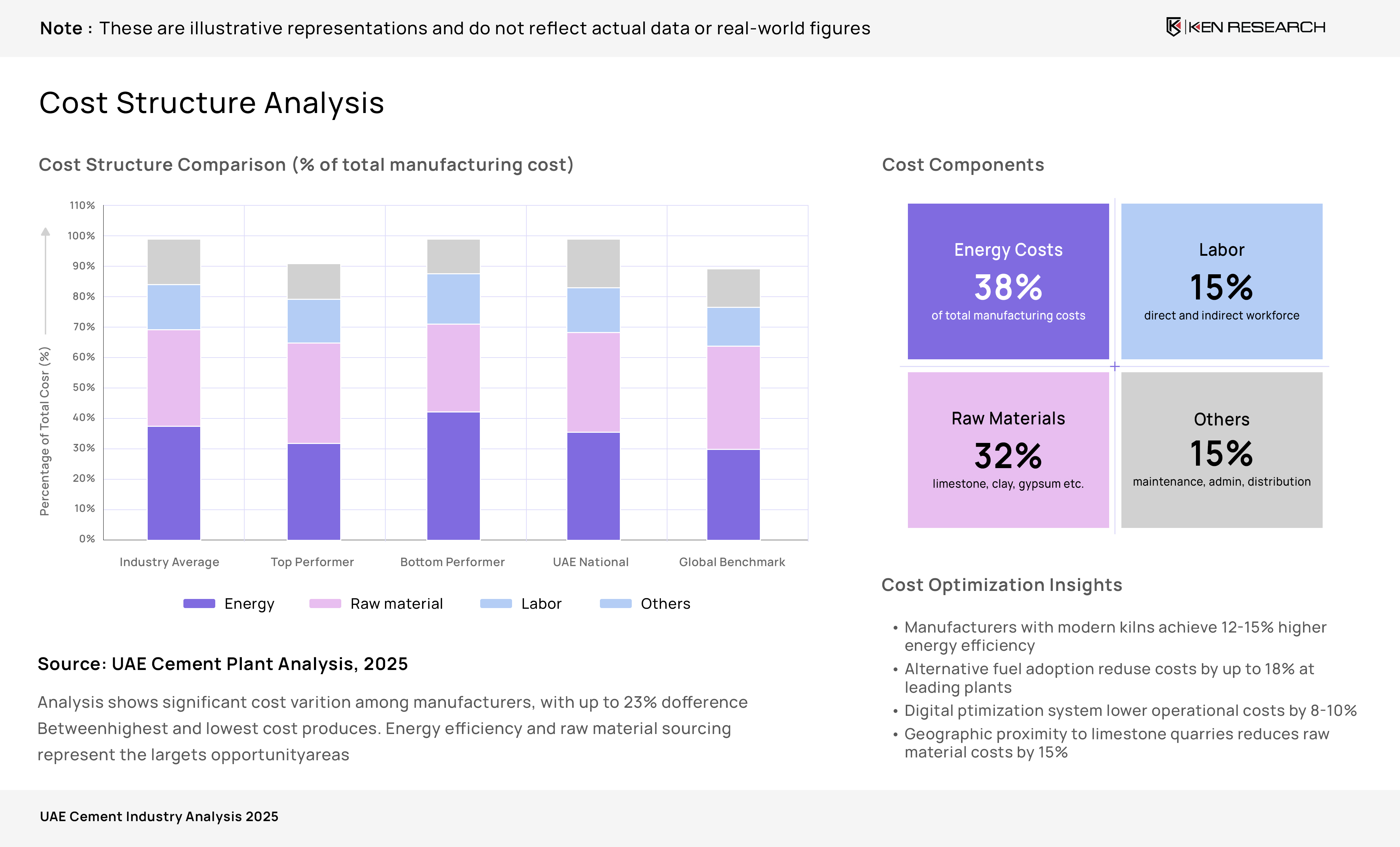
Get Customized ReportRevenue concentration in luxury retail is primarily shaped by sales value mix (new vs used), pricing discipline, and attachment revenues from finance, warranty, and trade-in spread, with aftersales and parts acting as stabilizers through recurring customer retention.
Dealers with stronger digital-led sourcing and faster trade-in monetization typically compress cycle times, enabling higher used sales value and margin capture, while premium service throughput and parts penetration protect profitability during new-vehicle inventory swings.
Core Financial Performance Metrics
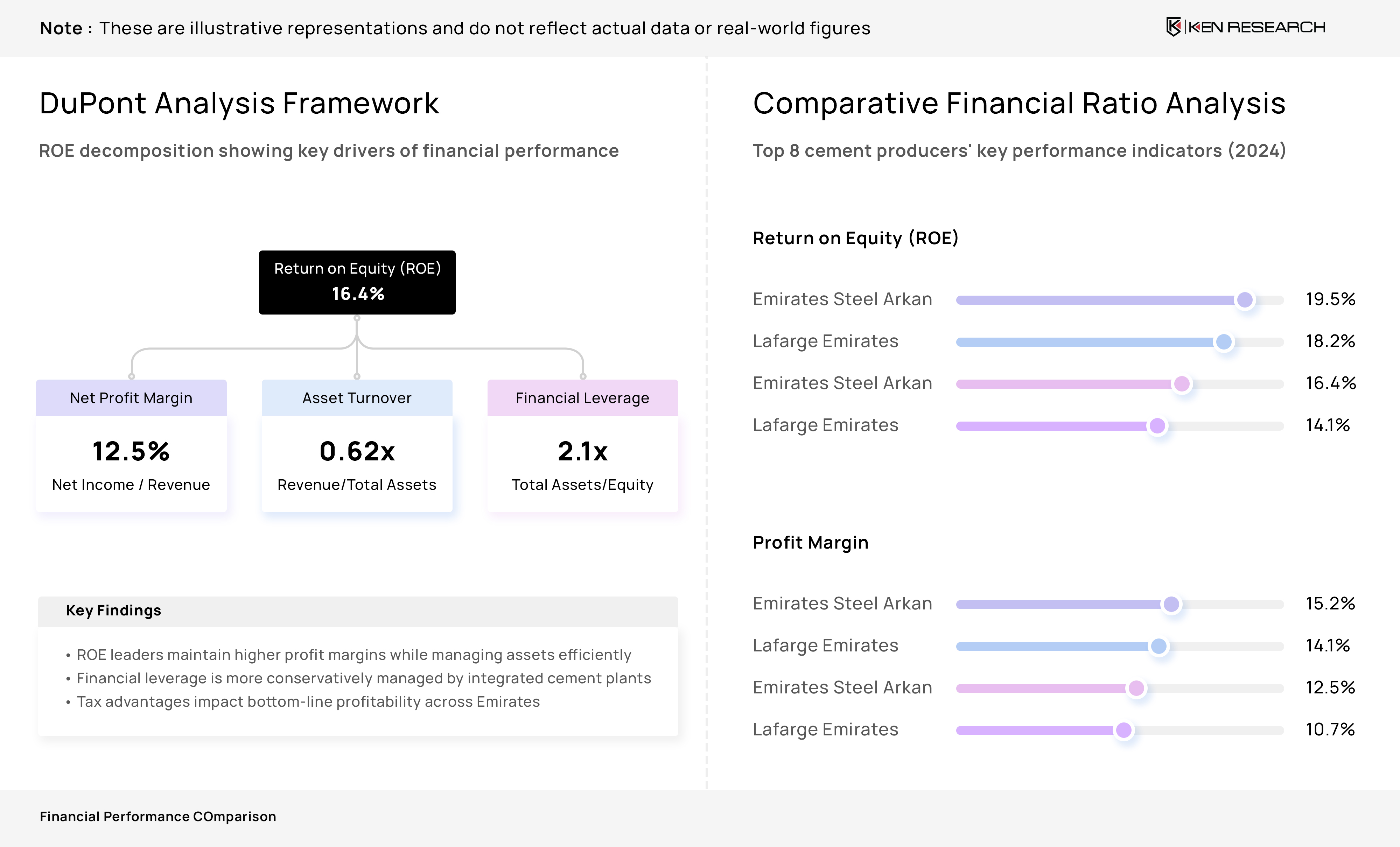
Financial benchmarking in this market typically separates scale-led topline strength from profit quality, where EBITDA margin is shaped by aftersales absorption, parts gross profit, and F&I attachment, while PAT margin reflects operating leverage and funding structure discipline.
Players with stronger used-vehicle economics and recurring service income generally show better resilience in revenue growth and EBITDA stability, especially when new-vehicle supply tightens or OEM incentives normalize, making cost control and mix management decisive.
Table of Contents
1. Ecosystem Matrix
1.1 Large Players
1.1.1 Motus Retail
1.1.2 Bidvest McCarthy
1.1.3 Williams Hunt
1.1.4 Hatfield Motor Group
1.1.5 Rola Motor Group
1.1.6 SMG Group
1.1.7 NMI-DSM
1.2 Medium Players
1.2.1 CMH Group
1.2.2 Super Group Dealerships
1.2.3 Halfway Group
1.2.4 Tavcor Motor Group
1.2.5 Kelston Motor Group
1.2.6 Thorp Motor Group
1.3 Small Players
1.3.1 Lazarus Motor Company
1.3.2 Lindsay Saker
1.3.3 LSM Distributors
1.3.4 Barons Volkswagen
1.3.5 WeBuyCars
2. Leading Player Profiles
2.1 Parameters
2.1.1 Company Name
2.1.2 Group Name
2.1.3 Headquarters
2.1.4 Established Year
2.1.5 Core Services
2.1.6 Mode of Functioning
3. Key Operational Performance Metrics
3.1 Annual New Vehicle Sales Value (USD Mn)
3.2 Annual Used Vehicle Sales Value (USD Mn)
3.3 Pricing: Avg Transaction Price (USD)
3.4 Finance & Insurance Income (USD Mn)
3.5 Service Revenue (USD Mn)
3.6 Parts & Accessories Revenue (USD Mn)
3.7 Trade-in Margin (USD Mn)
3.8 Extended Warranty Income (USD Mn)
3.9 Fleet/Corporate Sales Revenue (USD Mn)
3.10 Online Sales Revenue (USD Mn)
4. Core Financial Performance Metrics
4.1 Parameters
4.1.1 Revenue (USD Mn)
4.1.2 Revenue Growth (%)
4.1.3 COGS (USD Mn)
4.1.4 COGS Growth (%)
4.1.5 EBITDA (USD Mn)
4.1.6 EBITDA Growth (%)
4.1.7 EBITDA Margin (%)
4.1.8 PAT (USD Mn)
4.1.9 PAT Margin (%)
5. Methodology
5.1 Approach
5.1.1 Desk Sources
5.1.2 Primary Interviews
5.1.3 Sanity Checking & Validation
5.2 Benchmarking Process
5.2.1 Data Collection
5.2.2 Primary Validation
5.2.3 Proxy KPI Modelling
5.2.4 Normalization & Indexing
5.2.5 Gap Analysis
5.2.6 Peer Review
5.3 Sample Composition
5.3.1 Scope Items
5.3.2 Sample Size
5.3.3 Target Respondents
Methodology
Ken Research will deploy its proprietary, multi layered research framework combining robust secondary research, targeted primary outreach, and rigorous data validation to deliver an authoritative competitive benchmarking assessment of the South Africa Luxury Car Dealers Market. The methodology is designed to ensure consistency across player comparisons, credibility of proxy KPI modeling, and decision grade insights aligned with dealership level economics, operational drivers, and profitability structures.
Desk Sources
- Industry reports from proprietary databases and Ken Research internal archives to establish historical benchmarks, dealership economics, and market baselines
- Company annual reports, investor presentations, and statutory disclosures of listed dealer groups to extract financials, network scale, and strategic priorities
- Government publications and trade association releases to assess vehicle registrations, import duties, regulatory norms, and mobility policies
- Trade magazines, automotive journals, and industry e-publications to track premium brand launches, dealer expansion activity, and pricing dynamics
- Financial intelligence platforms such as Bloomberg and Capital IQ to standardize financial ratios and enable peer benchmarking
- Web traffic and digital analytics tools such as SimilarWeb to evaluate online lead generation intensity, brand visibility, and digital sales readiness
Primary Interviews
- CATI interviews and structured discussions with dealership principals, group CFOs, and operations heads across luxury-focused dealer groups
- In-depth interviews with senior sales and marketing leaders to understand pricing discipline, inventory rotation, and brand allocation dynamics
- Discussions with finance and insurance partners to validate attachment rates, margin structures, and key revenue levers
- Consultations with industry analysts, OEM channel experts, and aftermarket specialists to validate competitive dynamics and operating assumptions
Sanity Checking and Validation
- Triangulation of estimates through cross-verification of secondary research, primary insights, and proxy-based modeling outputs
- Proxy KPI synthesis using indicators such as showroom footprint, service bay count, used vehicle throughput, and digital lead intensity to approximate revenues and margins
- Outlier analysis to identify anomalies across operational or financial indicators and reconcile them through follow-up validation
- Assumption tracking through a structured log capturing all modeling assumptions, constraints, and proxy sources
- Internal peer review of methodology, analytical logic, and outputs prior to final report sign-off
An Inside Look At Our Custom Insights
Take a look at ourcustomized insights, tailored to yourmarket and business needs. Our benchmarking reports deliver data-driven comparisons of key players, helping you uncover opportunities, assess performance, and make confident strategic decisions.