South Africa Poultry Producers Market
Published on: November 2025
Report Overview
South Africa Poultry Producers Market
Market Highlights
The South Africa poultry producers market reflects a concentrated yet competitive environment dominated by large integrated corporations alongside mid-sized regional producers and agile emerging players. Established firms benefit from scale-driven processing efficiencies, while smaller operators leverage niche positioning, proximity advantages, and flexible sourcing models to maintain relevance across retail, wholesale, and informal trade channels.
Competitive dynamics are shaped by the balance between global-grade production capabilities and domestically adapted operating models. Producers continually integrate advanced hatchery, feed-milling, and processing technologies while tailoring product offerings, pricing structures, and package formats to suit local consumption patterns, economic sensitivity, and shifting customer expectations influenced by health, affordability, and convenience trends.
Distribution strength plays a critical role, with major producers maintaining deep linkages with supermarkets, quick-service restaurants, informal markets, and export destinations. Reliable fulfillment, cold chain consistency, and responsive service engagements significantly influence buyer preference, reinforcing long-term partnerships and enabling producers to navigate fluctuating demand conditions across diverse regional consumption clusters.
Strategic priorities across the sector emphasize cost efficiency, supply chain resilience, and enhanced biosecurity. Producers focus on feed optimization, disease-prevention protocols, and energy-efficient operations while adopting sustainability-aligned practices and digital monitoring systems. These initiatives aim to strengthen operational performance, regulatory compliance, and competitive positioning in a market under pressure from rising input costs and evolving consumer expectations.
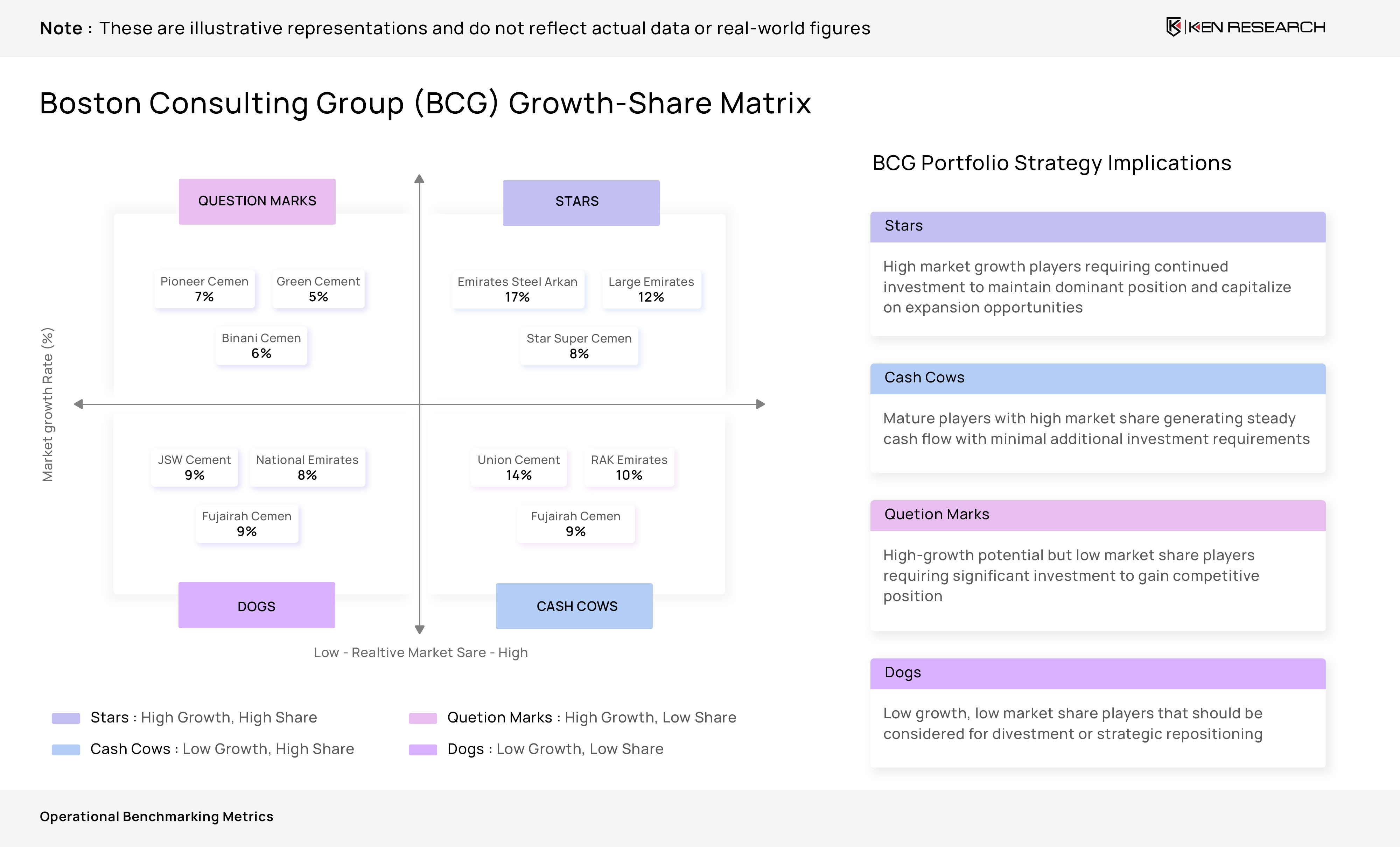
Ecosystem Matrix
- South Africa’s poultry sector is dominated by large integrated producers such as Astral Foods, RCL Foods, and Country Bird Holdings, whose extensive production networks, feed mills, and distribution strength position them as market leaders.
- Medium and small players, though regionally significant, face rising cost pressures and competition. Their focus lies in niche segments such as specialty broilers, egg production, and localized supply chains, sustaining diversity in the poultry ecosystem.
Leading Player Profiles
Company Profiles Overview
Market leadership is concentrated among Astral, RCL, and CBH, with vertically integrated models ensuring cost efficiency and dominance in both broiler and feed segments.
Smaller producers sustain localized ecosystems, but industry consolidation indicates mounting pressure on independent operators to compete with integrated giants.
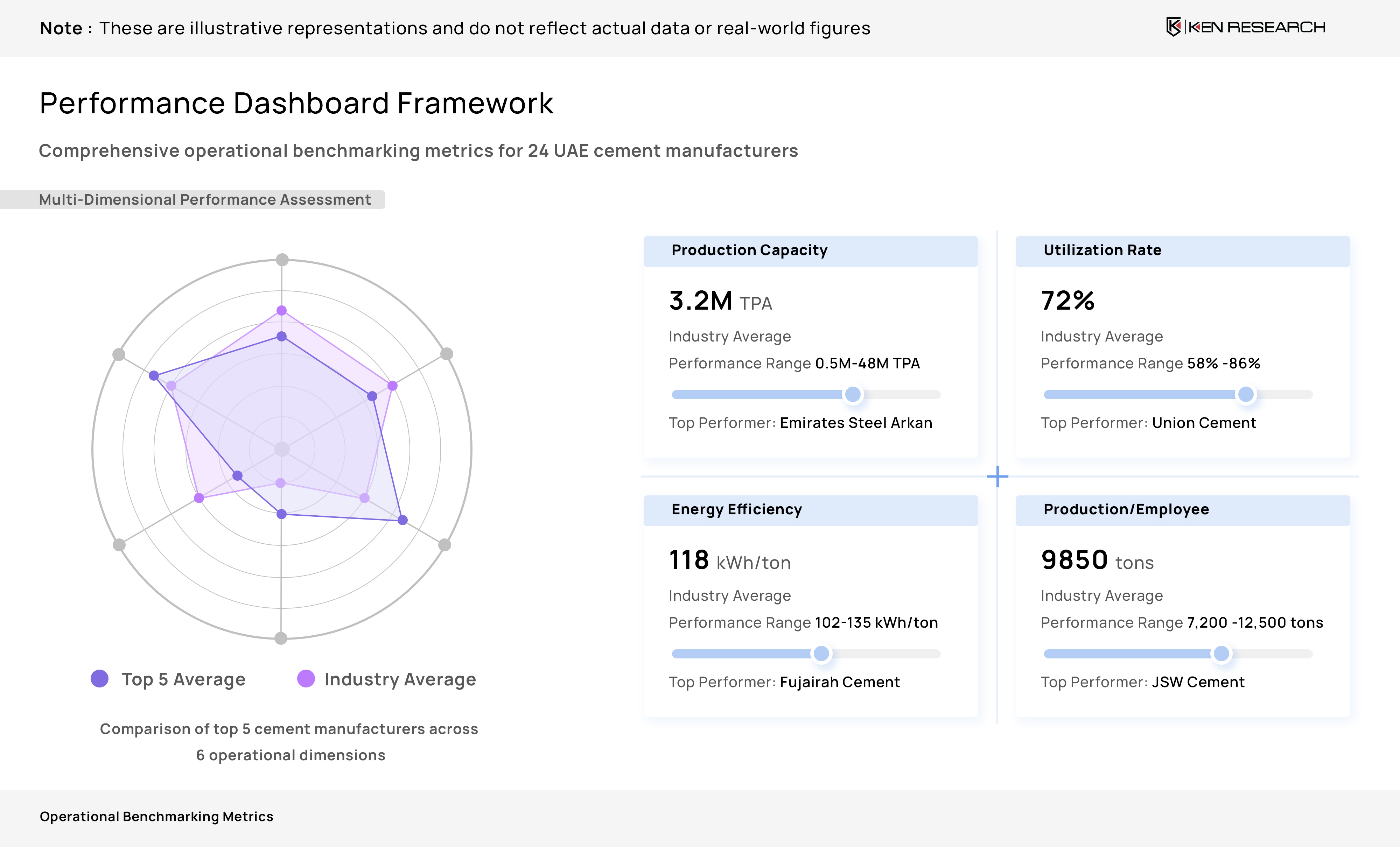
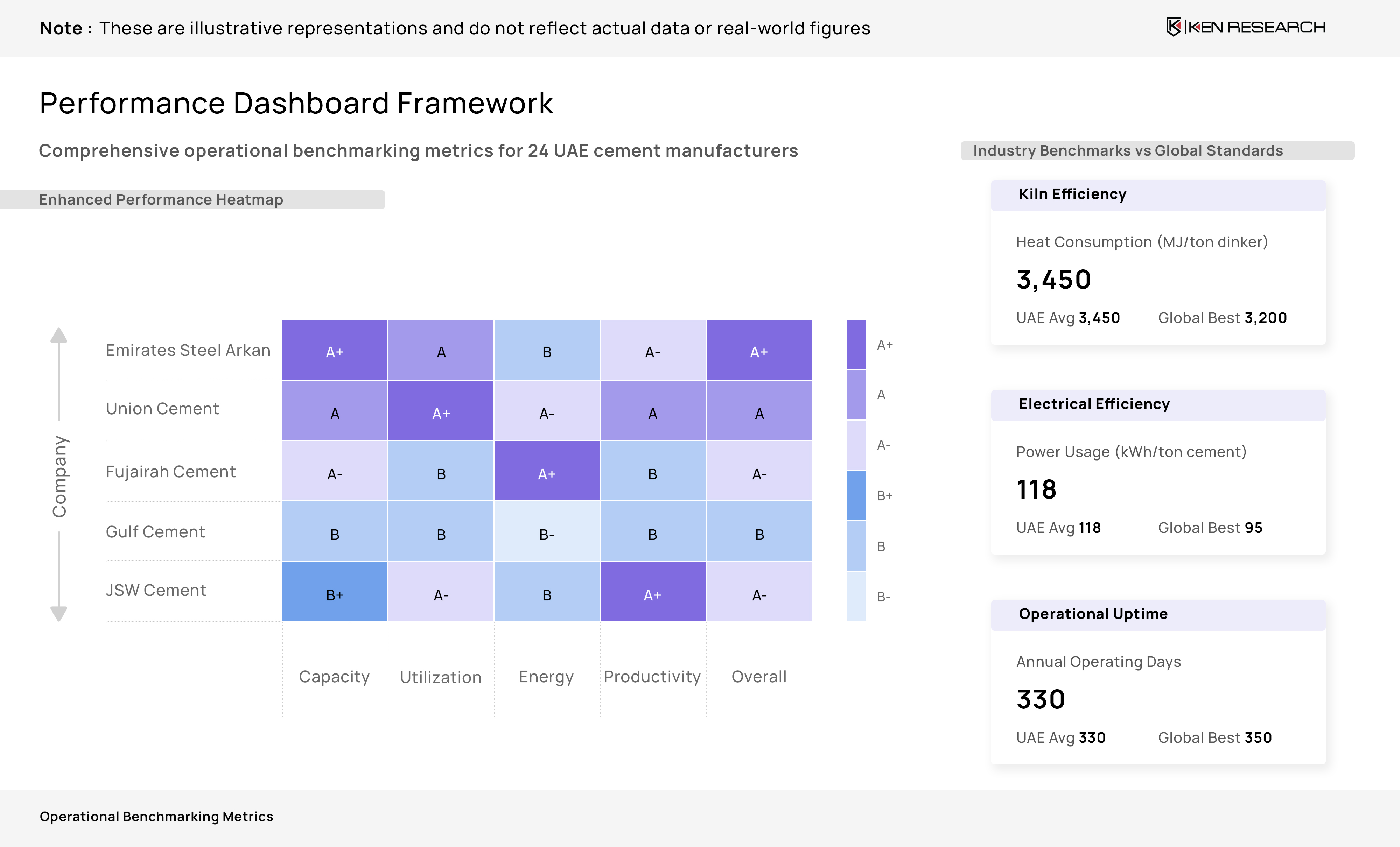
Key Operational Performance Metrics
Company Performance Overview
Unlock Market Insights
Dive deeper into production, distribution, and pricing intelligence.
Get Customized ReportOperational parameters like feedmill integration, production scale, and pricing strategy are decisive in determining profitability, with Astral and RCL showing strong vertical synergies.
Smaller producers struggle with scale efficiency, often relying on regional networks and niche offerings to sustain operational viability.
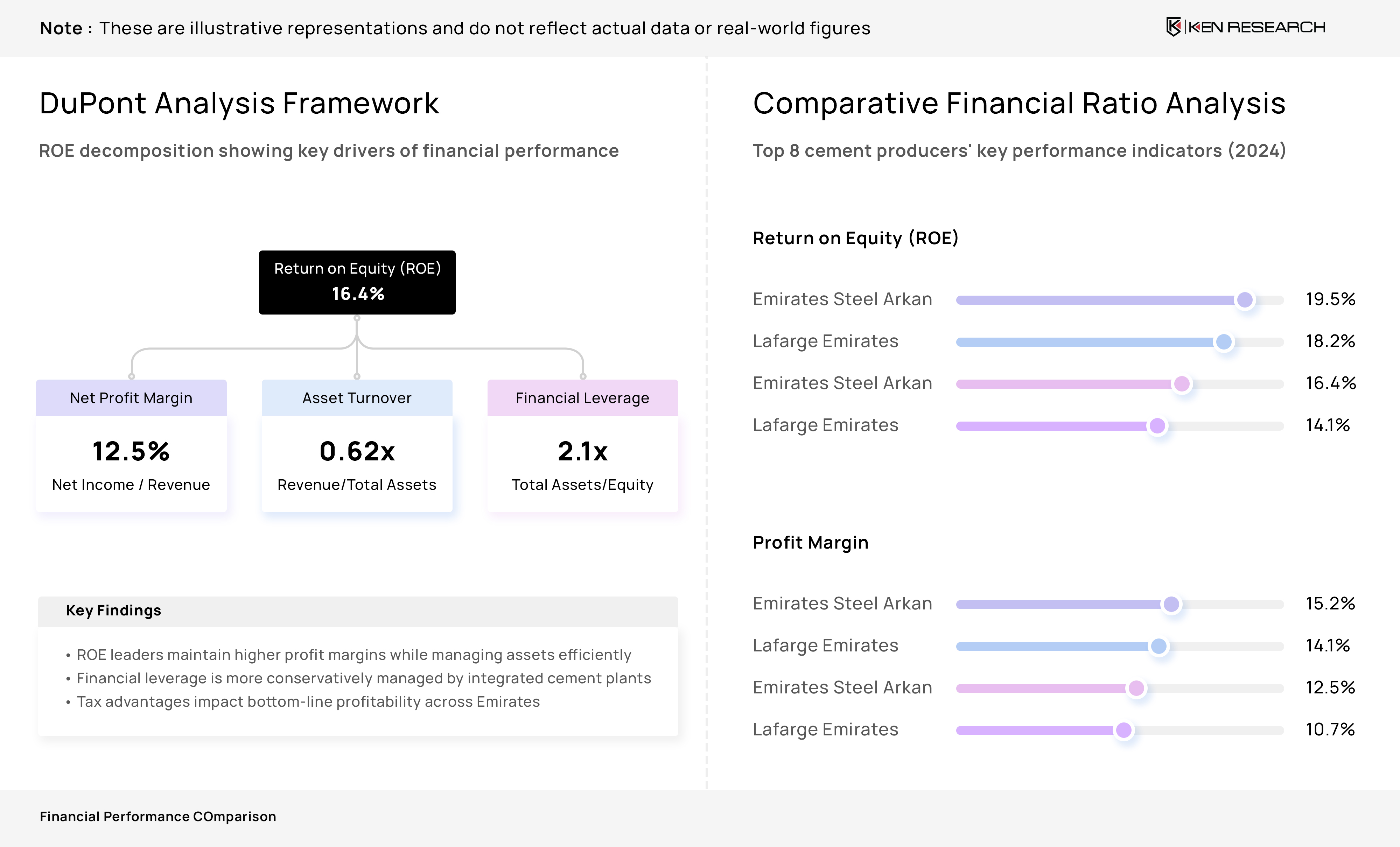
Core Financial Performance Metrics
Financial performance is under pressure due to feed cost volatility and rising import competition, with EBITDA margins squeezed across producers.
Integrated giants maintain higher resilience compared to small independents, benefiting from economies of scale and diversified revenue streams.
Table of Contents
1. Ecosystem Matrix
1.1 Large Players
1.1.1 Astral Foods
1.1.2 RCL Foods
1.1.3 Country Bird Holdings
1.1.4 Sovereign Foods
1.1.5 Quantum Foods
1.2 Medium Players
1.2.1 Supreme Poultry
1.2.2 Daybreak Farms
1.2.3 Rainbow Chicken
1.2.4 Bushvalley Chickens
1.2.5 TopLay
1.2.6 Klein Karoo International
1.3 Small Players
1.3.1 Rocklands Poultry
1.3.2 Crown Chickens
1.3.3 Earlybird Farms
1.3.4 Glaum Egg Ranch SA
1.3.5 Alandale Poultry
1.3.6 Vula Poultry
2. Leading Player Profiles
2.1 Company Name
2.2 Group Name
2.3 Headquarters
2.4 Established Year
2.5 Core Business Segment
2.6 Mode of Functioning
3. Key Operational Performance Metrics
3.1 Production Capacity (MT/Year)
3.2 Number of Farms (Units)
3.3 Processing Plants (Units)
3.4 Feedmill Capacity (MT/Year)
3.5 Distribution Coverage (Regions/Outlets)
3.6 Export Share (%)
3.7 Product Range (SKUs/Types)
3.8 Pricing (ZAR/Kg or per Dozen)
4. Core Financial Performance Metrics
4.1 Revenue
4.2 Revenue Growth %
4.3 COGS
4.4 COGS Growth %
4.5 EBITDA
4.6 EBITDA Growth %
4.7 EBITDA Margin %
4.8 PAT
4.9 PAT Margin %
5. Methodology
5.1 Approach
5.1.1 Desk Sources
5.1.2 Primary Interviews
5.1.3 Sanity Checking & Validation
5.2 Benchmarking Process
5.2.1 Data Collection
5.2.2 Primary Validation
5.2.3 Proxy KPI Modelling
5.2.4 Normalization & Indexing
5.2.5 Gap Analysis
5.2.6 Peer Review
5.3 Sample Composition
5.3.1 Scope Items
5.3.2 Sample Size
5.3.3 Target Respondents
METHODOLOGY
Ken Research will deploy its proprietary, multi-layered research framework—combining robust secondary research, targeted primary outreach, and rigorous data validation—to deliver an authoritative competitive landscape analysis of the Egypt Poultry Producers Market. The methodology is structured to capture the operational, financial, and strategic benchmarking of players across the value chain.
Desk Sources
- Industry reports (Proprietary databases, Ken Research archives)
- Company annual reports and investor presentations
- Government and trade association publications (Egyptian Ministry of Agriculture, General Organization for Veterinary Services, industry associations)
- Trade magazines, journals, and digital articles
- Financial databases (Bloomberg, Capital IQ, Orbis)
- Web traffic and app usage dashboards (SimilarWeb, App Annie)
Primary Interviews
- CATIs and online surveys with key stakeholders
- Category managers and R&D heads of poultry producers
- Senior sales and marketing leads at leading poultry integrators
- Distributors and channel partners across Egypt’s poultry value chain
- Industry analysts and poultry consultants
- Technology and service providers supporting farm automation and digital sales platforms
Sanity Checking & Validation
- Triangulation: Cross-verify estimates from secondary data, primary inputs, and proxy model outputs
- Proxy KPI synthesis: Use related KPIs such as installed farm base, hatchery capacity, feed mill throughput, and distribution reach to approximate revenues or capacities
- Outlier analysis: Identify and reconcile anomalous data points through follow-up discussions
- Assumption tracking: Maintain detailed logs of benchmarking assumptions, with notes on limitations and proxy KPI sources
- Peer review: Internal expert review of methodology, models, and key outputs before finalization
An Inside Look At Our Custom Insights
Take a look at ourcustomized insights, tailored to yourmarket and business needs. Our benchmarking reports deliver data-driven comparisons of key players, helping you uncover opportunities, assess performance, and make confident strategic decisions.