South Africa Retail Banking Market
Published on: March 2026
Report Overview
South Africa retail bankingMarket Overview
Market Highlights
The South Africa retail banking market reflects a concentrated competitive structure led by a small group of established incumbent banks that continue to dominate through scale, trust, broad product portfolios, and strong funding franchises. Alongside these leaders, a second layer of specialist, digital-first, and niche institutions is steadily reshaping competitive dynamics by focusing on simpler customer journeys, sharper pricing structures, and more agile service models. The result is a market where traditional strength still matters, but differentiation is increasingly driven by how effectively players match product design, distribution, and service experience to evolving customer expectations.
A notable characteristic of this market is the way modern banking innovation is being localized for South African consumers. Banks are adapting onboarding models, transactional products, rewards ecosystems, mobile interfaces, and lending propositions to fit domestic customer behavior, affordability thresholds, and service preferences. Large banks are reinforcing their positions through omnichannel integration and deeper customer analytics, while challenger and niche players are building traction through digital convenience, lower complexity, and clearly defined value propositions aimed at specific customer segments.
Distribution and aftersales support remain important competitive drivers despite the steady rise of digital banking. Branch accessibility, assisted service touchpoints, dispute resolution, call center responsiveness, merchant acceptance support, and reliability of day-to-day banking interactions continue to influence customer adoption, loyalty, and brand preference. In this environment, the strongest players are not simply those with the largest footprint, but those that can combine digital self-service with dependable human support and consistent service delivery across channels.
Across the market, competitive advantage is being shaped by operating efficiency, customer monetization capability, funding strength, and the ability to turn digital engagement into durable banking relationships. Large incumbents continue to benefit from their diversified revenue base and scale economics, while smaller and mid-tier players are competing through proposition clarity, leaner structures, and focused customer acquisition. Going forward, the balance between innovation, localization, and execution discipline will remain central to market leadership, shaping how effectively banks grow penetration, improve customer economics, and sustain long-term competitive relevance.
Ecosystem Matrix
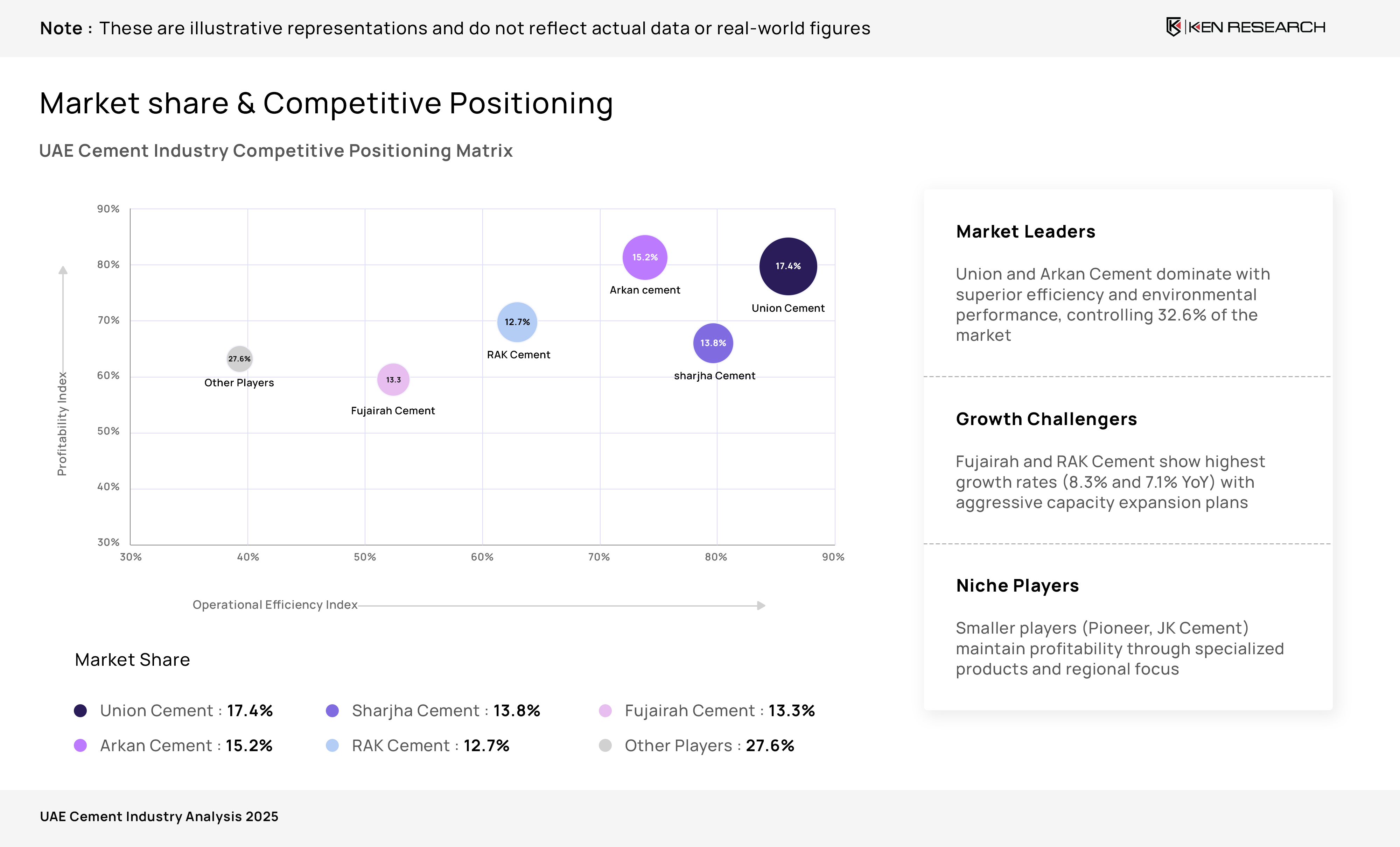
The market remains concentrated around a few large universal banks with diversified retail portfolios, while medium and small players are carving positions through digital-first banking, niche customer targeting, lower-fee structures, and focused lending or transactional banking propositions.
Competitive intensity is shaped by scale, trust, funding strength, and digital capability. Large incumbents dominate deposits and lending breadth, while newer and smaller banks are improving relevance through operational agility, simplified onboarding, and differentiated customer experience models.
Leading Player Profiles
Company Profile Overiew
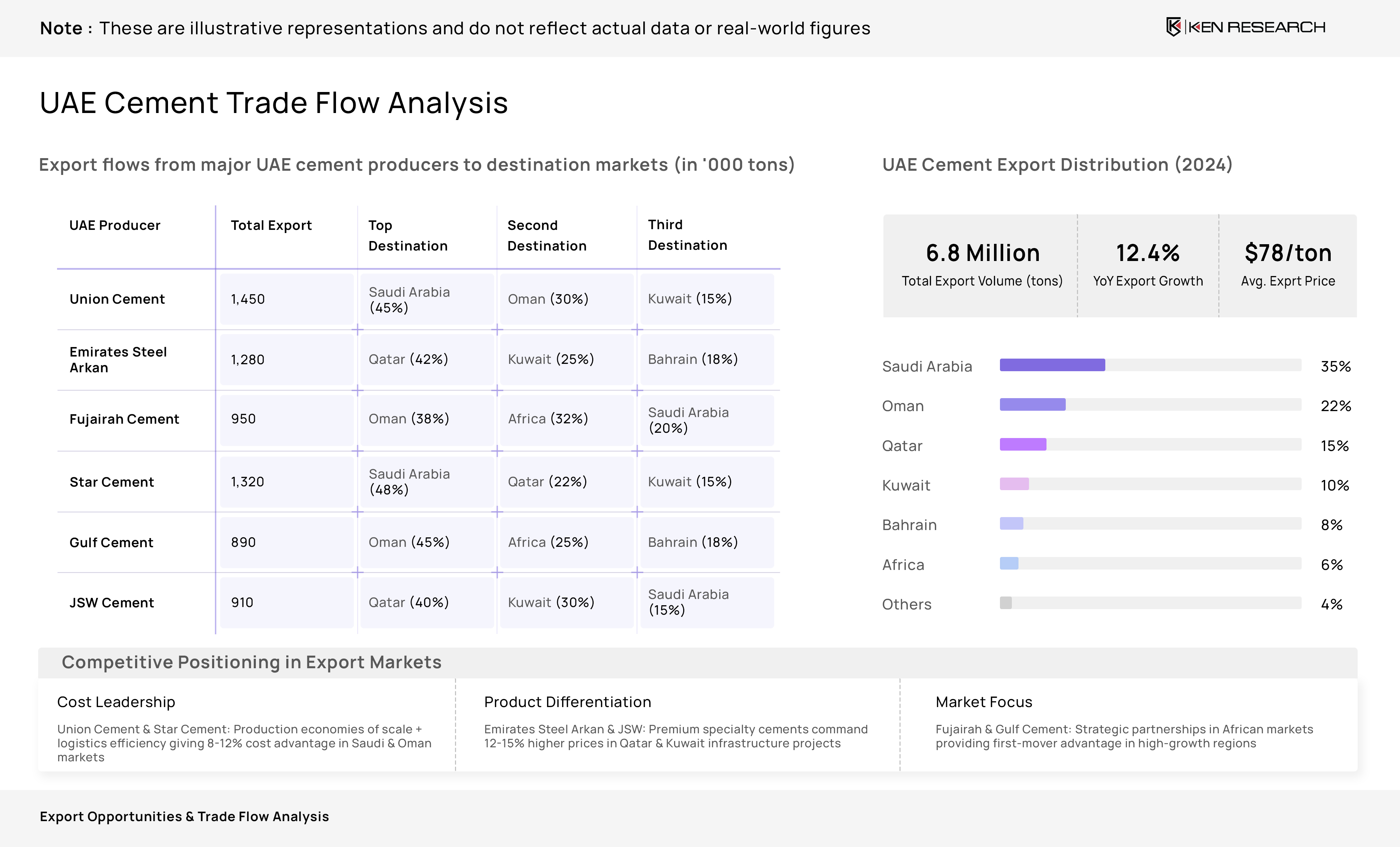
The profile mix shows a market led by long-established incumbents with broad service portfolios, while challenger and niche institutions differentiate through digital infrastructure, specialist positioning, or sharply defined customer propositions rather than full-scale branch expansion.
Competitive structure in this market is not only a function of size. It also reflects how effectively banks align product breadth, pricing architecture, distribution model, and customer acquisition strategy with the needs of mass-market, affluent, and niche banking segments.
Key Operational Performance Metrics
Company Performance Overview
Unlock Market Insights
Dive deeper into production, distribution, and pricing intelligence.
Get Customized ReportRevenue generation in South African retail banking is primarily influenced by customer scale, deposit mobilization, lending depth, pricing architecture, and monetization of transactional relationships. Banks that convert these operating levers efficiently tend to defend market share more effectively.
The market increasingly rewards banks that can combine customer acquisition with digital servicing efficiency. Strong deposit franchises, higher product penetration, better retention, and growing digital engagement are becoming more important than physical expansion alone in driving sustainable revenue outcomes.
Core Financial Performance Metrics
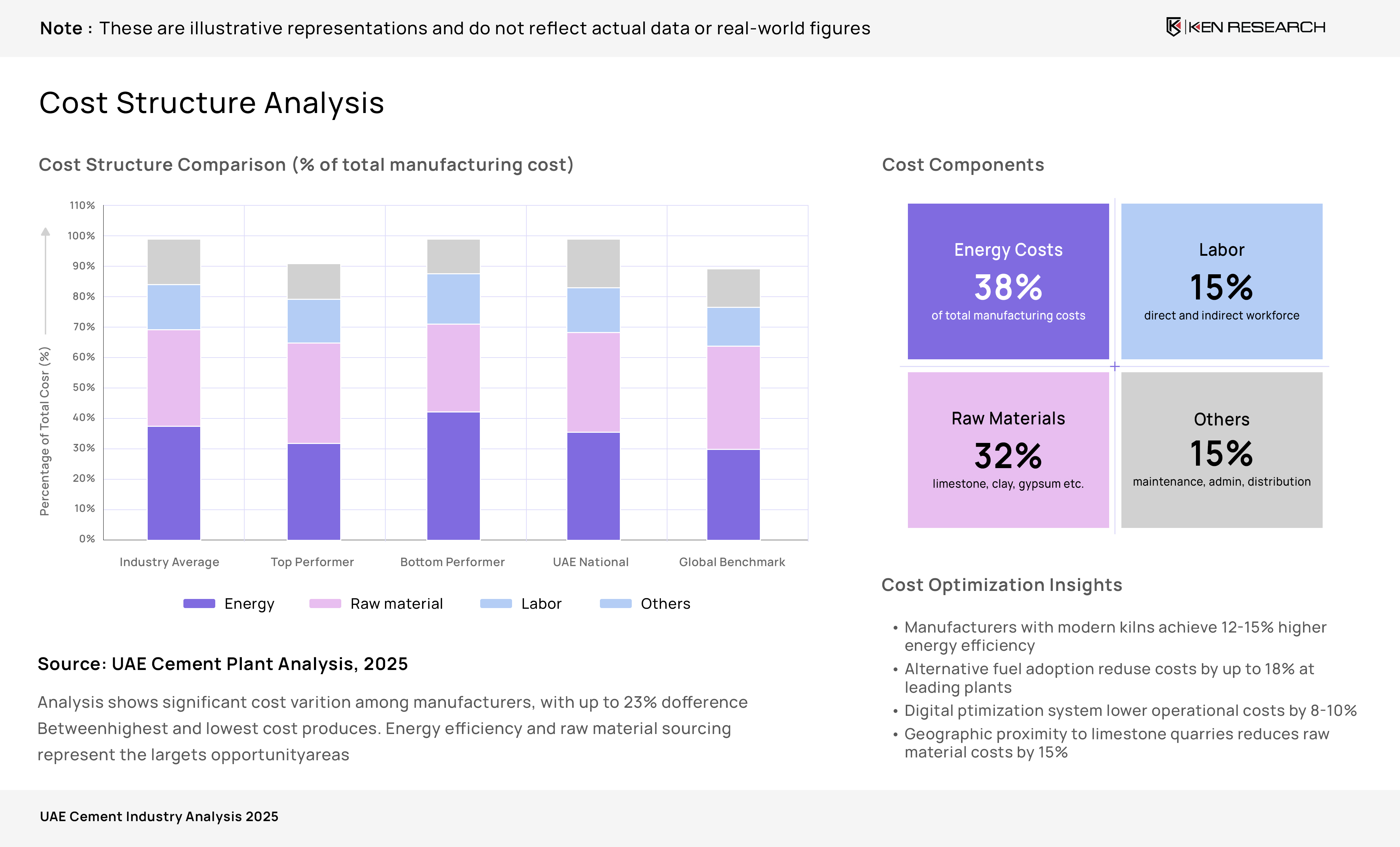
Financial benchmarking across this market is most meaningful when assessed alongside business model differences, since universal banks, specialist lenders, and digital challengers convert customer relationships into revenue and profitability through very different operating structures.
Margin quality and PAT outcomes are likely to vary widely across player tiers, with large incumbents benefiting from scale and product diversification, while smaller and newer banks may remain more focused on customer acquisition, platform build-out, and long-term franchise expansion.
Table of Contents
1. Ecosystem Matrix
1.1 Large Players
1.1.1
The Standard Bank of South Africa Limited
1.1.2
FirstRand Bank Limited
1.1.3
Absa Bank Limited
1.1.4
Nedbank Limited
1.1.5
Capitec Bank Limited
1.1.6
Investec Bank Limited
1.2 Medium Players
1.2.1
African Bank Limited
1.2.2
TymeBank Limited
1.2.3
Discovery Bank Limited
1.2.4
Bidvest Bank Limited
1.2.5
Sasfin Bank Limited
1.3 Small Players
1.3.1
Bank Zero Mutual Bank
1.3.2
Finbond Mutual Bank
1.3.3
Access Bank (South Africa) Limited
1.3.4
Albaraka Bank Limited
2. Leading Player Profiles
2.1 Parameters
2.1.1 Company Name
2.1.2 Group Name
2.1.3 Headquarters
2.1.4 Established Year
2.1.5 Core Services
2.1.6 Mode of Functioning
3. Key Operational Performance Metrics
3.1.1 Pricing (USD Mn)
3.1.2 Payment Transaction Volume (USD Mn)
3.1.3 Monthly Active Users (000)
3.1.4 Average Revenue per Active User (USD)
3.1.5 Card Spend Volume (USD Mn)
3.1.6 Cross-Border Transfer Volume (USD Mn)
3.1.7 Lending / Credit Volume via App (USD Mn)
3.1.8 Merchant Acceptance Volume (USD Mn)
3.1.9 Customer Retention Rate (%)
4. Core Financial Performance Metrics
4.1 Parameters
4.1.1 Revenue (USD Mn)
4.1.2 Revenue Growth (%)
4.1.3 COGS (USD Mn)
4.1.4 COGS Growth (%)
4.1.5 EBITDA (USD Mn)
4.1.6 EBITDA Growth (%)
4.1.7 EBITDA Margin (%)
4.1.8 PAT (USD Mn)
4.1.9 PAT Margin (%)
5. Methodology
5.1 Approach
5.1.1 Desk Sources
5.1.2 Primary Interviews
5.1.3 Sanity Checking & Validation
5.2 Benchmarking Process
5.2.1 Data Collection
5.2.2 Primary Validation
5.2.3 Proxy KPI Modelling
5.2.4 Normalization & Indexing
5.2.5 Gap Analysis
5.2.6 Peer Review
5.3 Sample Composition
5.3.1 Scope Items
5.3.2 Sample Size
5.3.3 Target Respondents
Methodology
Ken Research will deploy its proprietary, multi layered research framework, combining robust secondary research, targeted primary outreach, and rigorous data validation, to deliver an authoritative competitive landscape analysis of the South Africa Retail Banking Market.
Desk Sources
- Industry reports from proprietary databases and Ken Research archives
- Company annual reports and investor presentations
- South African Reserve Bank and banking regulator publications
- Government and trade association publications
- Trade magazines, journals, and e-articles
- Financial databases such as Bloomberg and Capital IQ
- Digital traffic, mobile app visibility, and public digital intelligence references
Primary Interviews
- CATIs and online surveys with key stakeholders
- Senior retail banking heads, deposit product heads, branch banking executives, digital banking leaders, lending and cards teams at leading banks
- Senior sales and customer acquisition leads
- Channel and payments ecosystem partners
- Industry analysts and consultants
- Technology and service providers for digital and analytics metrics
Sanity Checking and Validation
- Triangulation to cross-verify estimates from secondary data, primary inputs, and proxy model outputs
- Proxy KPI synthesis using related KPIs such as active customers, deposits, branch footprint, digital transaction volume, card base, and product mix to approximate revenue position
- Outlier analysis to identify and reconcile anomalous data points through follow-up discussions
- Assumption tracking with a clear log of benchmarking assumptions, limitations, and proxy KPI sources
- Peer review through internal expert validation of methodology, models, and key outputs before finalization
An Inside Look At Our Custom Insights
Take a look at ourcustomized insights, tailored to yourmarket and business needs. Our benchmarking reports deliver data-driven comparisons of key players, helping you uncover opportunities, assess performance, and make confident strategic decisions.