Thailand Edible Oil Market
Published on: December 2025
Report Overview
Thailand Edible Oil Market Overview
Market Highlights
The Thailand Edible Oil Market showcases a diverse competitive structure, where multinational corporations, regional manufacturers, and local firms engage in a dynamic interplay. Multinationals leverage their extensive resources for efficiency, while regional players focus on tailored offerings that resonate with local consumer preferences, and local firms capitalize on agility and niche markets.
Innovation from global players is seamlessly integrated with localized strategies, as companies adapt their product offerings to meet the unique tastes and dietary habits of Thai consumers. This synergy fosters a robust ecosystem where technology and tradition coalesce, enhancing product relevance and market penetration.
The distribution and aftersales landscape is critical, with strategic partnerships enhancing accessibility and service quality. Collaborations among manufacturers, distributors, and retailers ensure a comprehensive supply chain, while aftersales support, including customer service and product education, strengthens brand loyalty and consumer trust.
Forward-looking strategies emphasize sustainability, cost management, and technological integration, positioning firms to navigate market fluctuations effectively. The emphasis on innovation and localized solutions enables companies to remain agile, ensuring they can swiftly adapt to evolving consumer demands and competitive pressures in the Thailand Edible Oil Market.
Ecosystem Matrix
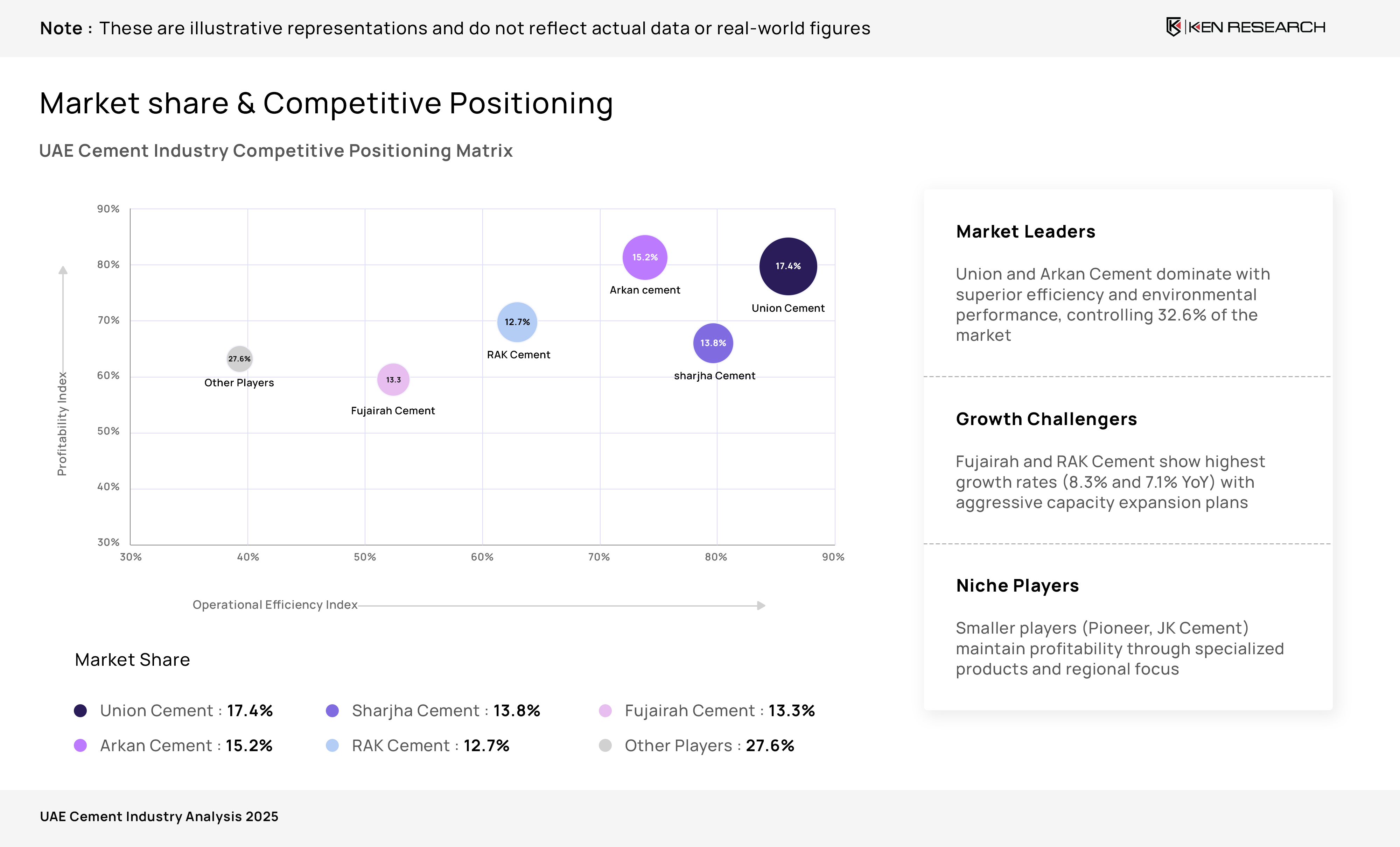
Thailand’s edible oil ecosystem is dominated by large-scale integrated processors like TVO and Morakot Industries, which control refining and distribution, while medium players address niche segments and regional distribution gaps.
Smaller firms, including SME oil mills, remain relevant in regional palm oil markets, leveraging cost advantages and direct farmer linkages but face intense competition from established domestic giants.
Leading Player Profiles
Company Profiles Overview
The large players like TVO, Morakot, and Thanakorn dominate soybean and palm oil refining with integrated supply chains, while CP Group leverages retail channels to capture market share.
Medium and small companies diversify product offerings (coconut, traditional oils) and focus on regional or export-driven niches, highlighting fragmented yet competitive market dynamics.
Key Operational Performance Metrics
Company Performance Overview
Unlock Market Insights
Dive deeper into production, distribution, and pricing intelligence.
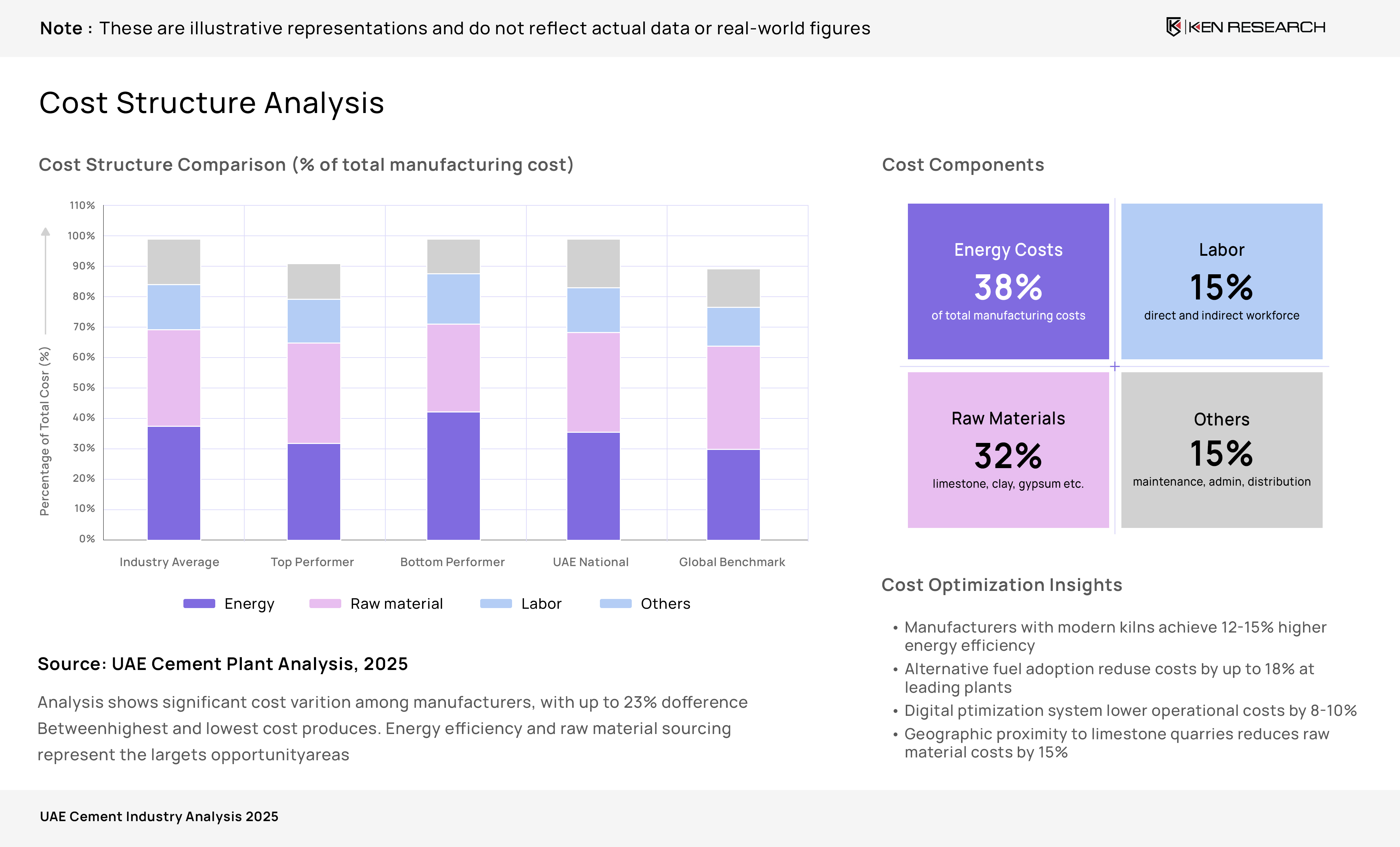
Get Customized ReportRevenue drivers in Thailand’s edible oil market remain centered on refining capacity, distribution coverage, and pricing power. Larger firms maintain economies of scale, while SMEs focus on flexible pricing and niche distribution to remain competitive.
Export share and product diversification are increasingly critical, particularly for palm oil and soybean-based products, to capture demand in neighboring ASEAN markets.
Core Financial Performance Metrics
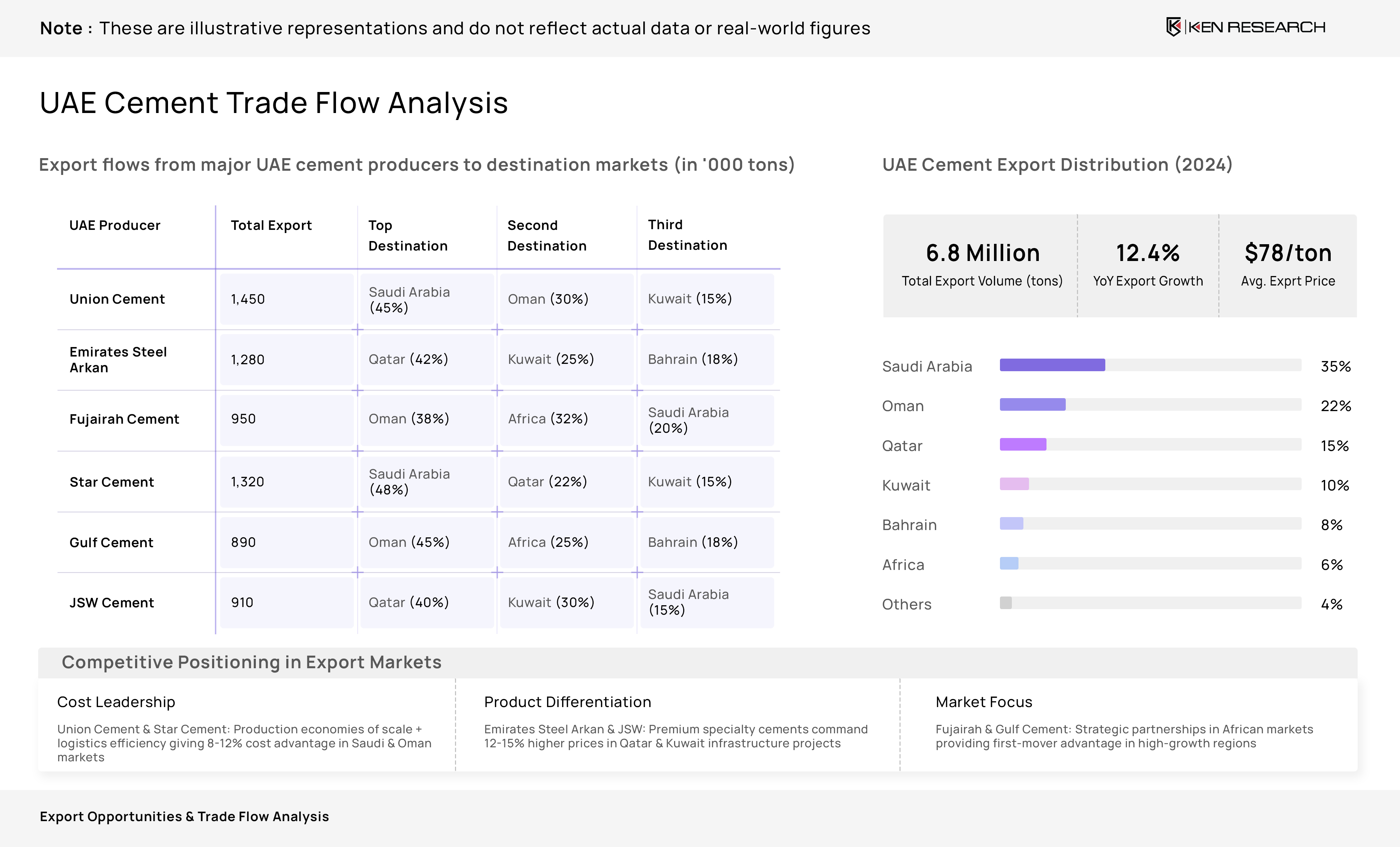
The financial performance of leading Thai edible oil companies reflects varying scales of integration, with EBITDA margins highly influenced by raw material volatility and pricing strategies.
Large integrated refiners typically sustain stronger profitability, while smaller firms face margin pressures and remain vulnerable to fluctuations in soybean and palm oil imports.
Table of Contents
1. Ecosystem Matrix
1.1 Large Players
1.1.1 Thai Vegetable Oil (TVO)
1.2 Medium Players
1.2.1 Pornvilai
1.2.2 Thai Edible Oil
1.2.3 CP Group (Edible Oil Division)
1.2.4 Kiang Huat Sea Gull
1.2.5 Thai Oil Group
1.3 Small Players
1.3.1 Siam Oleochemicals
1.3.2 Krungthep Vegetable Oil
1.3.3 Lianhua Oil Mill
1.3.4 Sunlee Vegetable Oil
1.3.5 SME Palm Oil Extractors (Aggregated)
2. Leading Player Profiles
2.1 Parameters
2.1.1 Company Name
2.1.2 Group Name
2.1.3 Headquarters
2.1.4 Established Year
2.1.5 Core Business Segment
2.1.6 Mode of Functioning
3. Key Operational Performance Metrics
3.1 Parameters
3.1.1 Production Capacity (MT/Year)
3.1.2 Refining Capacity (MT/Year)
3.1.3 Distribution Coverage (%)
3.1.4 Export Share (%)
3.1.5 Product Range (SKUs)
3.1.6 Pricing (USD/Kg)
3.1.7 Number of Processing Plants
3.1.8 Number of Farms
4. Core Financial Performance Metrics
4.1 Parameters
4.1.1 Revenue (USD Mn)
4.1.2 Revenue Growth (%)
4.1.3 COGS (USD Mn)
4.1.4 COGS Growth (%)
4.1.5 EBITDA (USD Mn)
4.1.6 EBITDA Growth (%)
4.1.7 EBITDA Margin (%)
4.1.8 PAT (USD Mn)
4.1.9 PAT Margin (%)
5. Methodology
5.1 Approach
5.1.1 Desk Sources
5.1.2 Primary Interviews
5.1.3 Sanity Checking & Validation
5.2 Benchmarking Process
5.2.1 Data Collection
5.2.2 Primary Validation
5.2.3 Proxy KPI Modelling
5.2.4 Normalization & Indexing
5.2.5 Gap Analysis
5.2.6 Peer Review
5.3 Sample Composition
5.3.1 Scope Items
5.3.2 Sample Size
5.3.3 Target Respondents
Methodology
Ken Research will deploy its proprietary, multi-layered research framework—combining robust secondary research, targeted primary outreach, and rigorous data validation—to deliver an authoritative competitive landscape analysis of the Thailand Edible Oil Market.
Desk Sources
- Industry reports from proprietary databases and Ken Research archives
- Company annual reports, investor presentations, and statutory disclosures
- Government and trade association publications, including the Department of Internal Trade, Ministry of Agriculture, and Palm Oil Board of Thailand
- Trade magazines, journals, and industry news articles
- Financial intelligence platforms such as Bloomberg and Capital IQ
- Digital and retail analytics, including SimilarWeb, NielsenIQ, and Shopee/Lazada SKU-level audits
Primary Interviews
- CATIs and online surveys with key industry stakeholders
- Category Managers and R&D Heads of edible oil manufacturers
- Senior Sales and Marketing Leads at leading market players
- Distributors and channel partners across modern and traditional trade
- Industry analysts and consultants
- Technology and service providers supporting retail and digital sales analytics
Sanity Checking & Validation
- Data triangulation through cross-verification of desk research, primary interviews, and proxy model outputs
- Proxy KPI synthesis using sector-specific indicators such as refining capacity, production volume, SKU count, distribution coverage, and export share to estimate revenues and market positioning
- Outlier analysis to identify, investigate, and reconcile anomalous data points via follow-up validation
- Assumption tracking with a detailed log documenting benchmarking assumptions, limitations, and proxy KPI sources
- Internal peer review of research methodology, analytical models, and key outputs prior to final report finalization
An Inside Look At Our Custom Insights
Take a look at ourcustomized insights, tailored to yourmarket and business needs. Our benchmarking reports deliver data-driven comparisons of key players, helping you uncover opportunities, assess performance, and make confident strategic decisions.