Thailand Electric Vehicle Charging Providers Market
Published on: January 2026
Report Overview
Thailand Electric Vehicle Charging Providers Market Overview
Market Highlights
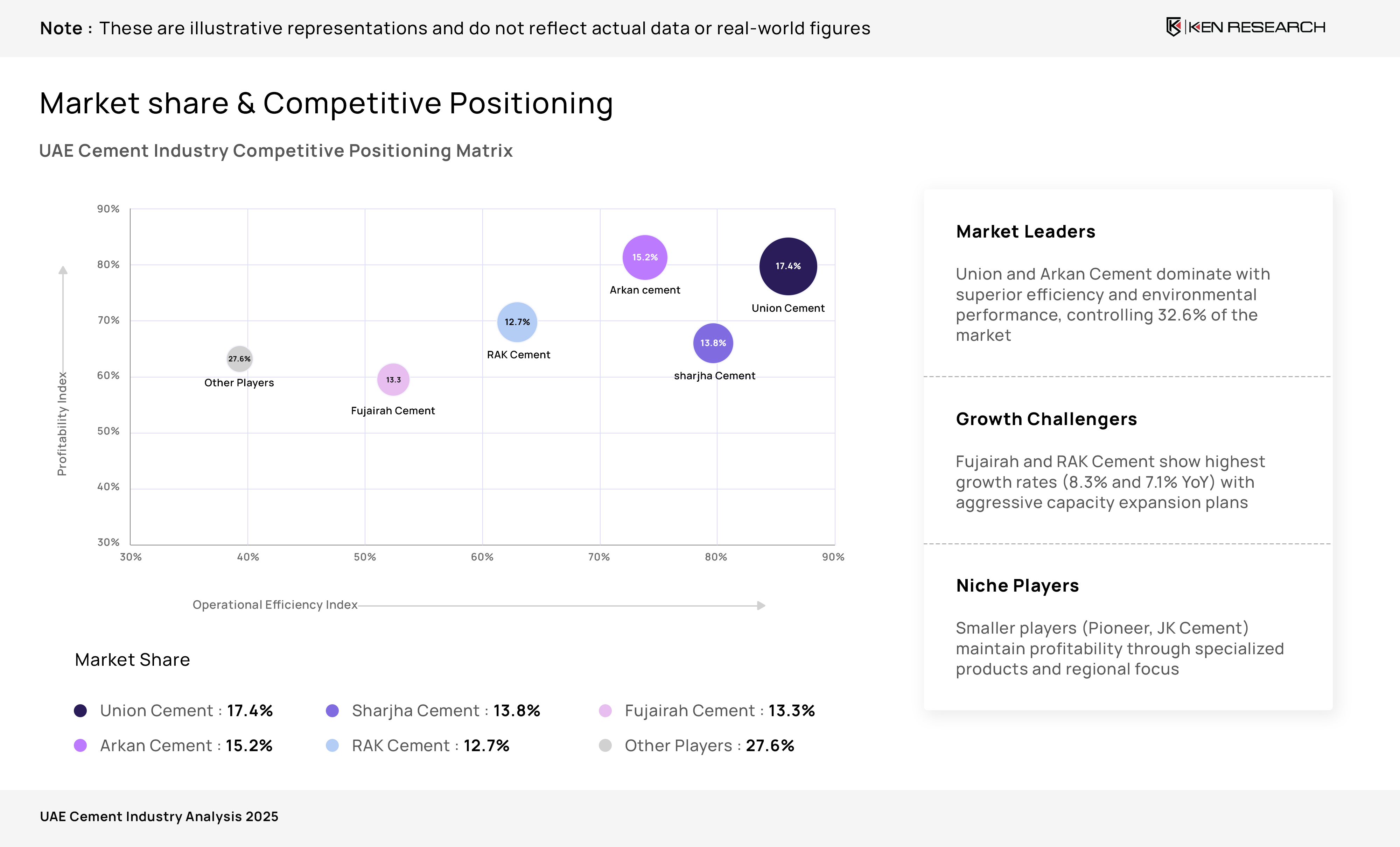
The Thailand Electric Vehicle Charging Providers Market features a multi-tiered competitive structure where large energy groups, multinational technology firms, and state-linked utilities operate alongside focused regional and domestic players. Market leadership is shaped by network scale, integration with existing energy assets, and the ability to deliver reliable, service-oriented charging solutions.
Global charging technologies and power management platforms underpin much of the market’s innovation, but competitive differentiation increasingly depends on localization. Domestic and regional providers adapt hardware configurations, deployment formats, and service models to local grid conditions, urban layouts, and user behavior, enabling broader adoption and stronger relevance across customer segments.
Distribution strength and aftersales capability play a decisive role in shaping competition. Providers with established site partnerships, responsive maintenance frameworks, and user-centric digital interfaces achieve higher utilization and stronger customer loyalty. Consistent service availability and operational reliability are critical in reinforcing brand credibility within an infrastructure-led market.
Looking ahead, competitive dynamics will be driven by the interplay of innovation, localization, and operational agility. Players that effectively integrate advanced technology with disciplined execution, ecosystem partnerships, and sustainability-aligned strategies are positioned to strengthen network relevance and sustain long-term leadership in Thailand’s evolving electric mobility landscape.
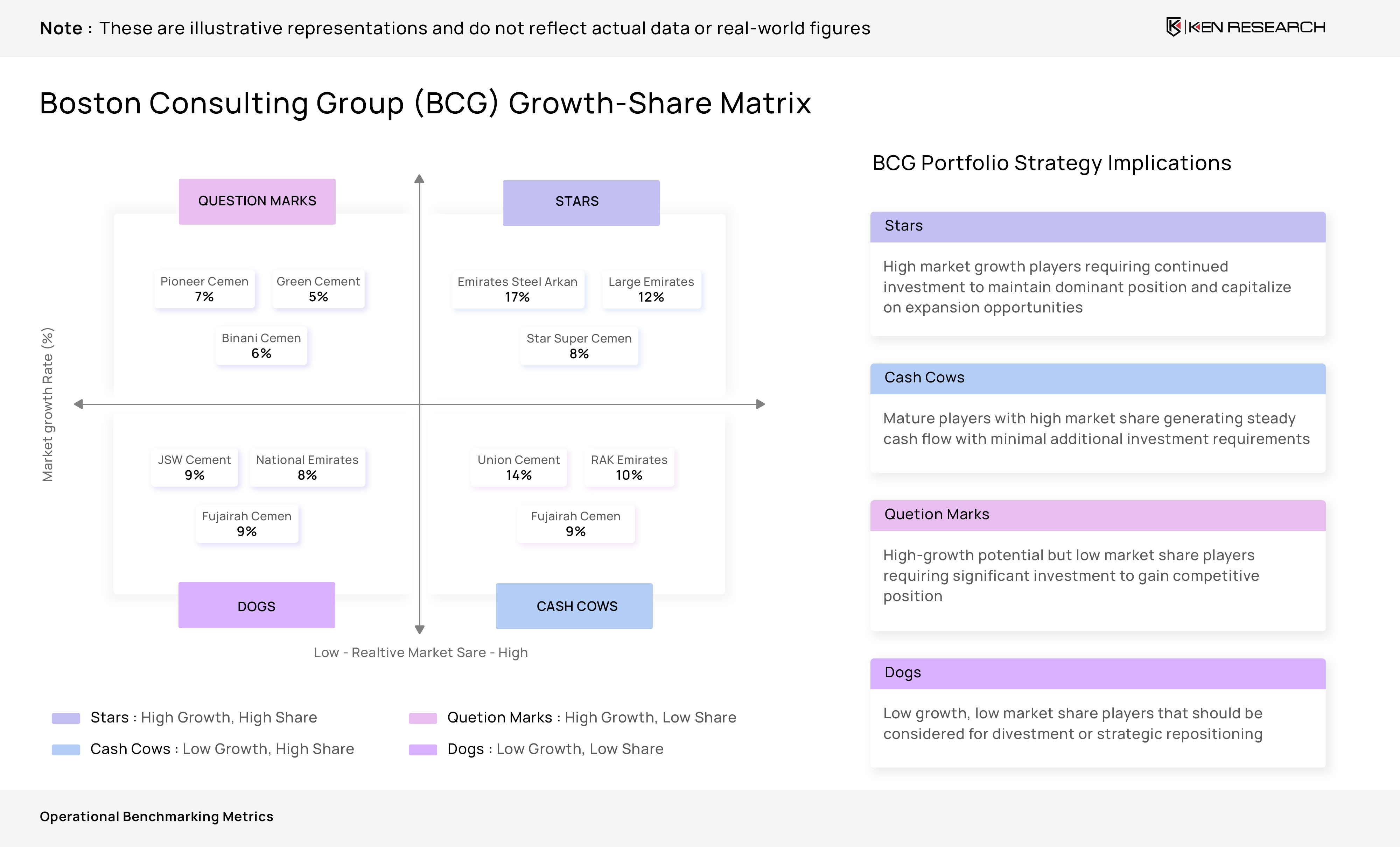
Ecosystem Matrix
Thailand’s EV charging ecosystem is utility- and energy-major led, with national-scale buildouts anchored by PTT Group arms, state power utilities, and large CPOs. Market leadership is increasingly defined by site acquisition depth, uptime execution, and fast-charger rollout velocity.
Competitive differentiation is shifting from “station count” to monetization quality pricing discipline, utilization per connector, and repeat charging behavior while platform capability determines revenue stability across highway corridors and urban destination networks.
Leading Player Profiles
Company Profile Overview
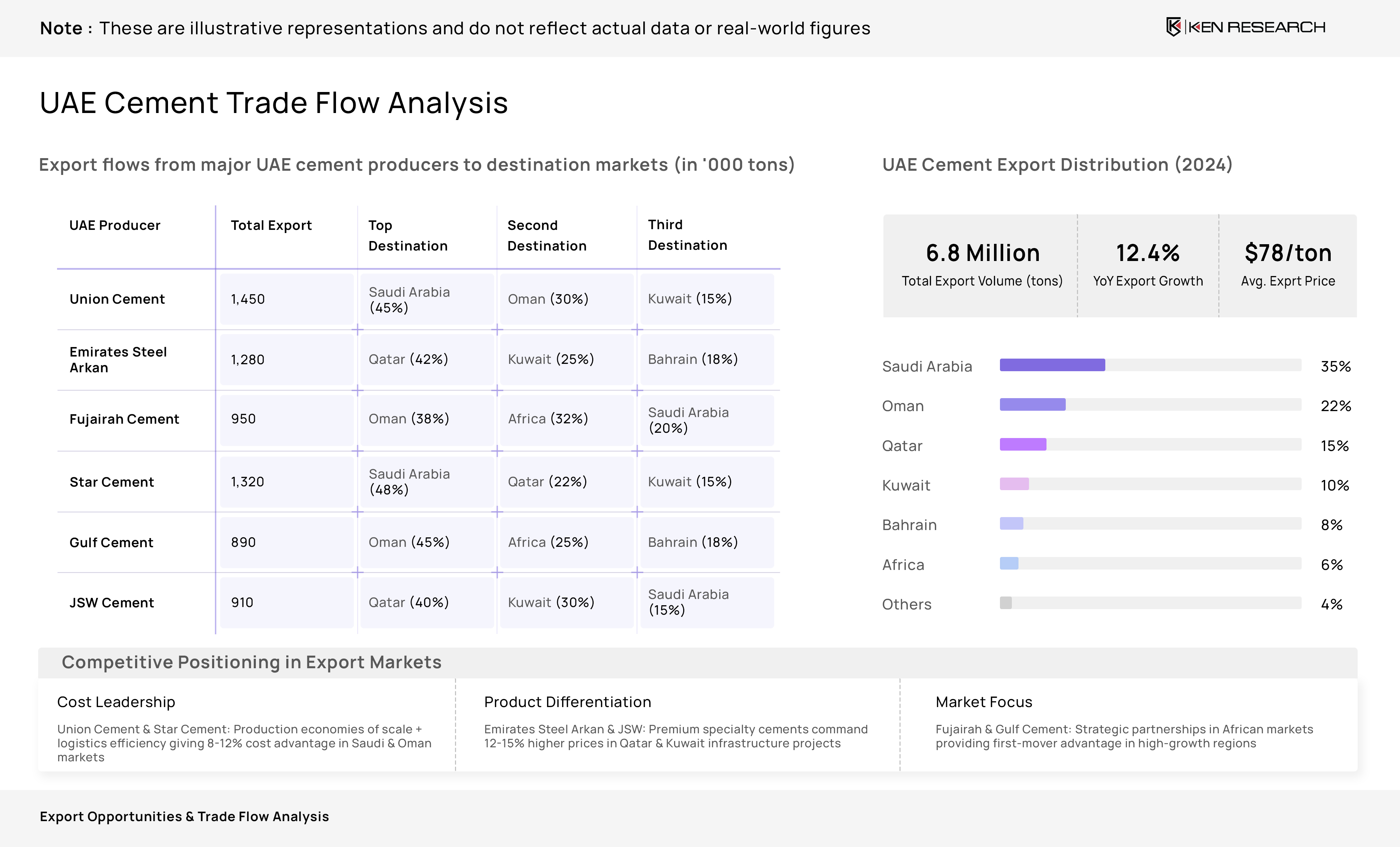
The leading landscape combines national CPOs and utilities with strong site access and grid leverage, alongside technology-centric platforms and global OEM-grade hardware providers. Competitive advantage increasingly comes from securing high-traffic locations and sustaining reliable high-power charging performance.
Operationally, revenue scale is shaped by charger mix, utilization intensity, and pricing realization, while profitability depends on power cost management, maintenance discipline, and platform-led monetization.
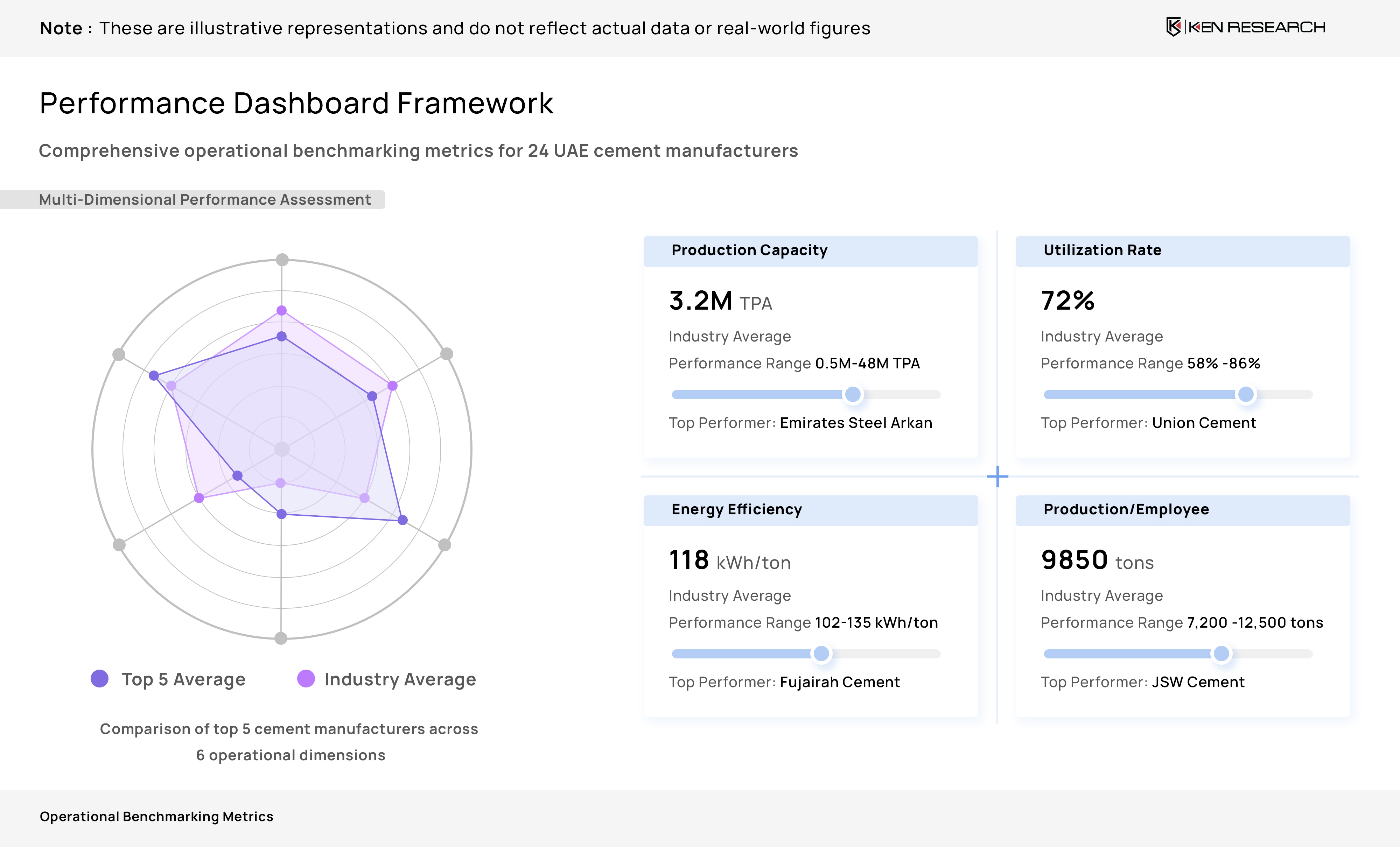
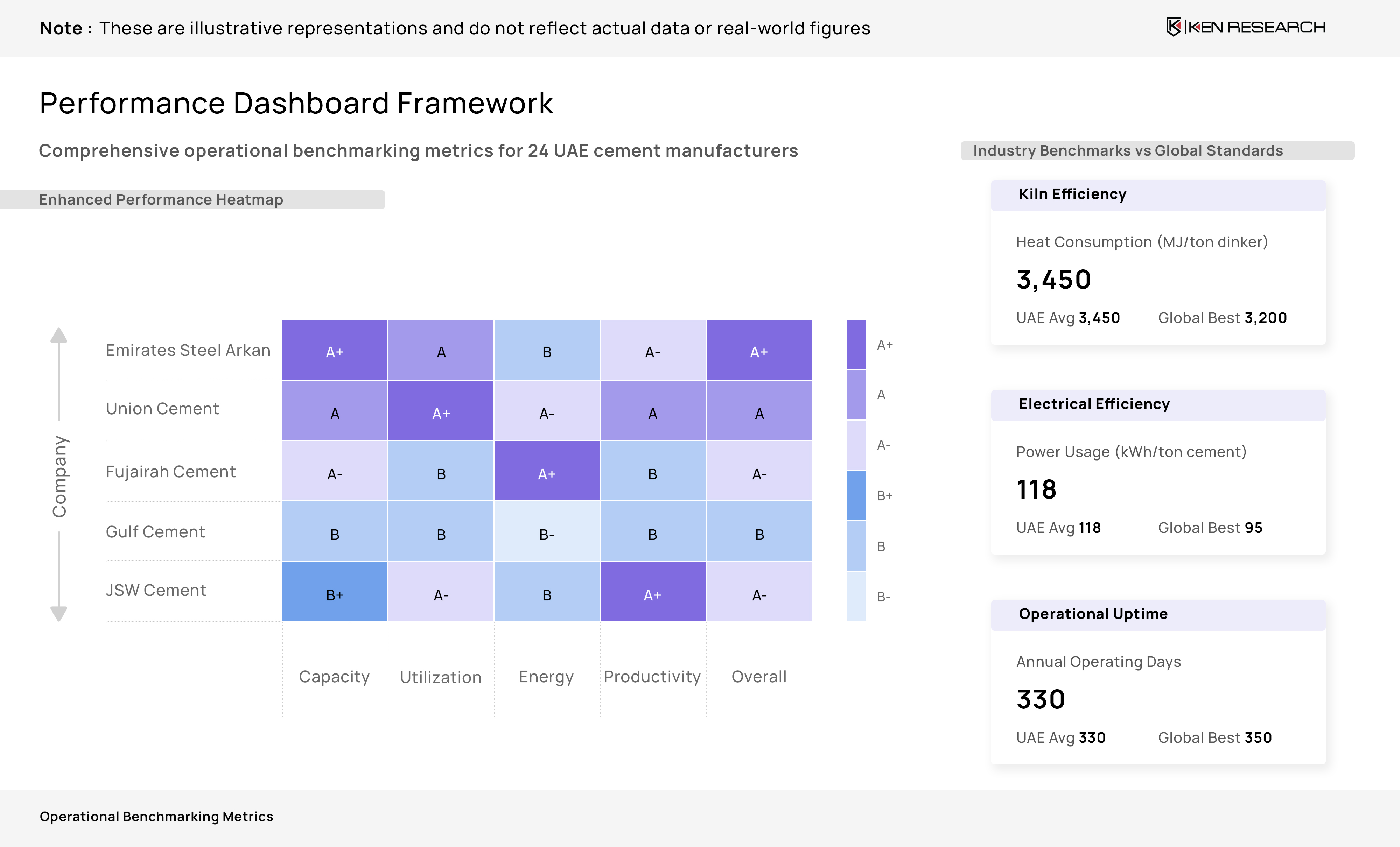
Key Operational Performance Metrics
Company Performance Overview
Unlock Market Insights
Dive deeper into production, distribution, and pricing intelligence.
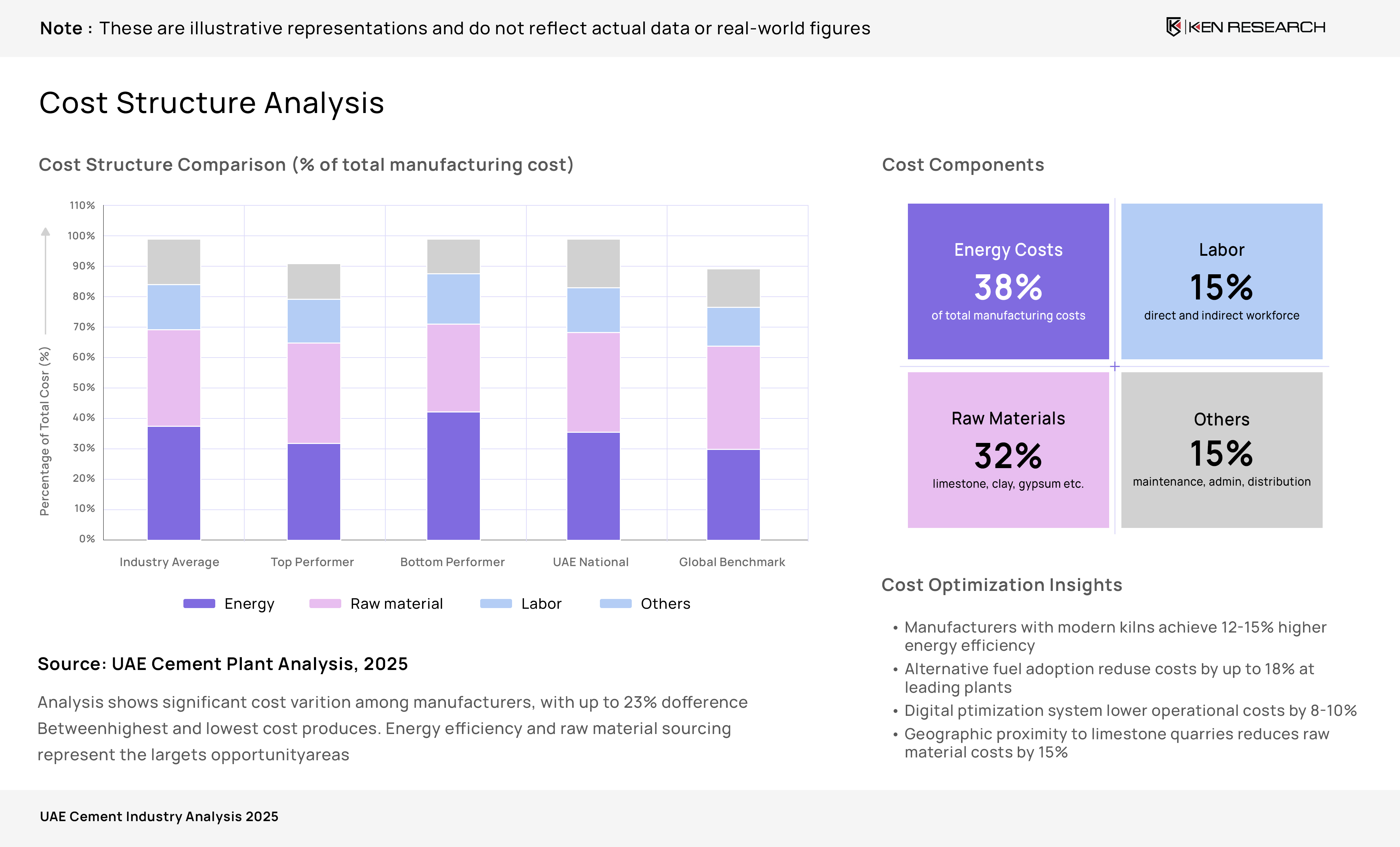
Get Customized ReportRevenue concentration typically tracks DC fast-charging throughput and pricing realization, with the highest-impact levers being utilization per connector, tariff architecture, and repeat demand from highway corridors and urban high-dwell destinations.
As networks scale, fleet/B2B contracts, subscriptions, and roaming fees become critical stabilizers, while installation, maintenance, and CPMS platform income improves resilience especially when public charging margin volatility rises due to power costs and competitive pricing pressure.
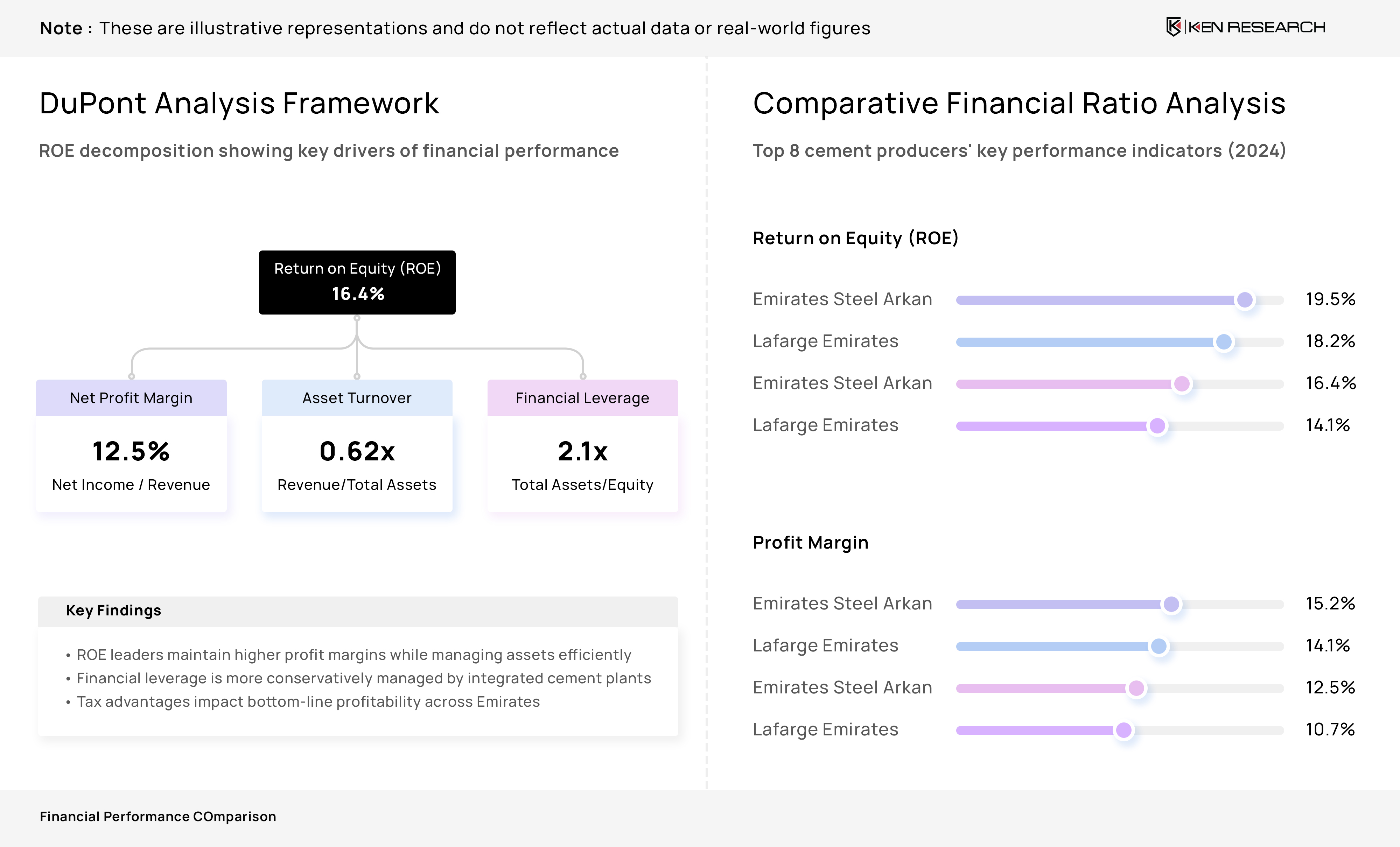
Core Financial Performance Metrics
Financial benchmarking in this market typically separates “infrastructure-heavy CPO economics” from “equipment-led and platform-led economics,” where COGS sensitivity and margin stability differ materially due to power procurement exposure, asset utilization, and maintenance intensity.
EBITDA and PAT performance are most influenced by charging mix, network density benefits, and monetization breadth; operators with strong corridor utilization and contracted fleet volume generally show more defensible margins versus purely opportunistic site rollouts.
Table of Contents
1. Ecosystem Matrix
1.1. Large Players
1.1.1 PTT Oil and Retail Business PCL
1.1.2 Arun Plus Co., Ltd.
1.1.3 Energy Absolute PCL
1.1.4 Electricity Generating Authority of Thailand
1.1.5 Provincial Electricity Authority
1.1.6 Metropolitan Electricity Authority
1.1.7 Evolt Technology Co., Ltd.
1.1.8 Bangchak Corporation PCL
1.1.9 PTG Energy PCL
1.2 Medium Players
1.2.1 Sharge Management Co., Ltd.
1.2.2 Forth Smart Service PCL
1.2.3 Delta Electronics Thailand PCL
1.2.4 ABB Ltd
1.2.5 Schneider Electric SE
1.2.6 Siemens AG
1.3 Small Players
1.3.1 Shell plc
1.3.2 PromptCharge
1.3.3 EV Society Co., Ltd.
2. Leading Player Profiles
2.1 Company Name
2.2 Group Name
2.3 Global Headquarters
2.4 Establishment Year
2.5 Core Service
2.6 Mode of Functioning
3. Key Operational Performance Metrics
3.1 Charging Revenue (USD Mn)
3.2 DC Fast-Charging Revenue (USD Mn)
3.3 Destination / AC Charging Revenue (USD Mn)
3.4 Fleet & B2B Contract Revenue (USD Mn)
3.5 Subscription / Membership Revenue (USD Mn)
3.6 Interoperability Fees (USD Mn)
3.7 Installation & Commissioning Revenue (USD Mn)
3.8 Maintenance Revenue (USD Mn)
3.9 CPMS Platform Revenue (USD Mn)
4. Core Financial Performance Metrics
4.1 Parameters
4.1.1 Revenue (USD Mn)
4.1.2 Revenue Growth (%)
4.1.3 COGS (USD Mn)
4.1.4 COGS Growth (%)
4.1.5 EBITDA (USD Mn)
4.1.6 EBITDA Growth (%)
4.1.7 EBITDA Margin (%)
4.1.8 PAT (USD Mn)
4.1.9 PAT Margin (%)
5. Methodology
5.1 Approach
5.1.1 Desk Sources
5.1.2 Primary Interviews
5.1.3 Sanity Checking & Validation
5.2 Benchmarking Process
5.2.1 Data Collection
5.2.2 Primary Validation
5.2.3 Proxy KPI Modelling
5.2.4 Normalization & Indexing
5.2.5 Gap Analysis
5.2.6 Peer Review
5.3 Sample Composition
5.3.1 Scope Items
5.3.2 Sample Size
5.3.3 Target Respondents
Methodology
Ken Research will deploy its proprietary, multi-layered research framework combining robust secondary research, targeted primary outreach, and rigorous data validation to deliver an authoritative competitive benchmarking analysis of the Thailand Electric Vehicle Charging Providers Market.
Desk Sources
- Industry reports from proprietary databases and Ken Research internal archives to establish historical benchmarks, market sizing, and competitive baselines
- Company annual reports, investor presentations, statutory filings, and press disclosures to extract financials, network expansion plans, capex intensity, and strategic priorities
- Government publications and power-sector releases (energy authorities, transport ministries, utilities) to assess EV policy frameworks, charging standards, grid readiness, and incentives
- Trade magazines, industry journals, and EV mobility e-articles to track charging technology evolution, pricing trends, and competitive deployments
- Financial intelligence platforms such as Bloomberg and Capital IQ to standardize financial ratios, profitability metrics, and peer benchmarking
- Digital intelligence dashboards (SimilarWeb, App Annie, app-store analytics) to evaluate charging app adoption, digital engagement, and demand signals
Primary Interviews
- CATI interviews and structured online surveys with category managers, infrastructure planners, and R&D heads at EV charging operators and solution providers
- In-depth discussions with senior sales, strategy, and business development leaders at leading charging network operators
- Interviews with site hosts, fleet operators, and channel partners to validate pricing per kWh, utilization trends, and regional demand patterns
- Consultations with industry analysts, consultants, and EV ecosystem technology providers for expert validation of market structure and monetization models
Sanity Checking & Validation
- Triangulation of estimates by cross-verifying secondary research, primary interview inputs, and proxy-based financial models
- Proxy KPI synthesis using parameters such as installed chargers, DC fast-charging mix, utilization per connector, pricing realization, and fleet contracts to approximate revenues
- Outlier analysis to identify anomalous data points and reconcile them through targeted follow-up discussions
- Assumption tracking via a structured log capturing all benchmarking assumptions, data gaps, and proxy KPI sources
- Internal peer review of methodology, analytical models, and outputs prior to final report sign-off
An Inside Look At Our Custom Insights
Take a look at ourcustomized insights, tailored to yourmarket and business needs. Our benchmarking reports deliver data-driven comparisons of key players, helping you uncover opportunities, assess performance, and make confident strategic decisions.