Thailand Fertilizer Distribution Market
Published on: December 2025
Report Overview
Thailand Fertilizer Distribution Market Overview
Market Highlights
The Thailand Fertilizer Distribution Market showcases a diverse competitive structure, where multinational corporations, regional manufacturers, and local firms engage in a dynamic interplay. Multinationals leverage their extensive resources for efficiency, while regional players focus on tailored solutions that resonate with local agricultural practices, and local firms capitalize on agility and niche expertise to carve out market segments.
Innovation from global players is harmoniously blended with localized adaptations, as companies tailor their product offerings to meet the specific needs of Thai farmers. This includes the integration of advanced technologies and sustainable practices that align with local agricultural conditions, ensuring that solutions are both effective and environmentally responsible.
The distribution and aftersales ecosystem is critical in enhancing customer satisfaction and operational reliability. Strategic collaborations among manufacturers, distributors, and agricultural cooperatives facilitate efficient supply chains, while robust aftersales support, including training and maintenance services, fosters long-term relationships and trust within the farming community.
Looking ahead, the competitive landscape is increasingly shaped by a focus on innovation, localization, and operational agility. Companies are adopting advanced data analytics and sustainable practices to drive efficiency, while partnerships with local stakeholders enable rapid adaptation to market changes, ensuring resilience and growth in a rapidly evolving environment.
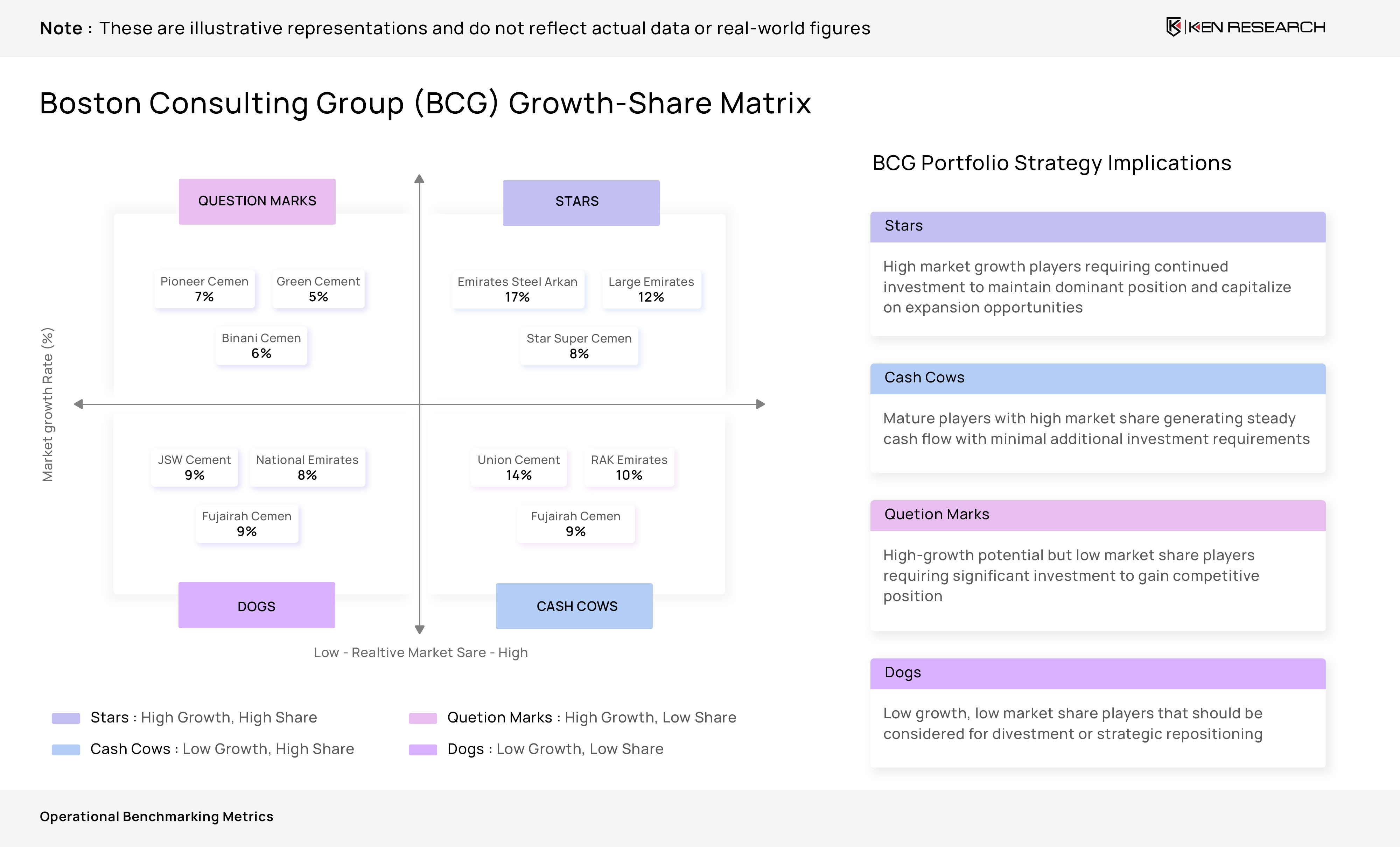
Ecosystem Matrix
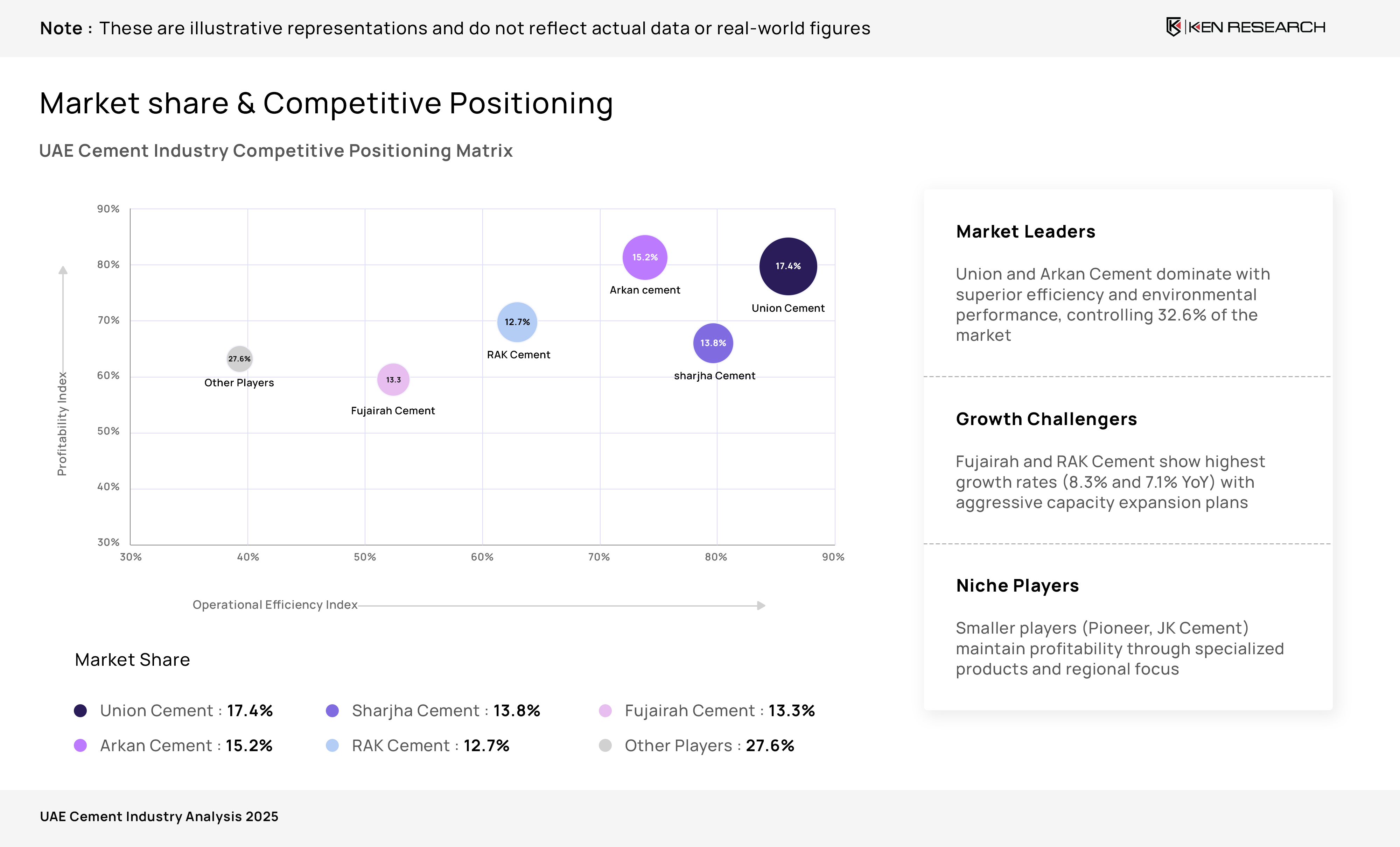
The Thailand fertilizer distribution market is dominated by large domestic and multinational firms such as Chia Tai, TCCC, and Yara, supported by strong distribution networks and government-aligned strategies to ensure food security.
Medium and smaller players cater to localized markets, focusing on niche fertilizer blends, cost competitiveness, and relationship-based distribution, reflecting a fragmented structure beneath the dominance of large integrated corporations.
Leading Player Profiles
Company Profile Overview
The landscape reflects a mix of multinational groups and local independent firms, with global leaders offering advanced solutions and local players focusing on volume-driven, low-cost fertilizers.
Established domestic companies like TCCC and Chia Tai provide stability, while newer, smaller distributors address regional needs and crop-specific demands.
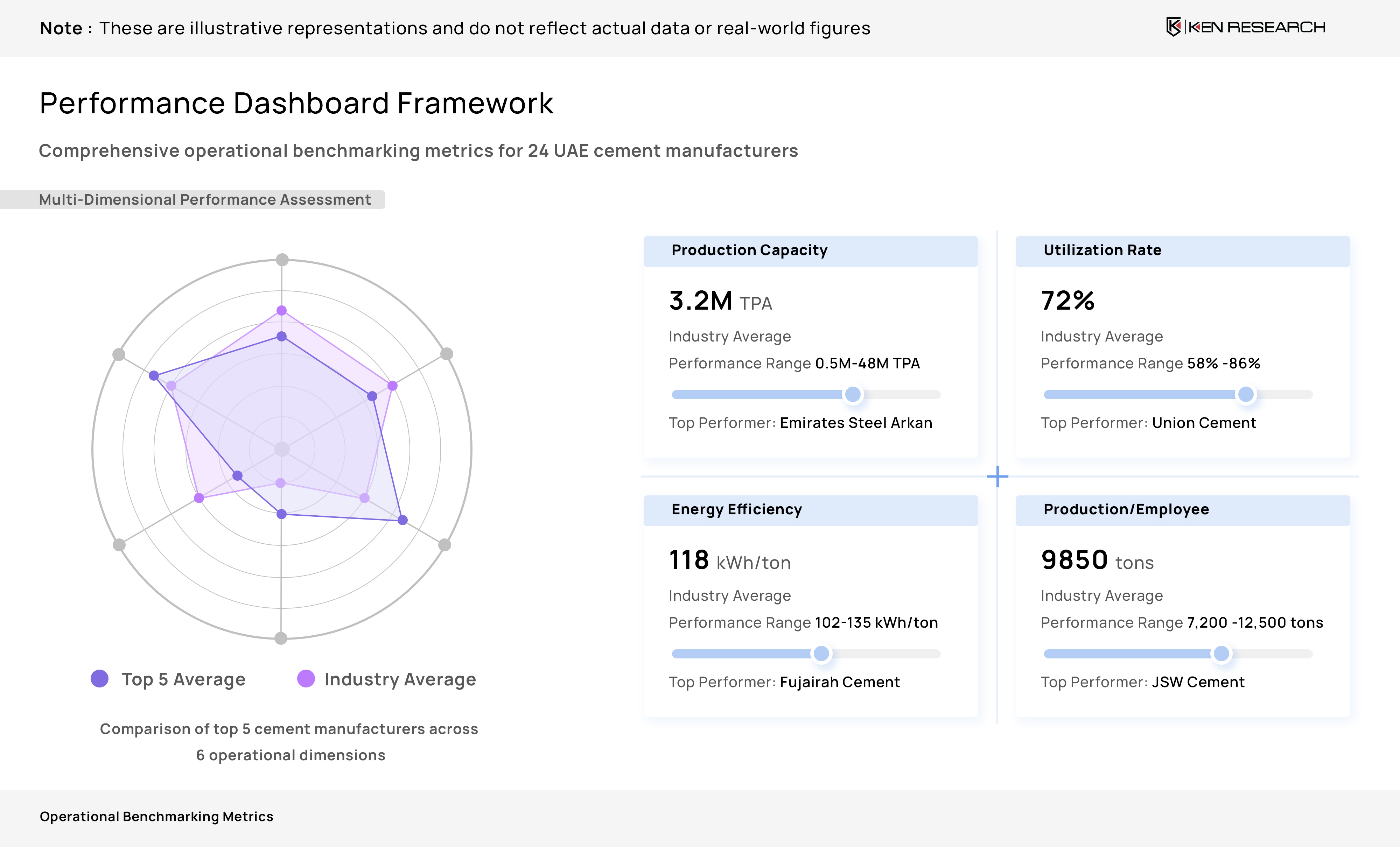
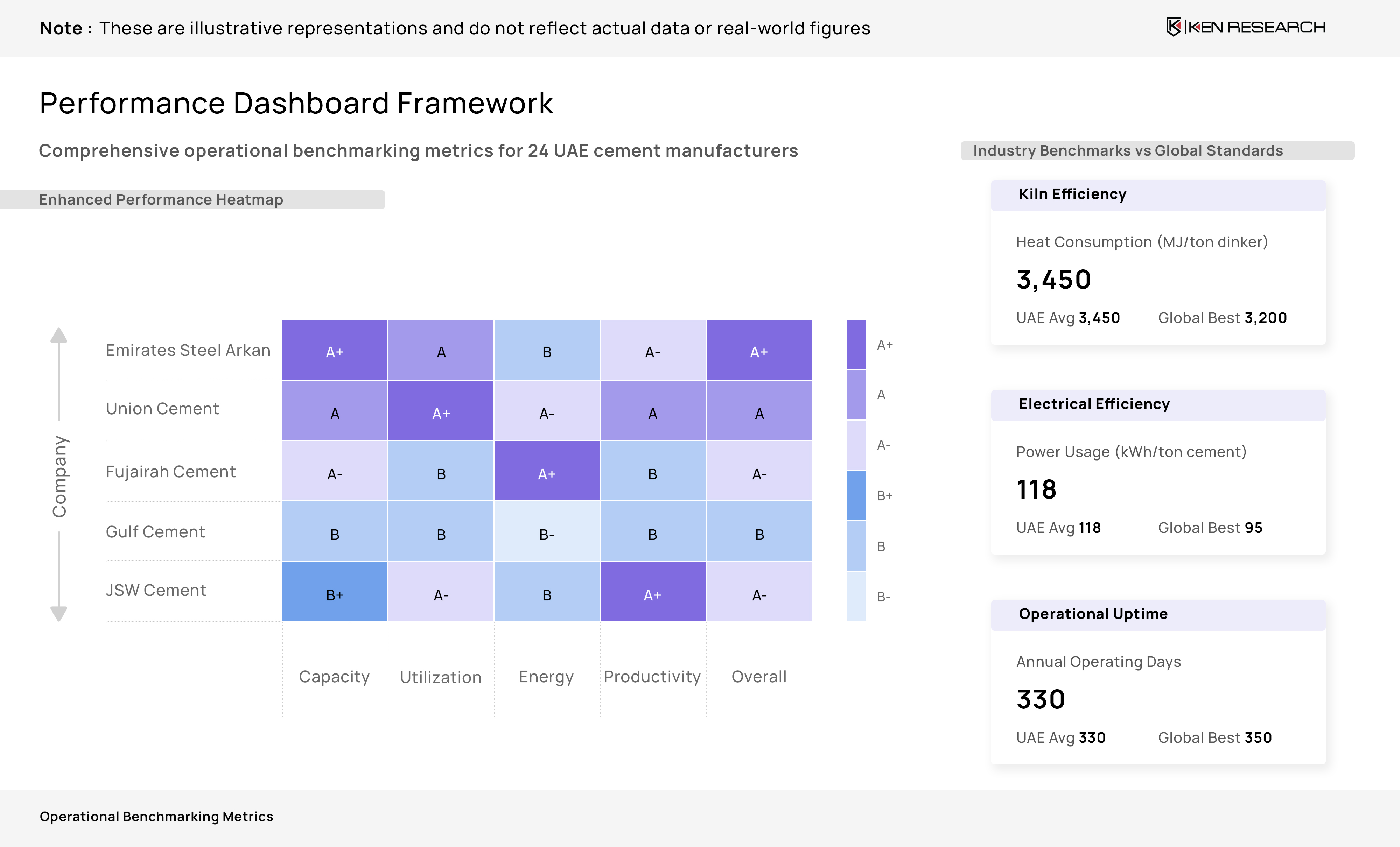
Key Operational Performance Metrics
Company Performance Overview
Unlock Market Insights
Dive deeper into production, distribution, and pricing intelligence.
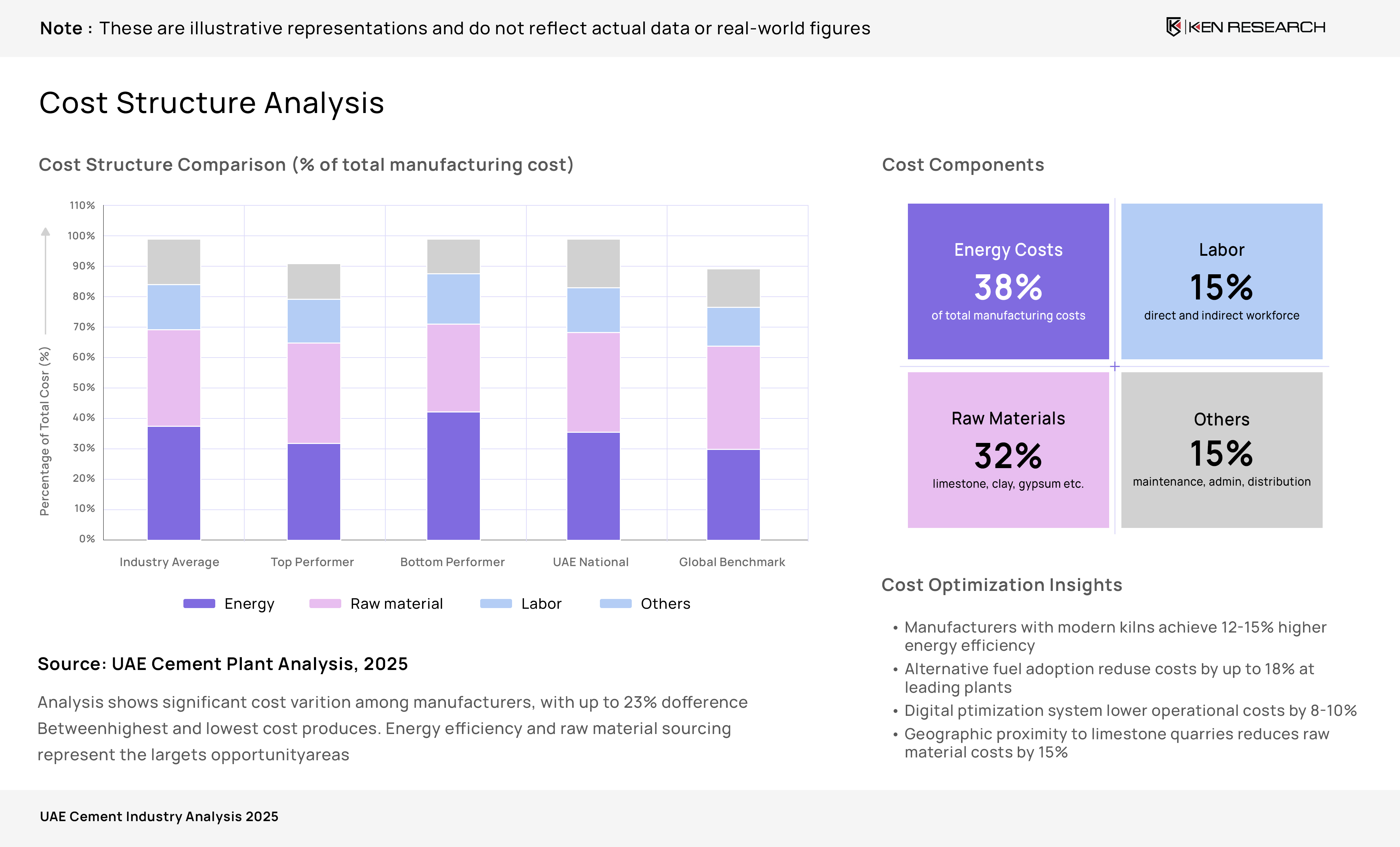
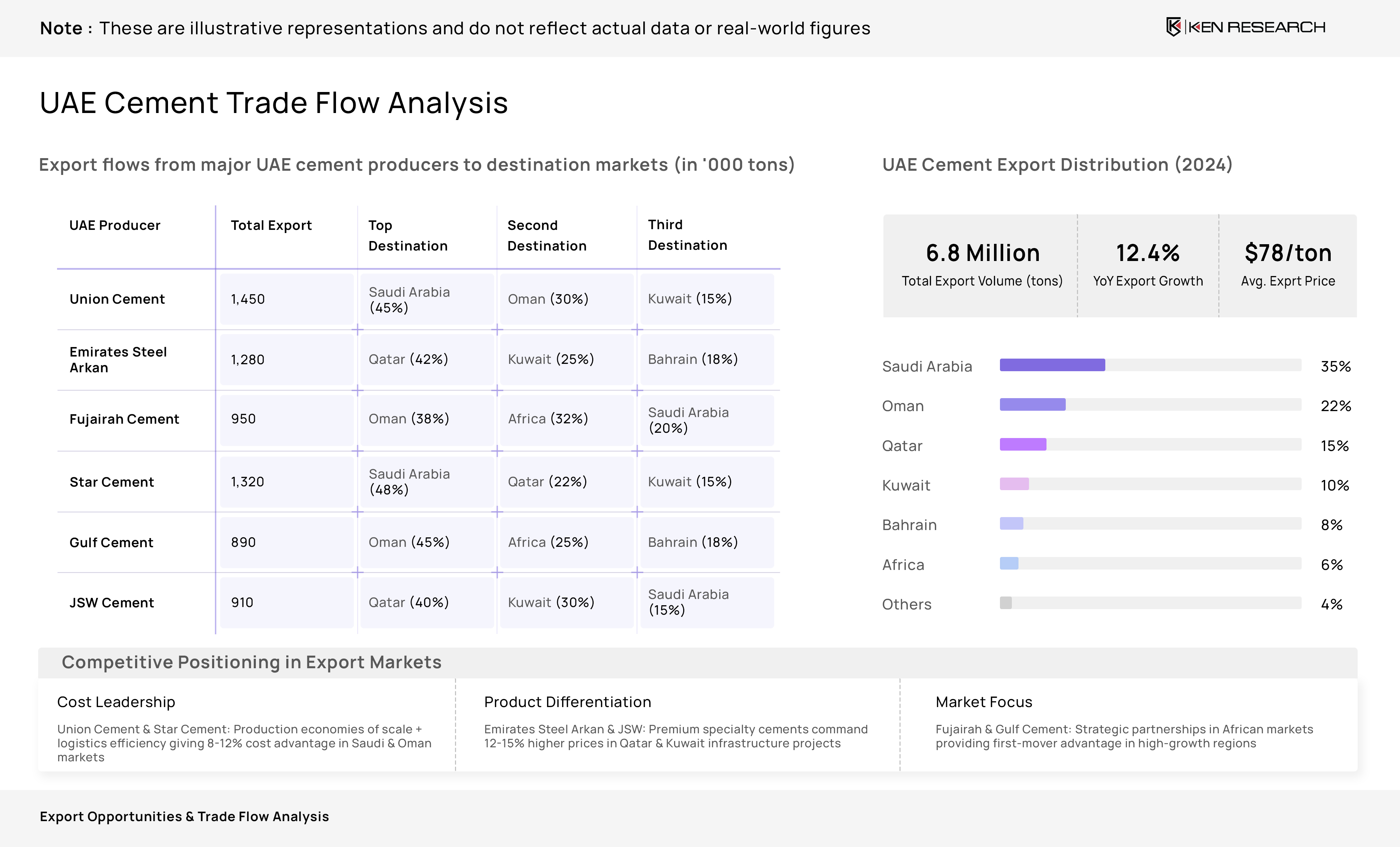
Get Customized ReportPricing and sales volumes remain the most decisive operational parameters influencing profitability, with larger companies leveraging economies of scale and optimized supply chains to maintain market leadership.
Smaller players increasingly use digital platforms and local farmer-training initiatives to remain competitive despite limitations in scale and resources.
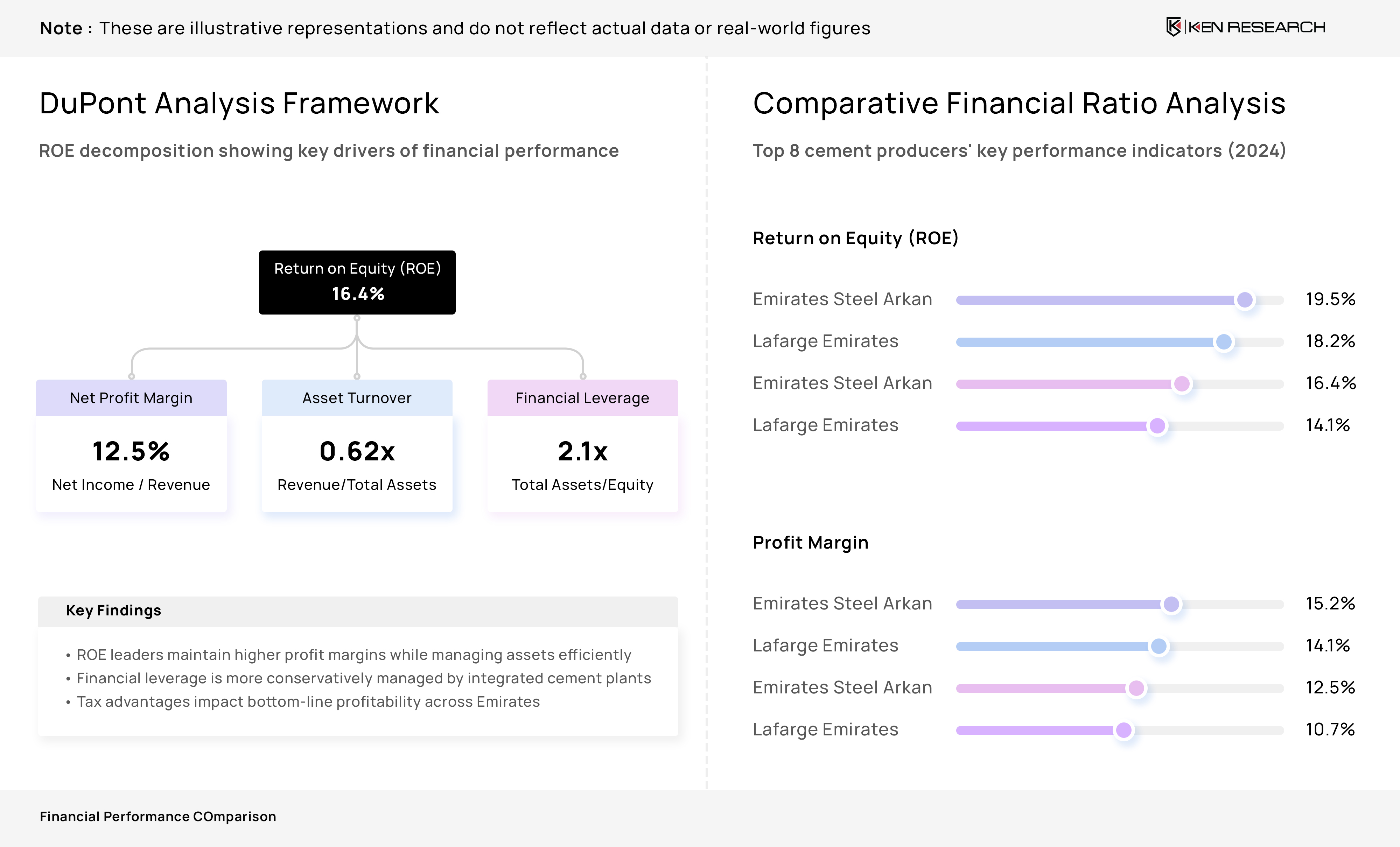
Core Financial Performance Metrics
Revenue growth for leading firms like Chia Tai and TCCC is primarily driven by strong distribution networks and access to imported premium fertilizers, while smaller players struggle with thin margins.
Profitability is highly sensitive to raw material import costs, given Thailand’s reliance on imported potash and phosphate.
Table of Contents
1. Ecosystem Matrix
1.1 Large Players
1.1.1 Chia Tai
1.1.2 Yara Thailand
1.1.3 Thai Central Chemical
1.1.4 ICL Fertilizers Thailand
1.1.5 Ajinomoto Fertilizer
1.1.6 Haifa Chemicals Thailand
1.2 Medium Players
1.2.1 Ladda Company
1.2.2 V.S. Fertilizer
1.2.3 Metro Group Thailand
1.2.4 Soon Hua Seng Group
1.2.5 Hua Heng Lee Group
1.2.6 Kaset Thai Agro
1.3 Small Players
1.3.1 Ruamphol
1.3.2 Silico Thai
1.3.3 Phetchabun Fertilizer
1.3.4 Thai Fertilizer & Chemical
1.3.5 Phosri Fertilizer
1.3.6 Pattani Agro Fertilizer
2. Leading Player Profiles
2.1 Parameters
2.1.1 Company Name
2.1.2 Group Name
2.1.3 Headquarters
2.1.4 Established Year
2.1.5 Core Services
3. Key Operational Performance Metrics
3.1 Parameters
3.1.1 Distribution Network (Dealers / Outlets, Units)
3.1.2 Storage and Warehousing Capacity (MT)
3.1.3 Average Pricing (USD/kg)
3.1.4 Number of SKUs (Units)
3.1.5 Annual Sales Volume (MT/year)
3.1.6 Number of Distribution Centers
3.1.7 Import Dependency (%)
3.1.8 Digital Channel Penetration (%)
3.1.9 Farmer Training and Extension Coverage (%)
4. Core Financial Performance Metrics
4.1 Parameters
4.1.1 Revenue (USD Mn)
4.1.2 Revenue Growth (%)
4.1.3 COGS (USD Mn)
4.1.4 COGS Growth (%)
4.1.5 EBITDA (USD Mn)
4.1.6 EBITDA Growth (%)
4.1.7 EBITDA Margin (%)
4.1.8 PAT (USD Mn)
4.1.9 PAT Margin (%)
5. Methodology
5.1 Approach
5.1.1 Desk Sources
5.1.2 Primary Interviews
5.1.3 Sanity Checking & Validation
5.2 Benchmarking Process
5.2.1 Data Collection
5.2.2 Primary Validation
5.2.3 Proxy KPI Modelling
5.2.4 Normalization & Indexing
5.2.5 Gap Analysis
5.2.6 Peer Review
5.3 Sample Composition
5.3.1 Scope Items
5.3.2 Sample Size
5.3.3 Target Respondents
Methodology
Ken Research will deploy its proprietary, multi-layered research framework—combining robust secondary research, targeted primary outreach, and rigorous data validation—to deliver an authoritative competitive landscape analysis of the Thailand Fertilizer Distribution Market.
Desk Sources
- Ken Research archives and proprietary databases covering historical Thailand fertilizer demand, pricing benchmarks, and channel mapping
- Company annual reports, investor presentations, sustainability reports, and CSR or farmer-extension disclosures
- Government and trade publications from Ministry of Agriculture and Cooperatives, Department of Agriculture, Office of Agricultural Economics, Customs Trade Statistics, and Port Authority updates
- Nutrient demand and crop requirement summaries from BAFS, TAF, and Food and Agriculture Organization
- Trade magazines and journals including Thai agro-industry publications, fertilizer blending journals, and agri-logistics periodicals
- Pricing trackers and customs datasets for urea, DAP, and MOP; bulk freight indices; THB/USD exchange rate databases
Primary Interviews
- Category Managers and Business Heads at key fertilizer manufacturers and distributors including Chia Tai, Thai Central Chemical, Yara Thailand, ICL, Ajinomoto Fertilizer, Haifa Chemicals.
- Regional distributors and dealers across Central Thailand, Northern region, Northeast (Isan), and Southern provinces
- Modern trade agri-retail chains and large independent agri-input outlets
- Large farm cooperatives and plantation managers across rice, rubber, sugarcane, cassava, and fruits and vegetables
- Agri-logistics and import-handling stakeholders including port stevedores, bulk fertilizer handlers, and third-party warehouse operators
- Independent industry analysts and agronomists for nutrient-use intensity, crop seasonality, and formulation trends
Sanity Checking and Validation
- Triangulation of desk research outputs, primary interview insights, and proxy-model estimates
- Revenue and volume estimation using calibrated proxy models such as sales volume multiplied by average realized pricing
- Proxy KPI synthesis using outlet count, number of distribution centers, warehousing capacity, import dependency percentage, SKU breadth, and dealer credit structures
- Outlier analysis to flag and reconcile inconsistencies such as high capacity utilization with low reported sales
- Follow-up interviews and document cross-checks to resolve anomalies
- Assumption tracking through auditable logs covering import parity pricing, FX assumptions, port dwell times, and freight costs
- Internal peer review by senior analysts prior to finalization
- Sensitivity testing on exchange rates and global nutrient price movements
An Inside Look At Our Custom Insights
Take a look at ourcustomized insights, tailored to yourmarket and business needs. Our benchmarking reports deliver data-driven comparisons of key players, helping you uncover opportunities, assess performance, and make confident strategic decisions.