UAE Edible Oil Market
Published on: December 2025
Report Overview
UAE Edible Oil Market Overview
Market Highlights
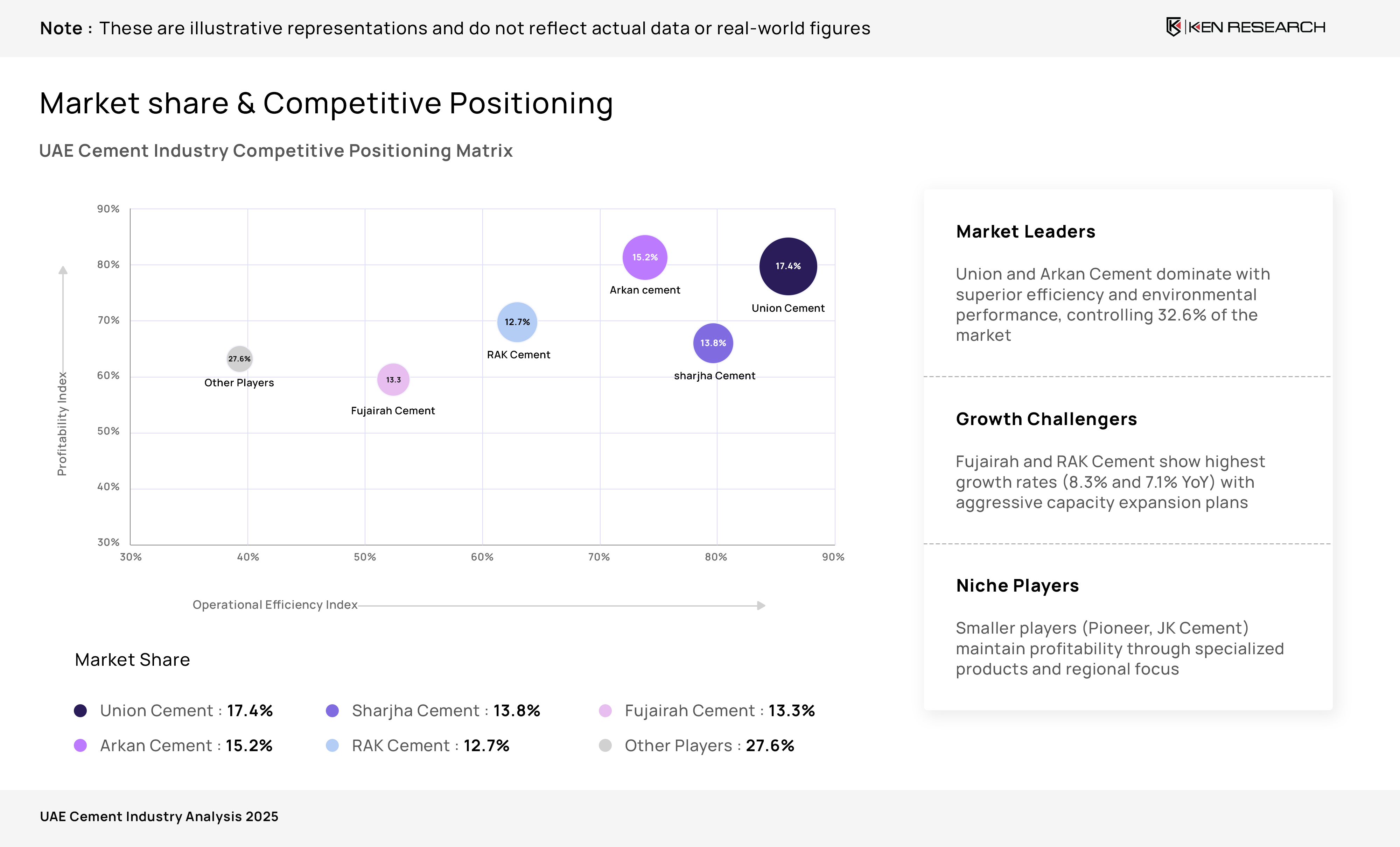
The UAE Edible Oil Market showcases a diverse competitive structure, where multinational corporations, regional manufacturers, and local firms engage in a dynamic interplay. Multinationals leverage their extensive resources for efficiency, while regional players focus on tailored offerings that resonate with local consumer preferences, and local firms capitalize on agility and niche markets.
Innovation from global players is seamlessly integrated with localized strategies, as companies adapt their product lines to meet the unique tastes and dietary needs of the UAE population. This synergy fosters a robust ecosystem where technology and cultural relevance coalesce, enhancing market responsiveness and consumer engagement.
The distribution and aftersales landscape is pivotal, characterized by strategic partnerships that enhance accessibility and service quality. Collaborations among manufacturers, distributors, and retailers ensure a streamlined supply chain, while aftersales support, including maintenance and customer service, reinforces brand loyalty and operational reliability.
Looking ahead, the competitive landscape is increasingly shaped by a focus on sustainability, technological integration, and operational agility. Companies are prioritizing eco-friendly practices and innovative product development, positioning themselves to adapt swiftly to market changes and consumer demands, thereby ensuring long-term viability and growth in the evolving edible oil sector.
Ecosystem Matrix
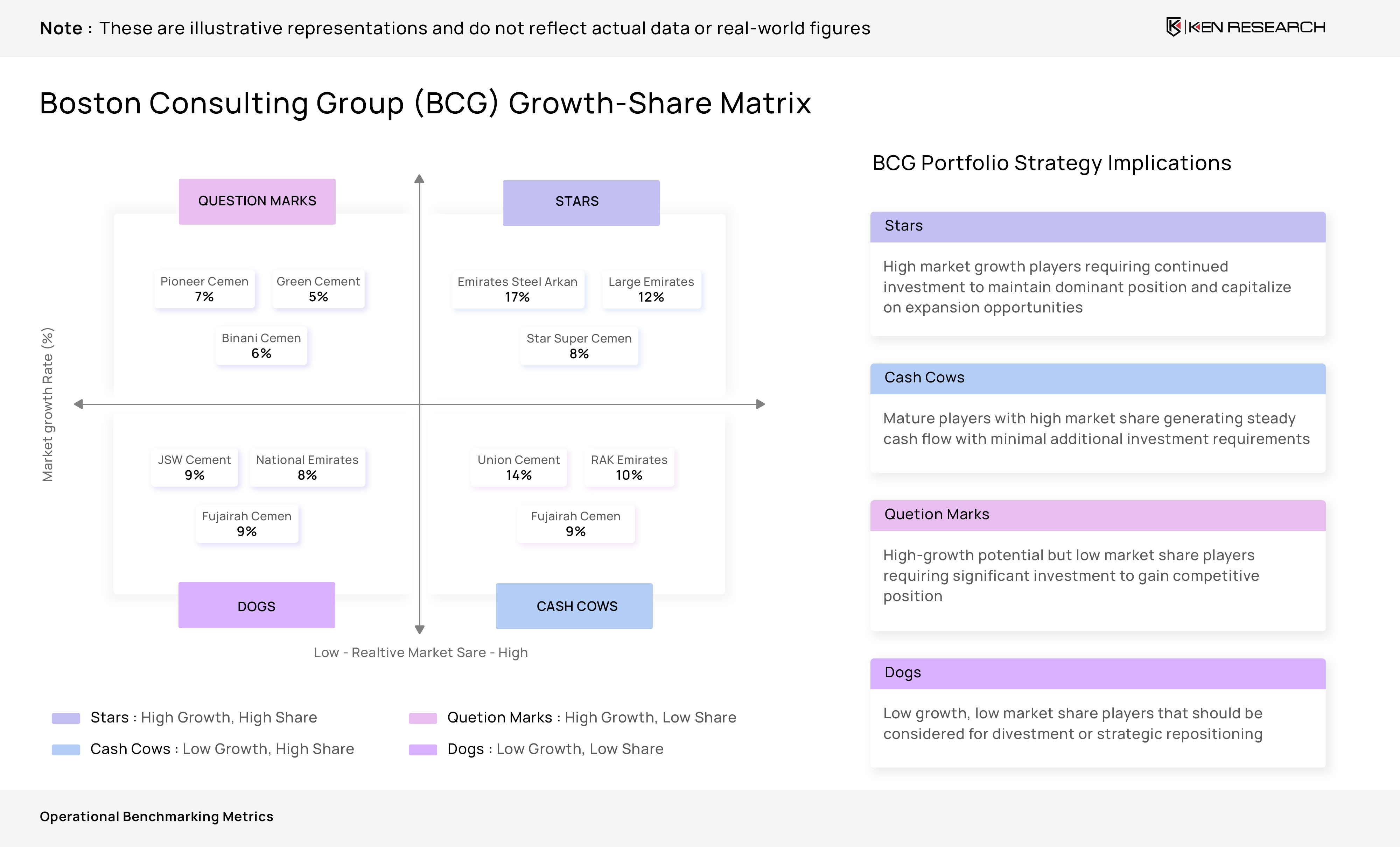
The UAE edible oil market is anchored by large multinational and regional players with integrated refining and distribution operations, giving them scale economies and dominant retail penetration. Their presence underpins the resilience of the category despite volatile raw material prices.
Mid-sized and small local firms focus on niche product lines such as specialty oils and private-label manufacturing. These players cater to regional demand and shifting consumer preferences for healthier options, providing a diversified competitive landscape.
Leading Player Profiles
Company ProfileOverview
Large companies dominate integrated refining, packaging, and distribution, shaping consumer trust and brand equity across GCC. Their ability to hedge raw material risks makes them market stabilizers.
Medium and small players serve regional, private-label, and specialty niches, maintaining competitive variety. These companies leverage agility to target specific consumer segments like health-focused buyers.
Key Operational Performance Metrics
Company Performance Overview
Unlock Market Insights
Dive deeper into production, distribution, and pricing intelligence.
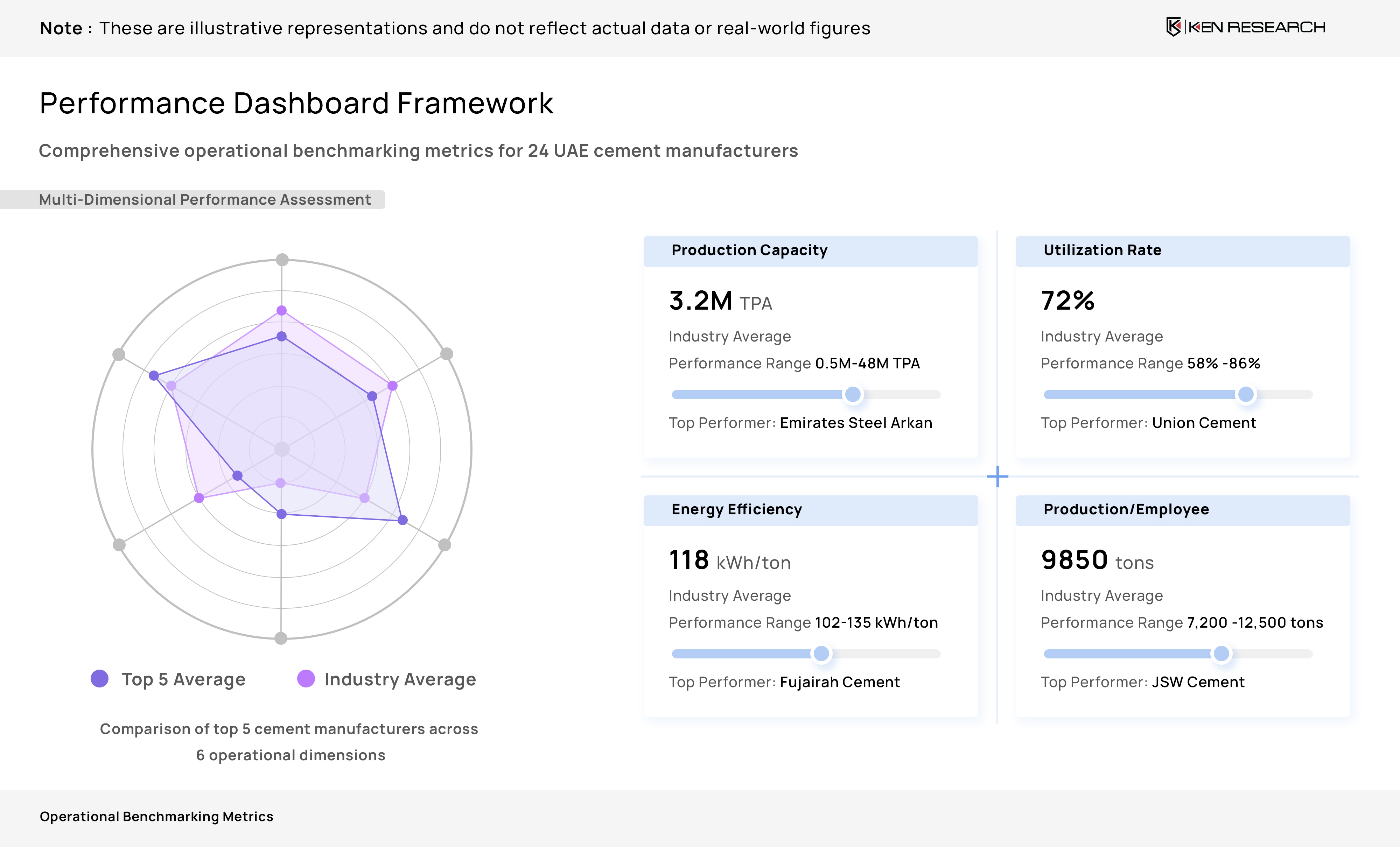
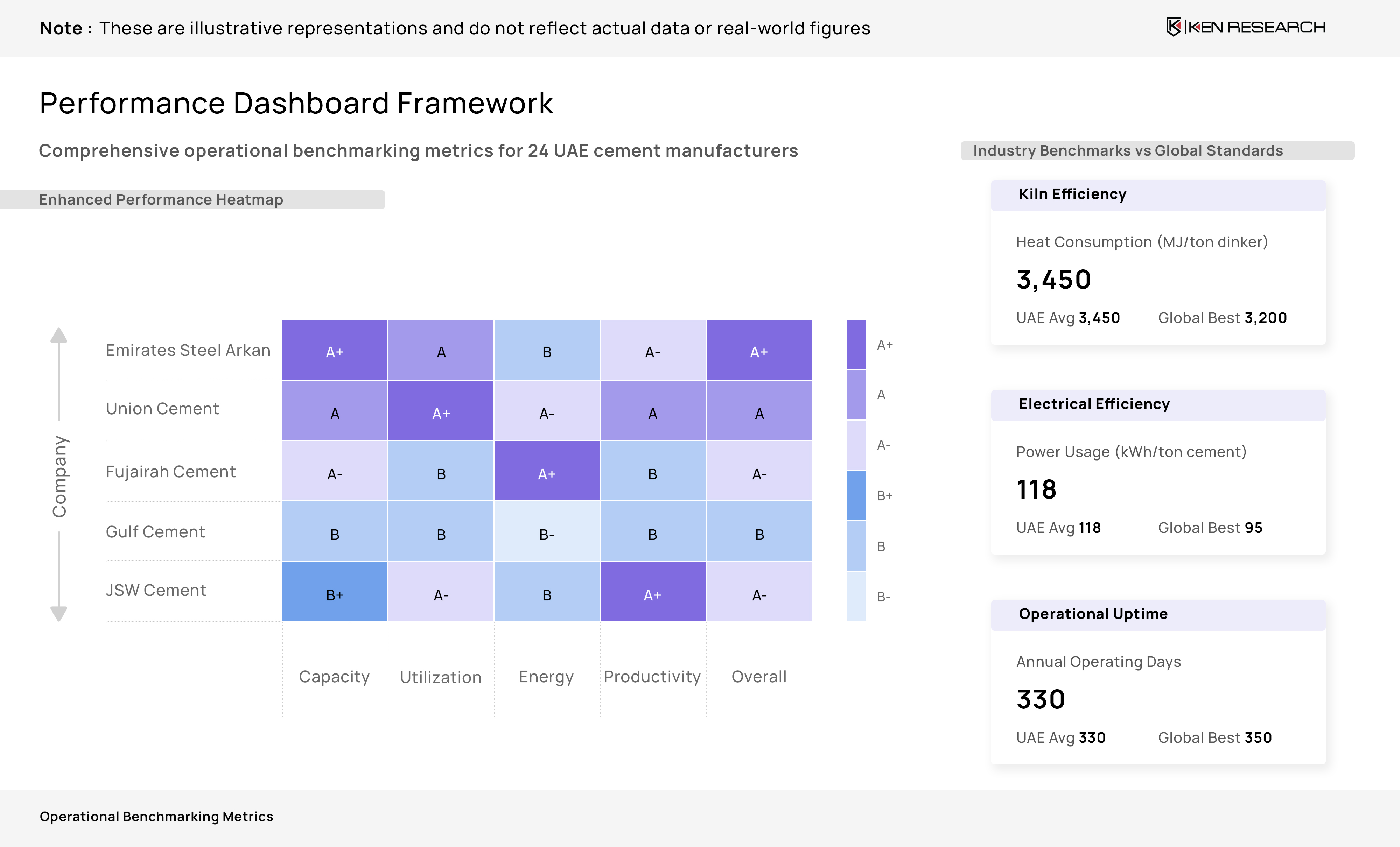
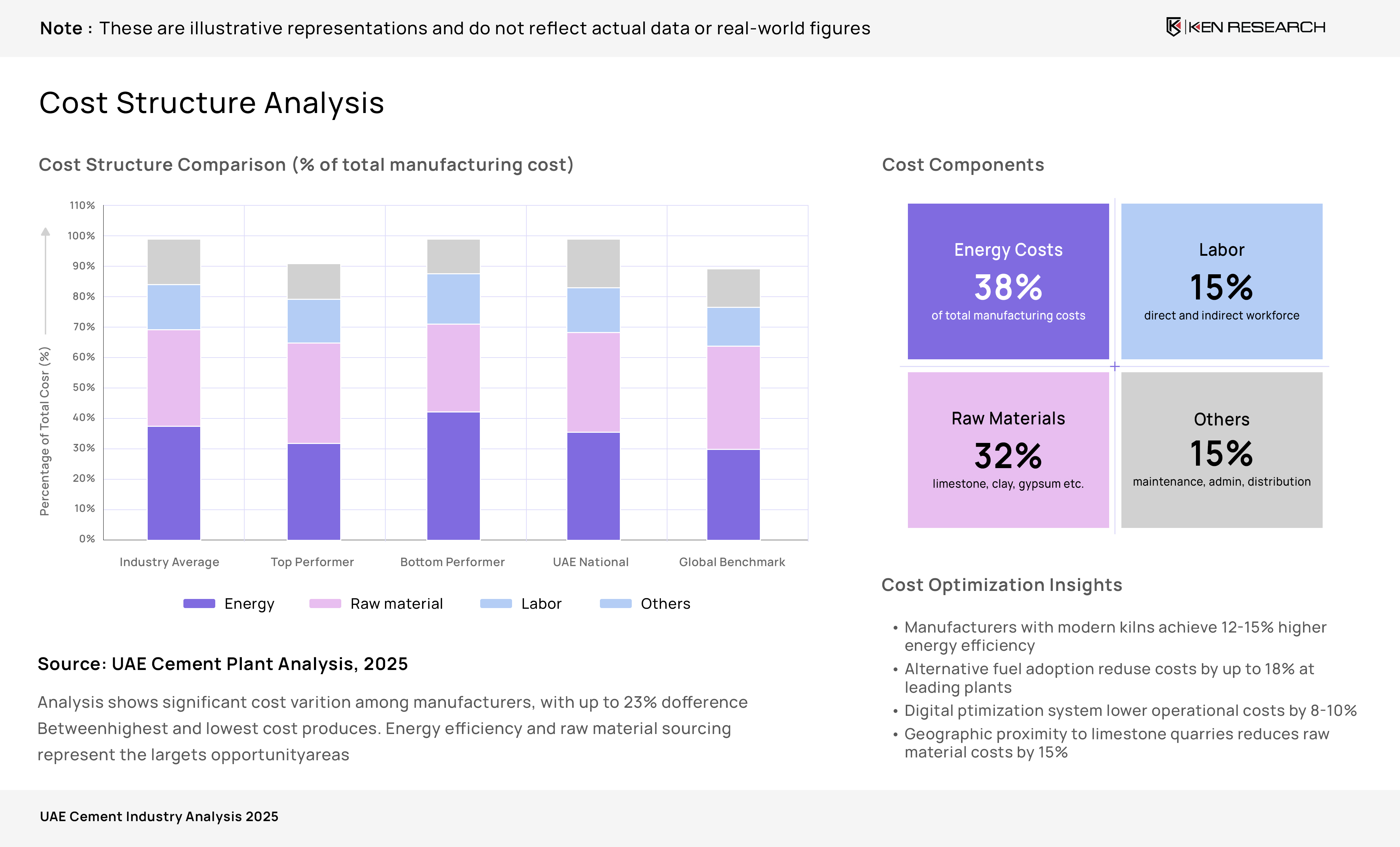
Get Customized ReportOperational competitiveness hinges on production capacity, refining infrastructure, and distribution coverage, as these directly drive revenue generation in the UAE edible oil sector.
Pricing remains a decisive KPI across all tiers, with multinationals holding stability advantages, while local players adjust flexibly to changing demand and raw material trends.
Core Financial Performance Metrics
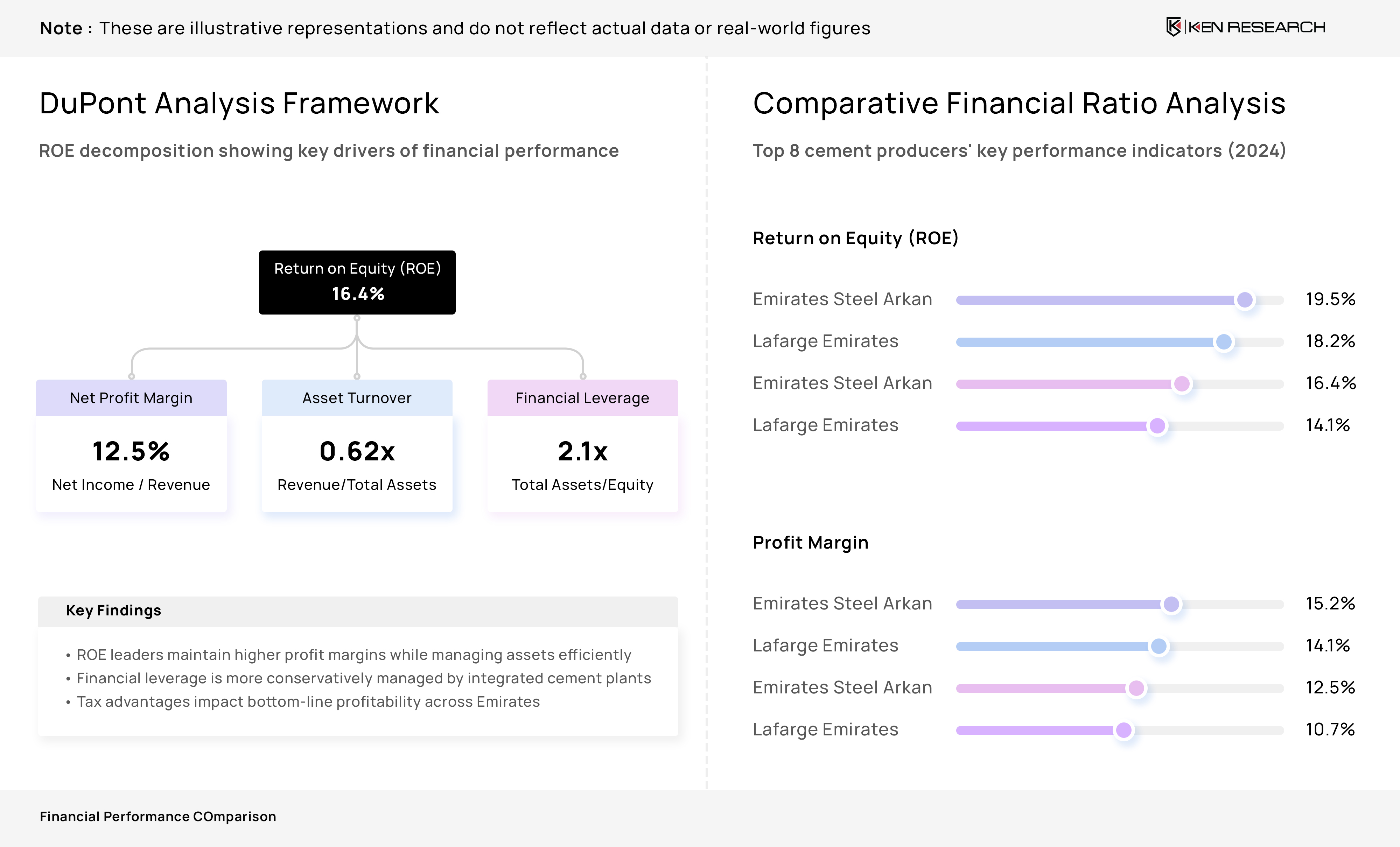
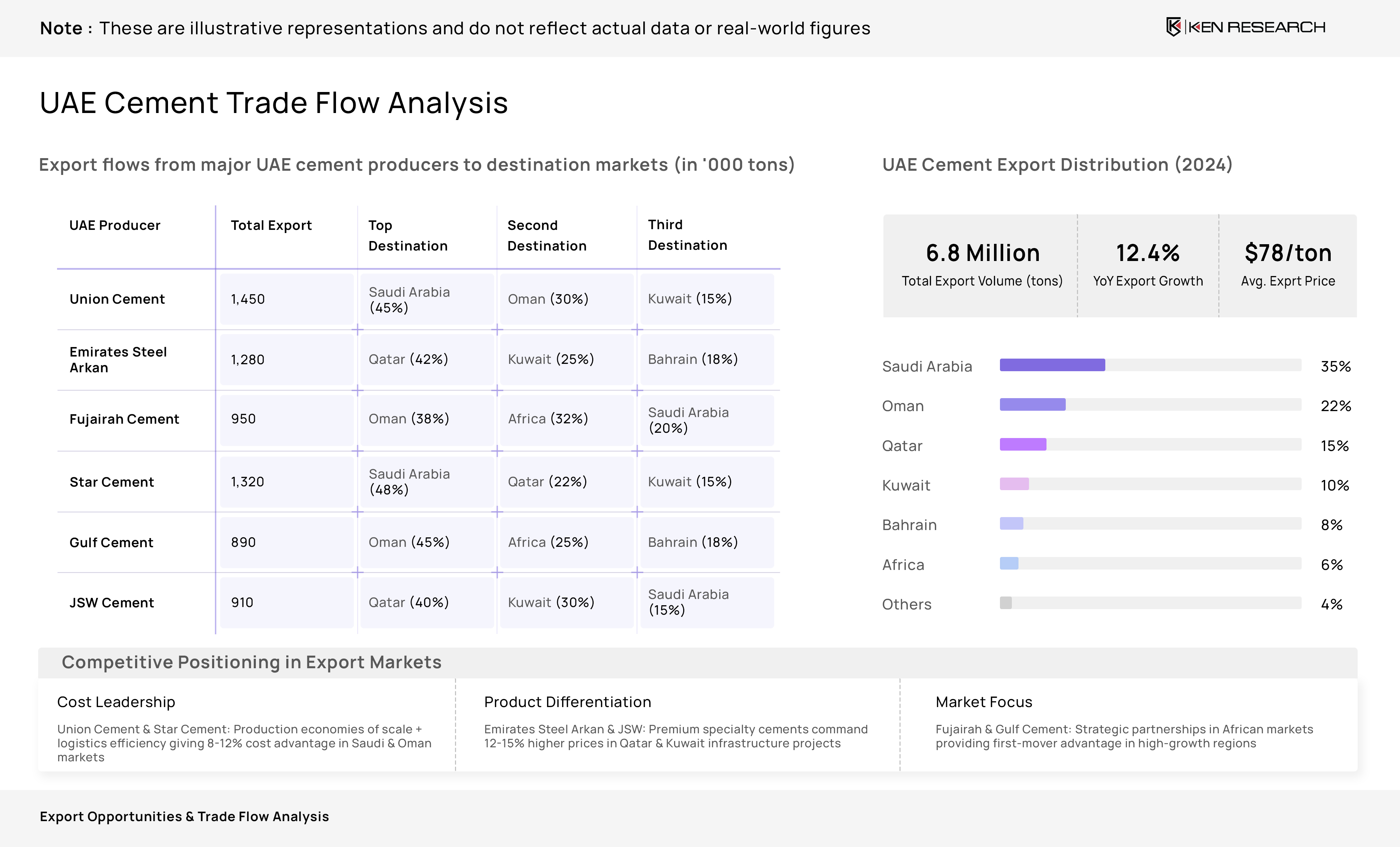
Financial benchmarking is shaped by revenue scale, margins, and operational cost efficiencies. Large players show more predictable EBITDA margins due to integration, while mid-tier and local firms face volatility in raw material costs and demand shifts.
Profitability gaps are widening, with global majors sustaining competitive PAT margins through scale and hedging strategies, leaving smaller players exposed to international commodity fluctuations.
Table of Contents
1. Ecosystem Matrix
1.1 Large Players
1.1.1 IFFCO Group
1.1.2 Savola Group
1.1.3 United Foods Company
1.1.4 HSAG Group
1.1.5 ADM Middle East
1.1.6 Cargill UAE
1.1.7 Bunge Middle East
1.2 Medium Players
1.2.1 Al Ghurair Foods
1.2.2 Emirates Refining Company
1.2.3 Al Reef Edible Oils
1.2.4 Sharjah Vegetable Oil Company
1.2.5 Gulf Processing Industries
1.2.6 Al Foah Oils
1.2.7 Mazola UAE
1.3 Small Players
1.3.1 Al Bustan Edible Oil
1.3.2 Al Ain Vegetable Oil
1.3.3 Al Durrah Foods
1.3.4 Noor Oil
1.3.5 Local SME Extractors
2. Leading Player Profiles
2.1 Parameters
2.1.1 Company Name
2.1.2 Group Name
2.1.3 Headquarters
2.1.4 Established Year
2.1.5 Core Segment
2.1.6 Mode of Functioning
3. Key Operational Performance Metrics
3.1 Parameters
3.1.1 Production Capacity (MT/Year)
3.1.2 Refining Capacity (MT/Year)
3.1.3 Distribution Coverage (%)
3.1.4 Export Share (%)
3.1.5 Product Range (SKUs)
3.1.6 Pricing (USD/Kg)
3.1.7 Number of Processing Plants
3.1.8 Number of Farms
4. Core Financial Performance Metrics
4.1 Parameters
4.1.1 Revenue (USD Mn)
4.1.2 Revenue Growth (%)
4.1.3 COGS (USD Mn)
4.1.4 COGS Growth (%)
4.1.5 EBITDA (USD Mn)
4.1.6 EBITDA Growth (%)
4.1.7 EBITDA Margin (%)
4.1.8 PAT (USD Mn)
4.1.9 PAT Margin (%)
5. Methodology
5.1 Approach
5.1.1 Desk Sources
5.1.2 Primary Interviews
5.1.3 Sanity Checking & Validation
5.2 Benchmarking Process
5.2.1 Data Collection
5.2.2 Primary Validation
5.2.3 Proxy KPI Modelling
5.2.4 Normalization & Indexing
5.2.5 Gap Analysis
5.2.6 Peer Review
5.3 Sample Composition
5.3.1 Scope Items
5.3.2 Sample Size
5.3.3 Target Respondents
Methodology
Ken Research will deploy its proprietary, multi-layered research framework—combining robust secondary research, targeted primary outreach, and rigorous data validation—to deliver an authoritative competitive landscape analysis of the UAE Edible Oil Market. This methodology is tailored to incorporate market-specific proxy KPIs to ensure reliable benchmarks across players of varying scale and disclosure levels.
Desk Sources
- Industry reports from Ken Research proprietary databases and archives
- Company annual reports, investor presentations, and public disclosures
- Government and trade association publications, including the Ministry of Economy (UAE), Dubai Chamber of Commerce, and Gulf Organization for Industrial Consulting (GOIC)
- Trade magazines, food & beverage journals, and regional business portals
- Financial intelligence platforms such as Bloomberg, Capital IQ, and Orbis
- Retail audit data and in-store shelf-price monitoring
- Web traffic and e-commerce analytics, including SimilarWeb, Amazon UAE insights, and Noon.com sales dashboards
Primary Interviews
- CATIs and online surveys with key industry stakeholders
- Category Managers and Procurement Heads of edible oil manufacturers
- Senior Sales and Marketing Leads of leading edible oil brands
- Distributors and modern trade / retail partners (e.g., Carrefour, LuLu Hypermarket)
- Food service buyers and institutional procurement executives
- Industry consultants and supply chain experts
- Packaging suppliers and logistics service providers
Sanity Checking & Validation
- Data triangulation through cross-verification of secondary research, primary interviews, and proxy model outputs
- Proxy KPI synthesis using refining capacity, distribution reach, SKU portfolio depth, and pricing benchmarks to estimate revenues or capacities
- Outlier analysis to identify anomalous data points and reconcile them through targeted follow-up validation
- Assumption tracking via a documented log outlining benchmarking assumptions, limitations, and proxy KPI sources
- Internal peer review of research methodology, analytical models, and key outputs prior to finalization
An Inside Look At Our Custom Insights
Take a look at ourcustomized insights, tailored to yourmarket and business needs. Our benchmarking reports deliver data-driven comparisons of key players, helping you uncover opportunities, assess performance, and make confident strategic decisions.