UAE Insurance Broking Market
Published on: February 2026
Report Overview
UAE Insurance Broking Market Overview
Market Highlights
The UAE insurance broking market is characterized by a layered competitive structure comprising large multinational brokers, well-established regional platforms, and a broad base of agile local firms. Global players dominate complex corporate and multinational placements through deep technical expertise, specialty risk access, and structured advisory capabilities, while regional and domestic brokers maintain strong relevance through relationship-led distribution, sector specialization, and localized servicing models tailored to the UAE’s diverse client base.
Competition in the market reflects a blend of global best practices and localized execution. International brokers introduce advanced risk management frameworks, global insurer access, and data-driven advisory approaches, while locally rooted brokers adapt offerings to regulatory nuances, pricing sensitivities, and client expectations across retail, SME, and mid-market corporate segments. This balance enables domestic players to remain competitive despite scale differences, particularly in high-volume lines where service speed and renewal responsiveness are critical.
Distribution and aftersales ecosystems play a decisive role in shaping broker competitiveness. Extensive client servicing teams, claims support capabilities, and insurer relationship depth directly influence retention, cross-sell potential, and pricing leverage. Brokers with stronger renewal management and multi-line client penetration consistently demonstrate superior revenue stability and lower acquisition dependency, reinforcing their competitive positioning in a renewal-driven market.
Strategically, leading brokers differentiate through operational efficiency, disciplined cost structures, and increasing integration of digital tools for lead generation, policy management, and customer engagement. As competition intensifies, sustainability of margins increasingly depends on the ability to balance competitive pricing with service quality and operational scalability. Looking ahead, the interaction of innovation, localized expertise, and strategic agility is expected to continue shaping market leadership, supporting deeper insurance penetration and reinforcing long-term competitive resilience within the UAE insurance broking ecosystem.
Ecosystem Matrix
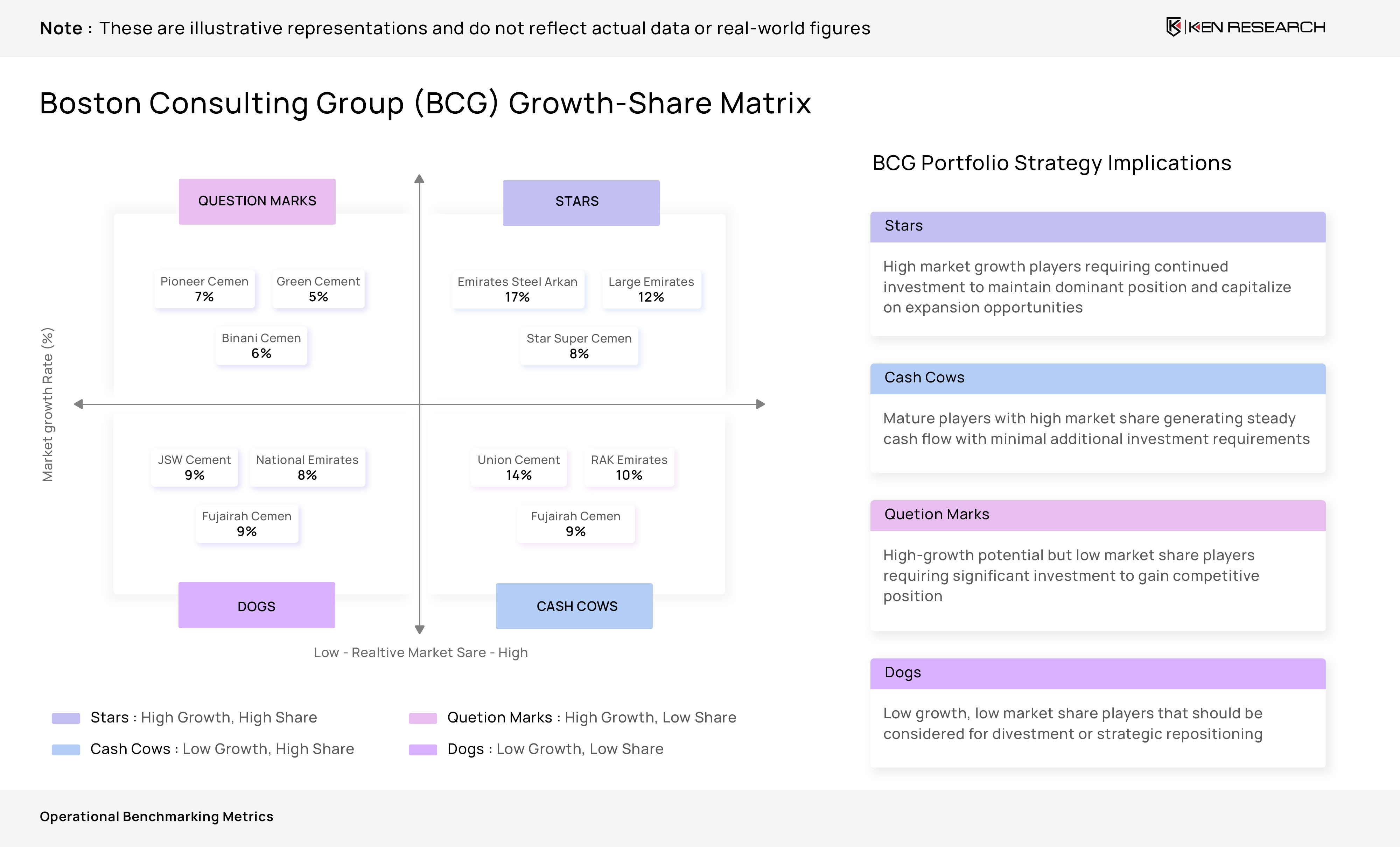
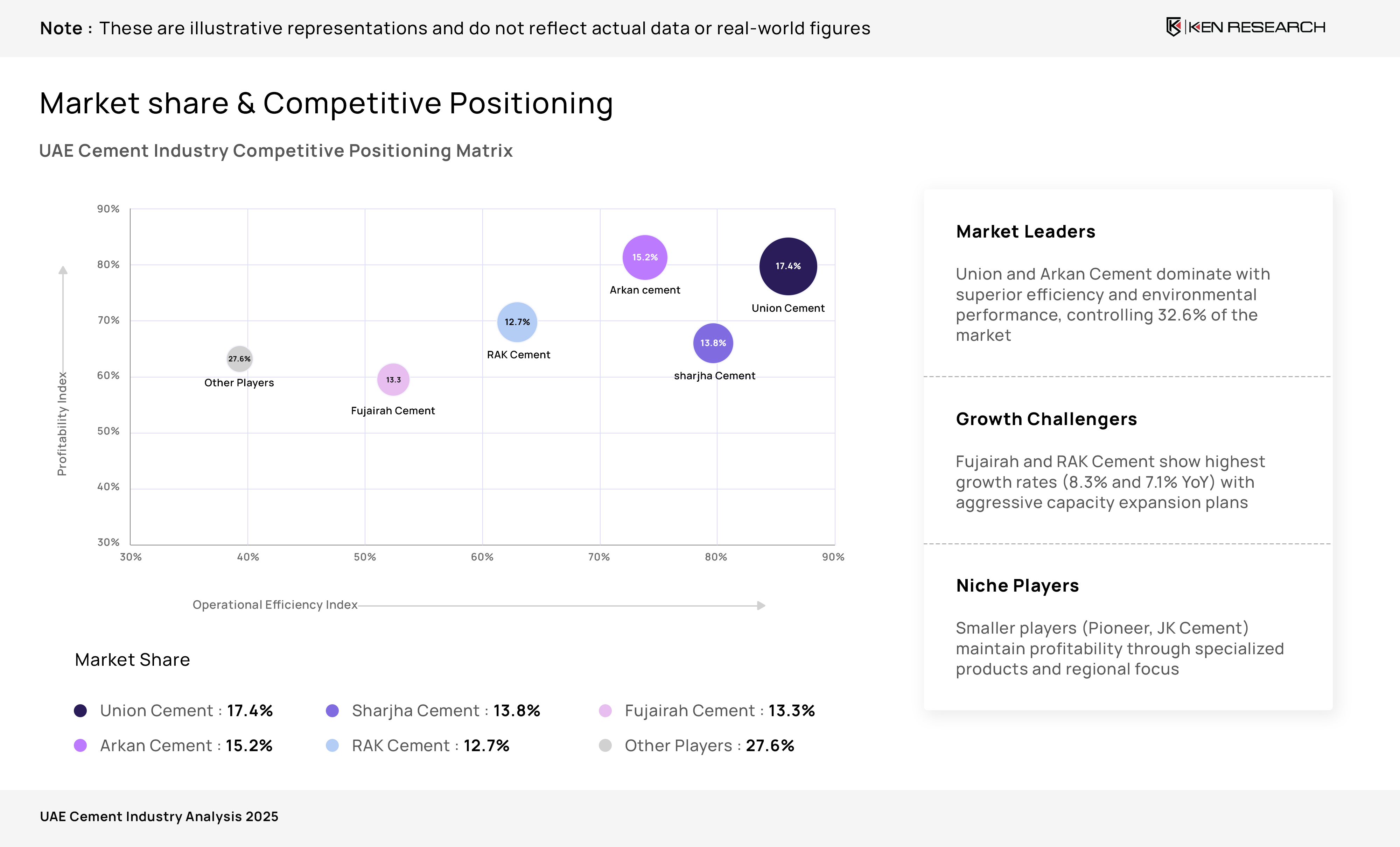
The ecosystem shows a top-heavy market where global brokers and scaled regional platforms dominate complex corporate placements, while established local houses compete through relationship-led distribution, sector specialization, and faster turnaround on SME and retail requirements.
Competitive intensity is shaped by regulation, insurer relationships, and talent depth. Larger brokers win on multinational programs and advisory breadth, while mid and small brokers defend share via niche lines, service agility, and sharper pricing and renewal discipline.
Leading Player Profiles
Company Profile Overview
Player profiles indicate a clear split between global brokers (broad advisory, specialty risk access, multinational program handling) and UAE-established brokers that compete on distribution depth, insurer relationships, and faster client servicing across motor, medical, and SME commercial lines.
Establishment years and operating models suggest maturity advantages for legacy brokers, while newer entrants lean on digital acquisition, sharper pricing execution, and targeted niches. This mix keeps switching risk high, especially at renewal where service and pricing convert directly into revenue retention.
Key Operational Performance Metrics
Company Performance Overview
Unlock Market Insights
Dive deeper into production, distribution, and pricing intelligence.
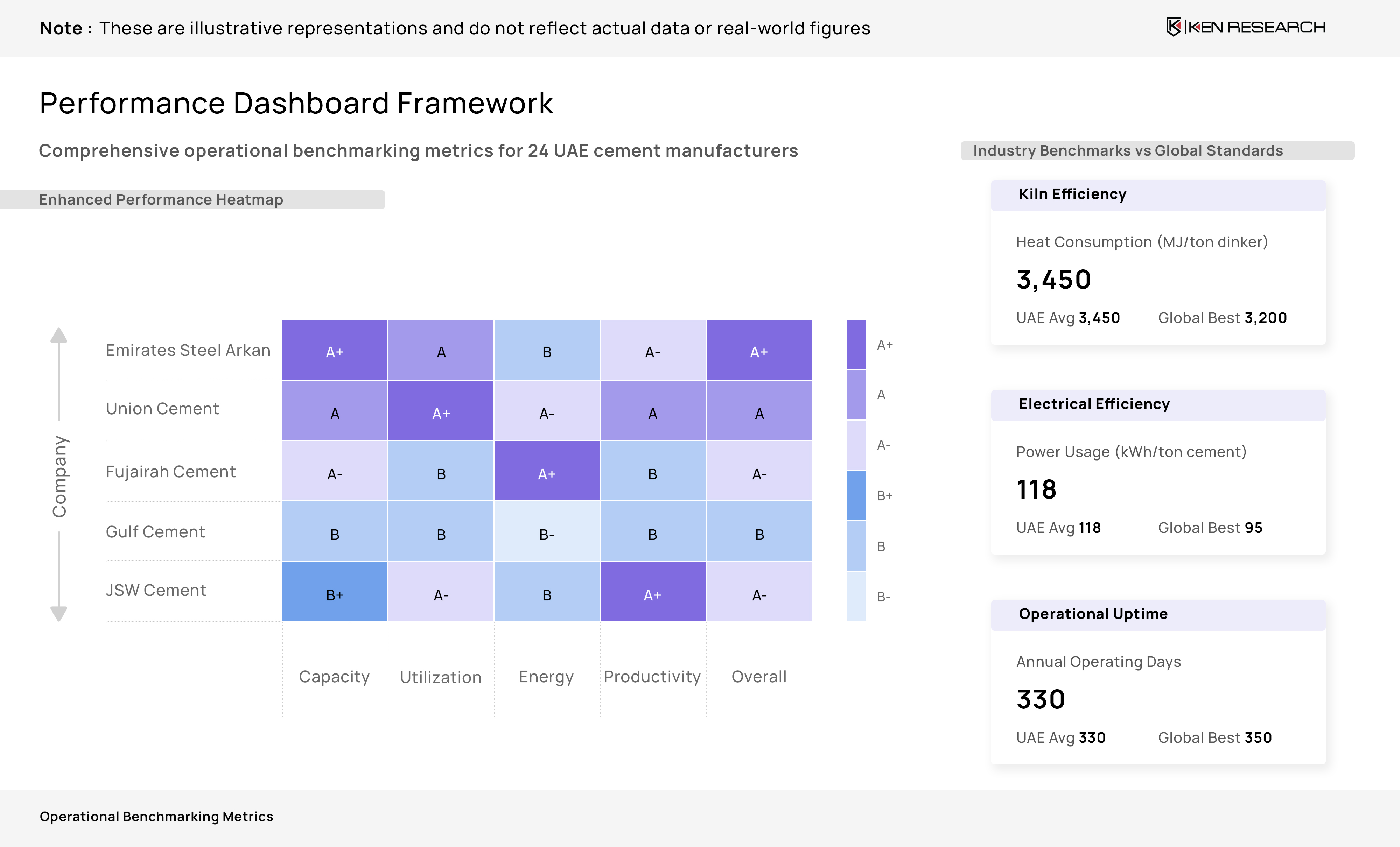
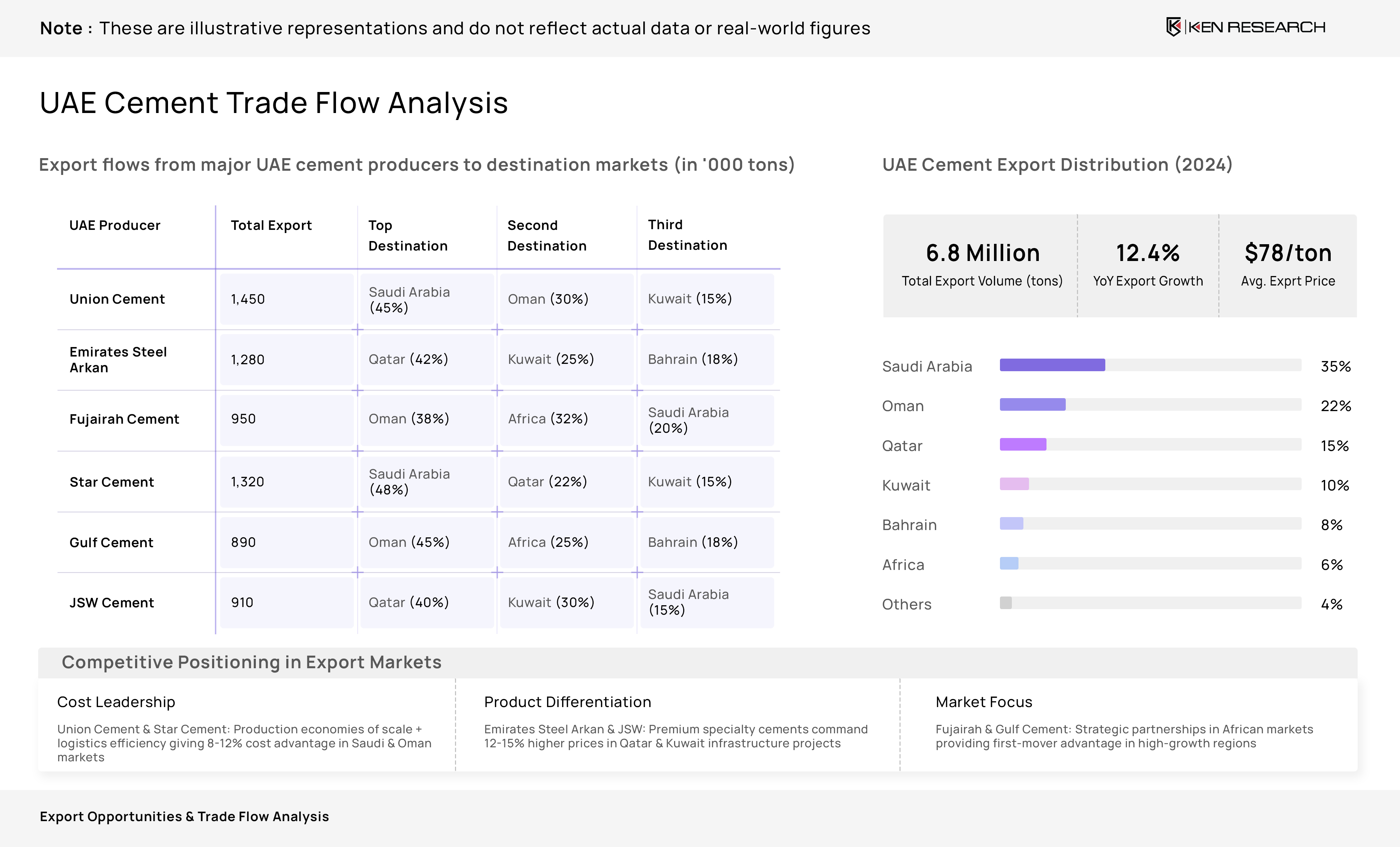
Get Customized ReportRevenue performance in UAE broking is primarily driven by premium placed, conversion efficiency, and renewal retention. Players with stronger corporate pipelines and higher quote-to-bind outcomes typically scale faster, especially when commission pricing is defended through service quality and claims support.
The KPI stack also highlights how cross-sell and retention compound growth. Brokers that increase policies per client and protect renewals reduce acquisition cost pressure, enabling more competitive pricing while still expanding brokerage income through higher volumes.
Core Financial Performance Metrics
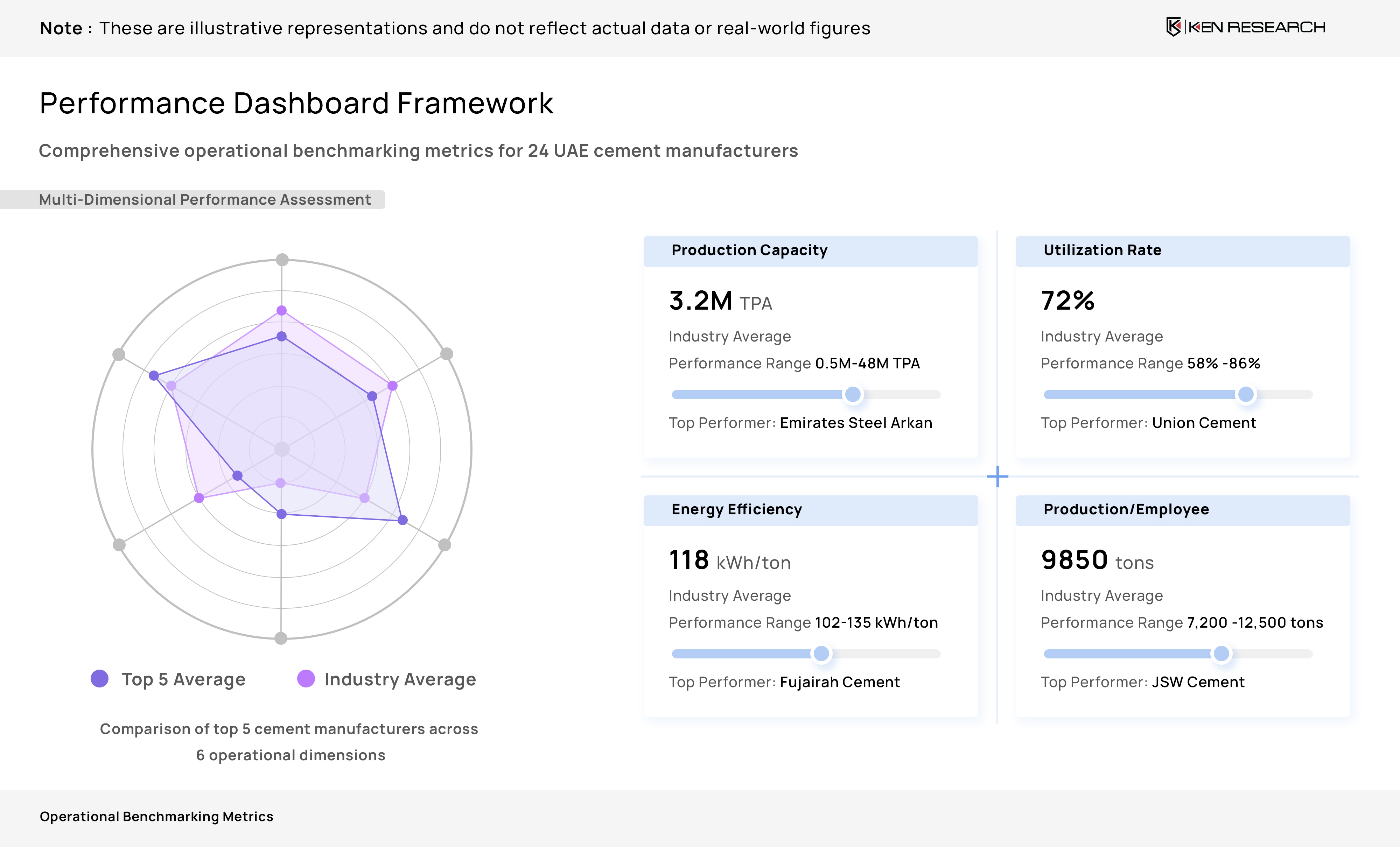
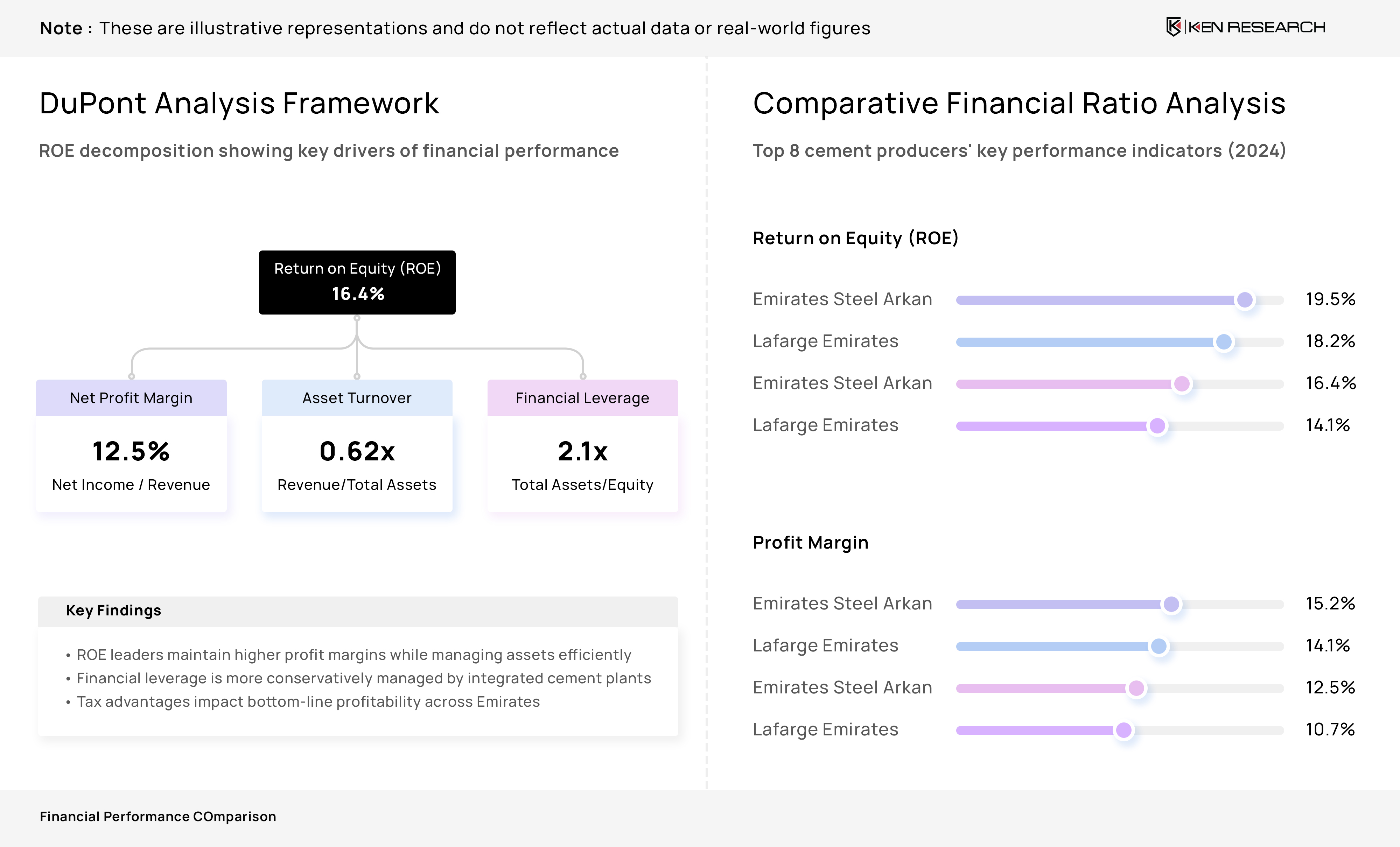
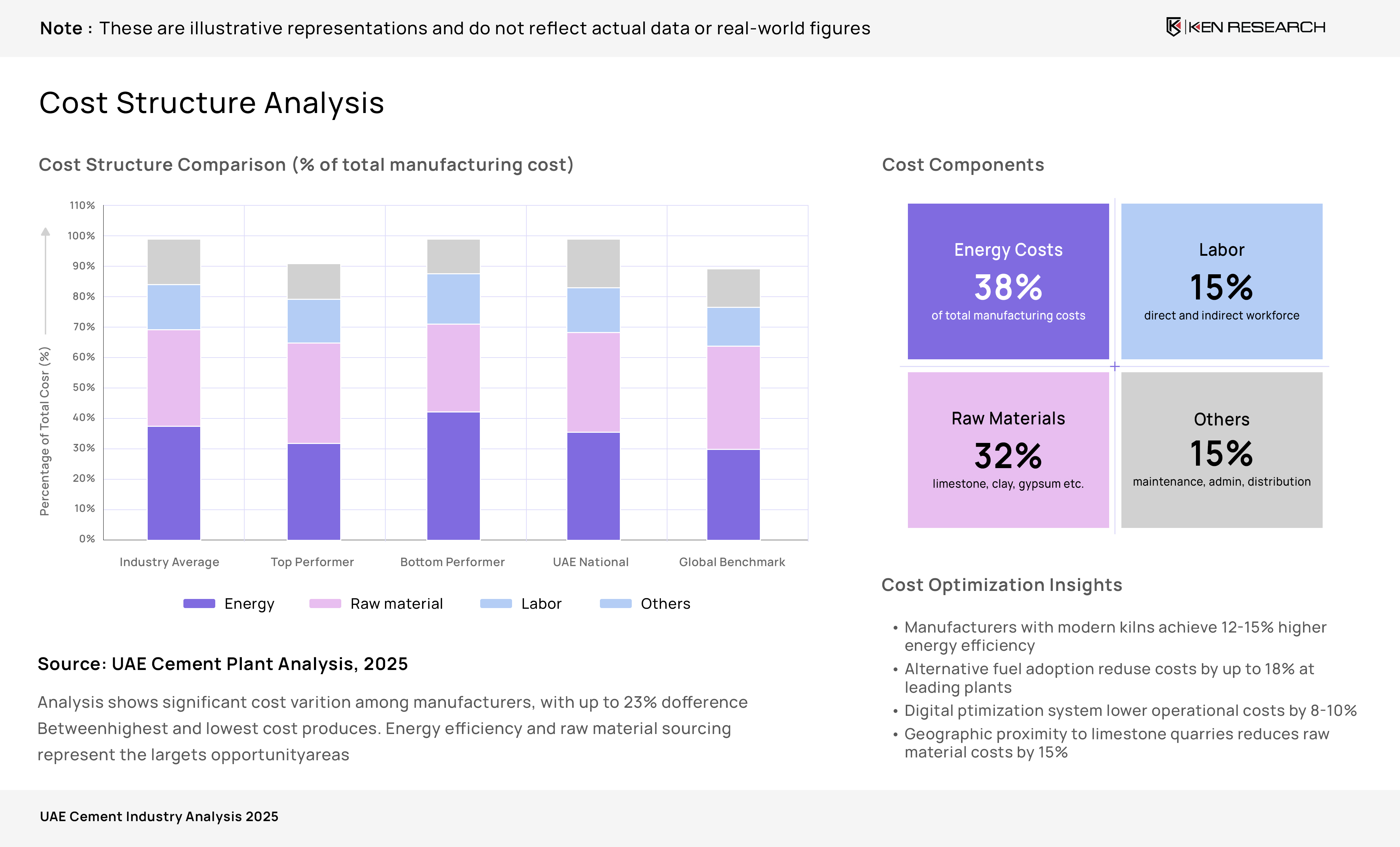
Financial benchmarking will typically separate scale leaders from efficiency leaders. Higher revenue does not always translate to superior margins because broker cost structures vary with talent intensity, compliance overhead, and the mix of corporate advisory versus high-volume retail distribution.
Growth and profitability trends are most explainable when mapped back to operational drivers. Players that protect renewal retention, defend pricing, and improve conversion usually show healthier EBITDA margins and more stable PAT, even under competitive price pressure.
Table of Contents
1. Ecosystem Matrix
1.1 Large Players
1.1.1 Marsh
1.1.2 Aon
1.1.3 Willis Towers Watson (WTW)
1.1.4 Howden Insurance Brokers LLC
1.1.5 Lockton MENA
1.1.6 Arthur J. Gallagher
1.1.7 Nexus Insurance Brokers LLC
1.1.8 AFIA Insurance Brokerage Services LLC (InsuranceMarket.ae)
1.2 Medium Players
1.2.1 Chedid Insurance Brokers Network
1.2.2 Gargash Insurance Services Co. LLC
1.2.3 Al Nabooda Insurance Brokers LLC
1.2.4 ACE Insurance Brokers LLC
1.2.5 Pearl Insurance Brokers Co. LLC
1.2.6 AES Middle East Insurance Broker LLC
1.3 Small Players
1.3.1 Prime Insurance Brokers LLC
1.3.2 Cedar Insurance Brokers LLC
1.3.3 CARE Insurance Brokers LLC
1.3.4 Seguro Insurance Brokerage LLC
2. Leading Player Profiles
2.1 Parameters
2.1.1 Company Name
2.1.2 Group Name
2.1.3 Headquarters
2.1.4 Established Year
2.1.5 Core Services
2.1.6 Mode of Functioning
3. Key Operational Performance Metrics
3.1 Gross Premium Placed (USD Mn)
3.2 Policies Placed (Count)
3.3 Active Corporate Clients (Count)
3.4 Active Retail Customers (Count)
3.5 Average Premium per Policy (USD)
3.6 Average Brokerage Fee / Commission Rate, Pricing (%)
3.7 New Business Win Rate (%)
3.8 Renewal / Retention Rate (%)
3.9 Cross-sell Ratio (Policies per Client)
3.10 Quote-to-Bind Conversion Rate (%)
4. Core Financial Performance Metrics
4.1 Parameters
4.1.1 Revenue (USD Mn)
4.1.2 Revenue Growth (%)
4.1.3 COGS (USD Mn)
4.1.4 COGS Growth (%)
4.1.5 EBITDA (USD Mn)
4.1.6 EBITDA Growth (%)
4.1.7 EBITDA Margin (%)
4.1.8 PAT (USD Mn)
4.1.9 PAT Margin (%)
5. Methodology
5.1 Approach
5.1.1 Desk Sources
5.1.2 Primary Interviews
5.1.3 Sanity Checking & Validation
5.2 Benchmarking Process
5.2.1 Data Collection
5.2.2 Primary Validation
5.2.3 Proxy KPI Modelling
5.2.4 Normalization & Indexing
5.2.5 Gap Analysis
5.2.6 Peer Review
5.3 Sample Composition
5.3.1 Scope Items
5.3.2 Sample Size
5.3.3 Target Respondents
Methodology
Ken Research deploys its proprietary, multi layered research framework combining robust secondary research, targeted primary outreach, and rigorous data validation to deliver an authoritative and decision grade competitive benchmarking assessment of the UAE Insurance Broking Market.
Desk Sources
- Industry reports from proprietary databases and Ken Research internal archives to establish historical benchmarks and market baselines
- Company annual reports, investor presentations, and statutory disclosures to extract financials, operational scale, and strategic priorities
- Government publications and insurance authority releases to assess regulatory frameworks, licensing norms, and compliance requirements
- Trade magazines, journals, and sector e-articles to track competitive developments, pricing trends, digital adoption, and broker consolidation
- Financial intelligence platforms such as Bloomberg and Capital IQ to standardize peer comparisons and profitability indicators
- Web traffic and digital analytics tools including SimilarWeb to evaluate digital reach, lead generation intensity, and online distribution effectiveness
Primary Interviews
- CATI-based interviews and structured online discussions with senior management, category heads, and functional leaders at insurance broking firms
- In-depth conversations with sales, client servicing, and placement teams to validate pricing practices, commission structures, renewal behavior, and client acquisition models
- Interviews with insurers, reinsurers, and channel partners to confirm broker influence, placement volumes, and competitive positioning
- Consultations with industry analysts and insurance consultants to validate market dynamics, operating models, and evolving competitive strategies
Sanity Checking and Validation
- Triangulation of estimates by cross-verifying secondary research, primary insights, and proxy-based model outputs
- Proxy KPI synthesis using indicators such as gross premium placed, policy volumes, client base size, web traffic, and branch presence to approximate revenues where direct disclosures are unavailable
- Outlier analysis to identify anomalous performance indicators and reconcile discrepancies through targeted follow-up discussions
- Assumption tracking through a structured log documenting all estimation logic, limitations, and proxy sources
- Internal peer review of methodology, analytical models, and key outputs by senior analysts prior to final report finalization
An Inside Look At Our Custom Insights
Take a look at ourcustomized insights, tailored to yourmarket and business needs. Our benchmarking reports deliver data-driven comparisons of key players, helping you uncover opportunities, assess performance, and make confident strategic decisions.