UAE Luxury Furniture Market
Published on: December 2025
Report Overview
UAE Luxury Furniture Market Overview
Market Highlights
The UAE luxury furniture market features a multi-tier competitive landscape where global luxury brands operate alongside strong regional manufacturers and agile local ateliers. International players leverage brand prestige and design leadership, while regional and local firms compete through customization capability, faster execution, and close alignment with developers and designers.
Market innovation reflects a balance between global design influence and localized adaptation. International aesthetics, materials, and sustainability concepts are refined to meet regional preferences for bespoke finishes and statement pieces. Domestic manufacturers and distributors tailor product design, lead times, and service models to project-driven luxury demand.
Distribution strength is anchored in flagship showrooms, design studios, and deep partnerships with interior designers and real estate developers. Aftersales services such as installation, refurbishment, and responsive support significantly influence brand trust, repeat engagement, and long-term positioning within high-value residential and hospitality segments.
Competitive advantage increasingly depends on operational efficiency, supply chain reliability, selective vertical integration, and digital design tools. Looking forward, the interplay of innovation, localization, and strategic agility will continue to shape leadership, enabling players to respond effectively to evolving consumer expectations and project-led demand cycles.
Ecosystem Matrix
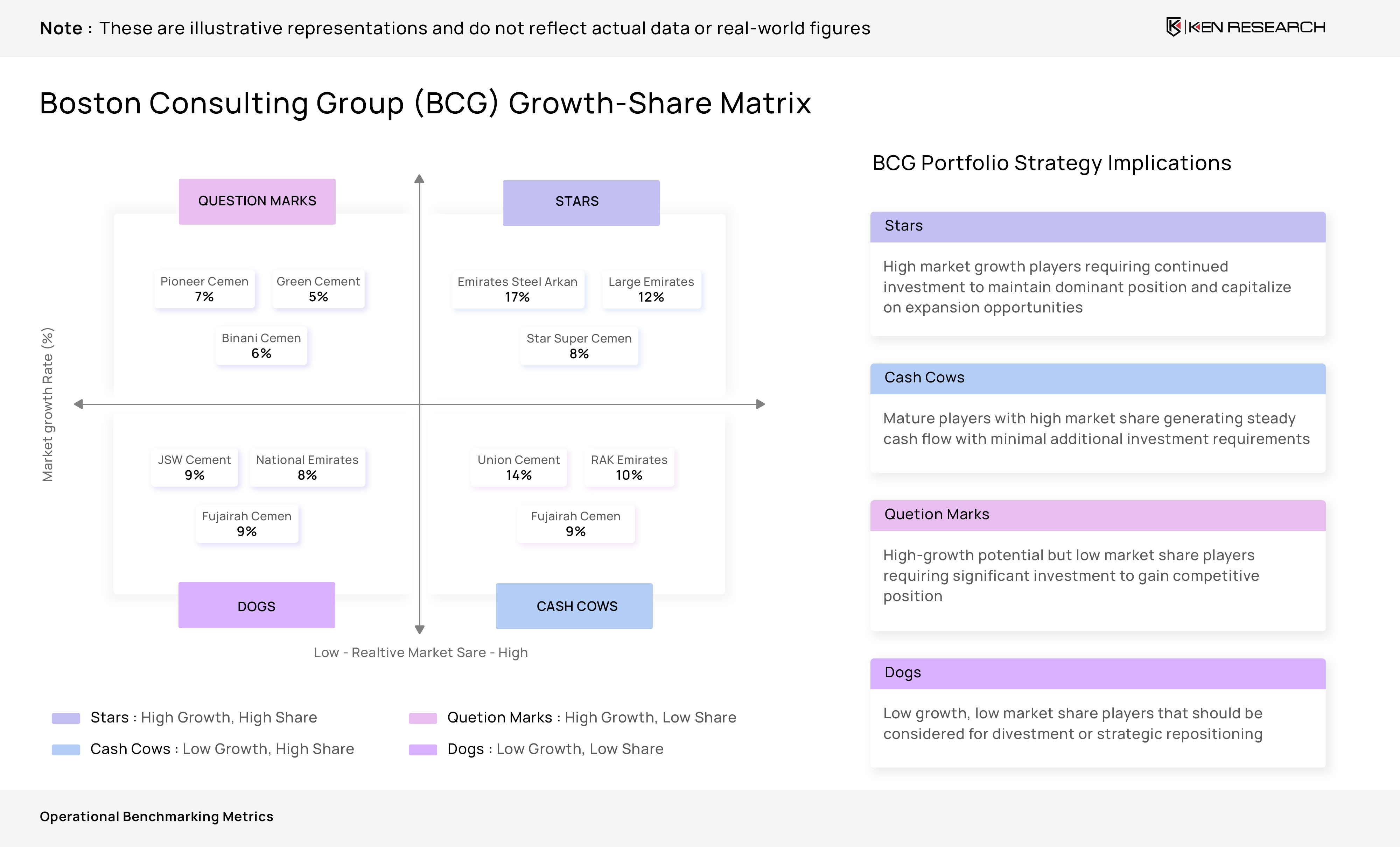
The ecosystem reveals a market dominated by regional heavyweights (Marina Home, Home Centre) and global luxury brands (Roche Bobois, B&B Italia), offering scale and deep regional networks.
Midtier and specialist importers (BoConcept, Eichholtz, Minotti) leverage curated portfolios; smaller boutiques (Ethnicraft, LuxDeco) excel in niche craftsmanship and bespoke services.
Leading Player Profiles
Company Profile Overview
This profile matrix illustrates diverse heritage: longstanding Italian ateliers (Poltrona Frau, Natuzzi) anchor the luxury segment, while agile regional players (Marina Home, The One) blend custom and scale to serve GCC tastes.
Headquarters span Europe, North America, and the UAE, highlighting global supply chains; founding dates (1912–2016) reflect both legacy craftsmanship and digital native entrants.
Key Operational Performance Metrics
Company Performance Overview
Unlock Market Insights
Dive deeper into production, distribution, and pricing intelligence.
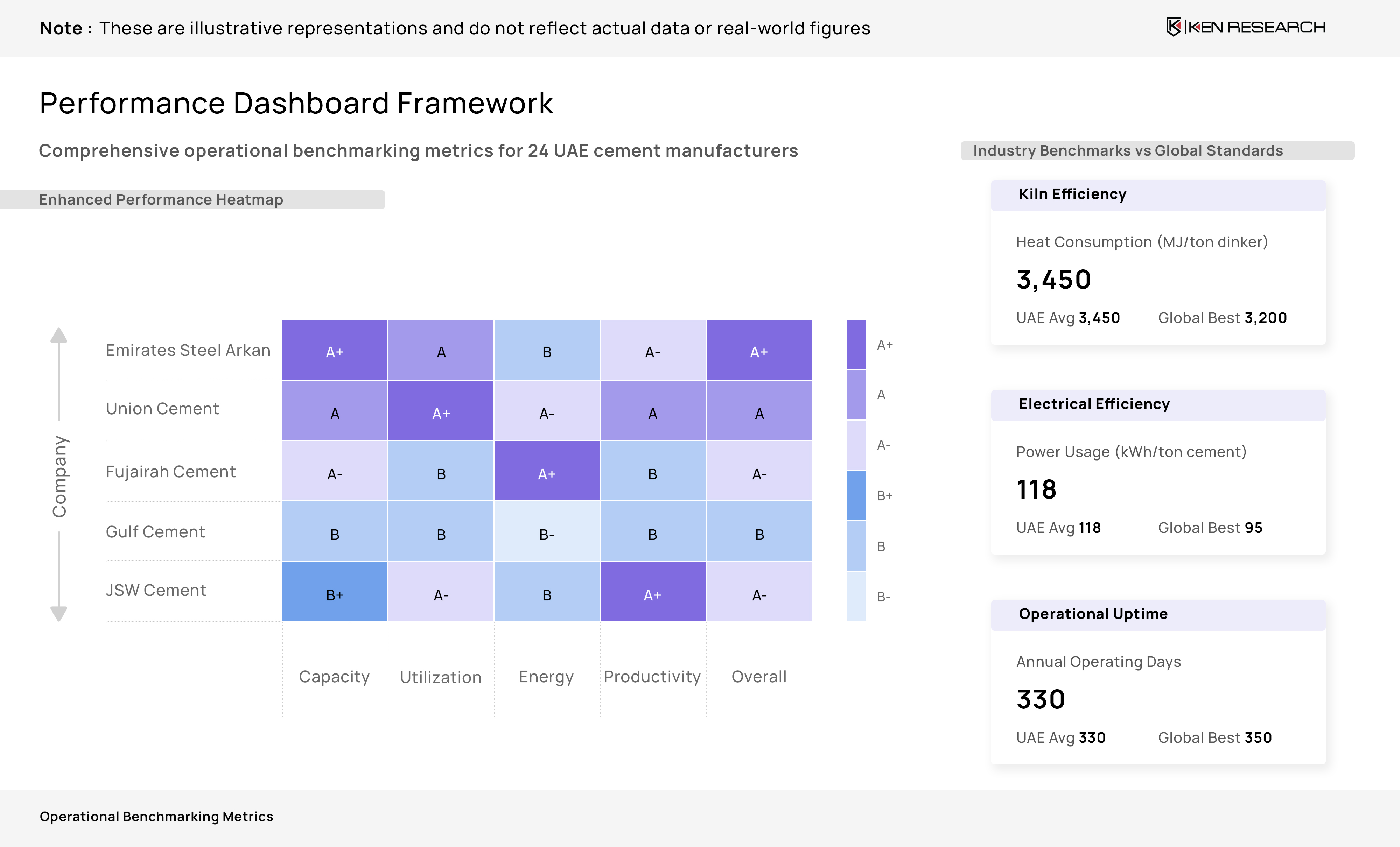
Get Customized ReportOperational KPIs such as lead time and customization rate directly reflect the flexibility of supply chains and bespoke service capacity, critical for luxury positioning.
Digital sales penetration and showroom footfall metrics will indicate the balance between ecommerce growth and inspersion experiential retail in a high touch market.
Core Financial Performance Metrics
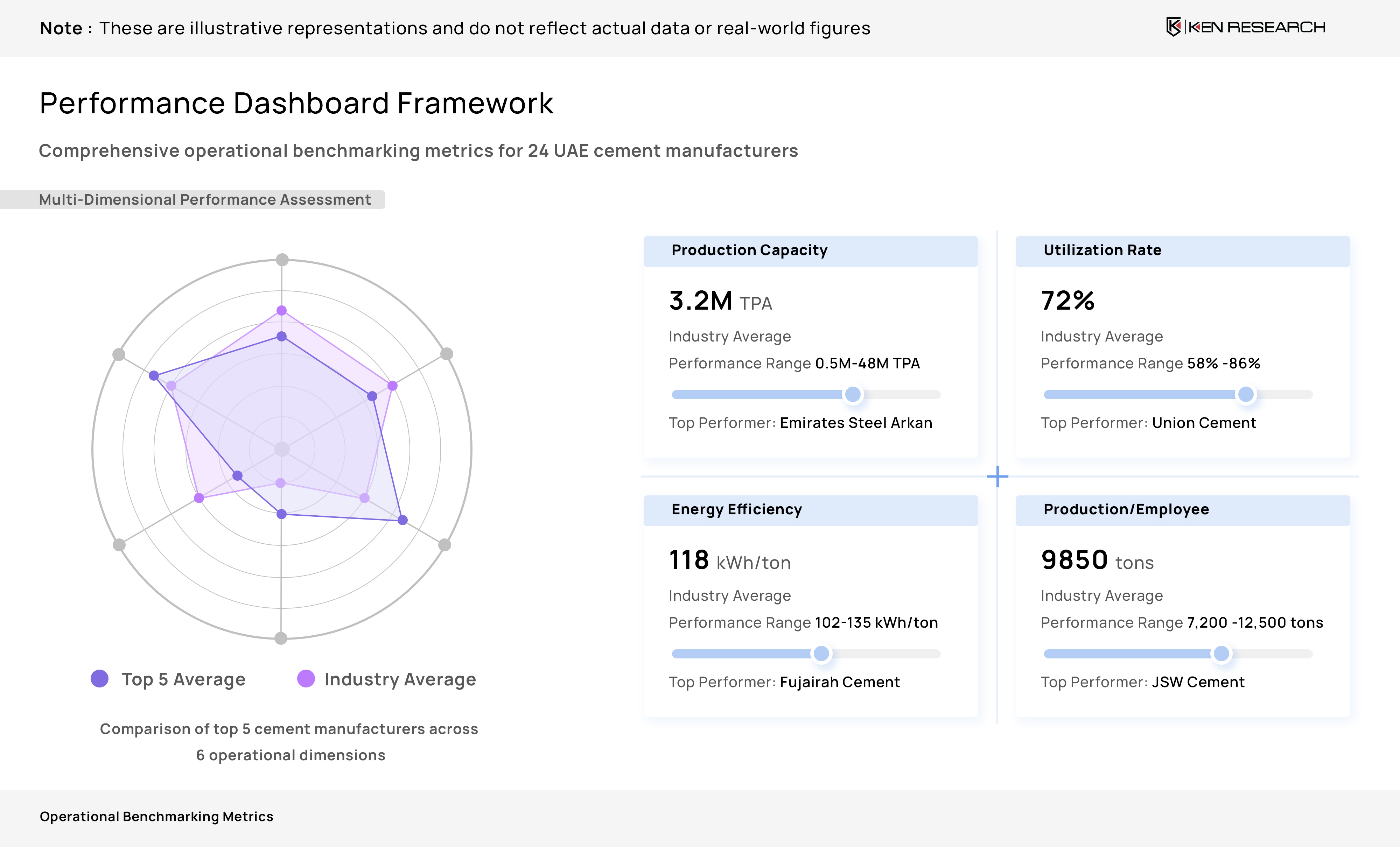
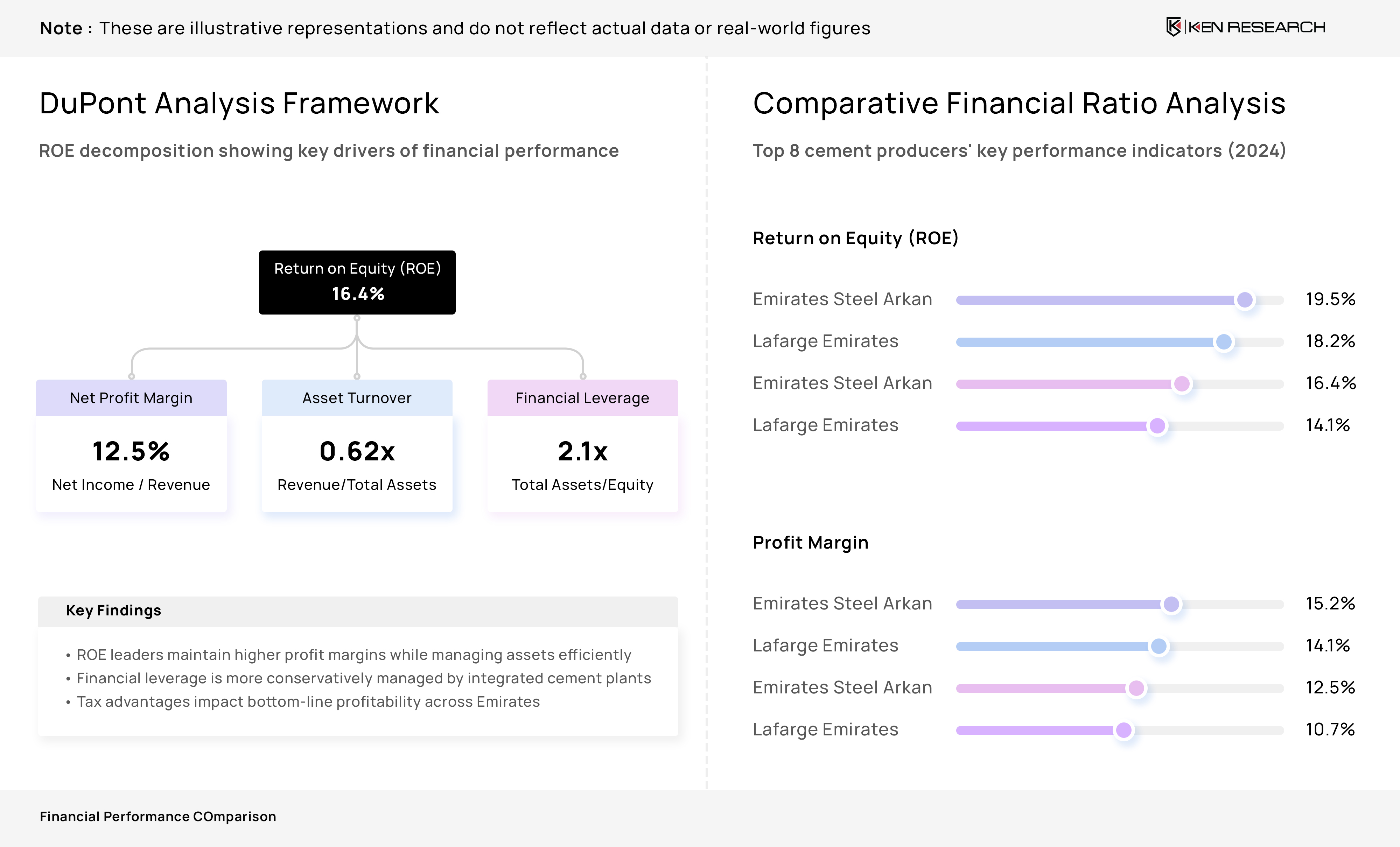
Key financials (revenue growth, EBITDA margin) will reveal which players are successfully converting high ticket orders into sustainable profitability.
Monitoring COGS as a percentage of sales highlights sourcing efficiencies, especially relevant for imported luxury goods vulnerable to currency fluctuations.
Table of Contents
1. Ecosystem Matrix
1.1 Large Players
1.1.1 Marina Home
1.1.2 Home Centre
1.1.3 The One
1.1.4 Pottery Barn
1.1.5 West Elm
1.1.6 Pan Emirates
1.1.7 Roche Bobois
1.1.8 Natuzzi
1.1.9 B&B Italia
1.1.10 Poltrona Frau
1.2 Medium Players
1.2.1 BoConcept
1.2.2 Molteni & C Dada
1.2.3 Fendi Casa
1.2.4 Baxter
1.2.5 Eichholtz
1.2.6 Minotti
1.2.7 Christopher Guy
1.2.8 Driade
1.3 Small Players
1.3.1 Ethnicraft
1.3.2 Design Within Reach
1.3.3 Visionnaire
1.3.4 LuxDeco
1.3.5 Roche Bobois Boutique
1.3.6 Carrocel
2. Leading Player Profiles
2.1 Parameters
2.1.1 Company Name
2.1.2 Group Name
2.1.3 Headquarters
2.1.4 Established Year
2.1.5 Core Services
3. Key Operational Performance Metrics
3.1 Parameters
3.1.1 Company Name
3.1.2 Group Name
3.1.3 Store Network (Number of Stores)
3.1.4 Average Lead Time (Days)
3.1.5 Average Price per Order (USD)
3.1.6 Customization Rate (% of Orders)
3.1.7 Digital Sales (% of Total Sales)
3.1.8 Showroom Footfall (Visitors per Month)
3.1.9 Design Service Uptake (% of Customers)
3.1.10 Average Order Volume (Units per Month)
4. Core Financial Performance Metrics
4.1 Parameters
4.1.1 Revenue (USD Mn)
4.1.2 Revenue Growth (%)
4.1.3 COGS (USD Mn)
4.1.4 COGS Growth (%)
4.1.5 EBITDA (USD Mn)
4.1.6 EBITDA Growth (%)
4.1.7 EBITDA Margin (%)
4.1.8 PAT (USD Mn)
4.1.9 PAT Margin (%)
5. Methodology
5.1 Approach
5.1.1 Desk Sources
5.1.2 Primary Interviews
5.1.3 Sanity Checking & Validation
5.2 Benchmarking Process
5.2.1 Data Collection
5.2.2 Primary Validation
5.2.3 Proxy KPI Modelling
5.2.4 Normalization & Indexing
5.2.5 Gap Analysis
5.2.6 Peer Review
5.3 Sample Composition
5.3.1 Scope Items
5.3.2 Sample Size
5.3.3 Target Respondents
Methodology
Ken Research will deploy its proprietary, multilayered research framework—combining robust secondary research, targeted primary outreach, and rigorous data validation—to deliver an authoritative competitive landscape analysis of the UAE Luxury Furniture market. Ensure that all proxy KPIs reflect the market’s service orientation and bespoke customization characteristics.
Desk Sources
- Industry reports from Ken Research archives covering luxury and premium furniture retail
- Company annual reports, investor presentations, and brand disclosures
- Government and trade association publications relevant to retail, design, and consumer goods
- Trade magazines and interior design journals focused on furniture, décor, and lifestyle trends
- Luxury retail intelligence databases including Euromonitor and Mintel
- Web traffic and digital performance dashboards such as SimilarWeb and SEMrush
Primary Interviews
- CATIs and online surveys with brand and category managers at leading furniture houses
- Senior retail operations and procurement leaders across organized furniture retail
- Architects and interior design consultants influencing specification and brand selection
- Key dealers and distributors across GCC markets
- E-commerce platform managers overseeing digital sales and customer engagement
Sanity Checking and Validation
- Triangulation of secondary research, primary interview insights, and proxy KPI outputs
- Proxy KPI synthesis using showroom footprint, customization order mix, and web analytics to approximate revenues
- Outlier analysis to identify and reconcile anomalous datapoints through follow-up discussions
- Assumption tracking with documented logs and clearly stated limitations
- Internal peer review by senior analysts covering methodology, proxy models, and final outputs
An Inside Look At Our Custom Insights
Take a look at ourcustomized insights, tailored to yourmarket and business needs. Our benchmarking reports deliver data-driven comparisons of key players, helping you uncover opportunities, assess performance, and make confident strategic decisions.