UAE Payment Gateway Providers Market
Published on: March 2026
Report Overview
UAE Payment Gateway Providers Market Overview
Market Highlights
The UAE payment gateway providers market is characterized by a layered competitive structure in which scaled processors, bank-affiliated acquiring platforms, global payment specialists, and agile regional fintechs compete across different merchant tiers and use cases. Large players typically dominate enterprise acquiring, multi-sector merchant relationships, compliance-heavy integrations, and omnichannel acceptance, while regional and local challengers are more active in SME onboarding, digital-first checkout experiences, social commerce enablement, payment links, and mobile-led merchant acceptance. This creates a market where scale matters, but competitive advantage is increasingly tied to how effectively a provider aligns its proposition with merchant complexity, industry vertical needs, and speed-to-deployment requirements.
A defining feature of the market is the blend of global payment innovation with localized execution. Providers active in the UAE are not competing on basic acceptance alone; they are tailoring solutions around local settlement expectations, multi-currency demand, Arabic-enabled merchant experiences, local wallet and bank integration, and the needs of a highly digital, cross-border consumer economy. Bank-led platforms bring institutional trust, acquiring depth, and established merchant relationships, while fintech-led entrants are shaping the market through API-first architecture, rapid onboarding, modular integration, and flexible products built for startups, SMEs, and digitally native merchants. This combination of international-grade payments capability and region-specific adaptation is raising the baseline for what merchants expect from gateway partners.
Distribution and aftersales capabilities play a material role in competitive differentiation. In a market where merchants place a premium on uptime, dispute handling, settlement reliability, onboarding responsiveness, and ongoing account support, commercial success depends not only on technology but also on operational service quality. Providers with stronger relationship management, partner ecosystems, implementation support, and merchant servicing frameworks tend to sustain better retention and deeper account penetration. For smaller and mid-sized merchants in particular, ease of activation, transparent support, and faster issue resolution often influence provider preference as much as price or brand recognition.
Strategically, leading companies are differentiating through a mix of operating efficiency, infrastructure depth, and product expansion. Some prioritize scale economics through broad acquiring and processing coverage, while others compete through specialized merchant tools, verticalized checkout journeys, fraud controls, analytics, invoicing, and embedded finance capabilities. Increasingly, providers are moving beyond gateway functionality into broader commerce enablement, using adjacent services to improve monetization and strengthen merchant stickiness. This is creating a market in which competitive edge is no longer defined by payment acceptance alone, but by the ability to combine reliability, conversion performance, and ecosystem value in a way that supports merchant growth.
Looking ahead, competition in the UAE payment gateway providers market will continue to be shaped by the interaction of innovation, localization, and strategic agility. Providers that can combine trusted infrastructure with flexible deployment models, localized payment relevance, and continuous product enhancement are likely to sustain stronger long-term positions. As digital commerce deepens and merchants increasingly seek integrated payment ecosystems rather than standalone gateways, leadership will depend on who can best translate technological capability into measurable commercial outcomes for businesses across the UAE.
Ecosystem Matrix
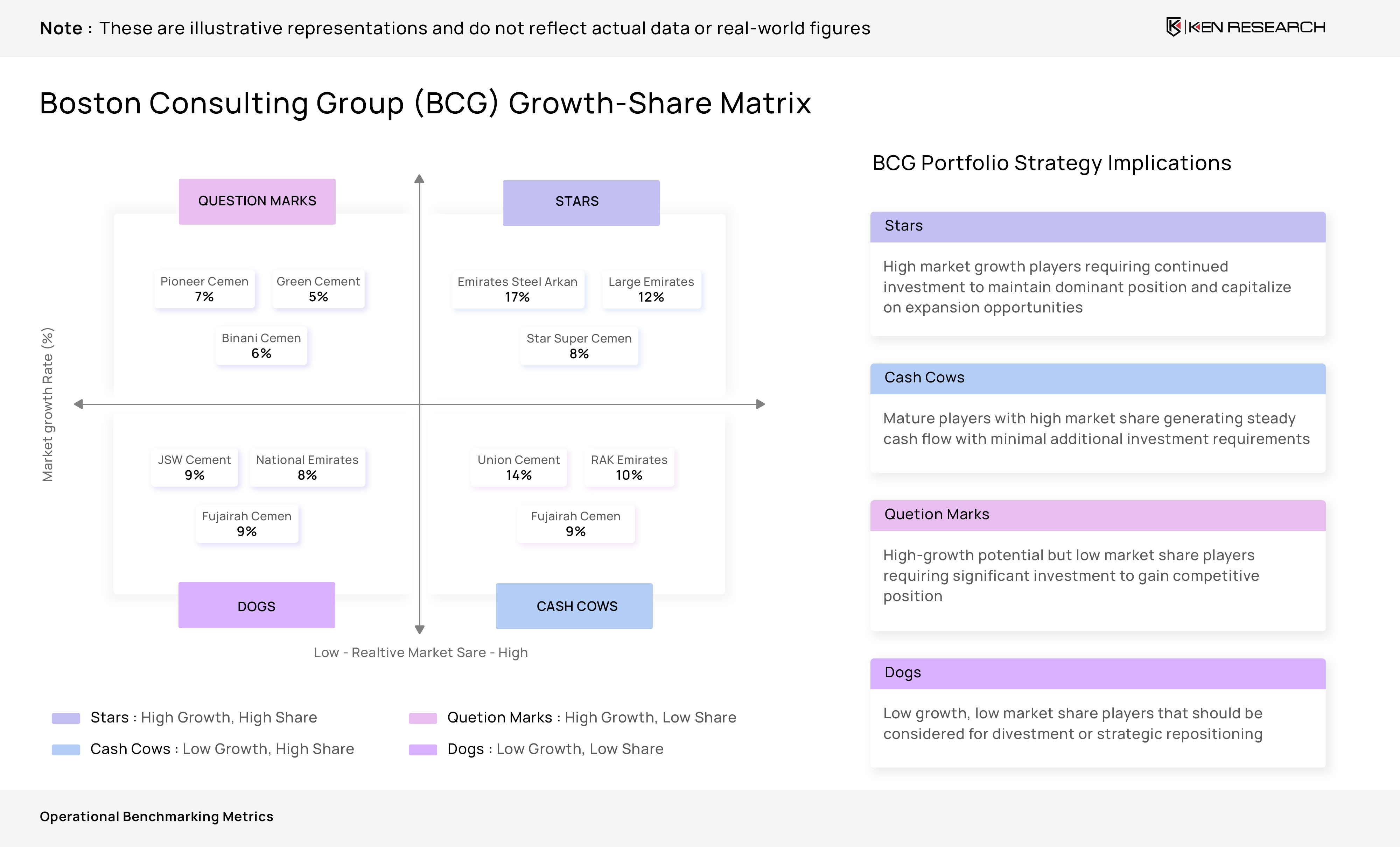
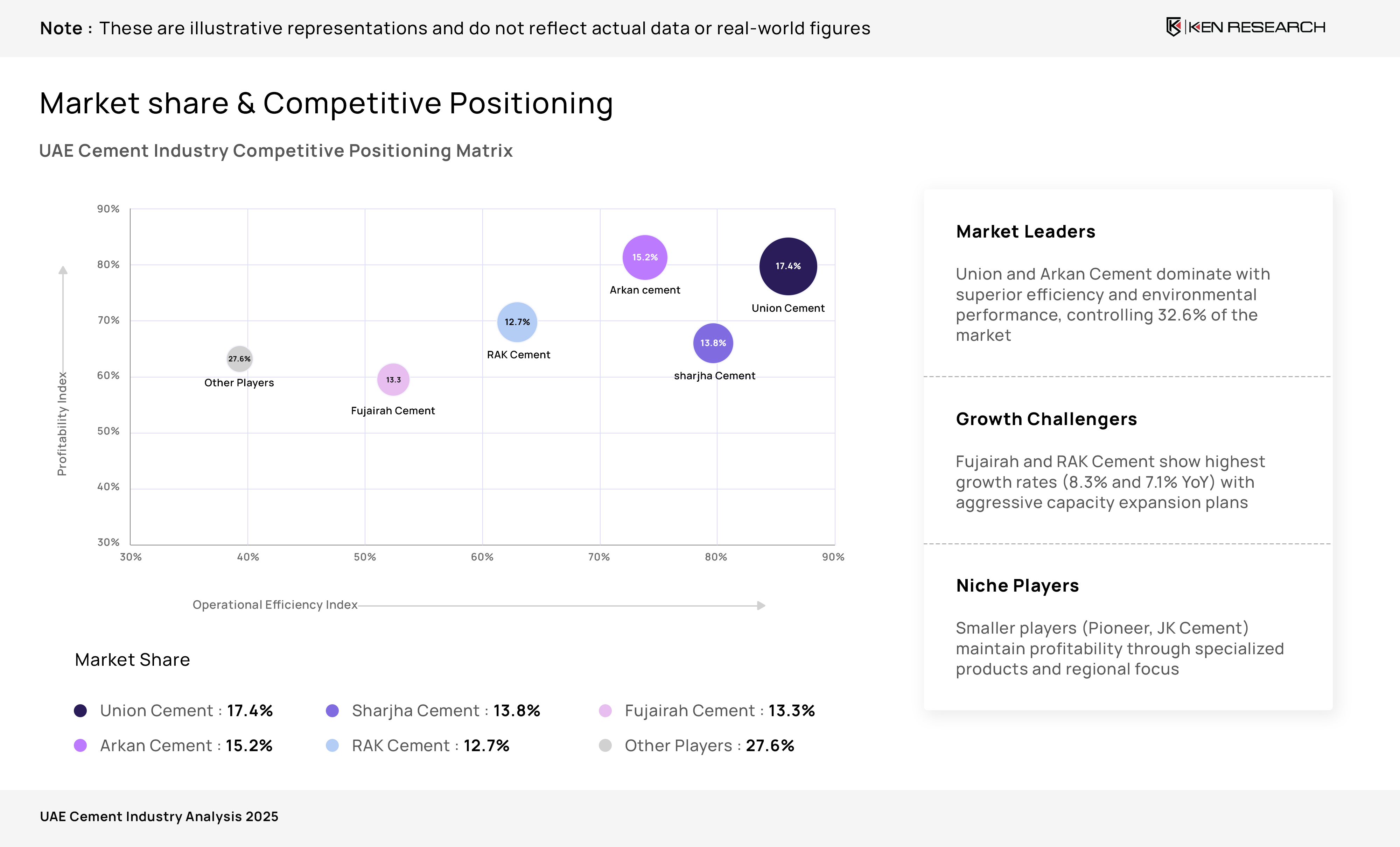
The UAE payment gateway ecosystem reflects a highly consolidated structure at the top, where banking-backed and globally scaled fintech firms dominate transaction volumes, merchant acquisition, and enterprise integrations, while mid-tier players compete through niche offerings and regional specialization.
Market maturity is evident through strong digital payment adoption, regulatory support, and fintech innovation, with smaller players focusing on SME enablement and embedded finance, creating a layered competitive intensity across enterprise, mid-market, and startup-driven segments.
Leading Player Profiles
Company Profile Overview
The competitive landscape is characterized by a mix of bank-led infrastructure providers and fintech-native platforms, where legacy institutions leverage trust and scale while newer entrants differentiate through API-first models, faster onboarding, and embedded financial services capabilities.
Increasing convergence of payment gateways with value-added services such as fraud detection, analytics, and wallet ecosystems highlights a shift toward full-stack payment platforms, intensifying competition based on technological sophistication and ecosystem integration rather than pricing alone.
Key Operational Performance Metrics
Company Performance Overview
Unlock Market Insights
Dive deeper into production, distribution, and pricing intelligence.
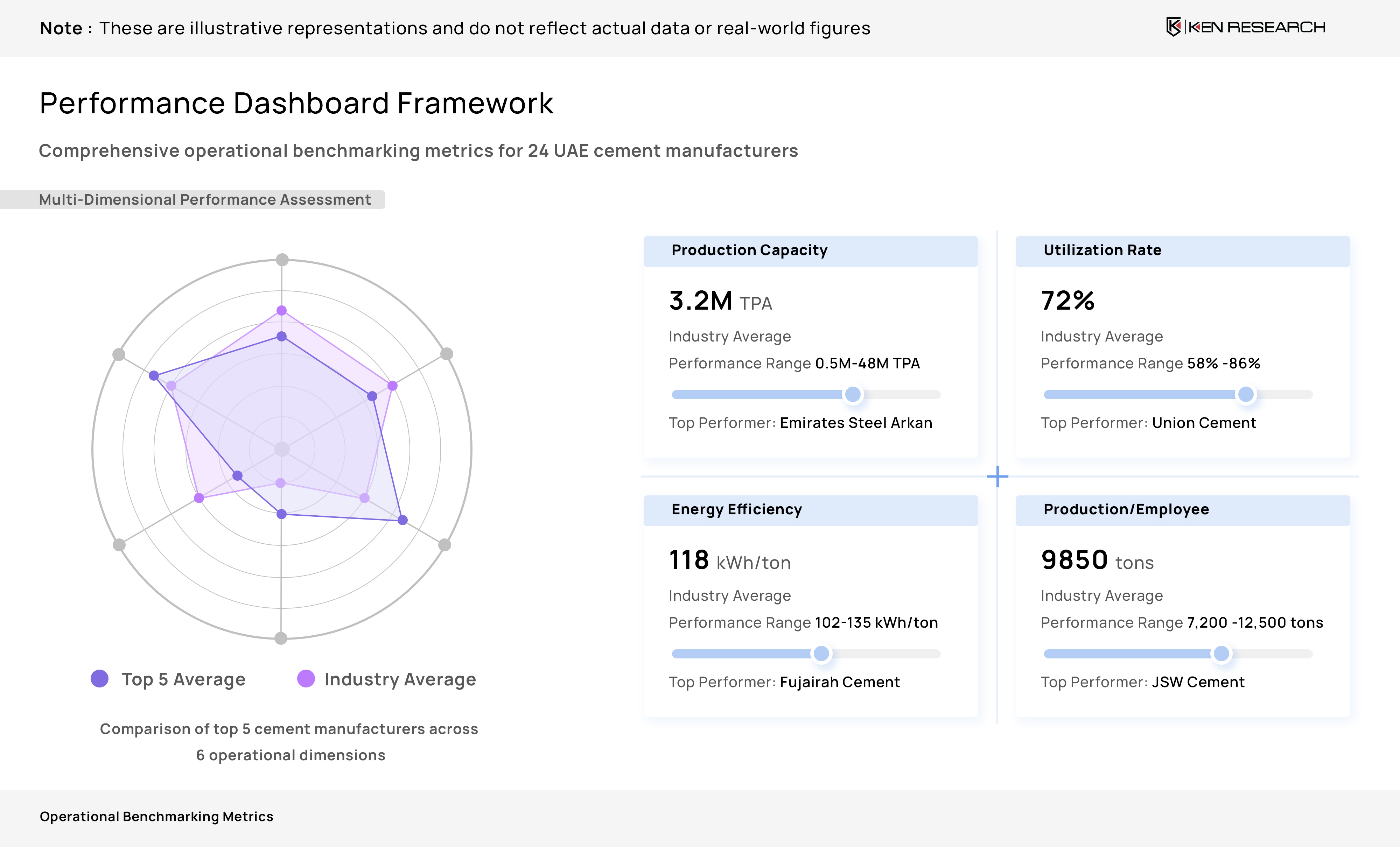
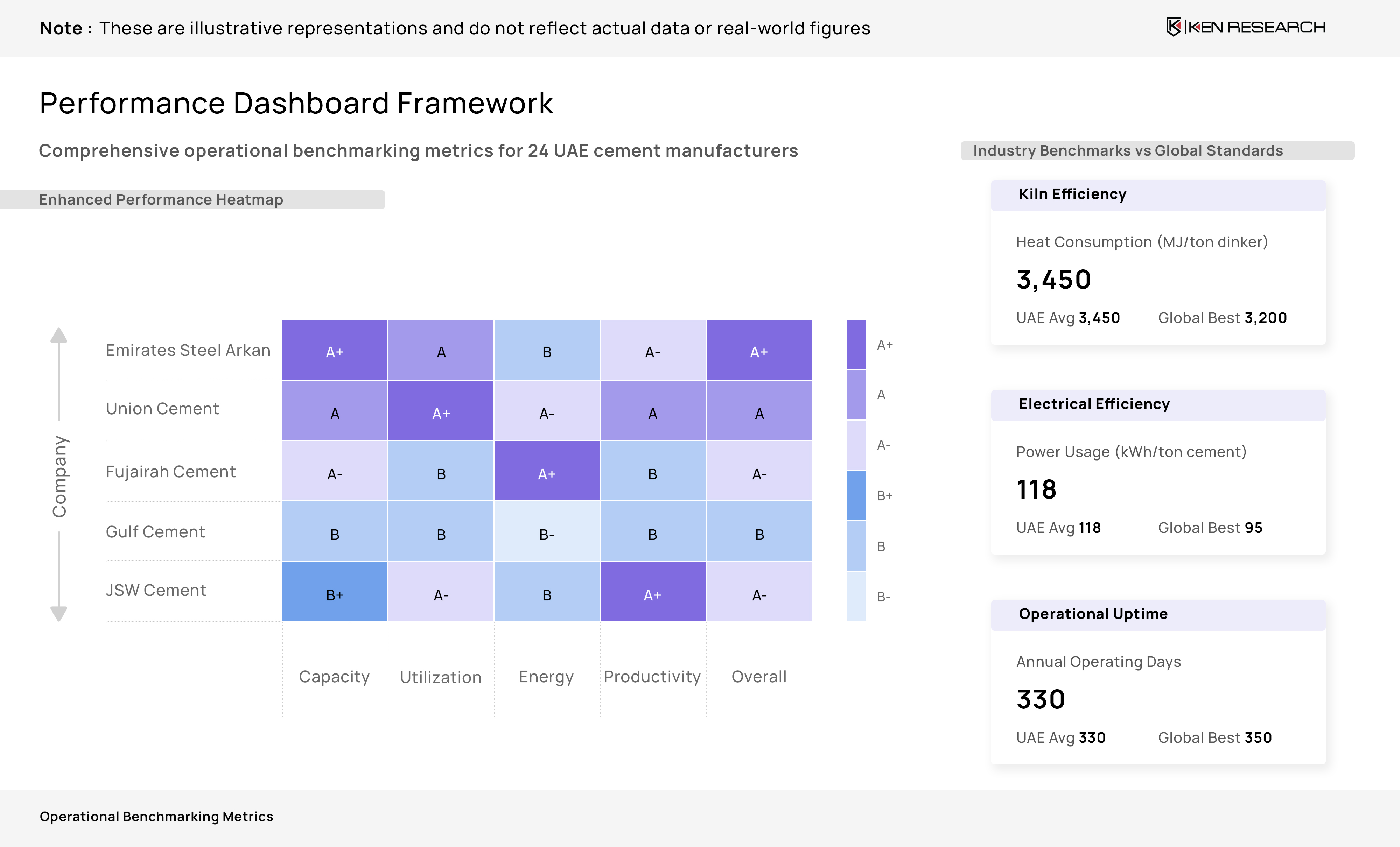
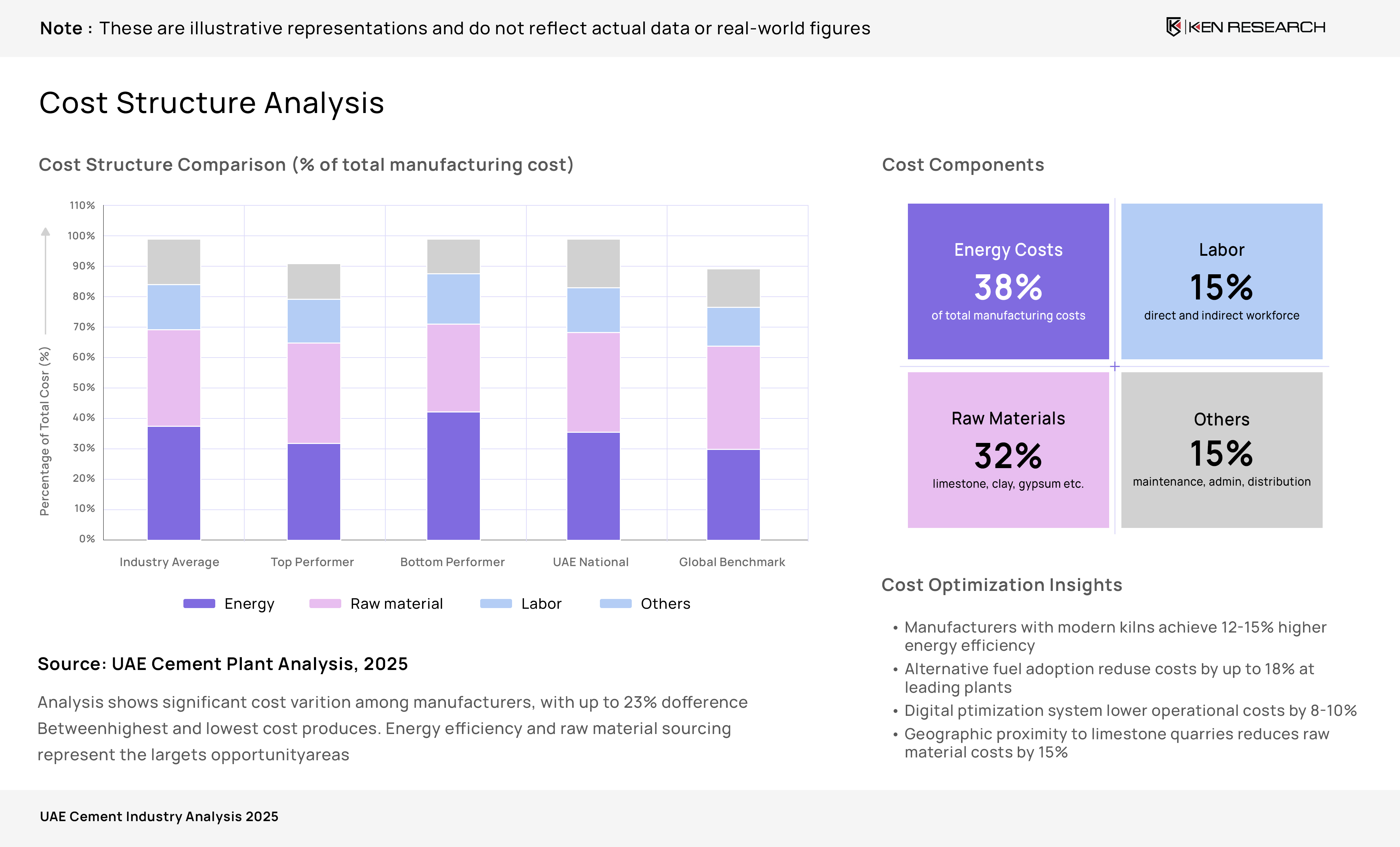
Get Customized ReportOperational competitiveness in the UAE payment gateway market is heavily influenced by transaction throughput, pricing structures, and merchant network scale, with high API uptime and rapid settlement cycles emerging as critical differentiators for enterprise and high-volume merchants.
Increasing cross-border transaction demand and fraud management sophistication are shaping operational benchmarks, pushing providers toward advanced analytics, real-time processing, and seamless omnichannel capabilities to maintain reliability and revenue efficiency in a fast-scaling digital economy.
Core Financial Performance Metrics
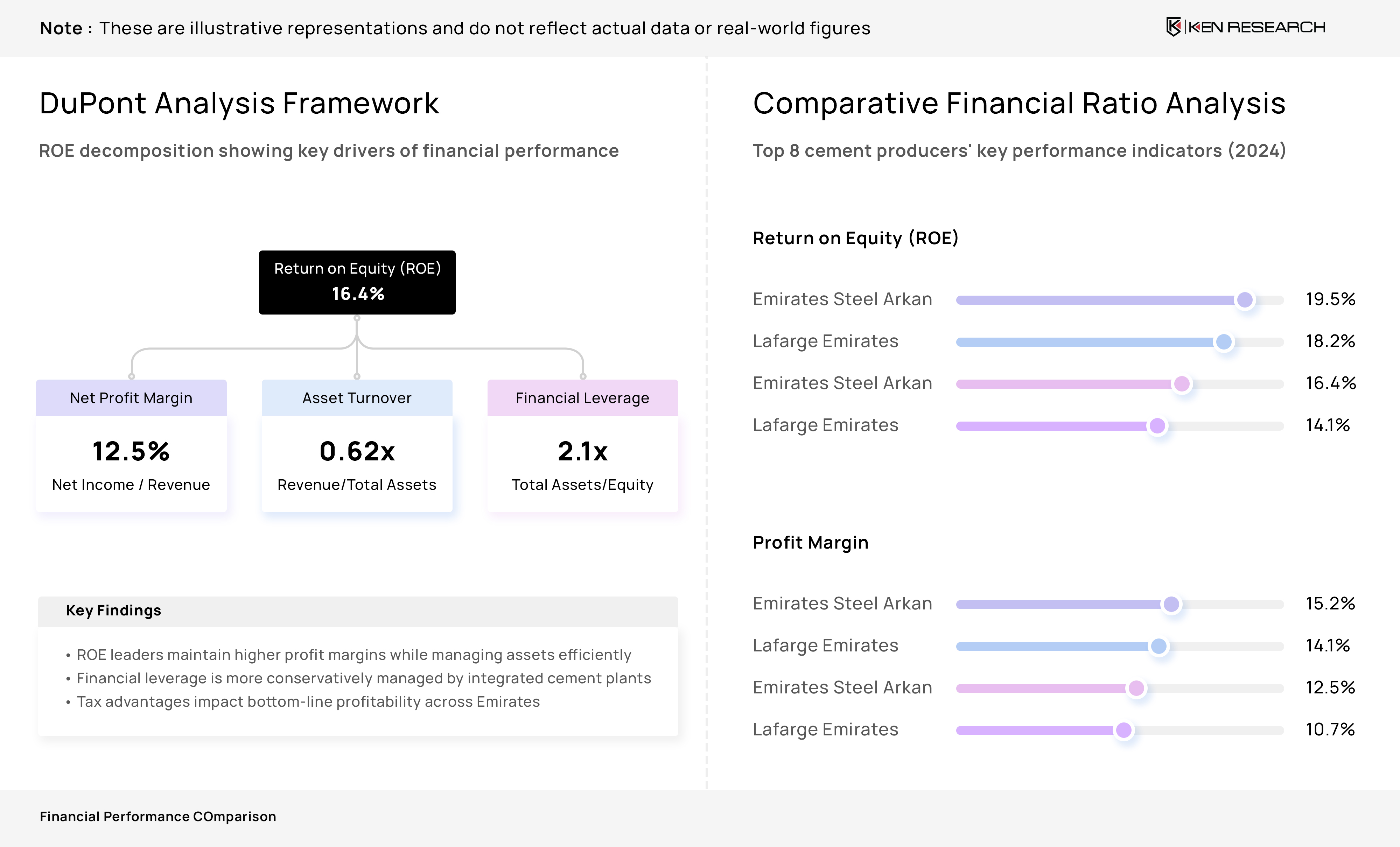
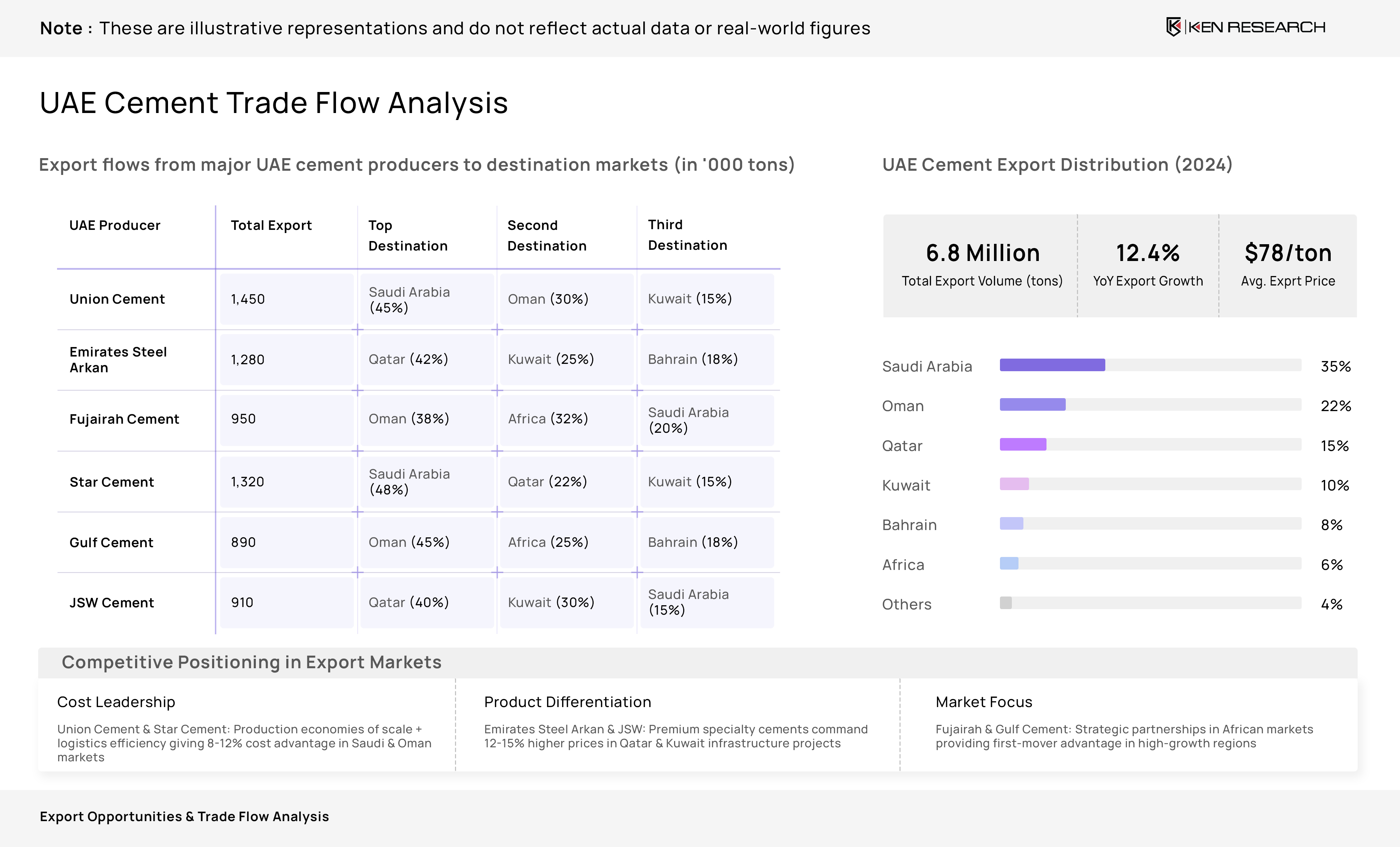
Financial performance across UAE payment gateway providers is driven by transaction volume scalability and pricing optimization, with EBITDA margins reflecting operational efficiency, infrastructure costs, and value-added services such as fraud prevention and analytics integration.
Growth trajectories are closely tied to digital commerce expansion and cross-border payment flows, where companies with diversified revenue streams and strong merchant ecosystems demonstrate superior profitability resilience and sustained margin expansion in a competitive fintech environment.
Table of Contents
1. Ecosystem Matrix
1.1 Large Players
1.11 Network International
1.12 Amazon Payment Services (PayFort)
1.13 Checkout.com
1.14 Telr
1.15 PayTabs
1.16 Mashreq Payment Gateway
1.17 First Abu Dhabi Bank (FAB) Pay
1.18 Emirates NBD Payment Gateway
1.2 Medium Players
1.21 Tap Payments
1.22 PayBy (Astra Tech)
1.23 Ziina
1.24 NymCard
1.25 HyperPay (UAE Operations)
1.26 Gate2Play (PayTabs Subsidiary)
1.27 CCAvenue Middle East
1.3 Small Players
1.31 Nomod
1.32 Paycaps
1.33 MyFatoorah UAE
1.34 BenefitPay (Regional Integration Presence)
1.35 Arab Financial Services (AFS UAE Operations)
2. Leading Player Profiles
2.1 Parameters
2.1.1 Company Name
2.1.2 Group Name
2.1.3 Headquarters
2.1.4 Established Year
2.1.5 Core Services
2.1.6 Mode of Functioning
3. Key Operational Performance Metrics
3.1 Pricing
3.2 Transaction Volume (USD Mn)
3.3 Number of Merchants
3.4 Average Transaction Value (USD)
3.5 Payment Success Rate (%)
3.6 Fraud Detection Rate (%)
3.7 Settlement Time (Days)
3.8 API Uptime (%)
3.9 Cross-border Transactions (%)
4. Core Financial Performance Metrics
4.1 Parameters
4.1.1 Revenue (USD Mn)
4.1.2 Revenue Growth (%)
4.1.3 COGS (USD Mn)
4.1.4 COGS Growth (%)
4.1.5 EBITDA (USD Mn)
4.1.6 EBITDA Growth (%)
4.1.7 EBITDA Margin (%)
4.1.8 PAT (USD Mn)
4.1.9 PAT Margin (%)
5. Methodology
5.1 Approach
5.1.1 Desk Sources
5.1.2 Primary Interviews
5.1.3 Sanity Checking & Validation
5.2 Benchmarking Process
5.2.1 Data Collection
5.2.2 Primary Validation
5.2.3 Proxy KPI Modelling
5.2.4 Normalization & Indexing
5.2.5 Gap Analysis
5.2.6 Peer Review
5.3 Sample Composition
5.3.1 Scope Items
5.3.2 Sample Size
5.3.3 Target Respondents
Methodology
Ken Research will deploy its proprietary, multi layered research framework—combining robust secondary research, targeted primary outreach, and rigorous data validation—to deliver an authoritative competitive landscape analysis of the UAE Payment Gateway Providers market. Proxy KPIs will be aligned specifically to payment gateway economics, merchant acquiring models, transaction throughput, gateway monetization, cross-border payment intensity, and value-added merchant services.
Desk Sources
- Industry reports (Proprietary databases, Ken Research archives)
- Company annual reports & investor presentations
- Government & trade association publications
- Trade magazines, journals, e-articles
- Financial databases (Bloomberg, Capital IQ)
- Web traffic & app usage dashboards (SimilarWeb, App Annie / data.ai)
- Payment network, central bank, and merchant-acquiring disclosures
- Company websites, API documentation, pricing pages, and merchant onboarding material
Primary Interviews
- CATIs and online surveys with key stakeholders
- Payment gateway product heads / merchant acquiring heads
- Senior sales and partnerships leads at leading players
- Merchants, aggregators, and channel partners using gateway solutions
- Banks, PSPs, and payment orchestration specialists
- Industry analysts and fintech consultants
- Technology and fraud-prevention service providers for digital metrics
Sanity Checking and Validation
- Triangulation: Cross verify estimates from secondary data, primary inputs, and proxy model outputs
- Proxy KPI synthesis: Use related KPIs such as merchant counts, TPV, checkout traffic, app engagement, settlement cycles, payment method mix, and cross-border exposure to approximate revenue pools and operating scale
- Outlier analysis: Identify and reconcile anomalous data points via follow-up discussions
- Assumption tracking: Maintain a log of all benchmarking assumptions, with clear notes on limitations and proxy KPI sources
- Peer review: Internal expert review of methodology, models, and key outputs before finalization
An Inside Look At Our Custom Insights
Take a look at ourcustomized insights, tailored to yourmarket and business needs. Our benchmarking reports deliver data-driven comparisons of key players, helping you uncover opportunities, assess performance, and make confident strategic decisions.