UK Payment Gateway Providers Market
Published on: March 2026
Report Overview
UK Payment Gateway Providers Market Overview
Market Highlights
The UK payment gateway providers market reflects a layered competitive structure in which large multinational payment processors, platform led fintechs, bank affiliated acquirers, and agile specialist providers operate side by side. The upper tier is defined by broad product depth, strong acquiring capabilities, and the ability to serve enterprise merchants with complex omnichannel and international payment requirements. At the same time, mid tier and specialist players remain highly relevant by focusing on merchant segments where flexible integration, faster onboarding, recurring payments, alternative checkout options, and tailored support create meaningful differentiation. Competition is therefore not shaped by scale alone, but by the ability to match service architecture with merchant complexity and buying behavior.
A defining feature of this market is the way global payment innovation is blended with localized adaptation. International platforms bring advanced APIs, fraud tools, orchestration features, and broad payment method acceptance, while UK focused and Europe based providers adapt onboarding journeys, merchant servicing models, settlement flexibility, and partner integrations to suit local business requirements. This combination allows merchants to choose between highly scalable enterprise infrastructure and more focused propositions designed around operational simplicity, ecommerce usability, subscription billing, or account to account collections. As a result, the market continues to reward providers that can align product design with domestic merchant expectations while still offering future ready functionality.
The broader distribution and aftersales ecosystem plays a critical role in market competitiveness. Merchant adoption is influenced not only by core gateway capability, but also by the quality of support available through direct sales teams, implementation partners, ecommerce platform integrations, independent software vendors, and account management structures. Providers with stronger onboarding support, better dispute handling, more responsive customer service, and reliable post integration assistance are often better placed to retain merchants over time. In a market where checkout performance and acceptance reliability directly affect revenue realization, the surrounding service model becomes a major source of loyalty and a meaningful differentiator across merchant tiers.
Strategically, the market is being shaped by a mix of scale efficiency, technology integration, fraud management, and merchant economics. Larger providers tend to compete through acquiring reach, data advantages, omnichannel coverage, and deeper enterprise relationships, while smaller and mid sized firms emphasize operating agility, simpler pricing communication, sector specialization, and bundled business tools. Competitive advantage increasingly comes from the ability to optimize authorization quality, protect margins, support multiple payment methods, and convert product breadth into merchant stickiness. Over time, the interaction between innovation, localization, and strategic agility is likely to remain central to how providers strengthen their market position, accelerate payment technology penetration, and sustain leadership in the UK payment gateway providers market.
Ecosystem Matrix
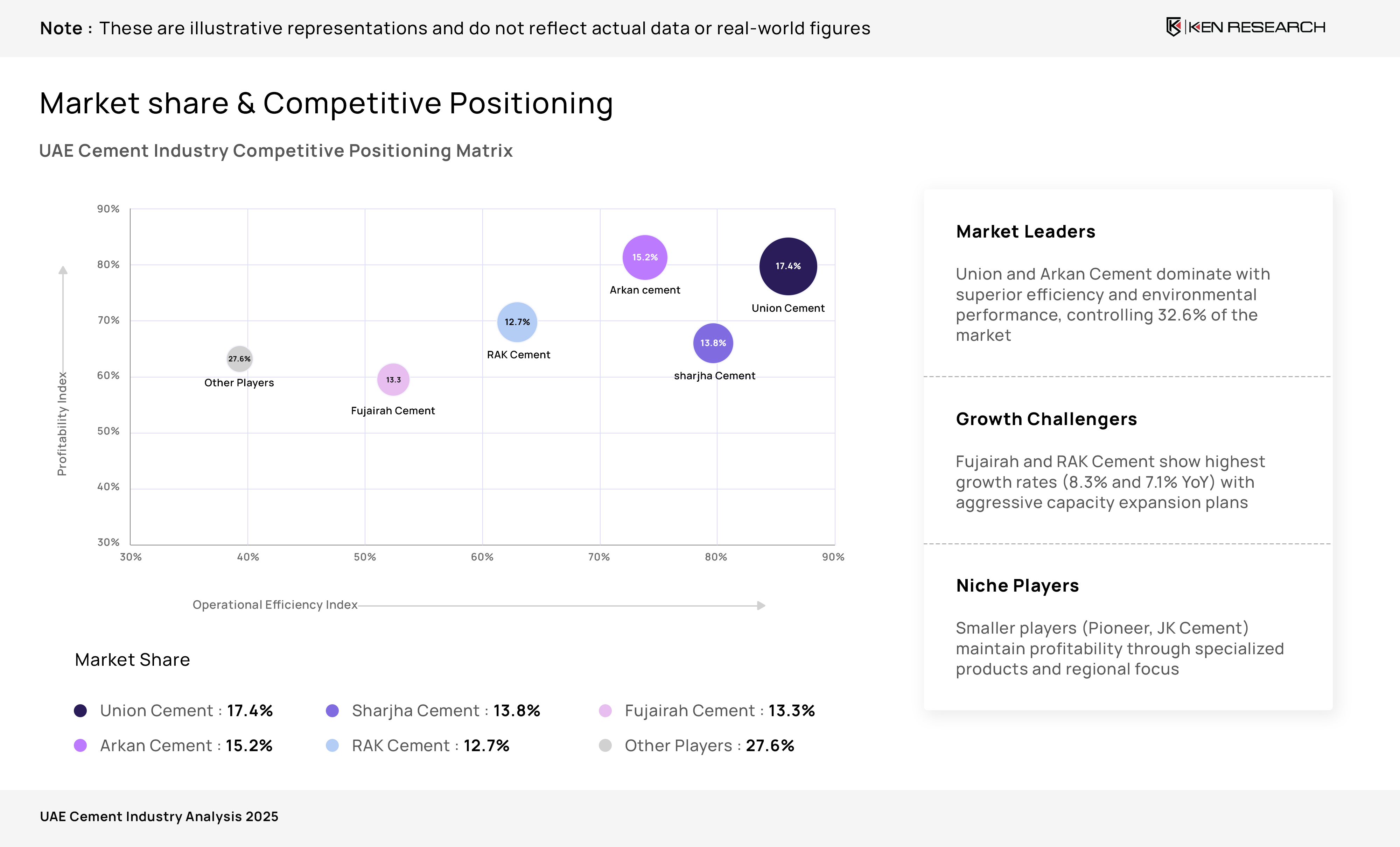
The UK payment gateway market is led by scaled omni-channel and enterprise-grade providers, while the mid-tier remains highly active in ecommerce enablement, alternative payments, and merchant acquiring. Market structure reflects both global platform strength and strong domestic specialist participation.
Competitive intensity is shaped by merchant scale, checkout flexibility, authorization performance, fraud tooling, and sector specialization. Large providers dominate complex multi-market acceptance, whereas smaller players compete through SME focus, faster onboarding, and simpler bundled payment propositions.
Leading Player Profiles
Company Profile Overview
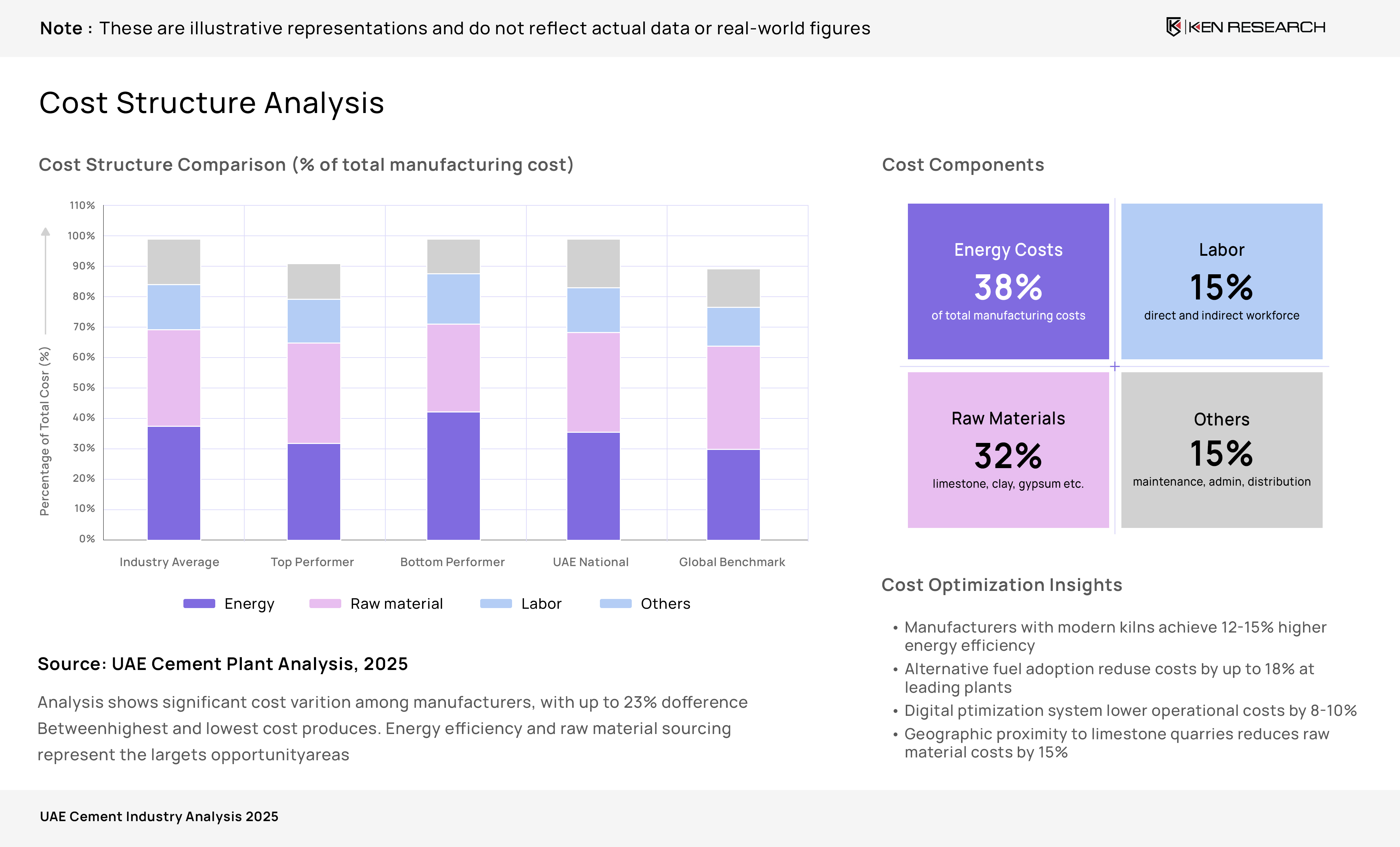
The leading player set shows a market where global processors, bank-backed acquirers, UK fintech specialists, and alternative checkout providers coexist. This creates a layered competitive landscape shaped by merchant size, integration depth, and breadth of acceptance capabilities.
UK market positioning increasingly depends on specialization. Enterprise providers compete on orchestration, fraud, and international scale, while challenger and SME-focused platforms differentiate through simpler onboarding, bundled software, local service support, and faster deployment for merchants.
Key Operational Performance Metrics
Company Performance Overview
Unlock Market Insights
Dive deeper into production, distribution, and pricing intelligence.
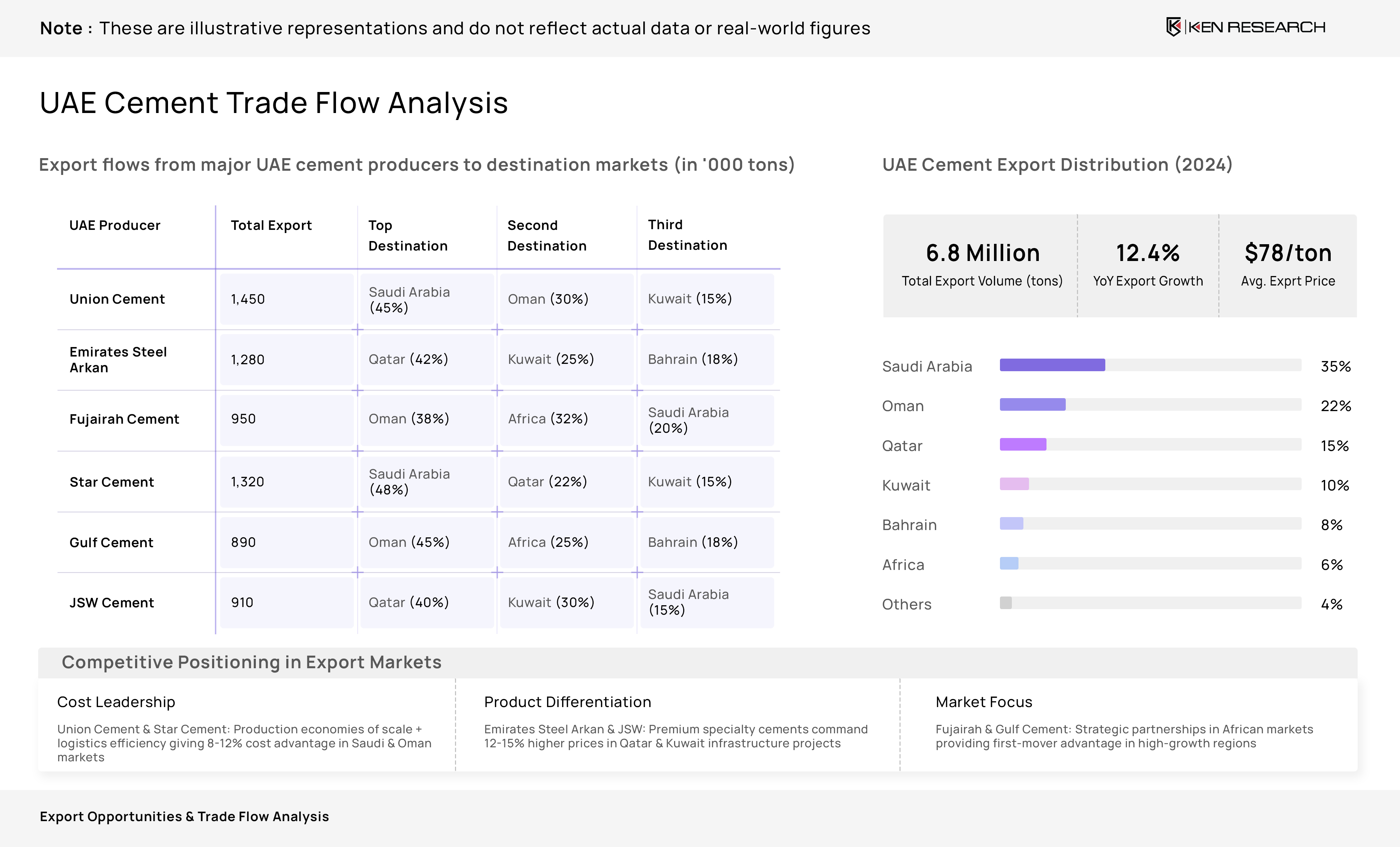
Get Customized ReportIn this market, revenue leadership is primarily determined by processed volume, transaction intensity, and pricing architecture. Authorization quality, cross-border mix, and merchant composition materially affect monetization because they shape conversion, fee realization, and the addressable transaction base.
UK providers that combine strong enterprise merchant exposure with high authorization rates and resilient cross-border capabilities are typically better positioned to scale payments revenue. Smaller specialists often rely more heavily on merchant acquisition velocity, simplified pricing, and segment-specific service models.
Core Financial Performance Metrics
Financial benchmarking in this market is shaped by scale efficiency, merchant mix, and processing economics. Providers with stronger enterprise exposure and broader product depth generally benefit from better operating leverage and more resilient margin structures.
Margin outcomes are also influenced by fraud loss control, scheme costs, infrastructure efficiency, and value-added service monetization. Growth without disciplined cost management can dilute profitability, especially for providers competing aggressively on pricing or merchant acquisition.
Table of Contents
1. Ecosystem Matrix
1.1 Large Players
1.1.1 Worldpay
1.1.2 PayPal Checkout
1.1.3 Stripe
1.1.4 Checkout.com
1.1.5 Adyen
1.1.6 Barclaycard Payments
1.1.7 Elavon
1.2 Medium Players
1.2.1 Trust Payments
1.2.2 DNA Payments
1.2.3 ECOMMPAY
1.2.4 Klarna
1.2.5 Mollie
1.2.6 Amazon Pay
1.3 Small Players
1.3.1 GoCardless
1.3.2 Square UK
1.3.3 SumUp
1.3.4 takepayments
2. Leading Player Profiles
2.1 Parameters
2.1.1 Company Name
2.1.2 Group Name
2.1.3 Headquarters
2.1.4 Established Year
2.1.5 Core Services
2.1.6 Mode of Functioning
3. Key Operational Performance Metrics
3.1 Gross Processed Volume (USD Mn)
3.2 Total Transactions (Mn)
3.3 Pricing / Take Rate (%)
3.4 Avg. Revenue per Transaction (USD)
3.5 Avg. Ticket Size (USD)
3.6 Active Merchant Base
3.7 Enterprise Merchant Share (%)
3.8 Authorization Success Rate (%)
3.9 Cross-border Volume Share (%)
3.10 Chargeback Rate (%)
4. Core Financial Performance Metrics
4.1 Parameters
4.1.1 Revenue (USD Mn)
4.1.2 Revenue Growth (%)
4.1.3 COGS (USD Mn)
4.1.4 COGS Growth (%)
4.1.5 EBITDA (USD Mn)
4.1.6 EBITDA Growth (%)
4.1.7 EBITDA Margin (%)
4.1.8 PAT (USD Mn)
4.1.9 PAT Margin (%)
5. Methodology
5.1 Approach
5.1.1 Desk Sources
5.1.2 Primary Interviews
5.1.3 Sanity Checking & Validation
5.2 Benchmarking Process
5.2.1 Data Collection
5.2.2 Primary Validation
5.2.3 Proxy KPI Modelling
5.2.4 Normalization & Indexing
5.2.5 Gap Analysis
5.2.6 Peer Review
5.3 Sample Composition
5.3.1 Scope Items
5.3.2 Sample Size
5.3.3 Target Respondents
Methodology
Ken Research will deploy its proprietary, multi layered research framework, combining robust secondary research, targeted primary outreach, and rigorous data validation, to deliver an authoritative competitive landscape analysis of the UK Payment Gateway Providers Market. Proxy KPIs will be tailored to the payment gateway industry and calibrated to reflect merchant processing scale, checkout intensity, platform reach, and monetization capability across the selected players.
Desk Sources
- Industry reports, proprietary databases, and Ken Research archives
- Company annual reports, filings, and investor presentations
- Government, regulator, and trade association publications
- Trade magazines, industry journals, and sector articles
- Financial databases and market intelligence platforms
- Web traffic, app usage, merchant tech stack, and digital performance tools
Primary Interviews
- CATIs and online surveys with key stakeholders
- Senior product, commercial, and payments leads at gateway providers
- Ecommerce merchants, payment acceptance heads, and digital commerce managers
- Channel partners, PSP integrators, ecommerce platform partners, and consultants
- Industry analysts, fintech consultants, and payments infrastructure specialists
- Fraud, gateway technology, and orchestration service providers for digital metrics validation
Sanity Checking and Validation
- Triangulation: Cross verify estimates from secondary data, primary inputs, and proxy model outputs
- Proxy KPI synthesis: Use related KPIs such as merchant base, transaction volume, checkout traffic, app usage, and payment method mix to approximate revenues or processing scale
- Outlier analysis: Identify and reconcile anomalous data points through follow up discussions
- Assumption tracking: Maintain a log of all benchmarking assumptions, limitations, and proxy KPI sources
- Peer review: Internal expert review of methodology, proxy logic, and draft outputs before finalization
An Inside Look At Our Custom Insights
Take a look at ourcustomized insights, tailored to yourmarket and business needs. Our benchmarking reports deliver data-driven comparisons of key players, helping you uncover opportunities, assess performance, and make confident strategic decisions.