USA Corporate Catering Market
Published on: November 2025
Report Overview
USA Corporate Catering Market
Market Highlights
The USA corporate catering market features a competitive landscape comprising national catering platforms, specialized regional providers, and enterprise-focused foodservice companies. Large players capitalize on strong brand partnerships, standardized service formats, and extensive kitchen networks, while regional operators compete through customization, agility, and localized menu offerings tailored to corporate culture and workplace preferences.
Competitiveness is shaped by the integration of culinary innovation with evolving corporate consumption trends. Providers adopt digital ordering systems, scalable kitchen operations, and dietary-inclusive menu design while tailoring pricing models, meal formats, and service flexibility to meet rising demand for convenience, wellness-oriented meals, and high-quality workplace dining experiences across industries.
Distribution and service networks rely on strategic kitchen placement, optimized delivery routes, and reliable fulfillment infrastructure. Companies with efficient last-mile service, responsive customer support, and strong corporate account management secure higher retention, enabling them to manage peak demand periods and serve enterprise clients across metropolitan and suburban business corridors.
Strategic priorities across the sector emphasize operational efficiency, menu innovation, and technology-driven service enhancement. Providers invest in automation, AI-driven demand forecasting, sustainable packaging, and employee engagement programs while expanding value-added offerings such as event catering, subscription meal plans, and hybrid-workplace solutions. These initiatives reinforce competitiveness in a market shaped by shifting workplace dynamics.
Ecosystem Matrix
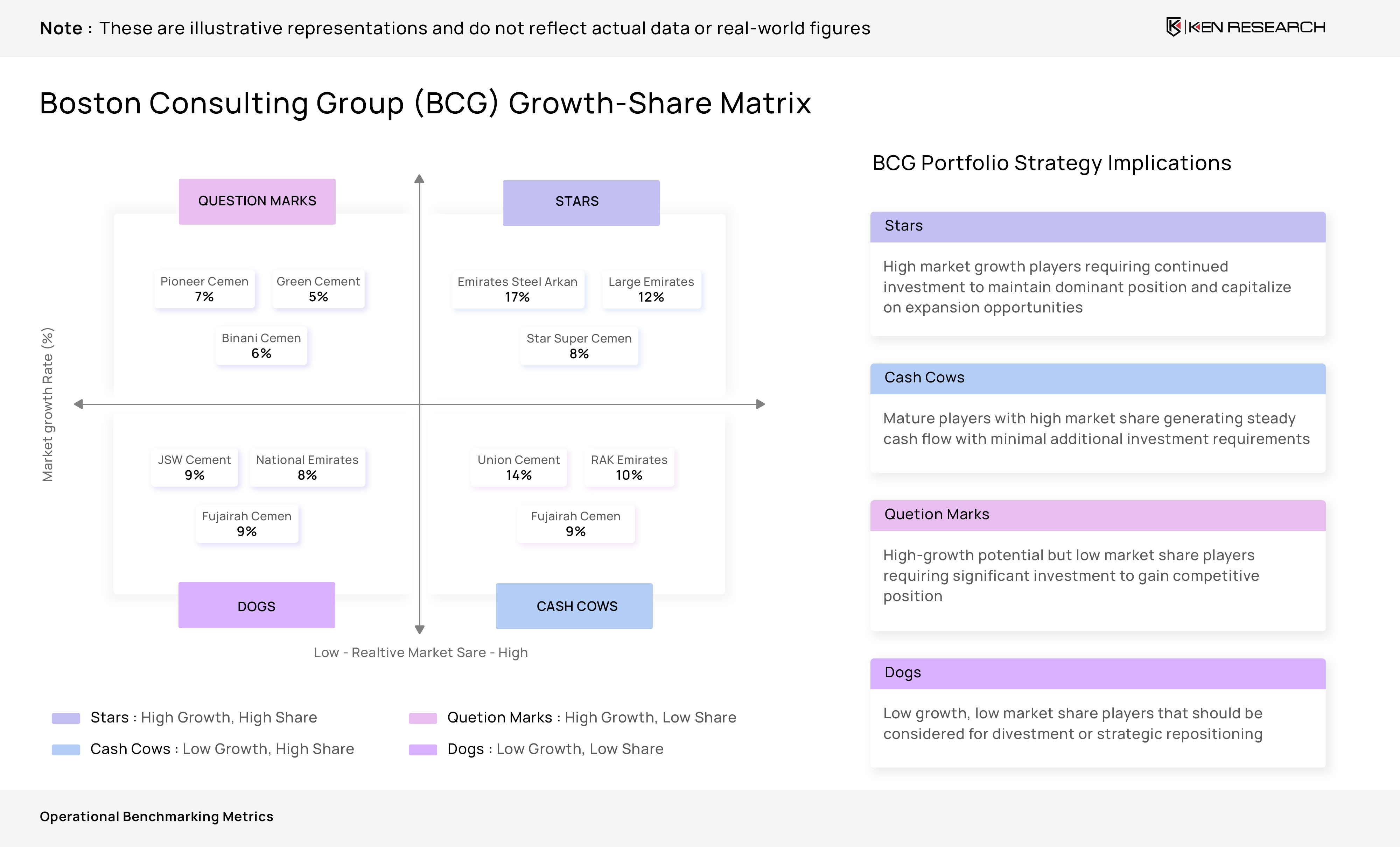
The market skews toward integrated foodservice majors that run on-site dining and premium B&I programs, complemented by digital marketplaces scaling off-site office meals. Scale advantages in procurement, distribution, and client retention anchor leadership at enterprise accounts.
Mid and small specialists win on niche value—chef-led menus, premium event experiences, and flexible marketplace models—serving fast-growing tech and services hubs. Consolidation and partnerships with facility managers and HR platforms continue to shape account acquisition.
Leading Player Profiles
Company Profile Overview
Profiles show two dominant models: large on-site contractors scaling multi-site B&I programs, and digital marketplaces optimizing off-site meals. Buyers increasingly blend both to serve hybrid work and episodic events, pressuring vendors to offer integrated menu, logistics, and analytics.
Brand positioning and service design remain key differentiators: chef-driven sustainability narratives and premium white-glove experiences win executive dining, while marketplaces compete on geographic coverage, partner quality, and program analytics for HR/Facilities buyers.
Key Operational Performance Metrics
Company Performance Overview
Unlock Market Insights
Dive deeper into production, distribution, and pricing intelligence.
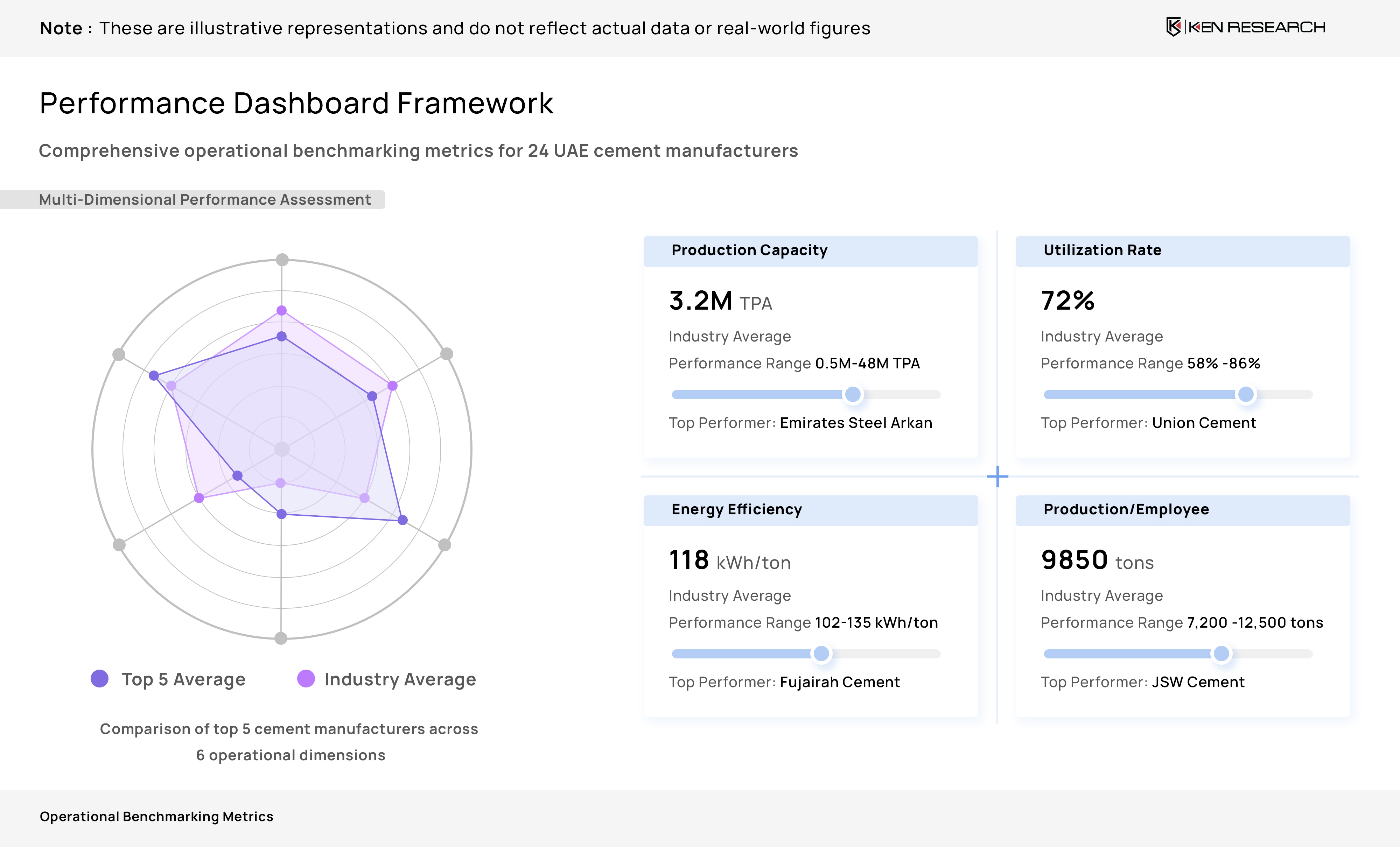
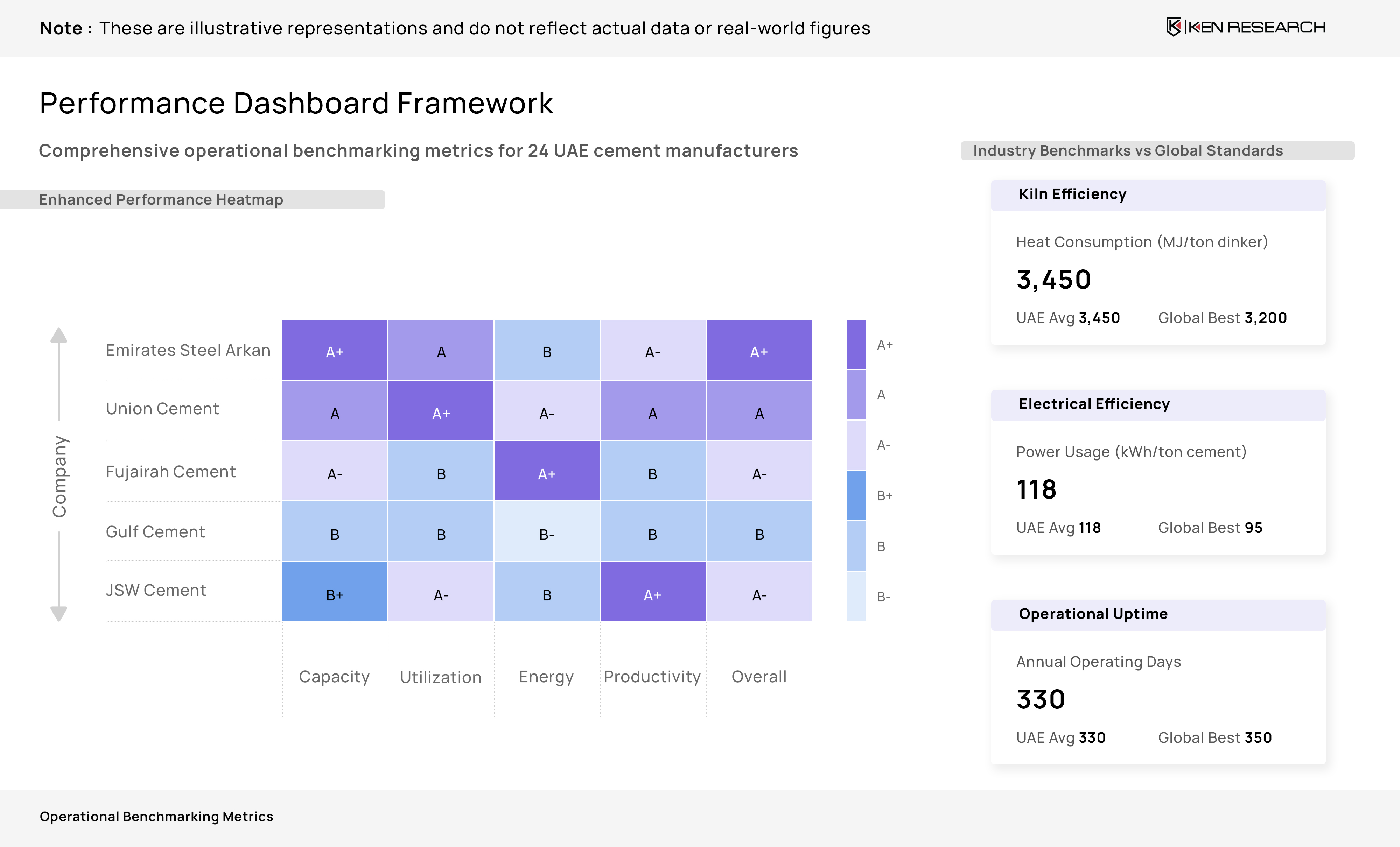
Get Customized ReportThese KPIs tie directly to revenue mechanics: price per head/order, demand intensity, retention, and capacity utilization. Marketplaces emphasize network breadth and fulfillment reliability; on-site contractors emphasize multi-site volume and captive account retention.
Pricing sophistication (tiered menus, subsidies, benefits wallets) and repeat-order dynamics are pivotal in hybrid-work environments. Vendors aligning menu flexibility with SLA-based delivery and real-time analytics will capture enterprise share and expand average order values.
Core Financial Performance Metrics
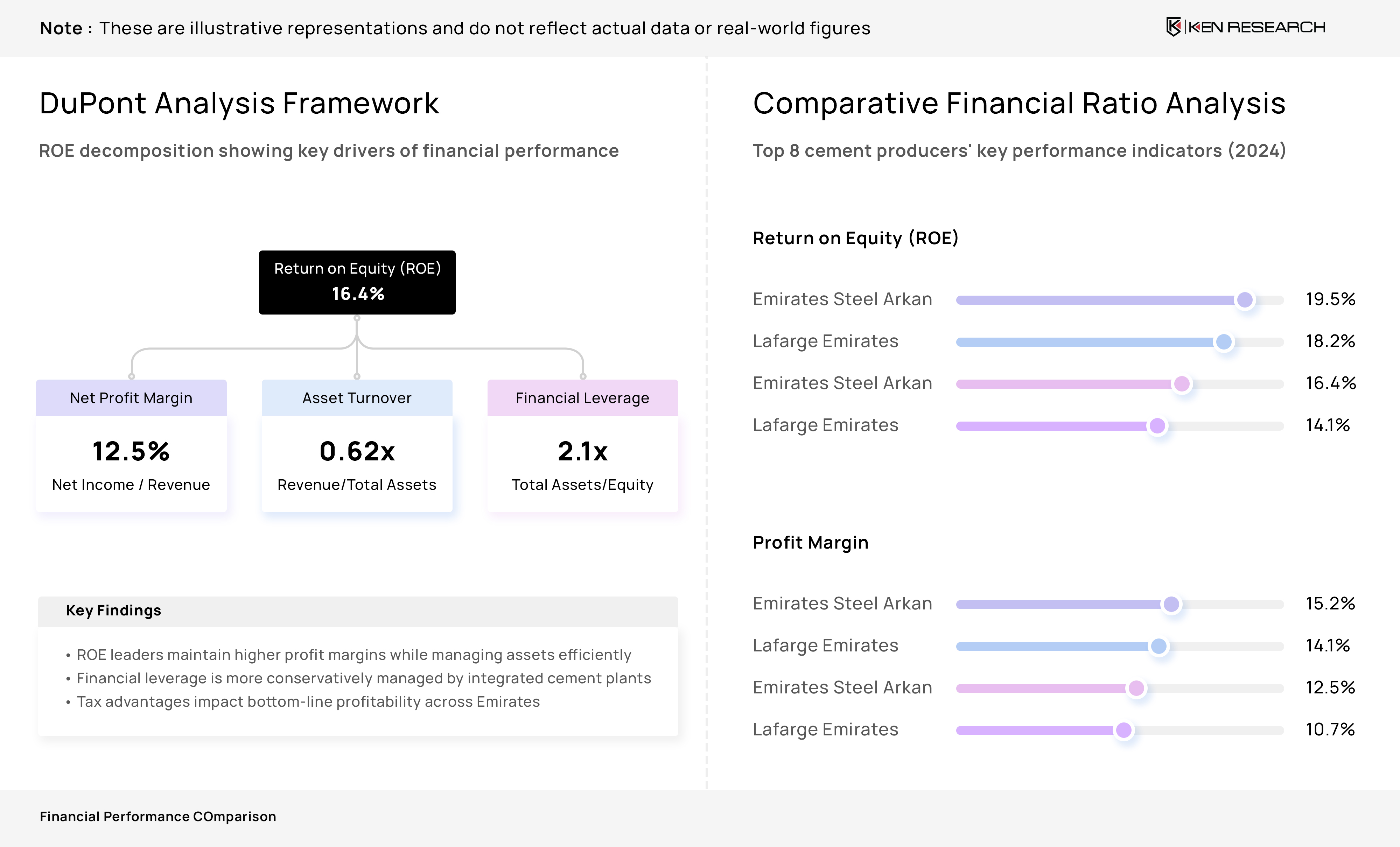
Financial comparability requires normalizing marketplace take-rates versus contract caterers’ gross revenue recognition. Margin structures diverge: marketplaces scale asset-light networks, while on-site contractors manage labor-intensive kitchens with procurement leverage and productivity programs.
Growth outperformance correlates with hybrid-work adoption, expansion into benefits-funded meals, and cross-sell into micro-markets or events. Profitability improves with menu engineering, dynamic pricing, and optimized labor scheduling against predictable order cadence.
Table of Contents
1. Ecosystem Matrix
1.1 Large Players
1.1.1 Compass Group USA
1.1.2 Sodexo North America
1.1.3 Aramark
1.1.4 Elior North America
1.1.5 ISS Guckenheimer
1.1.6 Delaware North
1.2 Medium Players
1.2.1 Bon Appétit Management Company
1.2.2 Eurest
1.2.3 Flik Hospitality Group
1.2.4 Restaurant Associates
1.2.5 Wolfgang Puck Catering
1.2.6 ezCater
1.2.7 HUNGRY Marketplace
1.2.8 Sharebite
1.2.9 ZeroCater
1.3 Small Players
1.3.1 Cater2.me
1.3.2 Proof of the Pudding
1.3.3 Great Performances
2. Leading Player Profiles
2.1 Parameters
2.1.1 Company Name and Group Name
2.1.2 Headquarters
2.1.3 Established Year
2.1.4 Core Service
2.1.6 Mode of functioning
3. Key Operational Performance Metrics
3.1 Parameters
3.1.1 Pricing (USD Mn)
3.1.2 Number of Corporate Accounts (Units)
3.1.3 Orders per Month (Units)
3.1.4 Average Order Value (USD Mn)
3.1.5 Meal Headcount per Month (Units)
3.1.6 On-Time Delivery Rate (%)
3.1.7 Repeat Order Rate (%)
3.1.8 Client Churn Rate (%)
3.1.9 Partner / Kitchen Network (Units)
3.1.10 Capacity / Fill Rate (%)
4. Core Financial Performance Metrics
4.1 Parameters
4.1.1 Revenue (USD Mn)
4.1.2 Revenue Growth (%)
4.1.3 COGS (USD Mn)
4.1.4 COGS Growth (%)
4.1.5 EBITDA (USD Mn)
4.1.6 EBITDA Growth (%)
4.1.7 EBITDA Margin (%)
4.1.8 PAT(USD Mn)
4.1.9 PAT Margin (%)
5. Methodology
5.1 Approach
5.1.1 Desk Sources
5.1.2 Primary Interviews
5.1.3 Sanity Checking & Validation
5.2 Benchmarking Process
5.2.1 Data Collection
5.2.2 Primary Validation
5.2.3 Proxy KPI Modelling
5.2.4 Normalization & Indexing
5.2.5 Gap Analysis
5.2.6 Peer Review
5.3 Sample Composition
5.3.1 Scope Items
5.3.2 Sample Size
5.3.3 Target Respondents
Methodology
Ken Research will deploy its proprietary, multi-layered research framework—combining robust secondary research, targeted primary outreach, and rigorous data validation—to deliver an authoritative competitive landscape analysis of the market. Ensure that all the proxy KPIs are as per the market chosen.
Desk Sources
- Industry reports from proprietary databases and Ken Research archives
- Company annual reports, investor presentations, and corporate disclosures
- Government and trade association publications
- Trade magazines, food-service journals, and credible web articles
- Financial databases such as Bloomberg and Capital IQ
- Web traffic and app-usage dashboards (SimilarWeb, app analytics platforms)
Primary Interviews
- CATIs and online surveys with key stakeholders in corporate catering and workplace food services
- Corporate services heads, facilities managers, HR meal-benefit owners, and procurement leaders
- Senior sales and marketing executives at leading caterers and catering marketplaces
- Distributor and commissary partners involved in meal preparation and packaging
- Delivery and logistics vendors supporting last-mile food distribution
- Technology and service providers offering digital performance and app-usage metrics
Sanity Checking and Validation
- Triangulation: Cross-verify estimates using secondary research, primary inputs, and proxy KPI model outputs
- Proxy KPI Synthesis: Use KPIs such as orders per month, average order value, client count, delivery radius, kitchen capacity, and marketplace take-rate to approximate revenues or operational capacity
- Outlier Analysis: Identify data anomalies and reconcile them through targeted follow-up interviews
- Assumption Tracking: Maintain a detailed assumptions log with complete documentation of proxy KPI sources and limitations
- Peer Review: Conduct internal expert review of methodologies, models, and final analytical outputs
An Inside Look At Our Custom Insights
Take a look at ourcustomized insights, tailored to yourmarket and business needs. Our benchmarking reports deliver data-driven comparisons of key players, helping you uncover opportunities, assess performance, and make confident strategic decisions.