USA Digital Payment Solutions Market
Published on: March 2026
Report Overview
USA Digital Payment Solutions Market Overview
Market Highlights
The USA Digital Payment Solutions Market is defined by a highly layered competitive structure in which scaled global platforms, diversified payment technology providers, specialized infrastructure firms, and focused domestic payment enablers operate side by side. Competitive intensity is strongest around merchant acquisition, payment acceptance breadth, platform integration, and transaction reliability. Large players differentiate through omnichannel capabilities, established merchant relationships, advanced fraud and security features, and broad product ecosystems that combine acceptance, settlement, analytics, and software-linked services.
Mid-tier firms compete by targeting specialized use cases such as bill payment, vertical SaaS integrations, enterprise optimization, and partner-led payment enablement. Smaller players often build relevance through gateway specialization, recurring billing, orchestration, or bank-transfer infrastructure designed for embedded use cases. This creates a market where scale remains important, but focused product-market fit continues to offer a strong path to competitive relevance.
A defining feature of this market is the blend of global payment innovation with U.S.-specific operating requirements. Players that succeed typically localize around merchant onboarding standards, compliance expectations, settlement workflows, enterprise integration needs, and the growing demand for seamless digital checkout experiences. Domestic market behavior also rewards platforms that can support multiple payment flows across card, ACH, bill-pay, subscription, and real-time account-to-account environments without increasing operational complexity for merchants or billers.
Distribution strength is reinforced not only through direct sales, but also through software partners, ISOs, financial institutions, reseller channels, and embedded integrations. Aftersales support, implementation quality, and responsiveness in risk, chargeback, fraud, and settlement management remain important to merchant retention and long-term platform stickiness. Across player tiers, competitive advantage is increasingly shaped by operational efficiency, monetization discipline, technology depth, and alignment with broader commerce workflows, while long-term leadership will favor firms that combine innovation with dependable execution.
Ecosystem Matrix
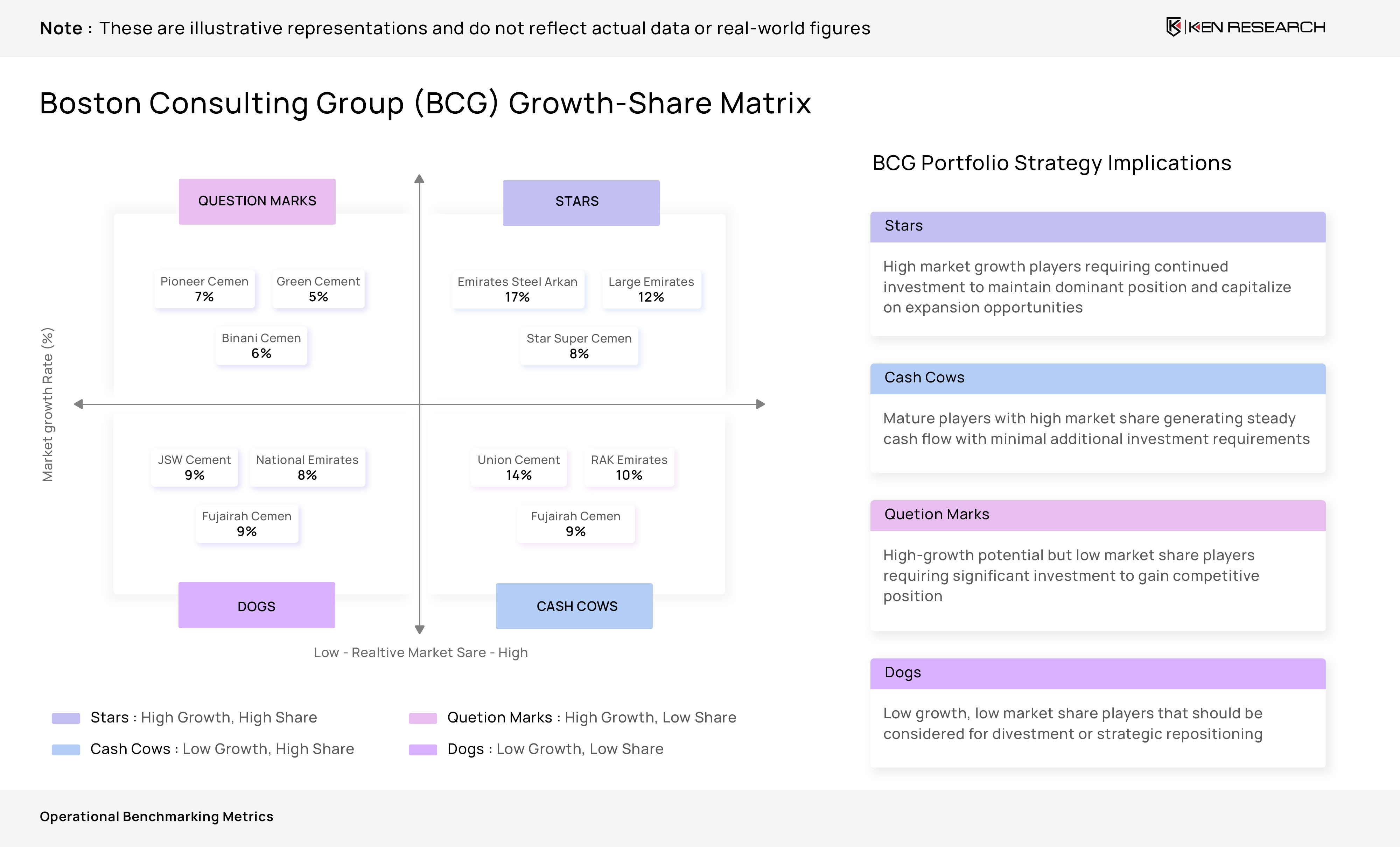
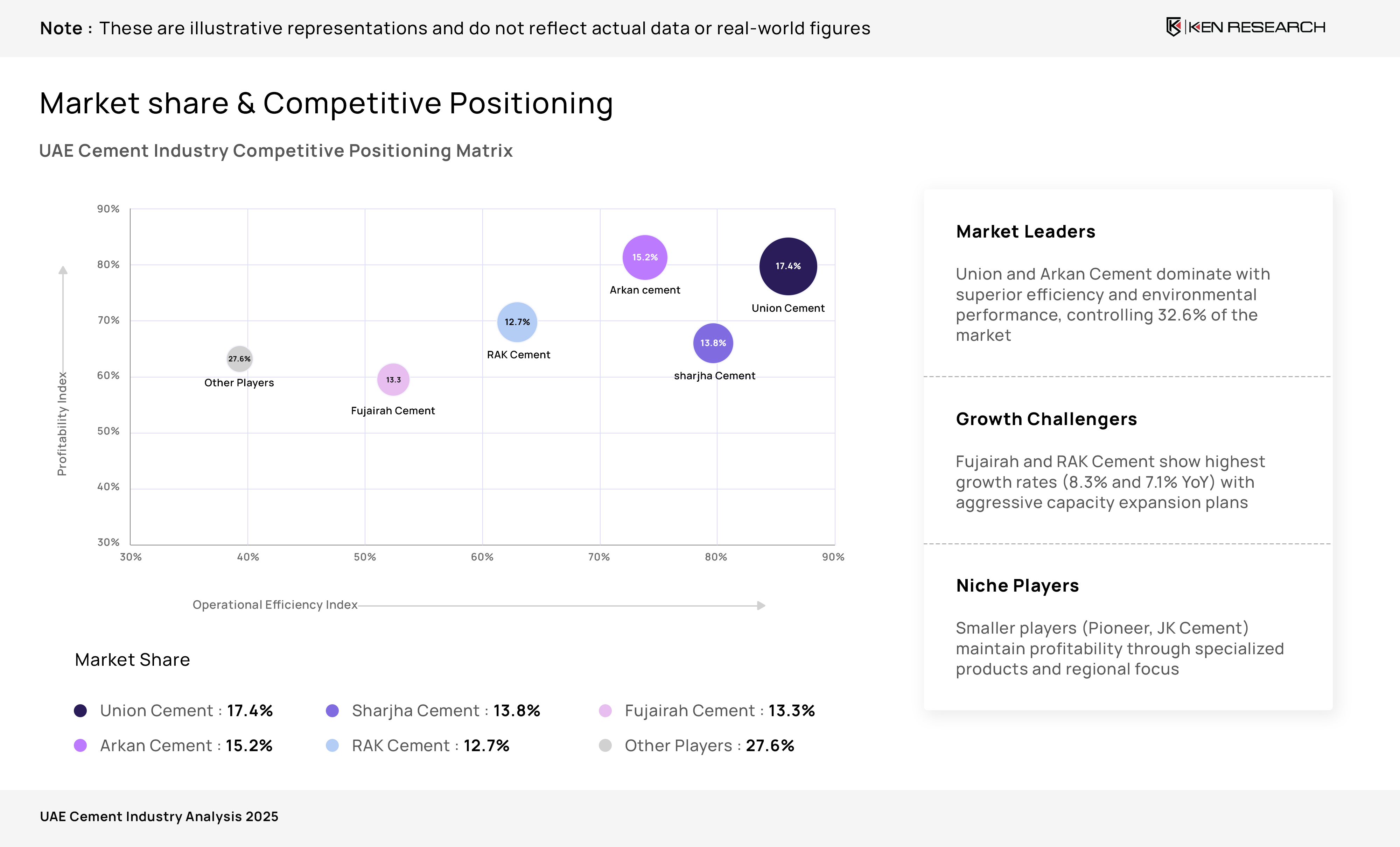
Competition in the U.S. digital payment solutions market is shaped by scale of merchant acceptance, breadth of payment capabilities, enterprise integration depth, and strength in omnichannel processing, with larger platforms holding structural advantage in distribution reach, product breadth, and recurring transaction flow.
Mid-sized and smaller players remain strategically relevant by specializing in bill pay, gateway enablement, embedded payments, subscription commerce, and bank-transfer infrastructure, which shows the market still rewards focused operating models even as top-tier platforms dominate broad-scale payment volumes and merchant relationships.
Leading Player Profiles
Company Profile Overview
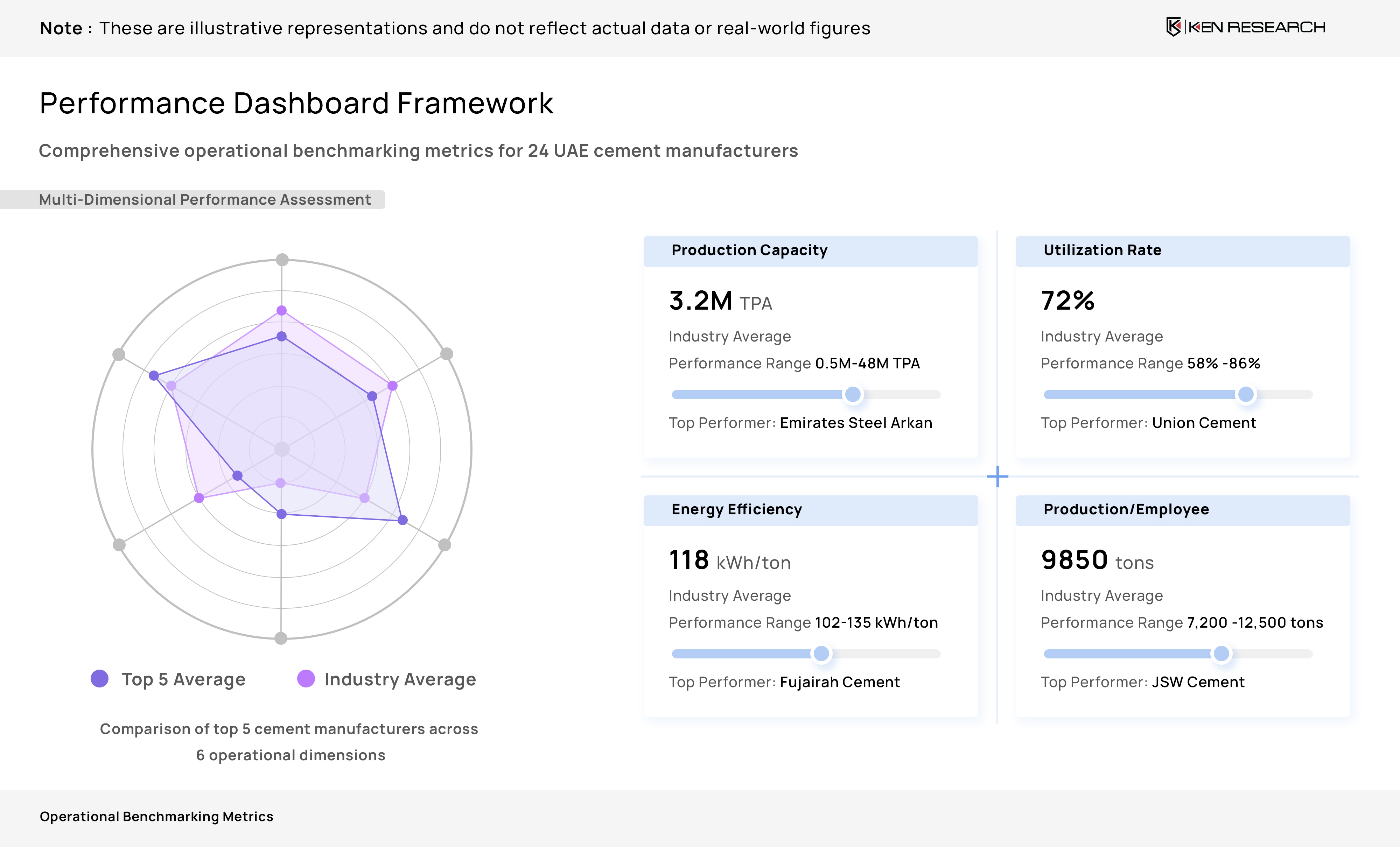
The player landscape reflects a layered market structure where large networks and processors compete on scale, omnichannel breadth, and distribution power, while smaller and mid-tier specialists differentiate through gateway infrastructure, bill payment, bank-transfer rails, orchestration, and software-linked workflow integration.
Establishment-year dispersion and service-model diversity indicate that the U.S. market rewards both legacy payment infrastructure and newer API-first architectures, with competitiveness increasingly shaped by integration ease, acceptance optimization, settlement capabilities, and embedded enablement rather than by brand scale alone.
Key Operational Performance Metrics
Company Performance Overview
Unlock Market Insights
Dive deeper into production, distribution, and pricing intelligence.
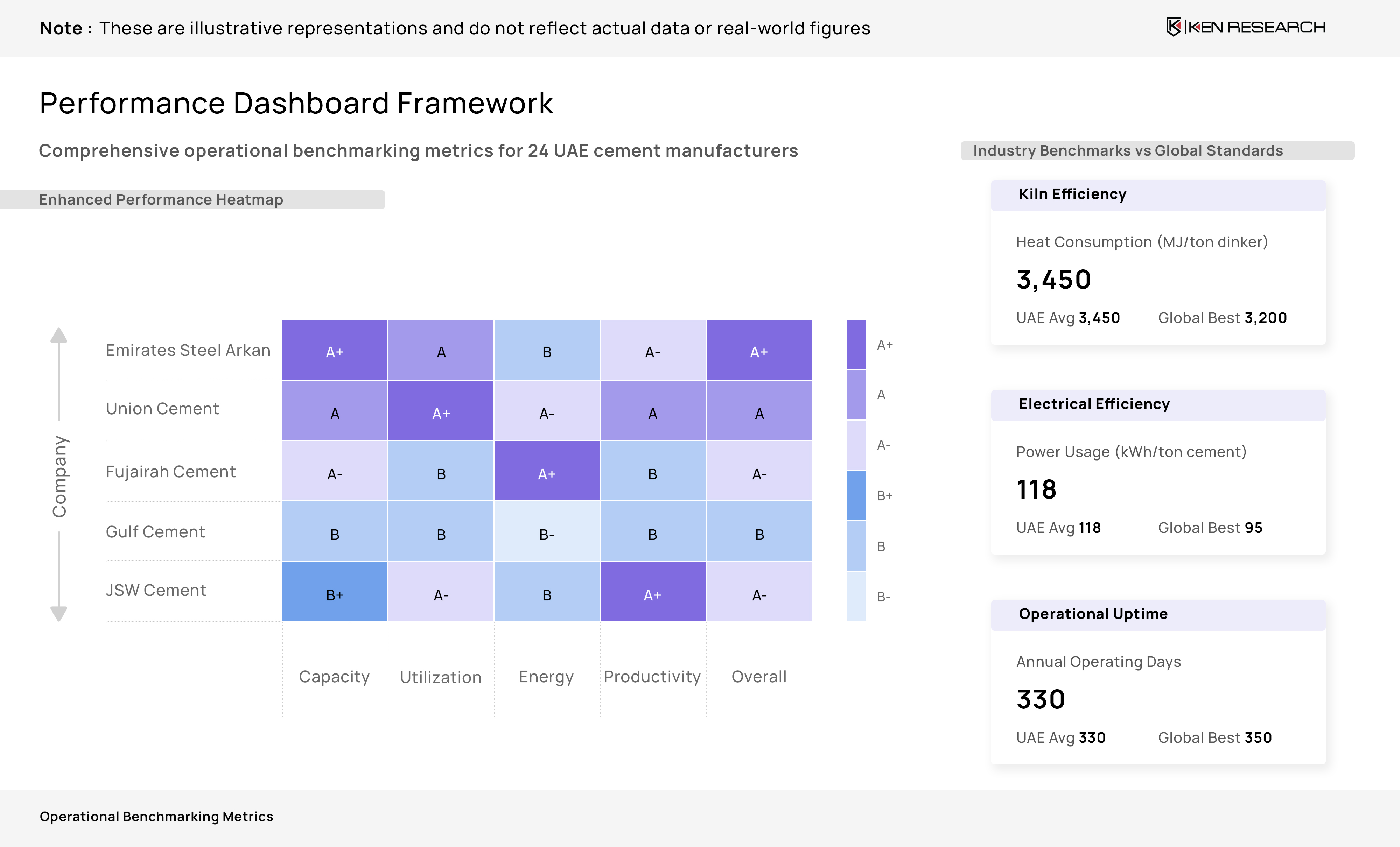
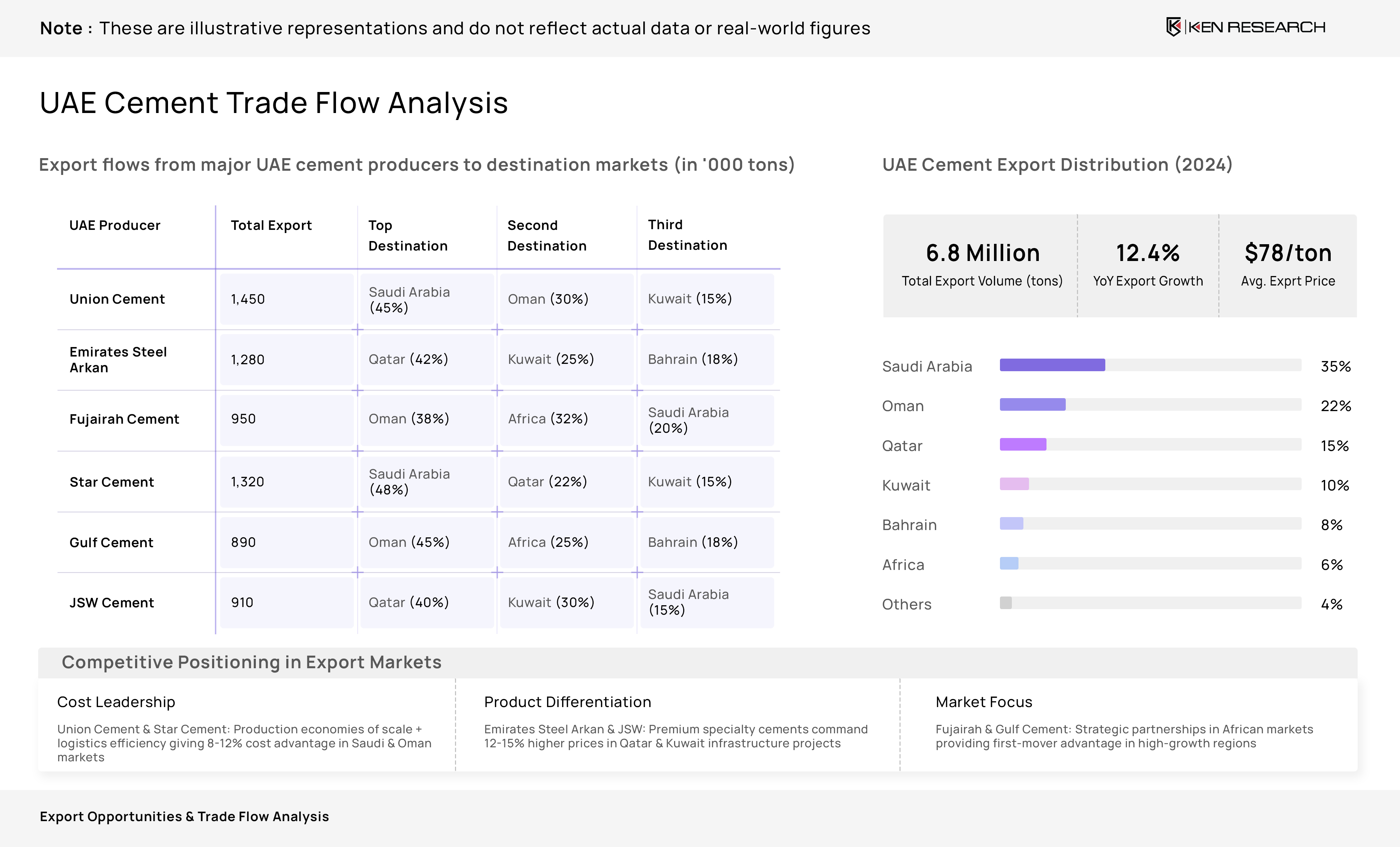
Get Customized ReportRevenue formation in digital payments is driven most directly by payment volume, realized pricing, transaction intensity, merchant or biller scale, and recurring payment mix, because these variables determine how efficiently each platform converts payment flow into monetizable processing and service income.
Acceptance rate, cross-border flow, and payout velocity are also commercially decisive because they influence merchant retention, conversion performance, and use-case expansion, especially for platforms serving enterprise commerce, software-led payments, embedded finance, utilities billing, and bank-transfer-driven payment journeys.
Core Financial Performance Metrics
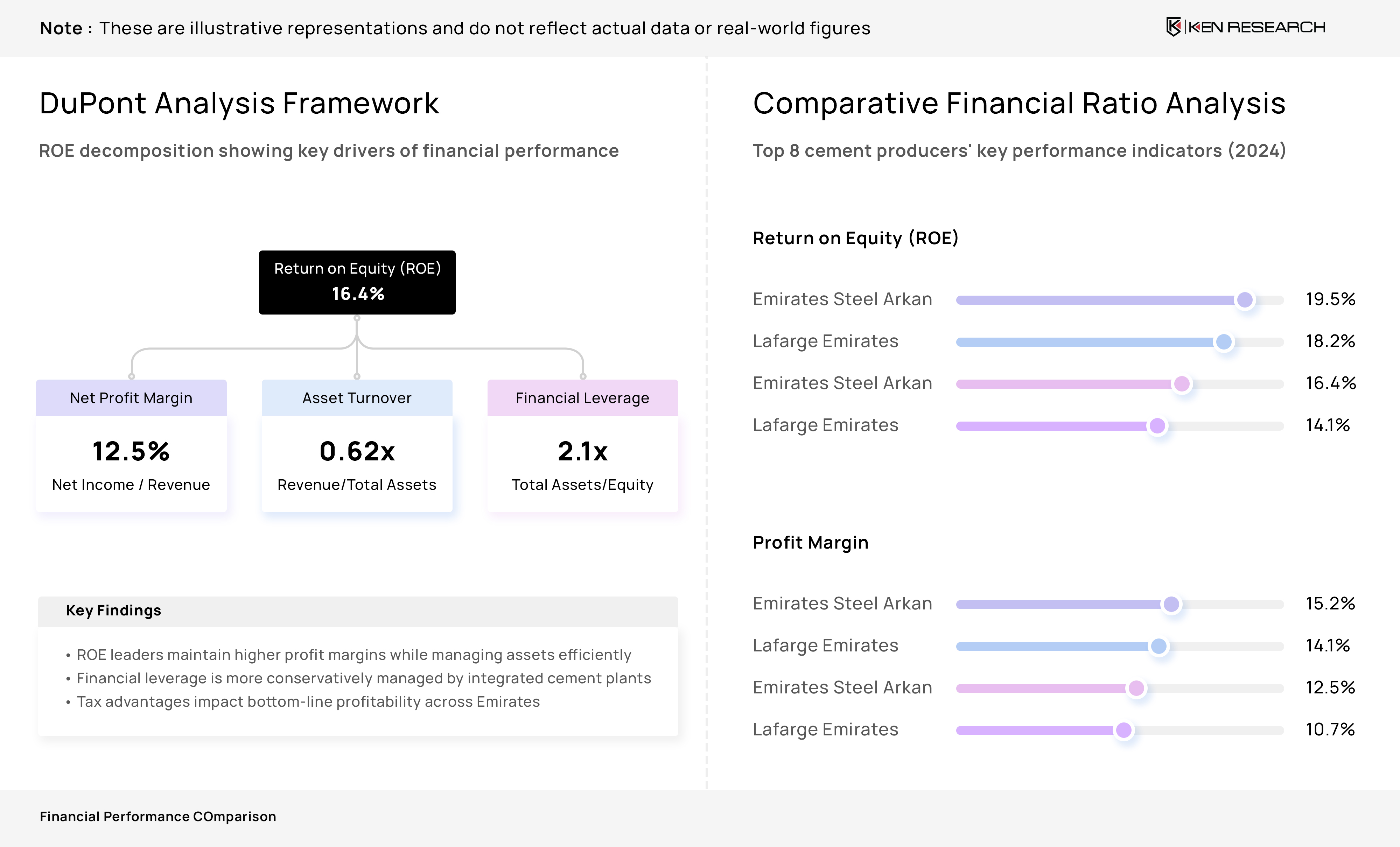
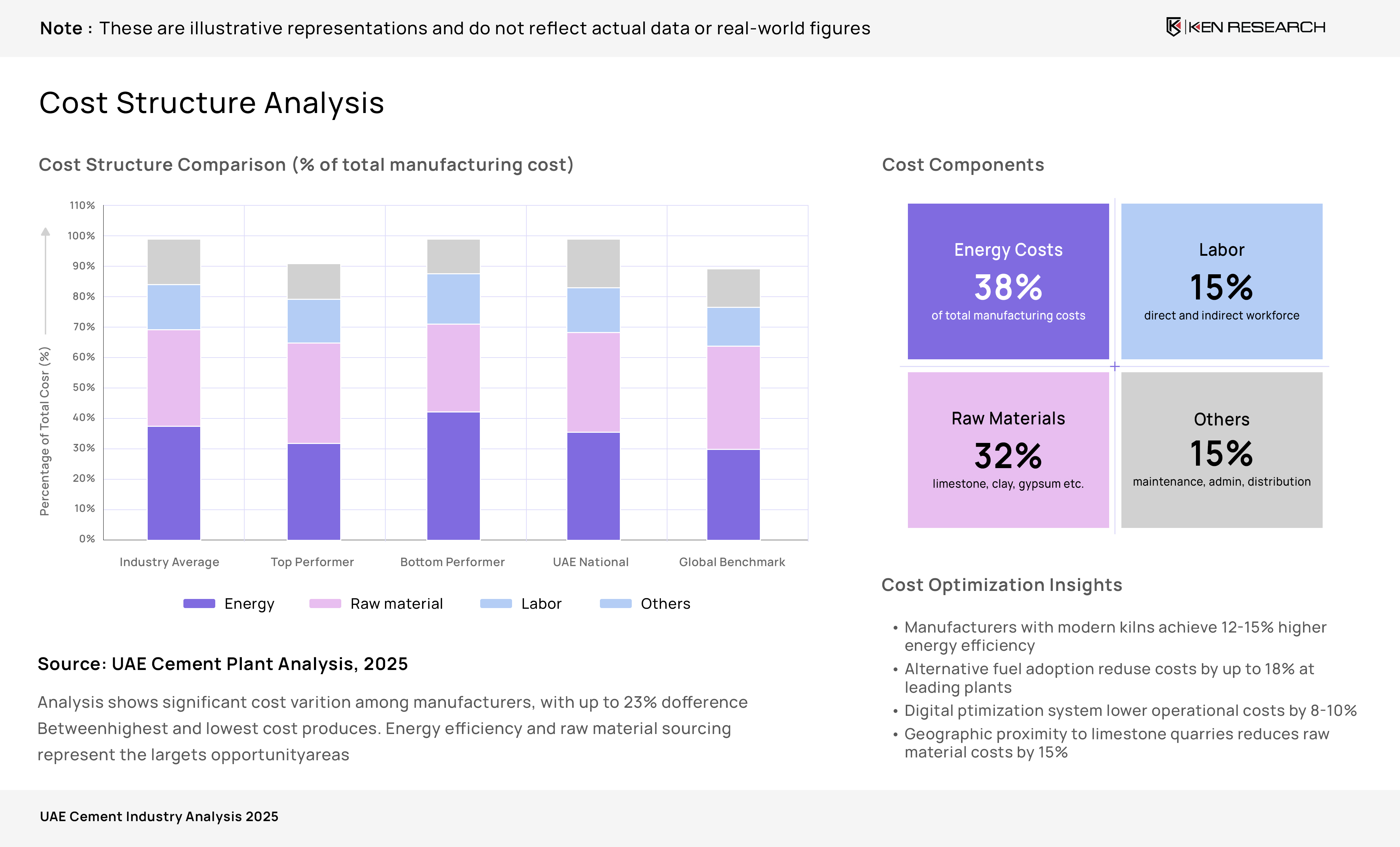
Financial benchmarking in this market becomes most meaningful when revenue, EBITDA, and PAT are interpreted alongside COGS intensity, because cost structures differ materially across merchant acquirers, wallets, gateways, orchestration platforms, bill-pay networks, and account-to-account infrastructure providers.
Growth and margin comparisons should therefore be read through operating-model context, since some players monetize transaction processing directly while others rely more on software, orchestration, billing workflows, partner distribution, or value-added services layered onto the payment stack.
Table of Contents
1. Ecosystem Matrix
1.1 Large Players
1.1.1 PayPal
1.1.2 Square
1.1.3 Stripe
1.1.4 Global Payments
1.1.5 Worldpay
1.1.6 Adyen
1.1.7 Cybersource
1.1.8 Fiserv
1.2 Medium Players
1.2.1 Shift4
1.2.2 Checkout.com
1.2.3 Paymentus
1.2.4 REPAY
1.2.5 Paysafe
1.2.6 ACI Worldwide
1.3 Small Players
1.3.1 BlueSnap
1.3.2 Stax
1.3.3 Authorize.net
1.3.4 Dwolla
2. Leading Player Profiles
2.1 Parameters
2.1.1 Company Name
2.1.2 Group Name
2.1.3 Headquarters
2.1.4 Established Year
2.1.5 Core Services
2.1.6 Mode of Functioning
3. Key Operational Performance Metrics
3.1 Total Payment Volume (USD Mn)
3.2 Pricing / Take Rate (%)
3.3 Transaction Count (Mn)
3.4 Active Merchant / Biller Accounts (000)
3.5 Average Ticket Size (USD)
3.6 Payment Acceptance Rate (%)
3.7 Cross-Border Payment Volume (USD Mn)
3.8 Recurring / Subscription Payment Volume (USD Mn)
3.9 Instant Payout / Settlement Volume (USD Mn)
4. Core Financial Performance Metrics
4.1 Parameters
4.1.1 Revenue (USD Mn)
4.1.2 Revenue Growth (%)
4.1.3 COGS (USD Mn)
4.1.4 COGS Growth (%)
4.1.5 EBITDA (USD Mn)
4.1.6 EBITDA Growth (%)
4.1.7 EBITDA Margin (%)
4.1.8 PAT (USD Mn)
4.1.9 PAT Margin (%)
5. Methodology
5.1 Approach
5.1.1 Desk Sources
5.1.2 Primary Interviews
5.1.3 Sanity Checking & Validation
5.2 Benchmarking Process
5.2.1 Data Collection
5.2.2 Primary Validation
5.2.3 Proxy KPI Modelling
5.2.4 Normalization & Indexing
5.2.5 Gap Analysis
5.2.6 Peer Review
5.3 Sample Composition
5.3.1 Scope Items
5.3.2 Sample Size
5.3.3 Target Respondents
Methodology
Ken Research will deploy its proprietary, multi layered research framework, combining robust secondary research, targeted primary outreach, and rigorous data validation, to deliver an authoritative competitive landscape analysis of the USA Digital Payment Solutions Market. The methodology will be tailored to the payment ecosystem, ensuring that proxy KPIs reflect the commercial realities of merchant acquiring, payment gateways, digital wallets, bill-pay networks, embedded payment platforms, and account-to-account payment infrastructure.
Desk Sources
- Industry reports, proprietary databases, and Ken Research archives
- Company annual reports, investor presentations, SEC filings, and earnings commentary
- Official company websites, product pages, API documentation, and solution brochures
- Government, regulatory, and trade association publications covering U.S. payments and fintech
- Trade magazines, fintech journals, market commentaries, and e-articles
- Financial databases and business intelligence platforms
- Web traffic, app usage, merchant technology intelligence, and ecosystem partner references
Primary Interviews
- CATIs and online surveys with key stakeholders
- Category heads, product leads, and payments strategy leaders at digital payment solution providers
- Senior sales, partnership, and commercial heads at leading players
- ISOs, payment facilitators, gateway partners, SaaS partners, and channel enablers
- Enterprise merchants, billers, ecommerce operators, and embedded payment users
- Industry analysts, payment consultants, and infrastructure specialists
- Technology providers for fraud, orchestration, payment acceptance, settlement, and digital analytics
Sanity Checking and Validation
- Triangulation: cross-verify estimates from secondary data, primary inputs, and proxy model outputs
- Proxy KPI synthesis: use related KPIs such as payment volume, merchant count, active billers, transaction intensity, acceptance rates, pricing, partner count, and recurring payment mix to approximate company scale and revenue contribution
- Outlier analysis: identify and reconcile anomalous data points through repeat validation and expert review
- Assumption tracking: maintain a clear log of benchmarking assumptions, limitations, and proxy KPI linkages
- Peer review: internal expert review of methodology, estimation logic, and benchmarking outputs before finalization
- Revenue bridge validation: reconcile operating KPIs with likely monetization pathways across cards, ACH, RTP, bill-pay, and software-linked payment flows
- Normalization checks: align public and proxy metrics onto a common comparable basis across public and private players
An Inside Look At Our Custom Insights
Take a look at ourcustomized insights, tailored to yourmarket and business needs. Our benchmarking reports deliver data-driven comparisons of key players, helping you uncover opportunities, assess performance, and make confident strategic decisions.