USA Fertilizer Distribution Market
Published on: January 2026
Report Overview
USA Fertilizer Distribution Market Overview
Market Highlights
The USA Fertilizer Distribution Market showcases a diverse competitive structure, where multinational corporations, regional manufacturers, and local firms each play pivotal roles. Multinationals leverage their extensive resources for efficiency, while regional players focus on tailored solutions that resonate with local agricultural practices, and local firms capitalize on agility and niche expertise to address specific market needs.
Innovation on a global scale is harmoniously integrated with localized strategies, as companies adapt advanced technologies to meet the unique demands of the U.S. agricultural landscape. This synergy fosters partnerships that enhance product offerings and ensure that innovations are relevant and effective in addressing regional challenges, thereby driving market growth.
The distribution and aftersales ecosystem is critical in enhancing customer satisfaction and operational efficiency. Strategic collaborations among manufacturers, distributors, and retailers facilitate streamlined supply chains, while robust aftersales support, including training and maintenance services, reinforces customer loyalty and operational reliability in a competitive marketplace.
Forward-looking strategies emphasize the importance of sustainability, technology integration, and cost management. Companies are increasingly adopting data-driven approaches to optimize their operations, enhance product lifecycle management, and foster innovation, ensuring they remain agile and competitive in a rapidly evolving market landscape.
Ecosystem Matrix
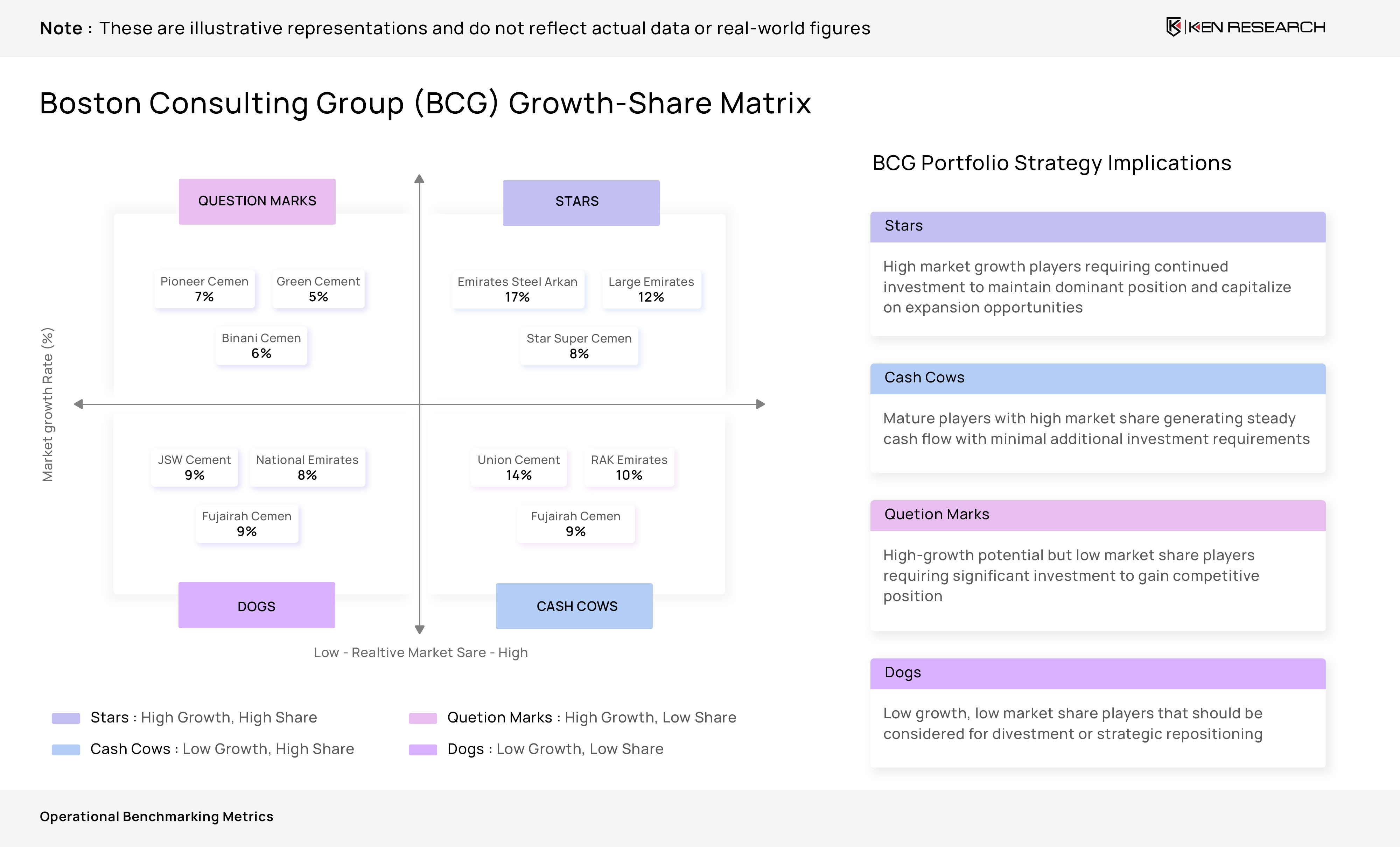
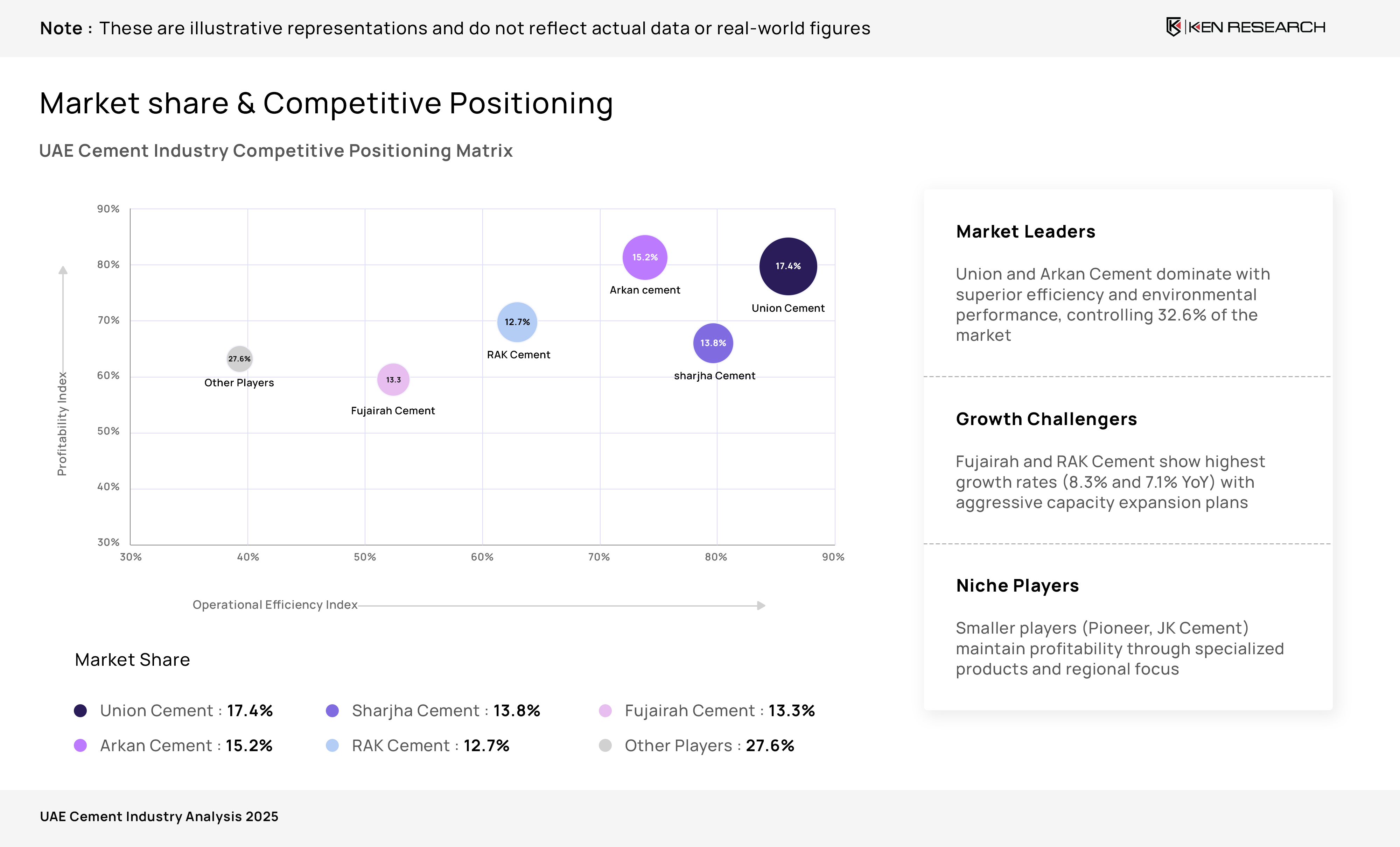
The market is structurally retail-led, where scale advantages are created through dense branch footprints, integrated agronomy services, and upstream procurement strength—driving stronger pricing discipline, faster inventory turns, and higher wallet share per grower across seasonal demand peaks.
Competitive differentiation is increasingly shaped by value-added distribution (custom blends, precision ag, advisory, application services) rather than commodity movement alone, making outlet network, blending capability, and service reliability key determinants of volume capture and margin stability.
Leading Player Profiles
Company Profile Overview
The leading set reflects a mix of national ag retailers and cooperative systems, indicating that distribution scale is achieved either through corporate branch networks or federated member-coop models—both enabling procurement leverage, localized service delivery, and resilient last-mile execution.
Competitive positioning is shaped by how distribution is bundled with agronomy capability (advisory + application + custom blends), which tends to increase per-acre penetration and reduce price-only competition, especially in regions where service quality and delivery reliability determine repeat purchasing
Key Operational Performance Metrics
Company Performance Overview
Unlock Market Insights
Dive deeper into production, distribution, and pricing intelligence.
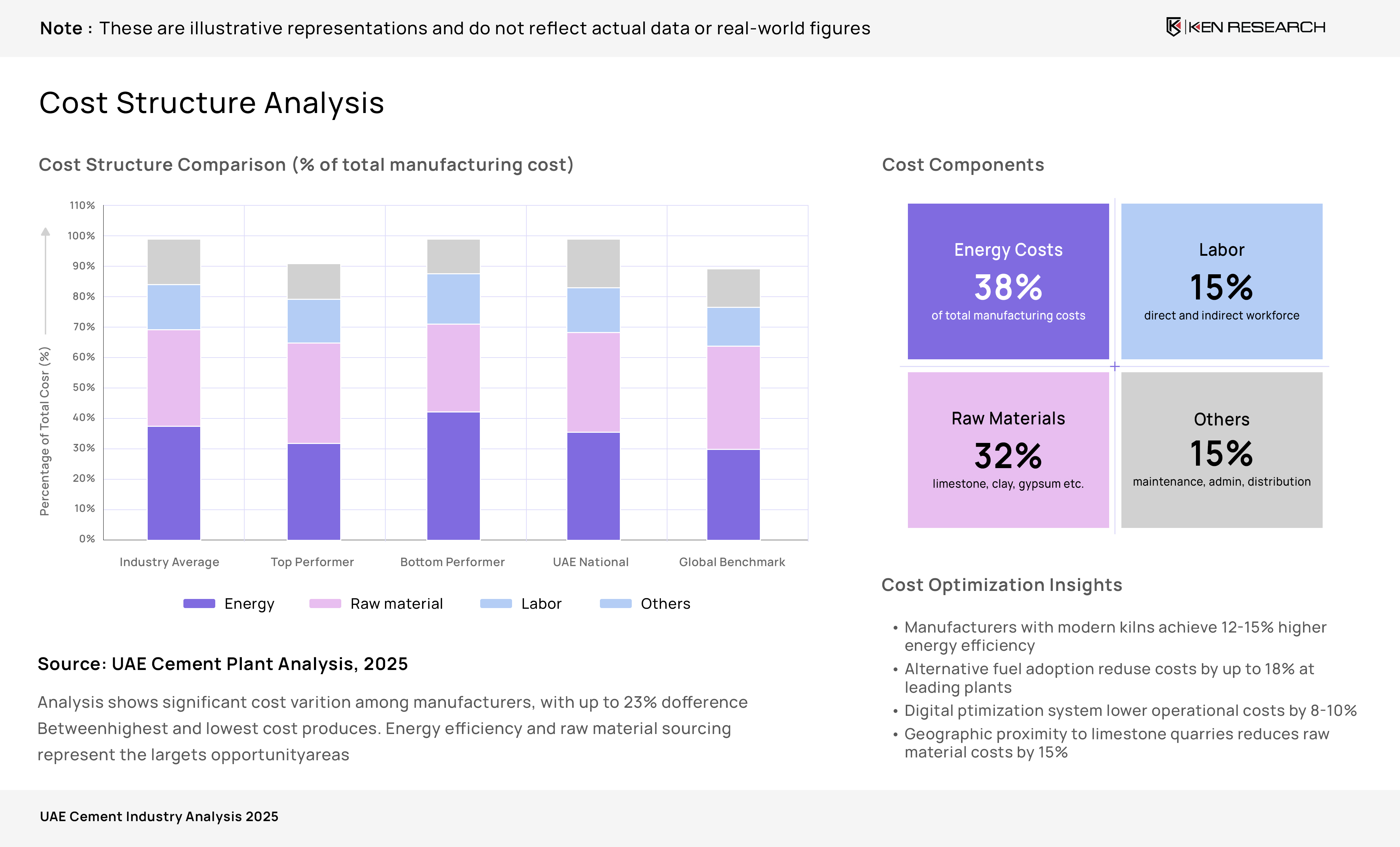
Get Customized ReportRevenue concentration typically tracks volume-throughput KPIs (branch density, blend capacity, storage, fleet) that determine seasonal fulfillment speed and the ability to lock contracted demand; firms with stronger infrastructure can monetize both product margin and service attach rates more consistently.
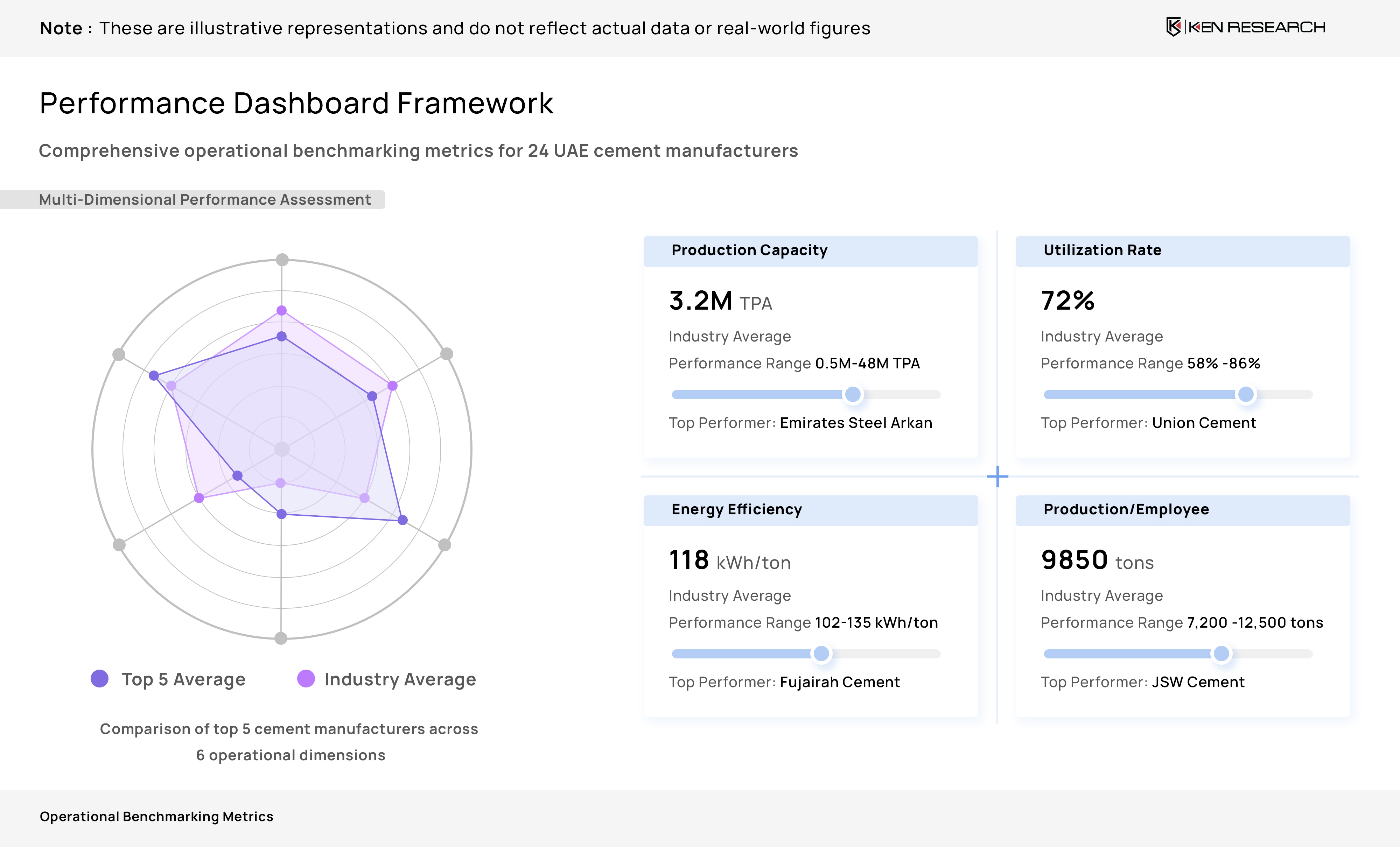
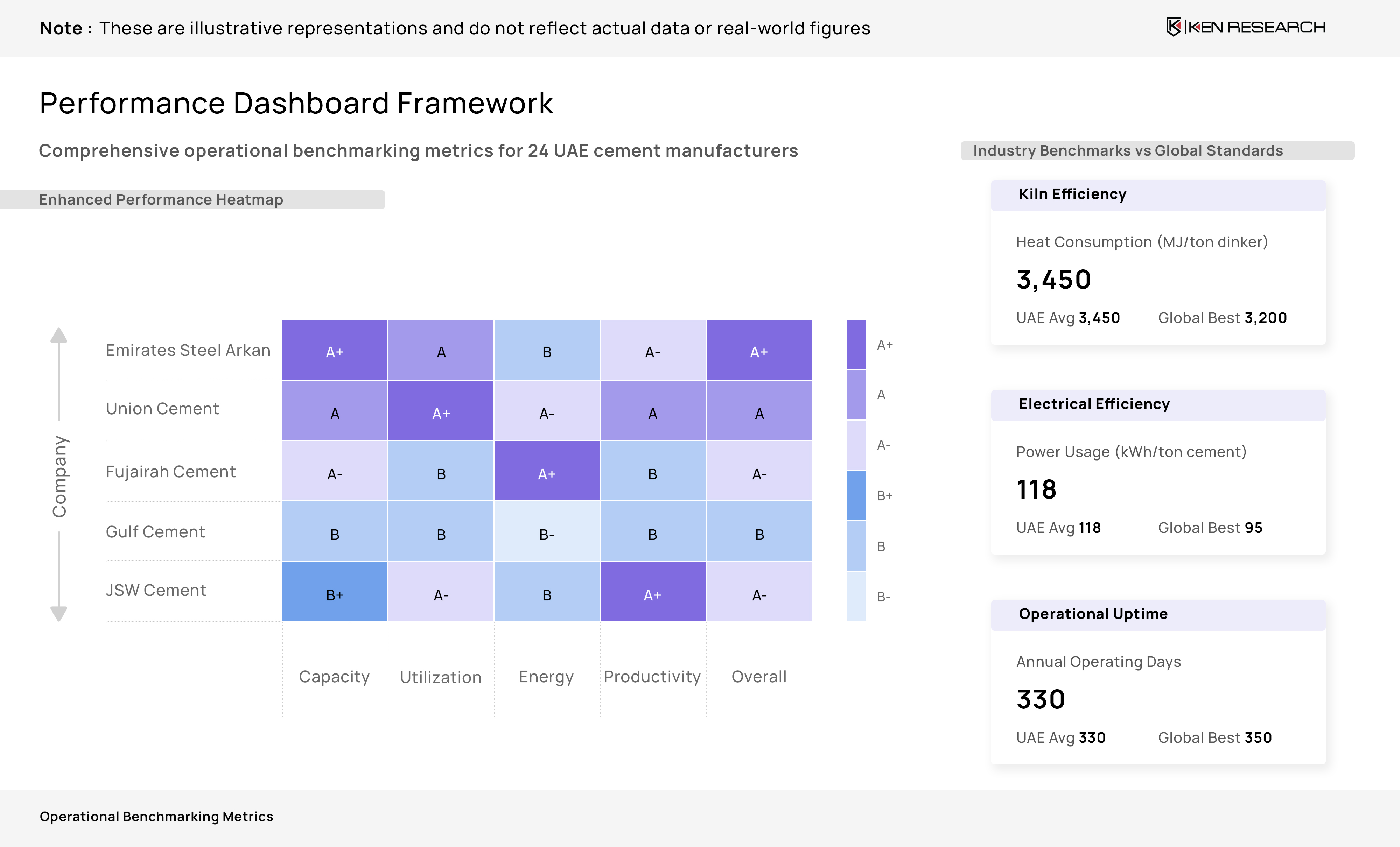
The KPI stack indicates that pricing and delivery reliability are central levers: tighter delivery performance supports premium service positioning, while optimized working capital and storage utilization improve the ability to offer competitive price points without margin erosion.
Core Financial Performance Metrics
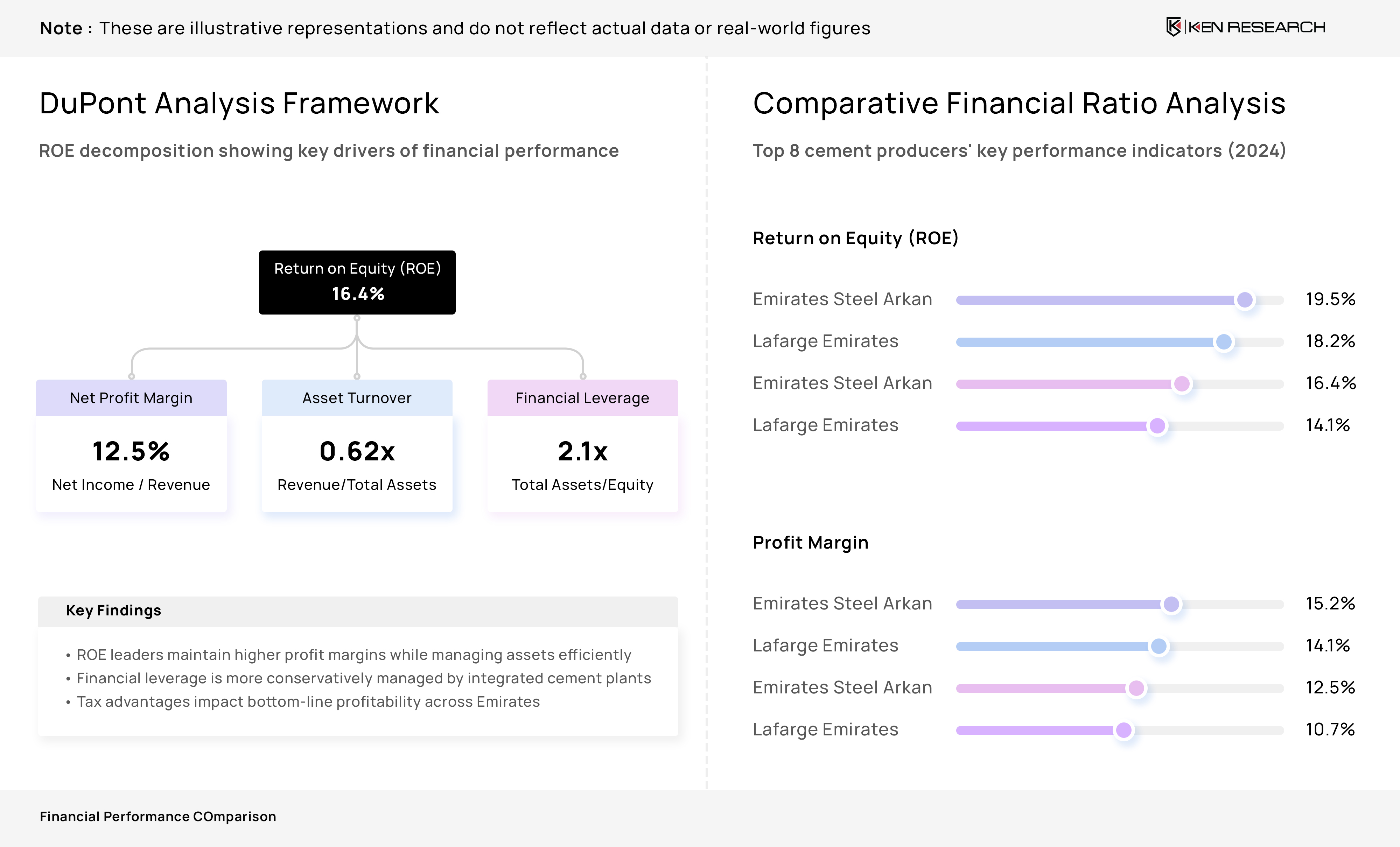
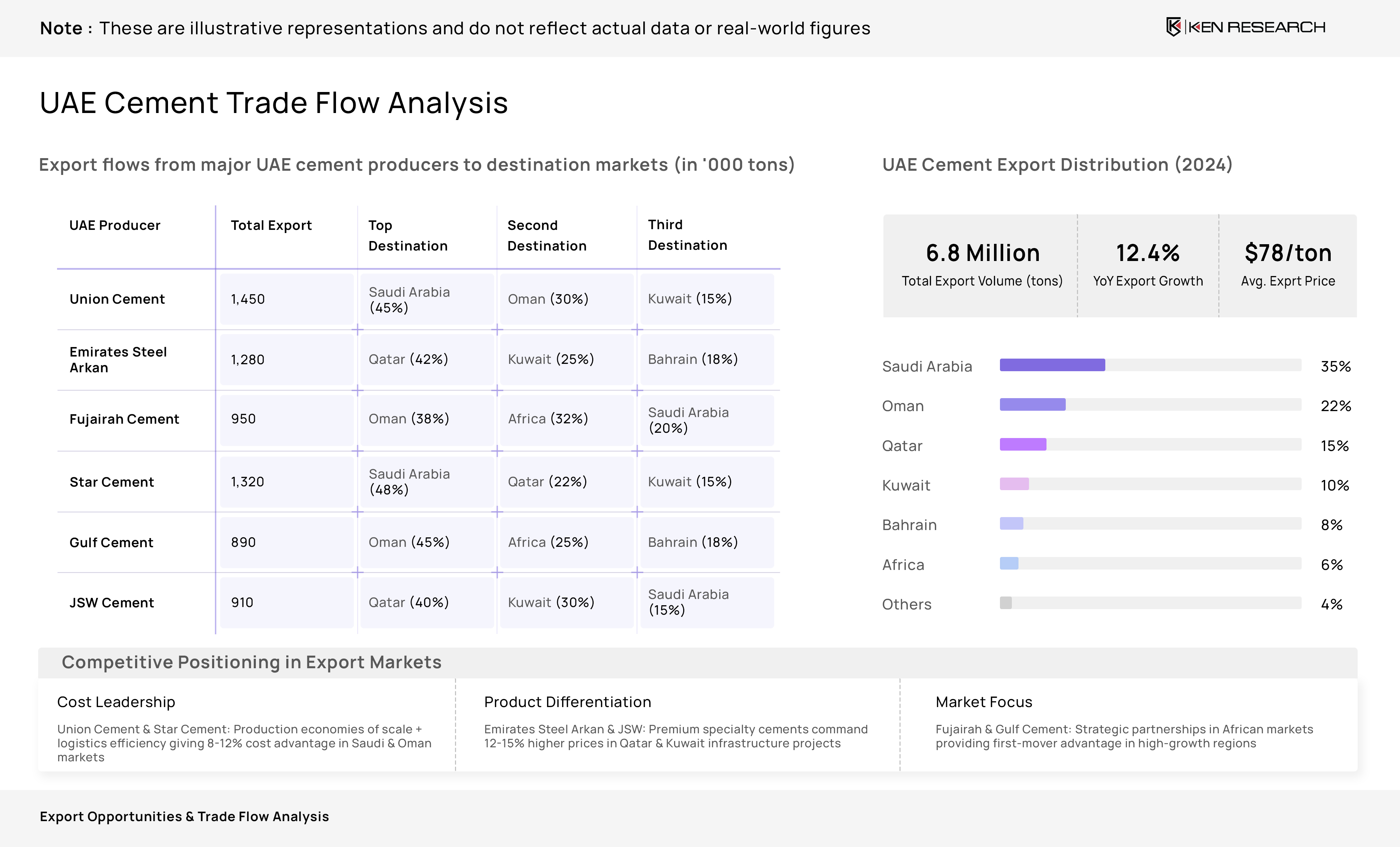
Financial benchmarking in this market is primarily explained by gross margin discipline and operating leverage, where higher throughput supports stronger EBITDA margins even when commodity price cycles compress percentage spreads.
Growth and profitability dispersion is typically driven by mix shift toward value-added services and tighter COGS control through procurement scale helping leading distributors sustain margins while competing aggressively on price.
Table of Contents
1. Ecosystem Matrix
1.1 Large Players
1.1.1
Nutrien Ag Solutions
1.1.2
Helena Agri-Enterprises
1.1.3
GROWMARK
1.1.4
CHS Inc.
1.1.5
WinField United
1.1.6
Wilbur-Ellis
1.1.7
Simplot Grower Solutions
1.1.8
Koch Agronomic Services
1.2
Medium Players
1.2.1
Southern States Cooperative
1.2.2
The Andersons
1.2.3
MFA Incorporated
1.2.4
NEW Cooperative
1.3.1
Agtegra Cooperative
1.3.2
Keystone Cooperative
1.3.3
The McGregor Company
2. Leading Player Profiles
2.1
Company Name
2.2
Group Name
2.3
Headquarters
2.4
Establishment Year
2.5
Mode of Functioning
2.6
Core Services
3. Key Operational Performance Metrics
3.1
Retail/Branch Network
(count)
3.2
Fertilizer Volume Sold
(tons)
3.3
Blend Plant Capacity
(tons/year)
3.4
Warehouse/Storage Capacity
(tons)
3.5
Delivery Fleet
(trucks, count)
3.6
Service Coverage
(states/counties)
3.7
Pricing
(USD/ton)
3.8
Avg Gross Margin
(USD/ton)
3.9
On-Time Delivery
(%)
3.10
Working Capital Days
(days)
4. Core Financial Performance Metrics
4.1 Parameters
4.1.1 Revenue (USD Mn)
4.1.2 Revenue Growth (%)
4.1.3 COGS (USD Mn)
4.1.4 COGS Growth (%)
4.1.5 EBITDA (USD Mn)
4.1.6 EBITDA Growth (%)
4.1.7 EBITDA Margin (%)
4.1.8 PAT (USD Mn)
4.1.9 PAT Margin (%)
5. Methodology
5.1 Approach
5.1.1 Desk Sources
5.1.2 Primary Interviews
5.1.3 Sanity Checking & Validation
5.2 Benchmarking Process
5.2.1 Data Collection
5.2.2 Primary Validation
5.2.3 Proxy KPI Modelling
5.2.4 Normalization & Indexing
5.2.5 Gap Analysis
5.2.6 Peer Review
5.3 Sample Composition
5.3.1 Scope Items
5.3.2 Sample Size
5.3.3 Target Respondents
Methodology
Ken Research will deploy its proprietary, multi-layered research framework—combining robust secondary research, targeted primary outreach, and rigorous data validation—to deliver an authoritative competitive landscape analysis of the USA Fertilizer Distribution Market.
Desk Sources:
- Industry reports (Proprietary databases, Ken Research archives)
- Government & trade association publications (USDA, industry bodies)
- Financial databases (Bloomberg, Capital IQ)
- Trade magazines, journals, and e-articles
- Web traffic & digital dashboards (SimilarWeb, App Annie)
Primary Interviews:
- CATIs and online surveys with key stakeholders
- Senior sales and marketing leaders at leading distributors
- Distributors and channel partners
- Technology and service providers for digital metrics
- Industry analysts and consultants
- Category managers / R&D heads of fertilizer manufacturers
Sanity Checking and Validation:
- Triangulation: Cross-verify estimates from secondary data, primary inputs, and proxy model outputs
- Proxy KPI synthesis: Use fertilizer volume sold, branch counts, storage capacity, blend plant capacity, and delivery fleet size to approximate revenues or capacities
- Outlier analysis: Identify and reconcile anomalous data points through follow-up discussions
- Assumption tracking: Maintain a structured log of all assumptions, data gaps, and proxy sources
- Peer review: Internal expert review of methodology, models, and outputs before finalization
An Inside Look At Our Custom Insights
Take a look at ourcustomized insights, tailored to yourmarket and business needs. Our benchmarking reports deliver data-driven comparisons of key players, helping you uncover opportunities, assess performance, and make confident strategic decisions.