United States Insurance Broking & Advisory Competition Benchmarking 2025: Insurer Partnerships, Customer Segments, Advisory Capabilities & Market Share
Published on: February 2026
Report Overview
USA InsuranceBrokingMarket Overview
Market Highlights
The USA insurance broking market is characterized by a highly layered competitive structure where global brokerage platforms, national consolidators, specialty wholesalers, and regionally entrenched firms coexist and compete across distinct client segments and risk categories. Large multinational brokers dominate complex commercial placements and advisory-led engagements, leveraging scale, global carrier relationships, and deep analytical capabilities. Mid-sized consolidators have emerged as a powerful competitive force by combining localized client relationships with centralized operating models, while smaller and regional brokers continue to defend niche verticals through specialization, relationship-driven servicing, and geographic intimacy.
Competitive differentiation in the market increasingly reflects a blend of global best practices and localized execution. While large platforms drive innovation through data-driven risk analytics, technology-enabled placement tools, and integrated benefits and risk offerings, regional and mid-tier brokers tailor service delivery to align with local regulatory nuances, industry concentration, and client risk appetites. This localization allows agile players to remain competitive despite scale disadvantages, particularly in specialized industries and middle-market accounts.
Distribution strength and aftersales capabilities play a defining role in sustaining competitiveness across the ecosystem. Brokerages with dense producer networks, strong carrier access, and responsive claims and renewal support consistently achieve higher client retention and wallet share. The ability to deliver consistent service quality across geographies, supported by standardized operating processes and digital touchpoints, has become a critical determinant of long-term client loyalty and brand credibility.
Strategically, operational efficiency, disciplined cost management, and technology integration differentiate performance across tiers. Larger brokers focus on productivity optimization, cross-sell expansion, and margin resilience, while mid-sized players prioritize integration efficiency and scalable growth following acquisitions. Smaller firms increasingly emphasize specialization, advisory depth, and service personalization to maintain relevance. Looking ahead, the interplay of consolidation, specialization, and technology adoption is expected to further intensify competition, shaping a market where strategic agility and execution excellence remain central to sustaining leadership in the USA insurance broking landscape.
Ecosystem Matrix
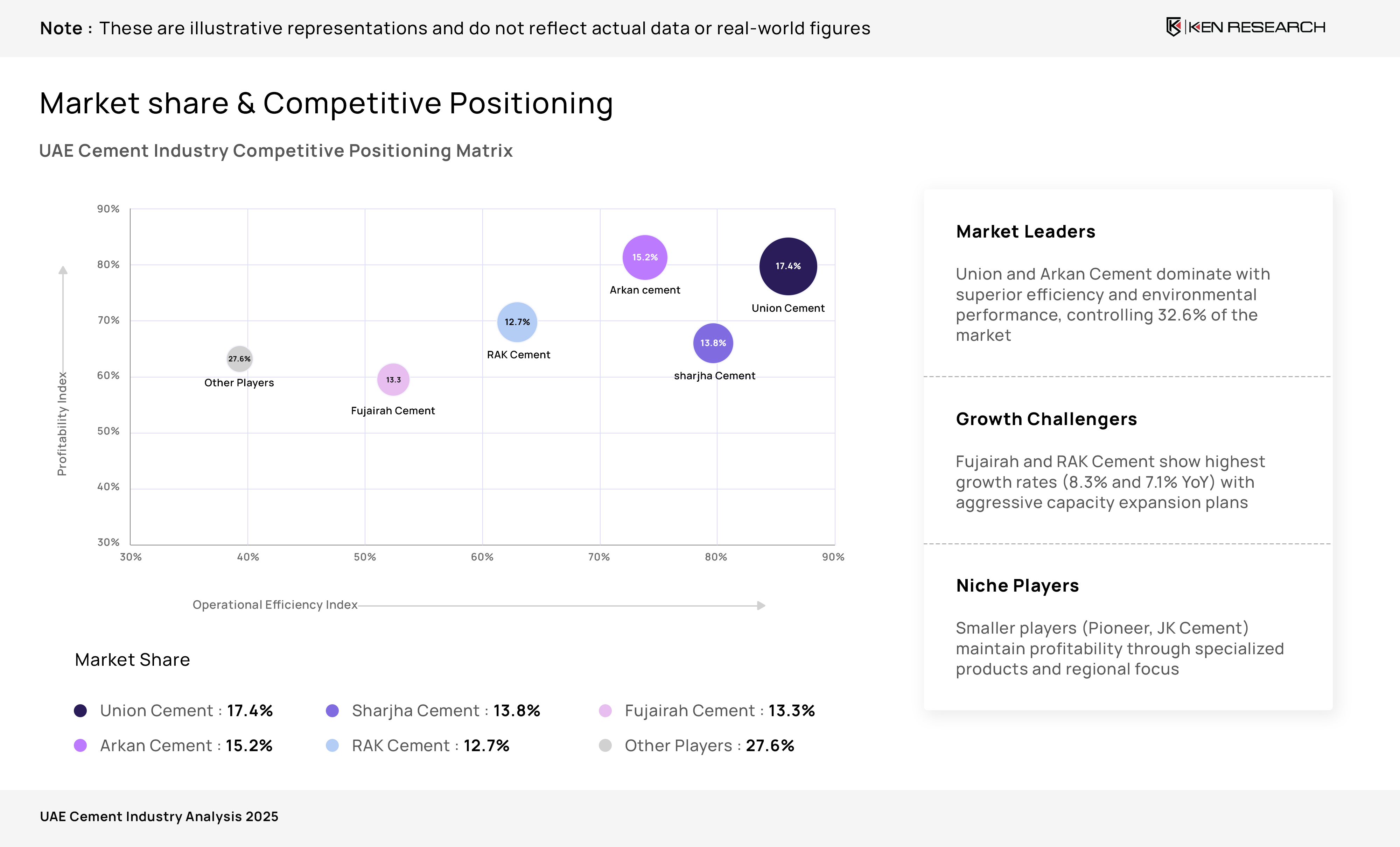
The US brokerage landscape is consolidating fast, with large platforms widening their lead through carrier leverage, specialty capability, and national servicing. Mid-sized consolidators are scaling via disciplined M&A, while smaller brokers compete by defending regional strongholds and vertical-specific advisory depth.
Competitive performance is increasingly decided by execution metrics like retention, conversion, pricing discipline, and producer productivity. Players investing in analytics, specialty placement, and cross-sell playbooks typically sustain stronger fee capture and margin resilience across cycles.
Leading Player Profiles
Company Profile Overview
The expanded set shows a clearer spectrum of operating models: global brokers, national consolidators, wholesale specialists, bank-owned platforms, and regional specialists. Competitive advantage is increasingly tied to specialty depth, carrier leverage, and the ability to bundle benefits plus P&C under one relationship.
Establishment years and headquarters also signal maturity and footprint strategy. Long-standing independents protect defensible niches and client trust, while newer platforms rely on acquisition velocity and integration discipline to scale producer productivity and retention-based recurring revenue.
Key Operational Performance Metrics
Company Performance Overview
Unlock Market Insights
Dive deeper into production, distribution, and pricing intelligence.
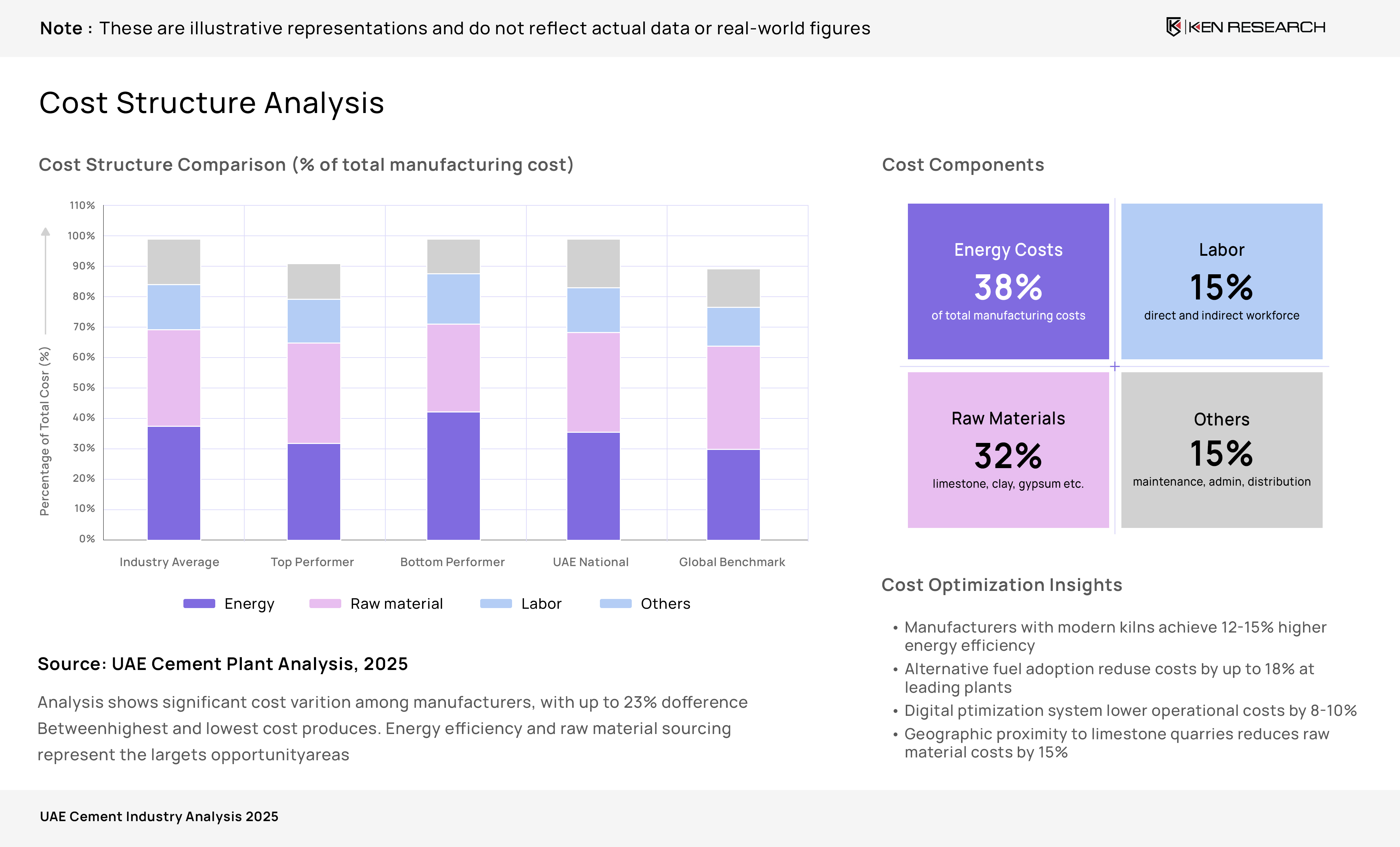
Get Customized ReportOperational benchmarking in US brokerage is primarily a throughput and conversion game. Premium placed, fee rate, pricing discipline, and quote-to-bind conversion form the core revenue engine, while retention and cross-sell determine how much revenue is protected and expanded without new acquisition cost.
Scale players typically lead on carrier appointments, placement speed, and producer productivity, while regionals can outperform on niche conversion and renewal stickiness. The best-performing platforms convert operational advantage into steadier growth and stronger margin stability.0
Core Financial Performance Metrics
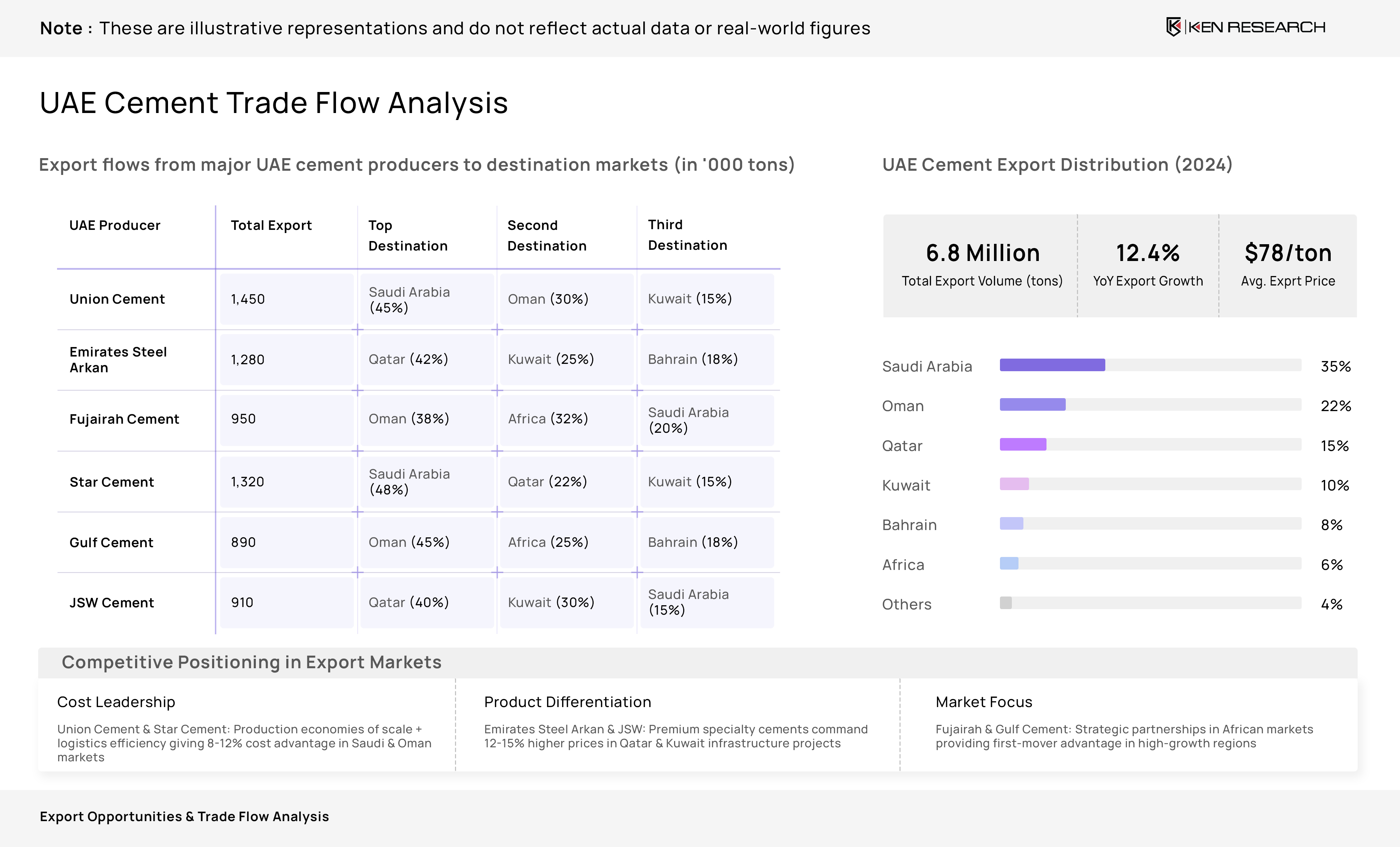
Financial comparison will separate firms with structurally higher margins from those still normalizing post-acquisition integration. Brokers with strong retention and cross-sell typically show healthier margin profiles because they protect recurring revenue and reduce volatility in new business production.
The market’s key profitability watchouts are integration cost drag and compensation structure. Firms that standardize delivery and improve productivity can expand EBITDA margins even when headline growth moderates.
Table of Contents
1. Ecosystem Matrix
1.1 Large Players
1.1.1 Marsh
1.1.2 Aon
1.1.3 Willis Towers Watson (WTW)
1.1.4 Arthur J. Gallagher & Co.
1.1.5 Brown & Brown
1.1.6 HUB International
1.1.7 Lockton
1.1.8 USI Insurance Services
1.1.9 Alliant Insurance Services
1.1.10 Acrisure
1.1.11 Gallagher Re
1.1.12 Aon Reinsurance
1.1.13 Marsh McLennan Agency (MMA)
1.2 Medium Players
1.2.1 Amwins
1.2.2 Ryan Specialty
1.2.3 NFP (Aon)
1.2.4 AssuredPartners
1.2.5 Risk Strategies
1.2.6 EPIC Insurance Brokers & Consultants
1.2.7 Truist Insurance Holdings
1.2.8 CBIZ Insurance Services
1.2.9 The Baldwin Group
1.2.10 World Insurance Associates
1.2.11 Navsav
1.2.12 Insurance Office of America (IOA)
1.3 Small Players
1.3.1 Heffernan Insurance Brokers
1.3.2 Holmes Murphy
1.3.3 PayneWest Insurance (Marsh McLennan Agency)
1.3.4 Woodruff Sawyer
1.3.5 Cavignac & Associates
1.3.6 Sterling Seacrest Pritchard
1.3.7 Barney & Barney (Marsh McLennan Agency)
1.3.8 Johnson Insurance Services
1.3.9 Kapnick Insurance Group
1.3.10 Fred C. Church
1.3.11 Oswald Companies
2. Leading Player Profiles
2.1 Parameters
2.1.1 Company Name
2.1.2 Group Name
2.1.3 Headquarters
2.1.4 Established Year
2.1.5 Core Services
2.1.6 Mode of Functioning
3. Key Operational Performance Metrics
3.1 Policies Placed (count)
3.2 Gross Written Premium Placed (USD Mn)
3.3 Average Commission or Fee Rate (%)
3.4 Pricing per Policy (USD)
3.5 Quote-to-Bind Conversion (%)
3.6 Client Accounts Managed (count)
3.7 Client Retention Rate (%)
3.8 Cross-Sell Ratio (products per client)
3.9 Producer Productivity (revenue per producer, USD Mn)
3.10 Carrier Appointments (count)
4. Core Financial Performance Metrics
4.1 Parameters
4.1.1 Revenue (USD Mn)
4.1.2 Revenue Growth (%)
4.1.3 COGS (USD Mn)
4.1.4 COGS Growth (%)
4.1.5 EBITDA (USD Mn)
4.1.6 EBITDA Growth (%)
4.1.7 EBITDA Margin (%)
4.1.8 PAT (USD Mn)
4.1.9 PAT Margin (%)
5. Methodology
5.1 Approach
5.1.1 Desk Sources
5.1.2 Primary Interviews
5.1.3 Sanity Checking & Validation
5.2 Benchmarking Process
5.2.1 Data Collection
5.2.2 Primary Validation
5.2.3 Proxy KPI Modelling
5.2.4 Normalization & Indexing
5.2.5 Gap Analysis
5.2.6 Peer Review
5.3 Sample Composition
5.3.1 Scope Items
5.3.2 Sample Size
5.3.3 Target Respondents
Methodology
Ken Research will deploy its proprietary, multi layered research framework combining robust secondary research, targeted primary outreach, and rigorous data validation to deliver an authoritative competitive landscape analysis of the USA Insurance Broking Market. The methodology is designed to ensure consistency across all benchmarking tables, accurate proxy KPI modeling, and strong triangulation across financial, operational, and strategic dimensions of insurance broking entities operating in the United States.
Desk Sources
- Industry reports from proprietary databases and Ken Research internal archives to establish historical benchmarks, competitive positioning, and market baselines across retail, wholesale, and specialty insurance broking segments
- Company annual reports, investor presentations, SEC filings, and statutory disclosures to extract revenue mix, commission structures, operating scale, and strategic priorities
- Government publications and trade association releases from bodies such as NAIC and industry councils to understand the regulatory environment, licensing norms, and compliance frameworks
- Trade magazines, journals, and sector-specific publications to track M&A activity, producer mobility, evolution of specialty lines, and pricing behavior
- Financial intelligence platforms including Bloomberg and Capital IQ to standardize peer-level financial ratios, profitability metrics, and growth comparisons
- Web traffic and digital analytics platforms such as SimilarWeb to assess digital reach, brand visibility, and demand signals across broker platforms
Primary Interviews
- CATI interviews and structured online discussions with senior leadership, practice heads, and category managers across large, medium, and regional insurance brokers
- In-depth conversations with sales leadership and senior producers to validate pricing discipline, conversion efficiency, and cross-sell dynamics
- Interviews with carriers, wholesalers, and distribution partners to validate placement power, appetite alignment, and renewal behavior
- Consultations with industry analysts, insurance consultants, and technology service providers to validate market structure, competitive differentiation, and operating model evolution
Sanity Checking and Validation
- Triangulation of all estimates by cross-verifying secondary research, primary inputs, and proxy-based model outputs
- Proxy KPI synthesis using indicators such as policies placed, premium throughput, producer count, carrier appointments, and digital engagement to approximate revenue and operating scale
- Outlier analysis to identify anomalous data points and reconcile them through targeted follow-up interviews
- Assumption tracking through a structured log documenting all modeling assumptions, proxy definitions, and limitations
- Internal peer review of methodology, KPI logic, and analytical outputs prior to final report finalization
An Inside Look At Our Custom Insights
Take a look at ourcustomized insights, tailored to yourmarket and business needs. Our benchmarking reports deliver data-driven comparisons of key players, helping you uncover opportunities, assess performance, and make confident strategic decisions.