USA Poultry Producers Market
Published on: November 2025
Report Overview
USA Poultry Producers Market
Market Highlights
The USA poultry producers market features a diverse competitive structure dominated by major integrated corporations, regionally scaled processors, and specialized niche producers. Large players drive industry direction through strong processing capacities and vertically integrated operations, while mid-sized and smaller producers compete through agility, regional relationships, and differentiated product positioning across retail and foodservice channels.
Industry competitiveness is shaped by the interplay between advanced technological capabilities and tailored operational strategies aligned with local consumer preferences. Leading producers integrate automated processing systems, data-driven farm management, and stringent biosecurity measures while adapting product varieties, packaging formats, and distribution practices to match evolving dietary preferences, sustainability expectations, and regional consumption patterns.
The distribution ecosystem is strengthened by established relationships with national retailers, wholesale distributors, QSR chains, and export channels. Aftersales support particularly reliability in supply, consistency in contract fulfilment, and responsive customer service significantly influences long-term partnerships, shaping brand preference and determining the stability of producers’ market reach across domestic and international demand clusters.
Strategic focus across the market increasingly centers on operational efficiency, supply-chain resilience, and sustainability-oriented production. Producers are enhancing cost management through feed optimization, waste reduction, and energy-efficient practices, while simultaneously investing in traceability, animal welfare standards, and digital monitoring systems to meet regulatory expectations and strengthen competitive positioning in a rapidly evolving industry environment.
Ecosystem Matrix
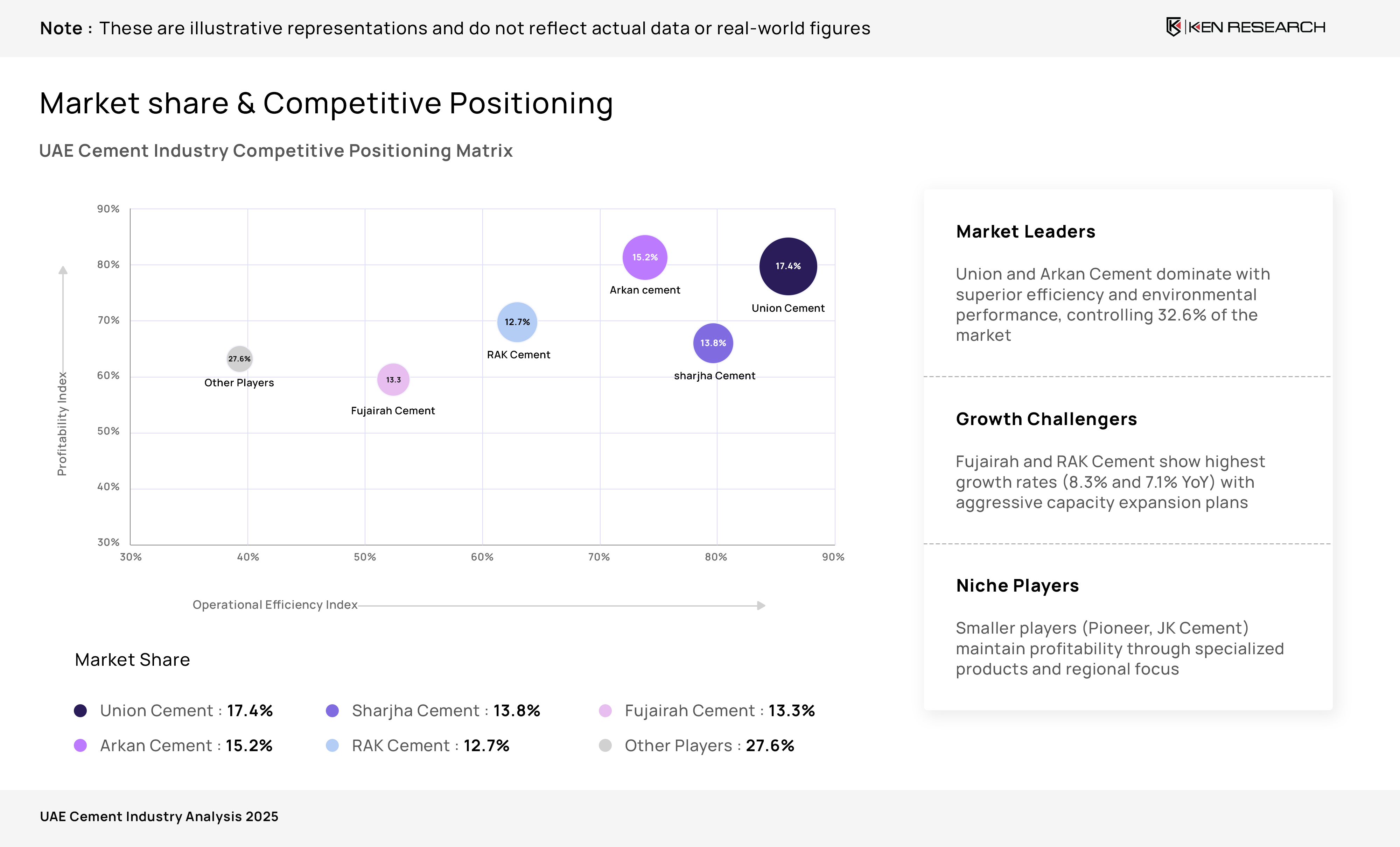
The USA poultry sector is dominated by a concentrated set of large players such as Tyson, Pilgrim’s Pride, and Perdue, which together control significant production and distribution networks, driving economies of scale and strong nationwide presence.
Medium and small-sized producers add diversity by catering to regional demand pockets, contract farming, and niche supply chains. This segmentation ensures resilience, with large producers setting industry standards and smaller players enabling market flexibility.
Leading Player Profiles
Company Profile Overview
he leading players demonstrate diverse ownership models—ranging from multinational-backed groups like JBS USA to family-owned integrators like Perdue and Miller Poultry—ensuring strategic balance across scale, innovation, and consumer trust.
Vertically integrated models dominate, supporting control over supply chains, cost efficiencies, and capacity to meet fluctuating demand while safeguarding profitability and food safety standards.
Key Operational Performance Metrics
Company Performance Overview
Unlock Market Insights
Dive deeper into production, distribution, and pricing intelligence.
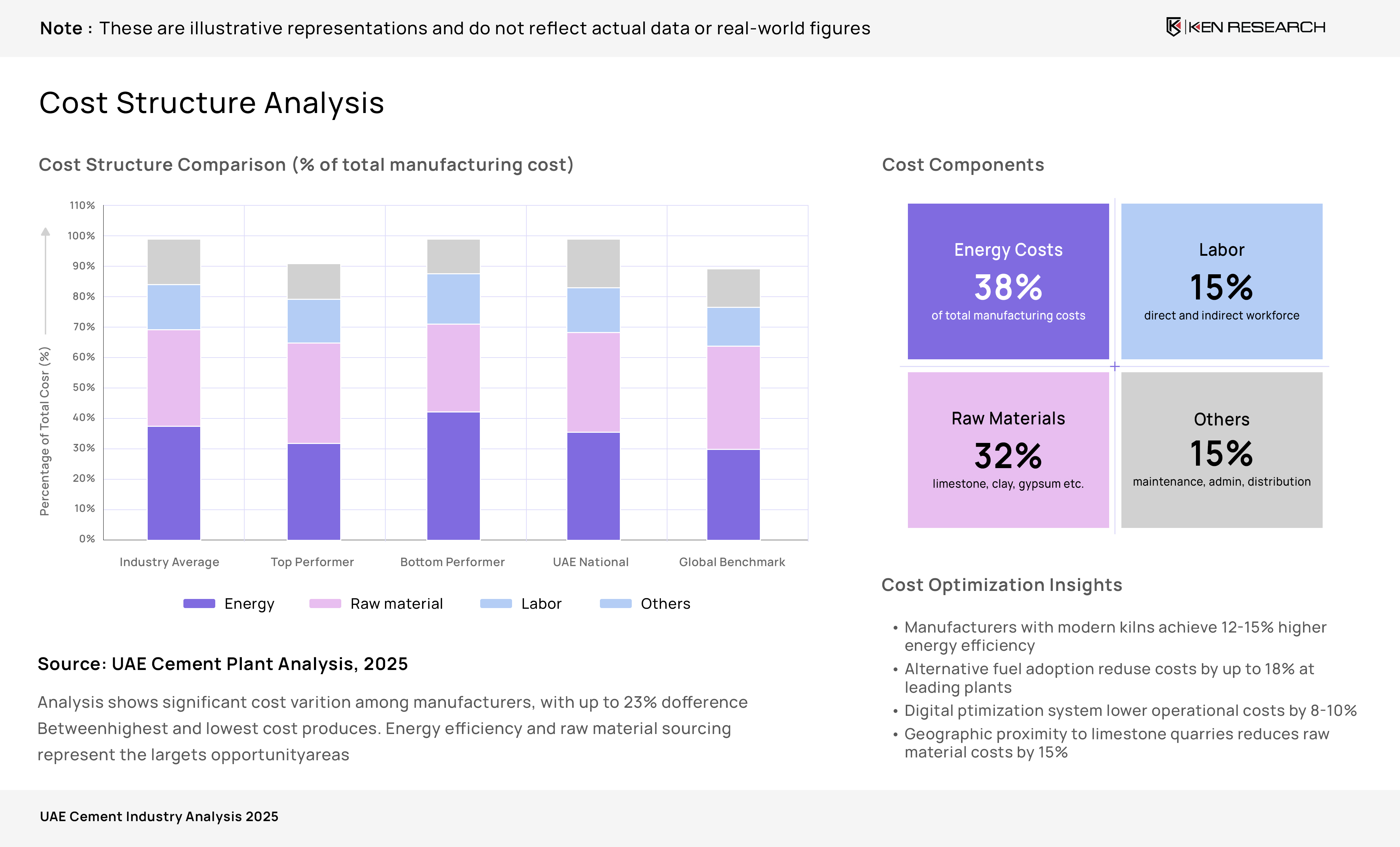
Get Customized ReportOperational benchmarks such as processing plants, capacity, and pricing drive competitive advantage. Large players achieve efficiency through integrated infrastructure, while small players focus on niche markets and differentiated pricing strategies.
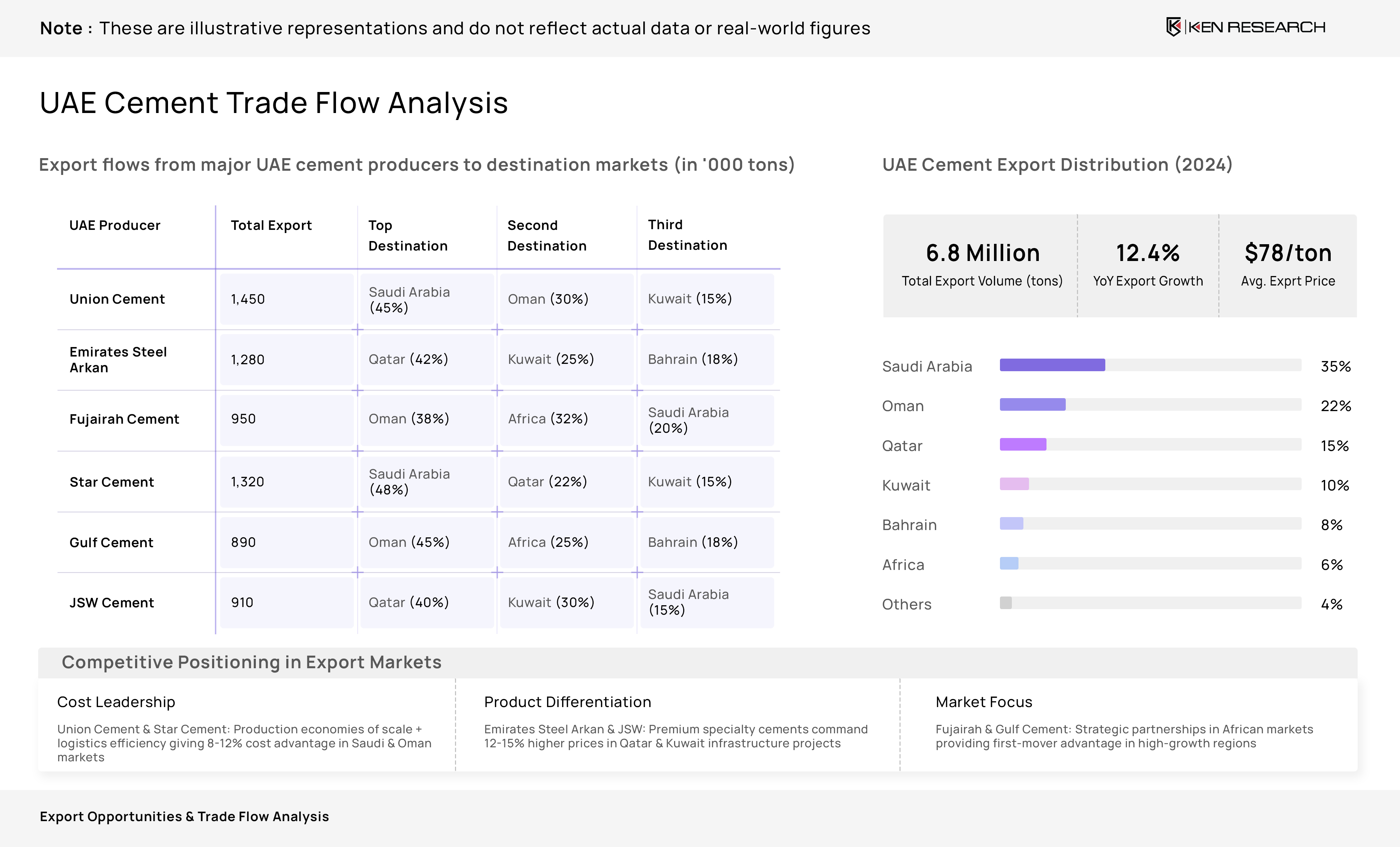
Export orientation and distribution coverage further define success, with companies like Tyson and Pilgrim’s Pride leveraging global linkages, while regionals emphasize local presence and specialty offerings.
Core Financial Performance Metrics
Financial strength highlights the dominance of Tyson and Pilgrim’s Pride, which consistently outperform smaller rivals through economies of scale.
Mid-tier players like Mountaire and Wayne Farms showcase stable EBITDA margins, balancing costs and efficiency, while niche firms sustain profitability via specialized product segments and lean operational models.
Table of Contents
1. Ecosystem Matrix
1.1 Large Players
1.1.1 Tyson Foods
1.1.2 Pilgrim’s Pride
1.1.3 Perdue Farms
1.1.4 Sanderson Farms
1.1.5 Foster Farms
1.1.6 Koch Foods
1.2 Medium Players
1.2.1 Wayne Farms
1.2.2 Mountaire Farms
1.2.3 House of Raeford Farms
1.2.4 George’s Inc.
1.2.5 Fieldale Farms
1.2.6 Peco Foods
1.3 Small Players
1.3.1 Allen Harim Foods
1.3.2 Mar-Jac Poultry
1.3.3 Case Farms
1.3.4 Claxton Poultry
1.3.5 O.K. Foods
1.3.6 Miller Poultry
2. Leading Player Profiles
2.1 Parameters
2.1.1 Company Name
2.1.2 Group Name
2.1.3 Headquarters
2.1.4 Established Year
2.1.5 Core Business Segment
2.1.6 Mode of Functioning
3. Key Operational Performance Metrics
3.1 Parameters
3.1.1 Production Capacity (MT/year)
3.1.2 Number of Farms (Units)
3.1.3 Processing Plants (Units)
3.1.4 Distribution Coverage (Regions/States)
3.1.5 Export Share (%)
3.1.6 Product Range (SKUs)
3.1.7 Pricing (USD/kg)
3.1.8 Average Revenue per Bird (USD/bird)
3.1.9 Return/Churn Rate (%)
4. Core Financial Performance Metrics
4.1 Parameters
4.1.1 Company Name
4.1.2 Group Name
4.1.3 Revenue ( USD B n)
4.1.4 Revenue Growth (%)
4.1.5 COGS (USD Bn)
4.1.6 COGS Growth (%)
4.1.7 EBITDA (USD Bn)
4.1.8 EBITDA Growth (%)
4.1.9 EBITDA Margin (%)
4.1.10 PAT (USD Bn)
4.1.11 PAT Margin (%)
5. Methodology
5.1 Approach
5.1.1 Desk Sources
5.1.2 Primary Interviews
5.1.3 Sanity Checking & Validation
5.2 Benchmarking Process
5.2.1 Data Collection
5.2.2 Primary Validation
5.2.3 Proxy KPI Modelling
5.2.4 Normalization & Indexing
5.2.5 Gap Analysis
5.2.6 Peer Review
5.3 Sample Composition
5.3.1 Scope Items
5.3.2 Sample Size
5.3.3 Target Respondents
Methodology
Ken Research will deploy its proprietary, multi-layered research framework—combining robust secondary research, targeted primary outreach, and rigorous data validation—to deliver an authoritative competitive landscape analysis of the USA poultry producers market.
Desk Sources
- Industry reports: Ken Research proprietary databases, USDA reports, National Chicken Council publications
- Company annual reports & investor presentations (Tyson Foods, Pilgrim’s Pride, Perdue Farms, Sanderson Farms, Koch Foods, Foster Farms, etc.)
- Government & trade association publications (USDA ERS, USDA NASS, US Poultry & Egg Association, National Turkey Federation)
- Trade magazines, journals, and e-articles (WATT Poultry, Feedstuffs, Poultry USA, The Poultry Site)
- Financial databases (Bloomberg, Capital IQ, FactSet, SEC Filings – 10-K & 10-Q)
- Digital intelligence tools (SimilarWeb, Statista, Comscore, mobile app downloads, B2B portal usage)
Primary Interviews
- CATIs and online surveys with key industry stakeholders
- Category managers and R&D heads of poultry producers
- Senior sales and marketing leads at leading poultry processing companies
- Distributors, cold chain partners, and logistics service providers
- Industry consultants and analysts specializing in protein and livestock markets
- Technology and digital service providers for market intelligence metrics
Sanity Checking & Validation
- Triangulation: Cross-verifying estimates from desk research, primary inputs, and proxy KPI models
- Proxy KPI synthesis: Using slaughter capacity, feed mill tonnage, hatchery output, live bird placement, export tonnage, etc., to approximate revenue and production volumes
- Outlier analysis: Identifying abnormal data points and resolving discrepancies through follow-up interviews
- Assumption tracking: Documenting all benchmarking assumptions, limitations, and proxy data sources
- Peer review: Internal expert review of methodology, models, assumptions, and final outputs
An Inside Look At Our Custom Insights
Take a look at ourcustomized insights, tailored to yourmarket and business needs. Our benchmarking reports deliver data-driven comparisons of key players, helping you uncover opportunities, assess performance, and make confident strategic decisions.