Vietnam Edible Oil Market
Published on: December 2025
Report Overview
Vietnam Edible Oil Market Overview
Market Highlights
The Vietnam Edible Oil Market showcases a diverse competitive structure, where multinational corporations, regional manufacturers, and local firms engage in a dynamic interplay. Multinationals leverage their extensive resources for efficiency, while regional players focus on tailored offerings that resonate with local consumer preferences, and local firms capitalize on agility and niche markets.
Innovation from global players is seamlessly integrated with localized strategies, as companies adapt their product formulations and marketing approaches to align with Vietnamese culinary traditions and health trends. This synergy fosters a unique ecosystem where international best practices meet local insights, enhancing overall market responsiveness.
The distribution and aftersales landscape is critical, with a network of wholesalers, retailers, and online platforms ensuring broad accessibility. Strong partnerships among manufacturers, distributors, and retailers enhance service delivery, while aftersales support, including customer education and product guidance, strengthens brand loyalty and consumer trust.
Strategic business initiatives emphasize cost management, technology integration, and sustainability, driving competitive advantage. Companies are increasingly adopting eco-friendly practices and innovative technologies to streamline operations, reduce waste, and meet evolving consumer expectations, positioning themselves for future growth in a rapidly changing market environment.
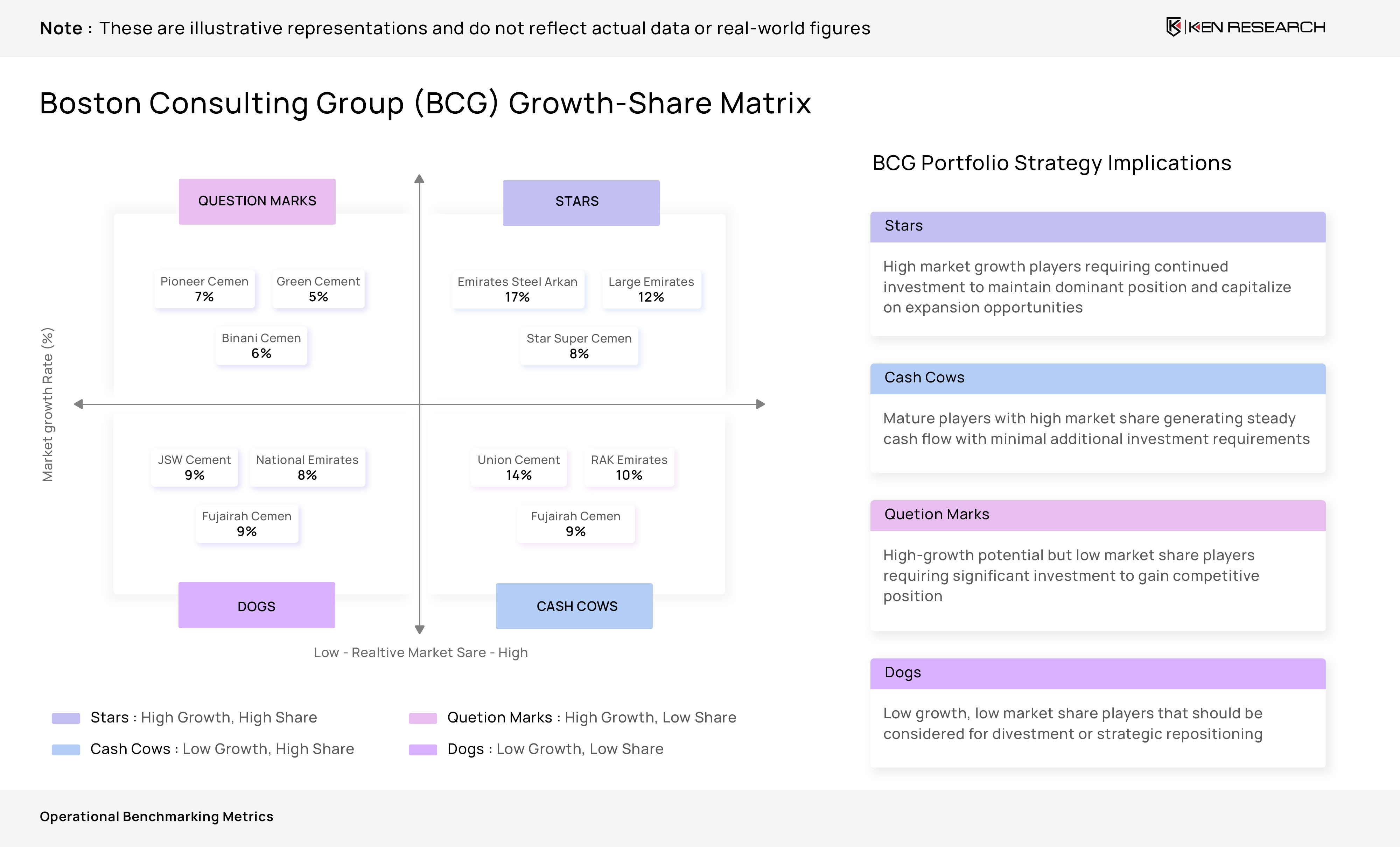
Ecosystem Matrix
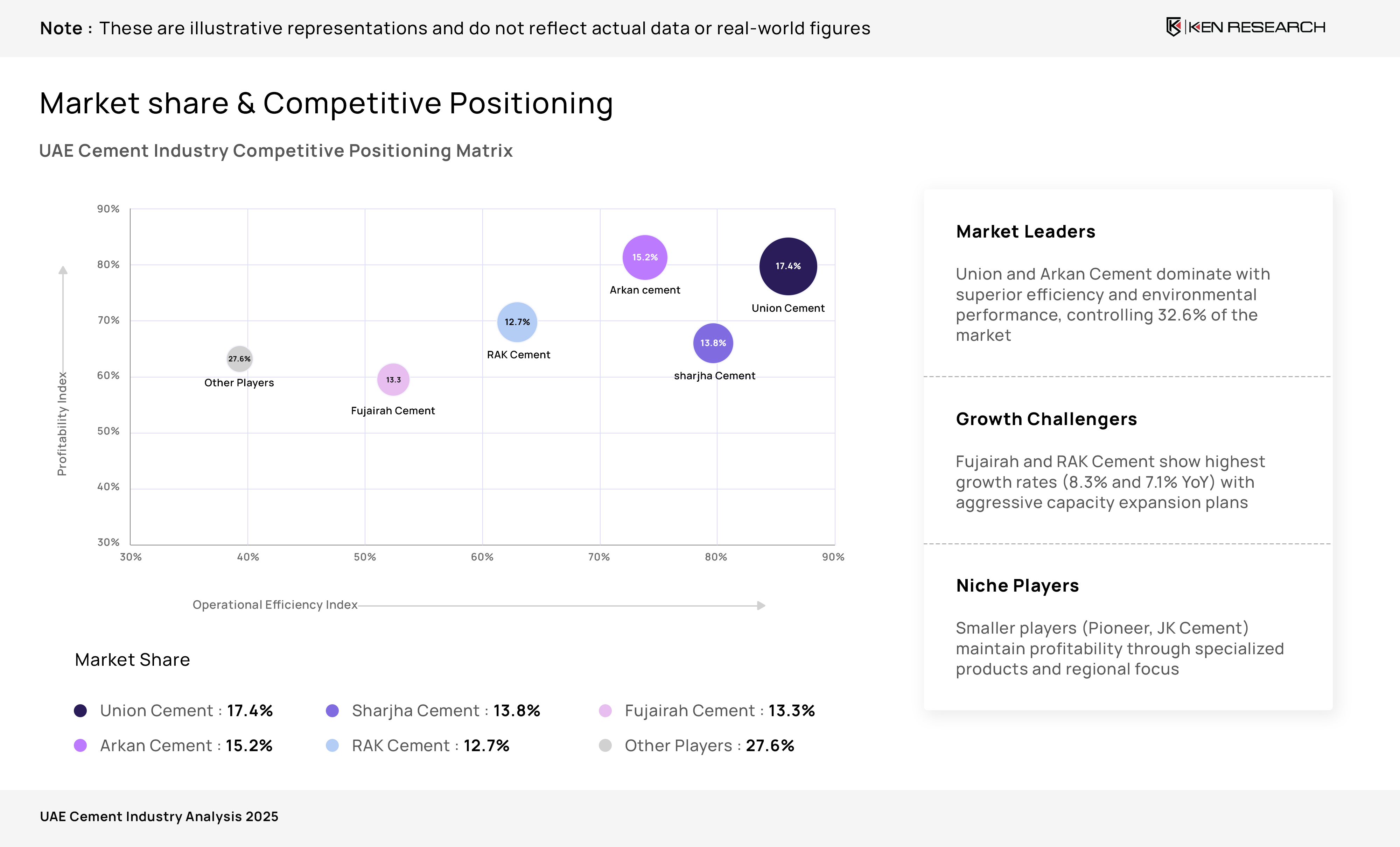
The Vietnam edible oil market is dominated by a concentrated set of large integrated producers such as Calofic and Tuong An, backed by strong distribution and brand portfolios that ensure mass consumer reach.
Medium and small-sized players maintain relevance by targeting regional demand pockets, niche oils, and value-for-money segments, but face intense price-based competition against dominant conglomerates.
Leading Player Profiles
Company Profile Overview
Integrated companies such as Calofic, Cai Lan, and Golden Hope Nha Be dominate market share through ownership of refining, packaging, and wide distribution channels.
Medium and small enterprises often operate semi-integrated models, focusing on select oils and leveraging regional demand for affordability and proximity.
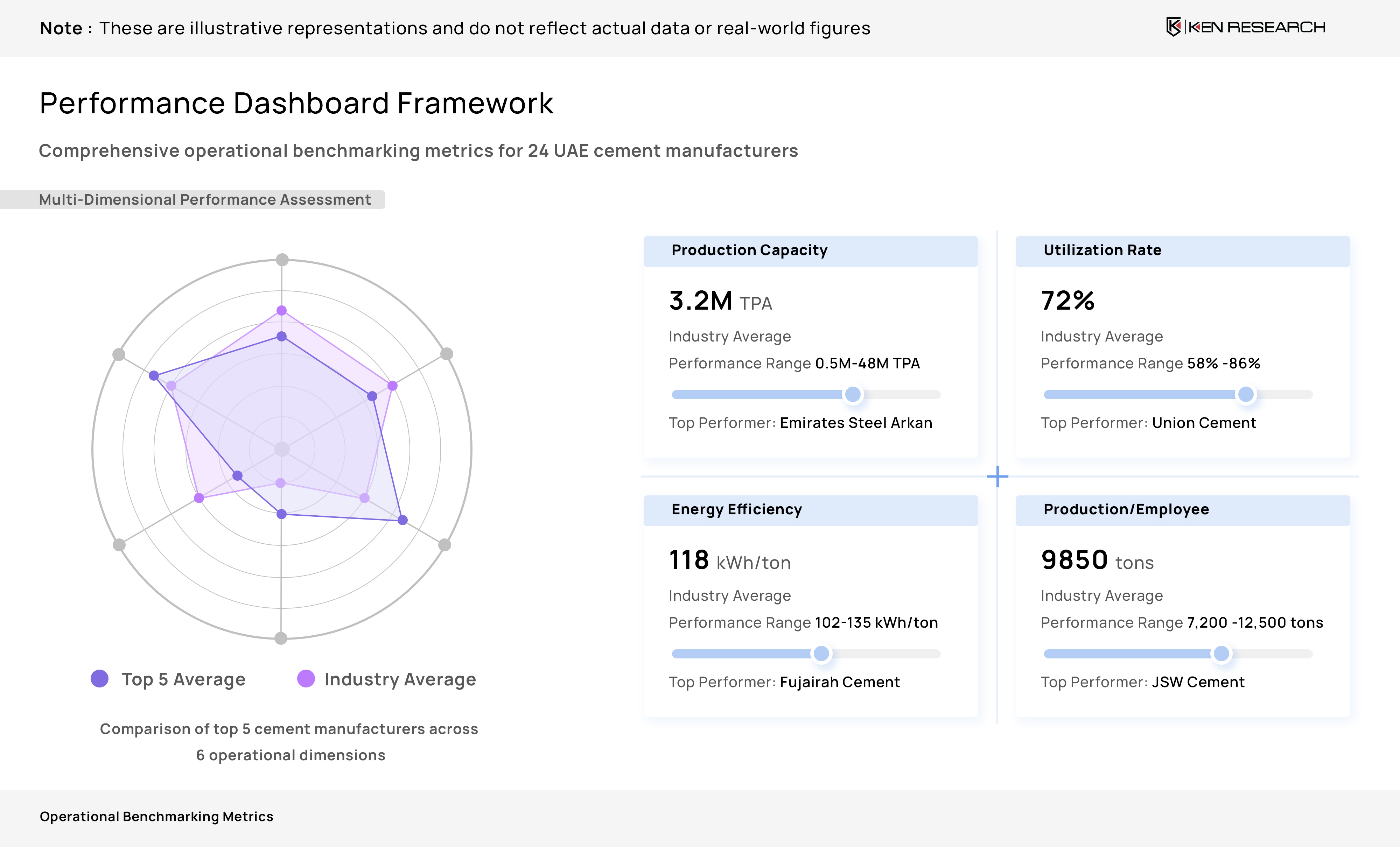
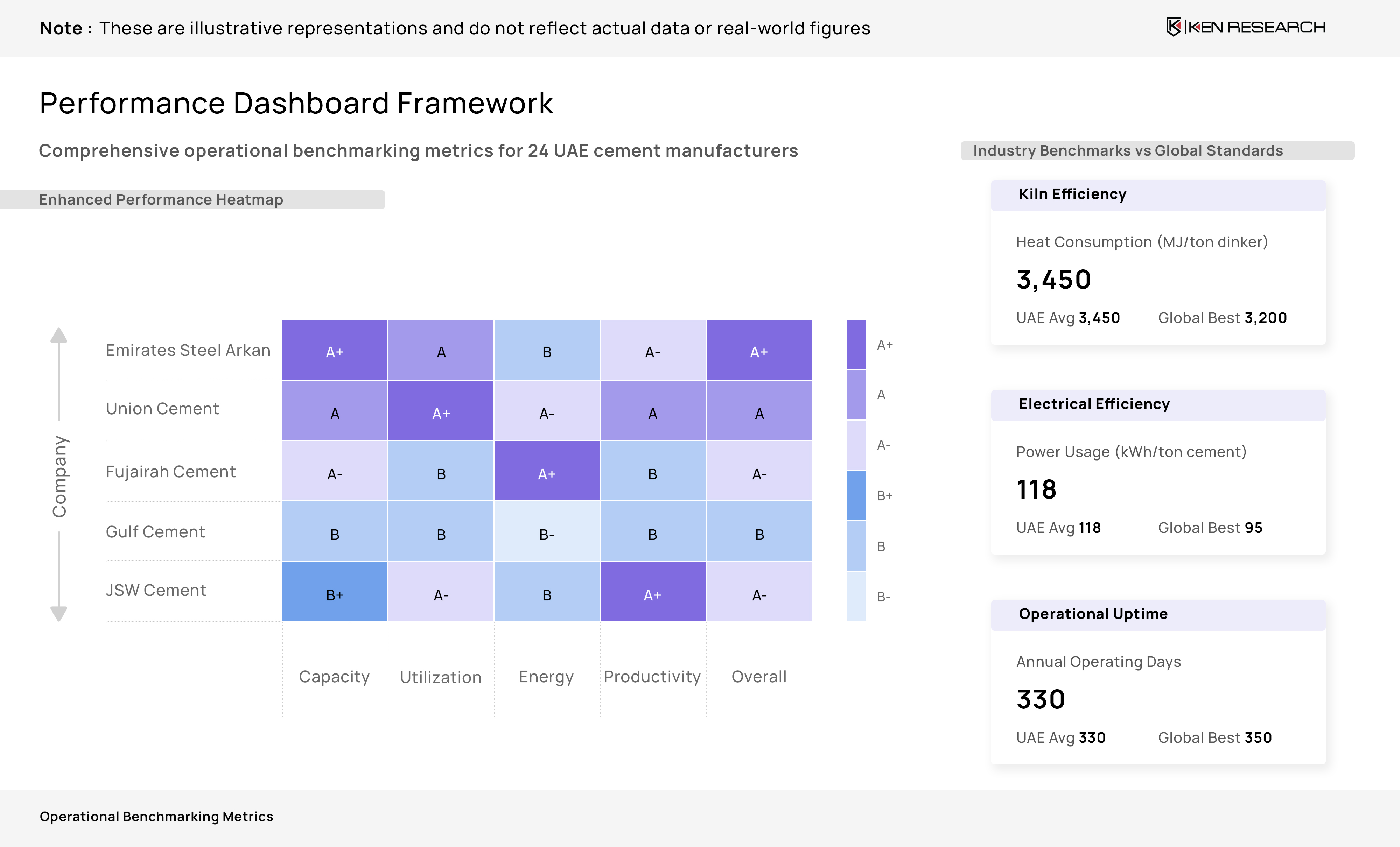
Key Operational Performance Metrics
Company Performance Overview
Unlock Market Insights
Dive deeper into production, distribution, and pricing intelligence.
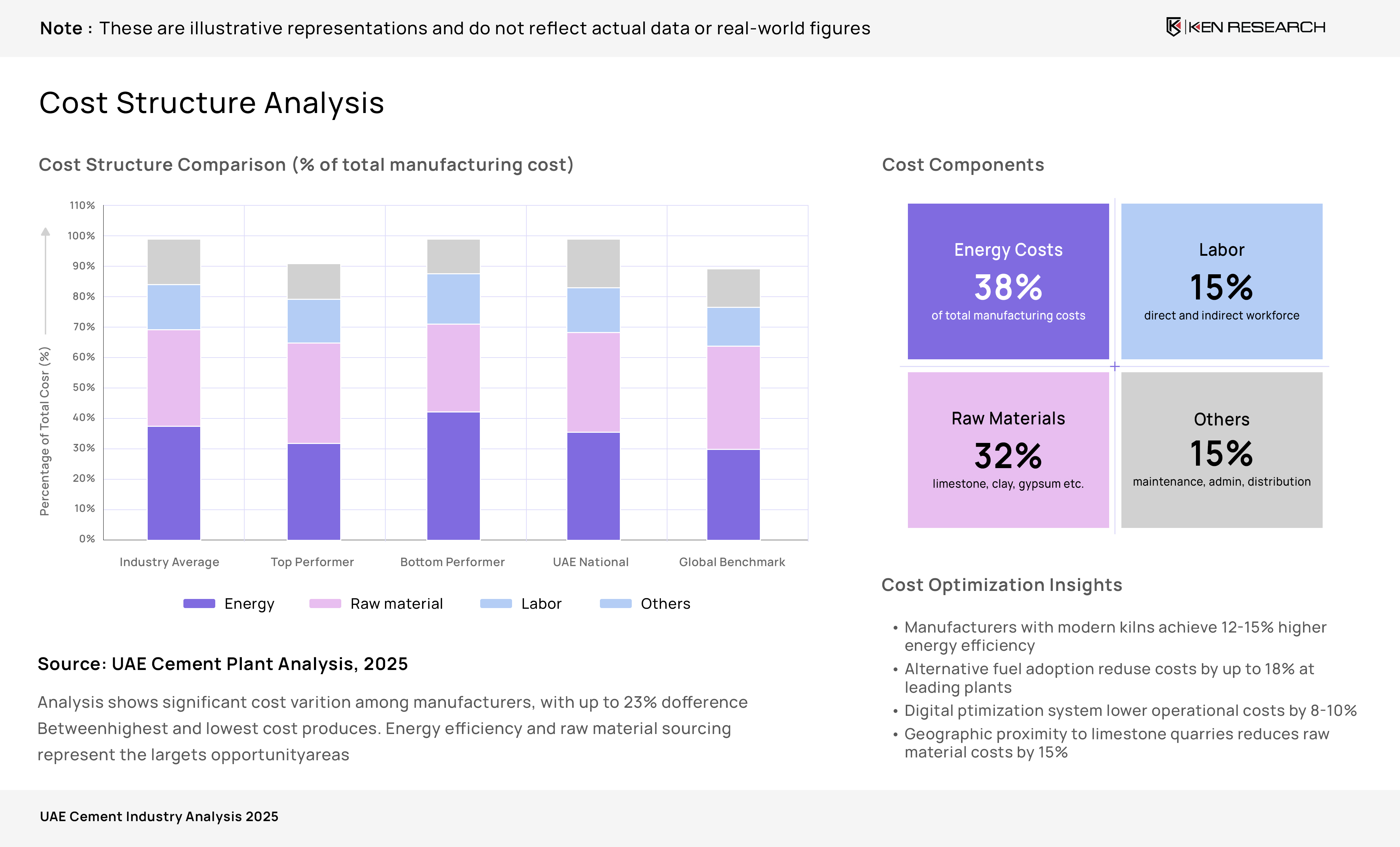
Get Customized ReportOperational KPIs such as refining capacity, pricing strategies, and export share serve as key determinants of competitive strength in Vietnam’s edible oil market.
Dominant players leverage economies of scale, while smaller firms often rely on flexible pricing and product variety to maintain competitiveness.
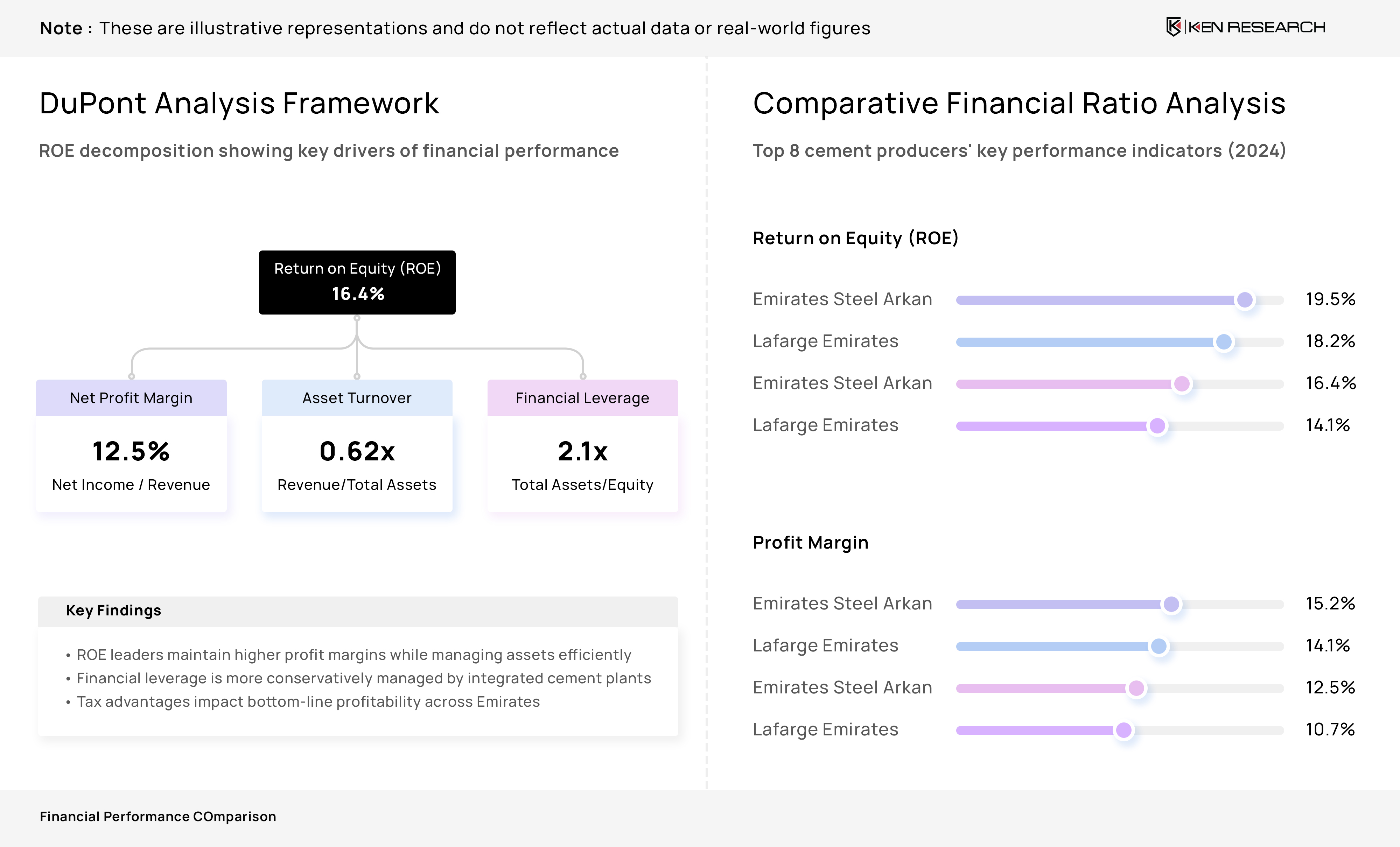
Core Financial Performance Metrics
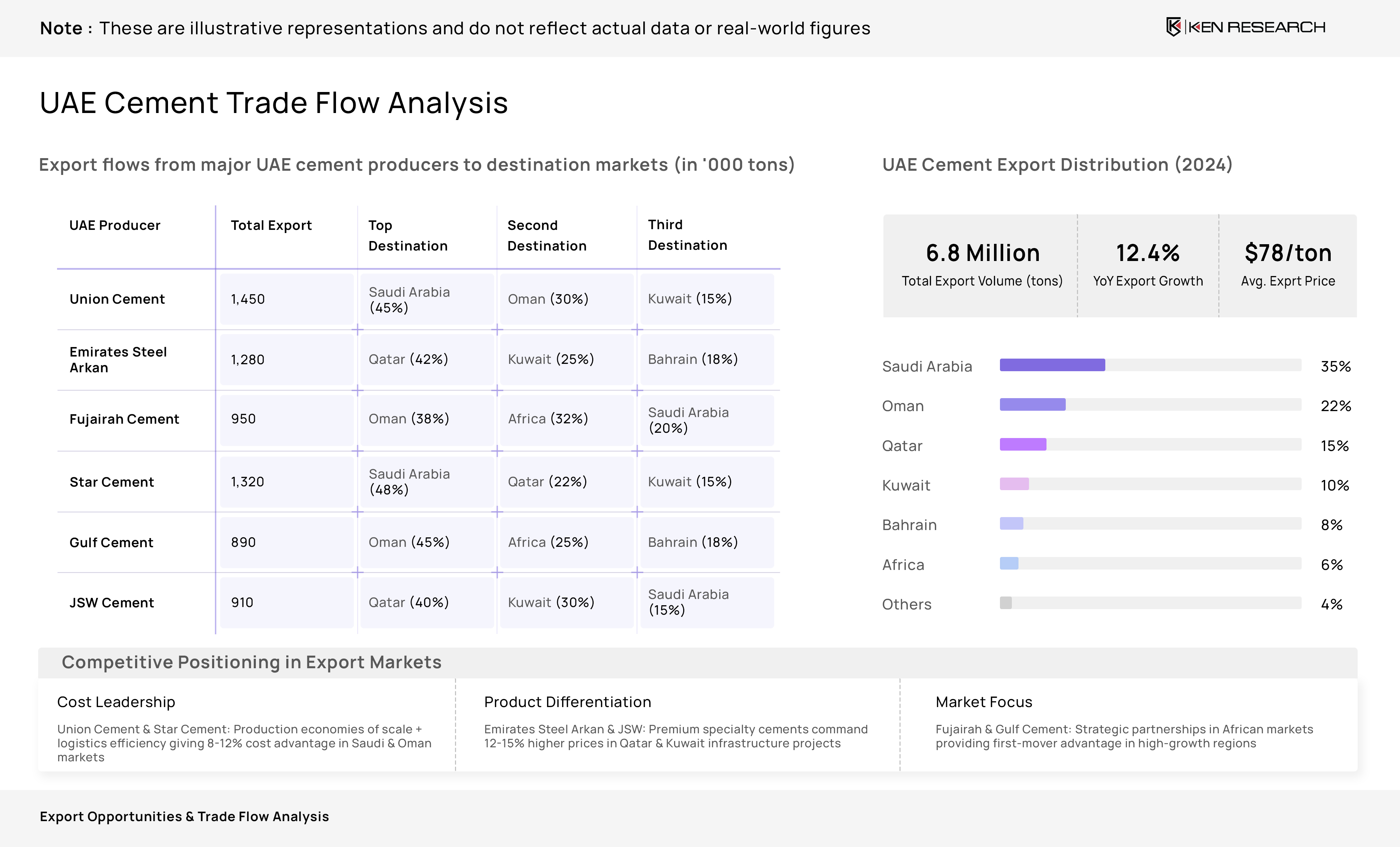
Financial performance indicators highlight the market divide: large companies sustain higher margins and steady growth due to integration, while smaller firms exhibit thin profitability tied to raw material volatility.
Revenue, EBITDA, and PAT margins remain concentrated among 4–5 dominant players, underscoring structural challenges for medium and small firms.
Table of Contents
1. Ecosystem Matrix
1.1 Large Players
1.1.1 Tuong An Vegetable Oil Company (Kido Group)
1.1.2 Calofic (Wilmar International & Vocarimex JV)
1.1.3 Cai Lan Oils & Fats
1.1.4 Golden Hope Nha Be (Sime Darby Oils)
1.1.5 Simply
1.1.6 Neptune
1.1.7 Meizan
1.2 Medium Players
1.2.1 Tan Binh Vegetable Oil
1.2.2 Binh An Vegetable Oil
1.2.3 Sai Gon Vegetable Oil
1.2.4 Quang Minh Vegetable Oil
1.2.5 Vinh Phuc Vegetable Oil
1.3 Small Players
1.3.1 Tu Phuong Vegetable Oil
1.3.2 Dai Viet Edible Oil
1.3.3 Hoa Sen Edible Oil
1.3.4 Local SME Palm Oil Extractors
1.3.5 Regional Coconut Oil Producers
2. Leading Player Profiles
2.1 Parameters
2.1.1 Company Name
2.1.2 Group Name
2.1.3 Headquarters
2.1.4 Established Year
2.1.5 Core Business Segment
2.1.6 Mode of Functioning
3. Key Operational Performance Metrics
3.1 Production Capacity (MT/Year)
3.2 Refining Capacity (MT/Year)
3.3 Distribution Coverage (%)
3.4 Export Share (%)
3.5 Product Range (SKUs)
3.6 Pricing (USD/Kg)
3.7 Number of Processing Plants
3.8 Number of Farms
4. Core Financial Performance Metrics
4.1 Parameters
4.1.1 Revenue (USD Mn)
4.1.2 Revenue Growth (%)
4.1.3 COGS (USD Mn)
4.1.4 COGS Growth (%)
4.1.5 EBITDA (USD Mn)
4.1.6 EBITDA Growth (%)
4.1.7 EBITDA Margin (%)
4.1.8 PAT (USD Mn)
4.1.9 PAT Margin (%)
5. Methodology
5.1 Approach
5.1.1 Desk Sources
5.1.2 Primary Interviews
5.1.3 Sanity Checking & Validation
5.2 Benchmarking Process
5.2.1 Data Collection
5.2.2 Primary Validation
5.2.3 Proxy KPI Modelling
5.2.4 Normalization & Indexing
5.2.5 Gap Analysis
5.2.6 Peer Review
5.3 Sample Composition
5.3.1 Scope Items
5.3.2 Sample Size
5.3.3 Target Respondents
Methodology
Ken Research will deploy its proprietary, multi-layered research framework—combining robust secondary research, targeted primary outreach, and rigorous data validation—to deliver an authoritative competitive landscape analysis of the Vietnam Edible Oil Market. The methodology ensures accuracy in measuring capacities, market positioning, and financial performance across integrated, semi-integrated, and niche players.
Desk Sources
- Proprietary industry reports and internal databases (Ken Research archives)
- Company annual reports and investor presentations
- Government and trade association publications (Vietnam Vegetable Oil Association; Ministry of Agriculture & Rural Development)
- Trade magazines, FMCG journals, and market bulletins
- Financial databases (Bloomberg, Capital IQ, SSI Securities Vietnam)
- Web traffic analytics and digital dashboards (SimilarWeb, iPrice Vietnam, retail shelf audits)
Primary Interviews
- CATI and online surveys with key stakeholders
- Category managers and R&D heads at edible oil producers
- Senior sales and marketing leaders at leading edible oil brands
- Distributors and modern trade buyers (supermarkets and retail chains)
- Industry analysts and consultants
- Technology and service providers supplying digital metrics
Sanity Checking and Validation
- Triangulation across secondary data, primary inputs, and proxy model outputs
- Proxy KPI synthesis using production capacity, refining capacity, distribution reach, SKU breadth, pricing per kg, and export share
- Outlier analysis with reconciliation through targeted follow-up discussions
- Assumption tracking via a documented log noting limitations and proxy sources
- Internal peer review of methodology, models, and key outputs prior to finalization
An Inside Look At Our Custom Insights
Take a look at ourcustomized insights, tailored to yourmarket and business needs. Our benchmarking reports deliver data-driven comparisons of key players, helping you uncover opportunities, assess performance, and make confident strategic decisions.