Vietnam Luxury Car Dealers Market
Published on: February 2026
Report Overview
Vietnam Luxury Car Dealers Market Overview
Market Highlights
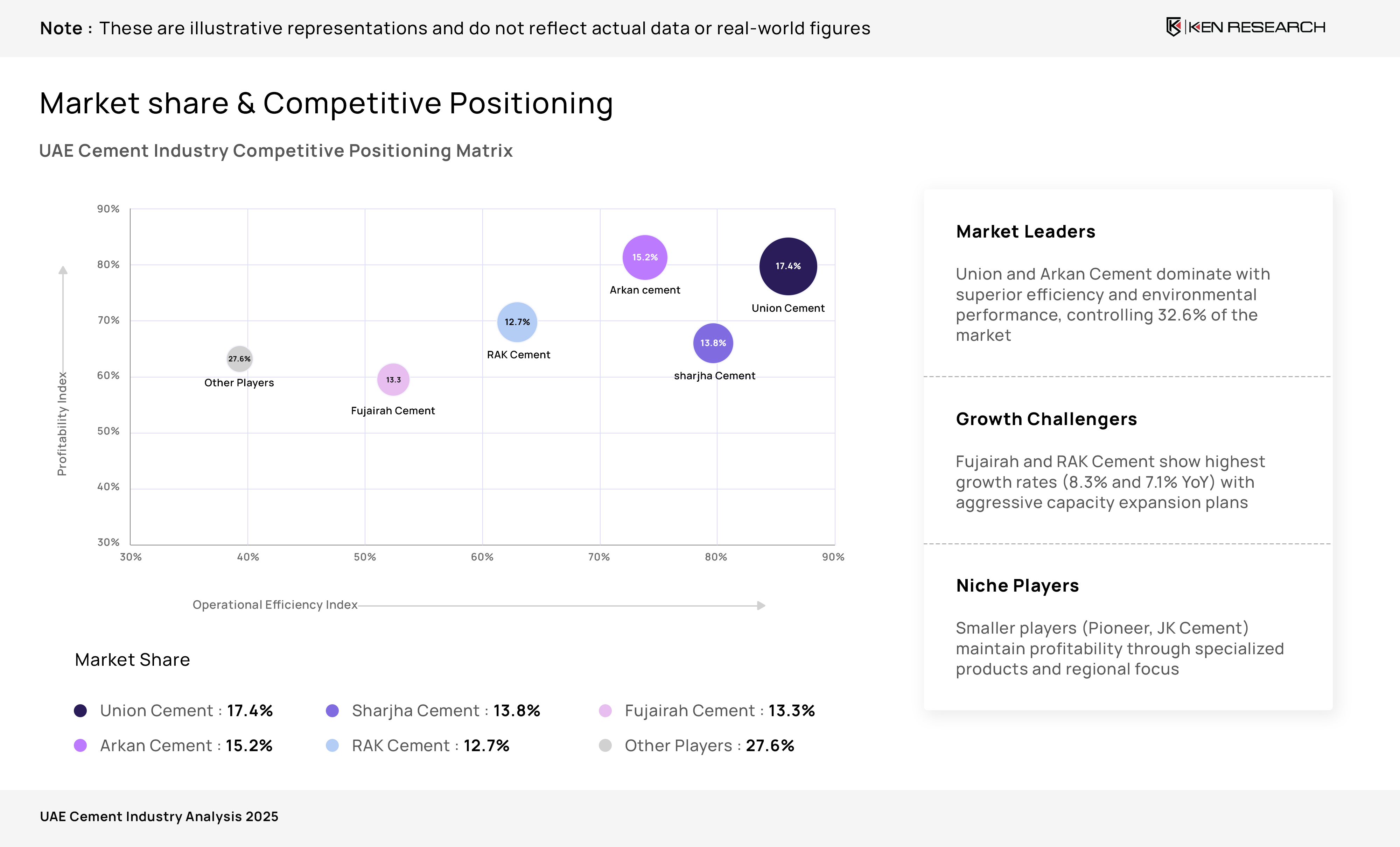
The Vietnam Luxury Car Dealers Market features a layered competitive landscape where large automotive groups, brand-focused importers, and agile local players operate side by side. Scale-driven dealers compete on network reach and brand access, while smaller specialists differentiate through flexibility and curated premium customer experiences.
Global automotive innovation is localized through tailored vehicle specifications, financing options, and ownership programs aligned with Vietnamese consumer preferences. Dealers adapt international brand standards to local regulations, usage patterns, and service expectations, ensuring relevance while preserving premium positioning and brand integrity.
Dealer network density and aftersales capability are central to competitive strength, shaping customer trust and long-term loyalty. Authorized service centers, parts availability, and structured maintenance programs enable seamless ownership experiences, reinforcing repeat purchases and strengthening brand relationships across major urban markets.
Competitive advantage increasingly depends on operational efficiency, digital integration, and strategic agility rather than showroom scale alone. Players that balance innovation, localized execution, and service-led engagement are best positioned to sustain leadership and navigate evolving customer expectations in Vietnam’s luxury automotive retail ecosystem.
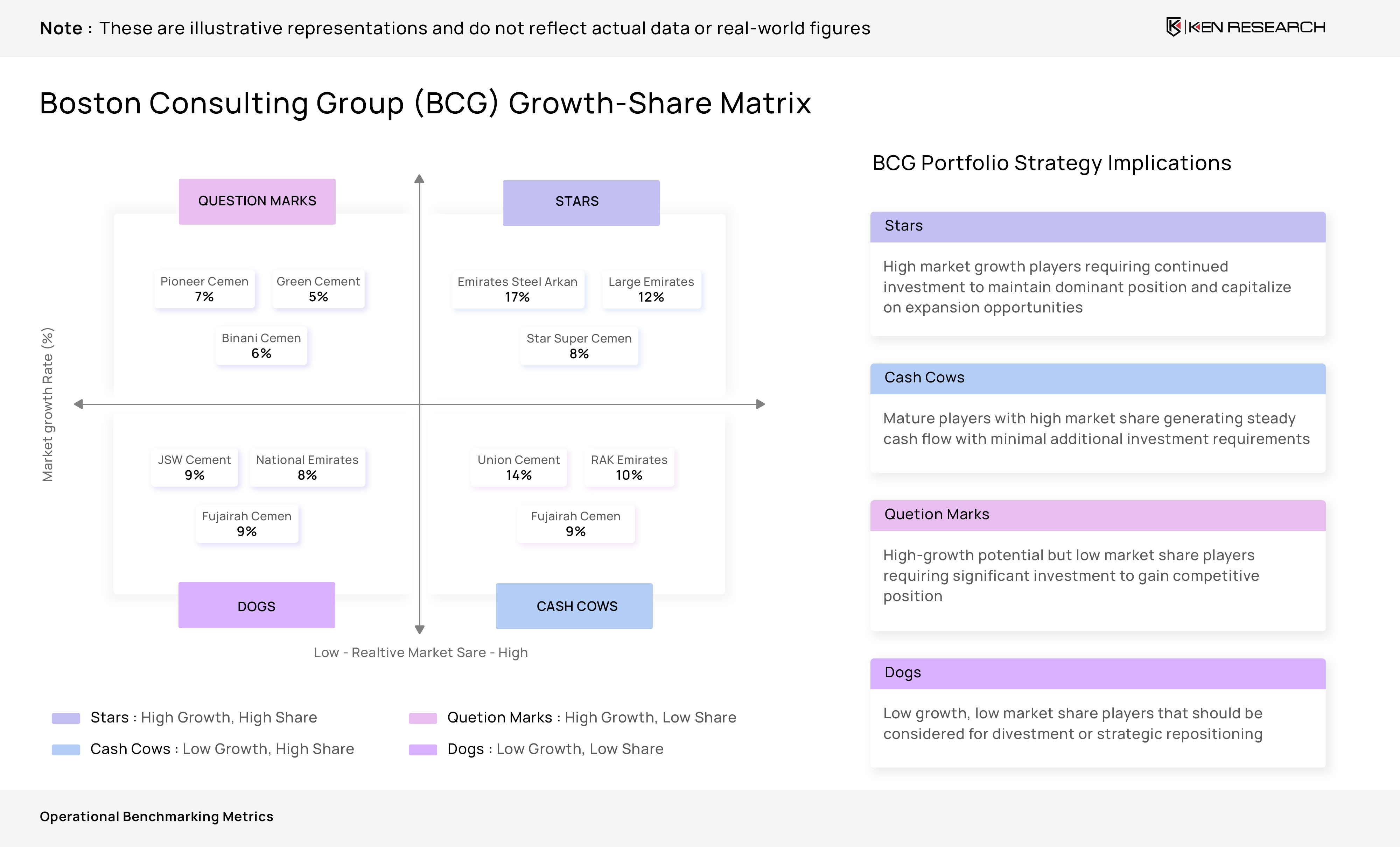
Ecosystem Matrix
Vietnam’s luxury dealer market is increasingly group-led, where scale players win through allocation access, multi-city coverage, and stronger financing plus trade-in engines, while mid-tier specialists protect share via tighter brand focus and curated customer experience in tier-1 hubs.
Competitive advantage is shifting from pure showroom strength to lifecycle monetization, with aftersales, certified pre-owned, and inspection-backed used channels improving margin resilience, particularly as customers expect faster delivery cycles, transparent pricing logic, and premium service continuity.
Leading Player Profiles
Company Profile Overview
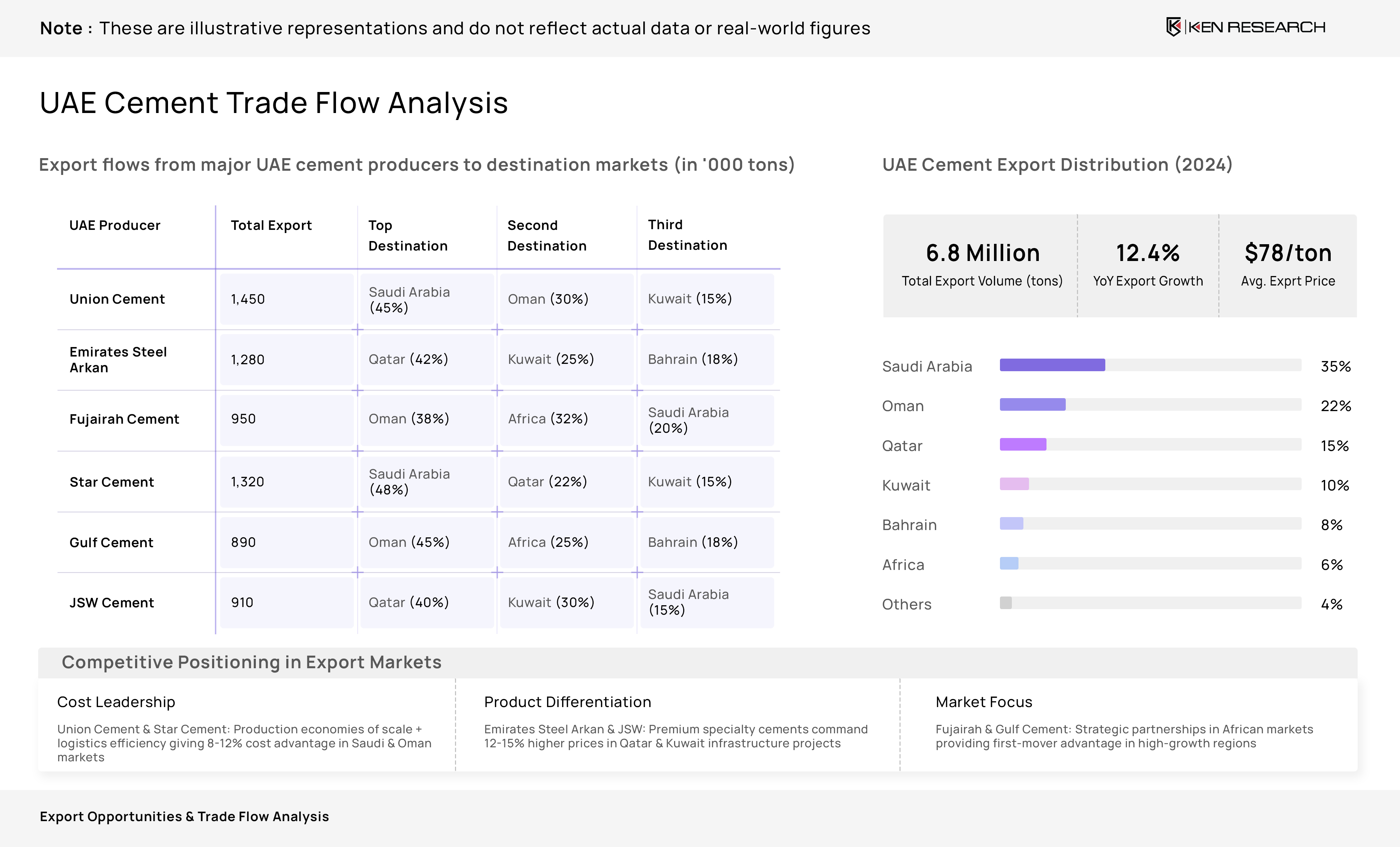
The expanded player set shows a clear split between group-backed dealer ecosystems and brand-linked importer models, while marketplaces are professionalizing used-luxury discovery and transactions, creating a parallel competitive arena that influences pricing discipline and inventory velocity.
As ultra-luxury formats scale selectively, service capability and warranty-aligned ownership support become decisive differentiators, with players that can combine finance, trade-in, and certified service pathways sustaining stronger retention and higher lifetime value capture.
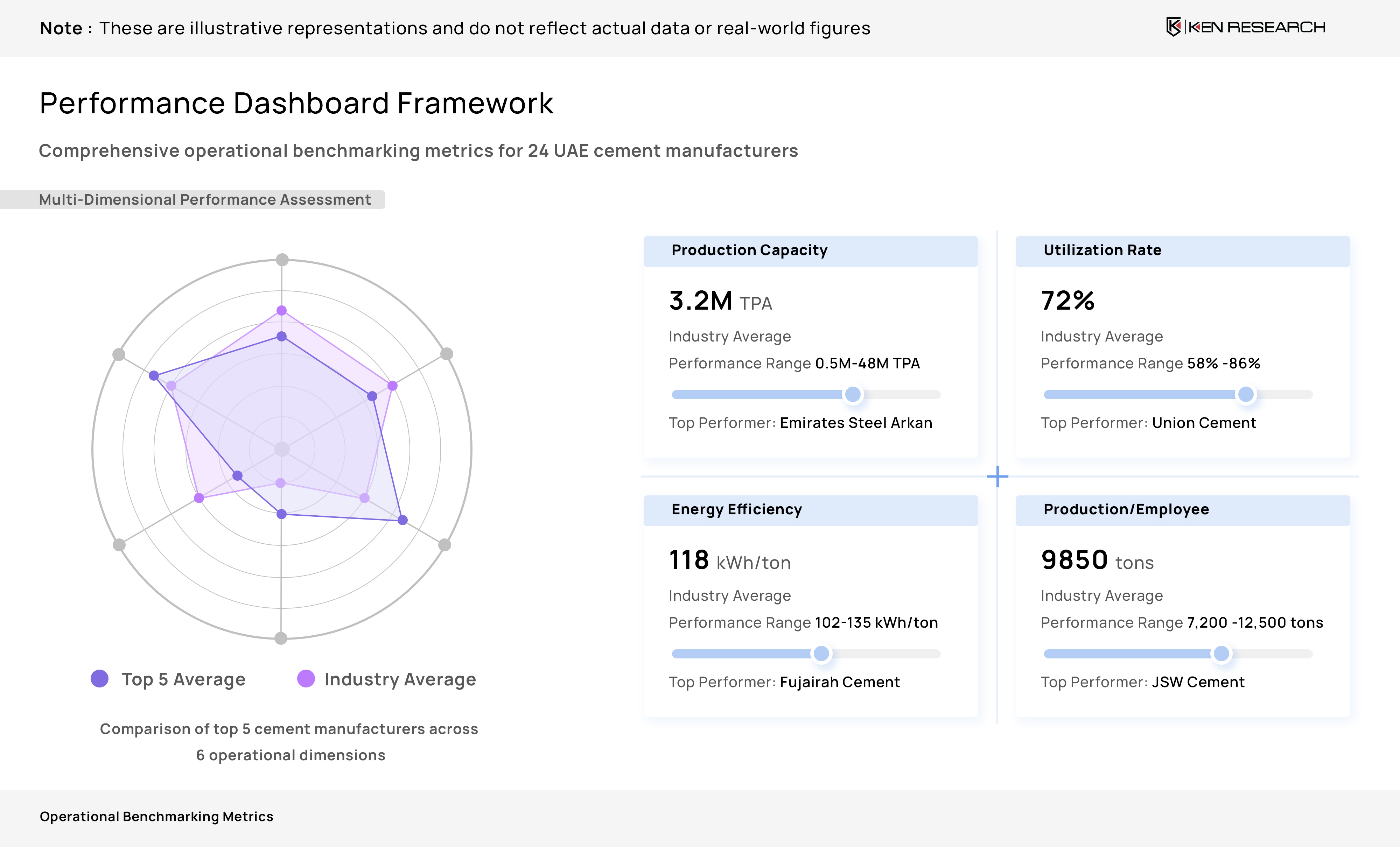
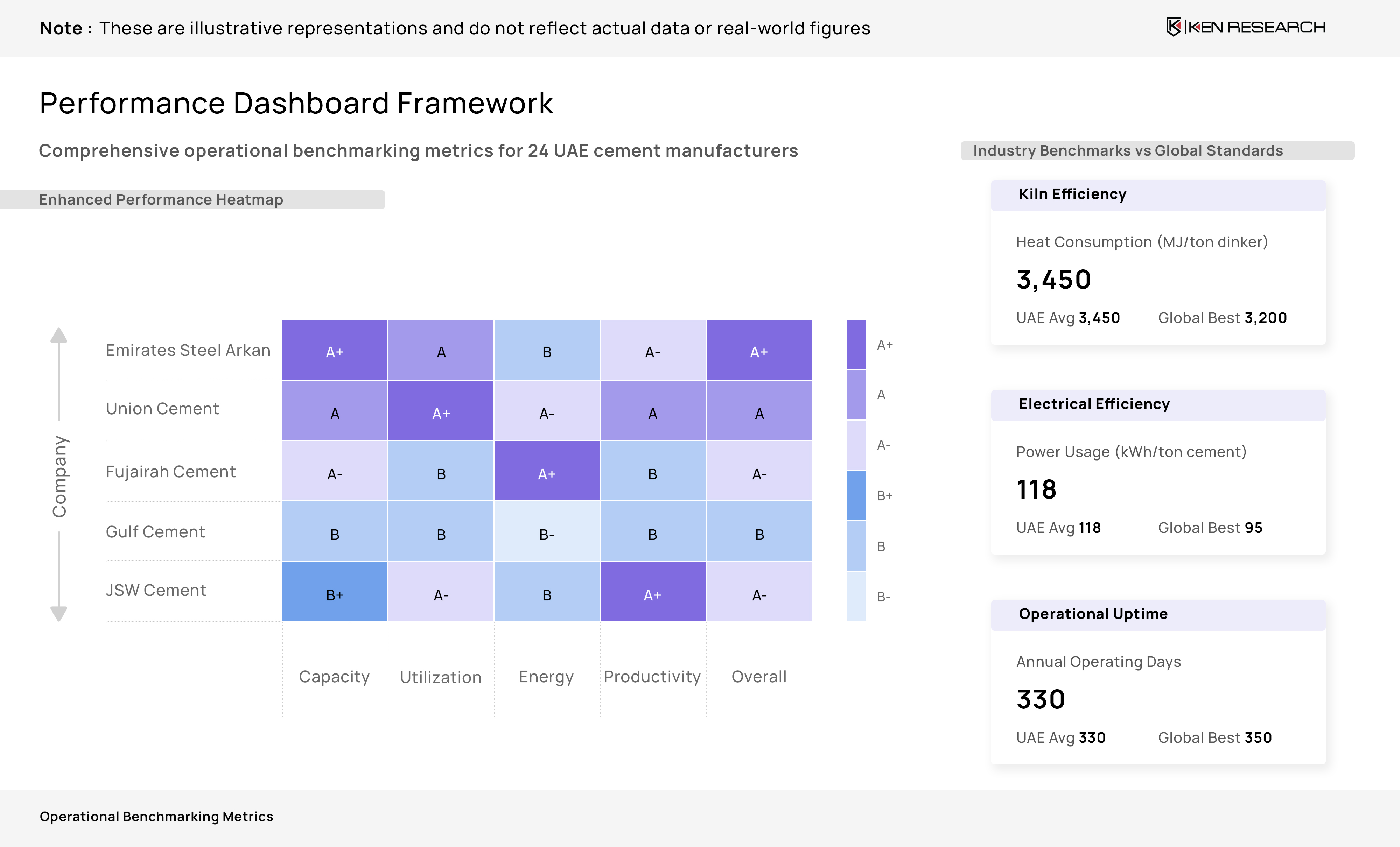
Key Operational Performance Metrics
Company Performance Overview
Unlock Market Insights
Dive deeper into production, distribution, and pricing intelligence.
Get Customized ReportWith more players spanning both authorized retail and used-luxury discovery, revenue performance is increasingly determined by pricing power plus conversion efficiency, where finance penetration and trade-in capture materially lift realized ticket size and gross profit per transaction.
Dealers that institutionalize service retention and parts pull-through typically stabilize revenue even during demand swings, while marketplaces shape inventory velocity and price transparency, indirectly influencing dealer discounting strategies and stock rotation economics.
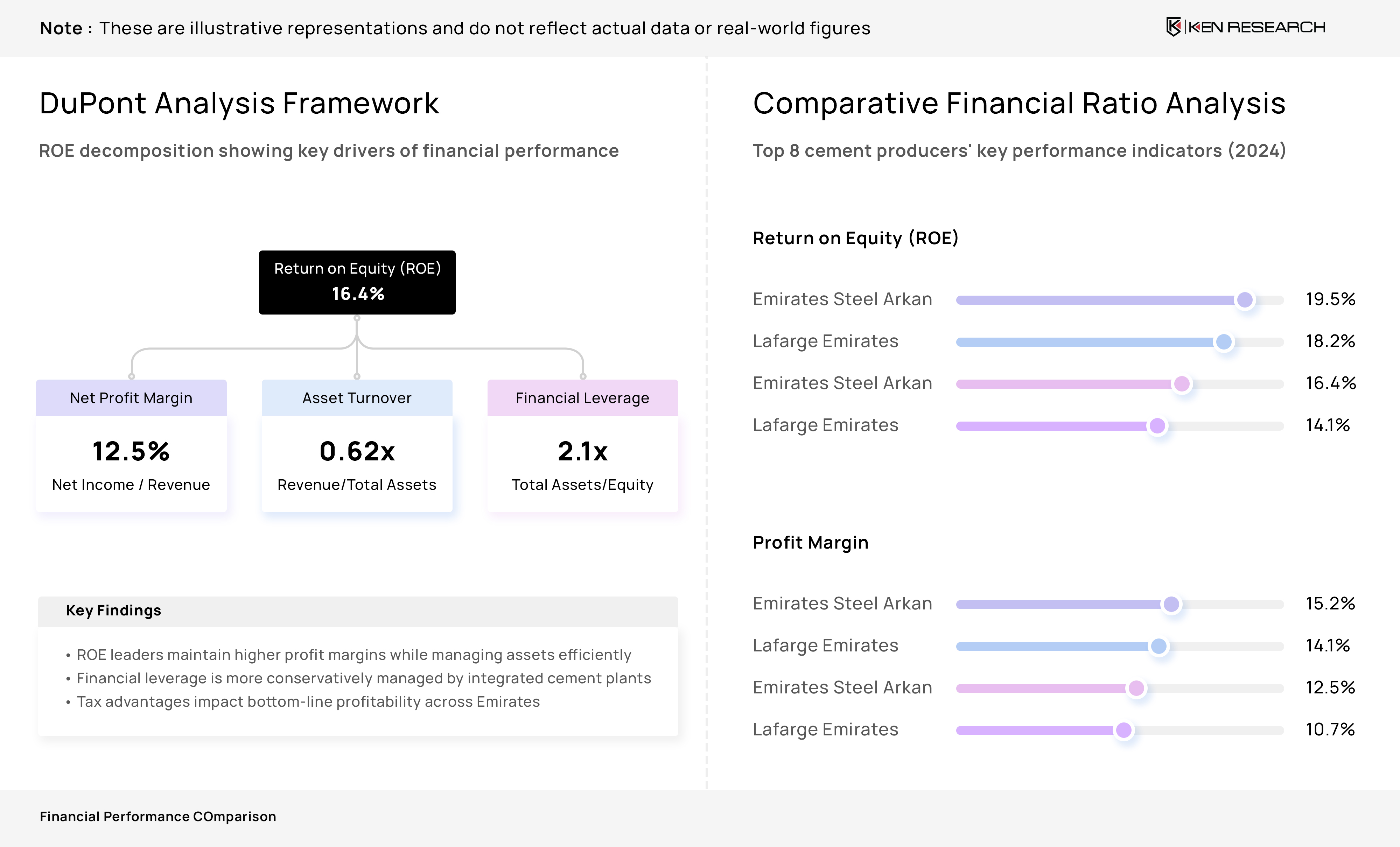
Core Financial Performance Metrics
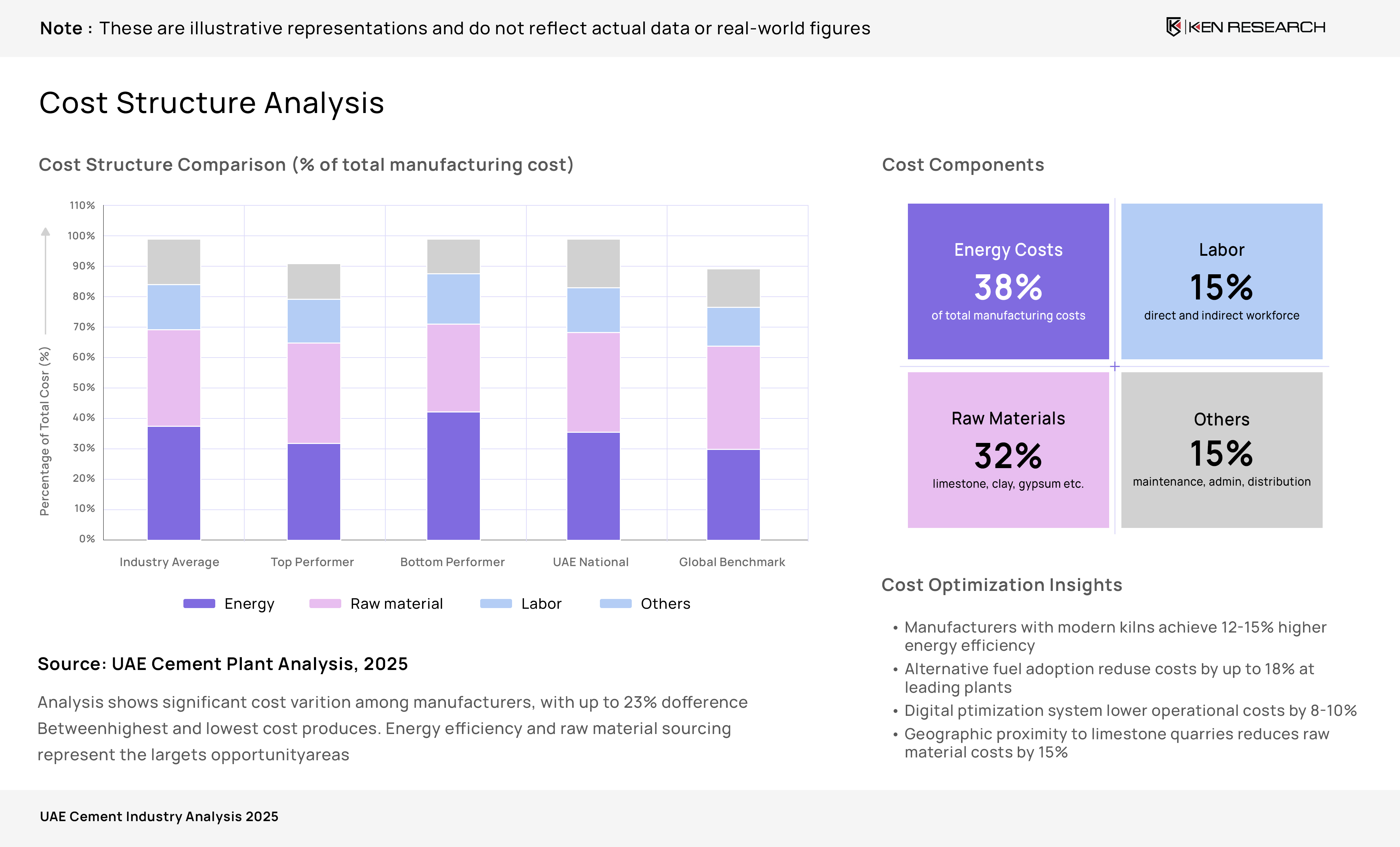
As the landscape broadens, margin quality tends to favor players with higher aftersales mix and finance-linked income streams, because these dampen volatility from new-car discount cycles and support EBITDA stability across fluctuating premium demand conditions.
Marketplaces and hybrid platforms may show different margin signatures versus dealer groups, as their unit economics skew toward lead monetization and transaction enablement, while dealer groups carry heavier COGS exposure tied to inventory risk.
Table of Contents
1. Ecosystem Matrix
1.1 Large Players
1.1.1 THACO AUTO
1.1.2 Tasco Auto
1.1.3 Savico
1.1.4 Toyota Motor Vietnam (Lexus Network)
1.1.5 Vietnam Star Automobile
1.1.6 Haxaco
1.1.7 Porsche Vietnam
1.1.8 Pon Phu Thai Mobility
1.2 Medium Players
1.2.1 Automotive Asia (Audi Vietnam)
1.2.2 Sweden Auto (Volvo Importer)
1.2.3 S&S Automotive
1.2.4 Euro Auto
1.2.5 G-Automobile
1.3 Small Players
1.3.1 Supreme Auto
1.3.2 Cho Tot Xe
1.3.3 Anycar.vn
1.3.4 Oto.com.vn
1.3.5 Bonbanh.com
1.3.6 Vietwheels
2. Leading Player Profiles
2.1 Parameters
2.1.1 Company Name
2.1.2 Group Name
2.1.3 Headquarters
2.1.4 Established Year
2.1.5 Core Services
2.1.6 Mode of Functioning
3.Key Operational Performance Metrics
3.1 Vehicle Sales Revenue (USD Mn)
3.2 After-sales Service Revenue (USD Mn)
3.3 Parts & Accessories Revenue (USD Mn)
3.4 Pricing, Avg Transaction Value (USD ’000)
3.5 Finance & Insurance Commission Revenue (USD Mn)
3.6 Used-Car Trade-in Contribution (USD Mn)
3.7 Gross Profit per Vehicle (USD Mn)
3.8 Inventory Turnover Impact (USD Mn)
3.9 Lead-to-Sale Conversion Value (USD Mn)
3.10 Service Retention Value (USD Mn)
4. Core Financial Performance Metrics
4.1 Parameters
4.1.1 Revenue (USD Mn)
4.1.2 Revenue Growth (%)
4.1.3 COGS (USD Mn)
4.1.4 COGS Growth (%)
4.1.5 EBITDA (USD Mn)
4.1.6 EBITDA Growth (%)
4.1.7 EBITDA Margin (%)
4.1.8 PAT (USD Mn)
4.1.9 PAT Margin (%)
5. Methodology
5.1 Approach
5.1.1 Desk Sources
5.1.2 Primary Interviews
5.1.3 Sanity Checking & Validation
5.2 Benchmarking Process
5.2.1 Data Collection
5.2.2 Primary Validation
5.2.3 Proxy KPI Modelling
5.2.4 Normalization & Indexing
5.2.5 Gap Analysis
5.2.6 Peer Review
5.3 Sample Composition
5.3.1 Scope Items
5.3.2 Sample Size
5.3.3 Target Respondents
Methodology
Ken Research will deploy its proprietary, multi layered research framework combining robust secondary research, targeted primary outreach, and rigorous data validation to deliver an authoritative competitive landscape analysis of theVietnam Luxury Car Dealers Market. The methodology is designed to ensure consistency, comparability, and analytical rigor across all players, with proxy KPIs carefully aligned to the operational and financial realities of the luxury automotive retail ecosystem.
Desk Sources
- Industry reports from proprietary databases and Ken Research internal archives to establish historical benchmarks, market structure, and dealer network evolution
- Company annual reports, investor presentations, and statutory disclosures to extract financial performance, dealership scale, and strategic priorities
- Government publications and trade association releases to assess regulatory context, import duties, licensing frameworks, and automotive retail policies
- Trade magazines, journals, and industry e-articles to track competitive developments, brand launches, retail expansion, and pricing dynamics
- Financial intelligence platforms such as Bloomberg and Capital IQ for standardized financial ratios, peer benchmarking, and cross-market comparisons
- Web traffic and digital analytics platforms including SimilarWeb and App Annie to evaluate online reach, lead generation intensity, and digital channel performance of dealer groups and marketplaces
Primary Interviews
- CATI interviews and structured online surveys with senior category managers and dealership operations heads across luxury automotive groups
- In-depth discussions with sales and marketing leadership teams at leading luxury car dealers to validate revenue drivers, pricing practices, and customer acquisition strategies
- Interviews with distributors, authorized importers, and channel partners to confirm volumes, regional demand patterns, and inventory movement
- Consultations with automotive industry analysts, consultants, and service providers to validate competitive dynamics, margin structures, and strategic positioning
Sanity Checking and Validation
- Triangulation of market estimates through cross-verification of secondary research findings, primary interview inputs, and proxy-based financial models
- Proxy KPI synthesis using indicators such as showroom footprint, vehicle throughput, service bay capacity, average transaction value, and digital lead volumes to approximate revenues and margins
- Outlier analysis to identify inconsistencies across reported and derived metrics, followed by targeted follow-ups with market participants
- Assumption tracking through a structured log documenting all modeling assumptions, data limitations, and proxy KPI sources
- Internal peer review of methodology, analytical frameworks, and preliminary findings prior to final report finalization
An Inside Look At Our Custom Insights
Take a look at ourcustomized insights, tailored to yourmarket and business needs. Our benchmarking reports deliver data-driven comparisons of key players, helping you uncover opportunities, assess performance, and make confident strategic decisions.