Vietnam Mobile Financial Services Market
Published on: March 2026
Report Overview
Vietnam Mobile Financial Services Market Overview
Market Highlights
The Vietnam Mobile Financial Services Market is characterized by a layered and fast-evolving competitive structure in which scaled wallet brands, bank-linked payment infrastructure providers, telecom-backed platforms, and agile digital payment intermediaries compete across overlapping consumer and merchant use cases. Market leadership is defined not only by visibility and user reach, but by the ability to build high-frequency payment behavior across bill payment, QR transactions, transfers, e-commerce checkout, merchant acceptance, and telecom-linked transaction journeys. Large players have established strong positions by embedding payments into broader digital ecosystems, while mid-tier and smaller firms increasingly differentiate through enterprise-focused collections, merchant solutions, gateway integration, and use-case specialization.
A defining characteristic of this market is the way digital payment innovation blends with local adaptation. Rather than relying on generic wallet functionality alone, leading players tailor their propositions around Vietnam-specific QR behavior, utility payment routines, mobile-first engagement, telecom-linked transactions, and close integration with local merchants and service providers. Domestic and ecosystem-backed operators are often better positioned to adapt onboarding journeys, payment journeys, and promotional structures to local expectations, while group-backed platforms can use adjacent commerce, content, telecom, or financial relationships to deepen recurring engagement.
Distribution and aftersales capability play an important role in competitive strength because merchant onboarding support, payment reliability, issue resolution, and settlement credibility all influence adoption and retention across both consumers and businesses. In practice, the market is shaped not just by product design, but by the quality of merchant networks, channel support, integration ease, and the ability to sustain trust across both online and offline acceptance environments. Players with stronger partner relationships and smoother operational support are better placed to deepen acceptance, improve payment recurrence, and expand wallet utility into daily transaction behavior.
Competitive advantage in the Vietnam Mobile Financial Services Market increasingly comes from operational efficiency, ecosystem integration, pricing discipline, and the ability to balance user acquisition with monetization quality. Some players compete by scaling broad consumer ecosystems, while others focus on merchant economics, enterprise payment flows, or infrastructure-led growth. Looking ahead, competition is likely to remain shaped by the interplay of innovation, localization, and strategic agility, with long-term leadership going to companies that can convert payment scale into durable merchant relevance, recurring transaction behavior, and more resilient platform economics.
Ecosystem Matrix
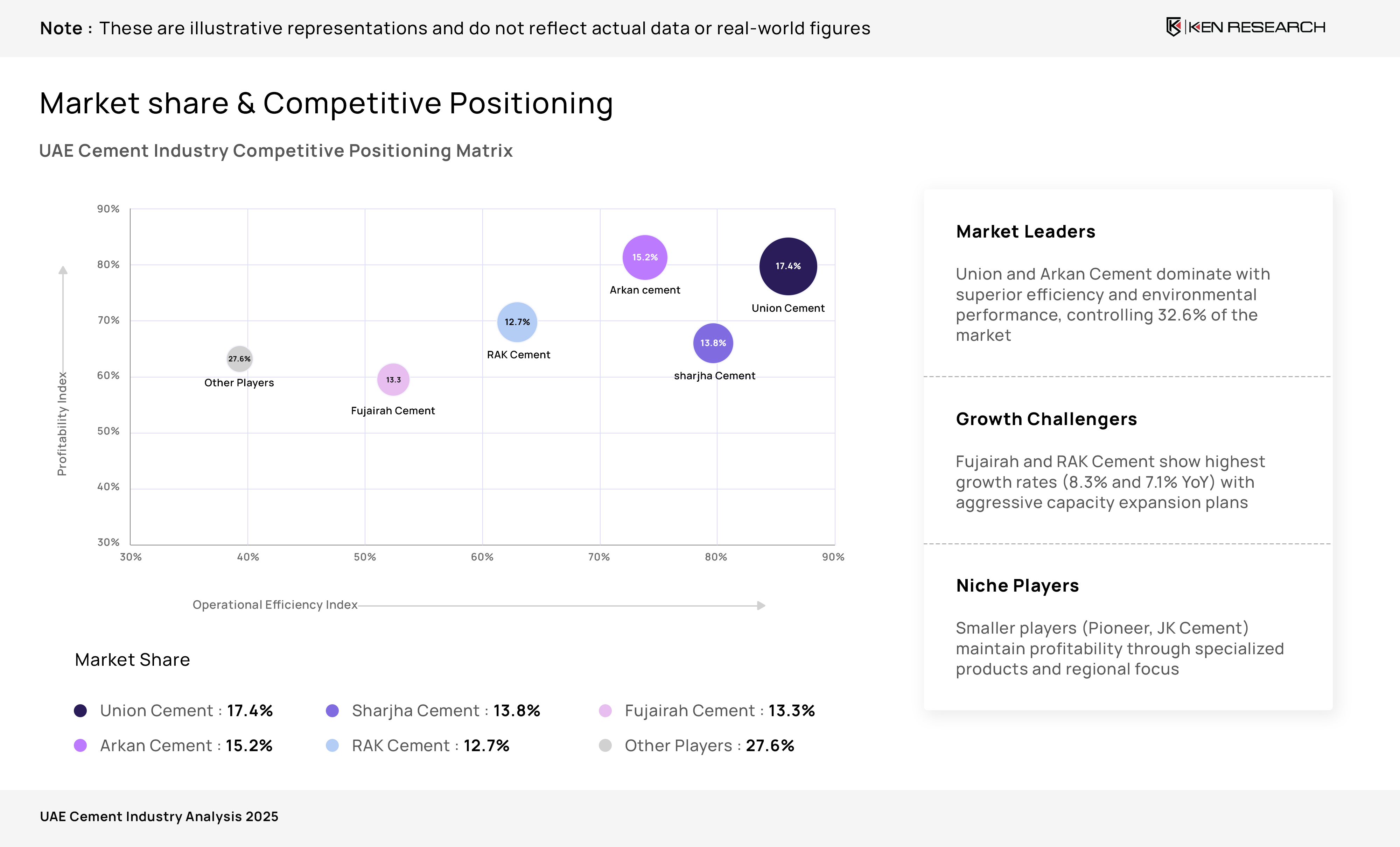
The market is led by scaled wallet and payment ecosystem players with strong bank integration, QR acceptance, merchant relationships, and recurring consumer use cases, while the mid-tier remains active through gateway-led, enterprise-focused, and merchant-acquiring service models.
Competitive concentration is highest among the large players because platform reach, embedded payment journeys, and service breadth directly affect transaction frequency and monetization quality, while smaller firms usually compete in narrower payment niches, telecom-linked wallets, or specialized collections and disbursement use cases.
Leading Player Profiles
Company Profile Overview
The leading player landscape combines large consumer wallets, QR-heavy payment infrastructure providers, telecom-backed financial ecosystems, and merchant-focused processors. Scale matters, but sustainable competitive advantage is increasingly tied to merchant depth, payment use-case breadth, and recurring transaction behavior rather than app presence alone.
Group ownership is strategically important because ecosystem-backed players can leverage telecom, content, commerce, or banking relationships to improve user retention and merchant acquisition, while smaller independent fintechs usually compete through integration flexibility, enterprise servicing, and sharper category specialization.
Key Operational Performance Metrics
Company Performance Overview
Unlock Market Insights
Dive deeper into production, distribution, and pricing intelligence.
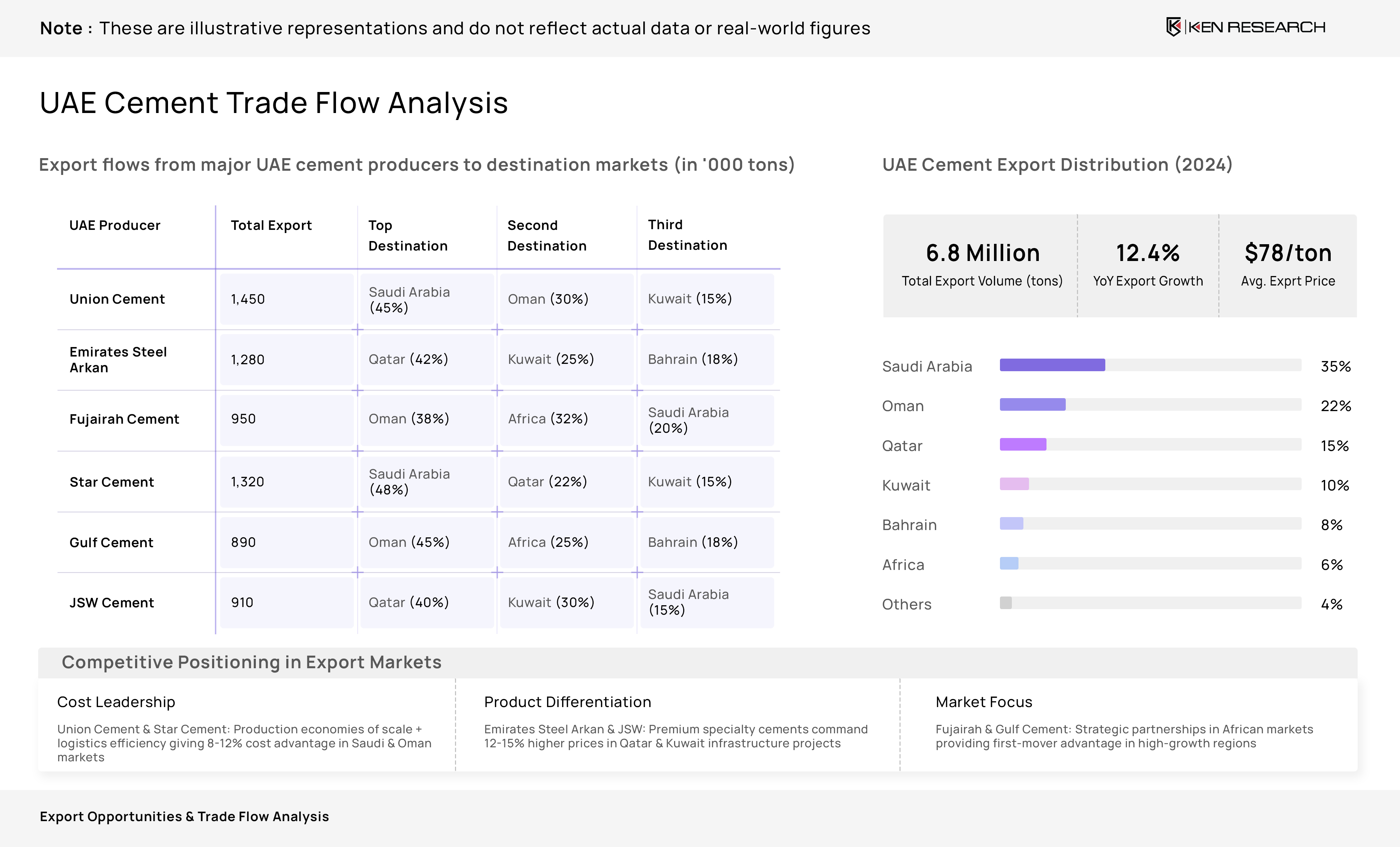
Get Customized ReportIn Vietnam mobile financial services, revenue generation is driven first by pricing, payment throughput, active merchant relationships, and user transaction intensity. These KPIs matter more than registered-user scale because monetization depends on recurring usage, payment mix, and the ability to capture daily consumer and business flows.
QR network depth, average transaction value, bill-payment recurrence, and enterprise collection flows are central operating levers because the market is moving beyond simple wallet adoption toward embedded payments across commerce, utilities, telecom, and merchant ecosystems.
Core Financial Performance Metrics
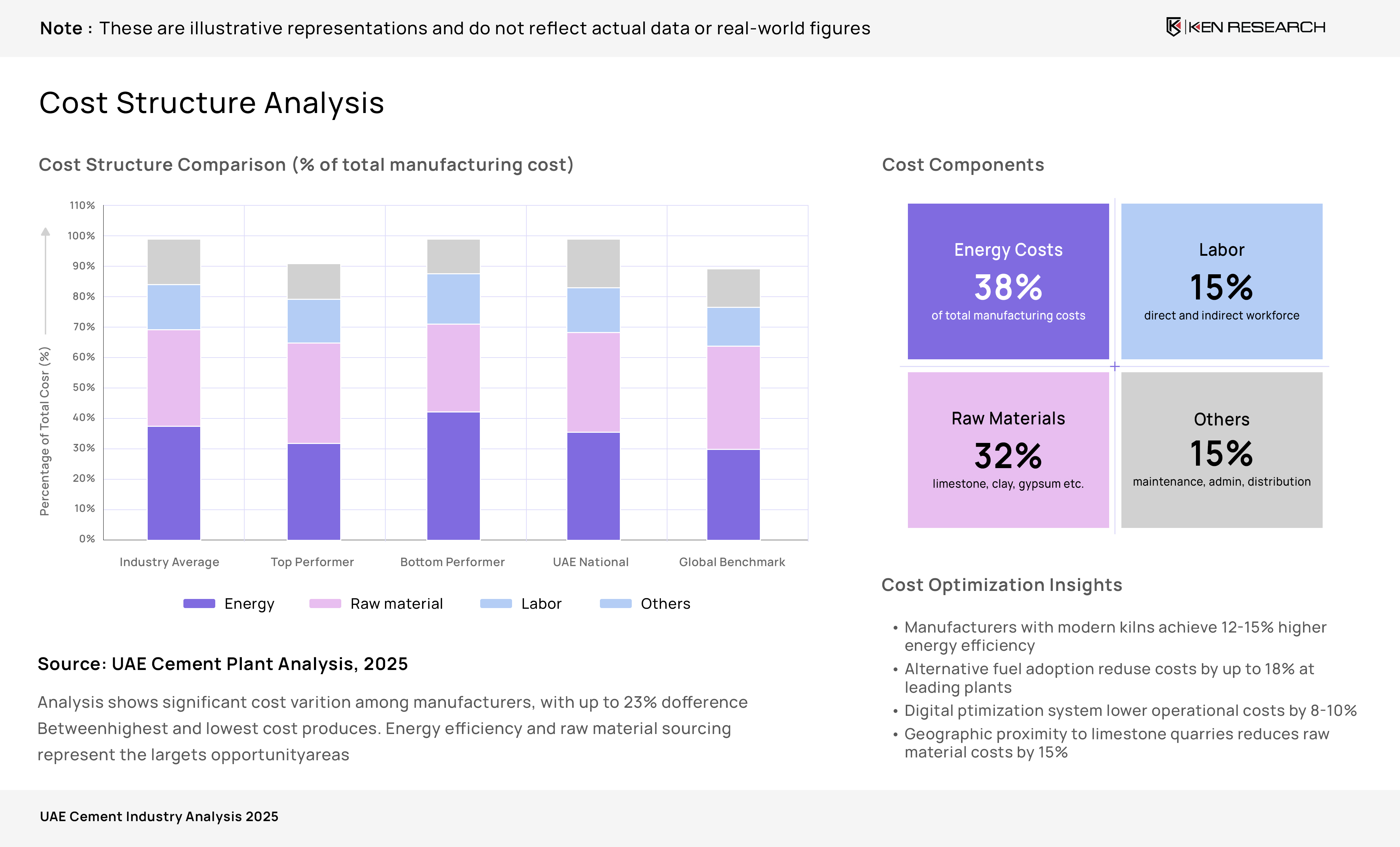
Revenue growth alone does not define leadership in Vietnam mobile financial services. A more reliable benchmark comes from pairing growth with cost discipline, EBITDA conversion, and PAT margin resilience, especially when merchant servicing, customer acquisition, and transaction processing costs differ meaningfully across business models.
Table of Contents
1. Ecosystem Matrix
1.1 Large Players
1.1.1 MoMo
1.1.2 ZaloPay
1.1.3 Viettel Money
1.1.4 VNPT Money
1.1.5 VNPAY
1.1.6 ShopeePay
1.2 Medium Players
1.2.1 Payoo
1.2.2 MobiFone Money
1.2.3 VTC Pay
1.2.4 9Pay
1.2.5 BaoKim
1.3 Small Players
1.3.1 NganLuong
1.3.2 SmartPay
1.3.3 TrueMoney Vietnam
1.3.4 GPay
2. Leading Player Profiles
2.1 Parameters
2.1.1 Company Name
2.1.2 Group Name
2.1.3 Headquarters
2.1.4 Established Year
2.1.5 Core Services
2.1.6 Mode of Functioning
3. Key Operational Performance Metrics
3.1 Parameters
3.1.1 Pricing / MDR or Take Rate (%)
3.1.2 Monthly Active Users (Mn)
3.1.3 Gross Transaction Value, GTV (USD Mn)
3.1.4 Number of Transactions (Mn)
3.1.5 Merchant Acceptance Points (000)
3.1.6 Average Revenue per User, ARPU (USD)
3.1.7 Cash-In / Cash-Out Network Points (000)
3.1.8 QR Payment Share (%)
3.1.9 Bill Payment Volume (USD Mn)
3.1.10 Cross-Sell Conversion to Financial Services (%)
4. Core Financial Performance Metrics
4.1 Parameters
4.1.1 Revenue (USD Mn)
4.1.2 Revenue Growth (%)
4.1.3 COGS (USD Mn)
4.1.4 COGS Growth (%)
4.1.5 EBITDA (USD Mn)
4.1.6 EBITDA Growth (%)
4.1.7 EBITDA Margin (%)
4.1.8 PAT (USD Mn)
4.1.9 PAT Margin (%)
5. Methodology
5.1 Approach
5.1.1 Desk Sources
5.1.2 Primary Interviews
5.1.3 Sanity Checking & Validation
5.2 Benchmarking Process
5.2.1 Data Collection
5.2.2 Primary Validation
5.2.3 Proxy KPI Modelling
5.2.4 Normalization & Indexing
5.2.5 Gap Analysis
5.2.6 Peer Review
5.3 Sample Composition
5.3.1 Scope Items
5.3.2 Sample Size
5.3.3 Target Respondents
Methodology
Ken Research will deploy its proprietary, multi layered research framework, combining robust secondary research, targeted primary outreach, and rigorous data validation, to deliver an authoritative competitive landscape analysis of the Vietnam Mobile Financial Services Market.
Desk Sources
- Industry reports from proprietary databases and Ken Research archives
- Company annual reports and investor presentations
- Government and trade association publications
- Trade magazines, journals, and e-articles
- Financial databases such as Bloomberg and Capital IQ
- Web traffic and app usage dashboards such as SimilarWeb and App Annie
- Payment ecosystem sources including official company websites, payment gateway pages, telecom-led wallet pages, and public financial disclosures relevant to Vietnam digital payments
Primary Interviews
- CATIs and online surveys with key stakeholders
- Senior product, growth, and partnership leaders at e-wallets and payment intermediaries
- Category managers and digital payment decision-makers at merchants
- Senior sales and marketing leads at leading players
- Distributors, aggregators, and merchant acquisition partners
- Industry analysts and consultants
- Technology and service providers for digital metrics and payment processing insights
Sanity Checking and Validation
- Triangulation to cross-verify estimates from secondary data, primary inputs, and proxy model outputs
- Proxy KPI synthesis using related KPIs such as app engagement, merchant acceptance footprint, QR points, payment throughput, transaction frequency, and enterprise collection flows to approximate revenue potential
- Outlier analysis to identify and reconcile anomalous data points through follow-up discussions
- Assumption tracking with a clear log of benchmarking assumptions, limitations, and proxy KPI sources
- Peer review through internal expert validation of methodology, models, and key outputs before finalization
An Inside Look At Our Custom Insights
Take a look at ourcustomized insights, tailored to yourmarket and business needs. Our benchmarking reports deliver data-driven comparisons of key players, helping you uncover opportunities, assess performance, and make confident strategic decisions.