Vietnam Retail Banking Market
Published on: March 2026
Report Overview
Vietnam Retail Banking Market Overview
Market Highlights
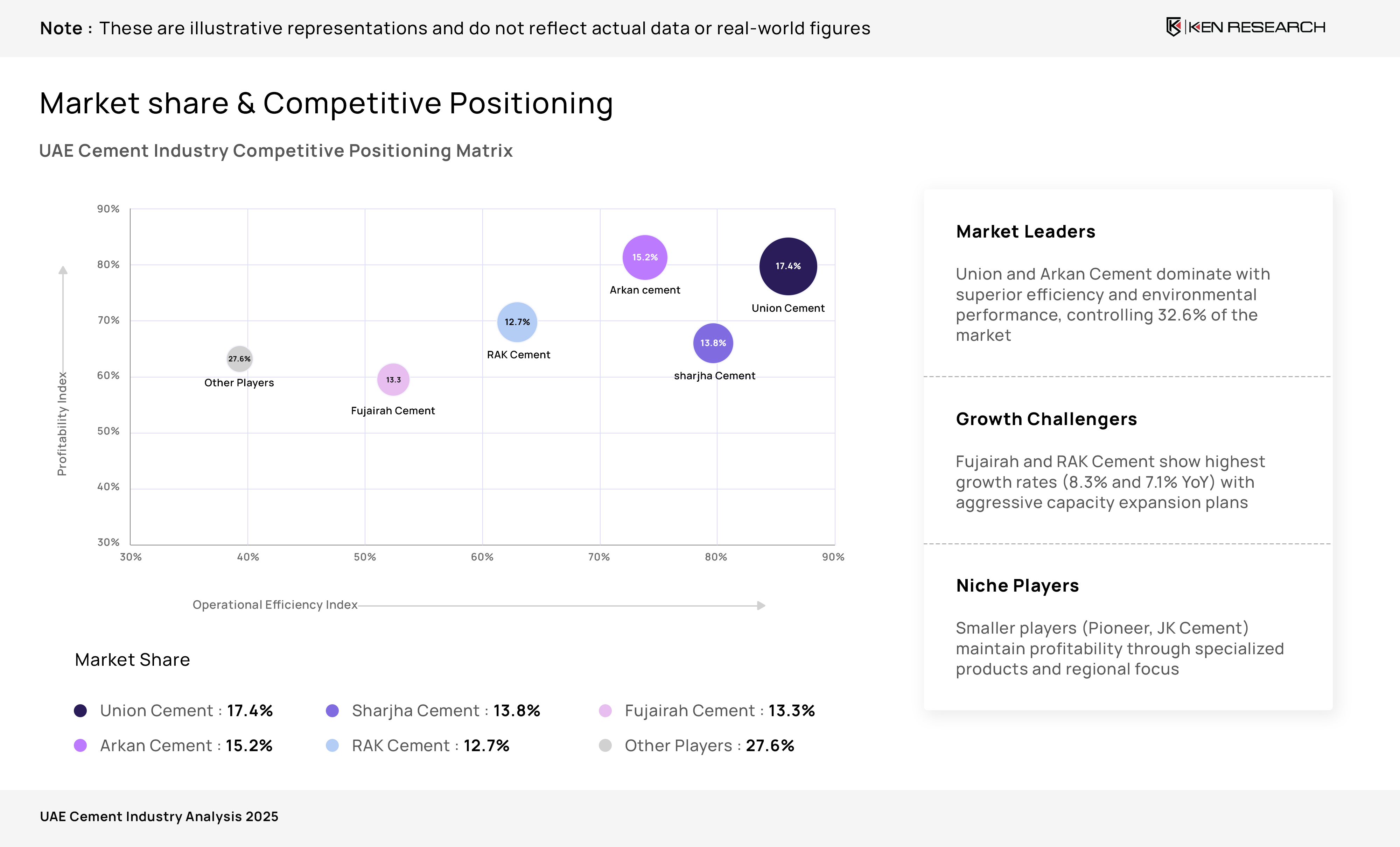
The Vietnam Retail Banking Market showcases a dynamic competitive structure where multinational banks, regional institutions, and local firms engage in a multifaceted rivalry. Multinationals leverage their global expertise and resources, while regional players focus on tailored offerings that resonate with local consumer needs, and local firms capitalize on agility and niche market opportunities.
Innovation from global players is seamlessly integrated with localized strategies, as banks adapt digital banking solutions and customer engagement platforms to fit Vietnam's unique cultural and economic landscape. This synergy fosters a robust ecosystem where technology meets traditional banking practices, enhancing service delivery and customer satisfaction.
The distribution and aftersales framework is critical in establishing trust and reliability within the banking sector. Strategic partnerships with fintech companies and technology providers enhance service accessibility, while comprehensive aftersales support ensures customer loyalty and satisfaction, reinforcing the competitive edge of banking institutions.
Forward-looking strategies emphasize efficiency, cost management, and technology integration, with a growing focus on sustainability initiatives. As banks embrace digital transformation and agile methodologies, they are poised to navigate the evolving market landscape, driving innovation and responsiveness to consumer demands in an increasingly competitive environment.
Ecosystem Matrix
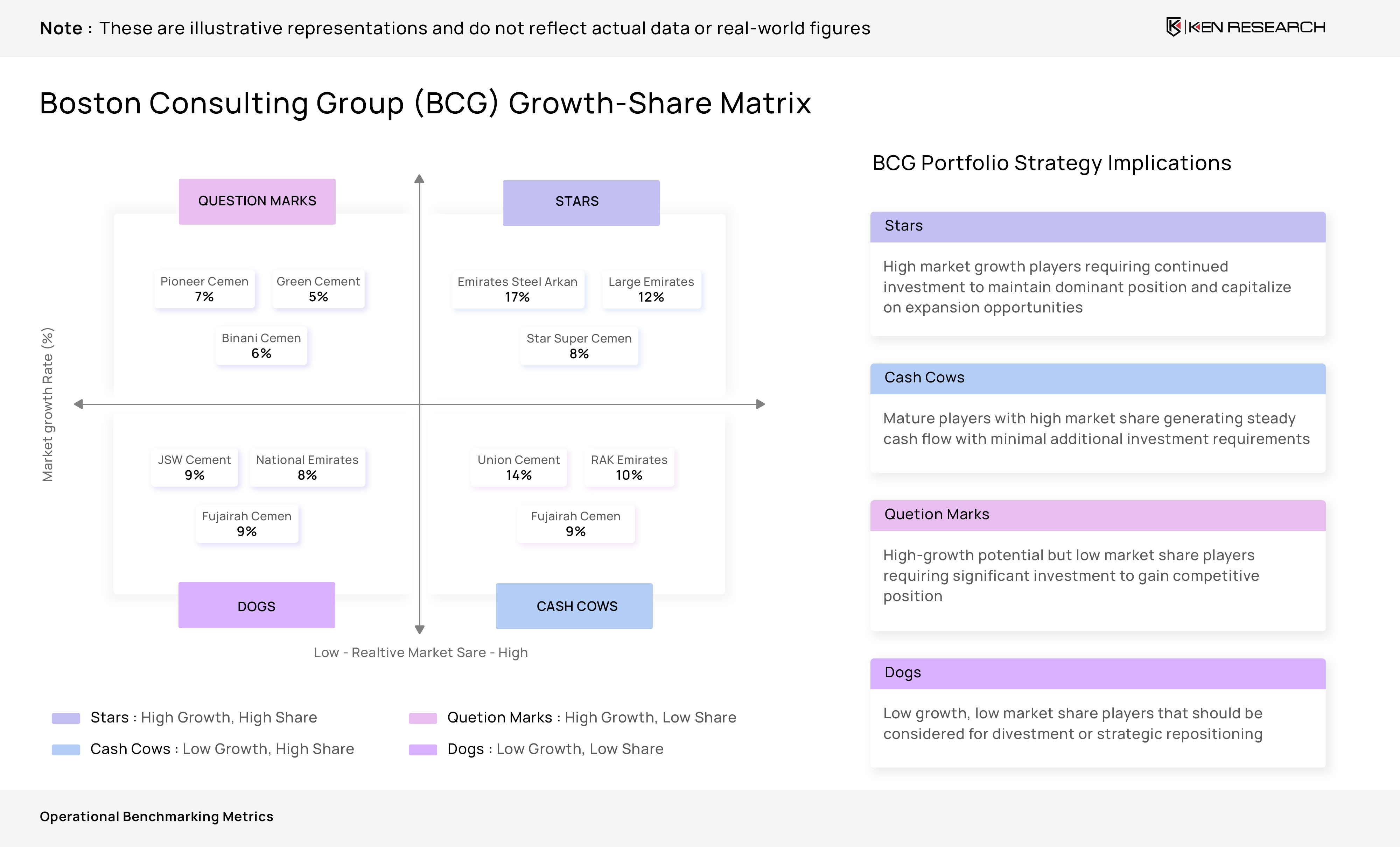
Vietnam's retail banking market is dominated by state-owned banks like VietinBank, Vietcombank, and BIDV, which leverage their extensive networks and government backing to maintain a strong market presence.
The ecosystem is maturing with a mix of large state-owned banks and dynamic private banks, fostering competition and innovation, particularly in digital banking services, which are increasingly popular among the tech-savvy population.
Leading Player Profiles
Company Profile Overview
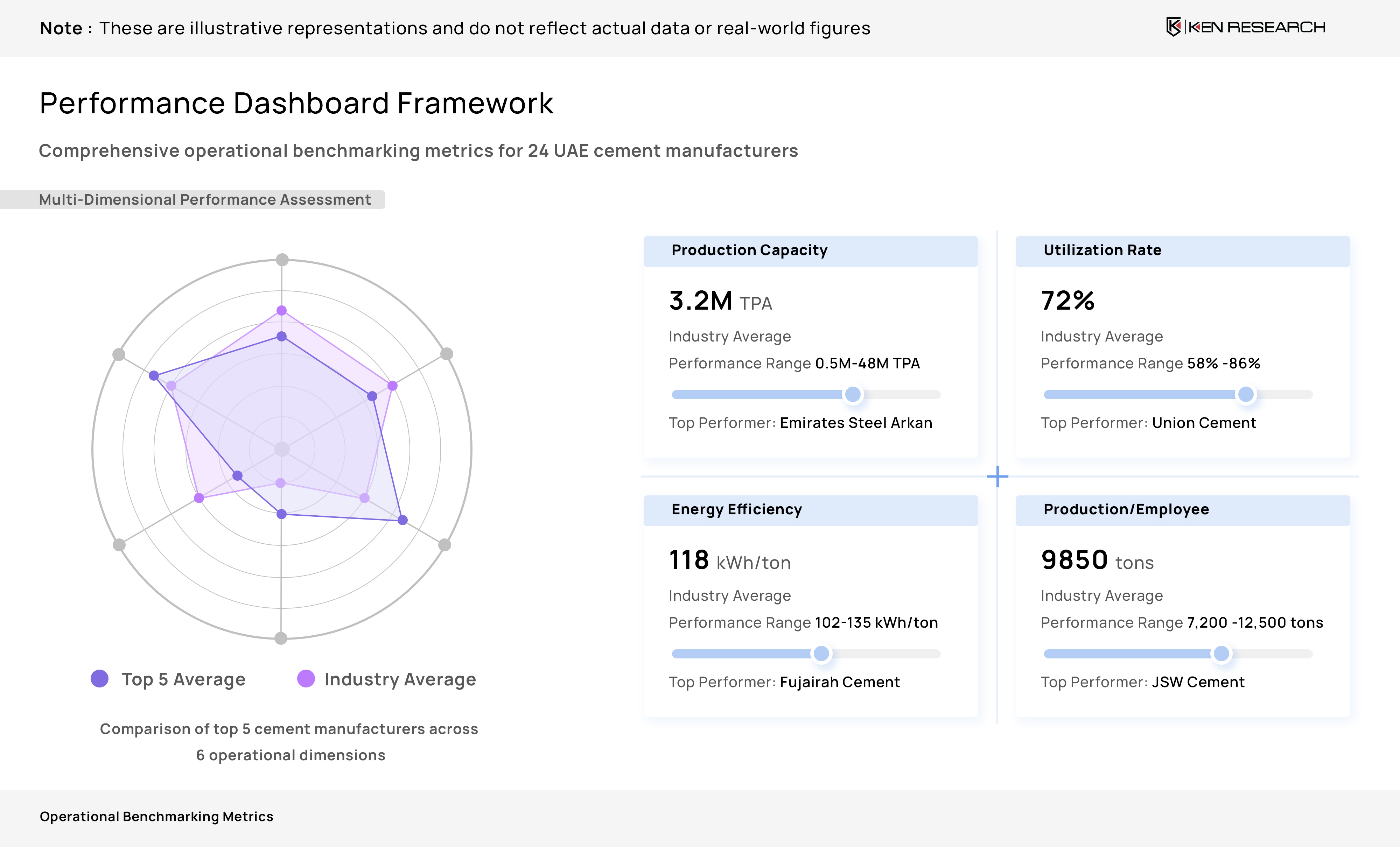
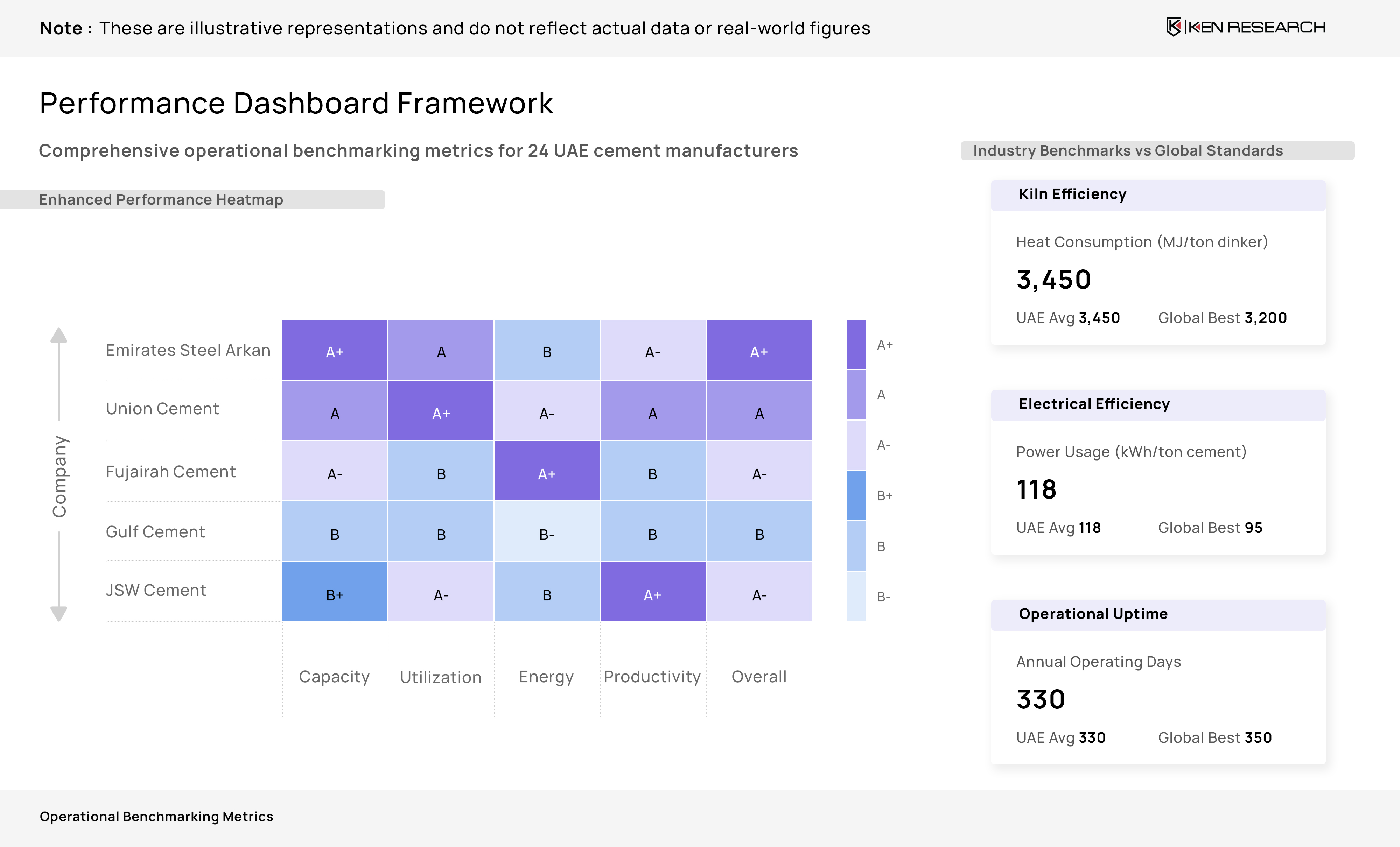
Vietnam's retail banking market in 2025 is characterized by a strong push towards digital transformation, with banks leveraging technology to enhance customer experience, streamline operations, and expand financial inclusion, particularly in underserved rural areas.
Operational efficiency and competitive advantage are driven by strategic partnerships, investment in fintech, and a focus on personalized banking solutions, enabling banks to offer tailored services and maintain customer loyalty in a rapidly evolving market.
Key Operational Performance Metrics
Company Performance Overview
Unlock Market Insights
Dive deeper into production, distribution, and pricing intelligence.
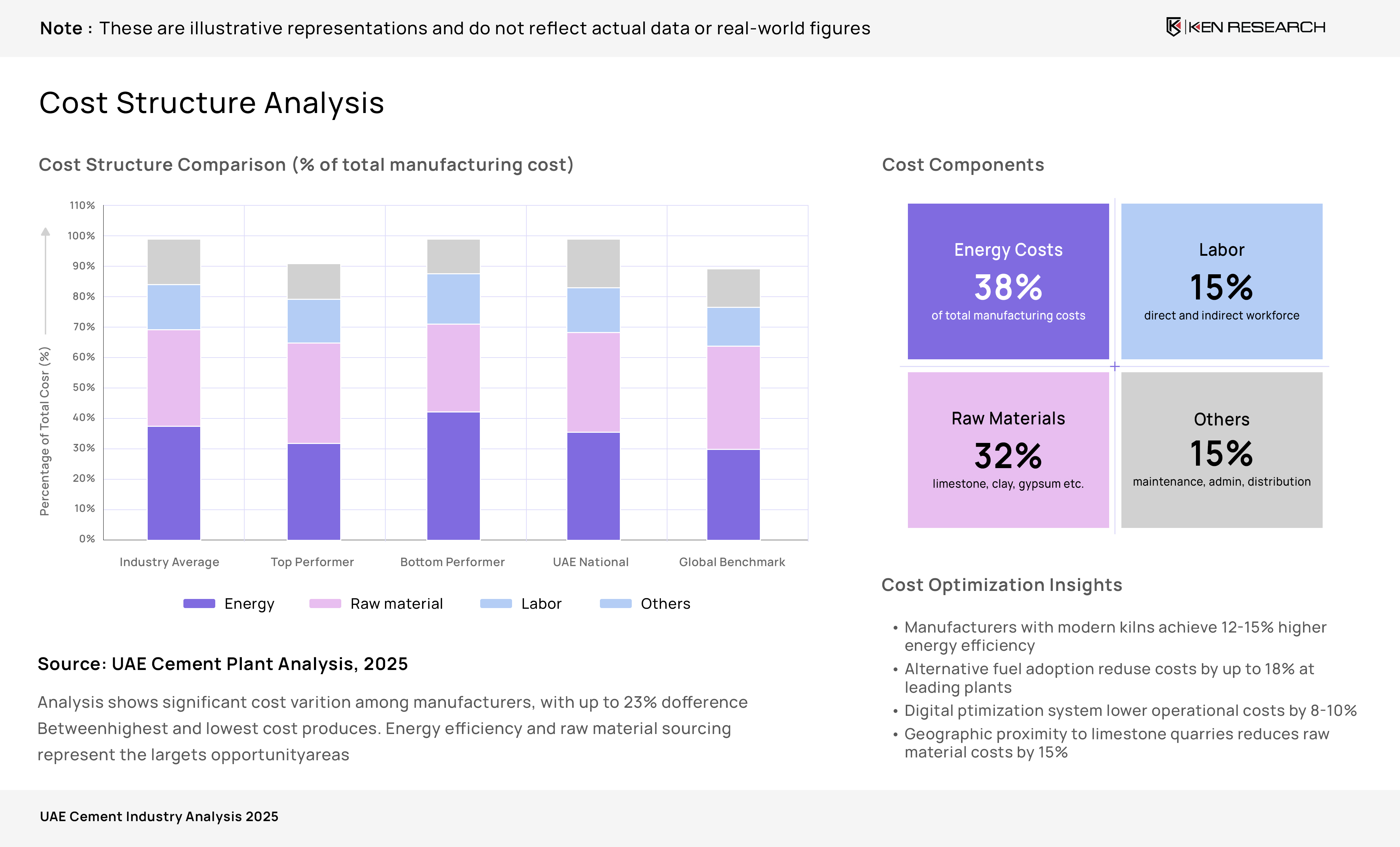
Get Customized ReportVietnam retail banking revenue is primarily driven by the volume of active retail deposit accounts, monthly retail loan disbursements, and the frequency of retail payment transactions. Net interest margin on retail portfolios critically impacts profitability and reflects pricing effectiveness.
Operational KPIs such as digital wallet adoption, average loan tenor, and branch network coverage are key competitive levers. Customer retention and cross-sell ratios serve as benchmarks for customer engagement and product penetration in Vietnam's evolving retail banking landscape.
Core Financial Performance Metrics
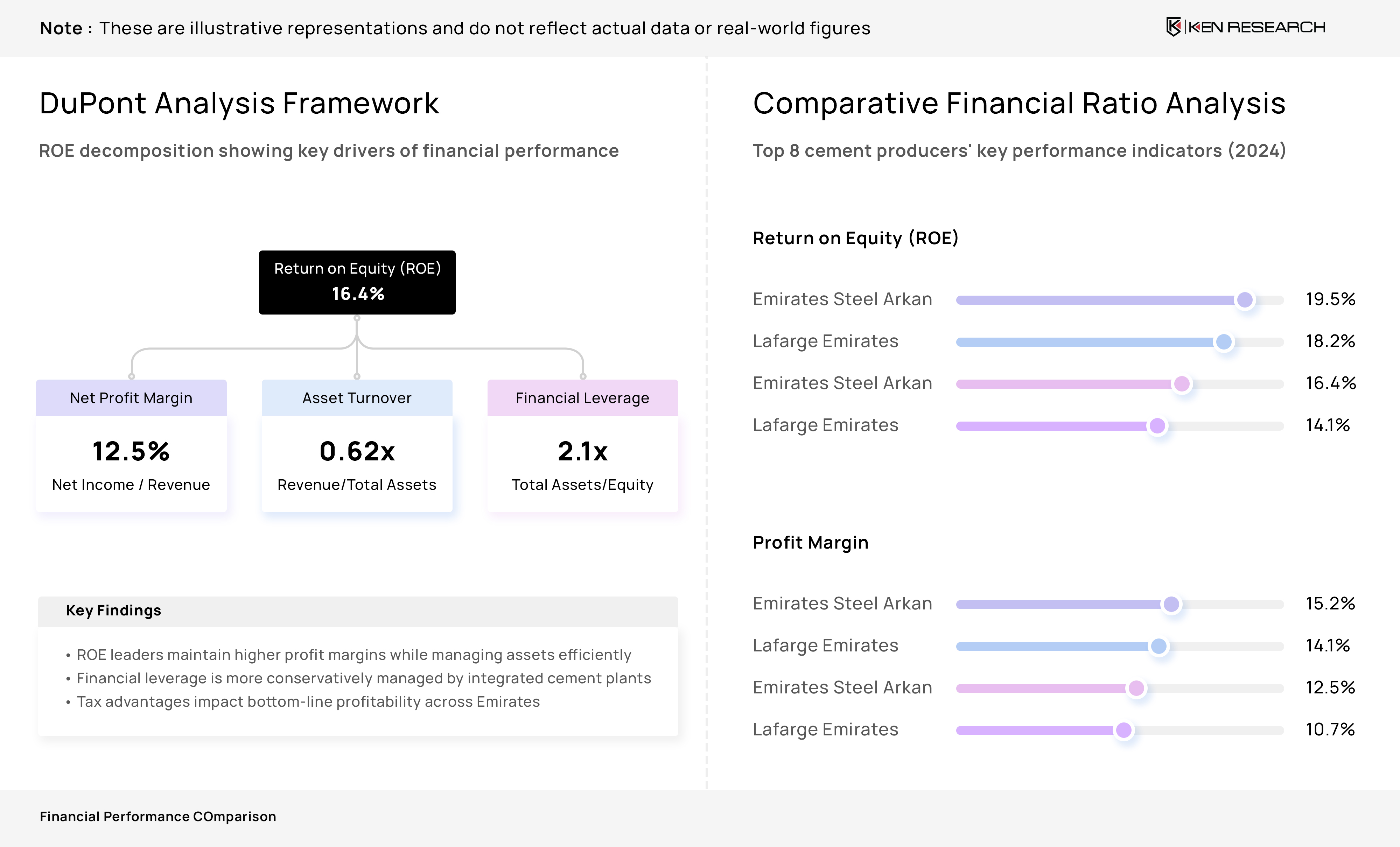
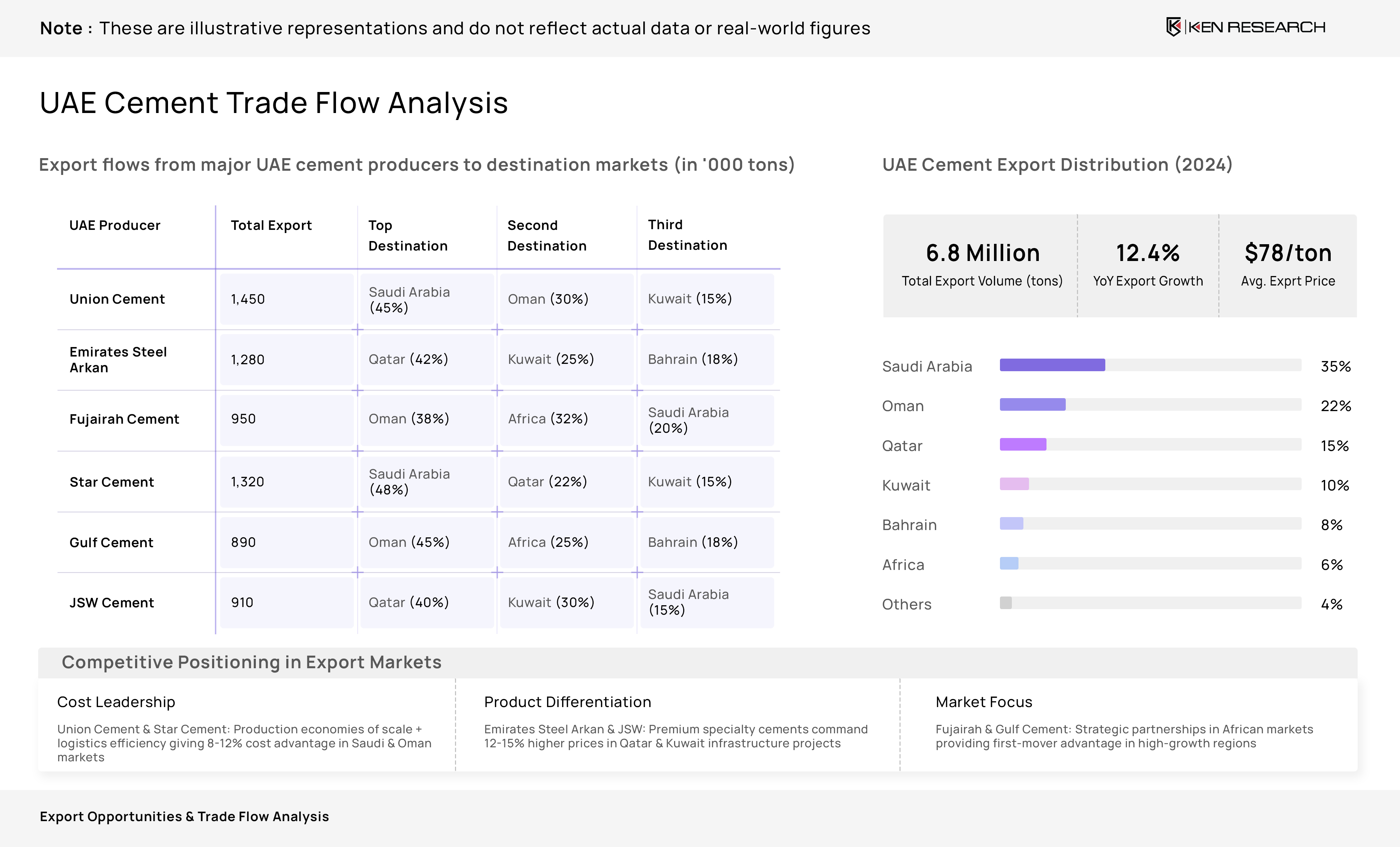
Large banks like BIDV and Vietcombank dominate the Vietnam Retail Banking Market with superior revenue and margins, showcasing strong pricing power and resilience compared to smaller peers like Bao Viet Bank, which struggle with scale and profitability.
Top-tier banks exhibit greater cost efficiency and financial stability, with BIDV and Vietcombank leading in EBITDA margins, while lower-tier players like Dong A Commercial Joint Stock Bank face challenges in maintaining competitive cost structures and financial robustness.
Table of Contents
1. Ecosystem Matrix
1.1 Large Players
1.1.1 Bank for Investment and Development of Vietnam
1.1.2 Joint Stock Commercial Bank for Foreign Trade of Vietnam
1.1.3 Vietnam Joint Stock Commercial Bank for Industry and Trade
1.1.4 Techcombank
1.2 Medium Players
1.2.1 Eximbank
1.2.2 Ho Chi Minh City Development Joint Stock Commercial Bank
1.2.3 Sacombank
1.2.4 Vietnam Prosperity Joint-Stock Commercial Bank
1.2.5 Asia Commercial Joint Stock Bank
1.2.6 Saigon-Hanoi Commercial Joint Stock Bank
1.2.7 Military Commercial Joint Stock Bank
1.2.8 SeABank
1.2.9 Vietnam International Commercial Joint Stock Bank
1.2.10 Tien Phong Commercial Joint Stock Bank
1.2.11 LienVietPostBank
1.3 Small Players
1.3.1 Nam A Commercial Joint Stock Bank
1.3.2 DongA Bank
1.3.3 Kienlongbank
1.3.4 Orient Commercial Joint Stock Bank
1.3.5 Bao Viet Bank
2. Leading Player Profiles
2.1 Parameters
2.1.1 Company Name
2.1.2 Group Name
2.1.3 Headquarters
2.1.4 Established Year
2.1.5 Core Services
2.1.6 Mode of Functioning
2.2. Players
2.2.1 BIDV
2.2.2 Vietcombank
2.2.3 VietinBank
2.2.4 Vietnam Technological and Commercial Joint Stock Bank
2.2.5 Vietnam Export Import Commercial Joint Stock Bank
2.2.6 HDBank
2.2.7 Saigon Thuong Tin Commercial Joint Stock Bank
2.2.8 VPBank
2.2.9 ACB
2.2.10 SHB
2.2.11 MB Bank
2.2.12 Southeast Asia Commercial Joint Stock Bank
2.2.13 VIB
2.2.14 TPBank
2.2.15 Lien Viet Post Joint Stock Commercial Bank
2.2.16 Nam A Bank
2.2.17 Dong A Commercial Joint Stock Bank
2.2.18 Kien Long Commercial Joint Stock Bank
2.2.19 OCB
2.2.20 Bao Viet Bank
3. Key Operational Performance Metrics
3.1 Parameters
3.1.1 Number of Active Retail Deposit Accounts (units)
3.1.2 Monthly Retail Loan Disbursement Volume (USD Mn)
3.1.3 Retail Payment Transaction Count (units)
3.1.4 Net Interest Margin on Retail Portfolio (USD Mn)
3.1.5 Digital Wallet Adoption Rate (%)
3.1.6 Average Retail Loan Tenor (months)
3.1.7 Retail Branch Network Coverage (branches)
3.1.8 Mobile Banking Session Duration (mins)
3.1.9 Retail Customer Retention Rate (%)
3.1.10 Retail Cross-Sell Ratio (products per customer)
4. Core Financial Performance Metrics
4.1 Parameters
4.1.1 Revenue (USD Mn)
4.1.2 Revenue Growth (%)
4.1.3 COGS (USD Mn)
4.1.4 COGS Growth (%)
4.1.5 EBITDA (USD Mn)
4.1.6 EBITDA Growth (%)
4.1.7 EBITDA Margin (%)
4.1.8 PAT (USD Mn)
4.1.9 PAT Margin (%)
5. Methodology
5.1 Approach
5.1.1 Desk Sources
5.1.2 Primary Interviews
5.1.3 Sanity Checking & Validation
5.2 Benchmarking Process
5.2.1 Data Collection
5.2.2 Primary Validation
5.2.3 Proxy KPI Modelling
5.2.4 Normalization & Indexing
5.2.5 Gap Analysis
5.2.6 Peer Review
5.3 Sample Composition
5.3.1 Scope Items
5.3.2 Sample Size
5.3.3 Target Respondents
Methodology
Ken Research will deploy its proprietary, multi-layered research framework—combining robust secondary research, targeted primary outreach, and rigorous data validation—to deliver an authoritative competitive landscape analysis of the Vietnam Retail Banking Market.
Desk Sources
- Industry reports (Proprietary databases, Ken Research archives, and major regional or global market sources relevant to Vietnam Retail Banking Market)
- Company annual reports & investor presentations of large and emerging players in the Vietnam Retail Banking Market
- Government & trade association publications related to the Vietnam Retail Banking Market sector
- Trade magazines, journals, and e-articles specific to Vietnam Retail Banking Market
- Financial databases (Bloomberg, Capital IQ, Factiva)
- Web traffic & app-usage dashboards (SimilarWeb, App Annie, or equivalents) for online or digital players in this market
Primary Interviews
- Category Managers / R&D Heads of key Vietnam Retail Banking Market producers or service providers
- Senior Sales/Marketing Leads at leading firms
- Distributors, channel partners, or trade buyers active in this market
- Technology/service providers supporting the ecosystem
- Industry analysts and consultants with expertise in Vietnam Retail Banking Market
Sanity Checking and Validation
- Triangulation: Cross-verify estimates from secondary data, primary inputs, and proxy model outputs
- Proxy KPI synthesis: Use related KPIs (e.g., capacity, throughput, transaction volumes, web traffic, or installation base) to approximate market performance
- Outlier analysis: Identify and reconcile anomalous data points via follow-up validation
- Assumption tracking: Maintain a log of all benchmarking assumptions, with clear notes on limitations and proxy KPI sources
- Peer review: Internal expert review of methodology, models, and key outputs before finalization
An Inside Look At Our Custom Insights
Take a look at ourcustomized insights, tailored to yourmarket and business needs. Our benchmarking reports deliver data-driven comparisons of key players, helping you uncover opportunities, assess performance, and make confident strategic decisions.