
APAC Bottled Water Market Outlook to 2030
Region:Bangladesh
Author(s):Mukul
Product Code:KROD5549
Region:Bangladesh
Author(s):Mukul
Product Code:KROD5549
October 2024
86
The APAC bottled water market is characterized by the presence of a mix of local and international players. While global brands like Nestl Waters and Coca-Cola enjoy significant market shares, local brands such as Nongfu Spring (China) and Bisleri (India) dominate their respective countries due to their deep understanding of regional preferences and strong distribution networks. The competitive landscape is further intensified by innovations in packaging, marketing strategies, and product diversification.
|
Company |
Establishment Year |
Headquarters |
Bottled Water Volume |
Revenue |
Sustainability Initiatives |
Water Source |
Brand Loyalty |
Market Penetration |
|
Nestl Waters |
1992 |
|||||||
|
Coca-Cola (Dasani) |
1886 |
|||||||
|
Nongfu Spring |
1996 |
|||||||
|
Bisleri International |
1965 |
|||||||
|
Suntory Beverage & Food |
1899 |
Growth Drivers
Market Restraints
Over the next five years, the APAC bottled water market is expected to experience steady growth, driven by continuous urbanization, rising disposable incomes, and the increasing health consciousness of consumers. Governments across the region are likely to tighten regulations on water quality, pushing bottled water producers to adopt more stringent safety standards. Additionally, innovations in packaging, particularly the use of sustainable materials, will be key to attracting environmentally conscious consumers. As online shopping continues to grow in the region, e-commerce platforms are projected to play a more significant role in the distribution of bottled water, especially in urban areas where convenience and accessibility are prioritized.
Market Opportunities
|
Product Type |
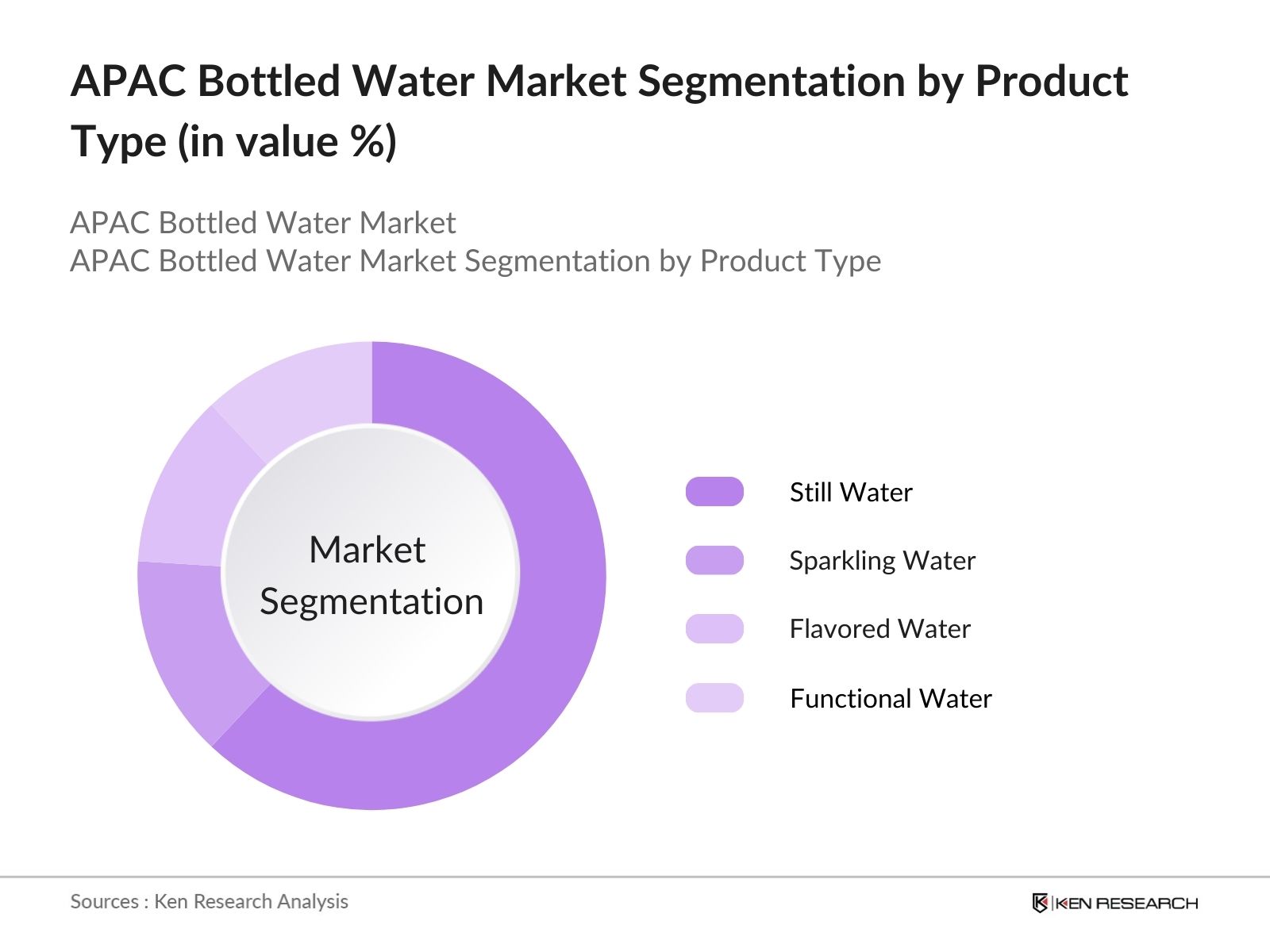
Still Water, Sparkling Water, Functional Water, Flavored Water |
|
Packaging Type |
PET Bottles, Glass Bottles, Cans, Cartons |
|
Distribution Channel |
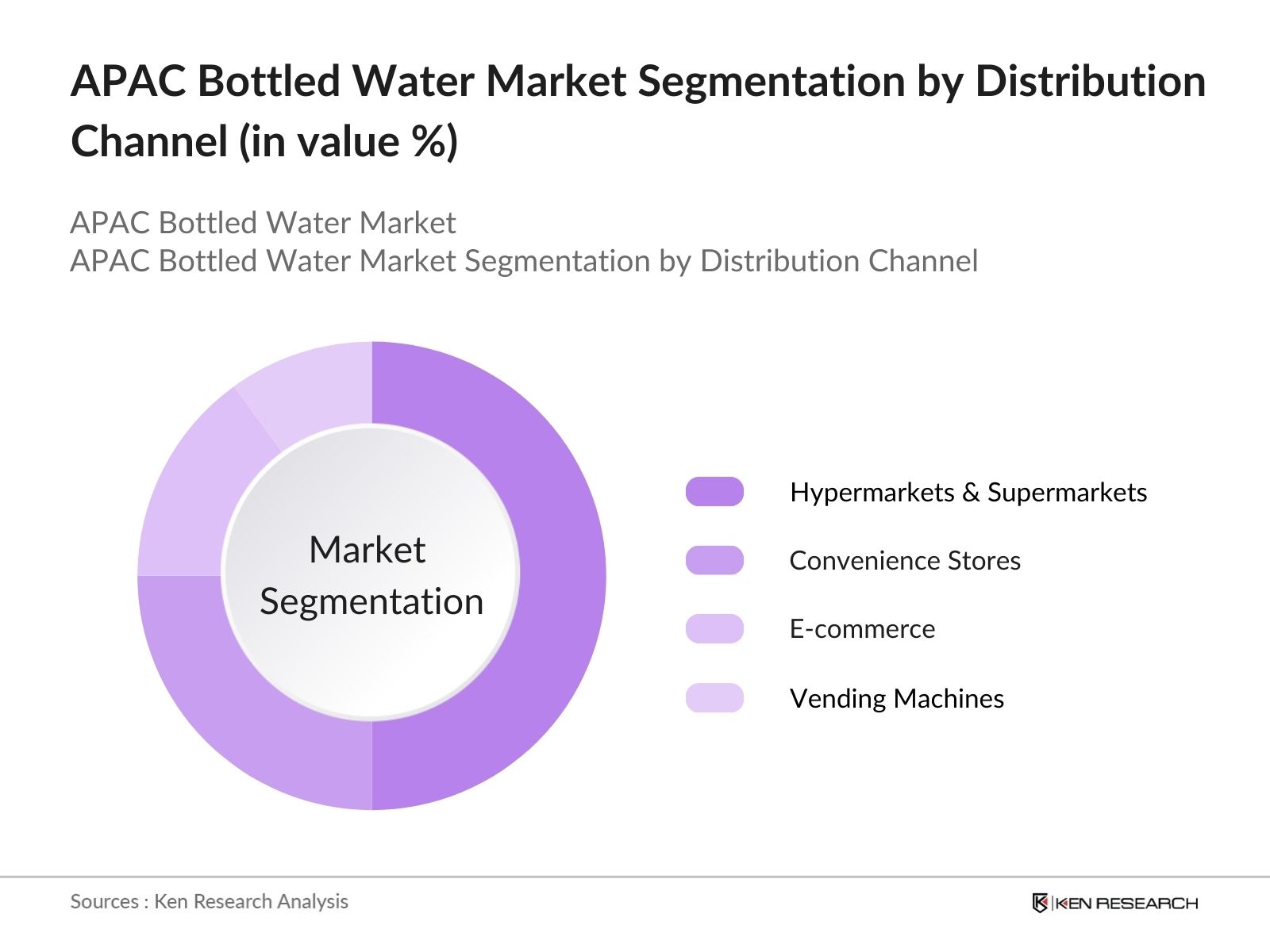
Hypermarkets & Supermarkets, Convenience Stores, E-commerce, Vending Machines |
|
Consumer Type |
Residential Consumers, Commercial Consumers, Institutional Buyers |
|
Region |
China, India, Japan, Southeast Asia (Indonesia, Vietnam, Malaysia), Australia |
1.1. Definition and Scope
1.2. Market Taxonomy
1.3. Market Growth Rate (Regional Bottled Water Penetration, Shift Towards Health & Wellness, Premium Water Products)
1.4. Market Segmentation Overview
2.1. Historical Market Size
2.2. Year-On-Year Growth Analysis (Bottled Water Volume Growth, Unit Sales, Value Sales)
2.3. Key Market Developments and Milestones
3.1. Growth Drivers
3.1.1. Increasing Consumer Health Awareness
3.1.2. Expanding Urban Population
3.1.3. Convenience and On-the-Go Consumption
3.1.4. Rising Disposable Income (Income Growth in Emerging Markets)
3.2. Market Challenges
3.2.1. Growing Concerns over Plastic Waste (Regulatory Scrutiny on Plastic Usage)
3.2.2. Competition from Tap Water & Purification Technologies
3.2.3. High Costs of Premium Bottled Water
3.3. Opportunities
3.3.1. Eco-friendly Packaging Solutions
3.3.2. Rising Demand for Functional and Flavored Water
3.3.3. Strategic Partnerships with Retail Giants (Emerging Online Distribution Channels)
3.4. Trends
3.4.1. Sustainable Water Sourcing
3.4.2. Growth of Local Bottled Water Brands
3.4.3. Organic & Natural Water Preferences
3.5. Government Regulation
3.5.1. Regulations on Water Extraction Rights
3.5.2. Packaging Material Guidelines (Ban on Single-use Plastics)
3.5.3. Water Safety and Quality Standards
3.6. SWOT Analysis
3.7. Stake Ecosystem
3.8. Porters Five Forces
3.9. Competition Ecosystem
4.1. By Product Type (In Value %)
4.1.1. Still Water
4.1.2. Sparkling Water
4.1.3. Functional Water
4.1.4. Flavored Water
4.2. By Packaging Type (In Value %)
4.2.1. PET Bottles
4.2.2. Glass Bottles
4.2.3. Cans
4.2.4. Cartons
4.3. By Distribution Channel (In Value %)
4.3.1. Hypermarkets & Supermarkets
4.3.2. Convenience Stores
4.3.3. E-commerce
4.3.4. Vending Machines
4.4. By Consumer Type (In Value %)
4.4.1. Residential Consumers
4.4.2. Commercial Consumers
4.4.3. Institutional Buyers
4.5. By Region (In Value %)
4.5.1. China
4.5.2. India
4.5.3. Japan
4.5.4. Southeast Asia (Indonesia, Vietnam, Malaysia)
4.5.5. Australia
5.1 Detailed Profiles of Major Companies
5.1.1. Danone
5.1.2. Nestl Waters
5.1.3. Coca-Cola Company
5.1.4. PepsiCo Inc.
5.1.5. Nongfu Spring
5.1.6. Tata Global Beverages
5.1.7. Suntory Beverage & Food
5.1.8. Fiji Water Company
5.1.9. Bisleri International
5.1.10. VOSS Water
5.1.11. Ferrarelle SpA
5.1.12. Crystal Geyser Water Company
5.1.13. Evian
5.1.14. Perrier
5.1.15. Highland Spring
5.2 Cross Comparison Parameters (Annual Bottled Water Volume Sales, Market Presence, Sustainability Initiatives, Water Sourcing Locations, Number of Employees, R&D Investments, Marketing Spend, New Product Launches)
5.3. Market Share Analysis
5.4. Strategic Initiatives
5.5. Mergers And Acquisitions
5.6. Investment Analysis
5.7. Venture Capital Funding
5.8. Government Grants
5.9. Private Equity Investments
6.1. Packaging and Labeling Regulations
6.2. Environmental Impact Guidelines
6.3. Water Safety and Quality Certifications
7.1. Future Market Size Projections
7.2. Key Factors Driving Future Market Growth (Demand for Sustainable Packaging, Growth of Functional Waters, Expansion of E-commerce Channels)
8.1. By Product Type (In Value %)
8.2. By Packaging Type (In Value %)
8.3. By Distribution Channel (In Value %)
8.4. By Consumer Type (In Value %)
8.5. By Region (In Value %)
9.1. TAM/SAM/SOM Analysis
9.2. Customer Cohort Analysis
9.3. Marketing Initiatives
9.4. White Space Opportunity Analysis
In this initial stage, the APAC bottled water market ecosystem is mapped by identifying all key stakeholders, including manufacturers, distributors, and regulatory bodies. Extensive desk research using proprietary databases and secondary resources forms the foundation for pinpointing crucial variables that drive market behavior and growth.
This step involves compiling historical data on the APAC bottled water market, focusing on consumer behavior, product sales, and revenue generation. The analysis includes an evaluation of the number of bottled water products available in the market compared to alternative water solutions. Service quality data is also reviewed to ensure reliable revenue estimates.
Hypotheses are formed regarding market dynamics and are validated through interviews with industry experts. These interviews, conducted via computer-assisted telephone interviews (CATIs), offer firsthand insights into product performance, pricing strategies, and emerging trends in the bottled water sector across APAC countries.
In the final step, consultations with bottled water manufacturers are conducted to gain a detailed understanding of product segmentation, sales trends, and consumer preferences. This information complements data collected from a bottom-up approach, ensuring a comprehensive and validated analysis of the APAC bottled water market.
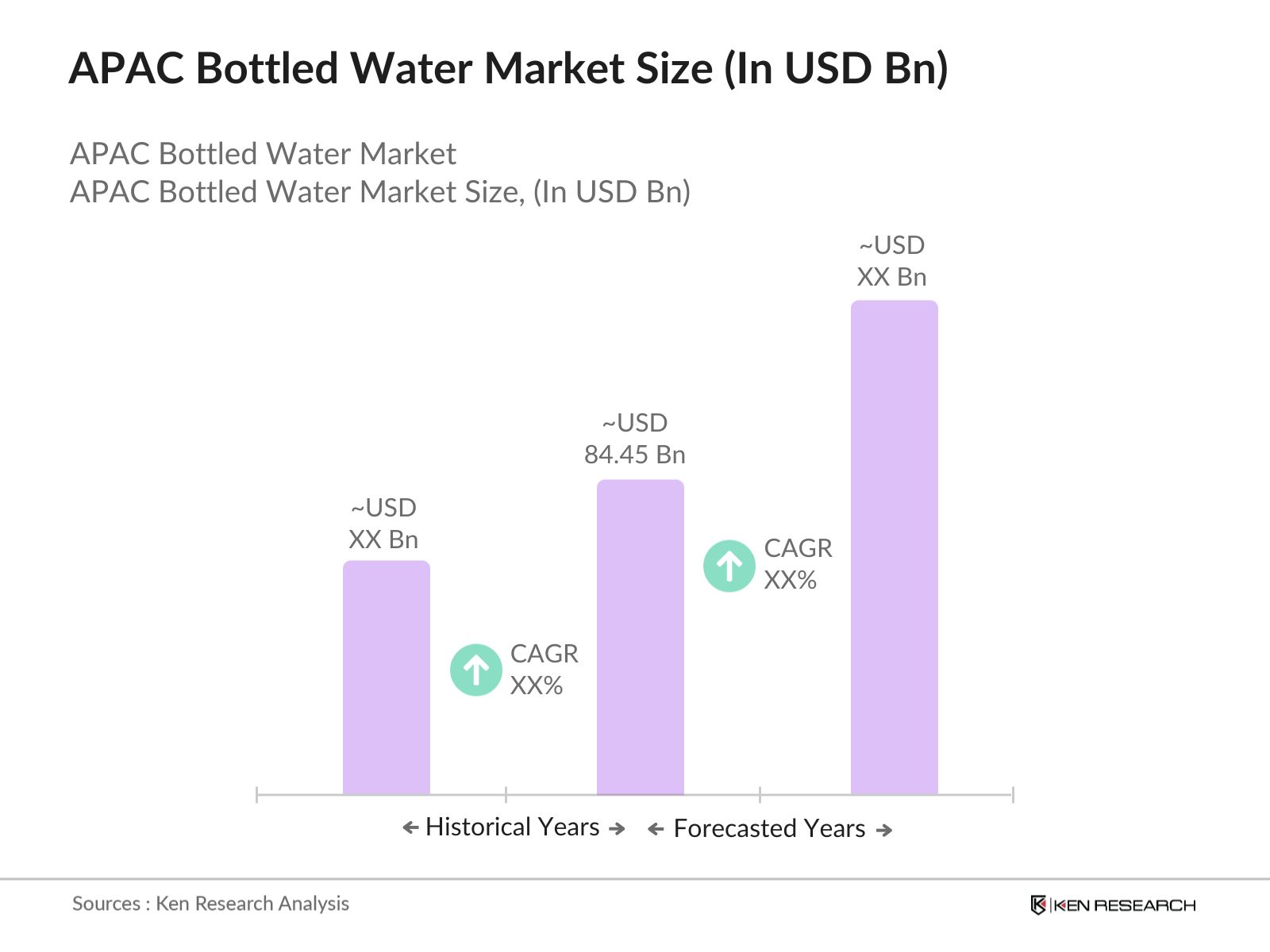
The APAC bottled water market, valued at USD 84.45 billion in 2023, is driven by increasing urbanization, rising health awareness, and the demand for safe drinking water across the region.
Challenges include rising environmental concerns related to plastic waste, competition from tap water filtration technologies, and growing regulatory pressure to adopt sustainable packaging solutions.
Key players include Nestl Waters, Coca-Cola Company, Nongfu Spring, PepsiCo Inc., and Suntory Beverage & Food. These companies have a strong presence due to their extensive distribution networks and innovative product offerings.
Key growth drivers include increasing health consciousness, rising disposable incomes, and the growing demand for premium and functional bottled water. The rise in e-commerce also plays a significant role in expanding distribution channels.

What makes us stand out is that our consultants follows Robust, Refine and Result (RRR) methodology. i.e. Robust for clear definitions, approaches and sanity checking, Refine for differentiating respondents facts and opinions and Result for presenting data with story

We have set a benchmark in the industry by offering our clients with syndicated and customized market research reports featuring coverage of entire market as well as meticulous research and analyst insights.

While we don't replace traditional research, we flip the method upside down. Our dual approach of Top Bottom & Bottom Top ensures quality deliverable by not just verifying company fundamentals but also looking at the sector and macroeconomic factors.

With one step in the future, our research team constantly tries to show you the bigger picture. We help with some of the tough questions you may encounter along the way: How is the industry positioned? Best marketing channel? KPI's of competitors? By aligning every element, we help maximize success.

Our report gives you instant access to the answers and sources that other companies might choose to hide. We elaborate each steps of research methodology we have used and showcase you the sample size to earn your trust.

If you need any support, we are here! We pride ourselves on universe strength, data quality, and quick, friendly, and professional service.