
APAC Regenerative Medicine Market Outlook to 2030
Region:Bangladesh
Author(s):Mukul
Product Code:KROD3478
Region:Bangladesh
Author(s):Mukul
Product Code:KROD3478
October 2024
81
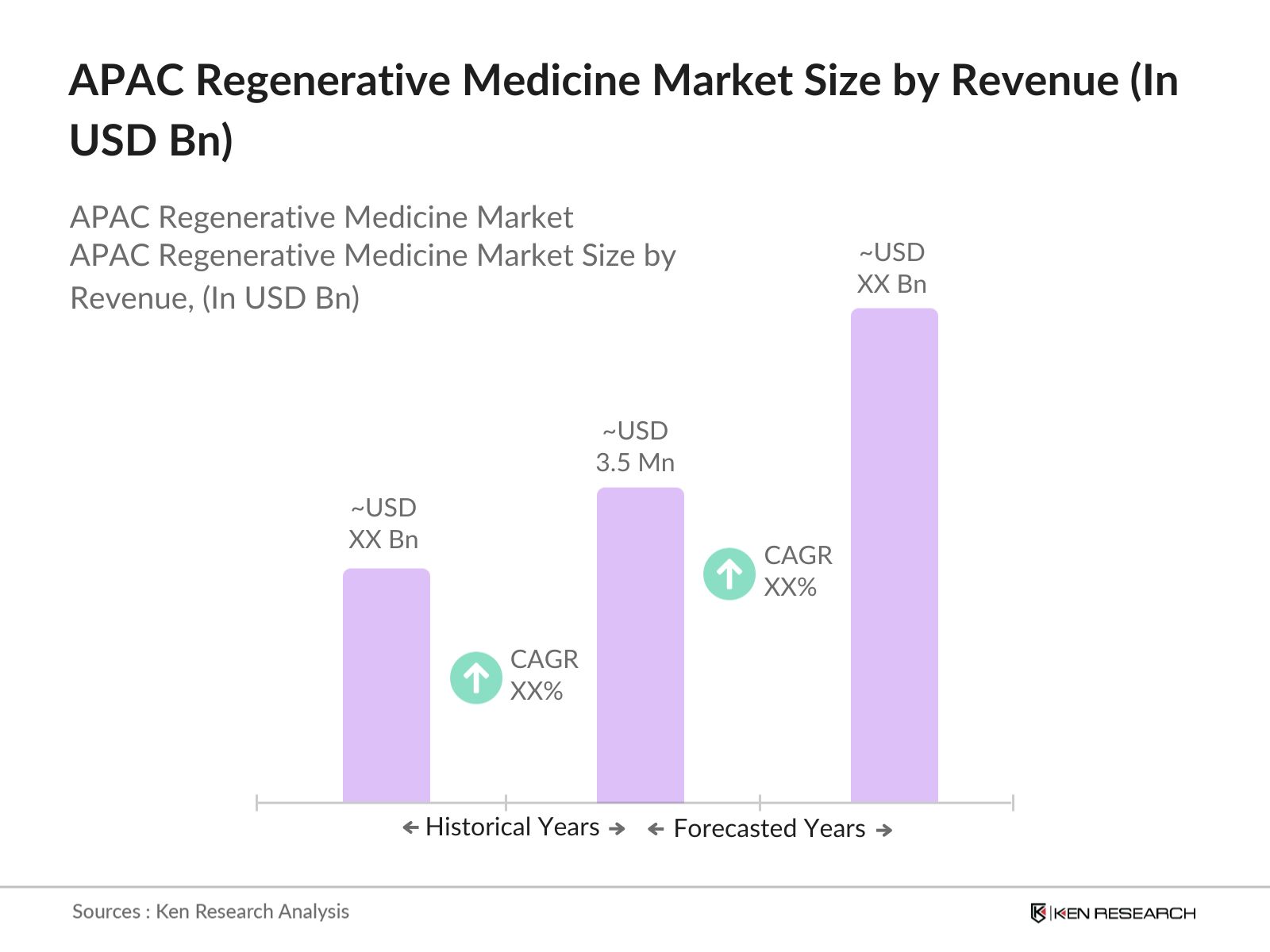
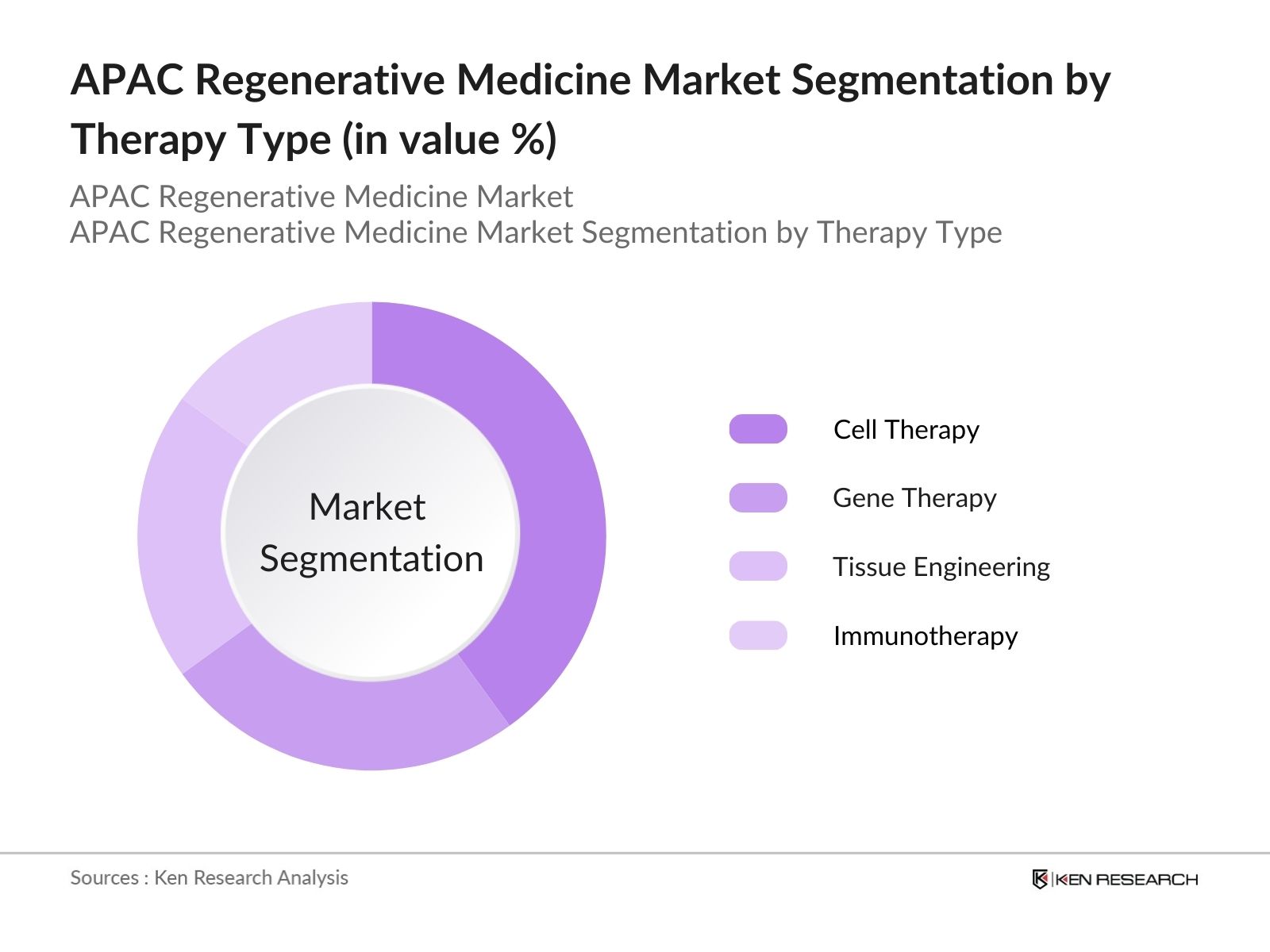
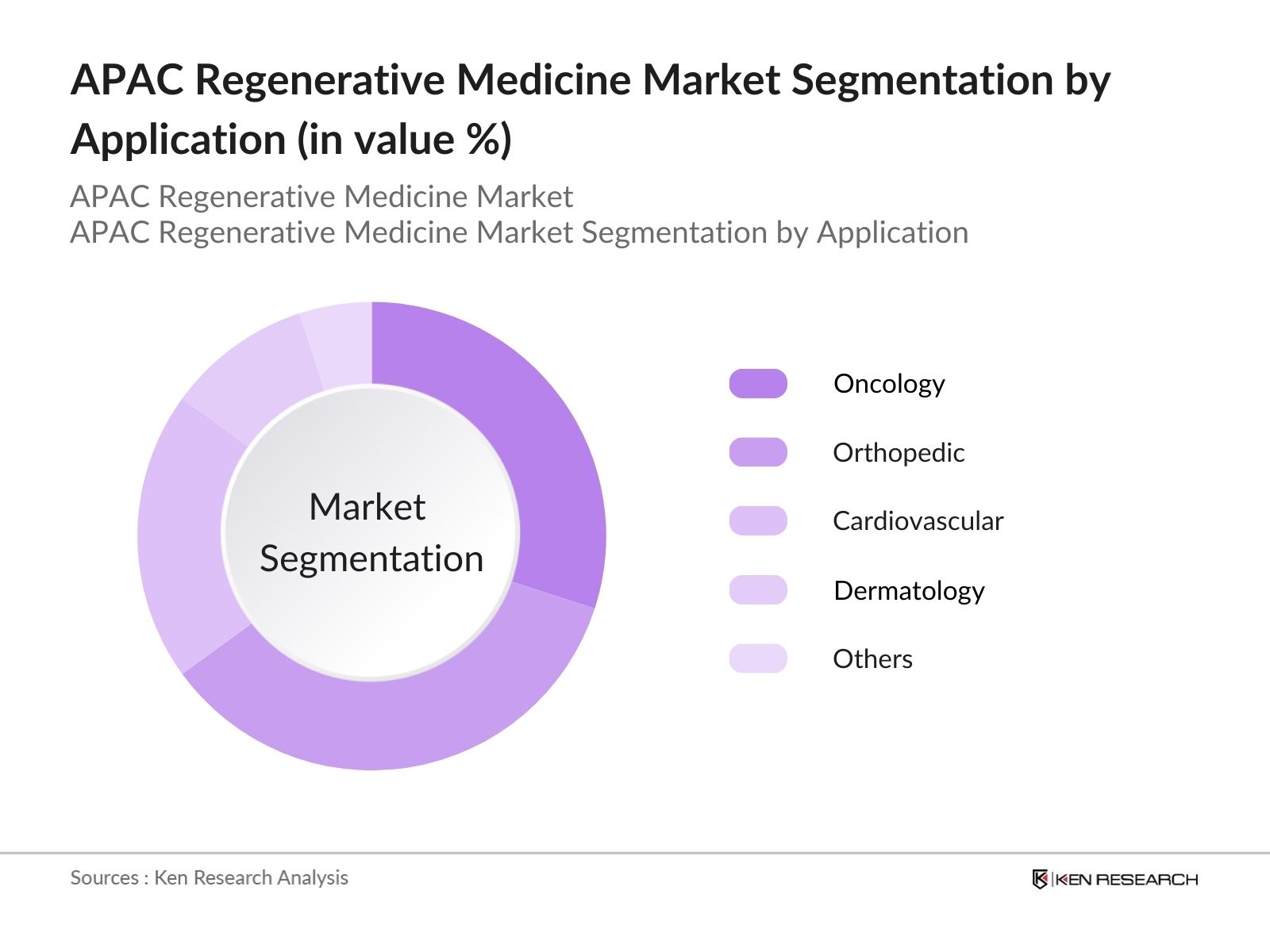
The APAC regenerative medicine market is dominated by both regional and global players. These companies focus on technological advancements, strategic collaborations, and investment in R&D to maintain their market leadership. For example, Mesoblast Limited in Australia leads in cell-based therapies, while Japans Fujifilm Holdings Corporation and JCR Pharmaceuticals have a strong presence in gene and cell therapy.
|
Company Name |
Establishment Year |
Headquarters |
Market Focus |
Key Products |
R&D Expenditure |
Strategic Alliances |
Patents Held |
Manufacturing Capacity |
|
JCR Pharmaceuticals Co., Ltd. |
1975 |
Japan |
||||||
|
Fujifilm Holdings Corporation |
1934 |
Japan |
||||||
|
Mesoblast Limited |
2004 |
Australia |
||||||
|
Kolon TissueGene, Inc. |
1999 |
South Korea |
||||||
|
Pharmicell Co., Ltd. |
2002 |
South Korea |
APAC Regenerative Medicine Market Growth Drivers
APAC Regenerative Medicine Market Restraints
Over the next five years, the APAC regenerative medicine market is expected to witness substantial growth, driven by government policies favoring advanced biotechnology, increasing investment in R&D, and the rising demand for innovative therapeutic solutions. The integration of artificial intelligence and 3D bioprinting technologies is set to enhance the capabilities of regenerative medicine, particularly in tissue engineering and gene therapy applications. Countries like China and Japan will likely continue leading the charge due to their strategic focus on healthcare innovation and research.
Market Opportunities
|
Therapy Type |
Cell Therapy Gene Therapy Tissue Engineering Immunotherapy |
|
Application |
Orthopedic Oncology Cardiovascular Dermatology Others (Neurological, Ophthalmology) |
|
Material Type |
Biologically Derived Materials Synthetic Materials Genetically Engineered Materials Scaffolding Materials |
|
End-User |
Hospitals and Clinics Academic & Research Institutes Biotech & Pharma Companies Ambulatory Surgical Centers |
|
Country |
China Japan South Korea India Australia |
1.1. Definition and Scope
1.2. Market Taxonomy
1.3. Market Growth Rate
1.4. Market Segmentation Overview
2.1. Historical Market Size
2.2. Year-On-Year Growth Analysis
2.3. Key Market Developments and Milestones
3.1.Growth Drivers
3.1.1. Rising Prevalence of Chronic Diseases
3.1.2. Increased Government Funding for Regenerative Medicine
3.1.3. Aging Population and Rising Demand for Organ Transplants
3.1.4. Growing Adoption of Stem Cell Technologies
3.2. Market Challenges
3.2.1. High Cost of Regenerative Therapies
3.2.2. Regulatory and Ethical Hurdles (Government Regulations)
3.2.3. Lack of Standardization in Regenerative Medicine (Compliance)
3.2.4. Limited Skilled Workforce
3.3. Opportunities
3.3.1. Technological Advancements in Tissue Engineering
3.3.2. Expansion of Clinical Applications (Regenerative Therapies)
3.3.3. Collaborative Research Initiatives (Public-Private Partnerships)
3.4. Trends
3.4.1. Gene Therapy Integration
3.4.2. Development of 3D Bioprinting Technologies
3.4.3. Use of Artificial Intelligence in Regenerative Medicine
3.5. Government Regulations and Compliance
3.5.1. APAC-Specific Regulatory Policies (Clinical Trials & Approvals)
3.5.2. Guidelines on Stem Cell Research and Applications
3.5.3. Biosafety Standards
3.6. SWOT Analysis
3.6.1. Strengths
3.6.2. Weaknesses
3.6.3. Opportunities
3.6.4. Threats
3.7. Stakeholder Ecosystem (Industry Stakeholders, Regulators, Researchers)
3.8. Porters Five Forces Analysis
3.9. Competition Ecosystem
4.1. By Therapy Type (In Value %)
4.1.1. Cell Therapy
4.1.2. Gene Therapy
4.1.3. Tissue Engineering
4.1.4. Immunotherapy
4.2. By Application (In Value %)
4.2.1. Orthopedic Regenerative Medicine
4.2.2. Oncology Regenerative Medicine
4.2.3. Cardiovascular Regenerative Medicine
4.2.4. Dermatology Regenerative Medicine
4.2.5. Others (Neurological, Ophthalmology)
4.3. By Material Type (In Value %)
4.3.1. Biologically Derived Materials (Cells, Tissues)
4.3.2. Synthetic Materials (Biopolymers)
4.3.3. Genetically Engineered Materials
4.3.4. Scaffolding Materials
4.4. By End-User (In Value %)
4.4.1. Hospitals and Clinics
4.4.2. Academic & Research Institutes
4.4.3. Biotech & Pharma Companies
4.4.4. Ambulatory Surgical Centers
4.5. By Country (In Value %)
4.5.1. China
4.5.2. Japan
4.5.3. South Korea
4.5.4. India
4.5.5. Australia
4.5.6. Rest of APAC
5.1.Detailed Profiles of Major Companies
5.1.1. JCR Pharmaceuticals Co., Ltd.
5.1.2. Fujifilm Holdings Corporation
5.1.3. Mesoblast Limited
5.1.4. Astellas Pharma Inc.
5.1.5. Kolon TissueGene, Inc.
5.1.6. Hitachi Chemical Co., Ltd.
5.1.7. Takeda Pharmaceutical Company Limited
5.1.8. Samsung Biologics
5.1.9. Lonza Group
5.1.10. Cytori Therapeutics Inc.
5.1.11. Medipost Co., Ltd.
5.1.12. Pharmicell Co., Ltd.
5.1.13. GenScript Biotech Corporation
5.1.14. Pluristem Therapeutics Inc.
5.1.15. Cellular Biomedicine Group, Inc.
5.2. Cross Comparison Parameters (Market Share, Number of Patents, R&D Spending, Regional Presence, Strategic Alliances, Product Pipeline, Manufacturing Capacity, Regulatory Approvals)
5.3. Market Share Analysis
5.4. Strategic Initiatives
5.5. Mergers and Acquisitions
5.6. Investment Analysis
5.7. Government Funding
5.8. Venture Capital Investments
5.9. Collaborative Partnerships
6.1. Regulatory Guidelines for Stem Cell Therapy
6.2. Gene Therapy Approval Process
6.3. Tissue Engineering Regulations
6.4. Compliance Requirements for Biologics Manufacturing
7.1. Future Market Size Projections
7.2. Key Factors Driving Future Market Growth
8.1. By Therapy Type (In Value %)
8.2. By Application (In Value %)
8.3. By Material Type (In Value %)
8.4. By End-User (In Value %)
8.5. By Country (In Value %)
9.1. TAM/SAM/SOM Analysis
9.2. Market Positioning Strategy
9.3. Customer Acquisition and Retention Strategies
9.4. White Space Opportunity Analysis
The first step involved mapping out the entire regenerative medicine ecosystem in the APAC region. This step included extensive desk research from both secondary and proprietary databases to identify key variables influencing the market, such as technology adoption rates, clinical trial approvals, and regulatory landscape.
Historical data on regenerative medicine, including adoption trends in cell and gene therapies, were compiled to assess market penetration and growth. The analysis focused on therapy types and their revenue contributions in different countries across APAC.
Hypotheses about market growth and challenges were validated through interviews with experts from the regenerative medicine field. These consultations provided valuable insights into market trends, product pipelines, and operational challenges faced by key market players.
The final stage involved synthesizing data gathered from industry reports, interviews, and database research to produce an accurate and validated market forecast. This approach ensured that the analysis captures the complexity and growth potential of the APAC regenerative medicine market.
The APAC regenerative medicine market size by revenue USD 3.5 billion, driven by increasing investments in biotech research, government initiatives, and the rising need for advanced therapeutic solutions.
Key challenges include high costs of therapy, regulatory hurdles, and the lack of standardized guidelines across countries, which can hinder market penetration and slow clinical adoption.
Major players include JCR Pharmaceuticals, Fujifilm Holdings, Mesoblast Limited, and Kolon TissueGene. These companies dominate through technological advancements and strategic partnerships in the field.
The market is driven by the increasing prevalence of chronic diseases, advancements in stem cell therapies, and rising investments in biotechnological innovations, particularly in China and Japan.

What makes us stand out is that our consultants follows Robust, Refine and Result (RRR) methodology. i.e. Robust for clear definitions, approaches and sanity checking, Refine for differentiating respondents facts and opinions and Result for presenting data with story

We have set a benchmark in the industry by offering our clients with syndicated and customized market research reports featuring coverage of entire market as well as meticulous research and analyst insights.

While we don't replace traditional research, we flip the method upside down. Our dual approach of Top Bottom & Bottom Top ensures quality deliverable by not just verifying company fundamentals but also looking at the sector and macroeconomic factors.

With one step in the future, our research team constantly tries to show you the bigger picture. We help with some of the tough questions you may encounter along the way: How is the industry positioned? Best marketing channel? KPI's of competitors? By aligning every element, we help maximize success.

Our report gives you instant access to the answers and sources that other companies might choose to hide. We elaborate each steps of research methodology we have used and showcase you the sample size to earn your trust.

If you need any support, we are here! We pride ourselves on universe strength, data quality, and quick, friendly, and professional service.