
Asia-Pacific Advanced Wound Care Market Outlook to 2030
Region:Asia
Author(s):Naman Rohilla
Product Code:KROD3358
November 2024
87
About the Report
Asia-Pacific Advanced Wound Care Market Overview
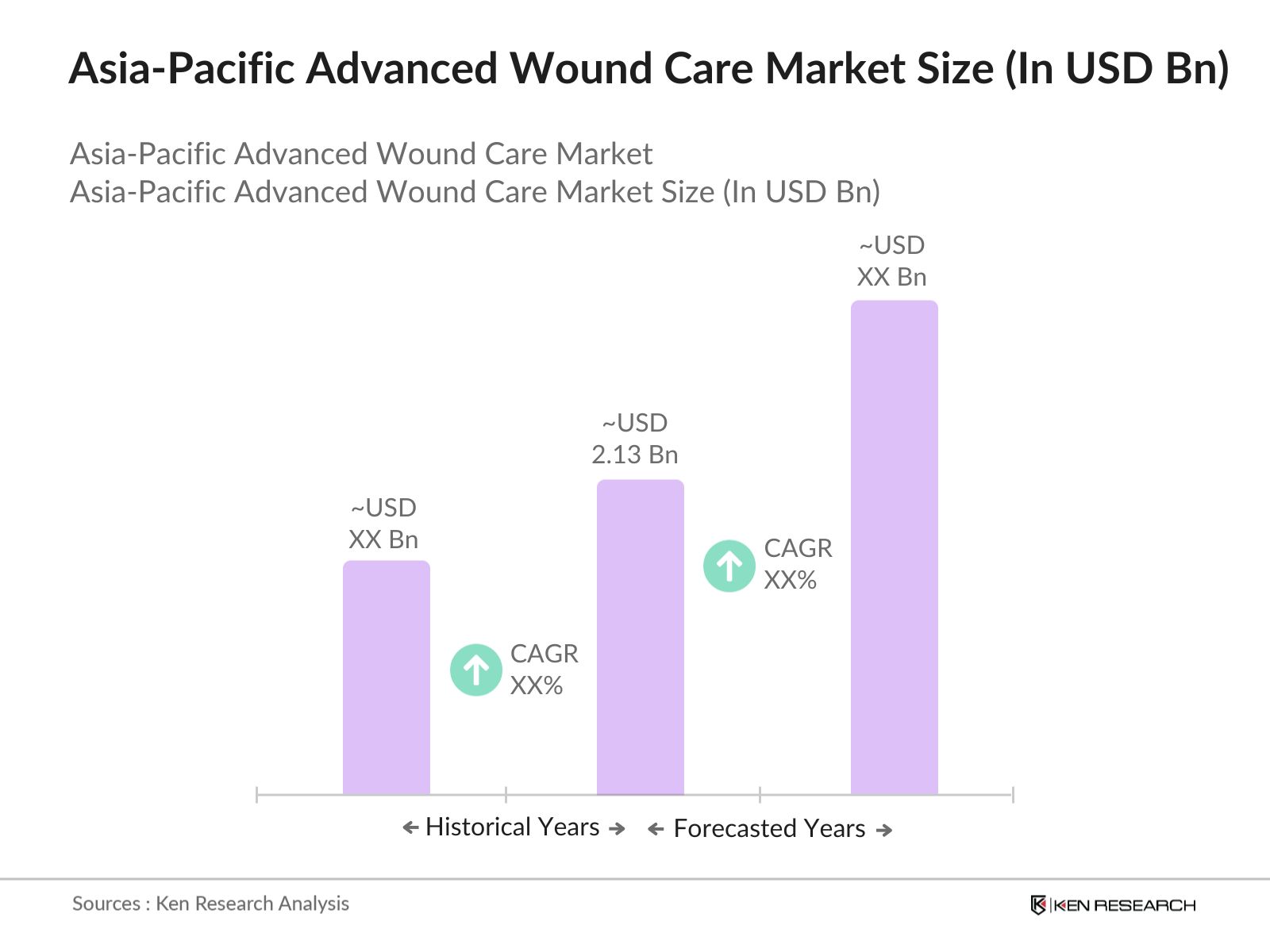
- The Asia-Pacific Advanced Wound Care Market is valued at USD 2.13 billion, based on a five-year historical analysis. The market is driven by the rising incidence of chronic diseases such as diabetes and vascular conditions that lead to chronic wounds. Moreover, technological advancements in wound care products, including bioactive dressings and antimicrobial wound care solutions, are propelling market growth. Key governments in the region are also focusing on healthcare investments, further boosting demand for advanced wound care products.
- Countries like Japan, China, and India dominate the market due to their well-developed healthcare systems, growing ageing population, and increasing prevalence of chronic conditions such as diabetes and cardiovascular diseases. These countries have a high demand for advanced wound care due to their large elderly populations, who are more susceptible to chronic wounds. Japan, in particular, is a leader in healthcare technology and innovations, contributing to its dominance.
- Reimbursement policies for wound care products vary across the Asia-Pacific region. In Australia, the governments Medicare Benefits Schedule covers specific advanced wound care treatments, reducing out-of-pocket expenses for patients. In contrast, countries like Indonesia have limited reimbursement frameworks, impacting the affordability of advanced wound care solutions. Government support through reimbursement is critical to making advanced wound care accessible, particularly for patients with chronic wounds.
Asia-Pacific Advanced Wound Care Market Segmentation
The Asia-Pacific Advanced Wound Care Market is segmented by technology, MRO type, end-user industry, product type, and geographical region.
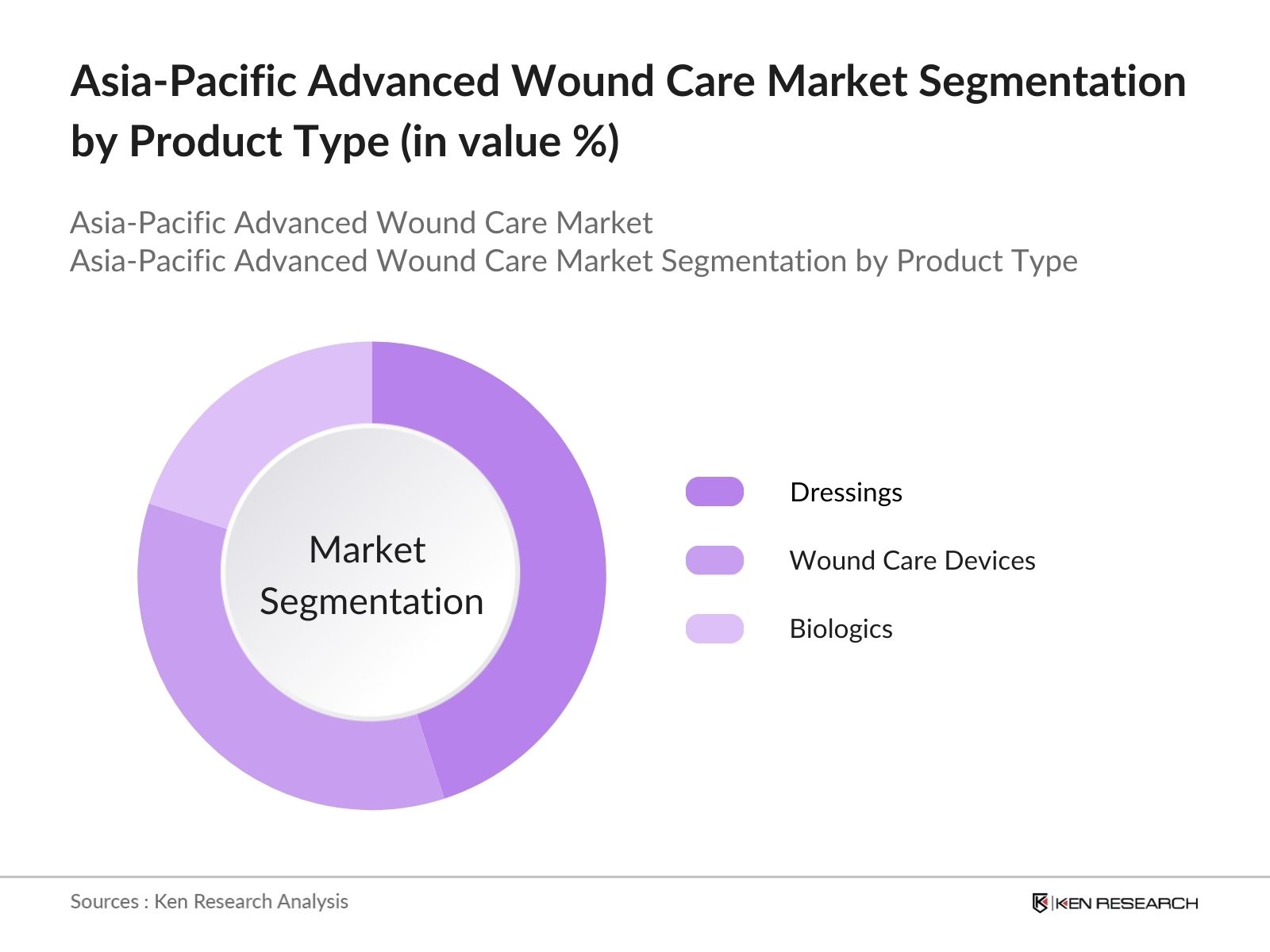
By Product Type: The Asia-Pacific Advanced Wound Care market is segmented by product type into dressings, wound care devices, and biologics. Dressings dominate this segment due to their widespread usage in hospitals and clinics. Advanced wound care dressings like hydrocolloid, foam, and alginate are preferred for managing chronic and acute wounds, as they maintain a moist environment conducive to healing. The accessibility of these products in homecare settings also contributes to their dominance, especially among aging populations requiring consistent care.
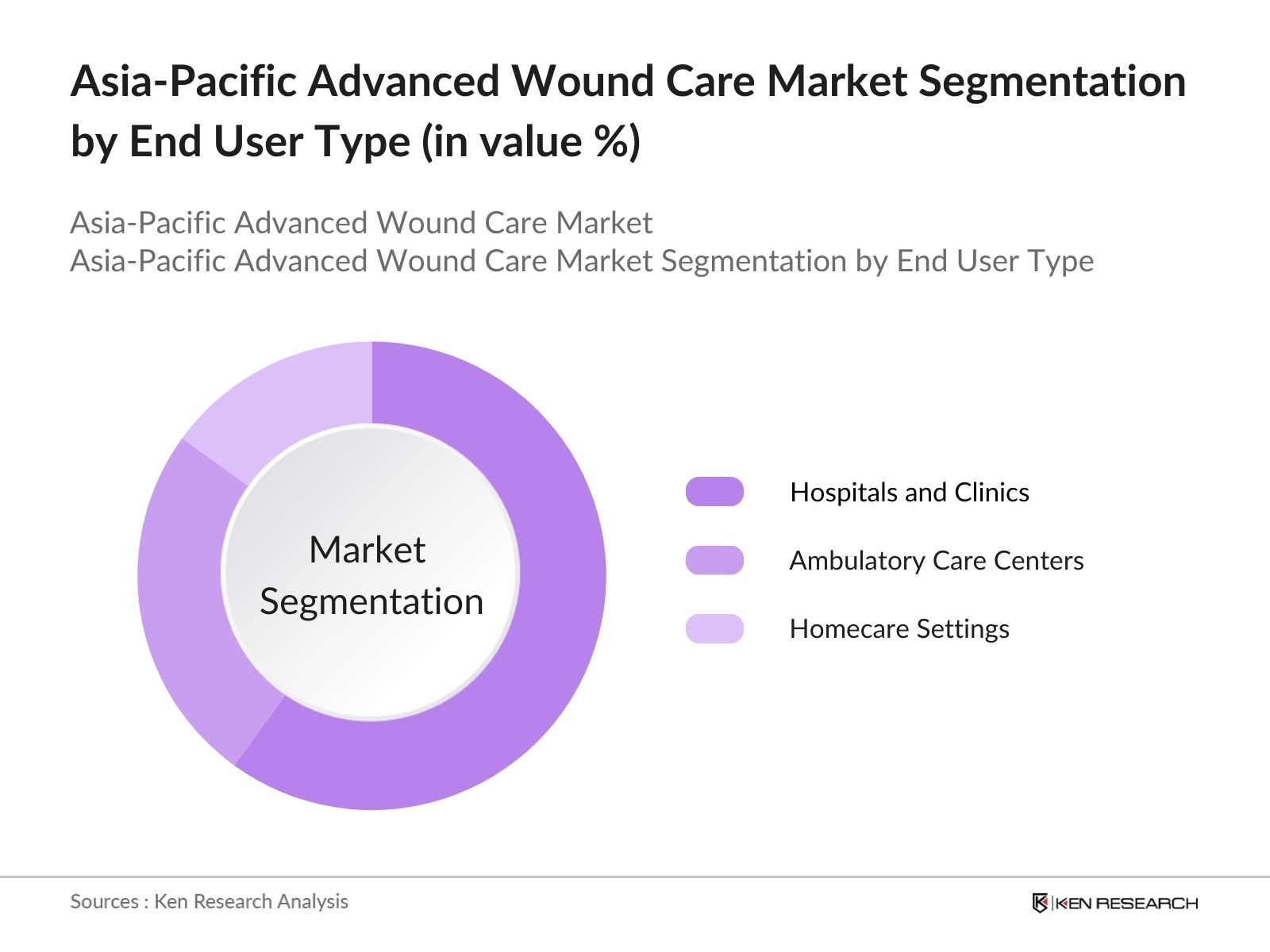
By End User: The Asia-Pacific Advanced Wound Care market is also segmented by end user into hospitals and clinics, ambulatory care centers, and homecare settings. Hospitals and clinics hold the dominant market share in this segment due to the high volume of chronic and acute wound cases managed in these facilities. Hospitals and clinics are also the primary setting for complex wound care management and post-surgical wound care, ensuring consistent demand for advanced wound care products.
Asia-Pacific Advanced Wound Care Market Competitive Landscape
The Asia-Pacific Advanced Wound Care market is dominated by both global giants and local players. Key players in this market include global companies like Smith & Nephew, Mlnlycke Health Care, and 3M, alongside regional players. The competitive landscape is shaped by mergers and acquisitions, product innovations, and market expansions. Companies are focusing on developing cost-effective products and leveraging partnerships to penetrate underserved markets within the region. This consolidation highlights the influence of key companies, who continue to invest in R&D to maintain their leadership.
|
Company Name |
Establishment Year |
Headquarters |
Global Presence |
Product Innovation |
R&D Investment |
Patents |
Strategic Partnerships |
|
Smith & Nephew |
1856 |
London, UK |
- |
- |
- |
- |
- |
|
Mlnlycke Health Care |
1849 |
Gothenburg, Sweden |
- |
- |
- |
- |
- |
|
ConvaTec Group Plc |
1978 |
Reading, UK |
- |
- |
- |
- |
- |
|
3M Company |
1902 |
Minnesota, USA |
- |
- |
- |
- |
- |
|
Coloplast A/S |
1957 |
Humlebk, Denmark |
- |
- |
- |
- |
- |
Asia-Pacific Advanced Wound Care Market Analysis
Asia-Pacific Advanced Wound Care Market Growth Drivers:
- Rising Incidence of Chronic Wounds: The rising incidence of chronic wounds, particularly diabetic foot ulcers and venous leg ulcers, is indeed a health concern in the Asia-Pacific region. The International Diabetes Federation estimates that a substantial number of individuals in Southeast Asia live with diabetes, which is closely linked to an increase in diabetic foot ulcers. In Japan, the prevalence of chronic wounds related to venous leg ulcers among the elderly is notable, affecting around 1 in 100 individuals aged 65 and older. This high prevalence contributes to a considerable burden on healthcare systems, necessitating advanced wound care products for effective treatment and improved quality of life.
- Ageing Population: The ageing population in the Asia-Pacific region is growing rapidly, particularly in countries like Japan and South Korea. As reported, nearly 36 million individuals in Japan are aged 65 and above, accounting for 29% of the total population. This demographic shift increases susceptibility to conditions such as pressure ulcers and post-surgical wounds due to factors like declining skin integrity and mobility issues. Consequently, there is an anticipated rise in demand for surgeries and geriatric care, further driving the adoption of advanced wound care products.
- Technological Advancements in Wound Care Products: Technological advancements in wound care, including bioactive dressings and antimicrobial solutions, are transforming the healthcare landscape in the Asia-Pacific region. Reports indicate that bioactive dressings promoting tissue regeneration have seen increased use in hospital settings, particularly in China, where there was a reported 20% increase in adoption across urban hospitals in 2023. Additionally, Australia has been at the forefront of research into antimicrobial dressings, which are now being integrated into public health programs. These innovations are crucial for improving patient outcomes and enhancing wound management practices.
Asia-Pacific Advanced Wound Care Market Challenges:
- High Cost of Advanced Wound Care Products: The high cost of advanced wound care products limits their accessibility, especially in developing regions. In Southeast Asia, the average cost of bioactive dressings ranges from $20 to $60 per application, compared to $5 to $10 for traditional dressings. The World Health Organization reports that out-of-pocket healthcare expenses in low-income countries account for over 50% of total healthcare expenditure, impacting affordability. The cost factor remains a major challenge in the adoption of advanced wound care products.
- Lack of Skilled Healthcare Professionals: The Asia-Pacific region faces a shortage of healthcare professionals trained in advanced wound care management. A study by the World Bank indicates that in 2023, Indonesia had only 4.5 healthcare workers per 1,000 population, well below the global average of 15 per 1,000. Inadequate training in specialized wound care techniques exacerbates the issue, particularly in rural areas where healthcare access is already limited. This skills gap affects the quality and efficiency of wound care services.
Asia-Pacific Advanced Wound Care Future Market Outlook
Over the next five years, the Asia-Pacific Advanced Wound Care market is expected to shows growth driven by the rising ageing population, increasing prevalence of chronic diseases, and technological advancements in wound care management. Governments across the region are also expanding healthcare coverage, particularly for the elderly, and promoting innovation in medical technologies, which will further boost the market. The growing demand for biologics and the introduction of artificial intelligence in wound care treatment and monitoring are poised to transform the sector.
Asia-Pacific Advanced Wound Care Market Opportunities:
- Expansion in Emerging Markets: Emerging markets such as Vietnam and the Philippines present several opportunities for advanced wound care products. Vietnam's Ministry of Health reported that in 2023, over 7 million individuals required chronic wound treatments, a figure expected to increase due to rising diabetes cases. These countries are currently underserved in terms of advanced wound care infrastructure, providing ample opportunities for manufacturers to expand their footprint and meet growing demand.
- Increasing Adoption of Telemedicine in Wound Care: Telemedicine is increasingly being adopted for wound care management in the Asia-Pacific region, particularly in countries like Australia and India. The Indian government reported that over 2 million telemedicine consultations were conducted in 2023 through its eSanjeevani platform, a portion of which included remote wound care monitoring. The ability to provide wound care consultations remotely is expanding access to specialized treatments, especially in rural areas, and is expected to grow further as digital healthcare infrastructure improves.
Scope of the Report
|
Product Type |
Dressings (Hydrocolloid, foam, alginate, collagen) Wound Care Devices (Negative pressure, oxygen therapy) Biologics (Growth factors, skin substitutes) |
|
Wound Type |
Chronic Wounds (Diabetic foot ulcers, pressure ulcers) Acute Wounds (Surgical wounds, trauma) |
|
End User |
Hospitals and Clinics Ambulatory Care Centers Homecare Settings |
|
Distribution Channel |
Direct Sales Distributors/Wholesalers Online Sales |
|
By Region |
China Japan South Korea Australia India Rest of APAC |
Products
Key Target Audience Organizations and Entities Who Can Benefit by Subscribing This Report:
Government and Regulatory Bodies
Banks and Financial Institutes
Investors and Venture Capitalists
Healthcare Providers (Hospitals and Clinics)
Ambulatory Care Centers
Wound Care Product Manufacturers
Distributors and Wholesalers
Companies
Players Mentioned in the Report:
Smith & Nephew
Mlnlycke Health Care
ConvaTec Group Plc
3M Company
Coloplast A/S
Integra LifeSciences
B. Braun Melsungen AG
Medline Industries
Organogenesis Holdings Inc.
Hartmann Group
Lohmann & Rauscher
MiMedx Group
Kinetic Concepts Inc.
Acelity L.P. Inc.
Cardinal Health
Table of Contents
1. Asia-Pacific Advanced Wound Care Market Overview
1.1. Definition and Scope
1.2. Market Taxonomy
1.3. Market Growth Rate
1.4. Market Segmentation Overview
2. Asia-Pacific Advanced Wound Care Market Size (In USD Bn)
2.1. Historical Market Size
2.2. Year-On-Year Growth Analysis
2.3. Key Market Developments and Milestones
3. Asia-Pacific Advanced Wound Care Market Analysis
3.1. Growth Drivers
3.1.1. Rising Incidence of Chronic Wounds (e.g., diabetic foot ulcers, venous leg ulcers)
3.1.2. Aging Population (Increase in elderly care and surgery cases)
3.1.3. Technological Advancements in Wound Care Products (e.g., bioactive dressings, antimicrobial dressings)
3.1.4. Government Healthcare Initiatives and Funding (Increased healthcare expenditure, subsidy programs)
3.2. Market Challenges
3.2.1. High Cost of Advanced Wound Care Products (Impact on accessibility in developing regions)
3.2.2. Lack of Skilled Healthcare Professionals (Training gaps in wound care management)
3.2.3. Regulatory Hurdles and Compliance Issues (Product approvals and market entry barriers)
3.3. Opportunities
3.3.1. Expansion in Emerging Markets (Untapped Potential in Southeast Asia)
3.3.2. Increasing Adoption of Telemedicine in Wound Care (Remote monitoring and digital platforms)
3.3.3. Partnerships Between Public and Private Sectors (Collaborations for research and product development)
3.4. Trends
3.4.1. Integration of Artificial Intelligence and Machine Learning in Wound Care (AI-based wound diagnosis tools)
3.4.2. Growth in Use of Biologically Derived Products (Use of skin substitutes and growth factors)
3.4.3. Increased Focus on Personalized Wound Care (Tailored treatment regimens based on patient profiles)
3.5. Government Regulations
3.5.1. Asia-Pacific Medical Device Regulations (Product approvals and quality standards)
3.5.2. Reimbursement Policies for Wound Care Products (Government support for affordability)
3.5.3. National Healthcare Plans (Impact on wound care adoption rates)
3.6. SWOT Analysis
3.7. Stakeholder Ecosystem (Healthcare providers, distributors, R&D)
3.8. Porters Five Forces Analysis
3.9. Competitive Ecosystem
4. Asia-Pacific Advanced Wound Care Market Segmentation
4.1. By Product Type (In Value %)
4.1.1. Dressings (Hydrocolloid, foam, alginate, collagen, etc.)
4.1.2. Wound Care Devices (Negative pressure wound therapy, oxygen wound therapy)
4.1.3. Biologics (Growth factors, skin substitutes)
4.2. By Wound Type (In Value %)
4.2.1. Chronic Wounds (Diabetic foot ulcers, pressure ulcers)
4.2.2. Acute Wounds (Surgical wounds, trauma)
4.3. By End User (In Value %)
4.3.1. Hospitals and Clinics
4.3.2. Ambulatory Care Centers
4.3.3. Homecare Settings
4.4. By Distribution Channel (In Value %)
4.4.1. Direct Sales
4.4.2. Distributors/Wholesalers
4.4.3. Online Sales
4.5. By Region (In Value %)
4.5.1. China
4.5.2. Japan
4.5.3. South Korea
4.5.4. Australia
4.5.5. India
4.5.6. Rest of Asia-Pacific
5. Asia-Pacific Advanced Wound Care Market Competitive Analysis
5.1. Detailed Profiles of Major Companies
5.1.1. Smith & Nephew
5.1.2. Mlnlycke Health Care
5.1.3. ConvaTec Group Plc
5.1.4. 3M Company
5.1.5. Coloplast A/S
5.1.6. Integra LifeSciences
5.1.7. Hartmann Group
5.1.8. Medline Industries
5.1.9. B. Braun Melsungen AG
5.1.10. Acelity L.P. Inc.
5.1.11. Organogenesis Holdings Inc.
5.1.12. Cardinal Health
5.1.13. Lohmann & Rauscher
5.1.14. MiMedx Group
5.1.15. Kinetic Concepts Inc.
5.2. Cross Comparison Parameters (Product Portfolio, Global Presence, R&D Investment, Innovation Focus, Manufacturing Capabilities, Strategic Initiatives, Revenue, Number of Patents)
5.3. Market Share Analysis
5.4. Strategic Initiatives (Product launches, geographic expansion, collaborations)
5.5. Mergers and Acquisitions
5.6. Investment Analysis
5.7. Venture Capital Funding
5.8. Private Equity Investments
6. Asia-Pacific Advanced Wound Care Market Regulatory Framework
6.1. Product Registration Processes
6.2. Compliance with Local Medical Device Laws
6.3. Certification Requirements
6.4. Quality Control Standards
7. Asia-Pacific Advanced Wound Care Future Market Size (In USD Bn)
7.1. Future Market Size Projections
7.2. Key Factors Driving Future Market Growth
8. Asia-Pacific Advanced Wound Care Future Market Segmentation
8.1. By Product Type (In Value %)
8.2. By Wound Type (In Value %)
8.3. By End User (In Value %)
8.4. By Distribution Channel (In Value %)
8.5. By Region (In Value %)
9. Asia-Pacific Advanced Wound Care Market Analysts Recommendations
9.1. TAM/SAM/SOM Analysis
9.2. Customer Cohort Analysis
9.3. Marketing Initiatives
9.4. White Space Opportunity Analysis
Disclaimer Contact UsResearch Methodology
Step 1: Identification of Key Variables
The initial phase involves mapping out all major stakeholders within the Asia-Pacific Advanced Wound Care Market, including healthcare providers, manufacturers, and regulatory bodies. Desk research using secondary databases is utilized to gather relevant industry data, with the aim of defining the critical variables affecting the market, such as product innovation and regulatory compliance.
Step 2: Market Analysis and Construction
This phase focuses on compiling and analyzing historical data related to the market, including product usage trends and end-user demographics. The market penetration rate and revenue generation metrics are thoroughly assessed, along with other service performance indicators to ensure the accuracy of revenue projections.
Step 3: Hypothesis Validation and Expert Consultation
Market hypotheses are created and validated through structured interviews with industry experts. These consultations help gather actionable insights into market operations, product performance, and regulatory frameworks, ensuring the reliability of the market data collected.
Step 4: Research Synthesis and Final Output
The final stage synthesizes data from multiple sources to produce a well-rounded market report. Additional input is sought from manufacturers, healthcare professionals, and government bodies to ensure the report's findings are accurate, with a special focus on end-user preferences and emerging product trends in the wound care sector.
Frequently Asked Questions
01. How big is the Asia-Pacific Advanced Wound Care Market?
The Asia-Pacific Advanced Wound Care Market is valued at USD 2.13 billion, driven by rising healthcare expenditure, increasing incidences of chronic wounds, and technological advancements in wound care products.
02. What are the challenges in the Asia-Pacific Advanced Wound Care Market?
Asia-Pacific Advanced Wound Care Market Challenges include the high cost of advanced wound care products, lack of skilled healthcare professionals, and regulatory hurdles associated with the approval and distribution of new products in certain markets.
03. Who are the major players in the Asia-Pacific Advanced Wound Care Market?
Key players of the Asia-Pacific Advanced Wound Care Market include Smith & Nephew, Mlnlycke Health Care, ConvaTec Group Plc, 3M Company, and Coloplast A/S, dominating the market through product innovation, global reach, and strong brand loyalty.
04. What are the growth drivers of the Asia-Pacific Advanced Wound Care Market?
The Asia-Pacific Advanced Wound Care Market is driven by factors such as rising incidence of chronic diseases, technological advancements in wound care products, and increased government funding for healthcare infrastructure, particularly in developing countries.
Why Buy From Us?

What makes us stand out is that our consultants follows Robust, Refine and Result (RRR) methodology. i.e. Robust for clear definitions, approaches and sanity checking, Refine for differentiating respondents facts and opinions and Result for presenting data with story

We have set a benchmark in the industry by offering our clients with syndicated and customized market research reports featuring coverage of entire market as well as meticulous research and analyst insights.

While we don't replace traditional research, we flip the method upside down. Our dual approach of Top Bottom & Bottom Top ensures quality deliverable by not just verifying company fundamentals but also looking at the sector and macroeconomic factors.

With one step in the future, our research team constantly tries to show you the bigger picture. We help with some of the tough questions you may encounter along the way: How is the industry positioned? Best marketing channel? KPI's of competitors? By aligning every element, we help maximize success.

Our report gives you instant access to the answers and sources that other companies might choose to hide. We elaborate each steps of research methodology we have used and showcase you the sample size to earn your trust.

If you need any support, we are here! We pride ourselves on universe strength, data quality, and quick, friendly, and professional service.