
Asia-Pacific Assisted Reproductive Technology Market Outlook to 2030
Region:Asia
Author(s):Shubham Kashyap
Product Code:KROD1056
October 2024
93
About the Report
Asia-Pacific Assisted Reproductive Technology (ART) Market Overview
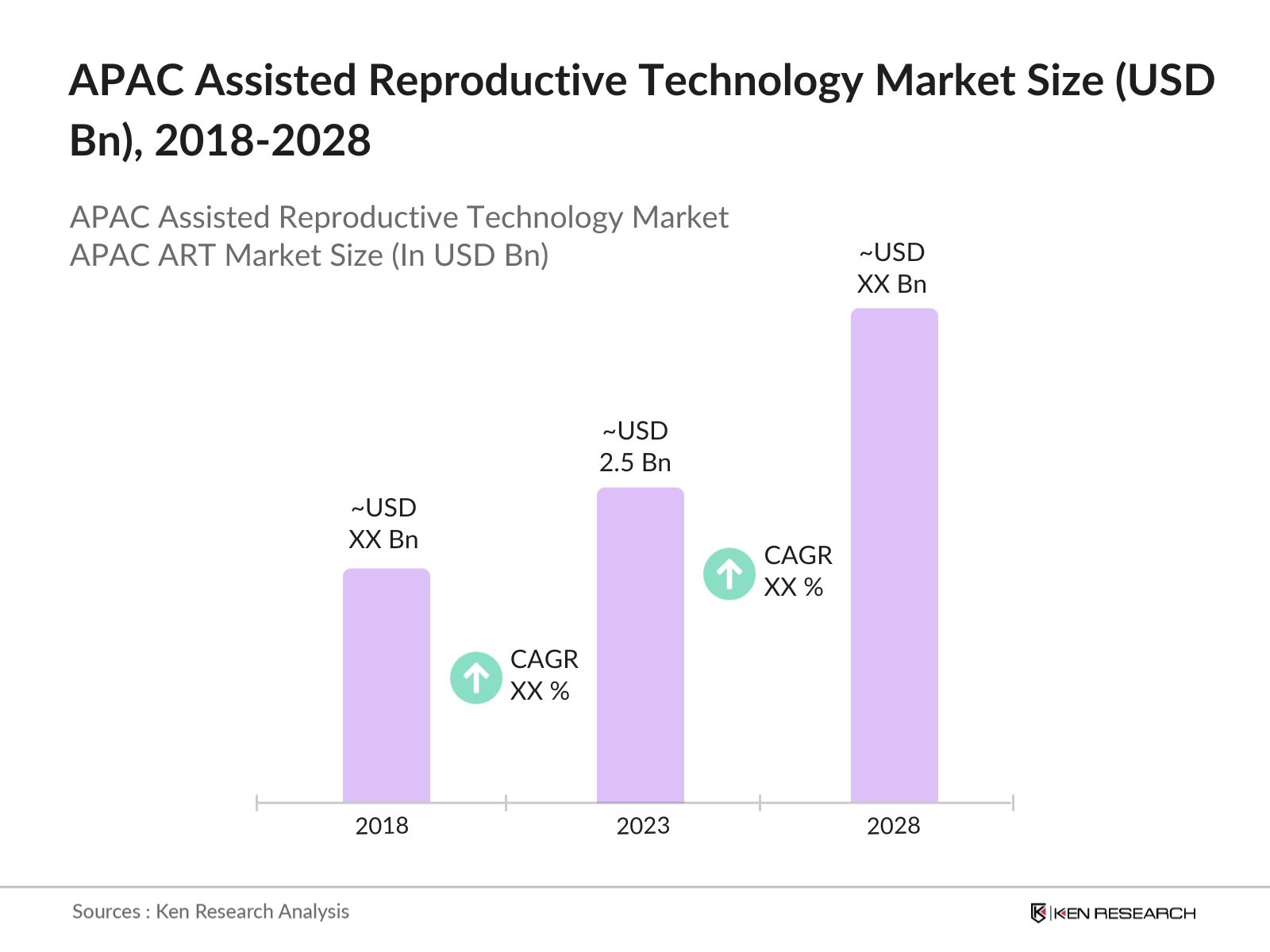
- In 2023, the Asia-Pacific (APAC) Assisted Reproductive Technology (ART) Market was valued at USD 2.5 billion. This growth is driven by increasing infertility rates, advancements in reproductive technologies, and rising awareness of ART treatments. ART is used to assist individuals in conceiving through technologies such as in vitro fertilization (IVF), intrauterine insemination (IUI), and egg/sperm donation.
- Major players in the APAC ART market include Vitrolife AB, CooperSurgical, Inc., Merck KGaA, Ferring Pharmaceuticals, and EmbryoScope. These companies are renowned for their innovative technologies and comprehensive ART solutions. Genea Biomedx leads in providing advanced fertility products and services.
- Tokyo, Beijing, and Sydney are key cities in the market. Tokyo's prominence is attributed to Japan's advanced medical infrastructure and high adoption rates of ART technologies. Beijing's position is due to Chinas growing investment in healthcare and fertility treatments. Sydney stands out due to Australia's established ART centers and high success rates.
- In 2023, Vitrolife AB expanded its portfolio with new IVF media and culture systems, aimed at enhancing embryo development and success rates. Vitrolife offers an all-inclusive IVF media suite, including products like G-2TM PLUS, EmbryoGlue, and G-TLTM, designed to support various stages of the IVF process from gamete handling to embryo transfer.
Asia-Pacific Assisted Reproductive Technology (ART) Market Segmentation
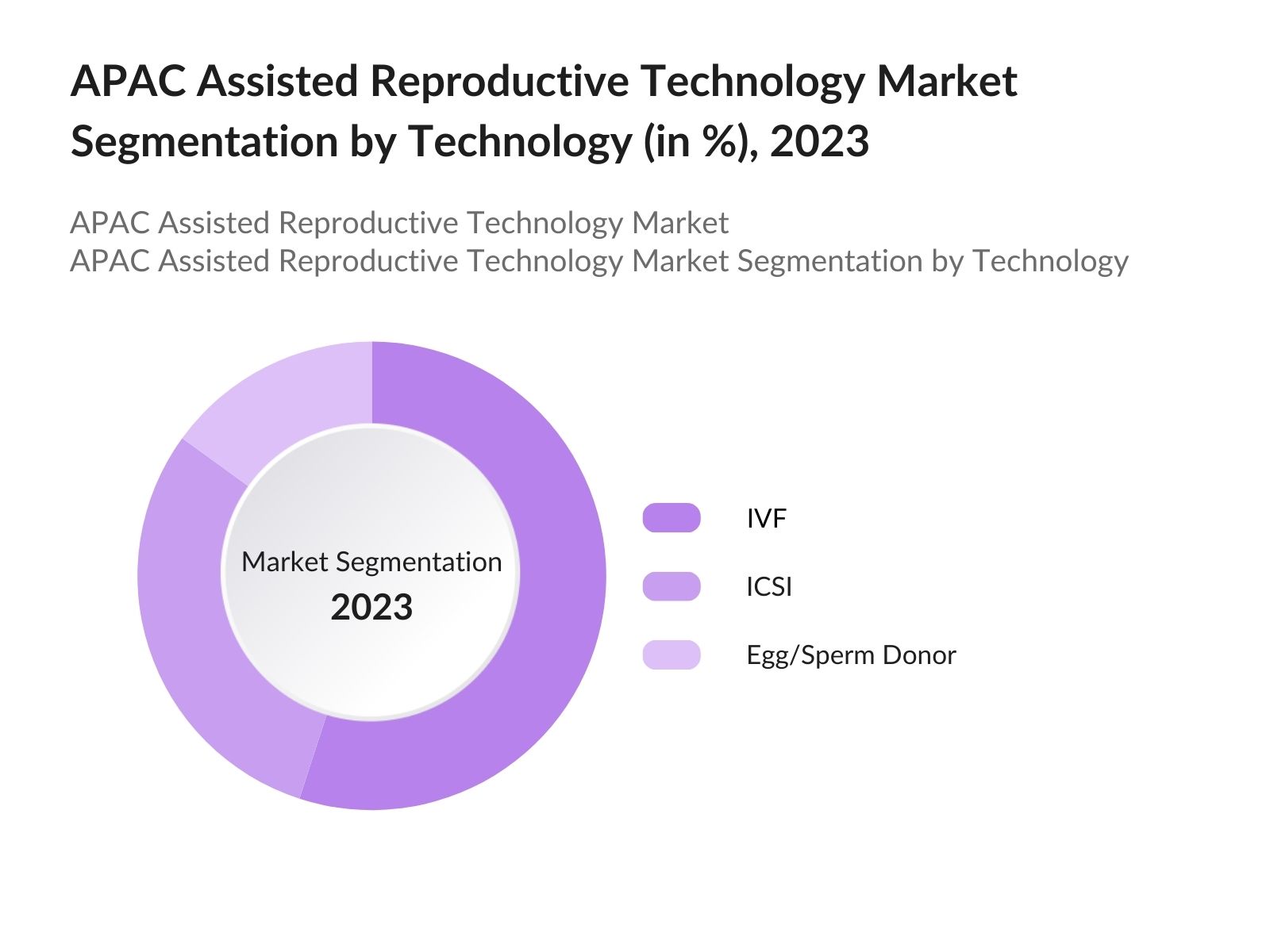
The APAC ART market can be segmented by technology, end-user, and region:
- By Technology: The market is segmented by technology type into in-vitro fertilization (IVF), intracytoplasmic sperm injection (ICSI), and egg/sperm donor services. In 2023, IVF remains the most dominant technology in the market due to its established success rates and widespread acceptance. The technologys effectiveness in addressing various infertility issues drives its market share. IVF procedures have become increasingly advanced, contributing to higher success rates and patient satisfaction.
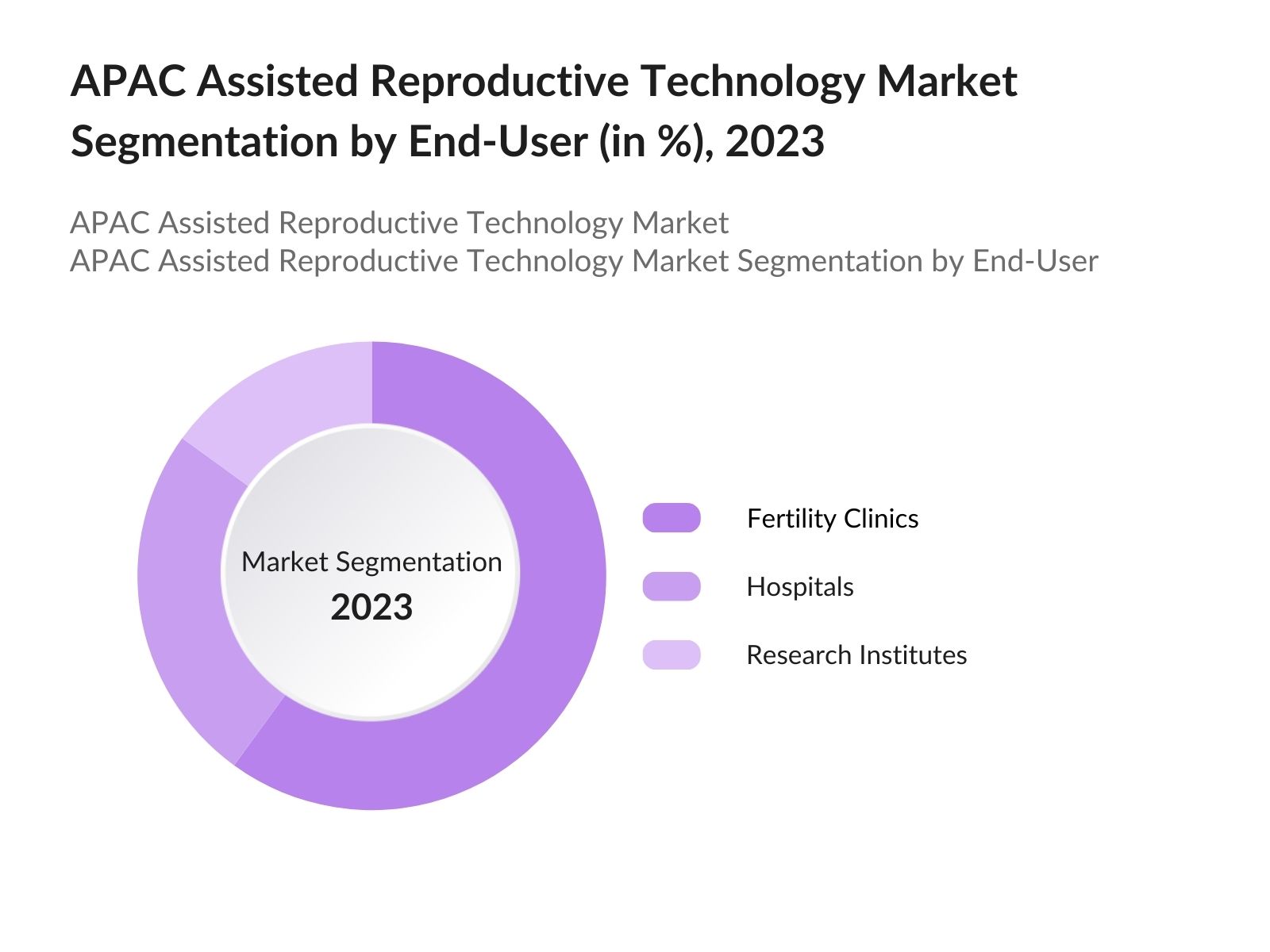
- By End-User The market is segmented by end-user type into Fertility Clinic, Hospitals, and Research Institutes. In 2023, Fertility clinics dominate the market due to their specialized services and comprehensive ART procedures. The increasing number of fertility clinics across the Asia-Pacific region and their advanced technologies drive their market share. Clinics are often the first point of contact for individuals seeking ART treatments.
- By Region The market is segmented regionally into China, India, Japan, and Australia. In 2023, China leads the Asia-Pacific ART market due to its large population, increasing infertility rates, and substantial investments in healthcare infrastructure. The government's supportive policies and growing awareness about ART contribute to China's dominant market position.
Asia-Pacific Assisted Reproductive Technology (ART) Market Competitive Landscape
|
Company |
Establishment Year |
Headquarters |
|
Genea Biomedx |
2004 |
Sydney, Australia |
|
Vitrolife AB |
1994 |
Gothenburg, Sweden |
|
CooperSurgical |
1990 |
Trumbull, USA |
|
Merck KGaA |
1668 |
Darmstadt, Germany |
|
Cook Medical |
1963 |
Bloomington, USA |
- Genea Biomedx: In 2024, Genea Biomedx launched new ART products aimed at improving embryo culture and genetic testing. This innovation is expected to enhance ART success rates and patient outcomes. The companys commitment to advancing ART technology reflects its important role in shaping the market.
- CooperSurgical: In 2024, CooperSurgical acquired ZyMt Fertility, a subsidiary of DxNow, Inc., a leading fertility diagnostics company.This acquisition expanded CooperSurgical's portfolio of assisted reproductive technology (ART) solutions and strengthened its position in the ART market by offering a wider range of advanced fertility products and services
Asia-Pacific Assisted Reproductive Technology (ART) Market Analysis
Growth Drivers
- Increasing Fertility Awareness and Demand: Rising fertility awareness among individuals is contributing to the growth of the ART market. Studies presented at ISFP meetings indicate that techniques like ovarian tissue transplantation can lead to pregnancy rates of around 40% with natural conception and 36% with IVF after transplantation, showcasing the effectiveness of modern ART methods. This growing awareness is driven by educational campaigns and increased media coverage on reproductive health, reflecting a heightened demand for ART services.
- Advancements in ART Technologies: Technological advancements in ART have driven market growth, with innovations such as enhanced genetic screening and advanced embryo culture systems improving success rates. From 2007 to 2017, the cumulative live birth rate (CLBR) per oocyte aspiration rose from 27.0% to 36.3%, reflecting progress through techniques like blastocyst transfer and embryo vitrification. These developments offer more precise and effective treatments, increasing the appeal of ART services to patients and contributing to overall market expansion.
- Expansion of ART Services in Emerging Markets: The expansion of ART services in emerging markets is driving the growth of the Asia-Pacific ART market. In countries such as Vietnam and Thailand, there has been a notable increase in the establishment of ART clinics and fertility centers. According to the World Fertility Services Association, the number of ART clinics in Vietnam grew substantially between 2022 and 2024, driven by rising middle-class incomes and increasing demand for fertility treatments. This expansion in emerging markets is broadening the reach of ART services and contributing to overall market growth.
Challenges
- Regulatory and Ethical Issues: Regulatory and ethical concerns pose challenges to the ART market. Different countries have varying regulations regarding ART practices, which can create complexities for international providers and patients. Japan has stringent regulations on embryo research and genetic modification, which can restrict the adoption of certain ART technologies. These regulatory discrepancies can hinder market growth and innovation in the ART sector.
- Limited Access to ART Services in Rural Areas: Access to ART services is often limited in rural and remote areas. According to a 2023 report by the World Health Organization (WHO), rural regions in Asia-Pacific have fewer ART clinics compared to urban areas, with some regions having less than one clinic per 500,000 residents. This disparity in access affects the availability of ART services and contributes to uneven market growth across different regions.
Government Initiatives
- Health Insurance Coverage for ART: The Chinese government has been expanding health insurance coverage for assisted reproductive technologies (ART). The starting in June 2024, Shanghai and other provinces are including various ART services in basic health insurance, which aims to reduce the financial burden on couples seeking fertility treatments. This policy is part of a broader effort to address the declining birth rate in China, which indicates a governmental focus on improving access to ART services.
- Indias National Fertility Assistance Program: The Indian government launched the National Fertility Assistance Program in 2024, which aims to improve access to assisted reproductive technology (ART) services by providing subsidies for ART treatments, investing in infrastructure to enhance fertility services across the country, and conducting public awareness campaigns to educate people about fertility preservation options and ART technologies, thereby making treatments more affordable, accessible, and widely known, ultimately contributing to the growth of the ART market in India.
Asia-Pacific Assisted Reproductive Technology (ART) Future Market Outlook
The Asia-Pacific assisted reproductive technology (ART) market is poised for remarkable growth, driven by advancement in art technologies, increased accessibility and affordability, and rising demand for fertility preservation.
Future Market Trends
- Advancement in ART Technologies: Over the next five years, the ART market is expected to see continued technological advancements, including the integration of AI and enhanced genetic screening techniques. According to a report by the Asian Pacific Association of Fertility Specialists, these advancements are anticipated to improve success rates and efficiency in ART procedures.
- Increased Accessibility and Affordability: The expansion of government subsidies and support for ART treatments is likely to increase accessibility and affordability. With new policies and funding initiatives in place, such as those announced in India and South Korea, more individuals are expected to seek ART services. The market is projected to grow as a result of these initiatives, with an estimated increase in patient access over the next five years.
Scope of the Report
|
By Technology |
IVF ICSI Egg/Sperm Donor |
|
By End-User |
Fertility Clinics Hospitals Research Institutes |
|
By Region |
North South East West |
Products
Key Target Audience Organizations and Entities Who Can Benefit by Subscribing This Report:
Banks and Financial Institutions
Venture Capitalist
Government Agencies and Regulatory Bodies (NHC and ICMR)
Hospitals with Fertility Departments
Pharmaceutical Companies
Medical Device Manufacturers
Healthcare Providers
Insurance Companies
Fertility Treatment Centers
Biotechnology Companies
Time Period Captured in the Report:
Historical Period: 2018-2023
Base Year: 2023
Forecast Period: 2023-2028
Companies
Players Mentioned in the Report:
Genea Biomedx
Vitrolife AB
CooperSurgical
Merck KGaA
Cook Medical
LabCorp
IVF Technologies
Fertility Associates
CryoLife
MediSprout
EmbryoPlus
Ferring Pharmaceuticals
Reproductive Biology Associates
OvaScience
Eugin Group
Table of Contents
1.Asia-Pacific Assisted Reproductive Technology (ART) Market Overview
1.1. Definition and Scope
1.2. Market Taxonomy
1.3. Market Growth Rate
1.4. Market Segmentation Overview
2.Asia-Pacific Assisted Reproductive Technology (ART) Market Size (in USD Bn), 2018-2023
2.1. Historical Market Size
2.2. Year-on-Year Growth Analysis
2.3. Key Market Developments and Milestones
3.Asia-Pacific Assisted Reproductive Technology (ART) Market Analysis
3.1. Growth Drivers
3.1.1. Increasing Fertility Awareness and Demand
3.1.2. Advancements in ART Technologies
3.1.3. Expansion of ART Services in Emerging Markets
3.2. Restraints
3.2.1. Regulatory and Ethical Issues
3.2.2. Limited Access to ART Services in Rural Areas
3.3. Opportunities
3.3.1. Technological Advancements
3.3.2. International Collaborations
3.3.3. Expansion into Rural Areas
3.4. Trends
3.4.1. Adoption of AI in ART
3.4.2. Integration with Health Technologies
3.4.3. Personalized ART Treatments
3.5. Government Regulation
3.5.1. Health Insurance Coverage for ART
3.5.2. National Fertility Assistance Programs
3.6. SWOT Analysis
3.7. Stake Ecosystem
3.8. Competition Ecosystem
4.Asia-Pacific Assisted Reproductive Technology (ART) Market Segmentation, 2023
4.1. By Technology (in Value %)
4.1.1. IVF
4.1.2. ICSI
4.1.3. Egg/Sperm Donor Services
4.2. By End-User (in Value %)
4.2.1. Fertility Clinics
4.2.2. Hospitals
4.2.3. Research Institutes
4.3. By Region (in Value %)
4.3.1. China
4.3.2. India
4.3.3. Japan
4.3.4. Australia
4.3.5. South Korea
4.3.6. Thailand
4.3.7. Vietnam
4.3.8. Malaysia
4.3.9. Singapore
4.3.10. Indonesia
4.3.11. Philippines
4.3.12. Taiwan
4.3.13. Hong Kong
4.3.14. Myanmar
4.3.15. Bangladesh
5.Asia-Pacific Assisted Reproductive Technology (ART) Market Cross Comparison
5.1. Detailed Profiles of Major Companies
5.1.1. Genea Biomedx
5.1.2. Vitrolife AB
5.1.3. CooperSurgical
5.1.4. Merck KGaA
5.1.5. Cook Medical
5.1.6. LabCorp
5.1.7. IVF Technologies
5.1.8. Fertility Associates
5.1.9. CryoLife
5.1.10. MediSprout
5.1.11. EmbryoPlus
5.1.12. Ferring Pharmaceuticals
5.1.13. Reproductive Biology Associates
5.1.14. OvaScience
5.1.15. Eugin Group
5.2. Cross Comparison Parameters (No. of Employees, Headquarters, Inception Year, Revenue)
6.Asia-Pacific Assisted Reproductive Technology (ART) Market Competitive Landscape
6.1. Market Share Analysis
6.2. Strategic Initiatives
6.3. Mergers and Acquisitions
6.4. Investment Analysis
6.4.1. Venture Capital Funding
6.4.2. Government Grants
6.4.3. Private Equity Investments
7.Asia-Pacific Assisted Reproductive Technology (ART) Market Regulatory Framework
7.1. Regional Regulations and Compliance
7.2. Certification Processes
7.3. Ethical Considerations
8.Asia-Pacific Assisted Reproductive Technology (ART) Future Market Size (in USD Bn), 2023-2028
8.1. Future Market Size Projections
8.2. Key Factors Driving Future Market Growth
9.Asia-Pacific Assisted Reproductive Technology (ART) Future Market Segmentation, 2028
9.1. By Technology (in Value %)
9.2. By End-User (in Value %)
9.3. By Region (in Value %)
10.Asia-Pacific Assisted Reproductive Technology (ART) Market Analysts Recommendations
10.1. TAM/SAM/SOM Analysis
10.2. Customer Cohort Analysis
10.3. Marketing Initiatives
10.4. White Space Opportunity Analysis
11.Disclaimer
12.Contact Us
Research Methodology
Step: 1 Identifying Key Variables:
Ecosystem creation for all the major entities and referring to multiple secondary and proprietary databases to perform desk research around market to collate industry level information.
Step: 2 Market Building:
Collating statistics on Asia-Pacific assisted reproductive technology (ART) market over the years, penetration of marketplaces and service providers ratio to compute revenue generated for Asia-Pacific assisted reproductive technology (ART) market. We will also review service quality statistics to understand revenue generated which can ensure accuracy behind the data points shared.
Step: 3 Validating and Finalizing:
Building market hypothesis and conducting CATIs with industry experts belonging to different companies to validate statistics and seek operational and financial information from company representatives.
Step: 4 Research Output:
Our team will approach multiple essential healthcare companies and understand nature of product segments and sales, consumer preference and other parameters, which will support us validate statistics derived through bottom to top approach from healthcare companies.
Frequently Asked Questions
01 How big is the Asia-Pacific Assisted Reproductive Technology (ART) market?
In 2023, the Asia-Pacific (APAC) Assisted Reproductive Technology (ART) Market was valued at USD 2.5 billion. This growth is driven by increasing infertility rates, advancements in reproductive technologies, and rising awareness of ART treatments. ART is used to assist individuals in conceiving through technologies such as in vitro fertilization (IVF), intrauterine insemination (IUI), and egg/sperm donation.
02 What are the challenges in the Asia-Pacific Assisted Reproductive Technology (ART) market?
Challenges in the APAC assisted reproductive technology (ART) market include regulatory and ethical issues, high treatment costs, and limited access to ART services in rural areas. Additionally, there are concerns about the quality and standardization of ART procedures across different countries.
03 Who are the major players in the Asia-Pacific Assisted Reproductive Technology (ART) market?
Key players in the APAC assisted reproductive technology (ART) market include Genea Biomedx, Vitrolife AB, CooperSurgical, and Merck KGaA. These companies are prominent due to their advanced technology offerings, strong market presence, and extensive global networks.
04 What are the growth drivers of the Asia-Pacific Assisted Reproductive Technology (ART) market?
The APAC assisted reproductive technology (ART) market is driven by increasing fertility awareness, technological advancements in ART, and growing demand for ART services in emerging markets. Additionally, supportive government initiatives and rising disposable incomes contribute to market expansion.
Why Buy From Us?

What makes us stand out is that our consultants follows Robust, Refine and Result (RRR) methodology. i.e. Robust for clear definitions, approaches and sanity checking, Refine for differentiating respondents facts and opinions and Result for presenting data with story

We have set a benchmark in the industry by offering our clients with syndicated and customized market research reports featuring coverage of entire market as well as meticulous research and analyst insights.

While we don't replace traditional research, we flip the method upside down. Our dual approach of Top Bottom & Bottom Top ensures quality deliverable by not just verifying company fundamentals but also looking at the sector and macroeconomic factors.

With one step in the future, our research team constantly tries to show you the bigger picture. We help with some of the tough questions you may encounter along the way: How is the industry positioned? Best marketing channel? KPI's of competitors? By aligning every element, we help maximize success.

Our report gives you instant access to the answers and sources that other companies might choose to hide. We elaborate each steps of research methodology we have used and showcase you the sample size to earn your trust.

If you need any support, we are here! We pride ourselves on universe strength, data quality, and quick, friendly, and professional service.