















Asia Pacific Point of Care Testing (POCT) Market Outlook to 2030
Region:Asia
Author(s):Shambhavi
Product Code:KROD8926
November 2024
92
About the Report
Asia Pacific Point of Care Testing (POCT) Market Overview
- The Asia Pacific Point of Care Testing (POCT) market is valued at USD 40 billion. This valuation reflects robust growth due to rising demand for convenient, rapid diagnostic tools that reduce time and costs associated with lab-based testing. The increase in lifestyle-related diseases and government initiatives to improve healthcare accessibility across both rural and urban regions also contributes to its growth, with prominent adoption of POCT technologies in countries like China and India.
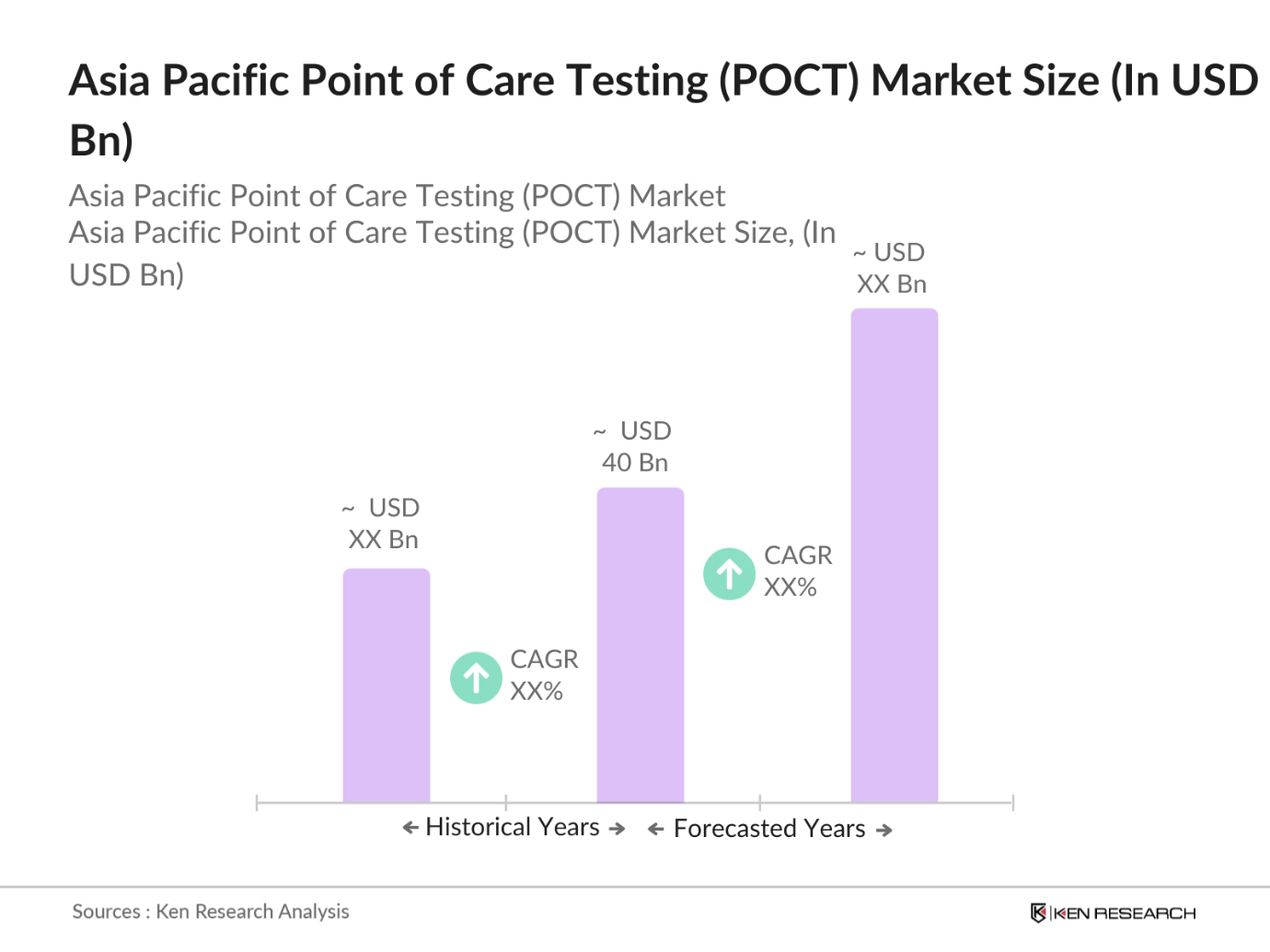
- China and Japan lead the Asia Pacific POCT market due to their advanced healthcare infrastructure, high patient volumes, and increased adoption of innovative medical technologies. In China, government-led reforms in the healthcare sector support POCT integration, while Japans aging population and healthcare advancements drive demand. Other countries like India and South Korea are emerging markets, spurred by increased healthcare spending and growing awareness of POCT benefits.
- The approval processes for POCT devices are critical to ensuring safety and efficacy but can be lengthy and complex. For example, in Japan, manufacturers must navigate the Pharmaceuticals and Medical Devices Agency (PMDA) regulations, which require detailed clinical data to support device applications. Such rigorous processes can delay the market entry of innovative POCT solutions, impacting their availability to patients who need them most. Streamlining these approval processes could enhance market dynamics by facilitating quicker access to essential diagnostic tools.
Asia Pacific Point of Care Testing (POCT) Market Segmentation
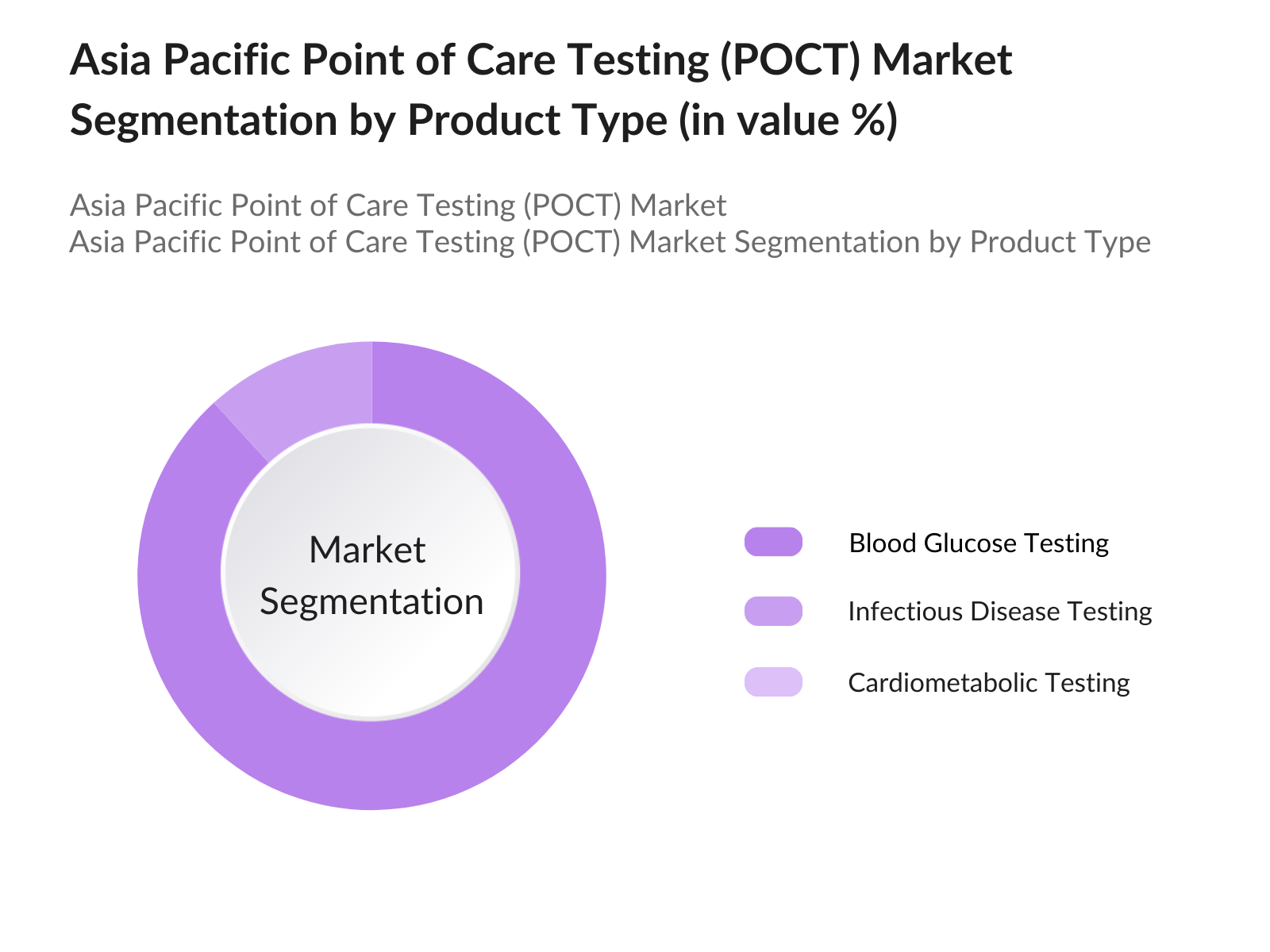
By Product Type: The Asia Pacific POCT market is segmented by product type into blood glucose testing, infectious disease testing, and cardiometabolic testing. Blood glucose testing has a dominant share due to the high prevalence of diabetes in countries like India and China, with accessible, cost-effective glucose monitoring tools becoming widely adopted. Increasing awareness about diabetes management further drives this segment's growth.
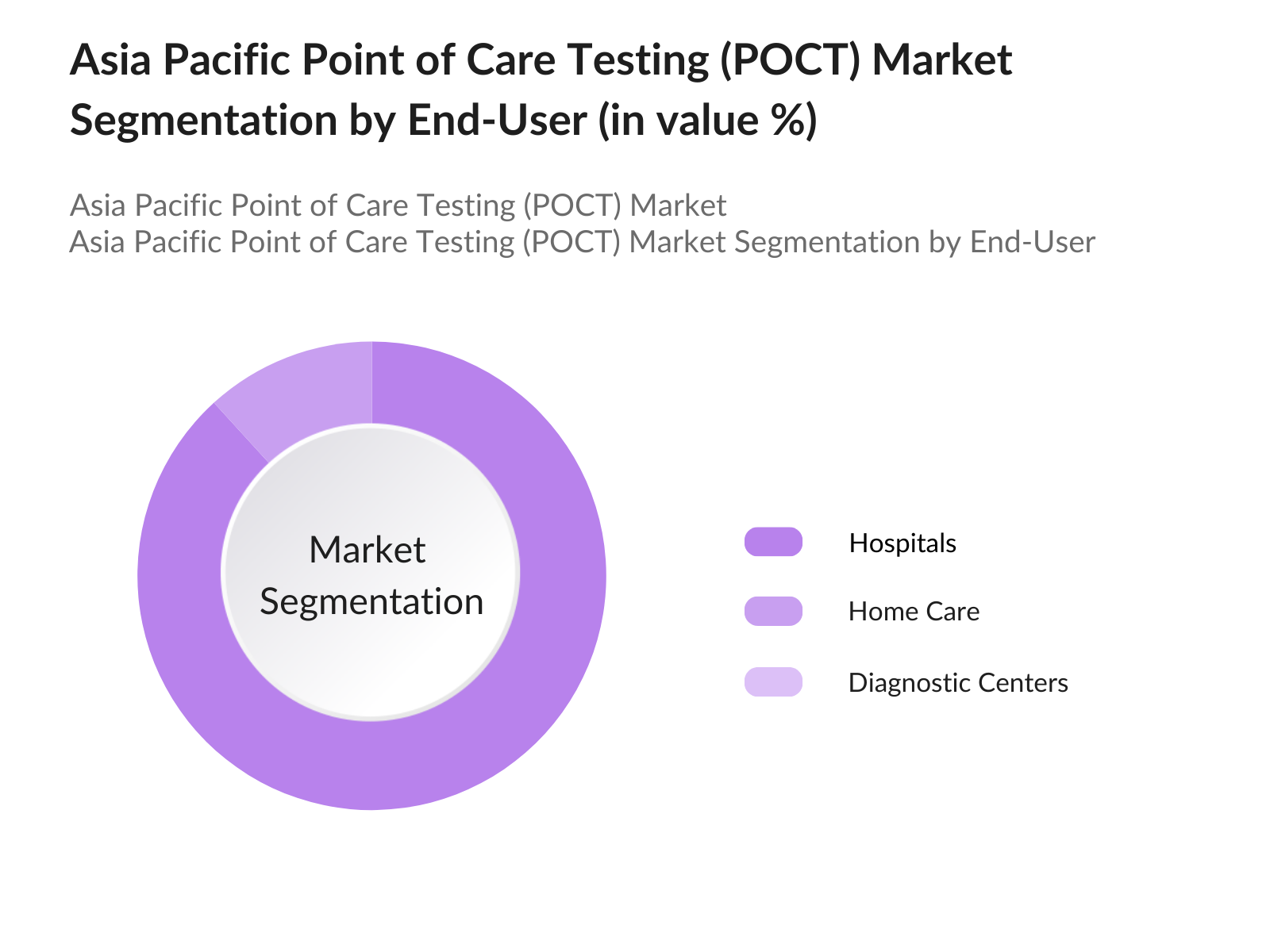
By End User: The POCT market is segmented by end user into hospitals, home care, and diagnostic centers. Hospitals hold the largest share, largely due to the growing demand for rapid testing solutions in emergency and critical care units. Hospitals in urban areas are increasingly integrating POCT to enhance patient management and reduce hospital stays, further fueling the segments growth.
Asia Pacific Point of Care Testing (POCT) Market Competitive Landscape
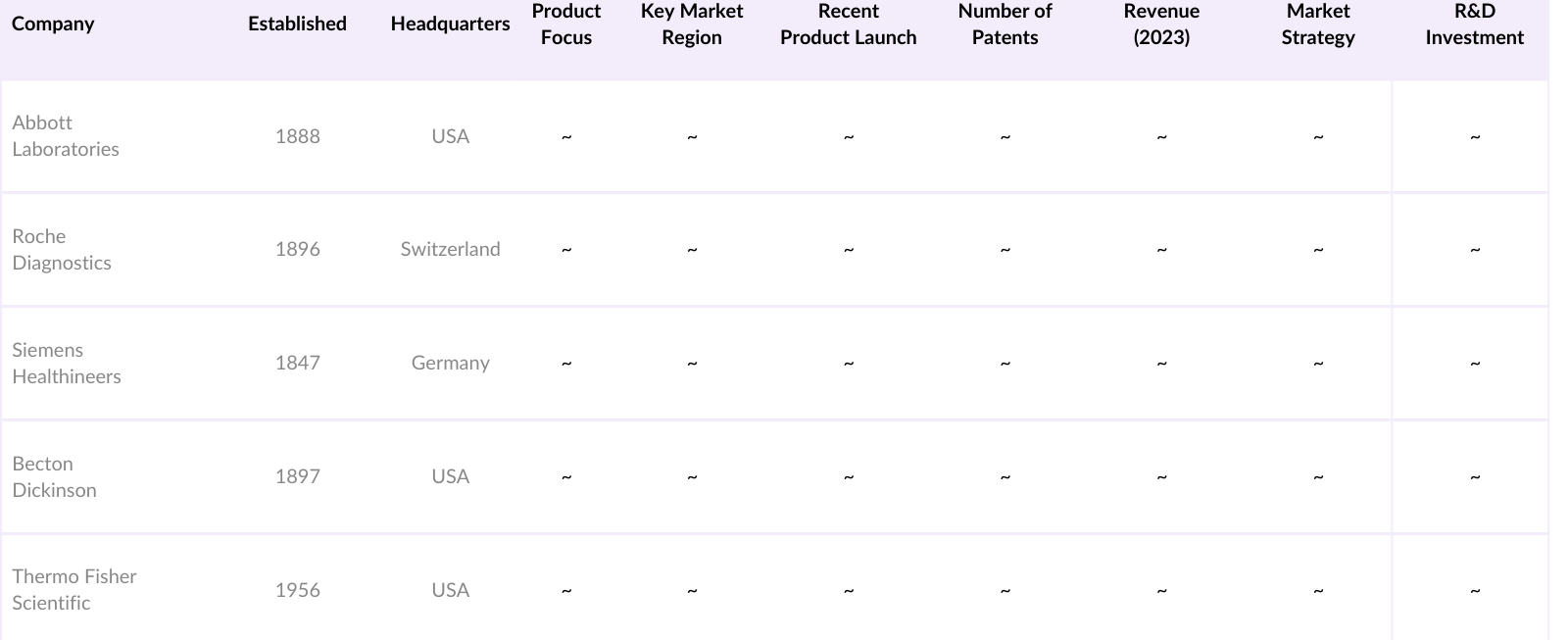
The Asia Pacific POCT market is dominated by several prominent players, with a few key companies maintaining strong market positions. These companies are known for their innovations in diagnostic solutions and extensive distribution networks.
Asia Pacific Point of Care Testing (POCT) Market Analysis
Growth Drivers
- Increasing Prevalence of Chronic Diseases: Chronic diseases are a major concern in the Asia Pacific region, with an estimated 83 million people in China alone suffering from diabetes in 2022. This number is projected to rise significantly, leading to a higher demand for point of care testing solutions for regular monitoring and management of chronic conditions. The prevalence of cardiovascular diseases is also on the rise, contributing to the increasing need for efficient diagnostic tools. As healthcare systems prioritize early diagnosis and management of chronic diseases, the demand for POCT devices is set to grow.
- Rising Demand for Rapid Diagnostic Tests: The urgency for rapid diagnostic tests has increased, particularly highlighted by the COVID-19 pandemic. In 2022, over 2 billion rapid tests were distributed across Asia Pacific nations, with demand expected to double as healthcare providers adopt POCT for quick results. The shift towards decentralized healthcare solutions further propels the market, enabling immediate decision-making in clinical settings and reducing hospital wait times. This trend indicates a solid future for POCT devices as healthcare systems seek to enhance patient care.
- Advancements in Point of Care Technologies: The technological evolution in POCT is remarkable, with innovations such as microfluidics and biosensors emerging as crucial components. As of 2023, the global investment in health technology is projected to reach $58 billion, with a significant share directed towards point of care innovations. These advancements are driving improvements in accuracy, speed, and user-friendliness of diagnostic devices, thus increasing adoption rates among healthcare providers and patients alike
Challenges
- High Costs of Advanced Testing Equipment: Despite the growing demand for POCT, the high costs associated with advanced testing equipment remain a significant barrier. For instance, sophisticated devices used for molecular diagnostics can exceed $50,000, limiting their accessibility for smaller healthcare facilities and laboratories in emerging markets. The high upfront investment also poses challenges for adoption, particularly in resource-limited settings. As a result, healthcare providers often hesitate to invest in POCT solutions, hindering market growth. Thus, reducing the cost of devices through innovations in manufacturing and technology is crucial for expanding the POCT market.
- Regulatory Hurdles: The regulatory landscape for POCT devices can be complex and varies significantly across countries in the Asia Pacific region. Many countries require extensive clinical validation and compliance with stringent safety standards before new devices can be introduced to the market. For example, in Australia, medical devices must comply with the Therapeutic Goods Administration's (TGA) requirements, which can delay the launch of innovative POCT solutions. Such regulatory challenges can slow down the pace of innovation and limit the availability of new testing technologies in the market.
Asia Pacific Point of Care Testing (POCT) Market Future Outlook
Over the next five years, the Asia Pacific POCT market is expected to grow significantly, driven by technological advancements, increasing healthcare investments, and government initiatives to enhance diagnostic infrastructure. Rising healthcare awareness and demand for faster diagnosis will likely contribute to the adoption of POCT across new markets within Asia. Expansion into underserved rural regions and the development of mobile health applications for diagnostics are projected to further drive market penetration.
Opportunities
- Expanding Applications in Infectious Disease Testing: The ongoing challenges posed by infectious diseases, such as influenza and COVID-19 variants, present significant opportunities for POCT growth. In 2022, global spending on infectious disease diagnostics reached $15 billion, and the demand for rapid testing solutions continues to surge. The ability to conduct timely tests can lead to faster treatment and containment of outbreaks, making POCT an essential tool in public health strategies. Investing in the development of innovative infectious disease testing devices can position companies to capitalize on this growing market segment.
- Integration of IoT in POCT Devices: The integration of Internet of Things (IoT) technology into POCT devices represents a transformative opportunity for the market. In 2023, it is projected that IoT in healthcare will account for $50 billion in value, facilitating remote patient monitoring and data collection in real-time. By enabling connectivity and data sharing, IoT can enhance the accuracy and efficiency of point of care diagnostics, attracting both healthcare providers and patients to adopt these advanced solutions. The future of POCT lies in harnessing IoT capabilities to create smarter and more effective diagnostic tools
Scope of the Report
|
Segment |
Sub-segment |
|
Product Type |
Glucose Monitoring Devices |
|
Infectious Disease Testing Devices |
|
|
Cardiac Markers Testing Devices |
|
|
Coagulation Testing Devices |
|
|
Others |
|
|
Application |
Home Care |
|
Hospitals |
|
|
Laboratories |
|
|
End-User |
Healthcare Providers |
|
Patients |
|
|
Technology |
Lateral Flow Assays |
|
Microfluidics |
|
|
Molecular Diagnostics |
|
|
Region |
China |
|
India |
|
|
Japan |
|
|
Australia |
|
|
Southeast Asia |
Products
Key Target Audience
Investor and venture capitalist firms
Government and regulatory bodies (e.g., National Medical Products Administration, Health Ministry)
Hospital administrators
Diagnostic laboratories
Healthcare IT companies
Medical device manufacturers
Insurance providers
Healthcare technology consultants
Companies
Players mentioned in the report
Abbott Laboratories
Roche Diagnostics
Siemens Healthineers
Becton Dickinson
Thermo Fisher Scientific
Bio-Rad Laboratories
Danaher Corporation
HemoCue AB
OraSure Technologies
Quidel Corporation
Sysmex Corporation
Nova Biomedical
EKF Diagnostics
Cepheid Inc.
Trinity Biotech
Table of Contents
1. Asia Pacific Point of Care Testing (POCT) Market Overview
1.1. Definition and Scope
1.2. Market Taxonomy
1.3. Market Dynamics (Key Drivers, Restraints, and Trends)
1.4. Market Segmentation Overview
2. Asia Pacific Point of Care Testing (POCT) Market Size (In USD Bn)
2.1. Historical Market Size
2.2. Year-On-Year Growth Analysis
2.3. Key Market Developments and Milestones
3. Asia Pacific Point of Care Testing (POCT) Market Analysis
3.1. Growth Drivers
3.1.1. Increasing Prevalence of Chronic Diseases
3.1.2. Rising Demand for Rapid Diagnostic Tests
3.1.3. Advancements in Point of Care Technologies
3.1.4. Growing Geriatric Population
3.1.5. Shift towards Home Healthcare
3.2. Market Challenges
3.2.1. High Costs of Advanced Testing Equipment
3.2.2. Regulatory Hurdles
3.2.3. Reimbursement Issues
3.3. Opportunities
3.3.1. Expanding Applications in Infectious Disease Testing
3.3.2. Integration of IoT in POCT Devices
3.3.3. Emerging Markets and Untapped Regions
3.4. Trends
3.4.1. Telemedicine Integration
3.4.2. Increasing Consumer Awareness
3.4.3. Development of Novel Diagnostic Solutions
3.5. Government Regulation
3.5.1. Approval Processes for POCT Devices
3.5.2. Standards for Quality Control
3.5.3. Health Policies Promoting POCT
3.6. SWOT Analysis
3.7. Stakeholder Ecosystem
3.8. Porters Five Forces
3.9. Competitive Landscape
4. Asia Pacific Point of Care Testing (POCT) Market Segmentation
4.1. By Product Type (In Value %)
4.1.1. Glucose Monitoring Devices
4.1.2. Infectious Disease Testing Devices
4.1.3. Cardiac Markers Testing Devices
4.1.4. Coagulation Testing Devices
4.1.5. Others
4.2. By Application (In Value %)
4.2.1. Home Care
4.2.2. Hospitals
4.2.3. Laboratories
4.3. By End-User (In Value %)
4.3.1. Healthcare Providers
4.3.2. Patients
4.4. By Technology (In Value %)
4.4.1. Lateral Flow Assays
4.4.2. Microfluidics
4.4.3. Molecular Diagnostics
4.5. By Region (In Value %)
4.5.1. China
4.5.2. India
4.5.3. Japan
4.5.4. Australia
4.5.5. Southeast Asia
5. Asia Pacific Point of Care Testing (POCT) Market Competitive Analysis
5.1. Detailed Profiles of Major Companies
5.1.1. Abbott Laboratories
5.1.2. Siemens Healthineers
5.1.3. Roche Diagnostics
5.1.4. Danaher Corporation
5.1.5. Thermo Fisher Scientific
5.1.6. Alere (Abbott)
5.1.7. Becton Dickinson and Company
5.1.8. Cepheid (Danaher)
5.1.9. Nova Biomedical
5.1.10. Qiagen
5.1.11. GenePOC
5.1.12. HemoCue (Radiometer)
5.1.13. LumiraDx
5.1.14. AccuBioTech
5.1.15. Oneworld Accuracy
5.2. Cross Comparison Parameters (Number of Employees, Headquarters, Inception Year, Revenue, Product Portfolio, Market Presence, Technological Advancements, Customer Base)
5.3. Market Share Analysis
5.4. Strategic Initiatives
5.5. Mergers and Acquisitions
5.6. Investment Analysis
5.7. Venture Capital Funding
5.8. Government Grants
5.9. Private Equity Investments
6. Asia Pacific Point of Care Testing (POCT) Market Regulatory Framework
6.1. Approval Mechanisms for POCT Products
6.2. Compliance Requirements
6.3. Quality Assurance Standards
7. Asia Pacific Point of Care Testing (POCT) Future Market Size (In USD Bn)
7.1. Future Market Size Projections
7.2. Key Factors Driving Future Market Growth
8. Asia Pacific Point of Care Testing (POCT) Future Market Segmentation
8.1. By Product Type (In Value %)
8.2. By Application (In Value %)
8.3. By Technology (In Value %)
8.4. By End-User (In Value %)
8.5. By Region (In Value %)
9. Asia Pacific Point of Care Testing (POCT) Market Analysts Recommendations
9.1. TAM/SAM/SOM Analysis
9.2. Customer Cohort Analysis
9.3. Marketing Initiatives
9.4. White Space Opportunity Analysis
Disclaimer Contact Us
Research Methodology
Step 1: Identification of Key Variables
This stage involves a comprehensive mapping of stakeholders across the Asia Pacific POCT market. Extensive secondary research and proprietary databases are employed to identify the critical variables impacting market trends and growth.
Step 2: Market Analysis and Construction
In this phase, we compile historical data on market growth, examining various POCT technologies adoption across different regions. Data is analyzed to determine trends, growth drivers, and challenges.
Step 3: Hypothesis Validation and Expert Consultation
To validate our hypotheses, we conduct interviews with industry experts from leading POCT companies. These consultations provide direct insights into market dynamics and product usage.
Step 4: Research Synthesis and Final Output
In the final phase, market estimates are refined using insights from POCT device manufacturers. This ensures a thorough, validated analysis of the Asia Pacific POCT markets size, segmentation, and competitive landscape.
Frequently Asked Questions
-
How big is the Asia Pacific POCT Market?
The Asia Pacific POCT market is valued at USD 40 billion, reflecting significant demand for convenient diagnostic solutions within this region. -
What are the major challenges in the Asia Pacific POCT Market?
The major challenges include limited access to healthcare in rural areas, high costs of advanced POCT devices, and varying regulatory standards across countries. -
Who are the major players in the Asia Pacific POCT Market?
Key players include Abbott Laboratories, Roche Diagnostics, Siemens Healthineers, Becton Dickinson, and Thermo Fisher Scientific, known for their innovative POCT solutions and established market presence. -
What drives growth in the Asia Pacific POCT Market?
Growth is driven by increasing demand for rapid diagnostics, government healthcare reforms, and advancements in POCT technology across emerging markets. -
Which countries lead in the Asia Pacific POCT Market?
China and Japan are leading due to advanced healthcare infrastructure and government-backed initiatives supporting diagnostic innovations.
Why Buy From Us?

What makes us stand out is that our consultants follows Robust, Refine and Result (RRR) methodology. i.e. Robust for clear definitions, approaches and sanity checking, Refine for differentiating respondents facts and opinions and Result for presenting data with story

We have set a benchmark in the industry by offering our clients with syndicated and customized market research reports featuring coverage of entire market as well as meticulous research and analyst insights.

While we don't replace traditional research, we flip the method upside down. Our dual approach of Top Bottom & Bottom Top ensures quality deliverable by not just verifying company fundamentals but also looking at the sector and macroeconomic factors.

With one step in the future, our research team constantly tries to show you the bigger picture. We help with some of the tough questions you may encounter along the way: How is the industry positioned? Best marketing channel? KPI's of competitors? By aligning every element, we help maximize success.

Our report gives you instant access to the answers and sources that other companies might choose to hide. We elaborate each steps of research methodology we have used and showcase you the sample size to earn your trust.

If you need any support, we are here! We pride ourselves on universe strength, data quality, and quick, friendly, and professional service.