
Asia-Pacific Small Caliber Ammunition Market Outlook to 2030
Region:Asia
Author(s):Mukul
Product Code:KROD7732
Region:Asia
Author(s):Mukul
Product Code:KROD7732
October 2024
89
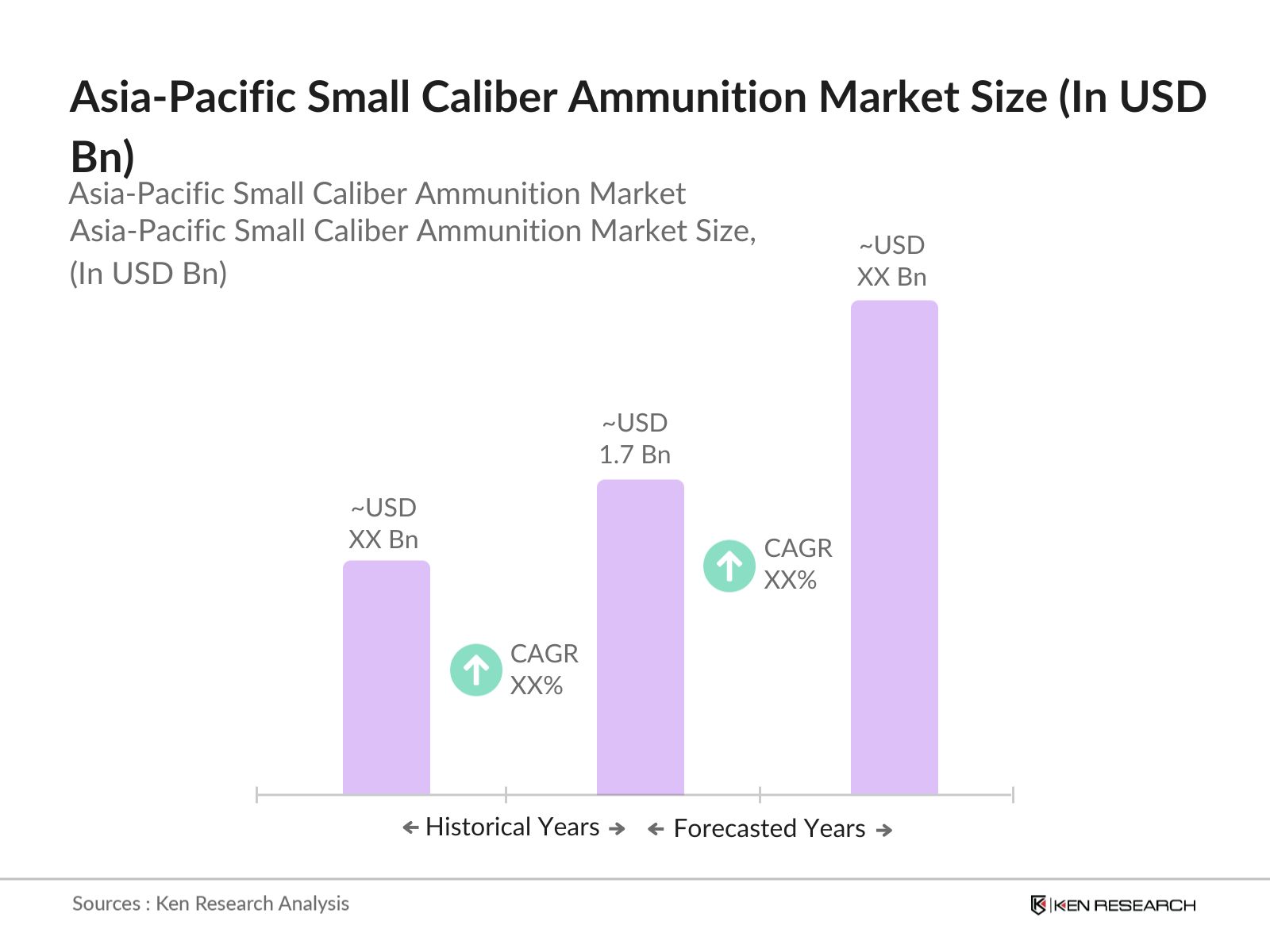
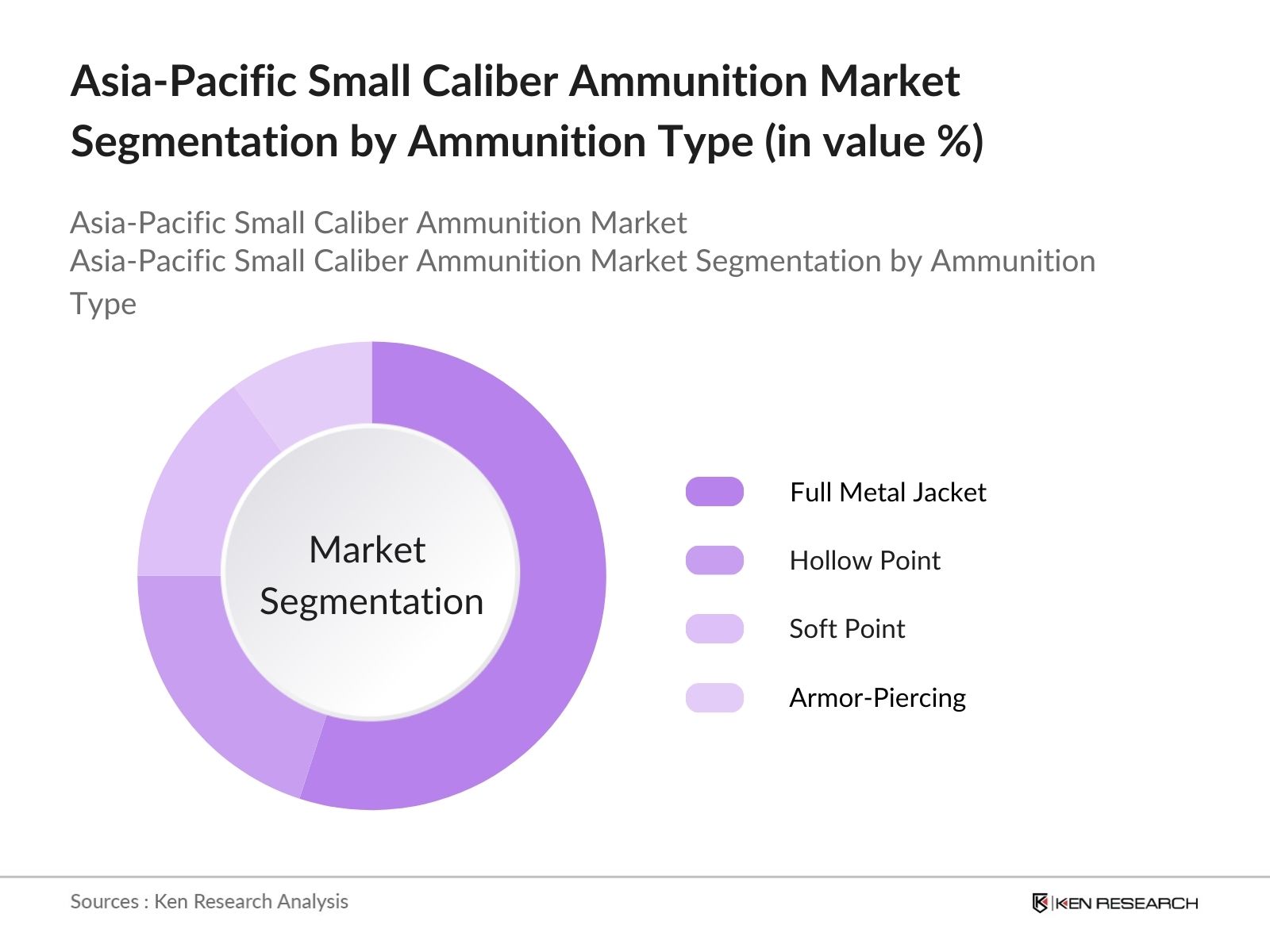
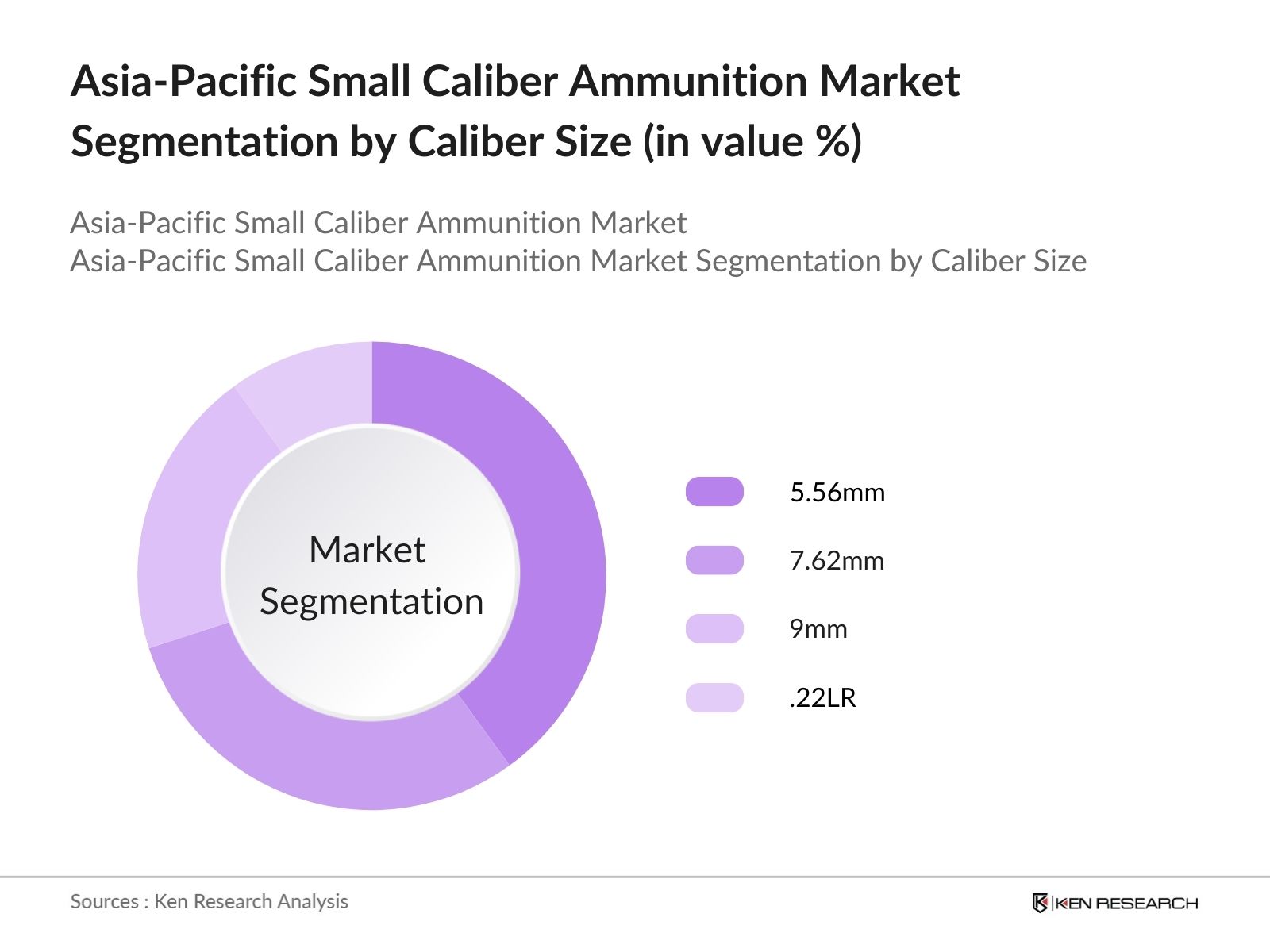
The Asia-Pacific Small Caliber Ammunition market is consolidated, with key players driving significant market influence. The market is dominated by established global ammunition manufacturers and a few regional players, with companies like Northrop Grumman, General Dynamics, and BAE Systems leading the market. Local players such as Poongsan Corporation and Australian Munitions also have a strong presence due to local manufacturing capabilities and strategic government contracts. The markets competitive landscape is shaped by continuous product innovation, government defense contracts, and the development of eco-friendly ammunition solutions.
|
Company Name |
Establishment Year |
Headquarters |
Manufacturing Capacity |
No. of Employees |
Revenue |
Geographic Presence |
Technological Innovations |
Market Share |
Export Capability |
|
Northrop Grumman |
1939 |
USA |
|||||||
|
General Dynamics |
1952 |
USA |
|||||||
|
BAE Systems |
1999 |
UK |
|||||||
|
Poongsan Corporation |
1968 |
South Korea |
|||||||
|
Australian Munitions |
1940 |
Australia |
Growth Drivers
Market Restraints
Over the next five years, the Asia-Pacific Small Caliber Ammunition market is expected to experience robust growth, driven by increasing defense expenditures across key countries like India, China, and Australia. Governments are prioritizing military modernization, which includes upgrading ammunition supplies and adopting more advanced munitions. Furthermore, rising civilian firearm ownership for self-defense and recreational activities such as sport shooting is expected to further propel market growth. The introduction of eco-friendly ammunition and the focus on local manufacturing to reduce import dependencies will likely shape the future trajectory of this market.
Market Opportunities
|
By Ammunition Type |
Full Metal Jacket, Hollow Point, Soft Point, Armor-Piercing, Non-Lethal |
|
By Caliber Size |
5.56mm, 7.62mm, 9mm, .22LR, .308 Winchester |
|
By Application |
Military, Law Enforcement, Civilian (sport shooting, hunting, self-defense), Training Ammunition |
|
By Material Type |
Lead-Based Ammunition, Lead-Free Ammunition, Composite Ammunition |
|
By Region |
China, India, Japan, Australia, Southeast Asia |
1.1. Definition and Scope
1.2. Market Taxonomy
1.3. Market Growth Rate
1.4. Market Segmentation Overview
2.1. Historical Market Size
2.2. Year-On-Year Growth Analysis
2.3. Key Market Developments and Milestones
3.1. Growth Drivers
3.1.1. Defense Spending Increases (by country)
3.1.2. Rising Civilian Demand for Firearms (sport shooting, personal defense)
3.1.3. Increasing Regional Conflicts and Geopolitical Tensions (regional hotspots)
3.1.4. Technological Innovations (material advancements, manufacturing techniques)
3.2. Market Challenges
3.2.1. Stringent Government Regulations (import/export restrictions, ammunition laws)
3.2.2. Environmental Concerns (lead contamination, eco-friendly alternatives)
3.2.3. Supply Chain Disruptions (raw material availability, manufacturing challenges)
3.3. Opportunities
3.3.1. Expansion into Non-lethal Ammunition (training, law enforcement use)
3.3.2. Growing Demand for Advanced Ammunition Types (armor-piercing, tracer rounds)
3.3.3. Emergence of New Markets (India, Southeast Asia defense upgrades)
3.4. Trends
3.4.1. Miniaturization of Ammunition (higher lethality, reduced recoil)
3.4.2. Integration of Smart Technologies (smart bullets, precision ammunition)
3.4.3. Eco-Friendly Ammunition (lead-free bullets, biodegradable components)
3.5. Government Regulation
3.5.1. Import/Export Control Regulations (by country)
3.5.2. Firearm and Ammunition Licensing Policies (civilian and military use)
3.5.3. Compliance with International Agreements (UN Arms Trade Treaty, Wassenaar Arrangement)
3.5.4. National Defense Procurement Initiatives (domestic production mandates)
3.6. SWOT Analysis
3.7. Stakeholder Ecosystem (manufacturers, defense contractors, regulatory bodies)
3.8. Porters Five Forces (bargaining power of buyers/suppliers, industry rivalry)
3.9. Competition Ecosystem
4.1. By Ammunition Type (In Value %)
4.1.1. Full Metal Jacket
4.1.2. Hollow Point
4.1.3. Soft Point
4.1.4. Armor-Piercing
4.1.5. Non-Lethal
4.2. By Caliber Size (In Value %)
4.2.1. 5.56mm
4.2.2. 7.62mm
4.2.3. 9mm
4.2.4. .22LR
4.2.5. .308 Winchester
4.3. By Application (In Value %)
4.3.1. Military
4.3.2. Law Enforcement
4.3.3. Civilian (sport shooting, hunting, self-defense)
4.3.4. Training Ammunition
4.4. By Material Type (In Value %)
4.4.1. Lead-Based Ammunition
4.4.2. Lead-Free Ammunition
4.4.3. Composite Ammunition
4.5. By Region (In Value %)
4.5.1. China
4.5.2. India
4.5.3. Japan
4.5.4. Australia
4.5.5. Southeast Asia (Indonesia, Malaysia, Vietnam)
5.1. Detailed Profiles of Major Companies
5.1.1. Northrop Grumman Corporation
5.1.2. General Dynamics Corporation
5.1.3. BAE Systems
5.1.4. Thales Group
5.1.5. CBC Global Ammunition
5.1.6. Nammo AS
5.1.7. Poongsan Corporation
5.1.8. Australian Munitions
5.1.9. Denel SOC Ltd
5.1.10. Ruag Ammotec AG
5.1.11. Vista Outdoor Inc.
5.1.12. FN Herstal
5.1.13. Remington Arms Company, LLC
5.1.14. Nexter Group
5.1.15. Barnaul Cartridge Plant
5.2. Cross Comparison Parameters
(Manufacturing Capacity, No. of Employees, Headquarters, Inception Year, Revenue, Geographic Presence, Market Share, Technological Innovations)
5.3. Market Share Analysis
5.4. Strategic Initiatives
5.5. Mergers and Acquisitions
5.6. Investment Analysis
5.7. Venture Capital Funding
5.8. Government Grants
5.9. Private Equity Investments
6.1. Environmental Standards
6.2. Compliance Requirements
6.3. Certification Processes
7.1. Future Market Size Projections
7.2. Key Factors Driving Future Market Growth
8.1. By Ammunition Type (In Value %)
8.2. By Caliber Size (In Value %)
8.3. By Application (In Value %)
8.4. By Material Type (In Value %)
8.5. By Region (In Value %)
9.1. TAM/SAM/SOM Analysis
9.2. Customer Cohort Analysis
9.3. Marketing Initiatives
9.4. White Space Opportunity Analysis
The first step involves mapping all critical stakeholders, including manufacturers, suppliers, defense contractors, and regulatory bodies within the Asia-Pacific Small Caliber Ammunition Market. Comprehensive desk research is conducted to collect data from secondary and proprietary databases, ensuring coverage of all variables impacting the market, such as defense spending and procurement trends.
This phase involves gathering and analyzing historical data related to the market's performance. The research assesses ammunition demand trends across different sectors like defense and civilian applications, along with technological advancements in ammunition manufacturing. This step ensures the precision of market size estimates.
Market hypotheses are validated through consultations with industry experts, including manufacturers and defense procurement officials. These discussions provide practical insights that refine our research findings and support accurate data representation. Expert opinions ensure the reliability of data on market segmentation and growth drivers.
The final phase synthesizes data from multiple sources, including manufacturers and defense authorities. This involves verification of product demand, sales figures, and trends through a bottom-up approach, ensuring a comprehensive and validated report on the Asia-Pacific Small Caliber Ammunition market.
The Asia-Pacific Small Caliber Ammunition market is valued at USD 1.7 billion, driven by increasing defense expenditures and growing civilian demand for firearms.
Challenges include stringent government regulations on firearms and ammunition, environmental concerns related to lead contamination, and supply chain disruptions affecting raw material availability.
Key players include Northrop Grumman, General Dynamics, BAE Systems, Poongsan Corporation, and Australian Munitions. These companies dominate due to their technological advancements and extensive manufacturing capabilities.
The market is propelled by increased defense spending across countries like China and India, technological advancements in ammunition, and rising civilian firearm ownership for personal safety and recreational use.

What makes us stand out is that our consultants follows Robust, Refine and Result (RRR) methodology. i.e. Robust for clear definitions, approaches and sanity checking, Refine for differentiating respondents facts and opinions and Result for presenting data with story

We have set a benchmark in the industry by offering our clients with syndicated and customized market research reports featuring coverage of entire market as well as meticulous research and analyst insights.

While we don't replace traditional research, we flip the method upside down. Our dual approach of Top Bottom & Bottom Top ensures quality deliverable by not just verifying company fundamentals but also looking at the sector and macroeconomic factors.

With one step in the future, our research team constantly tries to show you the bigger picture. We help with some of the tough questions you may encounter along the way: How is the industry positioned? Best marketing channel? KPI's of competitors? By aligning every element, we help maximize success.

Our report gives you instant access to the answers and sources that other companies might choose to hide. We elaborate each steps of research methodology we have used and showcase you the sample size to earn your trust.

If you need any support, we are here! We pride ourselves on universe strength, data quality, and quick, friendly, and professional service.