
Europe Nanotechnology Market Outlook to 2030
Region:Albania
Author(s):Paribhasha Tiwari
Product Code:KROD4127
Region:Albania
Author(s):Paribhasha Tiwari
Product Code:KROD4127
December 2024
84
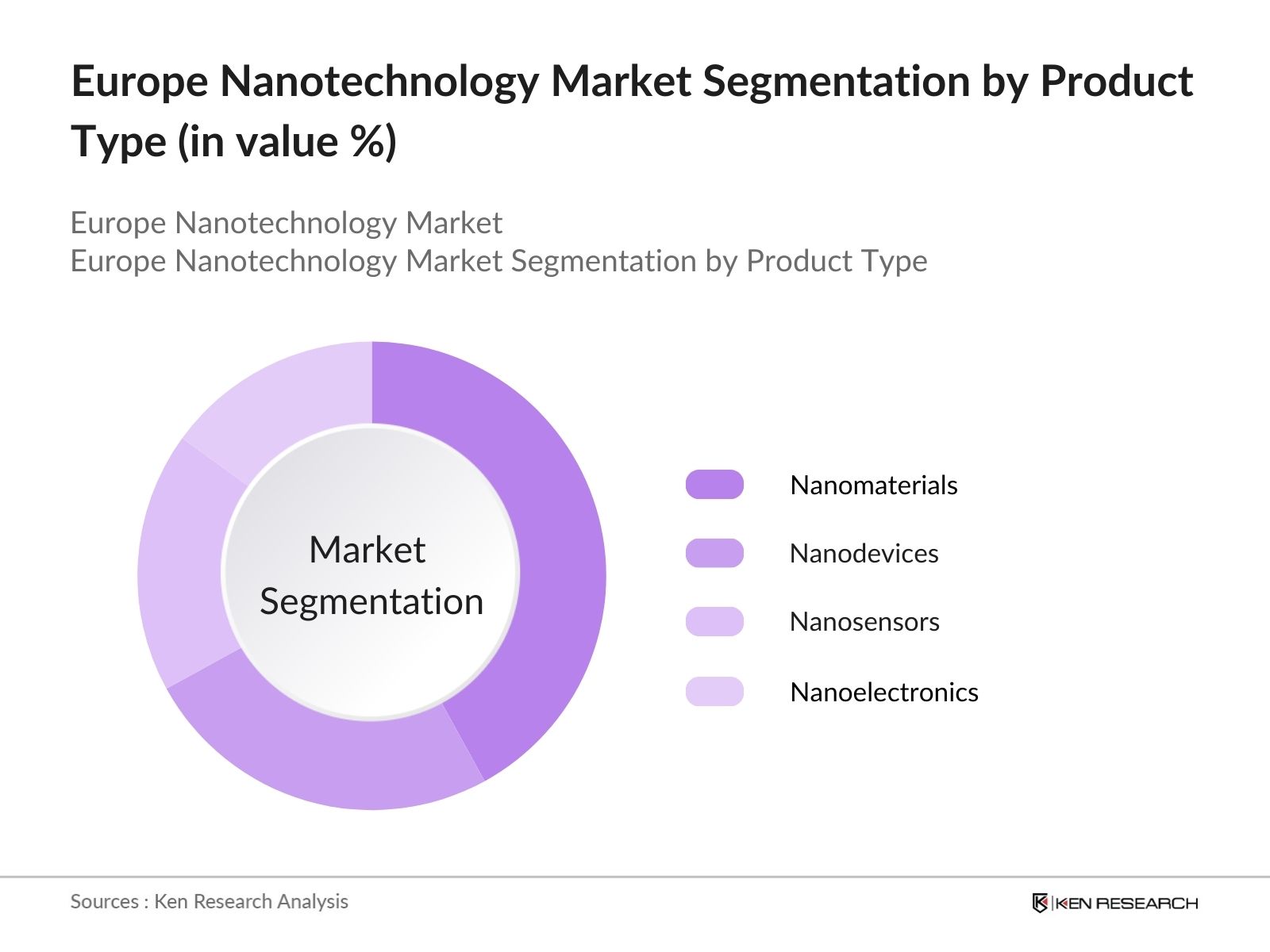
By Product Type: The Europe Nanotechnology Market is segmented by product type into nanomaterials, nanodevices, nanosensors, and nanoelectronics. Among these, nanomaterials hold the dominant market share due to their widespread use across multiple industries, particularly in healthcare, electronics, and energy. Nanomaterials, such as nanoparticles and nanostructures, are known for their enhanced physical properties, which improve the performance and durability of products. The demand for these materials has surged, especially in sectors like renewable energy and medicine, where nano-enhanced products provide superior performance and efficiency.
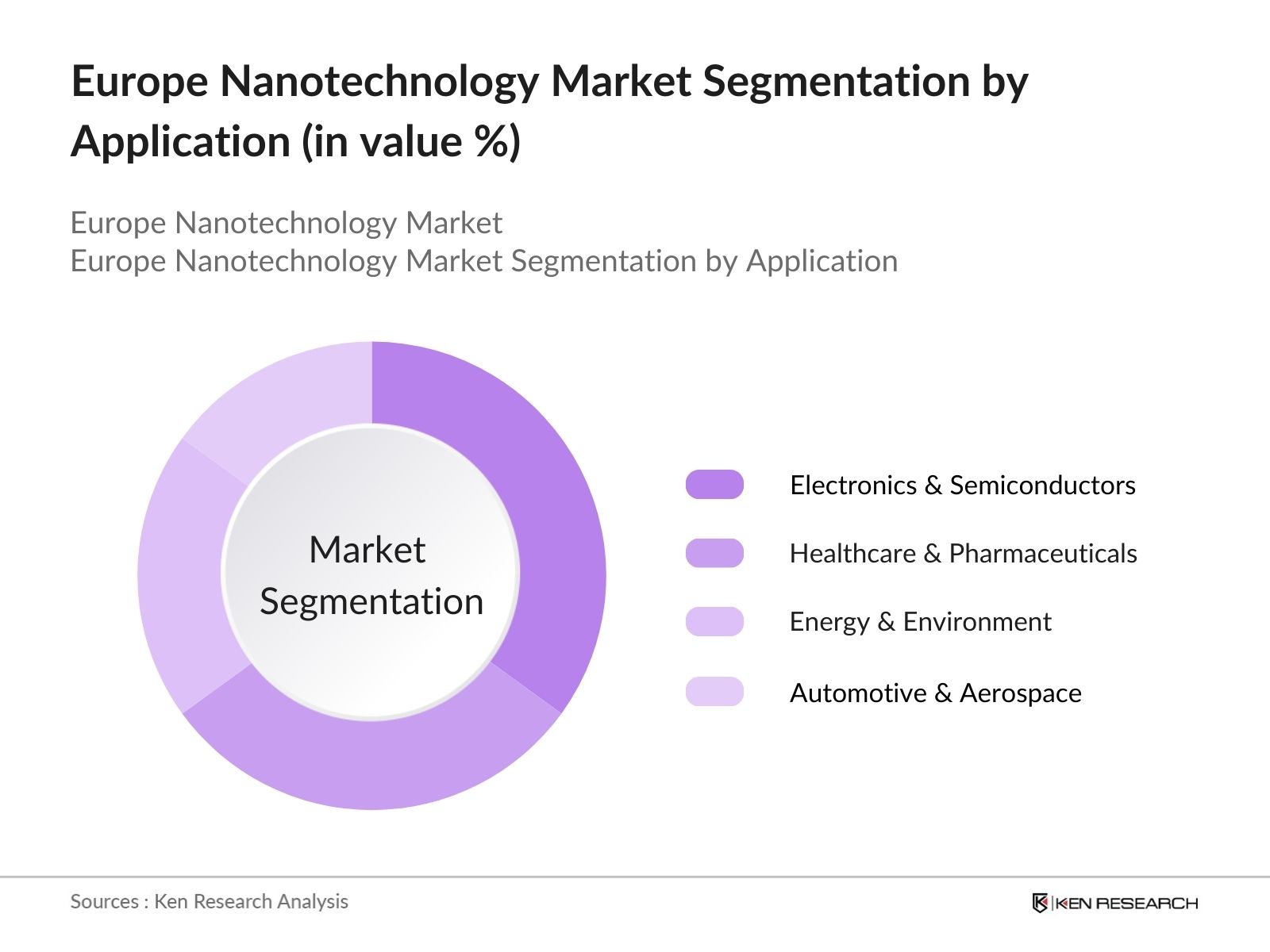
By Application: The market is segmented by application into electronics & semiconductors, healthcare & pharmaceuticals, energy & environment, and automotive & aerospace. Electronics and semiconductors hold the largest market share within this segment, primarily due to the adoption of nanotechnology in the miniaturization of devices and improvement of electronic component performance. Nanotechnology in electronics is widely used in fabricating transistors, memory chips, and other components that offer improved speed and power efficiency, driving the demand for nanotechnology in the electronics industry.
The Europe nanotechnology market is dominated by key players from various industries, including materials science, electronics, and pharmaceuticals. These companies invest heavily in R&D and form strategic partnerships with academic institutions and other industry players to enhance their market position. For example, Germany-based BASF SE, a global leader in chemical production, has leveraged nanotechnology to innovate in materials science. Similarly, the UKs Nanoco Group PLC focuses on developing quantum dots for applications in display technologies, while Frances Arkema Group specializes in advanced materials for sustainable energy solutions.
|
Company Name |
Establishment Year |
Headquarters |
Key Focus Areas |
R&D Investment (USD Mn) |
Patents Filed |
Revenue (USD Mn) |
Employees |
Global Presence |
|
BASF SE |
1865 |
Ludwigshafen, Germany |
- | - | - | - | - | - |
|
Evonik Industries AG |
2007 |
Essen, Germany |
- | - | - | - | - | - |
|
Nanoco Group PLC |
2001 |
Manchester, UK |
- | - | - | - | - | - |
|
Oxford Instruments |
1959 |
Abingdon, UK |
- | - | - | - | - | - |
|
Arkema Group |
2004 |
Colombes, France |
- | - | - | - | - | - |
Over the next five years, the Europe Nanotechnology market is expected to show significant growth, driven by continuous advancements in nanomaterial research, increased demand from the electronics and healthcare sectors, and strong governmental support for innovation. Nanotechnology's role in driving solutions for environmental sustainability and energy efficiency will also play a pivotal role in the market's expansion. Moreover, emerging applications in sectors such as precision agriculture, defense, and renewable energy are likely to further boost market growth.
|
By Product Type |
Nanomaterials Nanodevices Nanosensors Nanoelectronics |
|
By Application |
Electronics & Semiconductor Healthcare & Pharmaceuticals Energy & Environment Automotive & Aerospace |
|
By End-User Industry |
Manufacturing Healthcare Defense Consumer Goods |
|
By Technology |
Nano-Fabrication Nano-Coating Nano-Structured Materials Self-Assembling Nanoparticles |
|
By Country |
Germany UK France Italy Spain |
1.1. Definition and Scope
1.2. Market Taxonomy
1.3. Market Growth Rate
1.4. Market Segmentation Overview
2.1. Historical Market Size
2.2. Year-On-Year Growth Analysis
2.3. Key Market Developments and Milestones
3.1. Growth Drivers
3.1.1. Increasing Demand for Nano-Materials in Electronics (Nano-material applications)
3.1.2. Advancements in Nanomedicine (Healthcare)
3.1.3. Government R&D Funding (Public Sector Support)
3.1.4. Rise of Nanotechnology in Environmental Applications (Sustainability Initiatives)
3.2. Market Challenges
3.2.1. High Cost of Production (Manufacturing Constraints)
3.2.2. Lack of Standardization (Regulatory Gaps)
3.2.3. Health and Environmental Risks (Nanoparticle Safety Concerns)
3.3. Opportunities
3.3.1. Increasing Adoption in Automotive and Aerospace (Industry-Specific Adoption)
3.3.2. Expansion of Nanotechnology in Drug Delivery Systems (Pharmaceutical Innovation)
3.3.3. Collaboration Between Academic and Industry Players (Partnership Ecosystem)
3.4. Trends
3.4.1. Growth in Nanomaterial Usage in Renewable Energy (Sustainable Energy)
3.4.2. Integration of AI in Nanotechnology Research (AI-Nanotech Synergy)
3.4.3. Nanotechnology in Precision Agriculture (Agri-Tech)
3.5. Government Regulations
3.5.1. EU Nanomaterial Guidelines (European Directives)
3.5.2. REACH Compliance for Nanomaterials (Chemical Safety Regulations)
3.5.3. Regulatory Oversight on Nanoparticle Emissions (Environmental Health Standards)
3.6. SWOT Analysis (Strengths, Weaknesses, Opportunities, Threats)
3.7. Stake Ecosystem (Key Market Participants)
3.8. Porters Five Forces Analysis (Competitive Dynamics)
3.9. Competition Ecosystem
4.1. By Product Type (In Value %)
4.1.1. Nanomaterials
4.1.2. Nanodevices
4.1.3. Nanosensors
4.1.4. Nanoelectronics
4.2. By Application (In Value %)
4.2.1. Electronics and Semiconductor
4.2.2. Healthcare and Pharmaceuticals
4.2.3. Energy and Environment
4.2.4. Automotive and Aerospace
4.3. By End-User Industry (In Value %)
4.3.1. Manufacturing
4.3.2. Healthcare
4.3.3. Defense
4.3.4. Consumer Goods
4.4. By Technology (In Value %)
4.4.1. Nano-Fabrication
4.4.2. Nano-Coating
4.4.3. Nano-Structured Materials
4.4.4. Self-Assembling Nanoparticles
4.5. By Country (In Value %)
4.5.1. Germany
4.5.2. UK
4.5.3. France
4.5.4. Italy
4.5.5. Spain
5.1. Detailed Profiles of Major Competitors
5.1.1. BASF SE
5.1.2. Evonik Industries AG
5.1.3. Nanoco Group PLC
5.1.4. Nano Dimension Ltd.
5.1.5. Oxford Instruments
5.1.6. ABB Ltd.
5.1.7. Quantum Materials Corporation
5.1.8. Zyvex Labs LLC
5.1.9. Nanosys Inc.
5.1.10. Showa Denko K.K.
5.1.11. DuPont
5.1.12. Cnano Technology Ltd.
5.1.13. Nanophase Technologies Corporation
5.1.14. Hyperion Catalysis International
5.1.15. Advanced Diamond Technologies Inc.
5.2. Cross Comparison Parameters (Number of Employees, Headquarters, Inception Year, Market Revenue, Nano-Innovation Focus, Patent Portfolio, R&D Spending, M&A Activity)
5.3. Market Share Analysis
5.4. Strategic Initiatives (Product Innovations, Strategic Partnerships, Collaborations with Research Institutes)
5.5. Mergers and Acquisitions (Involving Key Nanotech Firms)
5.6. Investment Analysis (Venture Capital, Private Equity)
5.7. Venture Capital Funding (Investment in Startups and Emerging Players)
5.8. Government Grants and Subsidies (Public Sector Support for Nanotechnology)
6.1. EU Regulations on Nanotechnology (Framework Regulations)
6.2. REACH Compliance for Nanomaterials (Substance Safety and Registration)
6.3. Certification Processes for Nanoproducts (Standardization and Labeling)
7.1. Future Market Size Projections
7.2. Key Factors Driving Future Market Growth (Technological Advancements, Industry 4.0)
8.1. By Product Type (In Value %)
8.2. By Application (In Value %)
8.3. By End-User Industry (In Value %)
8.4. By Technology (In Value %)
8.5. By Country (In Value %)
9.1. TAM/SAM/SOM Analysis
9.2. Customer Cohort Analysis (Industry-Wise Demand)
9.3. Marketing Initiatives (Industry-Specific Strategies)
9.4. White Space Opportunity Analysis
The initial phase involved constructing an ecosystem map encompassing all major stakeholders within the Europe Nanotechnology Market. This was supported by desk research, utilizing secondary and proprietary databases to gather comprehensive industry-level information. The primary objective was to define critical variables affecting market dynamics.
This step involved compiling and analyzing historical data pertaining to the Europe Nanotechnology Market. It included the assessment of market penetration, production ratios, and resultant revenue generation. Additionally, the evaluation of product quality statistics ensured accuracy in revenue estimates.
Hypotheses were validated through consultations with industry experts via telephone interviews. These discussions offered operational and financial insights from companies, aiding in refining the research findings and market data.
The final phase involved engaging with multiple manufacturers and researchers to gain detailed insights into product segments, sales performance, and consumer preferences. This approach was used to complement statistics derived from the bottom-up methodology, ensuring a robust and validated analysis of the Europe Nanotechnology market.
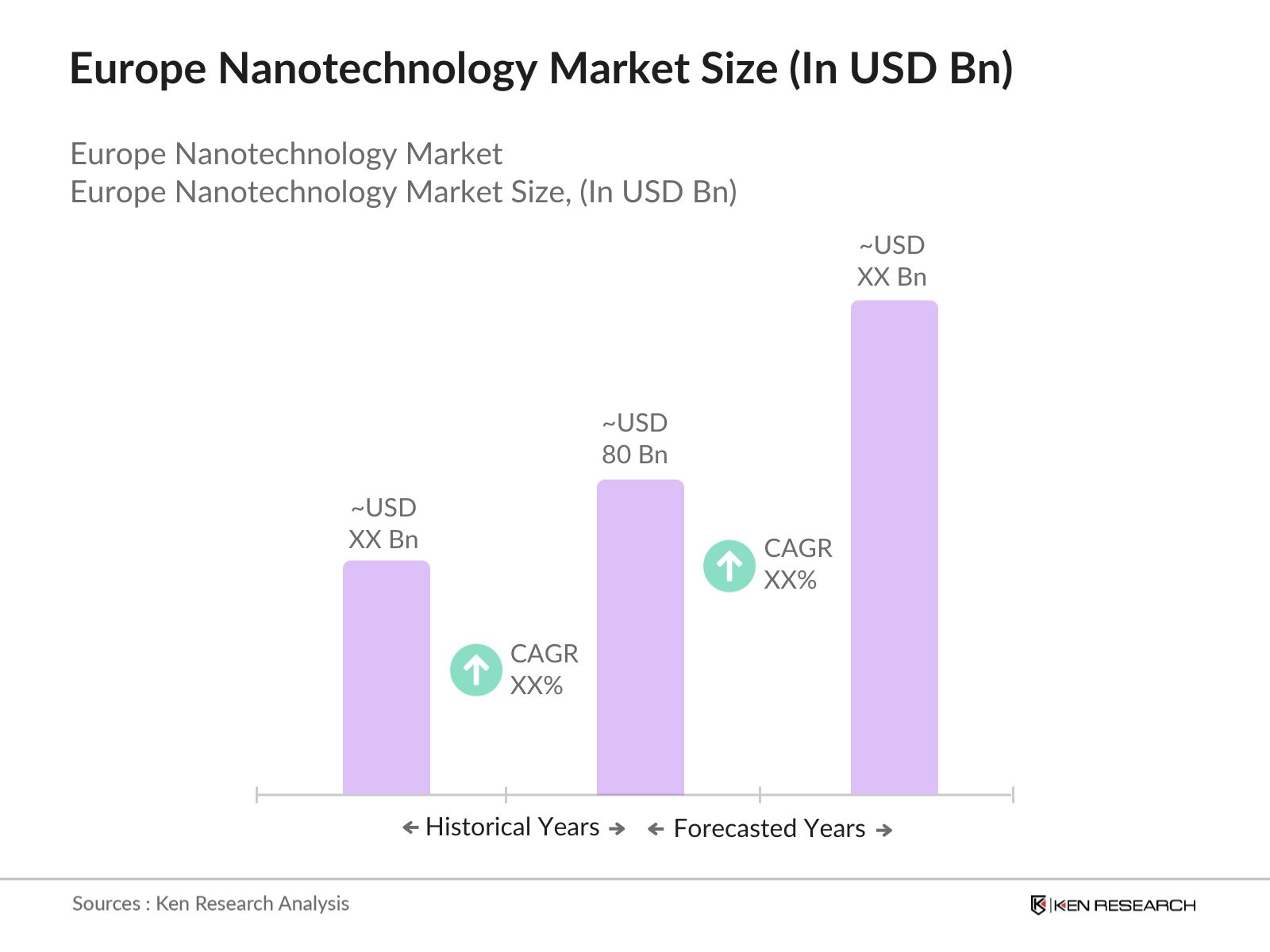
The Europe Nanotechnology Market was valued at USD 80 billion, driven by increasing demand across healthcare, electronics, and environmental applications, with countries like Germany and the UK leading in innovation and adoption.
Key challenges in the Europe Nanotechnology Market include high production costs, lack of standardization, and concerns regarding the environmental and health impacts of nanomaterials, which can hinder broader market acceptance.
Major players in the Europe Nanotechnology Market include BASF SE, Evonik Industries AG, Nanoco Group PLC, Oxford Instruments, and Arkema Group, all of which are involved in various nanotechnology innovations across industries.
Growth drivers in the Europe Nanotechnology Market include the rising demand for nanoelectronics, nanomedicine innovations, and the growing application of nanomaterials in sustainable energy solutions, alongside strong governmental R&D funding.

What makes us stand out is that our consultants follows Robust, Refine and Result (RRR) methodology. i.e. Robust for clear definitions, approaches and sanity checking, Refine for differentiating respondents facts and opinions and Result for presenting data with story

We have set a benchmark in the industry by offering our clients with syndicated and customized market research reports featuring coverage of entire market as well as meticulous research and analyst insights.

While we don't replace traditional research, we flip the method upside down. Our dual approach of Top Bottom & Bottom Top ensures quality deliverable by not just verifying company fundamentals but also looking at the sector and macroeconomic factors.

With one step in the future, our research team constantly tries to show you the bigger picture. We help with some of the tough questions you may encounter along the way: How is the industry positioned? Best marketing channel? KPI's of competitors? By aligning every element, we help maximize success.

Our report gives you instant access to the answers and sources that other companies might choose to hide. We elaborate each steps of research methodology we have used and showcase you the sample size to earn your trust.

If you need any support, we are here! We pride ourselves on universe strength, data quality, and quick, friendly, and professional service.