
Global Bamboo Clothing Market Outlook to 2030
Region:Global
Author(s):Yogita Sahu
Product Code:KROD4454
Region:Global
Author(s):Yogita Sahu
Product Code:KROD4454
October 2024
95
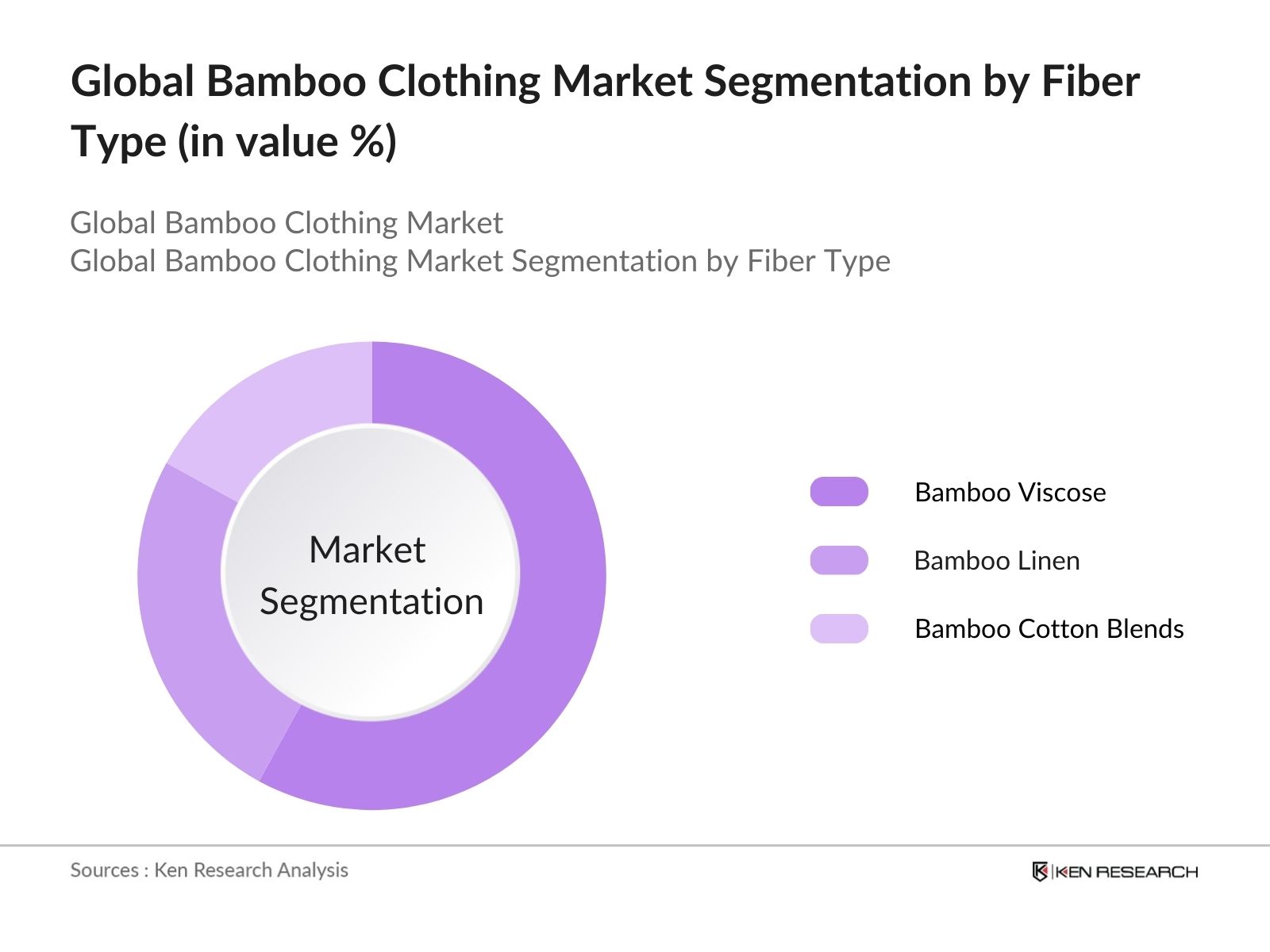
By Fiber Type: The market is segmented by fiber type into bamboo viscose, bamboo linen, and bamboo cotton blends. Bamboo viscose dominates the market, this is due to its superior softness, breathability, and moisture-wicking properties, which have gained significant traction among consumers seeking comfortable and sustainable clothing options. The ease of processing bamboo into viscose also allows for mass production, contributing to its market dominance.
By Application: The market is segmented by application into casual wear, activewear, sleepwear, and underwear. Casual wear holds the largest market share due to its broad appeal across various demographics and the versatility of bamboo fabric for everyday use. The growing popularity of sustainable fashion among consumers in casual settings drives this segment, with an increasing number of brands offering bamboo-based T-shirts, dresses, and other casual items.
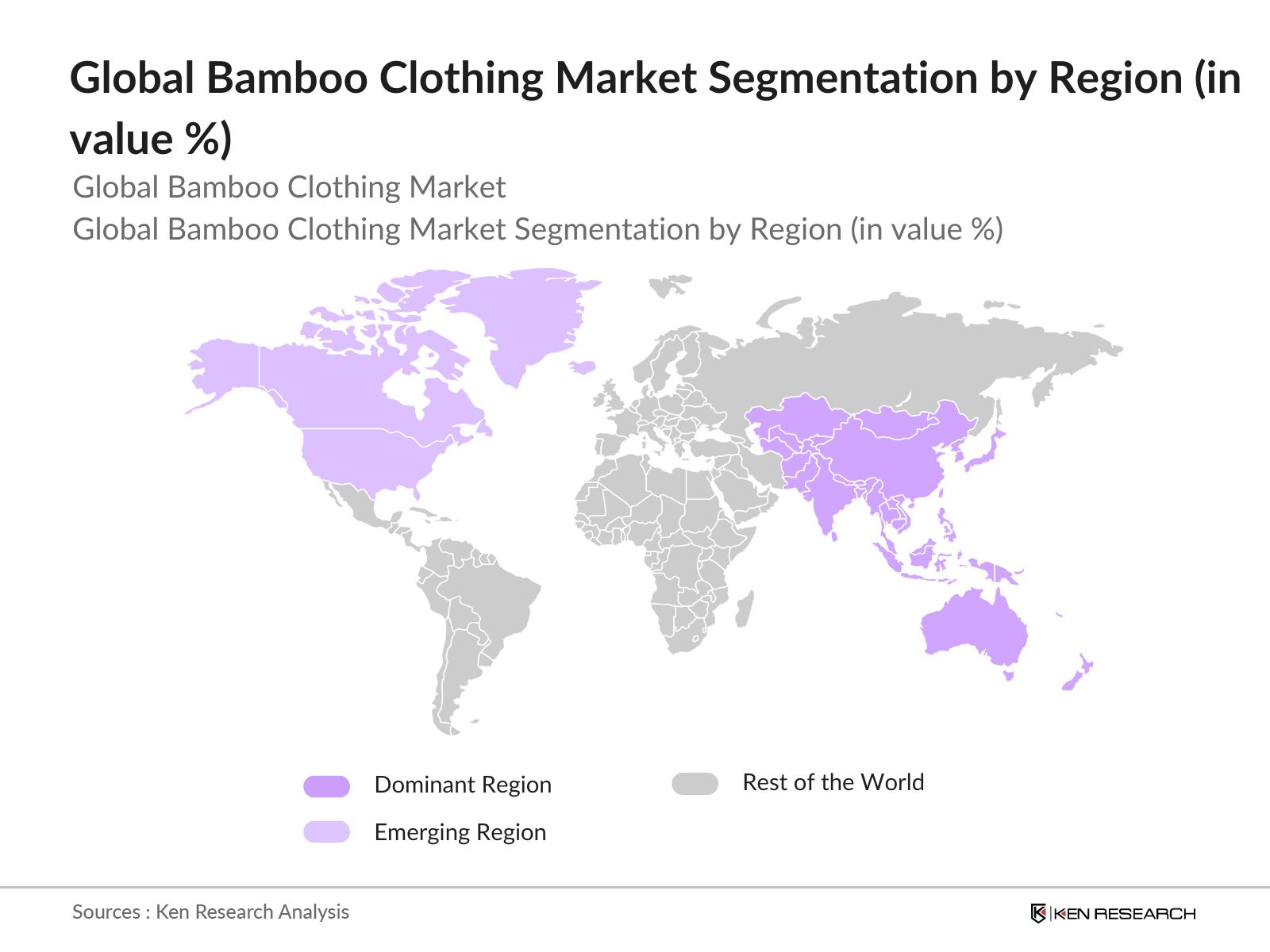
By Region: The market is segmented into North America, Europe, Asia Pacific, Latin America, and Middle East & Africa. Asia Pacific is the dominant region, driven by the large-scale availability of bamboo and well-established manufacturing hubs in China and India. The rising demand for sustainable clothing in these countries, coupled with strong textile infrastructure, supports the regions dominance.
The market is dominated by a mix of global and local players, each focusing on sustainable clothing solutions. These companies are leveraging advancements in fabric technology, increasing awareness around ethical fashion, and robust distribution networks to maintain their market positions.
|
Company |
Establishment Year |
Headquarters |
Market Penetration |
Revenue (USD Bn) |
Product Diversification |
Sustainability Initiatives |
Key Product Segment |
|
Boody |
2011 |
Sydney, Australia |
|||||
|
Thought Clothing |
1995 |
London, UK |
|||||
|
BAM Clothing |
2006 |
Plymouth, UK |
|||||
|
Cariloha |
2007 |
Utah, USA |
|||||
|
Tasc Performance |
2009 |
New Orleans, USA |
Over the next five years, the global bamboo clothing industry is expected to experience growth, driven by the increasing demand for sustainable fashion, eco-friendly materials, and ethical production processes. As consumers grow more conscious of the environmental impact of their clothing choices, the bamboo clothing market is poised to benefit from this shift in preferences.
|
By Fiber Type |
Bamboo Viscose Bamboo Linen Bamboo Cotton Blends |
|
By End-User |
Men Women Kids |
|
By Distribution Channel |
Online Retail Specialty Stores Supermarkets/Hypermarkets Direct Sales |
|
By Application |
Casual Wear Activewear Sleepwear Underwear |
|
By Region |
North America Europe Asia Pacific Latin America Middle East & Africa |
1.1. Definition and Scope
1.2. Market Taxonomy
1.3. Market Growth Rate (Growth Rate of Eco-Friendly Fashion, Ethical Clothing)
1.4. Market Segmentation Overview (By Fiber Type, By End-User, By Distribution Channel, By Region, By Application)
2.1. Historical Market Size
2.2. Year-On-Year Growth Analysis
2.3. Key Market Developments and Milestones (Sustainable Fashion Initiatives, Textile Innovation)
3.1. Growth Drivers
3.1.1. Increasing Consumer Demand for Sustainable Fashion
3.1.2. Regulatory Support for Eco-Friendly Textiles
3.1.3. Advancements in Bamboo Fiber Processing Technology
3.1.4. Rising Awareness of Carbon Footprint Reduction
3.2. Market Challenges
3.2.1. High Production Costs (Eco-Friendly Clothing Production Cost vs. Traditional Clothing)
3.2.2. Limited Raw Material Availability
3.2.3. Supply Chain Complexities
3.3. Opportunities
3.3.1. Expansion of Sustainable Brands (Rise of Eco-Friendly Brands Globally)
3.3.2. Increasing Adoption of Ethical Manufacturing
3.3.3. Growth in Online Retail of Eco-Friendly Apparel
3.4. Trends
3.4.1. Rise of Circular Fashion Models
3.4.2. Use of Sustainable Blended Fabrics
3.4.3. Growth in Vegan and Cruelty-Free Clothing Demand
3.5. Government Regulations
3.5.1. Textile Sustainability Standards
3.5.2. National Eco-Friendly Certifications
3.5.3. Import/Export Policies for Bamboo Products
3.6. SWOT Analysis
3.7. Stakeholder Ecosystem (Supply Chain Overview: Farmers, Manufacturers, Retailers)
3.8. Porters Five Forces
3.9. Competitive Landscape Analysis (Detailed Company Profiling)
4.1. By Fiber Type (In Value %)
4.1.1. Bamboo Viscose
4.1.2. Bamboo Linen
4.1.3. Bamboo Cotton Blends
4.2. By End-User (In Value %)
4.2.1. Men
4.2.2. Women
4.2.3. Kids
4.3. By Distribution Channel (In Value %)
4.3.1. Online Retail
4.3.2. Specialty Stores
4.3.3. Supermarkets/Hypermarkets
4.3.4. Direct Sales
4.4. By Application (In Value %)
4.4.1. Casual Wear
4.4.2. Activewear
4.4.3. Sleepwear
4.4.4. Underwear
4.5. By Region (In Value %)
4.5.1. North America
4.5.2. Europe
4.5.3. Asia Pacific
4.5.4. Latin America
4.5.5. Middle East & Africa
5.1 Detailed Profiles of Major Companies
5.1.1. Boody
5.1.2. Thought Clothing
5.1.3. BAM Clothing
5.1.4. Ettitude
5.1.5. Cariloha
5.1.6. Tasc Performance
5.1.7. Cozy Earth
5.1.8. Free Fly Apparel
5.1.9. PandaSilk
5.1.10. Spun Bamboo
5.1.11. Green Apple Active
5.1.12. Yala Designs
5.1.13. Latuza
5.1.14. MeUndies
5.1.15. Bamboo Tribe
5.2 Cross Comparison Parameters (Fiber Innovation, Production Capacity, Global Reach, Sustainability Metrics, Distribution Network, Eco-Certifications, Consumer Engagement, Social Responsibility Initiatives)
5.3. Market Share Analysis
5.4. Strategic Initiatives (Sustainability Goals, Carbon-Neutral Targets)
5.5. Mergers and Acquisitions
5.6. Investment Analysis
5.7. Venture Capital Funding
5.8. Government Grants
5.9. Private Equity Investments
6.1. Sustainable Apparel Standards
6.2. Fiber Content Labeling Compliance
6.3. Fair Trade and Ethical Certifications
6.4. Environmental Laws Related to Bamboo Farming
7.1. Future Market Size Projections
7.2. Key Factors Driving Future Market Growth (Green Consumerism, Ethical Fashion Movement)
8.1. By Fiber Type (In Value %)
8.2. By End-User (In Value %)
8.3. By Distribution Channel (In Value %)
8.4. By Application (In Value %)
8.5. By Region (In Value %)
9.1. TAM/SAM/SOM Analysis
9.2. Consumer Persona and Cohort Analysis
9.3. Marketing Strategies for Sustainable Fashion
9.4. White Space Opportunity Analysis (Emerging Markets, New Fiber Technologies)
The first phase involved mapping out all relevant stakeholders in the global bamboo clothing market. Extensive desk research was conducted using a combination of secondary data and proprietary databases to capture the dynamics and influencers of the market.
In this step, historical data for the bamboo clothing market was analyzed, with a focus on market penetration, revenue streams, and production capacities. We also assessed market trends, consumer demand, and pricing structures.
Following the data collection, hypotheses were developed and validated through consultations with industry experts. This included interviews with bamboo fiber manufacturers, textile producers, and fashion retailers to obtain insights and verify the data.
The final phase of the research involved the synthesis of insights from primary and secondary sources. This information was then validated to ensure a comprehensive understanding of the bamboo clothing market, including future growth potential and key drivers.
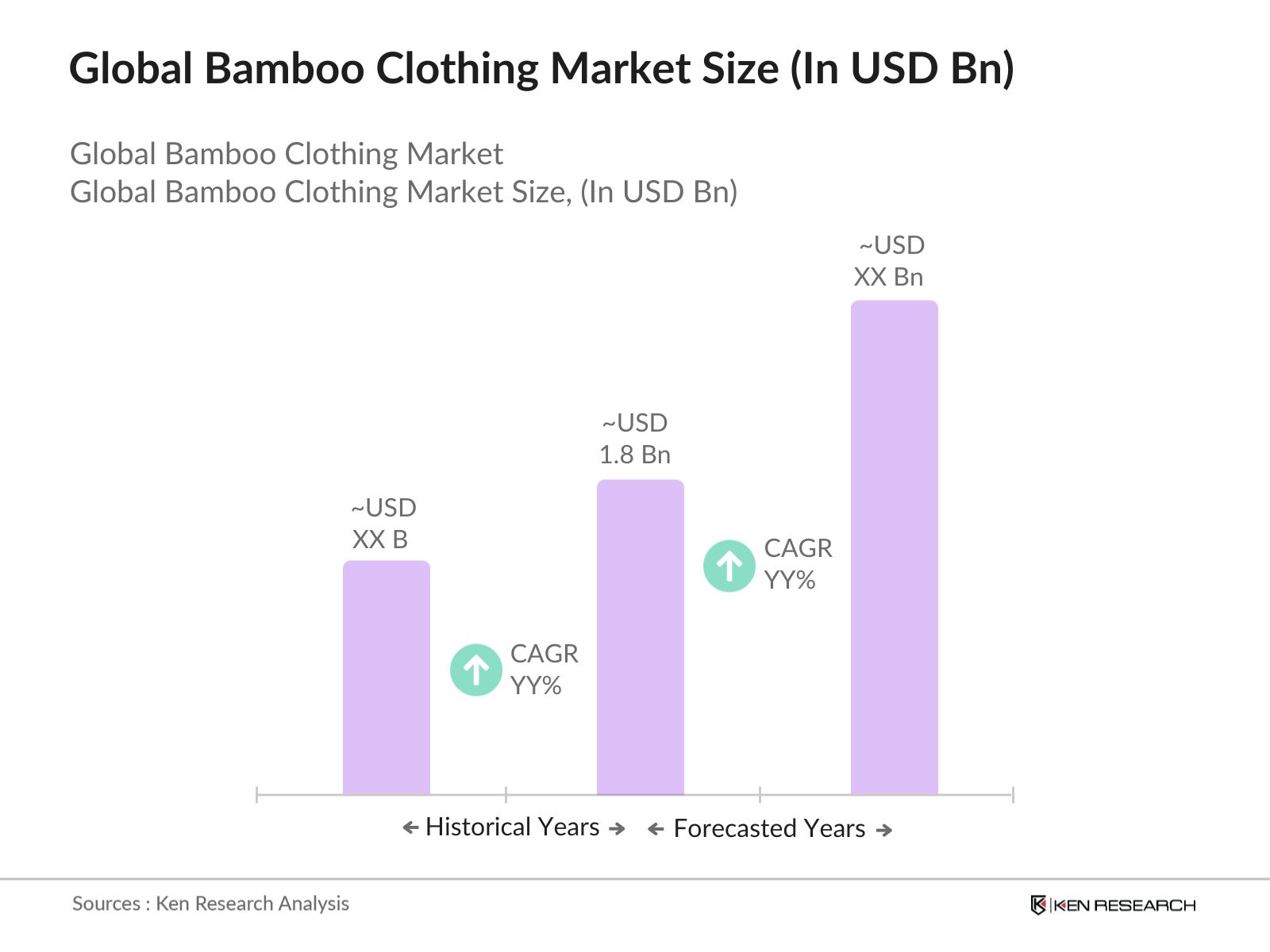
The global bamboo clothing market is valued at USD 1.83 billion, driven by the increasing demand for eco-friendly and sustainable fashion alternatives.
Challenges in the global bamboo clothing market include the high cost of bamboo fabric production, supply chain complexities, and limited availability of high-quality raw bamboo in some regions.
Key players in the global bamboo clothing market include Boody, Thought Clothing, BAM Clothing, Ettitude, and Cariloha, all of which are recognized for their sustainability initiatives and product innovations.
The growth in the global bamboo clothing market is driven by increasing consumer awareness of sustainability, advancements in bamboo textile technology, and government support for eco-friendly practices in the fashion industry.
The Asia-Pacific region dominates the global bamboo clothing market due to its vast bamboo cultivation and manufacturing capacity, followed by North America and Europe, where sustainable fashion trends are on the rise.

What makes us stand out is that our consultants follows Robust, Refine and Result (RRR) methodology. i.e. Robust for clear definitions, approaches and sanity checking, Refine for differentiating respondents facts and opinions and Result for presenting data with story

We have set a benchmark in the industry by offering our clients with syndicated and customized market research reports featuring coverage of entire market as well as meticulous research and analyst insights.

While we don't replace traditional research, we flip the method upside down. Our dual approach of Top Bottom & Bottom Top ensures quality deliverable by not just verifying company fundamentals but also looking at the sector and macroeconomic factors.

With one step in the future, our research team constantly tries to show you the bigger picture. We help with some of the tough questions you may encounter along the way: How is the industry positioned? Best marketing channel? KPI's of competitors? By aligning every element, we help maximize success.

Our report gives you instant access to the answers and sources that other companies might choose to hide. We elaborate each steps of research methodology we have used and showcase you the sample size to earn your trust.

If you need any support, we are here! We pride ourselves on universe strength, data quality, and quick, friendly, and professional service.