















Global Cerebral Palsy Market Outlook to 2030
Region:Global
Author(s):Shreya Garg
Product Code:KROD5574
December 2024
82
About the Report
Global Cerebral Palsy Market Overview
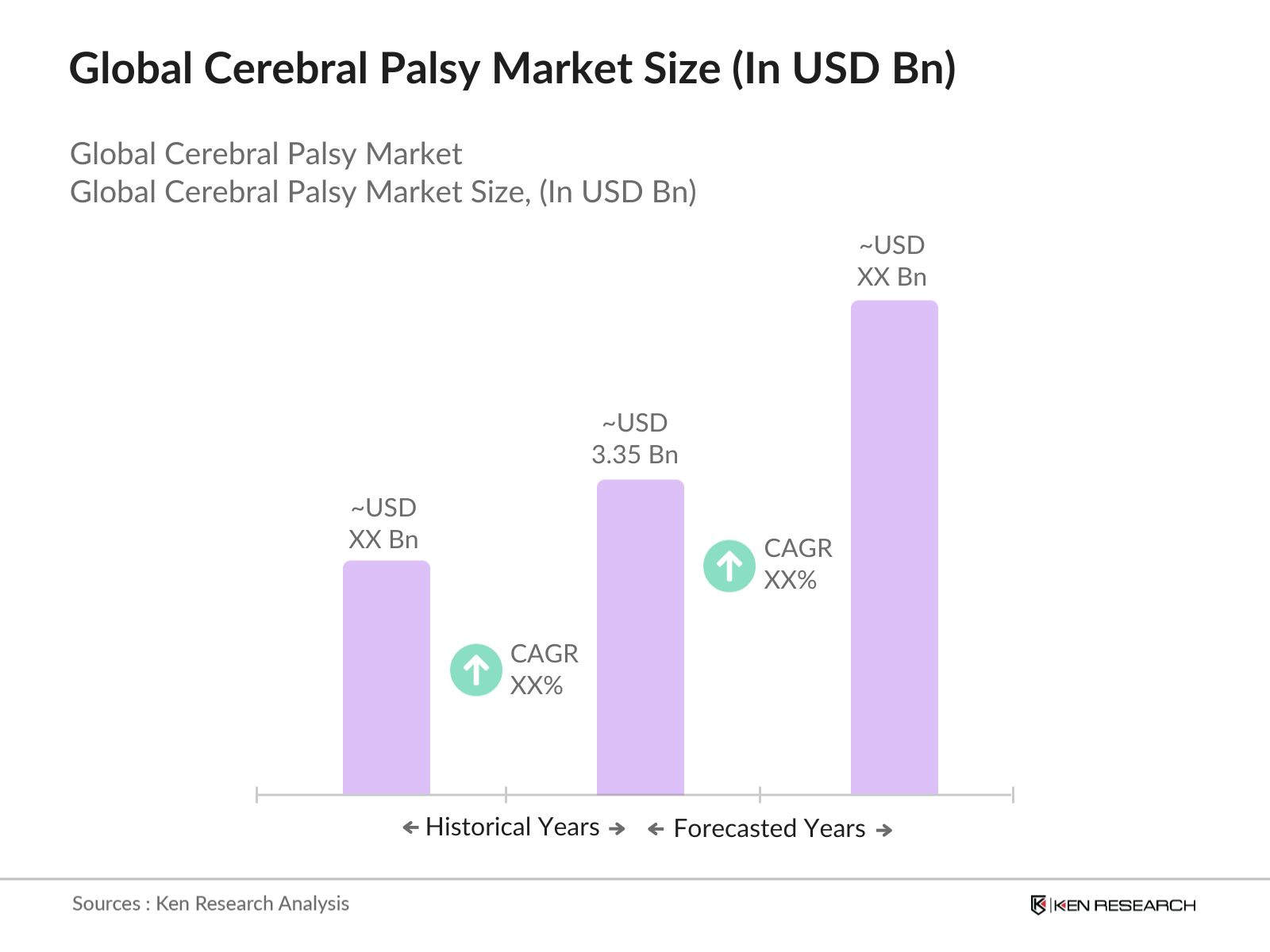
- The global cerebral palsy market is valued at USD 3.35 billion, driven primarily by the increasing prevalence of cerebral palsy cases worldwide and advancements in medical technologies aimed at improving patient care. According to recent data, the steady rise in the number of cerebral palsy diagnoses has fueled demand for specialized treatment options, including surgery, medication, and assistive devices. Enhanced awareness of early diagnosis and intervention techniques has contributed to the consistent growth of the market.
- North America dominates the global cerebral palsy market, particularly due to its advanced healthcare infrastructure and high level of awareness surrounding neurodevelopmental disorders. The United States, with its substantial investment in research and development, leads in developing innovative therapies and assistive technologies. Europe also plays a significant role, with countries like the UK and Germany contributing to the market's dominance through government support for disability rights and healthcare services.
- The Inclusive Healthcare Act, passed in 2024 in the United States, mandates disability-friendly infrastructure across hospitals, clinics, and other healthcare facilities. The government allocated $1 billion for retrofitting healthcare buildings with accessible equipment and technology, making it easier for cerebral palsy patients to receive specialized care. This legislation is expected to expand the availability of necessary treatment options nationwide.
Global Cerebral Palsy Market Segmentation
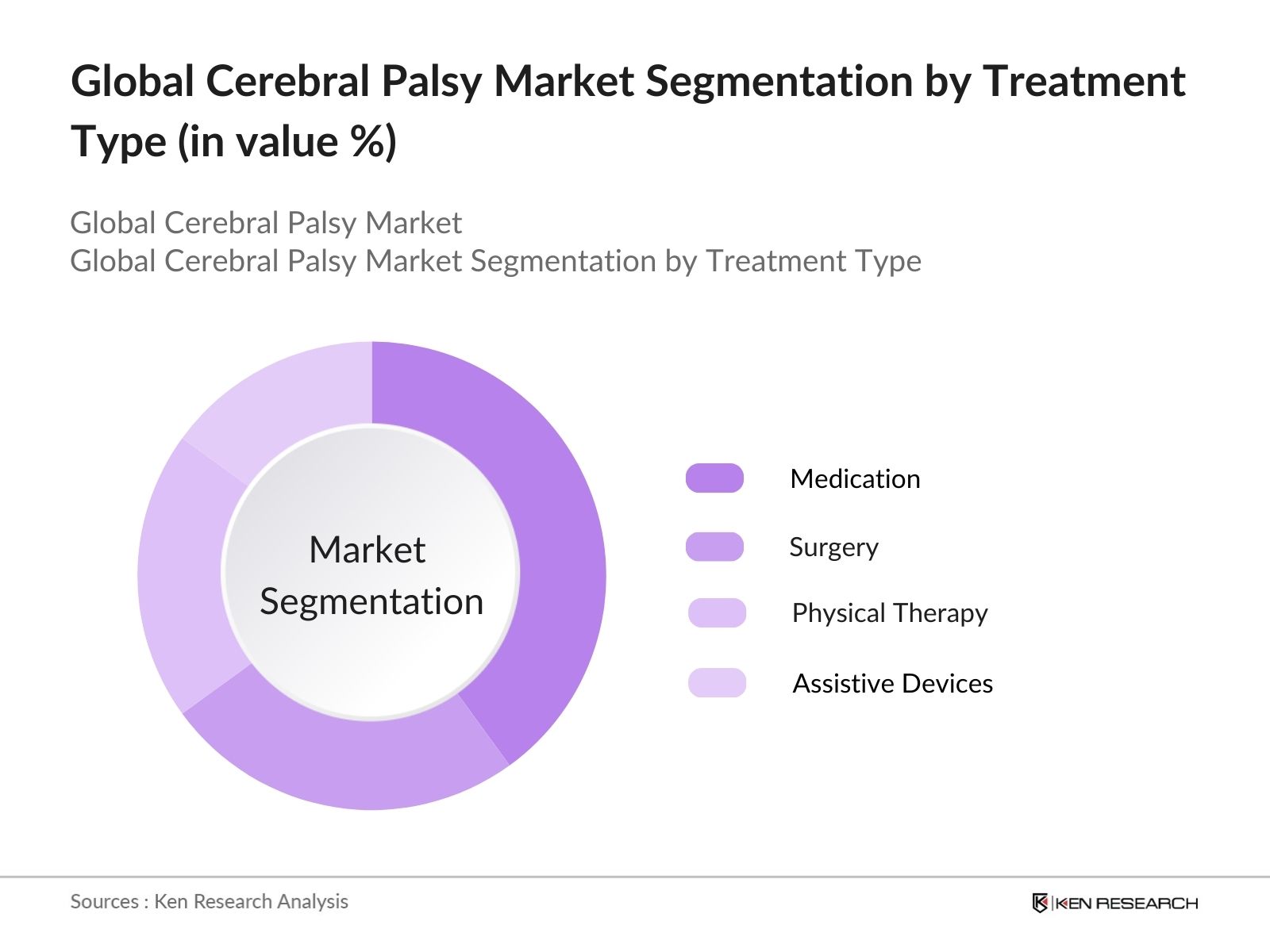
By Treatment Type: The global cerebral palsy market is segmented by treatment type into surgery, medication, physical therapy, and assistive devices. Among these, medication has a dominant market share due to its role in managing the symptoms of cerebral palsy. Medications such as antispasmodics and muscle relaxants are frequently prescribed to reduce muscle stiffness and improve mobility. The increasing availability of medications tailored to address specific symptoms makes this segment a key driver of the market.
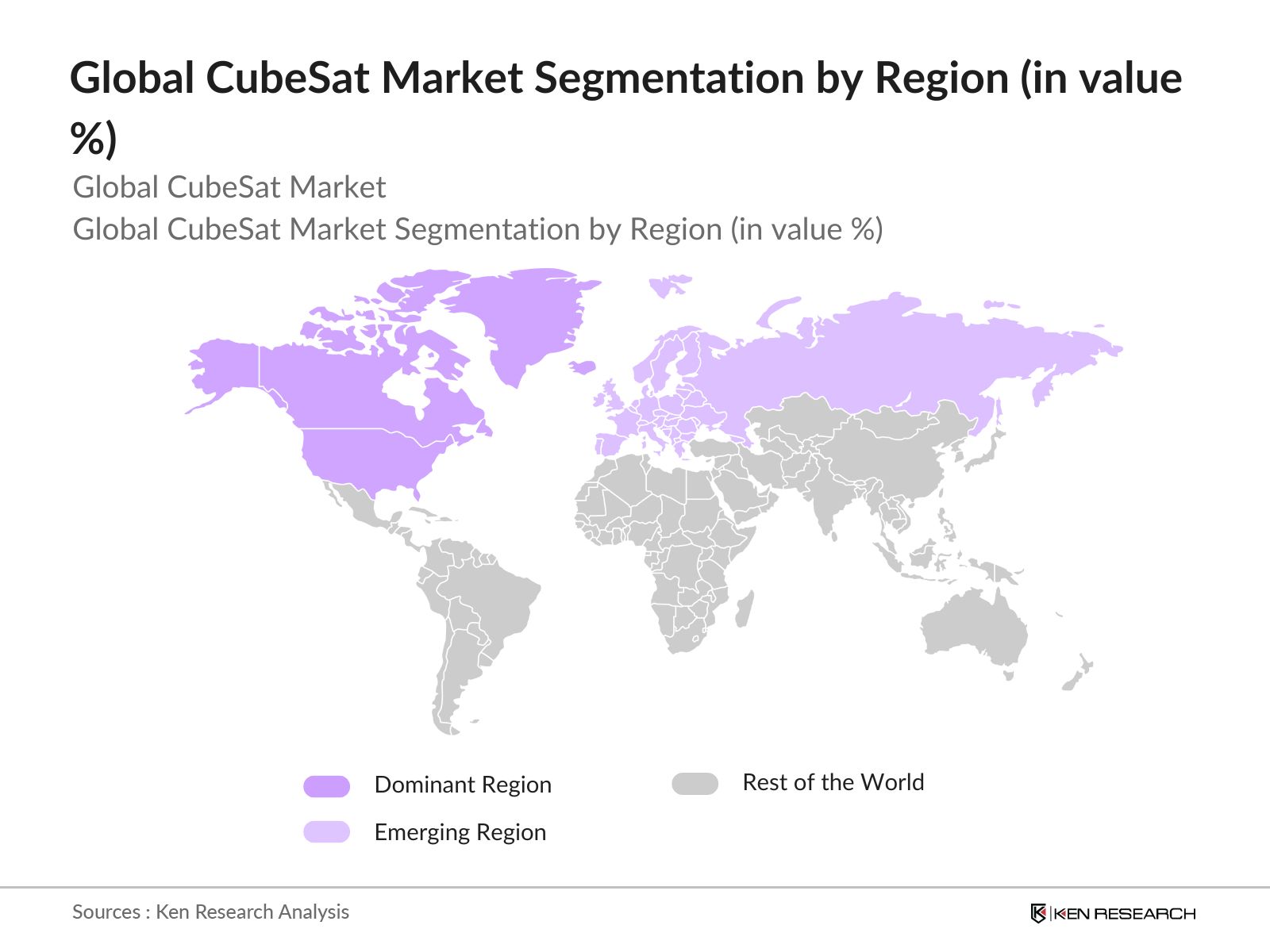
By Region: Regional segmentation shows North America leading the market, followed by Europe, Asia Pacific, the Middle East & Africa, and Latin America. The dominance of North America is attributed to advanced healthcare systems, access to specialized treatment, and a strong focus on research and development in neurodevelopmental disorders. The region's capacity for innovation in treatment modalities and assistive technologies contributes to its large market share.
By Severity: The market is also segmented by severity into mild, moderate, and severe cases. Severe cerebral palsy dominates the market due to the complexity of care required for these patients. Individuals with severe forms of cerebral palsy often require a combination of treatments, including specialized surgeries, rehabilitation, and long-term care. This drives the demand for intensive medical support, making severe cases a prominent contributor to the overall market.
Global Cerebral Palsy Market Competitive Landscape
The global cerebral palsy market is consolidated, with a few major players dominating. Companies such as Medtronic, Boston Scientific, and Stryker Corporation have established themselves as leaders in the market through continuous innovation and strong product portfolios in assistive devices and treatment solutions. These companies heavily invest in R&D, contributing to breakthroughs in cerebral palsy treatments.
|
Company |
Established Year |
Headquarters |
No. of Employees |
R&D Expenditure |
Revenue (USD Bn) |
Global Reach |
Product Portfolio |
|
Medtronic |
1949 |
USA |
|||||
|
Boston Scientific |
1979 |
USA |
|||||
|
Stryker Corporation |
1941 |
USA |
|||||
|
Abbott Laboratories |
1888 |
USA |
|||||
|
Smith & Nephew |
1856 |
UK |
Global Cerebral Palsy Market Analysis
Growth Drivers
- Increased Prevalence of Cerebral Palsy The global incidence of cerebral palsy is steadily rising due to factors such as premature births and medical complications during childbirth. For example, in 2024, an estimated 17 million people globally are living with cerebral palsy. The regional breakdown shows that countries with higher birth rates, particularly in Africa and Southeast Asia, are witnessing an increase in cases. This is largely due to limited access to neonatal care and prenatal education in these regions. Countries with advanced healthcare systems, like the United States, report around 764,000 individuals living with cerebral palsy. This growing patient population is driving the demand for medical support and innovative treatment solutions.
- Rising Awareness and Early Diagnosis Awareness campaigns by global organizations and national health bodies are contributing to earlier diagnoses of cerebral palsy. For instance, global initiatives, such as World Cerebral Palsy Day, have heightened awareness, leading to higher diagnosis rates. In 2024, over 100,000 children were diagnosed in the US alone, a significant increase from previous years. Countries like the UK are also promoting nationwide screening programs, further boosting early identification of the condition. Early diagnosis is crucial for initiating early intervention therapies, which improve patient outcomes and stimulate market growth.
- Advancements in Treatment Options The development of new treatment modalities, such as deep brain stimulation, neurostimulation, and pharmacological advancements, is improving patient care. In 2024, over 6,000 hospitals globally introduced robotic-assisted surgeries for cerebral palsy patients. These technological innovations enhance precision in surgical procedures and post-operative recovery. The market is seeing increased integration of assistive technologies like wearable devices that improve mobility and communication for cerebral palsy patients, further driving the demand for advanced care options.
Market Challenges
- High Cost of Treatment The cost of treating cerebral palsy remains a significant barrier for many families. In the US, the lifetime care cost for a person with cerebral palsy can range from $1 million to $5 million. This financial burden is compounded by limited insurance coverage and reimbursement issues, especially in countries without universal healthcare. In 2024, many low-income families in regions like sub-Saharan Africa and South Asia report spending more than 60% of their income on medical care, leaving treatment options out of reach for many.
- Limited Access to Advanced Therapies in Developing Regions Healthcare infrastructure in many developing regions remains underdeveloped, limiting access to advanced therapies like neurostimulation and physical rehabilitation programs. In 2024, countries like India and Nigeria have less than 500 specialized care centers combined, serving over 500,000 cerebral palsy patients. This disparity highlights the lack of trained professionals and necessary medical equipment, which continues to challenge effective management of the condition in these regions.
Global Cerebral Palsy Market Future Outlook
Over the next five years, the global cerebral palsy market is expected to witness significant growth, driven by advancements in assistive technologies, rehabilitation techniques, and growing public awareness of early diagnosis and treatment options. Government support for disability rights and access to affordable healthcare services will further propel market expansion. Collaborations between non-profit organizations, research institutions, and pharmaceutical companies will also boost research efforts and innovation.
Future Market Opportunities
- Expansion of Telemedicine in Managing Cerebral Palsy Telemedicine is emerging as a viable option for providing remote consultations and continuous management of cerebral palsy, especially in regions where access to specialists is limited. In 2024, over 1 million patients globally accessed telehealth services for managing cerebral palsy symptoms. Governments in countries like Australia and the US have implemented policies encouraging telemedicine adoption, providing funding and infrastructure to expand these services. This trend is opening up new avenues for reaching underserved populations and improving treatment accessibility.
- Development of Assistive Devices Innovation in assistive devices such as exoskeletons, mobility aids, and communication tools is creating new opportunities in the market. In 2024, companies launched more than 200 new assistive products designed for cerebral palsy patients, with 50% of these targeting improved mobility and communication. The growing usage of these devices in rehabilitation centers and homes is contributing to improved quality of life for patients, creating a significant market for device manufacturers.
Scope of the Report
|
By Treatment Type |
Surgery Medication Physical Therapy Assistive Devices |
|
By Severity |
Mild Moderate Severe |
|
By Care Setting |
Hospitals Rehabilitation Centers Home-based Care |
|
By Patient Age Group |
Pediatrics Adults |
|
By Region |
North America Europe Asia Pacific Middle East & Africa Latin America |
Products
Key Target Audience
Investors and Venture Capitalist Firms
Hospitals and Healthcare Providers
Government and Regulatory Bodies (e.g., U.S. Food and Drug Administration)
Non-profit Organizations
Pharmaceutical Companies
Assistive Device Manufacturers
Rehabilitation Centers
Health Insurance Providers
Companies
Major Players
Medtronic
Boston Scientific
Abbott Laboratories
Smith & Nephew
Stryker Corporation
B. Braun Melsungen
Zimmer Biomet
Teva Pharmaceuticals
Sanofi
ReWalk Robotics
Table of Contents
Global Cerebral Palsy Market Overview
1.1. Definition and Scope
1.2. Market Taxonomy
1.3. Market Growth Rate
1.4. Market Segmentation Overview
Global Cerebral Palsy Market Size (In USD Bn)
2.1. Historical Market Size
2.2. Year-on-Year Growth Analysis
2.3. Key Market Developments and Milestones
Global Cerebral Palsy Market Analysis
3.1. Growth Drivers
3.1.1. Increased Prevalence of Cerebral Palsy (Incidence Rates, Regional Breakdown)
3.1.2. Rising Awareness and Early Diagnosis (Awareness Campaigns, Diagnosis Rates)
3.1.3. Advancements in Treatment Options (New Therapies, Technological Integration)
3.1.4. Growing Support from Non-profit Organizations and Advocacy Groups (Funding, Policy Support)
3.2. Market Challenges
3.2.1. High Cost of Treatment (Cost Analysis, Reimbursement Issues)
3.2.2. Limited Access to Advanced Therapies in Developing Regions (Healthcare Infrastructure, Accessibility)
3.2.3. Lack of Skilled Healthcare Professionals for Specialized Care (Training Programs, Regional Shortages)
3.3. Opportunities
3.3.1. Expansion of Telemedicine in Managing Cerebral Palsy (Telehealth Uptake, Regional Initiatives)
3.3.2. Development of Assistive Devices (Product Innovation, Usage Rates)
3.3.3. Collaborative Research in Neurodevelopmental Disorders (Partnerships, Research Funding)
3.3.4. Government Initiatives for Disability Inclusion (Policies, Global Programs)
3.4. Trends
3.4.1. Integration of AI in Early Detection and Treatment Plans (AI Usage, Real-time Monitoring)
3.4.2. Adoption of Personalized Medicine in Cerebral Palsy Treatment (Tailored Therapies, Genetic Research)
3.4.3. Growing Use of Robotics for Rehabilitation (Robotic Therapies, Patient Recovery Rates)
3.5. Government Regulation
3.5.1. National Disability Rights Frameworks (Legal Rights, Accessibility Standards)
3.5.2. Health Insurance Reforms (Coverage for Cerebral Palsy, Global Variations)
3.5.3. Medical Device Approval Processes (Device Registrations, FDA, EMA Standards)
3.5.4. Public-Private Partnerships in Research and Care (Collaborative Initiatives, Funding Sources)
3.6. SWOT Analysis
3.7. Stakeholder Ecosystem (Patients, Caregivers, Providers)
3.8. Porters Five Forces Analysis
3.9. Competitive Landscape
Global Cerebral Palsy Market Segmentation
4.1. By Treatment Type (In Value %)
4.1.1. Surgery
4.1.2. Medication
4.1.3. Physical Therapy
4.1.4. Assistive Devices
4.2. By Severity (In Value %)
4.2.1. Mild
4.2.2. Moderate
4.2.3. Severe
4.3. By Care Setting (In Value %)
4.3.1. Hospitals
4.3.2. Rehabilitation Centers
4.3.3. Home-based Care
4.4. By Patient Age Group (In Value %)
4.4.1. Pediatrics
4.4.2. Adults
4.5. By Region (In Value %)
4.5.1. North America
4.5.2. Europe
4.5.3. Asia Pacific
4.5.4. Middle East & Africa
4.5.5. Latin America
Global Cerebral Palsy Market Competitive Analysis
5.1. Detailed Profiles of Major Companies
5.1.1. Medtronic
5.1.2. Boston Scientific
5.1.3. Abbott Laboratories
5.1.4. Smith & Nephew
5.1.5. Zimmer Biomet
5.1.6. B. Braun Melsungen
5.1.7. Stryker Corporation
5.1.8. Sanofi
5.1.9. Teva Pharmaceuticals
5.1.10. Merck & Co.
5.1.11. Novartis
5.1.12. GlaxoSmithKline
5.1.13. Allergan
5.1.14. ReWalk Robotics
5.1.15. Ekso Bionics
5.2. Cross Comparison Parameters (No. of Employees, Headquarters, Inception Year, Revenue, Product Portfolio, Global Reach, R&D Investment, Partnerships)
5.3. Market Share Analysis
5.4. Strategic Initiatives
5.5. Mergers and Acquisitions
5.6. Investment Analysis
5.7. Venture Capital Funding
5.8. Government Grants
5.9. Private Equity Investments
Global Cerebral Palsy Market Regulatory Framework
6.1. Disability Rights and Accessibility Regulations
6.2. Healthcare Compliance Requirements
6.3. Certification Processes for Medical Devices and Therapies
Global Cerebral Palsy Future Market Size (In USD Bn)
7.1. Future Market Size Projections
7.2. Key Factors Driving Future Market Growth
Global Cerebral Palsy Future Market Segmentation
8.1. By Treatment Type (In Value %)
8.2. By Severity (In Value %)
8.3. By Care Setting (In Value %)
8.4. By Patient Age Group (In Value %)
8.5. By Region (In Value %)
Global Cerebral Palsy Market Analysts Recommendations
9.1. TAM/SAM/SOM Analysis
9.2. Customer Cohort Analysis
9.3. Marketing Initiatives
9.4. White Space Opportunity Analysis
Research Methodology
Step 1: Identification of Key Variables
In the first phase, we construct an ecosystem map, identifying major stakeholders within the global cerebral palsy market. Extensive desk research, involving secondary and proprietary databases, is conducted to gather comprehensive industry data and identify variables that influence the market dynamics, such as treatment types and severity of the condition.
Step 2: Market Analysis and Construction
This phase involves compiling and analyzing historical data on the global cerebral palsy market. We assess factors like treatment penetration rates, the number of specialized rehabilitation centers, and the revenue generated from various treatment types. This helps in developing a reliable market structure and assessing market trends.
Step 3: Hypothesis Validation and Expert Consultation
Market hypotheses are formulated and validated through interviews with industry experts, including neurologists and healthcare providers. These consultations provide insights into the operational challenges and financial opportunities within the cerebral palsy market, ensuring the accuracy of the data collected.
Step 4: Research Synthesis and Final Output
In the final stage, we collaborate with cerebral palsy treatment centers and assistive device manufacturers to verify the data obtained through desk research. This step ensures a thorough and reliable analysis of the global cerebral palsy market, culminating in a comprehensive and validated report.
Frequently Asked Questions
01. How big is the Global Cerebral Palsy Market?
The global cerebral palsy market is valued at USD 3.35 billion, driven by increased demand for specialized treatments and assistive devices aimed at improving patient outcomes.
02. What are the challenges in the Global Cerebral Palsy Market?
Challenges in the global cerebral palsy market include high treatment costs, limited access to advanced therapies in developing regions, and a shortage of healthcare professionals specialized in neurodevelopmental disorders.
03. Who are the major players in the Global Cerebral Palsy Market?
Key players in the global cerebral palsy market include Medtronic, Boston Scientific, Abbott Laboratories, Smith & Nephew, and Stryker Corporation. These companies lead due to their innovative product offerings and global reach.
04. What are the growth drivers of the Global Cerebral Palsy Market?
The global cerebral palsy market is driven by advancements in medical technologies, increased awareness of early diagnosis, and government support for disability rights, which have contributed to market growth.
Why Buy From Us?

What makes us stand out is that our consultants follows Robust, Refine and Result (RRR) methodology. i.e. Robust for clear definitions, approaches and sanity checking, Refine for differentiating respondents facts and opinions and Result for presenting data with story

We have set a benchmark in the industry by offering our clients with syndicated and customized market research reports featuring coverage of entire market as well as meticulous research and analyst insights.

While we don't replace traditional research, we flip the method upside down. Our dual approach of Top Bottom & Bottom Top ensures quality deliverable by not just verifying company fundamentals but also looking at the sector and macroeconomic factors.

With one step in the future, our research team constantly tries to show you the bigger picture. We help with some of the tough questions you may encounter along the way: How is the industry positioned? Best marketing channel? KPI's of competitors? By aligning every element, we help maximize success.

Our report gives you instant access to the answers and sources that other companies might choose to hide. We elaborate each steps of research methodology we have used and showcase you the sample size to earn your trust.

If you need any support, we are here! We pride ourselves on universe strength, data quality, and quick, friendly, and professional service.