
Global Cloud Computing Market Outlook to 2030
Region:Global
Author(s):Mukul
Product Code:KROD7097
Region:Global
Author(s):Mukul
Product Code:KROD7097
December 2024
90
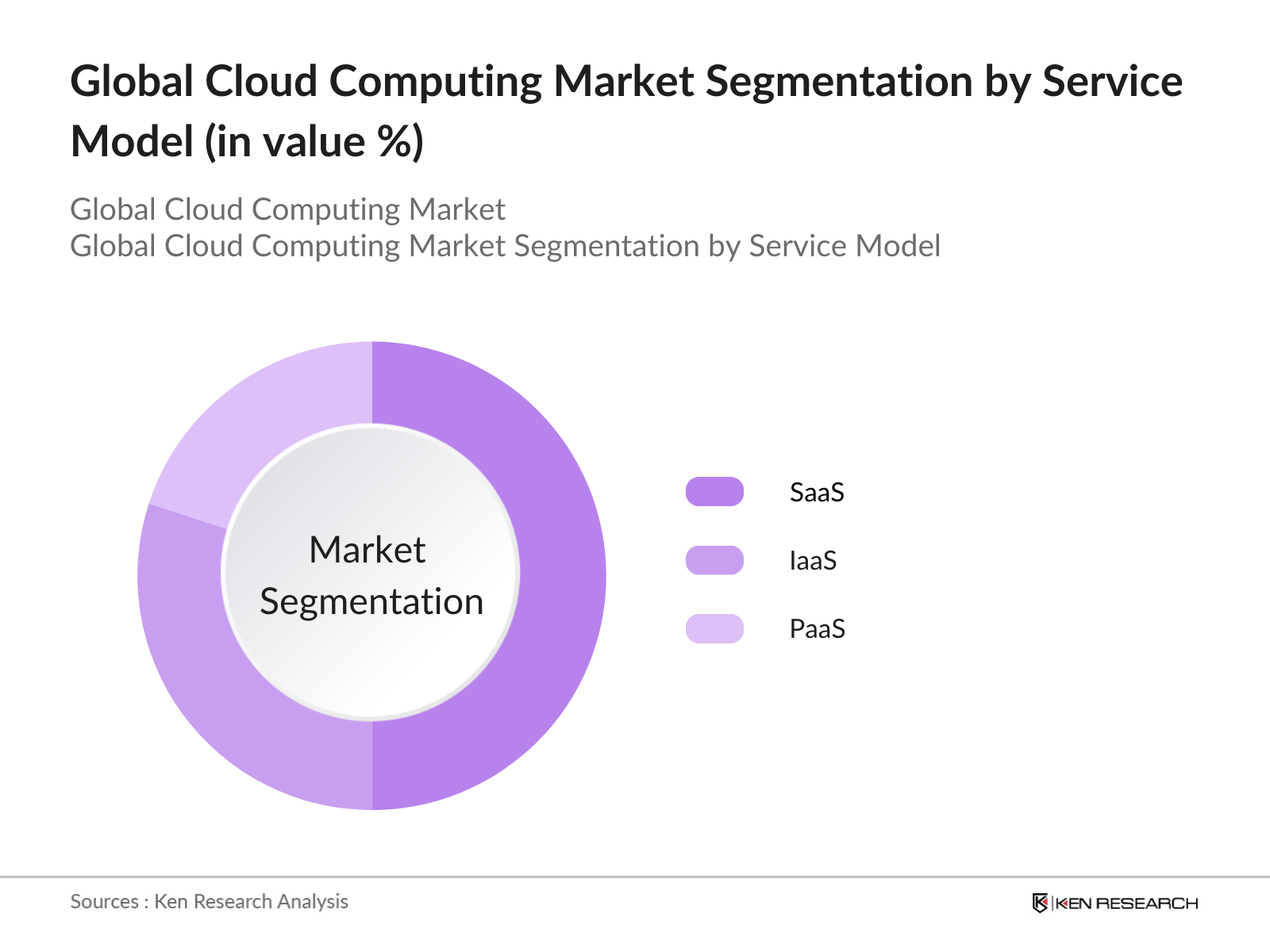
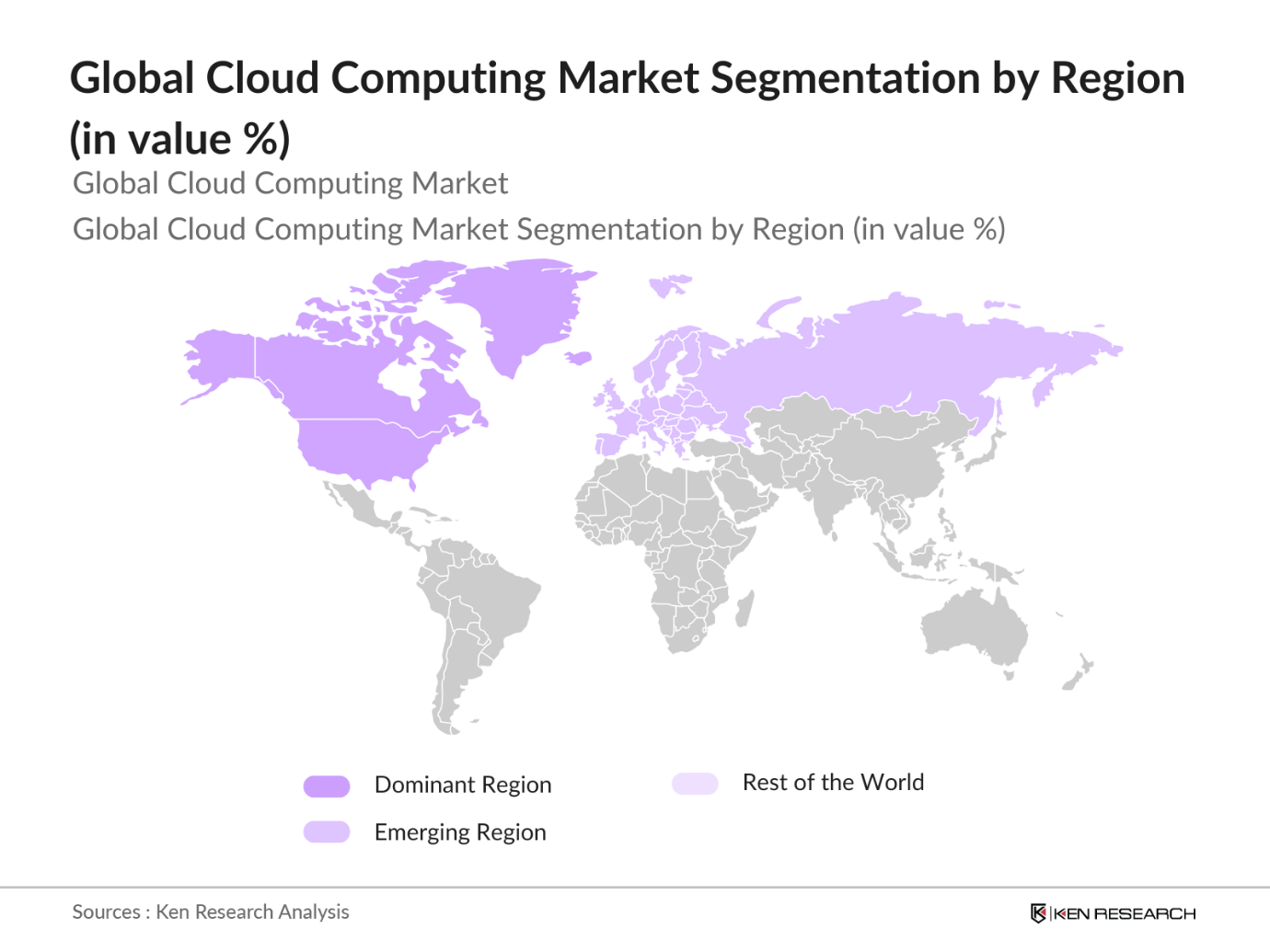
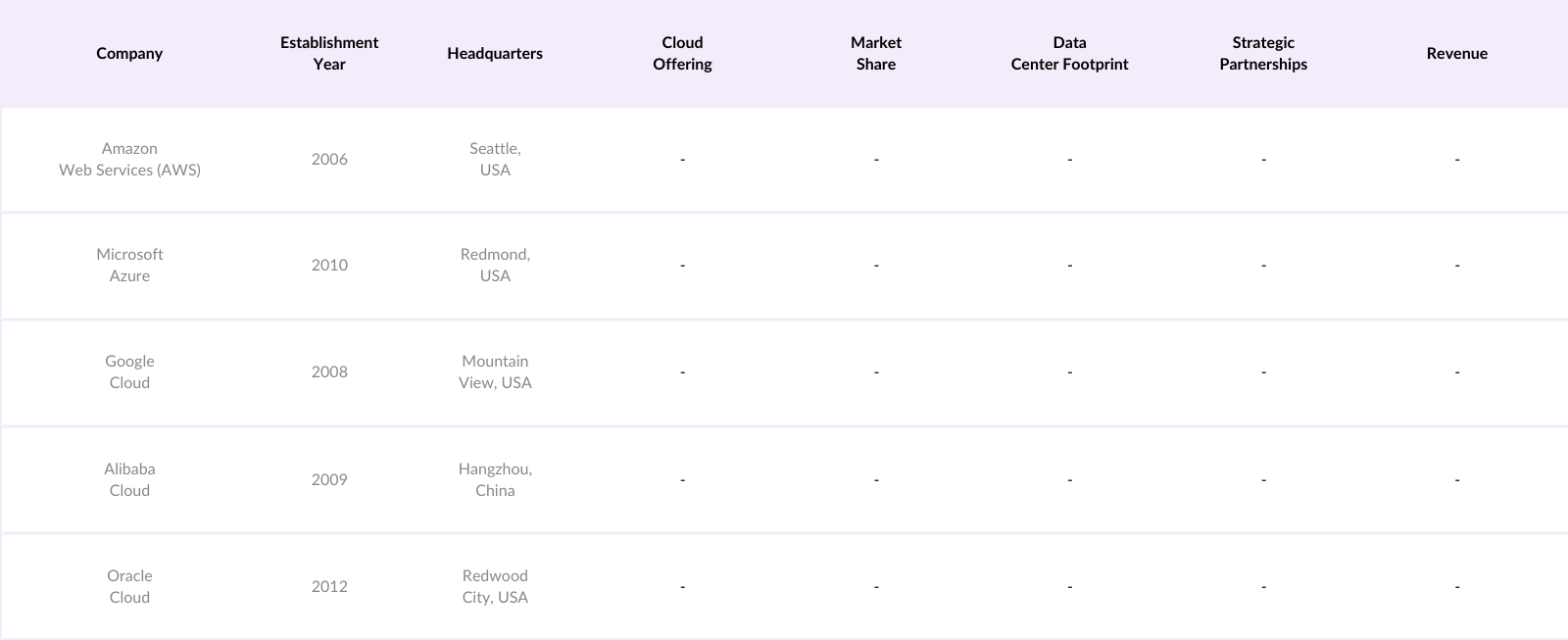
The Global Cloud Computing Market is dominated by several key players that control significant market share through innovation, strategic partnerships, and investments. These companies offer a variety of services across IaaS, PaaS, and SaaS models, enabling businesses to optimize their operations. The market is highly competitive, with players focusing on expanding their cloud offerings and improving customer service to maintain their competitive edge.
Over the next five years, the Global Cloud Computing Market is expected to experience substantial growth, driven by advancements in cloud technology, increasing demand for scalable IT solutions, and the growing adoption of AI, machine learning, and IoT integration within cloud platforms. The shift towards hybrid cloud models and the rising demand from emerging economies will also contribute to this growth. Furthermore, enhanced security measures and compliance frameworks will attract more businesses to adopt cloud solutions in their critical operations.
|
By Service Model |
Infrastructure as a Service (IaaS) |
|
By Deployment Model |
Public Cloud |
|
By Enterprise Size |
Large Enterprises |
|
By End-User Industry |
BFSI (Banking, Financial Services, and Insurance) |
|
By Region |
North America |
1.1. Definition and Scope
1.2. Market Taxonomy
1.3. Cloud Computing Ecosystem
1.4. Market Segmentation Overview
1.5. Cloud Adoption Trends by Region
2.1. Historical Market Size
2.2. Key Market Developments and Milestones
2.3. Market Penetration Analysis
3.1. Growth Drivers
3.1.1. Digital Transformation Initiatives
3.1.2. Cloud-Native Applications Growth
3.1.3. Increasing Demand for Data Storage and Scalability
3.1.4. Multi-Cloud Adoption
3.1.5. Cost Efficiency and Flexibility of Cloud Solutions
3.2. Market Challenges
3.2.1. Data Security and Privacy Concerns
3.2.2. Regulatory Compliance Complexities
3.2.3. High Dependency on Internet Connectivity
3.2.4. Vendor Lock-in and Integration Challenges
3.3. Opportunities
3.3.1. Growing Adoption of Hybrid Cloud Models
3.3.2. Expansion of Cloud Services in Emerging Markets
3.3.3. Increased Adoption in Small and Medium Enterprises (SMEs)
3.3.4. AI, Machine Learning, and IoT Integration
3.4. Trends
3.4.1. Edge Computing and 5G Integration
3.4.2. Rise of Industry-Specific Cloud Solutions
3.4.3. Cloud Automation and DevOps
3.4.4. Increased Focus on Green Cloud Computing
3.5. Government Regulations
3.5.1. Data Localization Policies
3.5.2. Cloud Service Compliance Standards (GDPR, HIPAA)
3.5.3. Cybersecurity Frameworks
3.5.4. Government Incentives for Cloud Adoption
3.6. SWOT Analysis
3.7. Cloud Stakeholder Ecosystem
3.8. Porters Five Forces Analysis
3.9. Competition Ecosystem
4.1. By Service Model (In Value %)
4.1.1. Infrastructure as a Service (IaaS)
4.1.2. Platform as a Service (PaaS)
4.1.3. Software as a Service (SaaS)
4.2. By Deployment Model (In Value %)
4.2.1. Public Cloud
4.2.2. Private Cloud
4.2.3. Hybrid Cloud
4.3. By Enterprise Size (In Value %)
4.3.1. Large Enterprises
4.3.2. Small and Medium Enterprises (SMEs)
4.4. By End-User Industry (In Value %)
4.4.1. BFSI (Banking, Financial Services, and Insurance)
4.4.2. Healthcare
4.4.3. IT and Telecom
4.4.4. Retail and E-commerce
4.4.5. Government and Public Sector
4.4.6. Manufacturing
4.5. By Region (In Value %)
4.5.1. North America
4.5.2. Europe
4.5.3. Asia-Pacific
4.5.4. Middle East and Africa
4.5.5. Latin America
5.1. Detailed Profiles of Major Competitors
5.1.1. Amazon Web Services (AWS)
5.1.2. Microsoft Azure
5.1.3. Google Cloud
5.1.4. IBM Cloud
5.1.5. Alibaba Cloud
5.1.6. Oracle Cloud
5.1.7. Salesforce
5.1.8. SAP
5.1.9. VMware
5.1.10. Cisco
5.1.11. Rackspace Technology
5.1.12. Tencent Cloud
5.1.13. HCL Technologies
5.1.14. Fujitsu
5.1.15. CenturyLink
5.2. Cross Comparison Parameters (Revenue, Cloud Offerings, Market Share, Global Presence, Data Center Infrastructure, Client Base, Cloud Security Solutions, Strategic Partnerships)
5.3. Market Share Analysis
5.4. Strategic Initiatives
5.5. Mergers and Acquisitions
5.6. Investment Analysis
5.7. Venture Capital Funding
5.8. Government Grants
5.9. Private Equity Investments
7.1. Market Forecast and Projections
7.2. Factors Influencing Future Growth
8.1. By Service Model (In Value %)
8.2. By Deployment Model (In Value %)
8.3. By Enterprise Size (In Value %)
8.4. By End-User Industry (In Value %)
8.5. By Region (In Value %)
9.1. TAM/SAM/SOM Analysis
9.2. Customer Cohort Analysis
9.3. Go-to-Market Strategies
9.4. White Space Opportunity Analysis
The initial step involves identifying key factors influencing the Global Cloud Computing Market. Extensive research was conducted using both secondary and proprietary data sources to map the stakeholders in the market, including cloud service providers, IT companies, and end-users. The goal is to assess factors such as service model adoption rates and regional penetration levels.
In this phase, historical data related to the Global Cloud Computing Market was analyzed to determine market trends, penetration levels, and service adoption across regions. Various sources, including industry reports and government publications, were utilized to collect reliable data.
To validate the market hypotheses, consultations were conducted with industry experts through interviews and surveys. These consultations provided insights into market dynamics, competition, and future trends. Feedback from cloud service providers also helped refine the market estimates.
The final phase involved consolidating all the data points and expert insights to provide a comprehensive market analysis. The synthesis of quantitative and qualitative data ensured a detailed, accurate, and actionable market report.
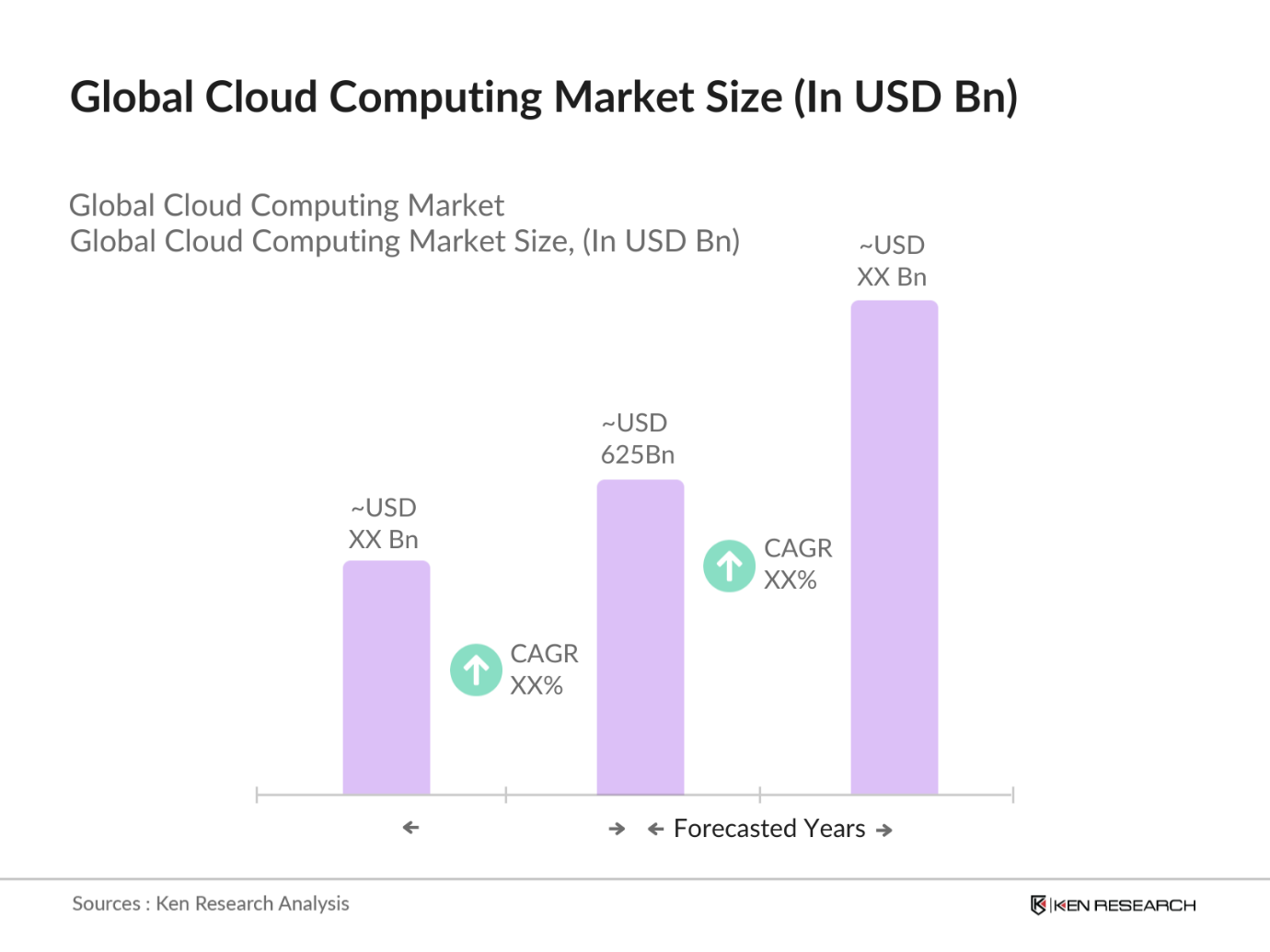
The Global Cloud Computing Market is valued at USD 625 billion, driven by increasing cloud adoption, the rise of digital transformation initiatives, and the growing demand for scalable IT solutions.
Challenges include data security concerns, complex regulatory compliance requirements, and vendor lock-in issues. These factors impact the scalability and adoption of cloud solutions across industries.
Key players include Amazon Web Services (AWS), Microsoft Azure, Google Cloud, IBM Cloud, and Alibaba Cloud. These companies dominate due to their extensive data center infrastructure, innovative cloud solutions, and global reach.
The market is driven by the increasing need for cost-efficient, scalable IT solutions, the rising adoption of cloud-native applications, and advancements in AI, machine learning, and IoT. Hybrid cloud models are also fueling growth.

What makes us stand out is that our consultants follows Robust, Refine and Result (RRR) methodology. i.e. Robust for clear definitions, approaches and sanity checking, Refine for differentiating respondents facts and opinions and Result for presenting data with story

We have set a benchmark in the industry by offering our clients with syndicated and customized market research reports featuring coverage of entire market as well as meticulous research and analyst insights.

While we don't replace traditional research, we flip the method upside down. Our dual approach of Top Bottom & Bottom Top ensures quality deliverable by not just verifying company fundamentals but also looking at the sector and macroeconomic factors.

With one step in the future, our research team constantly tries to show you the bigger picture. We help with some of the tough questions you may encounter along the way: How is the industry positioned? Best marketing channel? KPI's of competitors? By aligning every element, we help maximize success.

Our report gives you instant access to the answers and sources that other companies might choose to hide. We elaborate each steps of research methodology we have used and showcase you the sample size to earn your trust.

If you need any support, we are here! We pride ourselves on universe strength, data quality, and quick, friendly, and professional service.