
Global Eco-Tourism Market Outlook to 2030
Region:Global
Author(s):Sanjna Verma
Product Code:KROD5620
Region:Global
Author(s):Sanjna Verma
Product Code:KROD5620
December 2024
84
Listen to the audio summary
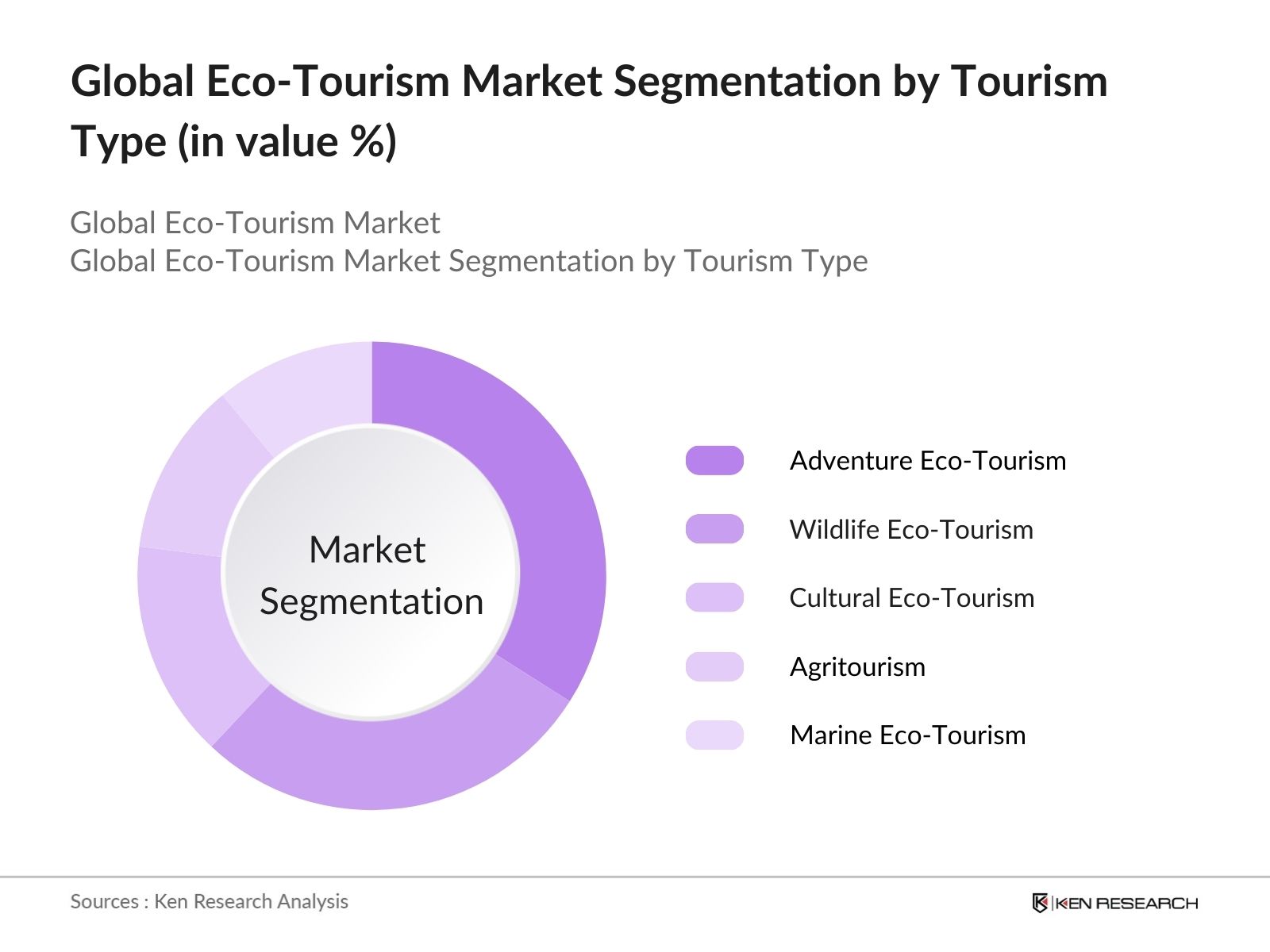
By Tourism Type: The global eco-tourism market is segmented by tourism type into adventure eco-tourism, wildlife eco-tourism, cultural eco-tourism, agritourism, and marine eco-tourism. Adventure eco-tourism holds a dominant share due to the increasing demand for activities such as trekking, rock climbing, and exploring remote regions. Adventure eco-tourism provides unique experiences that combine physical challenges with a connection to nature, attracting younger and active travelers.
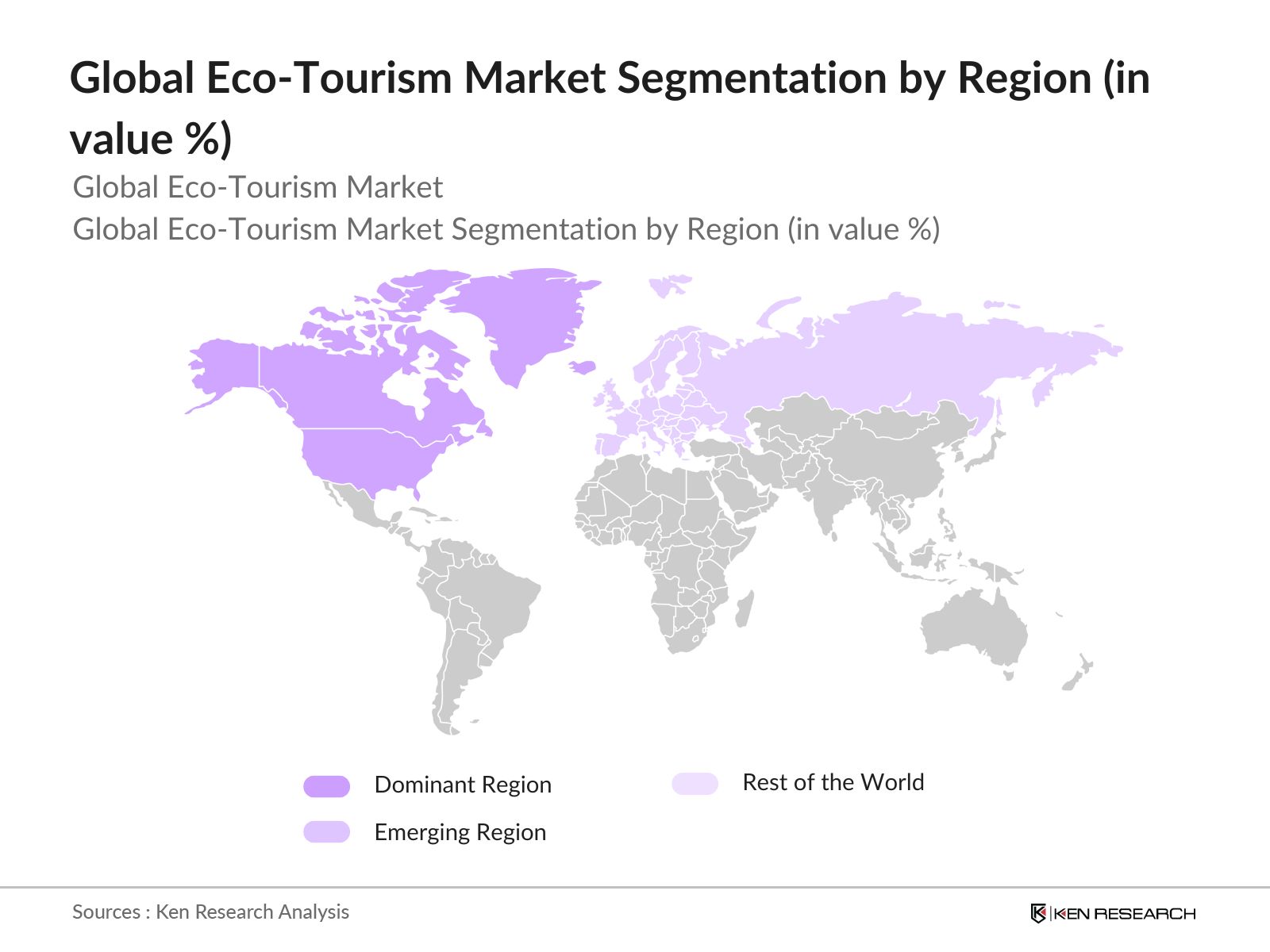
By Region: The global eco-tourism market is regionally segmented into North America, Europe, Asia-Pacific, Latin America, and the Middle East & Africa. North America leads the market, driven by the region's strong emphasis on national parks, nature reserves, and the promotion of sustainable tourism initiatives. Countries like the United States and Canada, with their extensive network of eco-lodges, hiking trails, and wildlife conservation programs, attract millions of eco-conscious travelers annually.
By Traveler Type: Eco-tourism is segmented by traveler type into solo travelers, group travelers, family travelers, and couples. Group travelers dominate the market, accounting for a significant share due to the popularity of organized tours that offer a structured, safe, and informative travel experience. Group travelers often prefer eco-tourism packages, which combine guided wildlife safaris, cultural tours, and community-based tourism activities, allowing for deeper engagement with local environments. Leading tour operators promote eco-friendly group travel as a way to reduce the environmental impact through shared resources.
The global eco-tourism market is dominated by both well-established travel companies and specialized eco-tourism operators. The consolidation of the market shows that a few major players exert significant influence by offering comprehensive eco-tourism packages, engaging in sustainable practices, and maintaining certifications from global environmental organizations. Major players include established companies like Intrepid Travel and G Adventures, which offer a diverse range of eco-friendly tour packages.
|
Company |
Establishment Year |
Headquarters |
No. of Eco-Certified Tours |
Annual Revenue (USD Mn) |
Sustainability Initiatives |
Popular Destinations |
Community Engagement |
Market Reach |
No. of Employees |
|
Intrepid Travel |
1989 |
Melbourne, Australia |
- |
- |
- |
- |
- |
- |
- |
|
Responsible Travel |
2001 |
Brighton, UK |
- |
- |
- |
- |
- |
- |
- |
|
Natural Habitat Adventures |
1985 |
Colorado, USA |
- |
- |
- |
- |
- |
- |
- |
|
G Adventures |
1990 |
Toronto, Canada |
- |
- |
- |
- |
- |
- |
- |
|
AndBeyond |
1991 |
Johannesburg, South Africa |
- |
- |
- |
- |
- |
- |
- |
The competition in the eco-tourism market focuses on sustainable practices, destination variety, and immersive travel experiences. Companies that actively involve local communities in their operations gain a competitive edge by promoting responsible tourism, which appeals to eco-conscious consumers.
Global Eco-Tourism market is expected to experience substantial growth, driven by increasing consumer preference for sustainable travel options and continuous advancements in eco-friendly technologies. Governments worldwide are also enacting policies to protect natural areas while promoting tourism, creating opportunities for market expansion. Additionally, younger generations are prioritizing travel that aligns with their environmental values, pushing eco-tourism into mainstream travel.
|
By Type |
Adventure Eco-Tourism Wildlife Eco-Tourism Cultural Eco-Tourism Agritourism Marine Eco-Tourism |
|
By Traveler Type |
Solo Travelers Group Travelers Family Travelers Couples |
|
By Age Group |
18-30 Years 31-50 Years 51-65 Years 65+ Years |
|
By Activity |
Hiking and Trekking Bird Watching Cultural Tours Wildlife Safaris Volunteering |
|
By Region |
North America Europe Asia-Pacific Latin America Middle East & Africa |
1.1. Definition and Scope
1.2. Market Taxonomy
1.3. Market Growth Rate
1.4. Market Segmentation Overview
2.1. Historical Market Size
2.2. Year-On-Year Growth Analysis
2.3. Key Market Developments and Milestones
3.1. Growth Drivers (Sustainability Focus, Consumer Preferences, Economic Growth)
3.1.1. Rising Consumer Interest in Sustainable Travel
3.1.2. Government Initiatives for Sustainable Tourism
3.1.3. Economic Development and Increased Disposable Income
3.2. Market Challenges (Infrastructure, Regulation, Economic Downturns)
3.2.1. Lack of Infrastructure in Remote Locations
3.2.2. Regulatory Hurdles and Environmental Protection Standards
3.2.3. Economic Uncertainty Impacting Travel Expenditure
3.3. Opportunities (Technology Integration, Emerging Markets, Collaboration)
3.3.1. Digital Platforms for Eco-Tourism Promotion
3.3.2. Expanding Eco-Tourism in Emerging Markets
3.3.3. International Partnerships for Eco-Tourism Expansion
3.4. Trends (Experience-Driven Travel, Local Community Integration)
3.4.1. Experience-Based Eco-Tourism Packages
3.4.2. Integration of Local Communities into Tourism Activities
3.4.3. Off-the-Beaten-Path Destinations Becoming Popular
3.5. Government Regulation (Conservation Policies, Tourism Standards)
3.5.1. National Environmental Conservation Policies
3.5.2. Sustainable Tourism Certification Programs
3.5.3. International Treaties for Eco-Tourism Development
3.6. SWOT Analysis
3.7. Stakeholder Ecosystem (Government Bodies, Tour Operators, NGOs, Local Communities)
3.8. Porters Five Forces
3.9. Competitive Ecosystem
4.1. By Type (In Value %)
4.1.1. Adventure Eco-Tourism
4.1.2. Wildlife Eco-Tourism
4.1.3. Cultural Eco-Tourism
4.1.4. Agritourism
4.1.5. Marine Eco-Tourism
4.2. By Traveler Type (In Value %)
4.2.1. Solo Travelers
4.2.2. Group Travelers
4.2.3. Family Travelers
4.2.4. Couples
4.3. By Age Group (In Value %)
4.3.1. 18-30 Years
4.3.2. 31-50 Years
4.3.3. 51-65 Years
4.3.4. 65+ Years
4.4. By Activity (In Value %)
4.4.1. Hiking and Trekking
4.4.2. Bird Watching
4.4.3. Cultural Tours
4.4.4. Wildlife Safaris
4.4.5. Volunteering
4.5. By Region (In Value %)
4.5.1. North America
4.5.2. Europe
4.5.3. Asia-Pacific
4.5.4. Latin America
4.5.5. Middle East & Africa
5.1. Detailed Profiles of Major Companies
5.1.1. Intrepid Travel
5.1.2. Responsible Travel
5.1.3. Natural Habitat Adventures
5.1.4. G Adventures
5.1.5. World Expeditions
5.1.6. Earthwatch Institute
5.1.7. AndBeyond
5.1.8. Greenloons
5.1.9. Context Travel
5.1.10. Wildland Adventures
5.2. Cross Comparison Parameters (Number of Eco-Certified Tours, Headquarters, Sustainability Initiatives, Revenue, No. of Employees, Market Reach, Popular Destinations, Community Engagement)
5.3. Market Share Analysis
5.4. Strategic Initiatives (Sustainability Goals, Eco-Friendly Investments, New Eco-Friendly Destinations)
5.5. Mergers and Acquisitions
5.6. Investment Analysis
5.7. Venture Capital Funding
5.8. Government Grants for Eco-Tourism Development
5.9. Private Equity Investments
6.1. Environmental Protection Standards for Eco-Tourism
6.2. Sustainable Tourism Certification Requirements
6.3. National and International Conservation Treaties
7.1. Future Market Size Projections
7.2. Key Factors Driving Future Market Growth
8.1. By Type (In Value %)
8.2. By Traveler Type (In Value %)
8.3. By Age Group (In Value %)
8.4. By Activity (In Value %)
8.5. By Region (In Value %)
9.1. TAM/SAM/SOM Analysis
9.2. Customer Cohort Analysis
9.3. Marketing Initiatives
9.4. White Space Opportunity Analysis
The initial step involved creating an in-depth market map to identify key stakeholders within the global eco-tourism market. Data was collected from proprietary databases and credible secondary sources, including reports from environmental and tourism organizations, to understand market dynamics.
In this step, historical data on eco-tourism market trends was analyzed, including destination popularity, market penetration, and sustainability practices. A comprehensive review of eco-tourism certifications, green tourism practices, and revenue models was conducted to ensure accurate analysis.
We validated market trends and data by consulting eco-tourism experts through interviews and questionnaires. These insights provided operational and financial perspectives, helping refine the market estimates and projections.
The final synthesis stage involved cross-referencing quantitative data with qualitative insights from industry stakeholders. A bottom-up approach was used to estimate market size and validate projections through detailed feedback from eco-tourism operators, destination managers, and community leaders.
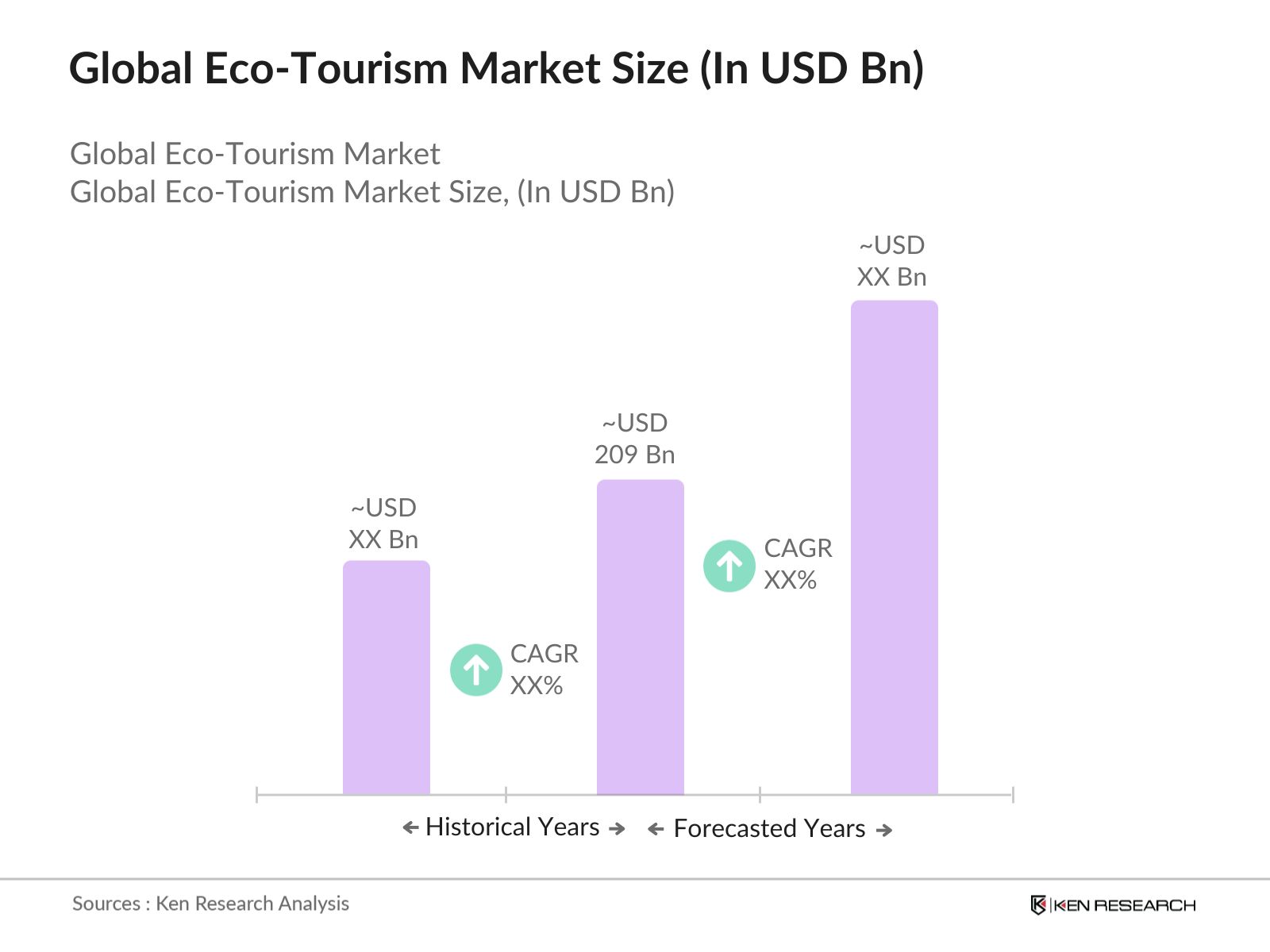
The global eco-tourism market was valued at USD 209 billion, driven by increasing demand for sustainable travel experiences and government policies supporting eco-friendly tourism.
The global eco-tourism market faces challenges such as inadequate infrastructure in remote areas, regulatory complexities, and the high costs associated with eco-friendly operations. Environmental protection laws can also limit the expansion of eco-tourism in certain regions.
Key players in the global eco-tourism market include Intrepid Travel, Responsible Travel, Natural Habitat Adventures, G Adventures, and Earthwatch Institute. These companies dominate the market by offering diverse eco-friendly travel packages and promoting sustainable practices.
The global eco-tourism market is driven by rising consumer awareness about environmental sustainability, government efforts to promote eco-friendly tourism, and the increasing preference for immersive, nature-based travel experiences.

What makes us stand out is that our consultants follows Robust, Refine and Result (RRR) methodology. i.e. Robust for clear definitions, approaches and sanity checking, Refine for differentiating respondents facts and opinions and Result for presenting data with story

We have set a benchmark in the industry by offering our clients with syndicated and customized market research reports featuring coverage of entire market as well as meticulous research and analyst insights.

While we don't replace traditional research, we flip the method upside down. Our dual approach of Top Bottom & Bottom Top ensures quality deliverable by not just verifying company fundamentals but also looking at the sector and macroeconomic factors.

With one step in the future, our research team constantly tries to show you the bigger picture. We help with some of the tough questions you may encounter along the way: How is the industry positioned? Best marketing channel? KPI's of competitors? By aligning every element, we help maximize success.

Our report gives you instant access to the answers and sources that other companies might choose to hide. We elaborate each steps of research methodology we have used and showcase you the sample size to earn your trust.

If you need any support, we are here! We pride ourselves on universe strength, data quality, and quick, friendly, and professional service.