















Global Flexitank Market Outlook to 2030
Region:Global
Author(s):Sanjeev
Product Code:KROD1633
November 2024
83
About the Report
Global Flexitank Market Overview
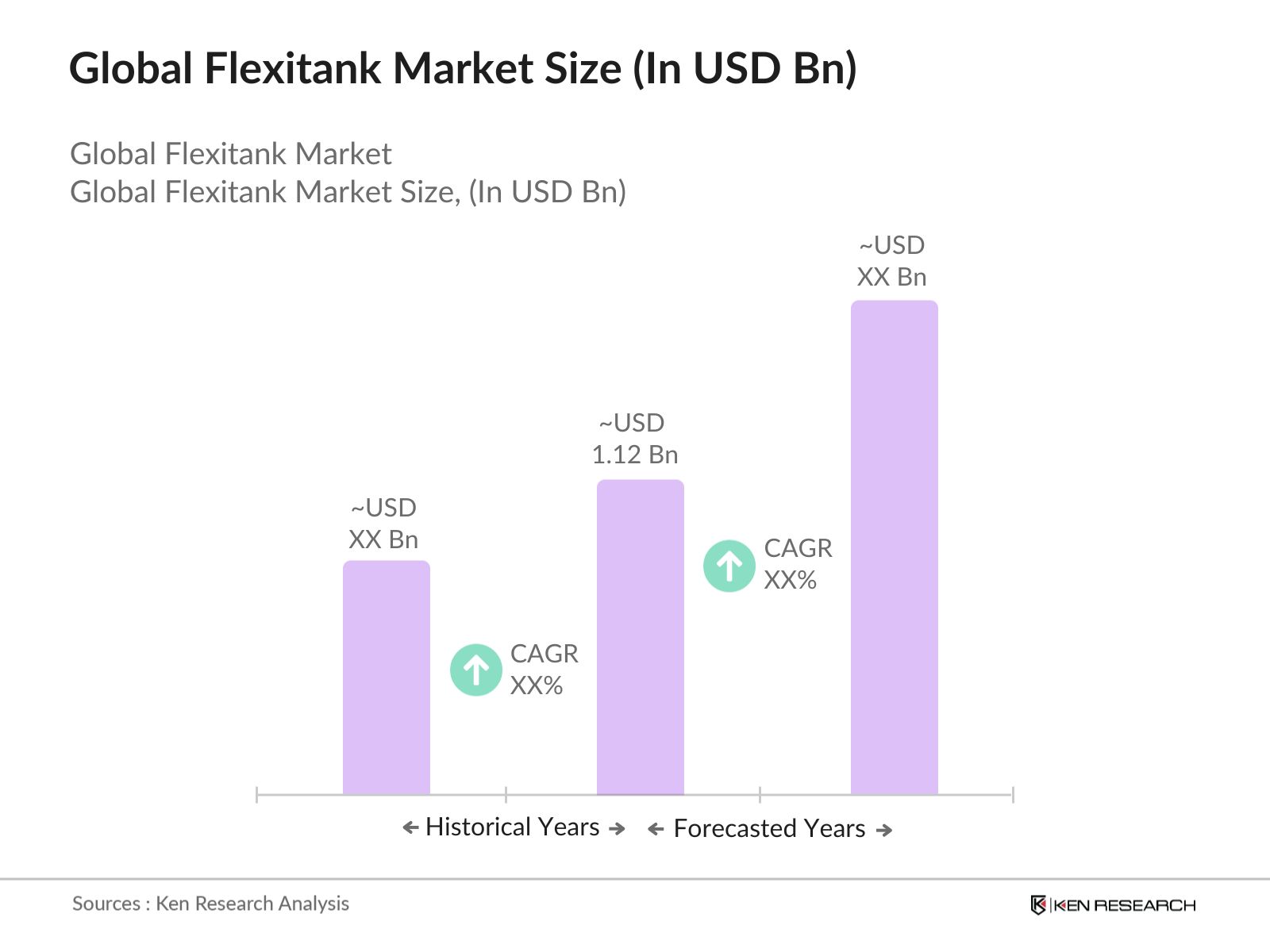
- In 2023, the Global Flexitank Market was valued at USD 1.12 billion, experiencing significant growth due to the increasing demand for efficient and cost-effective bulk liquid transportation solutions. The market's expansion is driven by the flexibility, environmental benefits, and cost savings associated with flexitanks compared to traditional methods like drums and ISO tanks.
- Leading companies in the Flexitank market include Braid Logistics, Bulk Liquid Solutions, SIA Flexitanks, Trans Ocean Bulk Logistics, and BLT Flexitanks. These firms are at the forefront of innovating flexitank solutions, providing products that enhance the safety and efficiency of liquid transportation.
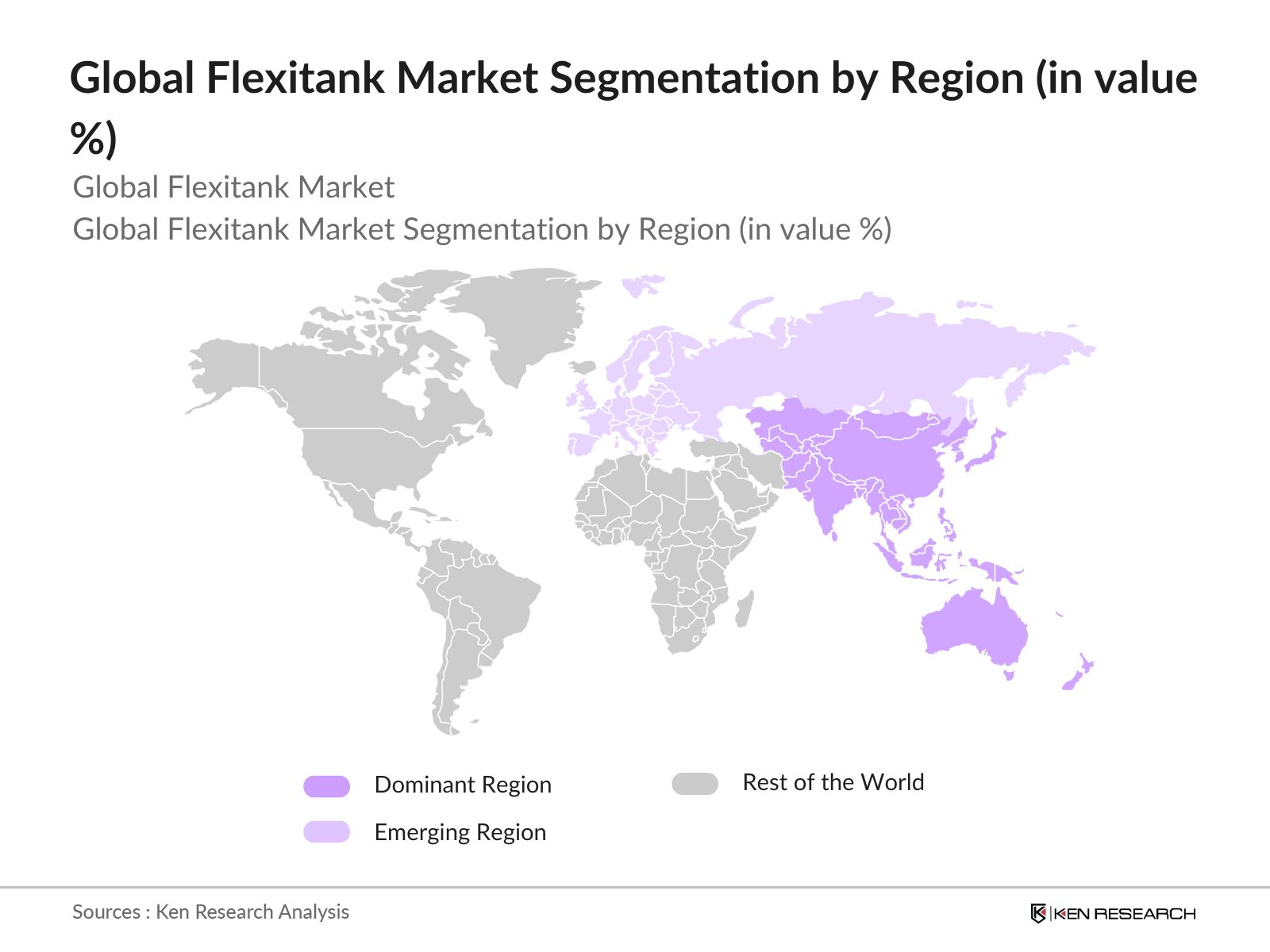
- Asia-Pacific dominates the global Flexitank market, with China and India leading in both production and consumption. This dominance is attributed to the region's growing chemical, food, and beverage industries, which extensively utilize flexitanks for exporting bulk liquids.
- In 2023, SIA Flexitanks launched a new generation of flexitanks, featuring enhanced multilayer construction for increased durability and leak prevention. This development underscores the continuous innovation within the Flexitank market, aiming to improve safety and reduce transportation costs.
Global Flexitank Market Segmentation
The Global Flexitank Market can be segmented based on product type, application, and region:
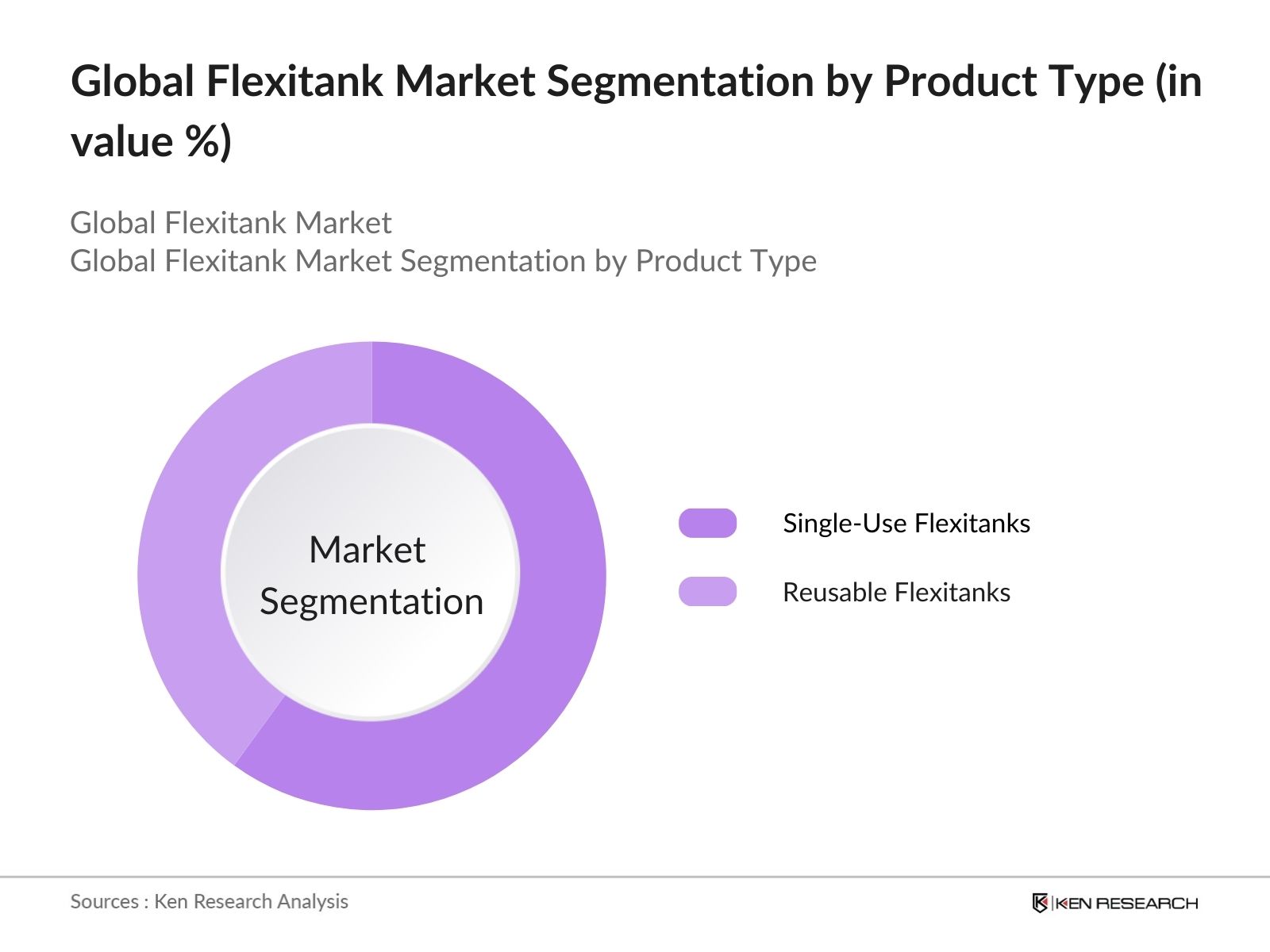
- By Product Type: The Global Flexitank market is segmented into Single-Use Flexitanks and Reusable Flexitanks. In 2023, Single-Use Flexitanks held the largest market share due to their wide application across various industries and lower risk of contamination.
- By Application: The Global Flexitank market is segmented by application into Food-Grade Liquids, Non-Hazardous Chemicals, Pharmaceuticals, and Industrial Products. The Food-Grade Liquids segment led the market in 2023, accounting for the largest share due to the increasing global trade of edible oils, juices, and wines.
- By Region: The Global Flexitank market is segmented by region into Asia-Pacific, Europe, North America, Latin America, and Middle East & Africa. Asia-Pacific led the global market in 2023, holding the largest share due to rapid industrialization and increasing export activities in the region.
Global Flexitank Market Competitive Landscape
|
Company |
Establishment Year |
Headquarters |
|
Braid Logistics |
1969 |
London, UK |
|
Bulk Liquid Solutions |
2005 |
Melbourne, Australia |
|
SIA Flexitanks |
1996 |
Riga, Latvia |
|
Trans Ocean Bulk |
1991 |
Rotterdam, Netherlands |
|
BLT Flexitanks |
2002 |
Kuala Lumpur, Malaysia |
- Braid Logistics: In 2023, Braid Logistics maintained its leadership in the Flexitank market by expanding its global network of flexitank services, particularly in emerging markets like Latin America and Africa. The company invested heavily in local partnerships and infrastructure development, ensuring seamless and efficient logistics solutions. Braid also introduced an innovative monitoring system that allows real-time tracking of liquid cargo, enhancing transparency and safety for its clients.
- SIA Flexitanks: In 2023, SIA Flexitanks introduced a series of high-capacity flexitanks specifically designed for the transport of viscous liquids, such as syrups and oils, solidifying its position as a key player in bulk liquid logistics. The company also enhanced its flexitank materials to improve resistance against extreme temperatures and pressure, making them suitable for a wider range of applications, including hazardous and high-value liquid products. Additionally, SIA Flexitanks expanded its manufacturing capabilities in Asia-Pacific, aiming to meet the growing demand in this high-growth region.
Global Flexitank Industry Analysis
Market Growth Drivers
- Growing Global Trade: By 2024, global trade volumes are expected to increase by 20%, driving demand for efficient bulk liquid transportation solutions like flexitanks.
- Environmental Sustainability: The demand for environmentally friendly packaging and transportation solutions is increasing, with flexitanks offering reduction in carbon footprint compared to traditional methods.
- Cost Efficiency: Flexitanks provide cost savings of up to 30% compared to drums and ISO tanks, making them an increasingly attractive option for bulk liquid transportation.
Market Challenges
- Volatile Raw Material Prices: The cost of raw materials used in the production of flexitanks, such as polymers and plastics, can be highly volatile due to fluctuations in global oil prices and supply chain disruptions. This volatility can increase manufacturing costs and lead to price instability for end-users, making it difficult for companies to maintain competitive pricing and profitability.
- Logistical Challenges: While flexitanks offer numerous advantages, they also present logistical challenges, particularly in regions with poor infrastructure. Issues such as inadequate handling equipment, lack of trained personnel, and insufficient storage facilities can hinder the effective use of flexitanks, especially in developing countries.
- Intense Competition: The flexitank market is highly competitive, with numerous players offering similar products. This intense competition can lead to price wars, squeezing profit margins for manufacturers. Additionally, smaller companies may struggle to compete with larger, well-established firms that have greater resources for innovation, marketing, and global expansion.
Government Initiatives
- Chinas Belt and Road Initiative: Launched by the Chinese government, this initiative aims to enhance global trade connectivity, impacting the logistics and transportation sectors, including the flexitank market. The initiative has already attracted investments of over USD 1 trillion, facilitating the development of infrastructure projects that support the efficient movement of goods, including bulk liquids, across Asia, Europe, and Africa.
- Indias Make in India Program: The Indian government's Make in India initiative is driving the growth of the manufacturing sector, including the production of flexitanks. The program has attracted over USD 75 billion in investments since its launch, encouraging domestic production and reducing dependency on imports. This initiative is expected to boost the flexitank market in India by 15% annually through 2028, as local manufacturers expand their capabilitie.
Global Flexitank Market Future Outlook
The Global Flexitank Market is set for substantial growth, driven by the ongoing expansion of global trade, increasing environmental concerns, and the rising adoption of cost-effective liquid transportation methods.
- Innovation in Flexitank Materials: By 2028, advancements in materials such as bio-based polymers are expected to enhance the durability and sustainability of flexitanks, reducing environmental impact further. These new materials will not only improve the environmental footprint but also offer increased resistance to chemical reactions, allowing for the safe transport of a broader range of liquids, including more aggressive chemicals. Additionally, there is a growing trend towards the development of smart materials that can monitor and adapt to the conditions of the transported liquid, providing real-time data on temperature, pressure, and integrity of the flexitank.
- Expansion in Liquid Food Exports: The demand for liquid food exports, particularly in Asia-Pacific, is projected to grow by 2028, driving the need for advanced flexitank solutions that ensure product safety and quality during transport. As consumer demand for organic and high-quality liquid food products increases, the market is expected to see a rise in specialized flexitanks designed for preserving the freshness and nutritional value of sensitive food-grade liquids.
- Growth in Specialty Chemicals: The transportation of specialty chemicals, which require specific handling and safety standards, is expected to increase by 2028, further boosting the flexitank market. The industry will likely see the introduction of flexitanks with enhanced chemical resistance and multi-compartment designs, allowing for the transport of different chemicals in a single journey without risk of cross-contamination. Additionally, as regulatory requirements for chemical transport become stricter, there will be emphasis on compliance, driving innovation in flexitank manufacturing to meet or exceed these standards.
Scope of the Report
|
By Region |
North America Europe Asia-Pacific Latin America Middle East & Africa |
|
By Product Type |
Single-Use Flexitanks Reusable Flexitanks |
|
By Application Type |
Food-Grade Liquids Non-Hazardous Chemicals Pharmaceuticals Industrial Products |
|
By Technology |
Advanced Multilayer Construction Anti-Contamination Seals Eco-Friendly Materials |
|
By End-User |
Food and Beverage Companies Chemical Manufacturers Pharmaceutical Companies Logistics Providers Oil and Gas Industry |
Products
Key Target Audience Organizations and Entities Who Can Benefit by Subscribing This Report:
Logistics Providers
Food and Beverage Companies
Chemical Manufacturers
Pharmaceutical Companies
Environmental Agencies
Venture Capital Firms
Oil and Gas Companies
Government Trade Departments
Time Period Captured in the Report:
Historical Period: 2018-2023
Base Year: 2023
Forecast Period: 2023-2028
Companies
Players Mentioned in the Report:
Braid Logistics
Bulk Liquid Solutions
SIA Flexitanks
Trans Ocean Bulk
BLT Flexitanks
MY Flexitank
Hoyer Group
Rishi FIBC
Environmental Packaging Technologies
Proagri Solutions
Qingdao LAF Packaging
Rishi Containers
Full-Pak
Mak & Williams
LiquA Flexitanks
Table of Contents
1. Global Flexitank Market Overview
1.1. Definition and Scope
1.2. Market Taxonomy
1.3. Market Growth Rate
1.4. Market Segmentation Overview
2. Global Flexitank Market Size (in USD Bn), 2018-2023
2.1. Historical Market Size
2.2. Year-on-Year Growth Analysis
2.3. Key Market Developments and Milestones
3. Global Flexitank Market Analysis
3.1. Growth Drivers
3.1.1. Growing Global Trade
3.1.2. Environmental Sustainability
3.1.3. Cost Efficiency
3.2. Restraints
3.2.1. Volatile Raw Material Prices
3.2.2. Logistical Challenges
3.2.3. Intense Competition
3.3. Opportunities
3.3.1. Innovation in Flexitank Materials
3.3.2. Expansion in Liquid Food Exports
3.3.3. Growth in Specialty Chemicals
3.4. Trends
3.4.1. Strategic Collaborations in the Flexitank Market
3.4.2. Advancements in Flexitank Technology
3.4.3. Increased Focus on Sustainability
3.5. Government Regulation
3.5.1. Chinas Belt and Road Initiative
3.5.2. Indias Make in India Program
3.5.3. EU Packaging and Waste Directive
3.5.4. Environmental Standards and Compliance
3.6. SWOT Analysis
3.7. Stake Ecosystem
3.8. Competition Ecosystem
4. Global Flexitank Market Segmentation, 2023
4.1. By Product Type (in Value %)
4.1.1. Single-Use Flexitanks
4.1.2. Reusable Flexitanks
4.2. By Application (in Value %)
4.2.1. Food-Grade Liquids
4.2.2. Non-Hazardous Chemicals
4.2.3. Pharmaceuticals
4.2.4. Industrial Products
4.3. By Technology (in Value %)
4.3.1. Advanced Multilayer Construction
4.3.2. Anti-Contamination Seals
4.3.3. Eco-Friendly Materials
4.4. By End-User (in Value %)
4.4.1. Food and Beverage Companies
4.4.2. Chemical Manufacturers
4.4.3. Pharmaceutical Companies
4.4.4. Logistics Providers
4.5. By Region (in Value %)
4.5.1. Asia-Pacific
4.5.2. Europe
4.5.3. North America
4.5.4. Latin America
4.5.5. Middle East & Africa
5. Global Flexitank Market Cross Comparison
5.1. Detailed Profiles of Major Companies
5.1.1. Braid Logistics
5.1.2. Bulk Liquid Solutions
5.1.3. SIA Flexitanks
5.1.4. Trans Ocean Bulk
5.1.5. BLT Flexitanks
5.2. Cross Comparison Parameters (No. of Employees, Headquarters, Inception Year, Revenue)
6. Global Flexitank Market Competitive Landscape
6.1. Market Share Analysis
6.2. Strategic Initiatives
6.3. Mergers and Acquisitions
6.4. Investment Analysis
6.4.1. Venture Capital Funding
6.4.2. Government Grants
6.4.3. Private Equity Investments
7. Global Flexitank Market Regulatory Framework
7.1. Environmental Standards
7.2. Compliance Requirements
7.3. Certification Processes
8. Global Flexitank Future Market Size (in USD Bn), 2023-2028
8.1. Future Market Size Projections
8.2. Key Factors Driving Future Market Growth
9. Global Flexitank Future Market Segmentation, 2028
9.1. By Product Type (in Value %)
9.2. By Application (in Value %)
9.3. By Technology (in Value %)
9.4. By End-User (in Value %)
9.5. By Region (in Value %)
10. Global Flexitank Market Analysts Recommendations
10.1. TAM/SAM/SOM Analysis
10.2. Customer Cohort Analysis
10.3. Marketing Initiatives
10.4. White Space Opportunity Analysis
Disclaimer
Contact Us
Research Methodology
Step 1: Identifying Key Variables
Creating an ecosystem for all major entities in the Flexitank market and referencing multiple secondary and proprietary databases to perform desk research. This includes collating industry-level information on market drivers, challenges, and key players.
Step 2: Market Building
Gathering statistics on the Flexitank market over the years, including the adoption rate of flexitank products and the penetration of key market players. We will analyze market share, revenue generated, and product adoption trends to ensure accuracy and reliability in the data presented.
Step 3: Validating and Finalizing
Formulating market hypotheses and conducting CATIs (Computer-Assisted Telephone Interviews) with industry experts from leading companies. These interviews will help validate the collected statistics and provide operational and financial insights directly from company representatives.
Step 4: Research Output
Our team will engage with multiple flexitank product providers to understand the dynamics of product segments, consumer preferences, and sales trends. This process will validate the derived statistics using a bottom-to-top approach, ensuring that the final data reflects the actual market conditions.
Frequently Asked Questions
01. How big is the Global Flexitank Market?
In 2023, the Global Flexitank Market was valued at USD 1.5 billion, driven by the growing demand for cost-effective and sustainable liquid transportation solutions.
02. What are the challenges in the Global Flexitank Market?
Challenges in the Global Flexitank market include regulatory compliance, competition from traditional containers, and concerns about contamination and leakage, which can slow market adoption and growth.
03. Who are the major players in the Global Flexitank Market?
Major players in the Global Flexitank Market include Braid Logistics, Bulk Liquid Solutions, SIA Flexitanks, Trans Ocean Bulk, and BLT Flexitanks, leading through innovation and extensive R&D investments.
04. What are the growth drivers of the Global Flexitank Market?
Growth drivers include increasing global trade, rising environmental sustainability concerns, and the cost-efficiency of flexitanks, contributing to the expansion of the Global Flexitank market.
Why Buy From Us?

What makes us stand out is that our consultants follows Robust, Refine and Result (RRR) methodology. i.e. Robust for clear definitions, approaches and sanity checking, Refine for differentiating respondents facts and opinions and Result for presenting data with story

We have set a benchmark in the industry by offering our clients with syndicated and customized market research reports featuring coverage of entire market as well as meticulous research and analyst insights.

While we don't replace traditional research, we flip the method upside down. Our dual approach of Top Bottom & Bottom Top ensures quality deliverable by not just verifying company fundamentals but also looking at the sector and macroeconomic factors.

With one step in the future, our research team constantly tries to show you the bigger picture. We help with some of the tough questions you may encounter along the way: How is the industry positioned? Best marketing channel? KPI's of competitors? By aligning every element, we help maximize success.

Our report gives you instant access to the answers and sources that other companies might choose to hide. We elaborate each steps of research methodology we have used and showcase you the sample size to earn your trust.

If you need any support, we are here! We pride ourselves on universe strength, data quality, and quick, friendly, and professional service.