















Global Gaucher Disease Market Outlook 2030
Region:Global
Author(s):Shivani Mehra
Product Code:KROD6965
November 2024
85
About the Report
Global Gaucher Disease Market Overview
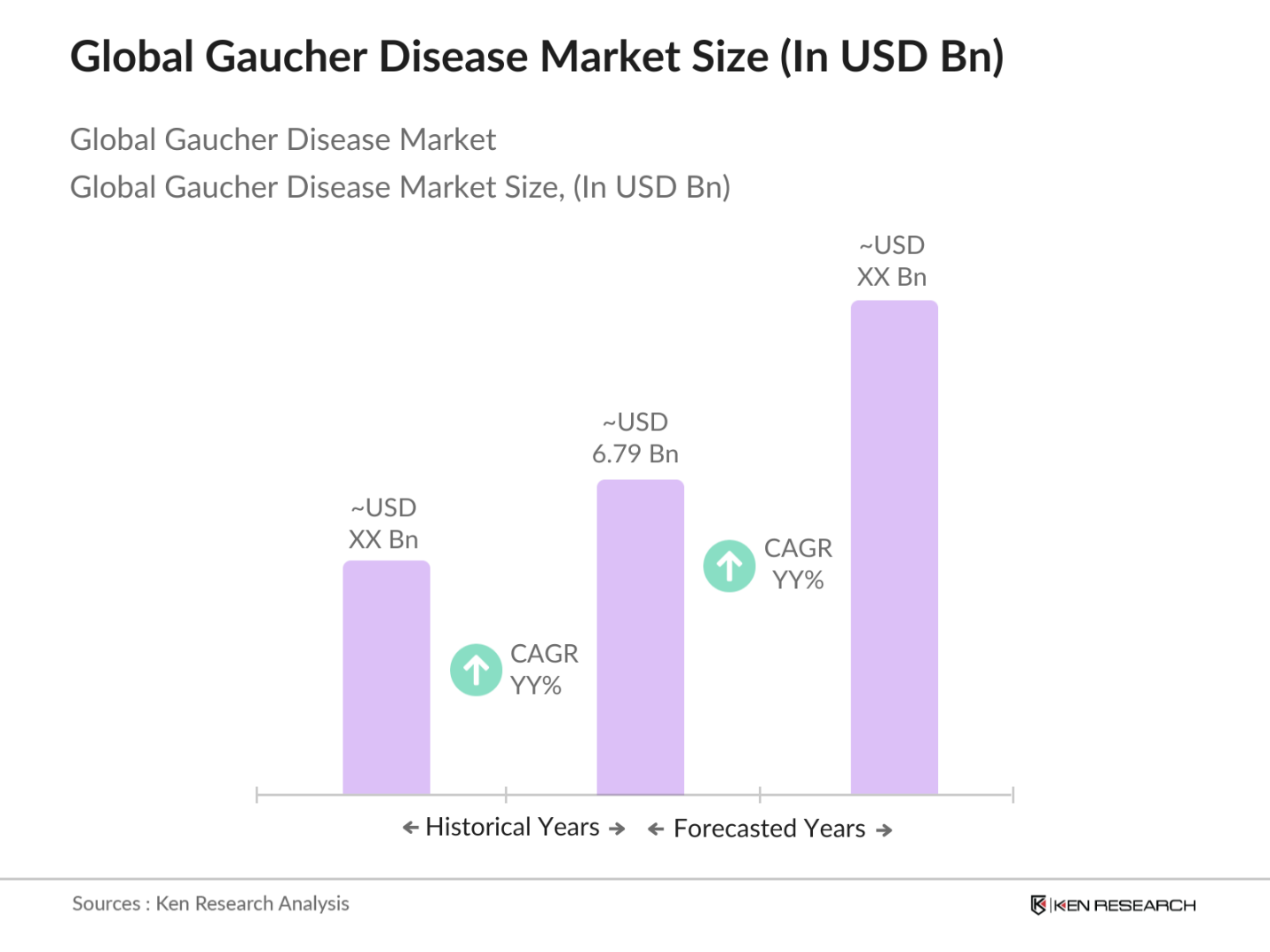
- The Gaucher disease market is valued at approximately USD 6.79 billion. This market is primarily driven by the increasing availability and adoption of advanced therapeutic options, including enzyme replacement therapies (ERT) and substrate reduction therapies (SRT). Market growth is also stimulated by increasing awareness among healthcare professionals and patients, along with the advancements in diagnostic.
- Countries such as the United States and Germany dominate the Gaucher disease market due to advanced healthcare systems, strong insurance frameworks, and a large base of pharmaceutical R&D facilities. In particular, the U.S. benefits from a robust reimbursement structure and government incentives for rare diseases, while Germanys prominence is due to its leading healthcare infrastructure and supportive regulatory environment for orphan drugs.
- Governments in regions such as the U.S., Europe, and Asia-Pacific have launched National Rare Disease Plans to improve the diagnosis, treatment, and management of rare diseases, including Gaucher disease. For example, the U.S. Rare Diseases Act, which received additional funding in 2023, provides resources for research, patient registries, and treatment access programs. The European Union's Rare Disease Strategy, updated in 2022, has set aside over 2 billion to fund rare disease treatment and research initiatives, benefiting Gaucher disease patients across the region. In Asia-Pacific, countries like Japan and South Korea are focusing on integrating rare disease care into their national healthcare frameworks, with government support expanding diagnostics and treatment.
Global Gaucher Disease Market Segmentation
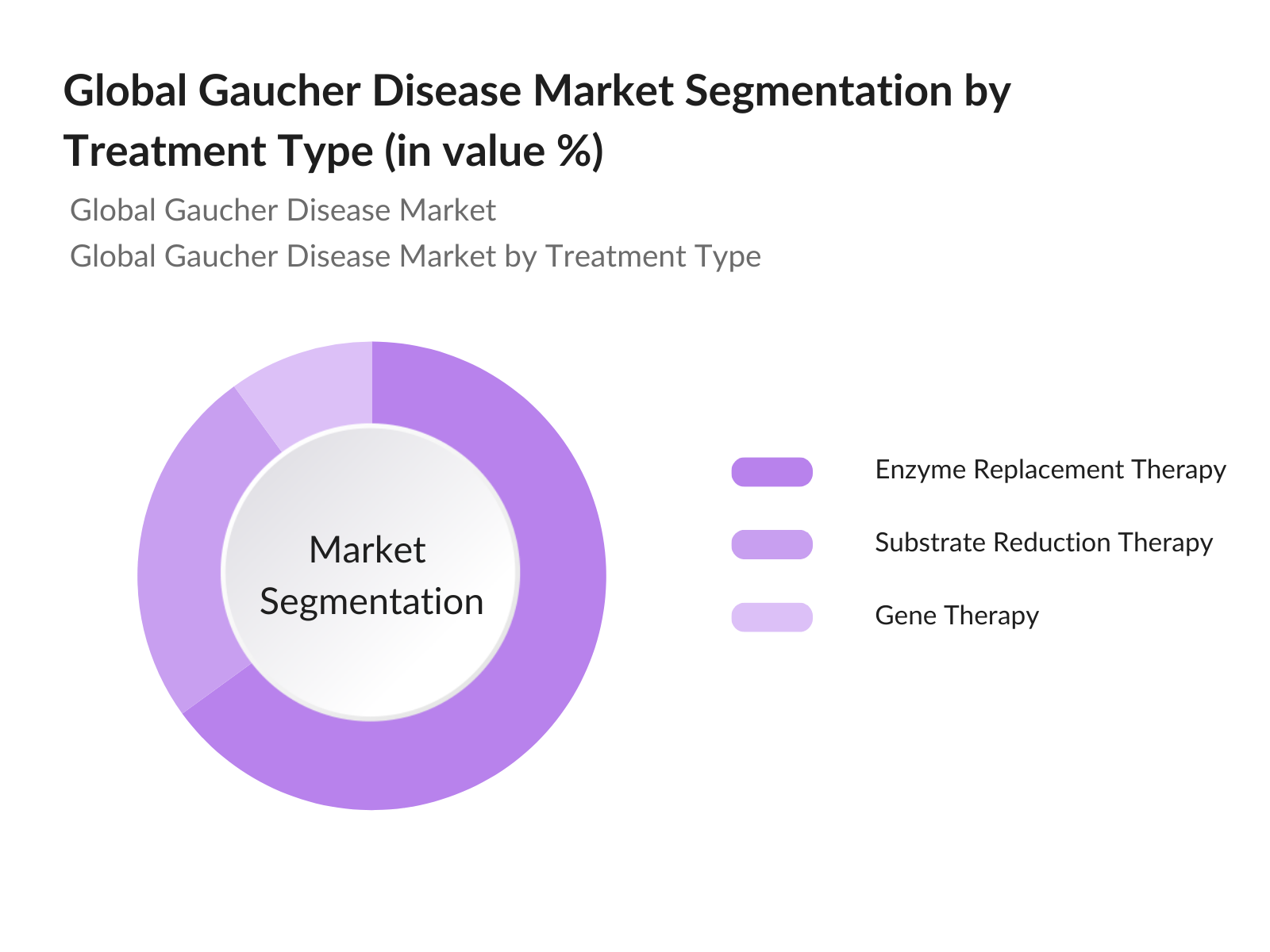
By Treatment Type: The market is segmented into enzyme replacement therapy (ERT), substrate reduction therapy (SRT), and gene therapy. Enzyme replacement therapy (ERT) holds the largest market share as it remains the standard of care for most Gaucher disease patients, particularly Type 1. ERTs dominance is primarily due to its proven efficacy in reducing the severity of symptoms such as anemia, splenomegaly, and bone disease. Leading ERTs, including Cerezyme and VPRIV, continue to be widely prescribed, contributing to the dominance of this sub-segment.
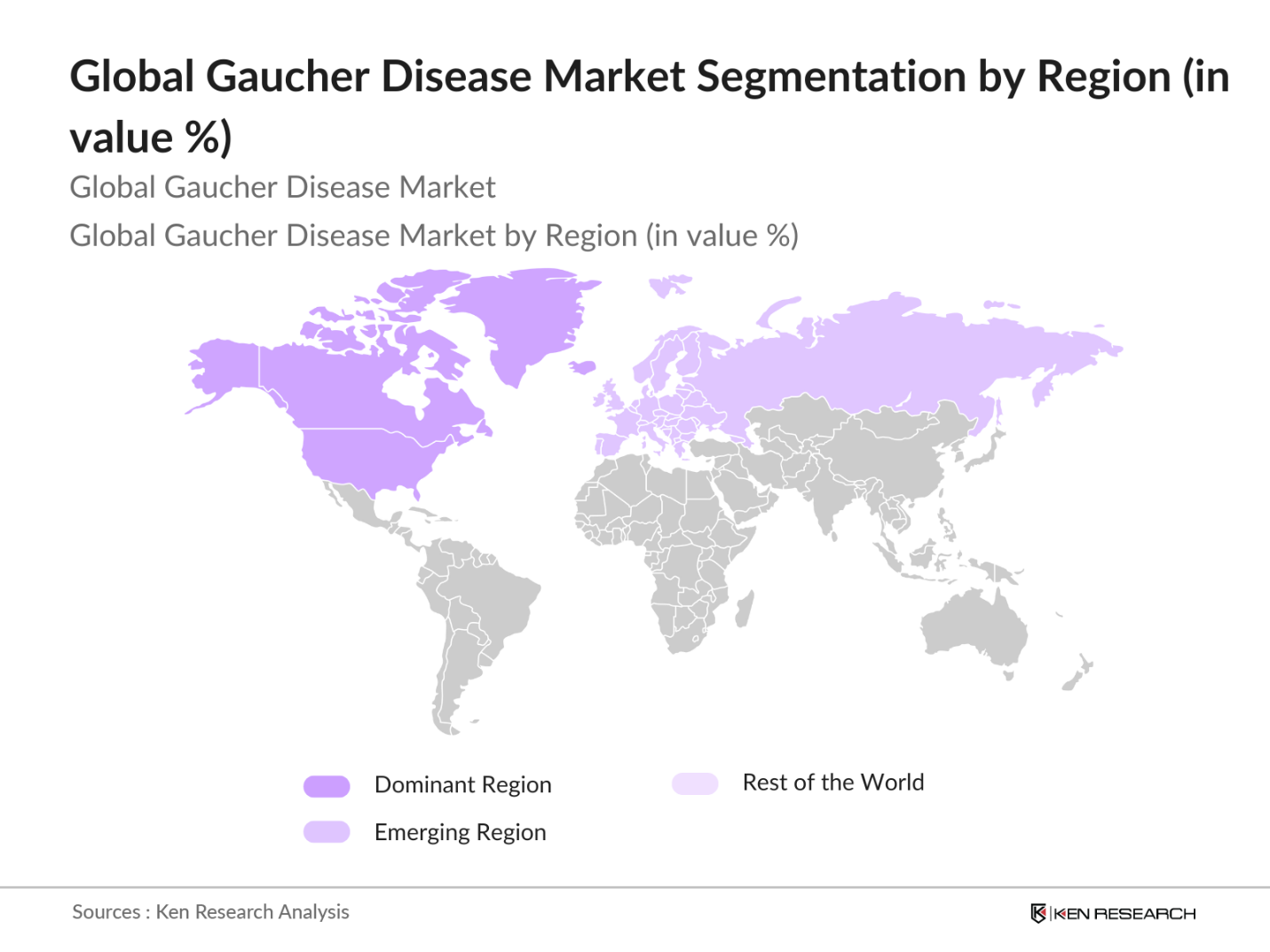
By Region: The market is segmented into North America, Europe, Asia-Pacific, Latin America, and the Middle East & Africa are the key regional segments. North America dominates the Gaucher disease market, accounting for a major share due to the presence of key players, favorable reimbursement policies, and a high rate of diagnosis and treatment. Europe follows closely due to strong healthcare infrastructure and regulatory support for orphan drugs. Asia-Pacific is a growing market, with countries like Japan and China showing increasing interest in rare disease treatments.
Global Gaucher Disease Market Competitive Landscape
The global Gaucher disease market is dominated by several key players, with large pharmaceutical companies leading the market due to their significant investments in research and development, and their ability to secure regulatory approvals for new therapies. Companies such as Sanofi Genzyme and Pfizer have a long-standing presence in the market due to their extensive product portfolios and successful commercialization strategies for enzyme replacement therapies. These firms dominate by leveraging their vast distribution networks and expertise in the rare diseases segment.
|
Company Name |
Establishment Year |
Headquarters |
Pipeline Products |
R&D Investment |
Global Reach |
Product Portfolio |
Strategic Partnerships |
Regulatory Approvals |
|
Sanofi Genzyme |
1981 |
Cambridge, USA |
3 |
|||||
|
Pfizer |
1849 |
New York, USA |
5 |
|||||
|
BioMarin Pharmaceutical |
1997 |
California, USA |
4 |
|||||
|
Takeda Pharmaceutical |
1781 |
Tokyo, Japan |
7 |
|||||
|
Amicus Therapeutics |
2002 |
Cranbury, USA |
2 |
Global Gaucher Disease Market Analysis
Market Growth Drivers
- Advancements in Enzyme Replacement Therapies (ERT): Enzyme Replacement Therapy (ERT) remains the cornerstone for Gaucher disease treatment. In 2023, the number of patients receiving ERT globally surpassed 30,000. Continuous advancements in ERT have led to significantly improved outcomes, particularly for patients with type 1 Gaucher disease, where early intervention has extended life expectancy to over 70 years. This therapeutic approach remains a dominant segment within the market. Data from the FDA in 2023 highlights an increase in the approval pipeline for new and more efficient ERT treatments, reflecting ongoing innovation and regulatory support for these therapies.
- Growing Adoption of Substrate Reduction Therapies (SRT): Substrate Reduction Therapy (SRT) provides a viable alternative to Enzyme Replacement Therapy (ERT), particularly for patients who are unable to tolerate enzyme replacement. The adoption of oral therapies like eliglustat, approved by regulatory bodies such as the European Medicines Agency (EMA), has made SRT a preferred treatment option in regions where ERT is less accessible. Governments in areas such as Asia-Pacific are also increasingly investing in SRT to address gaps in treatment availability, further encouraging the use of this alternative therapeutic approach.
- Favorable Reimbursement Policies (Healthcare Coverage, Rare Disease Insurance): Favorable reimbursement policies in key markets, particularly in the U.S. and Europe, have significantly improved access to Gaucher disease treatments. In the U.S., many patients benefit from comprehensive insurance plans that cover a substantial portion of treatment costs. Similarly, European countries such as Germany and France have introduced rare disease insurance, providing coverage of up to 1 million annually per patient. These policies, supported by national healthcare systems, have reduced the financial burden on patients, making high-cost treatments like Enzyme Replacement Therapy (ERT) more accessible and increasing overall treatment adoption.
Market Challenges:
- High Treatment Costs: The cost of Gaucher disease treatment, particularly ERT, remains a significant barrier. On average, ERT treatment costs range from $200,000 to $300,000 annually, with variations based on region and patient needs. While insurance schemes and reimbursement policies help mitigate these costs, many patients in low-income regions remain unable to afford treatment. The high cost has been a focal point in healthcare debates in the U.S. Congress, with proposals to cap prices for rare disease therapies. Current funding from international organizations, such as the World Health Organization (WHO), helps ease the burden in some regions but is insufficient to address global needs.
- Limited Availability of Skilled Healthcare Providers: The availability of healthcare providers specializing in Gaucher disease remains a significant challenge, particularly in developing countries. As of 2024, fewer than 1,000 specialists are available globally, with most located in the U.S. and Europe. In regions such as Latin America and Africa, the shortage of healthcare professionals skilled in diagnosing and treating rare diseases like Gaucher results in delayed diagnoses and suboptimal treatment outcomes. While training programs funded by government health agencies are working to increase the number of specialists, many patients worldwide still receive care from non-specialists, leading to suboptimal management of the disease.
Global Gaucher Disease Market Future Outlook
Over the next five years, the Gaucher disease market is expected to witness significant growth driven by increased investments in gene therapy, rising awareness about early diagnosis, and advancements in patient management. Companies are focused on developing next-generation therapies, including oral treatments and gene editing technologies that promise to alter the course of the disease. Expanding healthcare access in emerging markets, coupled with government initiatives to improve rare disease care, will likely propel further market growth.
Market Opportunities:
- Research and Development in Gene Therapy (CRISPR, Ex Vivo Approaches): Gene therapy, particularly CRISPR and ex vivo approaches, is a promising area for Gaucher disease treatment. In 2023, over $1.5 billion was invested globally in gene therapy research, according to data from the National Institutes of Health (NIH). Gene therapy could provide a one-time solution for patients with Gaucher disease, eliminating the need for ongoing treatments like ERT or SRT. The first clinical trials for CRISPR-based therapies targeting Gaucher disease are currently underway in the U.S. and Europe, with early results indicating potential efficacy in correcting genetic mutations responsible for the disease.
- Strategic Collaborations between Biopharma and Research Institutes: Collaborations between biopharmaceutical companies and research institutions are on the rise. In 2023, there were over 50 active collaborations globally, focusing on Gaucher disease research and drug development. Government funding for rare disease research, especially in the U.S. and Europe, has increased, with $1.8 billion allocated to rare disease research in the U.S. alone in 2023. These partnerships are essential for advancing research into new treatment modalities, including gene therapy and improved delivery systems for ERT and SRT. Collaborative research efforts aim to reduce the development timeline and bring new therapies to market more quickly.
Scope of the Report
|
By Treatment Type |
Enzyme Replacement Therapy (ERT) Substrate Reduction Therapy (SRT) Gene Therapy |
|
By Disease Type |
Type 1 Gaucher Disease Type 2 Gaucher Disease Type 3 Gaucher Disease |
|
By Route of Administration |
Intravenous Oral Subcutaneous |
|
By End-User |
Hospitals Specialty Clinics Research Institutes |
|
By Region |
North America Europe Asia-Pacific Latin America Middle East and Africa |
Products
Key Target Audience
Pharmaceutical Companies
Biotechnology Firms
Gaucher Disease Treatment Centers
Healthcare Providers and Specialists
Insurance Providers
Government and Regulatory Bodies (FDA, EMA, PMDA)
Investment and Venture Capitalist Firms
Rare Disease Advocacy Groups
Companies
Players Mention in the Report
Sanofi Genzyme
Pfizer Inc.
Takeda Pharmaceutical Company Limited
BioMarin Pharmaceutical Inc.
Amicus Therapeutics
Actelion Pharmaceuticals (Janssen Global Services, LLC)
Protalix BioTherapeutics
Centogene N.V.
Dicerna Pharmaceuticals
Chiesi Farmaceutici S.p.A.
Orchard Therapeutics plc
JCR Pharmaceuticals Co., Ltd.
Ultragenyx Pharmaceutical Inc.
Ipsen S.A.
Green Cross Corporation
Table of Contents
1. Global Gaucher Disease Market Overview
1.1. Definition and Scope
1.2. Market Taxonomy
1.3. Disease Epidemiology Overview
1.4. Market Segmentation Overview
2. Global Gaucher Disease Market Size (In USD Bn)
2.1. Historical Market Size
2.2. Key Developments and Milestones
2.3. Patient Population Analysis (Prevalence Rate, Disease Awareness, Diagnostic Rates)
3. Global Gaucher Disease Market Analysis
3.1. Growth Drivers
3.1.1. Increase in Diagnostic Technologies (Biomarker identification, Genetic Testing)
3.1.2. Advancements in Enzyme Replacement Therapies (ERT)
3.1.3. Growing Adoption of Substrate Reduction Therapies (SRT)
3.1.4. Favorable Reimbursement Policies (Healthcare Coverage, Rare Disease Insurance)
3.2. Market Challenges
3.2.1. High Treatment Costs
3.2.2. Limited Availability of Skilled Healthcare Providers
3.2.3. Lack of Awareness in Developing Regions
3.2.4. Regulatory Barriers (Approval Delays, Limited Orphan Drug Designations)
3.3. Opportunities
3.3.1. Expansion into Untapped Geographies (Emerging Markets)
3.3.2. Research and Development in Gene Therapy (CRISPR, Ex Vivo Approaches)
3.3.3. Strategic Collaborations between Biopharma and Research Institutes
3.4. Trends
3.4.1. Increasing Patient Registry Data Usage
3.4.2. Personalized Medicine for Gaucher Disease (Targeted Therapy, Genetic Profiling)
3.4.3. Integration of Digital Health Platforms (Telemedicine, Remote Patient Monitoring)
3.4.4. Advancements in Drug Delivery Systems (Oral, Injectable Solutions)
3.5. Regulatory Landscape
3.5.1. Orphan Drug Designation Policies
3.5.2. Market Authorization Requirements (FDA, EMA, PMDA)
3.5.3. Price Control Regulations
3.5.4. Ethical Considerations for Gene Therapy Trials
3.6. Stakeholder Ecosystem (Patients, Advocacy Groups, Healthcare Providers, Payers)
3.7. Porters Five Forces Analysis
3.8. Competitive Ecosystem (Market Concentration, Barriers to Entry, Strategic Partnerships)
4. Global Gaucher Disease Market Segmentation (In Value %)
4.1. By Treatment Type
4.1.1. Enzyme Replacement Therapy (ERT)
4.1.2. Substrate Reduction Therapy (SRT)
4.1.3. Gene Therapy
4.1.4. Supportive Care Medications (Bone Health, Hematological Support)
4.2. By Disease Type
4.2.1. Type 1 Gaucher Disease
4.2.2. Type 2 Gaucher Disease
4.2.3. Type 3 Gaucher Disease
4.3. By Route of Administration
4.3.1. Intravenous
4.3.2. Oral
4.3.3. Subcutaneous
4.4. By End User
4.4.1. Hospitals
4.4.2. Specialty Clinics
4.4.3. Research Institutes
4.5. By Region
4.5.1. North America
4.5.2. Europe
4.5.3. Asia-Pacific
4.5.4. Latin America
4.5.5. Middle East and Africa
5. Global Gaucher Disease Market Competitive Analysis
5.1. Detailed Profiles of Major Companies
5.1.1. Sanofi Genzyme
5.1.2. Pfizer Inc.
5.1.3. Takeda Pharmaceutical Company Limited
5.1.4. BioMarin Pharmaceutical Inc.
5.1.5. Amicus Therapeutics
5.1.6. Actelion Pharmaceuticals (Janssen Global Services, LLC)
5.1.7. Protalix BioTherapeutics
5.1.8. Centogene N.V.
5.1.9. Dicerna Pharmaceuticals
5.1.10. Chiesi Farmaceutici S.p.A.
5.1.11. Orchard Therapeutics plc
5.1.12. JCR Pharmaceuticals Co., Ltd.
5.1.13. Ultragenyx Pharmaceutical Inc.
5.1.14. Ipsen S.A.
5.1.15. Green Cross Corporation
5.2. Cross Comparison Parameters (Number of Employees, Headquarters, R&D Investment, Pipeline Products, Product Launches, Market Share)
5.3. Market Share Analysis
5.4. Strategic Initiatives (Partnerships, Acquisitions, New Product Development)
5.5. Venture Capital and Investment Activity
5.6. Government Support and Grants for Rare Disease Research
6. Global Gaucher Disease Market Regulatory Framework
6.1. Orphan Drug Designation and Approvals
6.2. Clinical Trial Regulations for Rare Diseases
6.3. Reimbursement Policies (Global Insurance Coverage, Out-of-Pocket Costs)
6.4. Ethical Guidelines for Gene Therapy
7. Global Gaucher Disease Future Market Size (In USD Bn)
7.1. Future Market Size Projections
7.2. Key Factors Driving Future Market Growth (Emerging Treatment Technologies, Expanded Disease Coverage)
8. Global Gaucher Disease Future Market Segmentation
8.1. By Treatment Type
8.2. By Disease Type
8.3. By Route of Administration
8.4. By End User
8.5. By Region
9. Global Gaucher Disease Market Analysts Recommendations
9.1. Market Penetration Strategy
9.2. Product Differentiation Approaches
9.3. White Space Opportunity Analysis
9.4. Key Target Customer Segments
Disclaimer
Contact Us
Research Methodology
Step 1: Identification of Key Variables
In the first phase, we create a comprehensive ecosystem map of all major stakeholders in the Gaucher disease market. This involves detailed secondary research using proprietary databases to identify critical factors that impact market dynamics such as prevalence, treatment uptake, and regulatory pathways.
Step 2: Market Analysis and Construction
Historical data on Gaucher disease treatment adoption, including ERT and SRT usage trends, are analyzed. This phase also includes gathering data on the ratio of patients undergoing treatment versus those diagnosed, ensuring accuracy in calculating market size and revenue estimates.
Step 3: Hypothesis Validation and Expert Consultation
We validate our initial market hypotheses through structured interviews with industry experts, including leading pharmaceutical executives, healthcare professionals, and regulatory bodies. Their insights help refine our understanding of market trends and future developments.
Step 4: Research Synthesis and Final Output
The final step is the integration of both qualitative and quantitative data to produce a cohesive analysis. Direct input from manufacturers on patient access, drug distribution, and upcoming treatment launches ensures a robust and validated market report.
Frequently Asked Questions
01. How big is the global Gaucher Disease Market?
The global Gaucher disease market is valued at approximately USD 6.79 billion, with strong demand driven by advanced treatments such as enzyme replacement and substrate reduction therapies.
02. What are the challenges in the global Gaucher Disease Market?
Key challenges include high treatment costs, limited availability of specialized healthcare providers, and regulatory barriers in some regions. Additionally, access to treatment remains difficult in certain developing markets.
03. Who are the major players in the global Gaucher Disease Market?
Major players include Sanofi Genzyme, Pfizer, BioMarin Pharmaceutical, Takeda, and Amicus Therapeutics, which dominate the market due to their extensive product portfolios and global reach.
04. What are the growth drivers of the global Gaucher Disease Market?
The market is driven by the increasing prevalence of Gaucher disease, advances in diagnostic tools, and the ongoing development of novel therapies, including gene therapies and oral medications.
Why Buy From Us?

What makes us stand out is that our consultants follows Robust, Refine and Result (RRR) methodology. i.e. Robust for clear definitions, approaches and sanity checking, Refine for differentiating respondents facts and opinions and Result for presenting data with story

We have set a benchmark in the industry by offering our clients with syndicated and customized market research reports featuring coverage of entire market as well as meticulous research and analyst insights.

While we don't replace traditional research, we flip the method upside down. Our dual approach of Top Bottom & Bottom Top ensures quality deliverable by not just verifying company fundamentals but also looking at the sector and macroeconomic factors.

With one step in the future, our research team constantly tries to show you the bigger picture. We help with some of the tough questions you may encounter along the way: How is the industry positioned? Best marketing channel? KPI's of competitors? By aligning every element, we help maximize success.

Our report gives you instant access to the answers and sources that other companies might choose to hide. We elaborate each steps of research methodology we have used and showcase you the sample size to earn your trust.

If you need any support, we are here! We pride ourselves on universe strength, data quality, and quick, friendly, and professional service.