Ken Research Logo

Global Hardware Wallet Market Outlook to 2030

Region:Global

Author(s):Sanjeev kumar

Product Code:KROD6249

Published On

December 2024

Total pages

85

About the Report

Global Hardware Wallet Market Overview

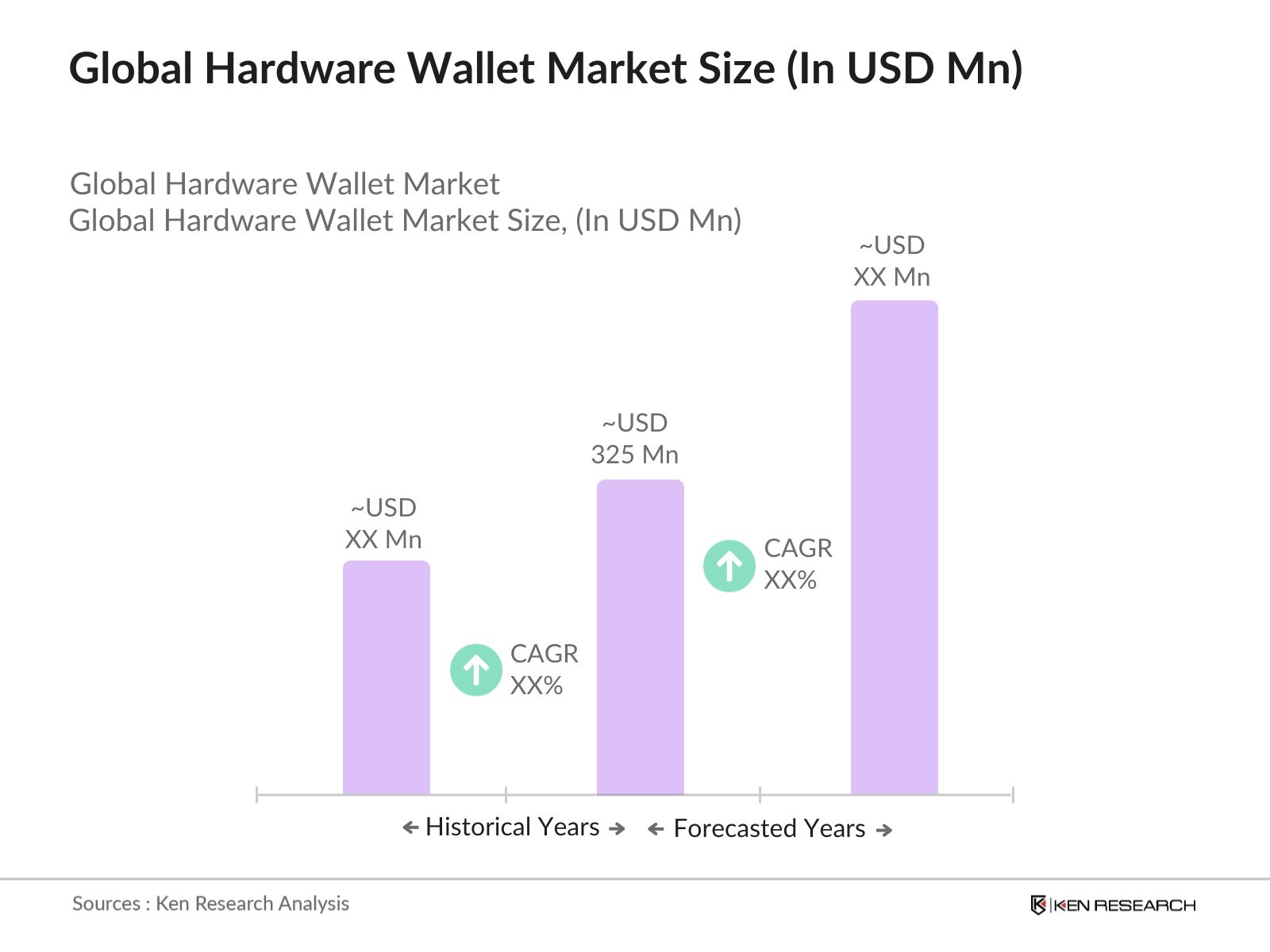
  • The global hardware wallet market is valued at USD 325 million, driven by increasing demand for secure solutions to store cryptocurrencies. The rising adoption of cryptocurrencies, particularly Bitcoin and Ethereum, has fueled the growth of hardware wallets, which are considered the most secure option for storing private keys offline. This demand is further propelled by increasing institutional investments and the rising popularity of decentralized finance (DeFi) platforms, which require secure and trustworthy cold storage solutions for digital assets.
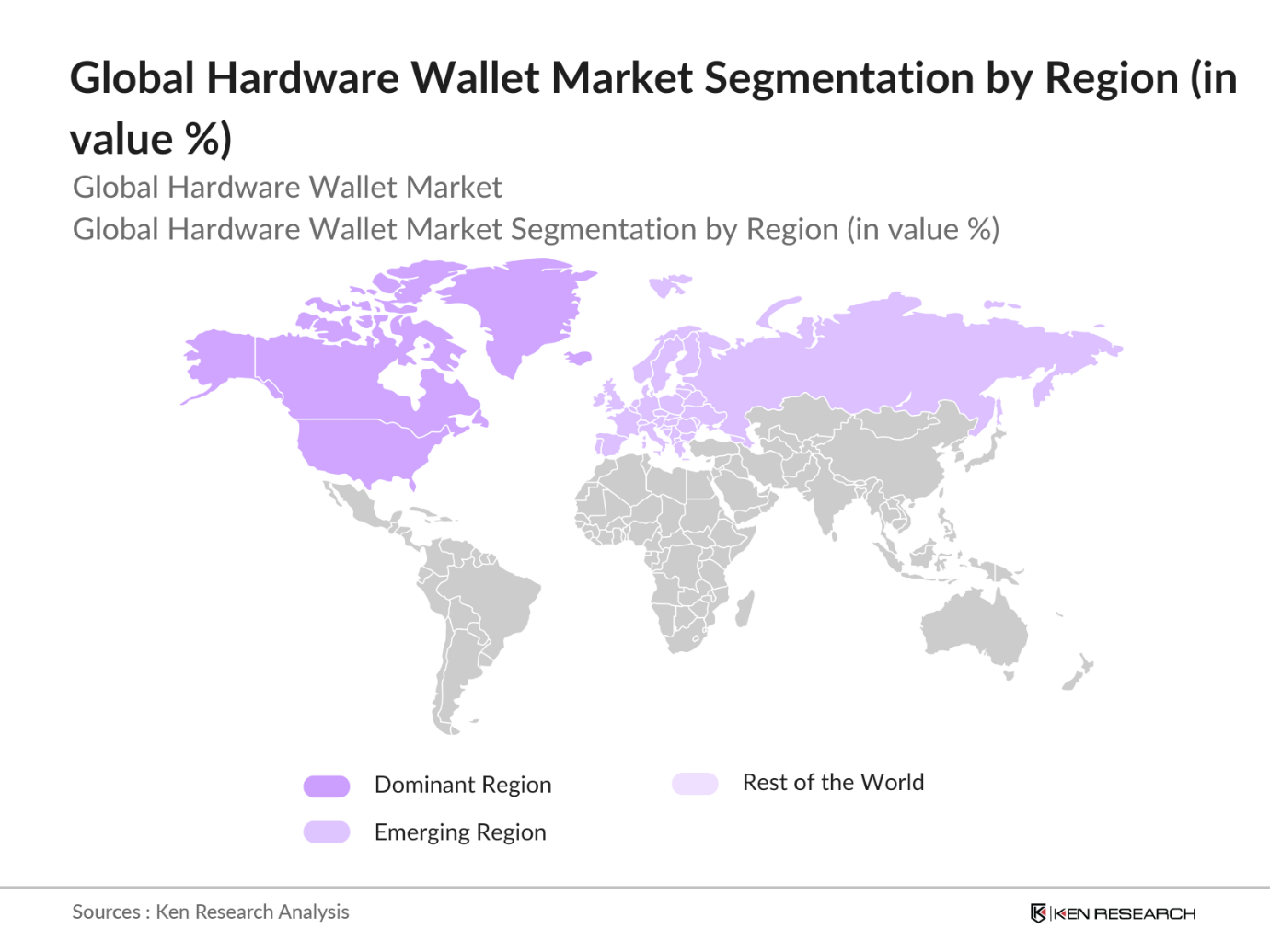
  • The dominance of regions such as North America and Europe in the hardware wallet market is attributed to their well-established cryptocurrency ecosystem and the presence of key market players such as Ledger, Trezor, and KeepKey. North America leads the market due to the high concentration of institutional investors, early cryptocurrency adoption, and regulatory frameworks that support blockchain technology. Europe follows closely, with countries like Switzerland emerging as a hub for crypto-asset companies due to its favorable regulatory environment.
  • The Financial Action Task Force (FATF) has released several recommendations aimed at curbing illicit activity in the cryptocurrency space. In 2023, the FATF called for stricter regulations around digital asset service providers, including hardware wallet manufacturers. Compliance with these guidelines is essential for companies operating in jurisdictions that adhere to FATF standards, such as the EU and G20 nations. This adds another layer of regulatory compliance for hardware wallet manufacturers. market overviews

Global Hardware Wallet Market Segmentation

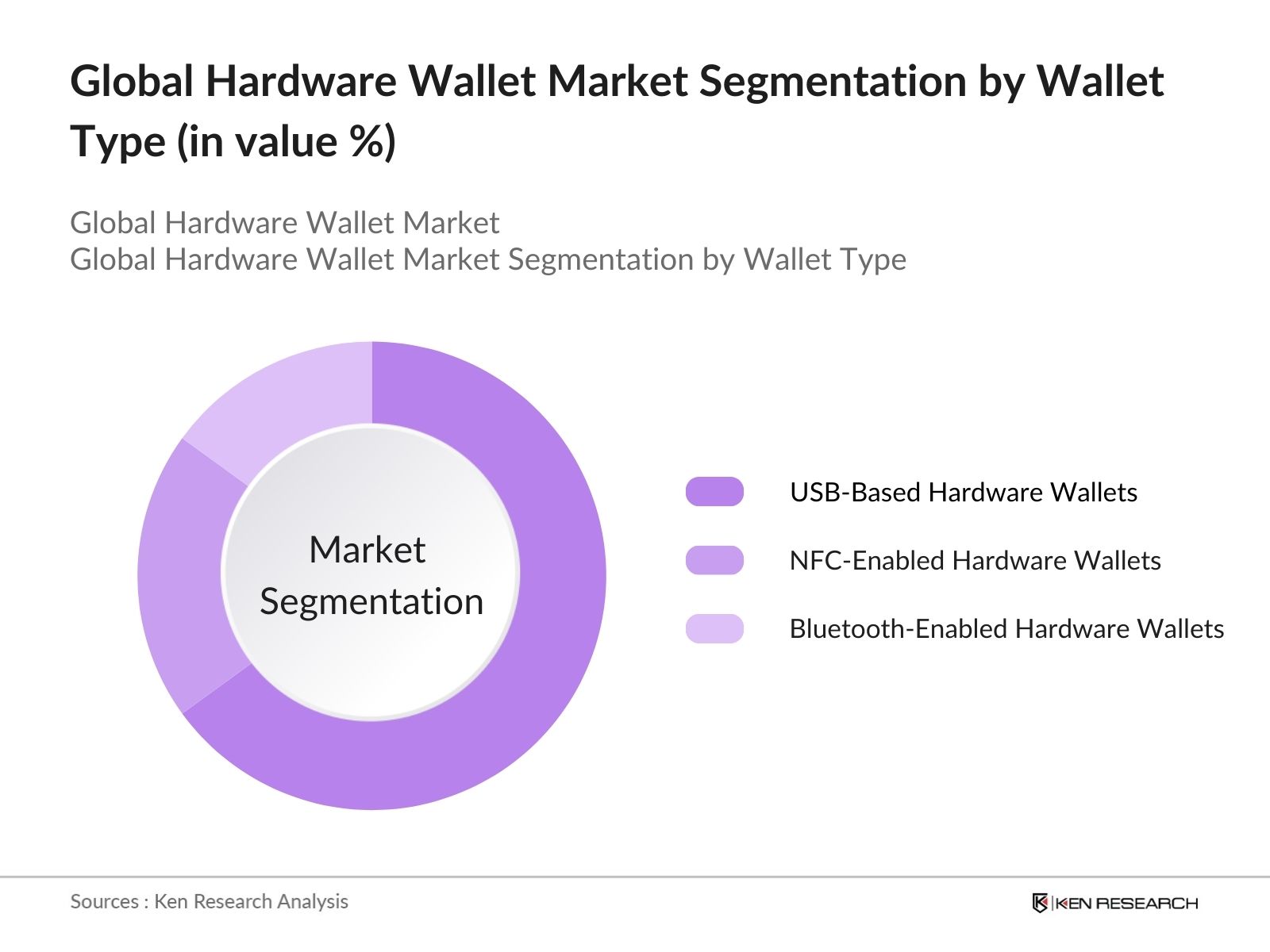
  • By Wallet Type: The global hardware wallet market is segmented by wallet type into USB-based hardware wallets, NFC-enabled hardware wallets, and Bluetooth-enabled hardware wallets. USB-based hardware wallets dominate the market as they offer a widely accepted and straightforward solution for users seeking high security for storing digital assets. The robust demand for these wallets stems from their ease of use and compatibility with various devices, making them popular among individual users and institutions. Brands like Ledger and Trezor have capitalized on this demand by providing reliable products with extensive features. market overviews
  • By Region: Geographically, the hardware wallet market is segmented into North America, Europe, Asia Pacific, Latin America, and the Middle East & Africa. North America holds the largest market share due to its strong cryptocurrency infrastructure and the presence of major industry players. The regions well-developed financial services sector, along with favorable regulatory support for blockchain and crypto-asset storage, further drives this dominance. Europe ranks second, benefiting from the progressive cryptocurrency regulations in countries such as Switzerland and Germany. market overviews
  • By End-User: The global hardware wallet market is also segmented by end-users, including retail investors, institutional investors, crypto exchanges, and DeFi platforms. Retail investors dominate this segment, accounting for a significant market share due to their need for secure storage options for personal cryptocurrencies. The increasing popularity of hardware wallets among individuals is largely due to the growing awareness of cryptocurrency security threats, such as hacking and phishing attacks. This segment is projected to grow as more retail investors enter the cryptocurrency market.

Global Hardware Wallet Market Competitive Landscape

The global hardware wallet market is dominated by a few major players, including Ledger, Trezor, and KeepKey. These companies maintain their competitive edge through constant product innovation, expansion of cryptocurrency support, and a focus on enhancing security features. Their robust distribution networks and partnerships with exchanges and wallet services have also allowed them to reach a wide customer base. Additionally, they actively engage in developing decentralized finance solutions and multi-signature wallet support to attract more institutional investors.

Company

Establishment Year

Headquarters

No. of Employees

Revenue (USD Mn)

No. of Supported Currencies

Product Certifications

Regional Presence

Partnership Network

Security Features

Ledger

2014

Paris, France

-

-

-

-

-

-

-

Trezor (SatoshiLabs)

2013

Prague, Czech Rep

-

-

-

-

-

-

-

KeepKey

2015

Seattle, USA

-

-

-

-

-

-

-

CoolWallet

2016

Taipei, Taiwan

-

-

-

-

-

-

-

SafePal

2018

Singapore

-

-

-

-

-

-

-

Global Hardware Wallet Industry Analysis

Growth Drivers

  • Increasing Adoption of Cryptocurrencies: The increasing adoption of cryptocurrencies globally has been a major driver of hardware wallet demand. In 2024, over 425 million people worldwide owned cryptocurrency, a marked increase from prior years due to mainstream acceptance, especially in emerging markets like India and Brazil. Countries like El Salvador have adopted Bitcoin as legal tender, boosting the legitimacy of digital currencies and driving the need for secure cold storage solutions. Central banks across Europe and North America are also exploring central bank digital currencies (CBDCs), further expanding the crypto user base.
  • Rising Demand for Secure Cold Storage Solutions: As investors become increasingly aware of cybersecurity threats, the demand for secure cold storage has surged. Data from 2023 shows that approximately $3 billion worth of cryptocurrency was stolen through cybercrime, underlining the need for secure hardware wallets, which offer offline storage immune to most digital hacking attempts. Cold storage options, particularly hardware wallets, offer added protection for institutional investors, who now make up nearly 20% of the cryptocurrency market globally.
  • Integration of Hardware Wallets with DeFi Platforms: Decentralized Finance (DeFi) has grown significantly, with over $50 billion locked in DeFi protocols by 2023. The need for hardware wallets is growing as DeFi users seek more secure ways to manage their private keys for interacting with decentralized applications. These wallets provide a safer method to store keys and sign transactions offline, minimizing the risks of smart contract exploits or online attacks. Companies providing hardware wallet solutions have reported increases in sales following successful integrations with major DeFi platforms.

Market Restraints

  • Regulatory Uncertainty: One of the biggest challenges for the hardware wallet market is the regulatory environment, which remains fragmented globally. While regions like the EU have implemented frameworks such as MiCA (Markets in Crypto-Assets Regulation), many other regions lag behind. The lack of global standardization has created uncertainty for hardware wallet manufacturers, as compliance in one region does not guarantee acceptance in another. This has particularly affected smaller manufacturers and new entrants into the market.
  • High Cost of Advanced Hardware Wallets: Although hardware wallets provide high levels of security, their cost can be a deterrent for smaller investors. Advanced models, which offer features like biometric authentication and multi-currency support, can cost upwards of $200, placing them out of reach for many crypto users in developing regions. For example, in India, where the average income is around $2,000 annually, the cost of such devices remains a barrier to widespread adoption despite the rising number of crypto investors.

Global Hardware Wallet Market Future Outlook

Over the next five years, the global hardware wallet market is expected to experience substantial growth due to several key factors. These include the increasing adoption of decentralized finance (DeFi) platforms, which require secure cold storage solutions, and the continuous expansion of institutional investments in cryptocurrencies. Moreover, advancements in biometric security features and the integration of hardware wallets with decentralized applications (dApps) will further drive the market. As blockchain technology evolves, hardware wallets will remain a critical component of the cryptocurrency ecosystem, particularly for investors seeking maximum security for their digital assets.

Market Opportunities

  • Expansion of Institutional Investor Base: The growing participation of institutional investors in the cryptocurrency market presents significant opportunities for hardware wallet manufacturers. By 2024, institutional investors hold nearly 20% of all cryptocurrencies globally, up from 10% in 2022. As more hedge funds, family offices, and corporate treasuries allocate capital into crypto assets, the demand for secure storage solutions will increase, particularly for large-scale transactions that require greater security.
  • Partnerships with Financial Institutions: Hardware wallet companies have the opportunity to collaborate with traditional financial institutions, which are increasingly offering cryptocurrency-related services. Several major banks have begun offering crypto custody services, often requiring secure cold storage solutions to protect their clients digital assets. Collaborations with these institutions can drive significant demand for hardware wallets. For example, Switzerlands largest banks now integrate hardware wallet solutions into their cryptocurrency offerings for institutional clients.

Scope of the Report

By Wallet Type

USB-Based Hardware Wallets


NFC-Enabled Hardware Wallets


Bluetooth-Enabled Hardware Wallets

By Connection Type

Connected Wallets (Hot Wallets)


Air-Gapped Wallets (Cold Storage Wallets)

By End-User

Retail Investors


Institutional Investors


Crypto Exchanges


DeFi Platforms

By Distribution Channel

Online Channels


Offline Retail


OEM Sales

By Region

North America


Europe


Asia Pacific


Latin America


Middle East & Africa

Products

Key Target Audience

  • Institutional Investors

  • Venture Capitalist Firms

  • Cryptocurrency Exchanges

  • Decentralized Finance (DeFi) Platforms

  • Hardware Wallet Manufacturers

  • Government and Regulatory Bodies (FATF, SEC, CFTC)

  • Payment Service Providers

  • FinTech Companies

Companies

Players Mentioned in the Report:

  • Ledger

  • Trezor (SatoshiLabs)

  • KeepKey

  • CoolWallet

  • SafePal

  • BitBox (Shift Cryptosecurity)

  • Ellipal

  • D'Cent Wallet

  • SecuX

  • Coinkite (Coldcard Wallet)

  • CoolBitX

  • Ngrave

  • Cypherock

  • Arculus

  • Cobo Wallet

Table of Contents

1. Global Hardware Wallet Market Overview

1.1. Definition and Scope
1.2. Market Taxonomy
1.3. Market Growth Rate (Transaction Volume, User Adoption Rate, Technology Penetration)
1.4. Market Segmentation Overview

2. Global Hardware Wallet Market Size (In USD Bn)

2.1. Historical Market Size (By Region, By Type, By End-Use)
2.2. Year-On-Year Growth Analysis
2.3. Key Market Developments and Milestones (Product Launches, M&A Activities, Regulatory Approvals)

3. Global Hardware Wallet Market Analysis

3.1. Growth Drivers
3.1.1. Increasing Adoption of Cryptocurrencies
3.1.2. Rising Demand for Secure Cold Storage Solutions
3.1.3. Integration of Hardware Wallets with DeFi Platforms
3.1.4. Growing Investor Confidence in Digital Assets
3.2. Market Challenges
3.2.1. Regulatory Uncertainty
3.2.2. High Cost of Advanced Hardware Wallets
3.2.3. Cybersecurity Concerns and Device Vulnerabilities
3.3. Opportunities
3.3.1. Expansion of Institutional Investor Base
3.3.2. Partnerships with Financial Institutions
3.3.3. Regional Expansion in Emerging Markets
3.4. Trends
3.4.1. Integration of Biometric Security Features
3.4.2. Use of Open-Source Firmware for Customization
3.4.3. Development of Hardware Wallet Apps for Multi-Currency Support
3.5. Regulatory Landscape
3.5.1. Global Cryptocurrency Regulations
3.5.2. KYC/AML Compliance
3.5.3. Data Privacy Regulations (GDPR, CCPA)
3.5.4. FATF Recommendations
3.6. SWOT Analysis
3.7. Stakeholder Ecosystem (Hardware Manufacturers, Crypto Exchanges, Security Auditors)
3.8. Porters Five Forces
3.9. Competition Ecosystem

4. Global Hardware Wallet Market Segmentation

4.1. By Wallet Type (In Value %)
4.1.1. USB-Based Hardware Wallets
4.1.2. NFC-Enabled Hardware Wallets
4.1.3. Bluetooth-Enabled Hardware Wallets
4.2. By Connection Type (In Value %)
4.2.1. Connected Wallets (Online/Hot Wallets)
4.2.2. Air-Gapped Wallets (Cold Storage Wallets)
4.3. By End-User (In Value %)
4.3.1. Retail Investors
4.3.2. Institutional Investors
4.3.3. Crypto Exchanges
4.3.4. Decentralized Finance (DeFi) Platforms
4.4. By Distribution Channel (In Value %)
4.4.1. Online Channels
4.4.2. Offline Retail
4.4.3. OEM Sales
4.5. By Region (In Value %)
4.5.1. North America
4.5.2. Europe
4.5.3. Asia Pacific
4.5.4. Latin America
4.5.5. Middle East & Africa

5. Global Hardware Wallet Market Competitive Analysis

5.1. Detailed Profiles of Major Companies
5.1.1. Ledger
5.1.2. Trezor (SatoshiLabs)
5.1.3. KeepKey
5.1.4. CoolWallet
5.1.5. SafePal
5.1.6. BitBox (Shift Cryptosecurity)
5.1.7. Ellipal
5.1.8. DCent Wallet
5.1.9. SecuX
5.1.10. Coinkite (Coldcard Wallet)
5.1.11. CoolBitX
5.1.12. Ngrave
5.1.13. Cypherock
5.1.14. Arculus
5.1.15. Cobo Wallet
5.2. Cross Comparison Parameters (Wallet Capacity, Connectivity Options, Security Certifications, Supported Currencies, Usability, Transaction Speed, Customer Reviews, Pricing)
5.3. Market Share Analysis
5.4. Strategic Initiatives (Partnerships, Product Launches, Expansions)
5.5. Mergers and Acquisitions
5.6. Investment Analysis (Funding, Private Equity Investments, Venture Capital)
5.7. Venture Capital Funding
5.8. Government Grants
5.9. Private Equity Investments

6. Global Hardware Wallet Market Regulatory Framework

6.1. Security Standards (FIPS 140-2, EAL5+)
6.2. Compliance Requirements (KYC/AML)
6.3. Certification Processes

7. Global Hardware Wallet Future Market Size (In USD Bn)

7.1. Future Market Size Projections (Growth Forecast)
7.2. Key Factors Driving Future Market Growth

8. Global Hardware Wallet Future Market Segmentation

8.1. By Wallet Type (In Value %)
8.2. By Connection Type (In Value %)
8.3. By End-User (In Value %)
8.4. By Distribution Channel (In Value %)
8.5. By Region (In Value %)

9. Global Hardware Wallet Market Analysts Recommendations

9.1. TAM/SAM/SOM Analysis
9.2. Customer Cohort Analysis
9.3. Marketing Initiatives
9.4. White Space Opportunity Analysis

Disclaimer Contact Us

Research Methodology

Step 1: Identification of Key Variables

The research begins by identifying the primary stakeholders in the global hardware wallet market, including manufacturers, crypto exchanges, and regulatory authorities. Comprehensive desk research is conducted using proprietary databases and secondary data sources to map out the market ecosystem and identify critical factors affecting market growth.

Step 2: Market Analysis and Construction

Historical data is compiled, focusing on product adoption trends, consumer preferences, and revenue streams. Detailed analysis of market penetration and transaction volumes helps estimate the current market size and assess the market dynamics influencing growth.

Step 3: Hypothesis Validation and Expert Consultation

Market hypotheses are tested and validated through interviews with industry experts and stakeholders, including manufacturers, cryptocurrency investors, and security professionals. Their insights help fine-tune the analysis and provide an accurate picture of the market landscape.

Step 4: Research Synthesis and Final Output

The final stage involves compiling the data into a detailed, market-specific report. The research team works closely with industry participants to ensure that the analysis is accurate, comprehensive, and reflective of current trends and market dynamics.

Frequently Asked Questions

01. How big is the Global Hardware Wallet Market?

The global hardware wallet market is valued at USD 325 million, driven by the growing need for secure cryptocurrency storage solutions, particularly among institutional investors and retail users.

02. What are the challenges in the Global Hardware Wallet Market?

Key challenges include regulatory uncertainty regarding cryptocurrency, cybersecurity concerns over hardware wallet vulnerabilities, and the high cost associated with advanced hardware wallets.

03. Who are the major players in the Global Hardware Wallet Market?

Key players include Ledger, Trezor, KeepKey, CoolWallet, and SafePal, all of which dominate the market due to their innovative product features, strong security protocols, and established distribution networks.

04. What are the growth drivers of the Global Hardware Wallet Market?

The market is propelled by increasing cryptocurrency adoption, institutional investments, and the expansion of decentralized finance (DeFi) platforms. Furthermore, advancements in hardware wallet security and the integration with dApps drive market growth.

Why Buy From Us?

RRR
Refine Robust Result (RRR) Framework

What makes us stand out is that our consultants follows Robust, Refine and Result (RRR) methodology. i.e. Robust for clear definitions, approaches and sanity checking, Refine for differentiating respondents facts and opinions and Result for presenting data with story

Our Reach Is Unmatched

We have set a benchmark in the industry by offering our clients with syndicated and customized market research reports featuring coverage of entire market as well as meticulous research and analyst insights.

Research
Shifting the Research Paradigm

While we don't replace traditional research, we flip the method upside down. Our dual approach of Top Bottom & Bottom Top ensures quality deliverable by not just verifying company fundamentals but also looking at the sector and macroeconomic factors.

Insite
More Insights-Better Decisions

With one step in the future, our research team constantly tries to show you the bigger picture. We help with some of the tough questions you may encounter along the way: How is the industry positioned? Best marketing channel? KPI's of competitors? By aligning every element, we help maximize success.

Trust
Transparency and Trust

Our report gives you instant access to the answers and sources that other companies might choose to hide. We elaborate each steps of research methodology we have used and showcase you the sample size to earn your trust.

support
Round the Clock Support

If you need any support, we are here! We pride ourselves on universe strength, data quality, and quick, friendly, and professional service.

Why Client Choose Us?

400000+ Reports in repository
150+ Consulting project a year
100+ Analysts
8000+ Client Queries in 2022