















Global Hydrocolloid Market Outlook to 2030
Region:Global
Author(s):Sanjeev
Product Code:KROD1969
November 2024
90
About the Report
Global Hydrocolloid Market Overview
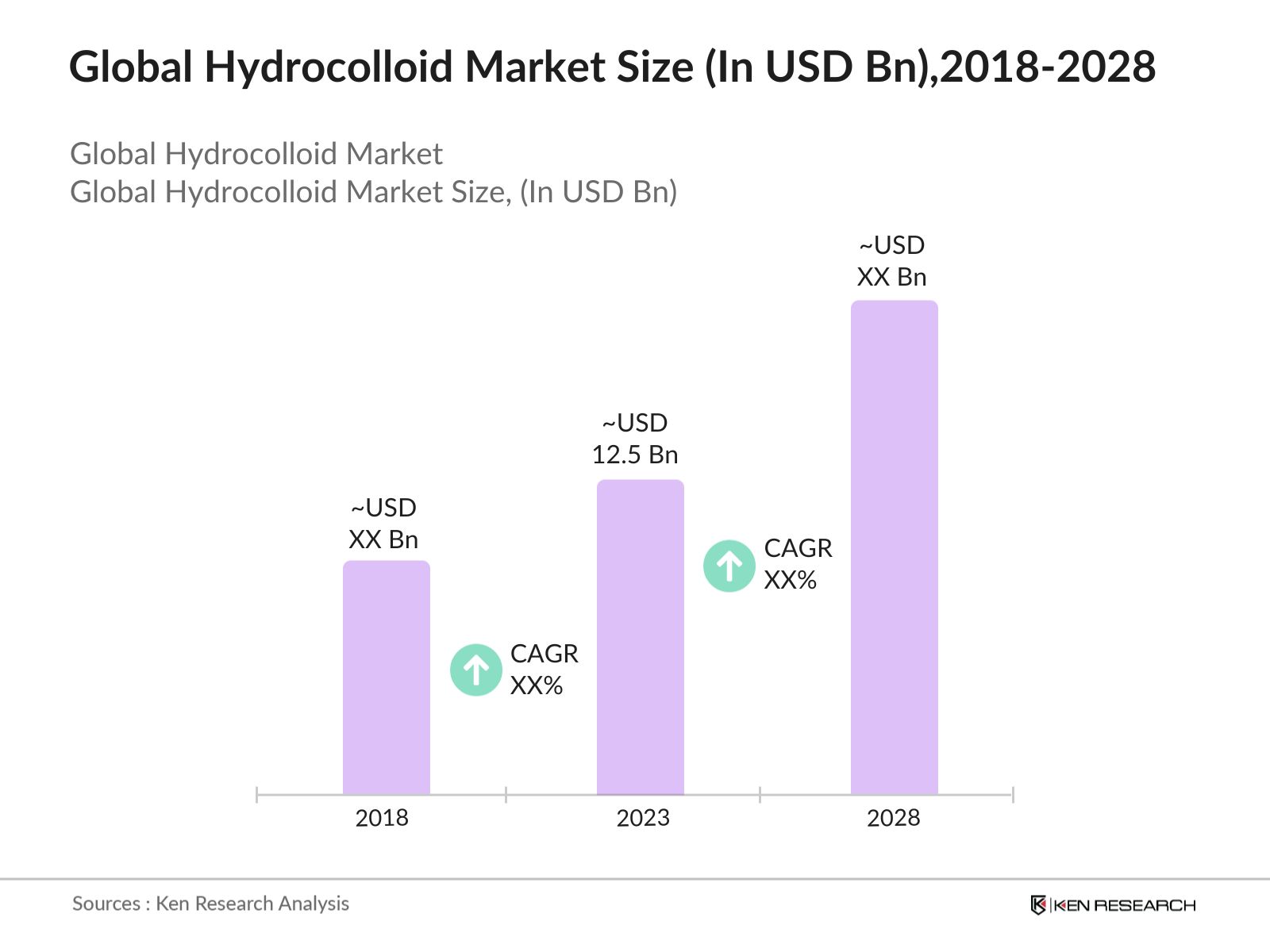
- The Global Hydrocolloid Market was valued at USD 12.5 billion in 2023, driven by increasing demand for natural ingredients in the food and beverage industry, rising consumer awareness regarding health and wellness, and the growing application of hydrocolloids in various sectors including pharmaceuticals and personal care. The market is segmented into gelatin, xanthan gum, guar gum, carrageenan, pectin, and agar, with xanthan gum being the most dominant due to its versatile applications and efficiency as a thickening agent.
- Major players in the Global Hydrocolloid Market include Cargill, Inc., DuPont, Ingredion Incorporated, Ashland Global Holdings Inc., and CP Kelco. These companies are recognized for their extensive product portfolios and their focus on innovation and sustainable production practices. Cargill, Inc. leads the market with its broad range of hydrocolloid offerings and strong emphasis on research and development to cater to diverse industry needs.
- In North America, the United States and Canada are prominent markets, driven by high demand for natural and clean-label ingredients in the food and beverage industry. These countries are characterized by a mature market with significant consumer spending on health-focused products.
- In 2023, DuPont introduced a new line of hydrocolloids under its Danisco brand, aimed at providing natural, clean-label solutions for the food industry. This innovation underscores the ongoing shift towards natural ingredients and clean-label products, reflecting broader trends in consumer preferences towards health and sustainability.
Global Hydrocolloid Market Segmentation
The Global Hydrocolloid Market can be segmented by product type, application, and region:
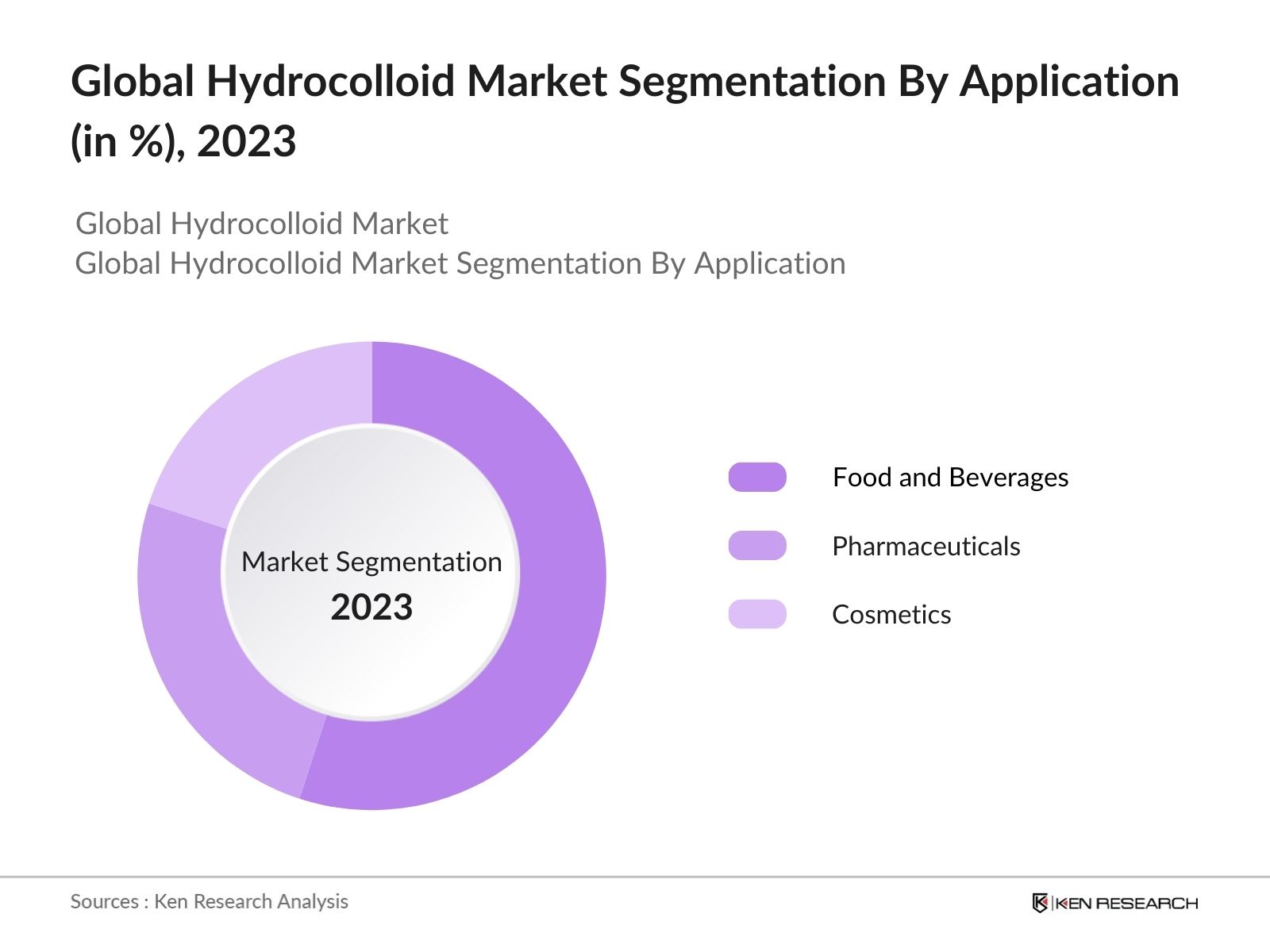
- By Application: The Global Hydrocolloid market is segmented by application into food and beverages, pharmaceuticals, and cosmetics. In 2023, the food and beverages sector dominate the market due to the widespread use of hydrocolloids as thickening, stabilizing, and gelling agents. The pharmaceutical sector is also a significant market, driven by the use of hydrocolloids in drug delivery systems and wound care products.
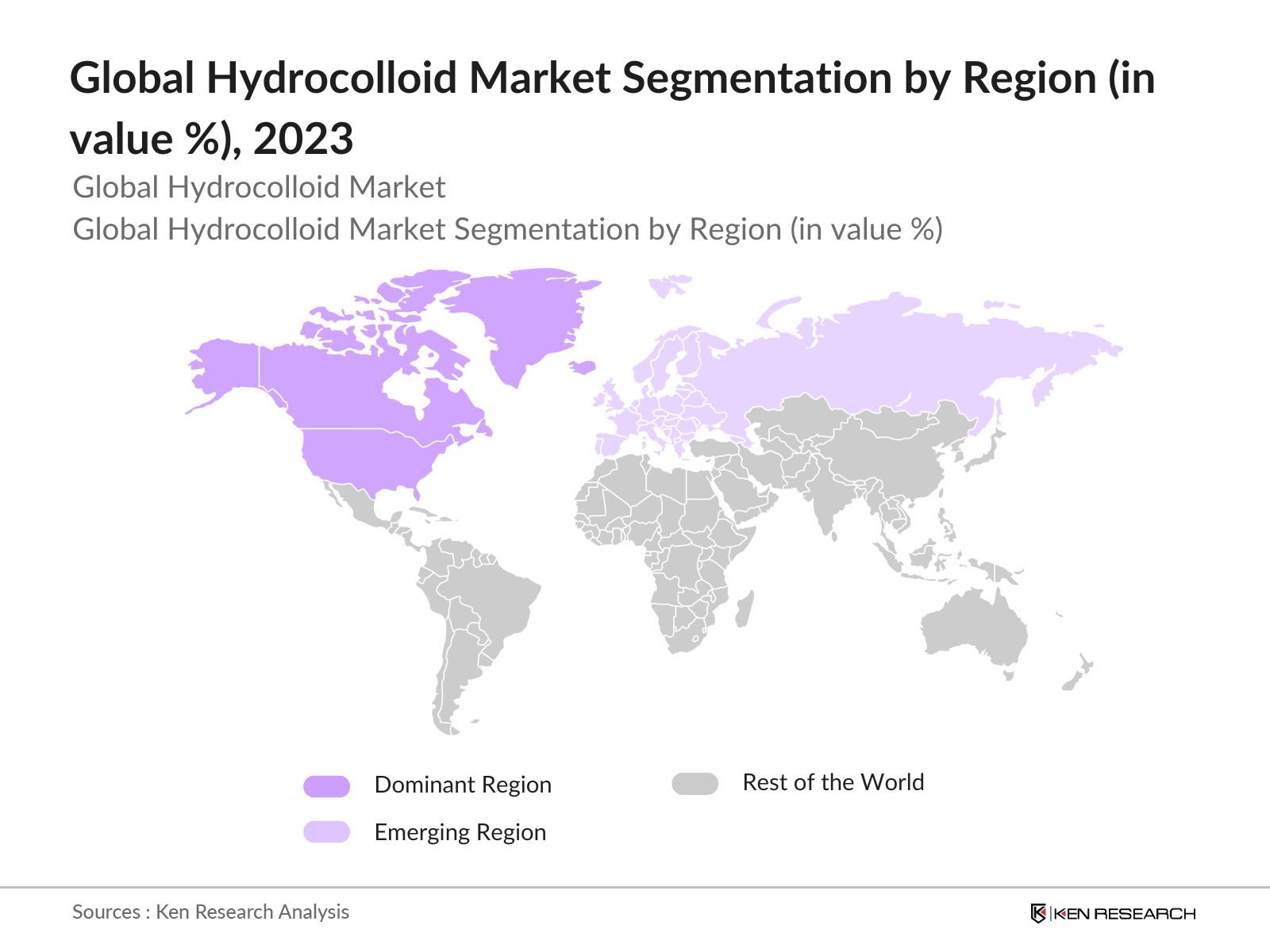
- By Region: The Global Hydrocolloid market is segmented regionally into North America, Europe, Asia-Pacific, Latin America and Middle East & Africa. In 2023, North America leads the market due to high consumer awareness and demand for natural ingredients. Asia-Pacific is also a significant market, driven by the growing food processing industry and increasing adoption of hydrocolloids in various applications.
 By Product Type: The Global Hydrocolloid market is segmented into gelatin, xanthan gum, guar gum, carrageenan, pectin, and agar. In 2023, xanthan gum remains the most dominant product type due to its versatility and wide range of applications, from food and beverages to pharmaceuticals and cosmetics. However, pectin is gaining popularity for its use in low-sugar and sugar-free products, catering to the rising demand for healthier alternatives.
Global Hydrocolloid Market Competitive Landscape
|
Company |
Establishment Year |
Headquarters |
|
Cargill, Inc. |
1865 |
Minneapolis, USA |
|
DuPont |
1802 |
Wilmington, USA |
|
Ingredion Incorporated |
1906 |
Westchester, USA |
|
Ashland Global Holdings Inc. |
1924 |
Wilmington, USA |
|
CP Kelco |
2000 |
Atlanta, USA |
- Cargill, Inc.: In 2023, Cargill introduced a new range of sustainably sourced hydrocolloids under its brand Satiagel, catering to the growing demand for eco-friendly ingredients in the food industry. This launch is aimed at strengthening the company's position in the sustainable segment of the market, where there is increasing consumer interest in natural and environmentally friendly products.
- DuPont: In 2024, DuPont expanded its product line with the launch of a new range of functional hydrocolloids designed to enhance the nutritional profile of food products. The new range emphasizes the use of natural and sustainably sourced ingredients, reflecting DuPont's commitment to sustainability and its strategic focus on health and wellness.
Global Hydrocolloid Market Analysis
- Rising Demand for Natural Ingredients: The demand for natural and clean-label hydrocolloids in the food and beverage industry has increased significantly, with global sales reaching approximately 2.8 million tons in 2023. This rise is fueled by the shift from synthetic additives to natural alternatives, driven by consumer preference for health and wellness products.
- Versatile Applications: The application of hydrocolloids spans across multiple industries, with the food and beverage sector consuming about 1.6 million tons, the pharmaceutical industry using around 600,000 tons, and the cosmetics industry utilizing approximately 300,000 tons in 2023. This broad range of uses underscores the multifunctional nature of hydrocolloids, contributing to their growing market presence.
- Innovation in Hydrocolloid Products: The continuous innovation in hydrocolloid formulations has led to the introduction of over 200 new products with enhanced functional properties in the last five years. Notably, hydrocolloids with prebiotic properties, such as those used in digestive health products, have seen a sales growth of about 15% annually, indicating strong market acceptance and demand for these innovative solutions.
Market Challenges:
- Rising Raw Material Costs: The rising costs of raw materials, particularly those derived from natural sources, are posing challenges to manufacturers, leading to increased product prices. This could potentially impact consumer purchasing power, especially in price-sensitive markets.
- Regulatory Constraints: The market is subject to stringent regulations regarding ingredient sourcing, safety standards, and labeling. Compliance with these regulations can be challenging for manufacturers, particularly smaller players who may lack the resources for extensive testing and certification.
- Increasing Competition: The global market is highly competitive, with numerous established brands and new entrants vying for market share. This intense competition puts pressure on companies to continuously innovate and differentiate their products, which can be costly and challenging. Smaller players, in particular, may struggle to compete with the marketing and distribution power of larger, well-established brands.
Government Initiatives:
- India's National Mission on Food Processing: Indias government, under its National Mission on Food Processing, has allocated INR 12 billion (approximately USD 150 million) to boost the development and processing of natural ingredients, including hydrocolloids. This initiative aims to increase the annual production capacity of natural hydrocolloids by 150,000 tons by 2025, targeting both domestic consumption and export markets.
- USDA Organic Program: The USDA Organic Program has certified over 18,000 farms in the United States for organic production, which includes hydrocolloid sourcing from natural, non-GMO crops. In 2023, the program reported that over 4,500 tons of hydrocolloids were produced under organic standards, representing a growing commitment to sustainable and natural ingredient sourcing.
Global Hydrocolloid Market Future Market Outlook
The Global Hydrocolloid Market is expected to continue its steady growth, driven by the increasing demand for natural ingredients, the expansion of the food and beverage industry, and innovation in product offerings.
Future Market Trends:
- Growth of Functional Food Ingredients: There will likely be a growing emphasis on functional hydrocolloid products designed to enhance the nutritional profile of food products. Advances in food science and consumer interest in health and wellness will drive the development of these products.
- Increased Focus on Sustainability: Companies are expected to increasingly focus on sustainable sourcing and production practices, reflecting the growing consumer demand for eco-friendly products. This trend will likely lead to the development of new hydrocolloid products with a focus on sustainability and environmental impact.
Scope of the Report
|
By Region |
North America Europe Asia-Pacific Latin America Middle East & Africa |
|
By Application |
Food and Beverages Pharmaceuticals Cosmetics |
|
By Product Type |
Gelatin Xanthan Gum Guar Gum Carrageenan Pectin Agar |
|
By Sales Channel |
Direct Sales Distributors Online Retailers |
|
By Source |
Plant-based Animal-based Microbial-based Seaweed-based |
Products
Key Target Audience
Banks and Financial Institutions
Venture Capitalists
Government and Regulatory Bodies
Hydrocolloid Manufacturers
Food and Beverage Companies
Pharmaceutical Companies
Cosmetic Companies
Retailers and Distributors
E-commerce Companies
Time Period Captured in the Report
Historical Period: 2018-2023
Base Year: 2023
Forecast Period: 2023-2028
Companies
Players Mentioned in the Report:
Cargill, Inc.
DuPont
Ingredion Incorporated
Ashland Global Holdings Inc.
CP Kelco
Tate & Lyle PLC
Kerry Group plc
DSM Hydrocolloids
Archer Daniels Midland Company (ADM)
BASF SE
Nexira
Darling Ingredients Inc.
FMC Corporation
Lubrizol Corporation
Jungbunzlauer AG
Table of Contents
1. Global Hydrocolloid Market Overview
1.1. Definition and Scope
1.2. Market Taxonomy
1.3. Market Growth Rate
1.4. Market Segmentation Overview
2. Global Hydrocolloid Market Size (in USD Bn), 2018-2023
2.1. Historical Market Size
2.2. Year-on-Year Growth Analysis
2.3. Key Market Developments and Milestones
3. Global Hydrocolloid Market Analysis
3.1. Growth Drivers
3.1.1. Rising Demand for Natural Ingredients
3.1.2. Versatile Applications
3.1.3. Innovation in Hydrocolloid Products
3.2. Restraints
3.2.1. Rising Raw Material Costs
3.2.2. Regulatory Constraints
3.2.3. Increasing Competition
3.3. Opportunities
3.3.1. Technological Advancements
3.3.2. Expansion into New Markets
3.3.3. Growing Demand for Organic Products
3.4. Trends
3.4.1. Growth of Functional Food Ingredients
3.4.2. Increased Focus on Sustainability
3.4.3. Development of New Hydrocolloid Blends
3.5. Government Regulation
3.5.1. European Unions Green Deal
3.5.2. USDA Organic Program
3.5.3. Indias National Mission on Food Processing
3.5.4. Chinas Five-Year Plan for Food Safety
3.6. SWOT Analysis
3.7. Stakeholder Ecosystem
3.8. Competitive Ecosystem
4. Global Hydrocolloid Market Segmentation, 2023
4.1. By Product Type (in Value %)
4.1.1. Gelatin
4.1.2. Xanthan Gum
4.1.3. Guar Gum
4.1.4. Carrageenan
4.1.5. Pectin
4.1.6. Agar
4.2. By Application (in Value %)
4.2.1. Food and Beverages
4.2.2. Pharmaceuticals
4.2.3. Cosmetics
4.2.4. Others
4.3. By Region (in Value %)
4.3.1. North America
4.3.2. Europe
4.3.3. Asia-Pacific
4.3.4. Latin America
4.3.5. Middle East & Africa
4.4. By Sales Channel (in Value %)
4.4.1. Direct Sales
4.4.2. Distributors
4.4.3. Online Retailers
4.5. By Source (in Value %)
4.5.1. Plant-based
4.5.2. Animal-based
4.5.3. Microbial-based
4.5.4. Seaweed-based
5. Global Hydrocolloid Market Cross Comparison
5.1 Detailed Profiles of Major Companies
5.1.1. Cargill, Inc.
5.1.2. DuPont
5.1.3. Ingredion Incorporated
5.1.4. Ashland Global Holdings Inc.
5.1.5. CP Kelco
5.1.6. Tate & Lyle PLC
5.1.7. Kerry Group plc
5.1.8. DSM Hydrocolloids
5.1.9. Archer Daniels Midland Company (ADM)
5.1.10. BASF SE
5.1.11. Nexira
5.1.12. Darling Ingredients Inc.
5.1.13. FMC Corporation
5.1.14. Lubrizol Corporation
5.1.15. Jungbunzlauer AG
5.2 Cross Comparison Parameters (No. of Employees, Headquarters, Inception Year, Revenue)
6. Global Hydrocolloid Market Competitive Landscape
6.1. Market Share Analysis
6.2. Strategic Initiatives
6.3. Mergers and Acquisitions
6.4. Investment Analysis
6.4.1. Venture Capital Funding
6.4.2. Government Grants
6.4.3. Private Equity Investments
7. Global Hydrocolloid Market Regulatory Framework
7.1. Environmental Standards
7.2. Compliance Requirements
7.3. Certification Processes
8. Global Hydrocolloid Market Future Market Size (in USD Bn), 2023-2028
8.1. Future Market Size Projections
8.2. Key Factors Driving Future Market Growth
9. Global Hydrocolloid Market Future Market Segmentation, 2028
9.1. By Product Type (in Value %)
9.2. By Application (in Value %)
9.3. By Region (in Value %)
9.4. By Sales Channel (in Value %)
9.5. By Source (in Value %)
10. Global Hydrocolloid Market Analysts Recommendations
10.1. TAM/SAM/SOM Analysis
10.2. Customer Cohort Analysis
10.3. Marketing Initiatives
10.4. White Space Opportunity Analysis
Disclaimer
Contact Us
Research Methodology
Step 1: Identifying Key Variables
We begin by referencing multiple secondary and proprietary databases to conduct desk research. This includes gathering industry-level information on market drivers, challenges, key players, consumer behavior, and trends in hydrocolloid usage. We also assess regulatory impacts and market dynamics specific to different regions.
Step 2: Market Building
We collect historical data on market size, growth rates, product segmentation (gelatin, xanthan gum, guar gum, carrageenan, pectin, agar), and the distribution of applications (food and beverages, pharmaceuticals, cosmetics). We also analyze market share and revenue generated by leading brands, emerging trends in hydrocolloid applications, and consumer preferences to ensure accuracy and reliability in the data presented.
Step 3: Validating and Finalizing
We perform Computer-Assisted Telephone Interviews (CATIs) with industry experts, including representatives from leading hydrocolloid manufacturers, distributors, and end-users. These interviews validate the statistics collected and provide insights into operational and financial aspects, such as pricing strategies, supply chain management, and application trends.
Step 4: Research Output
Our team interacts with hydrocolloid manufacturers, product formulators, and market analysts to understand the dynamics of market segments, evolving consumer preferences, and usage trends. This process helps validate the derived statistics using a bottom-to-top approach, ensuring that the final data accurately reflects the actual market conditions.
Frequently Asked Questions
01. How large is the Global Hydrocolloid Market?
In 2023, the Global Hydrocolloid Market was valued at approximately USD 12.5 billion. The market's growth is driven by increasing demand for natural ingredients, rising awareness of health and wellness, and expanding applications in various industries.
02. What are the challenges in the Global Hydrocolloid Market?
Challenges in the Global Hydrocolloid Market include rising raw material costs, which affect pricing and profit margins for manufacturers, as well as stringent regulatory requirements for product safety and labeling. Additionally, competition among established brands and new entrants, along with the increasing demand for sustainable and natural products, poses significant challenges.
03. Who are the major players in the Global Hydrocolloid Market?
Major players in the Global Hydrocolloid Market include Cargill, Inc., DuPont, Ingredion Incorporated, Ashland Global Holdings Inc., and CP Kelco. These companies lead the market with extensive product portfolios, strong brand recognition, and continuous innovation in hydrocolloid formulations.
04. What are the growth drivers of the Global Hydrocolloid Market?
Key growth drivers include the rising demand for natural and clean-label ingredients, versatile applications across various industries, and continuous innovation in hydrocolloid products designed to enhance health benefits and product quality.
Why Buy From Us?

What makes us stand out is that our consultants follows Robust, Refine and Result (RRR) methodology. i.e. Robust for clear definitions, approaches and sanity checking, Refine for differentiating respondents facts and opinions and Result for presenting data with story

We have set a benchmark in the industry by offering our clients with syndicated and customized market research reports featuring coverage of entire market as well as meticulous research and analyst insights.

While we don't replace traditional research, we flip the method upside down. Our dual approach of Top Bottom & Bottom Top ensures quality deliverable by not just verifying company fundamentals but also looking at the sector and macroeconomic factors.

With one step in the future, our research team constantly tries to show you the bigger picture. We help with some of the tough questions you may encounter along the way: How is the industry positioned? Best marketing channel? KPI's of competitors? By aligning every element, we help maximize success.

Our report gives you instant access to the answers and sources that other companies might choose to hide. We elaborate each steps of research methodology we have used and showcase you the sample size to earn your trust.

If you need any support, we are here! We pride ourselves on universe strength, data quality, and quick, friendly, and professional service.