
Global Identity and Access Management (IAM) Market Outlook 2030
Region:Global
Author(s):Shivani Mehra
Product Code:KROD1274
Region:Global
Author(s):Shivani Mehra
Product Code:KROD1274
December 2024
89
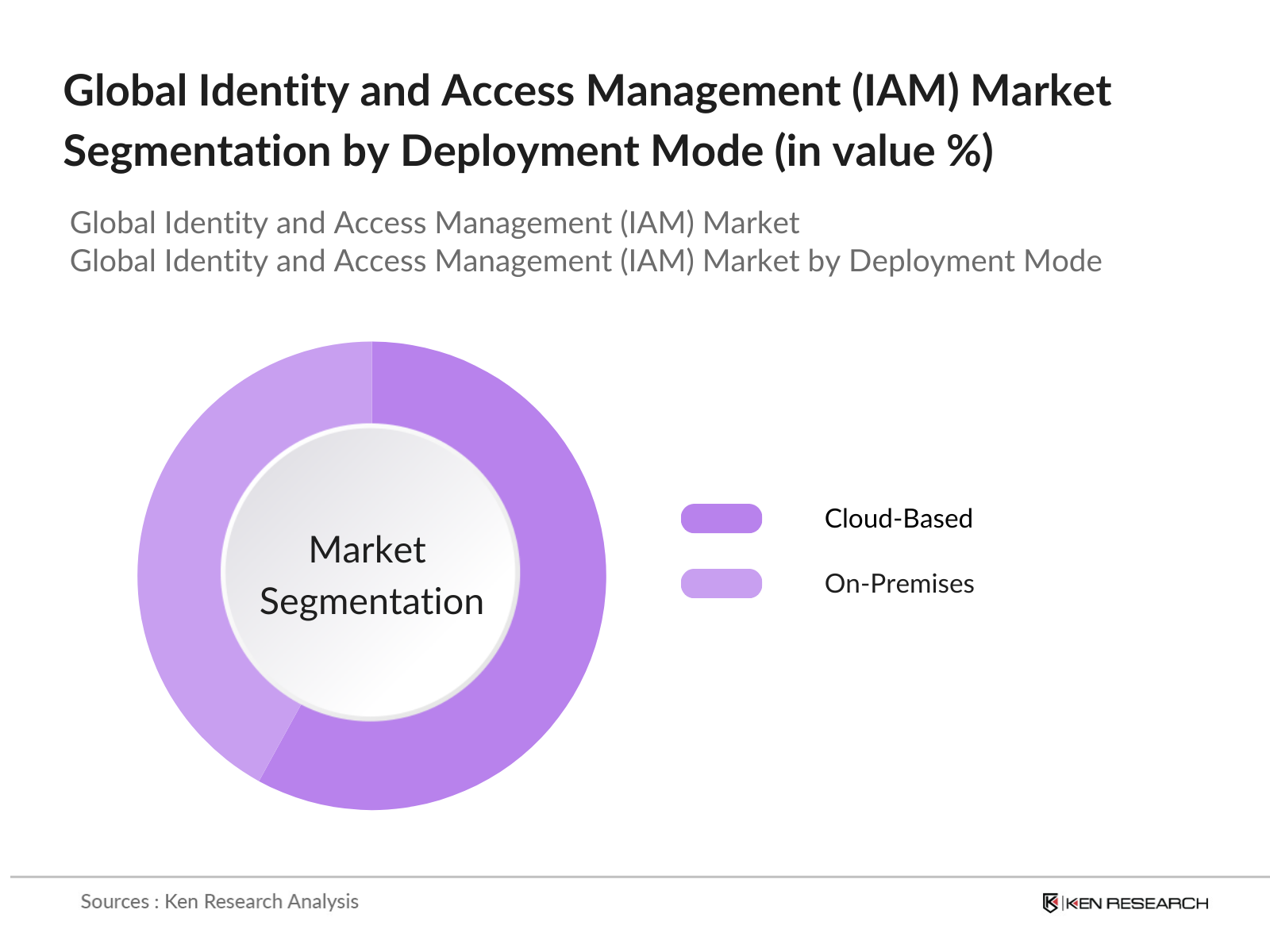
By Deployment Mode: The global IAM market is segmented by deployment mode into on-premises and cloud-based solutions. Cloud-based IAM solutions hold a dominant market share due to their scalability, flexibility, and lower upfront costs. Cloud platforms allow businesses to manage digital identities from remote locations, which has become particularly relevant with the rise of remote working environments. Moreover, the integration of IAM with cloud service providers such as AWS, Azure, and Google Cloud has made cloud deployment more attractive to enterprises.
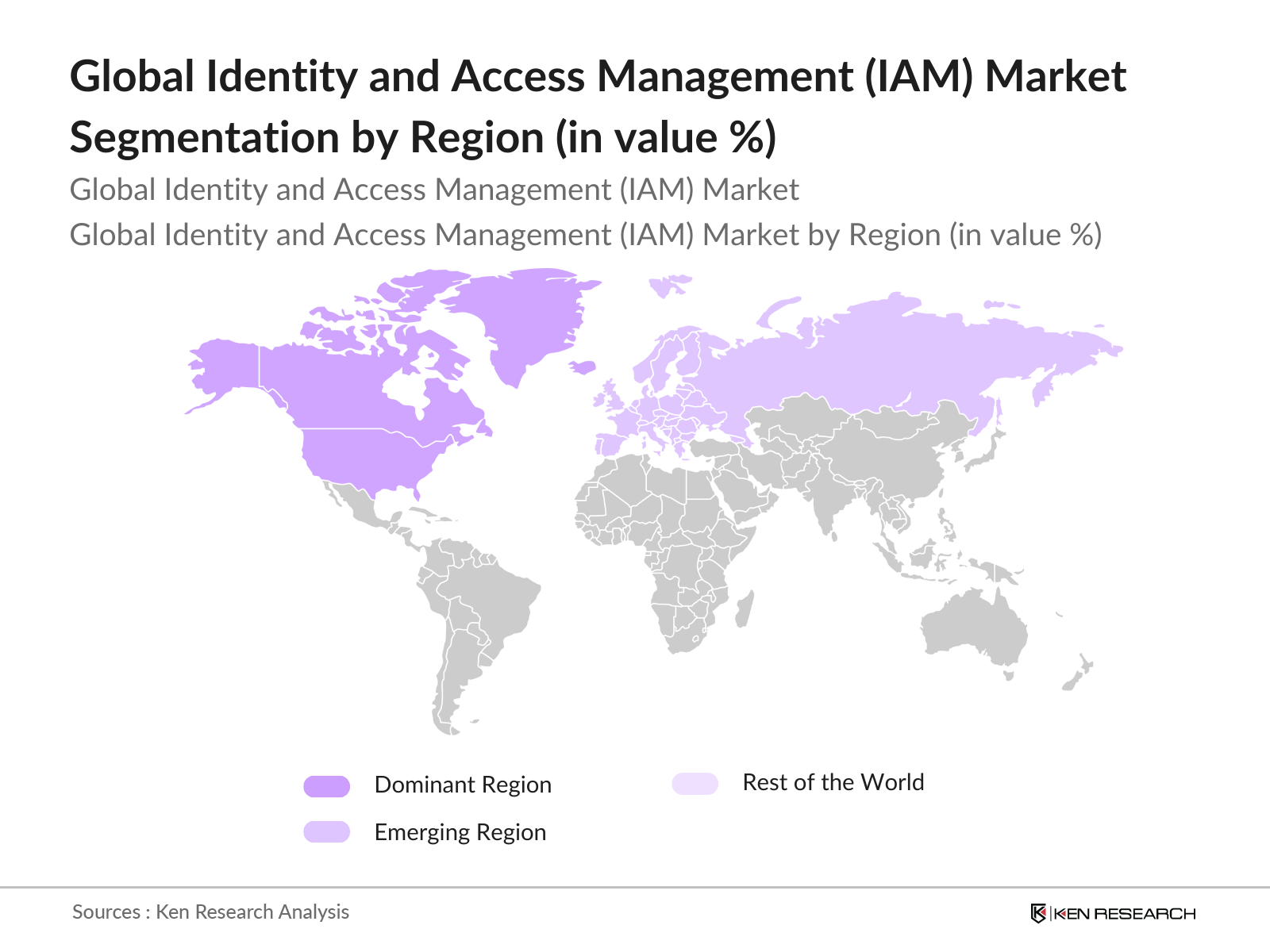
 By Region: The global IAM market is segmented by region into North America, Europe, Asia-Pacific, Middle East & Africa, and Latin America. North America leads the market, primarily due to the high concentration of key IAM providers, strong regulatory frameworks, and increased awareness regarding cybersecurity. Europe, driven by GDPR and other data protection mandates, follows closely. Asia-Pacific, though still growing, is emerging as a key region due to the rapid digital transformation across industries and increasing adoption of IAM solutions in countries such as India, China, and Japan.
 Global Identity and Access Management (IAM) Market Competitive Landscape
The Global IAM market is highly competitive, with key players actively investing in innovation and strategic partnerships. The consolidation of top global companies and the entry of new players underline the competitive nature of this market. Leading vendors like Microsoft and IBM continue to dominate the market, offering comprehensive IAM platforms, while niche players focus on providing specialized solutions like Privileged Access Management (PAM) and Biometric Authentication.
|
Company |
Establishment Year |
Headquarters |
Product Portfolio |
Revenue (2023) |
No. of Employees |
Market Share |
Regional Presence |
R&D Investments |
|
Microsoft Corporation |
1975 |
Redmond, Washington, USA |
||||||
|
IBM Corporation |
1911 |
Armonk, New York, USA |
||||||
|
Oracle Corporation |
1977 |
Austin, Texas, USA |
||||||
|
Ping Identity Corporation |
2002 |
Denver, Colorado, USA |
||||||
|
SailPoint Technologies |
2005 |
Austin, Texas, USA |
Over the next five years, the Global IAM market is expected to witness steady growth, driven by factors such as the increasing prevalence of cyber threats, rapid adoption of cloud services, and the rising need for efficient digital identity management. Key sectors like BFSI, healthcare, and retail will continue to prioritize IAM solutions to ensure data protection and compliance with stringent regulations. Furthermore, advancements in artificial intelligence and blockchain technologies are set to revolutionize IAM, offering more secure and efficient methods for identity verification and access control.
|
By Deployment Mode |
On-Premises Cloud-Based |
|
By Component |
Software Services |
|
By End-User Industry |
BFSI Healthcare Retail Government IT & Telecom |
|
By Authentication Type |
Single-Factor Authentication Multi-Factor Authentication Biometric Authentication |
|
By Region |
North America Europe Asia-Pacific Middle East & Africa Latin America |
1.1 Definition and Scope
1.2 Market Taxonomy
1.3 Market Growth Rate
1.4 Market Segmentation Overview
2.1 Historical Market Size
2.2 Year-On-Year Growth Analysis
2.3 Key Market Developments and Milestones
3.1 Growth Drivers
3.1.1 Increase in Cybersecurity Threats
3.1.2 Rising Adoption of Cloud-Based Solutions
3.1.3 Government Regulations on Data Security
3.1.4 Expansion of Digital Transformation Initiatives
3.2 Market Challenges
3.2.1 High Implementation Costs
3.2.2 Complex Integration with Legacy Systems
3.2.3 Lack of Skilled Workforce for IAM Solutions
3.3 Opportunities
3.3.1 Increasing Demand for Multi-Factor Authentication
3.3.2 Growth in IAM Solutions for SMEs
3.3.3 Advancements in AI and Machine Learning for Identity Management
3.4 Trends
3.4.1 Integration with Zero Trust Security Models
3.4.2 Emergence of Blockchain-based Identity Management
3.4.3 Growing Use of Biometric Authentication
3.5 Government Regulation
3.5.1 Data Protection Laws (GDPR, CCPA, HIPAA)
3.5.2 Cybersecurity Frameworks and Standards
3.5.3 Compliance with National Security Regulations
3.6 SWOT Analysis
3.7 Stakeholder Ecosystem
3.8 Porters Five Forces
3.9 Competition Ecosystem
4.1 By Deployment Mode (In Value %)
4.1.1 On-Premises
4.1.2 Cloud-Based
4.2 By Component (In Value %)
4.2.1 Software
4.2.2 Services
4.3 By End-User Industry (In Value %)
4.3.1 BFSI
4.3.2 Healthcare
4.3.3 Retail
4.3.4 Government
4.3.5 IT & Telecom
4.4 By Authentication Type (In Value %)
4.4.1 Single-Factor Authentication
4.4.2 Multi-Factor Authentication
4.4.3 Biometric Authentication
4.5 By Region (In Value %)
4.5.1 North America
4.5.2 Europe
4.5.3 Asia-Pacific
4.5.4 Middle East & Africa
4.5.5 Latin America
5.1 Detailed Profiles of Major Companies
5.1.1 Microsoft Corporation
5.1.2 IBM Corporation
5.1.3 Oracle Corporation
5.1.4 Broadcom Inc.
5.1.5 Okta Inc.
5.1.6 Ping Identity Corporation
5.1.7 SailPoint Technologies Holdings, Inc.
5.1.8 OneLogin, Inc.
5.1.9 Centrify Corporation
5.1.10 RSA Security LLC
5.1.11 ForgeRock, Inc.
5.1.12 HID Global Corporation
5.1.13 Auth0, Inc.
5.1.14 CyberArk Software Ltd.
5.1.15 SecureAuth Corporation
5.2 Cross Comparison Parameters (Headquarters, No. of Employees, Inception Year, Revenue, Market Share, Regional Presence, Product Portfolio, Partnerships)
5.3 Market Share Analysis
5.4 Strategic Initiatives
5.5 Mergers and Acquisitions
5.6 Investment Analysis
5.7 Venture Capital Funding
5.8 Government Grants
5.9 Private Equity Investments
6.1 Data Privacy Laws and Regulations
6.2 Security Standards and Certifications
6.3 Regulatory Bodies and Enforcement Agencies
7.1 Future Market Size Projections
7.2 Key Factors Driving Future Market Growth
8.1 By Deployment Mode (In Value %)
8.2 By Component (In Value %)
8.3 By End-User Industry (In Value %)
8.4 By Authentication Type (In Value %)
8.5 By Region (In Value %)
9.1 TAM/SAM/SOM Analysis
9.2 Customer Cohort Analysis
9.3 Marketing Initiatives
9.4 White Space Opportunity Analysis
The initial phase involves constructing an ecosystem map that includes all major stakeholders in the IAM market. This step is based on extensive desk research utilizing a combination of proprietary databases and secondary sources. The primary objective is to identify critical variables influencing the IAM market, such as technological adoption, regulatory environment, and demand shifts.
During this phase, historical data regarding the IAM market is compiled and analyzed. This includes evaluating the adoption rates of IAM solutions, market penetration by segment, and the associated revenue generation. Additional factors such as the impact of regulations like GDPR and CCPA are also considered to understand the overall market dynamics.
Market hypotheses developed during the analysis phase are validated through consultations with industry experts and company representatives. These consultations provide operational and financial insights that help refine the market data and ensure accuracy.
The final phase involves direct engagement with IAM solution providers and end-user companies to validate and complement the data obtained. This ensures the final report offers a comprehensive and accurate analysis of the IAM market.
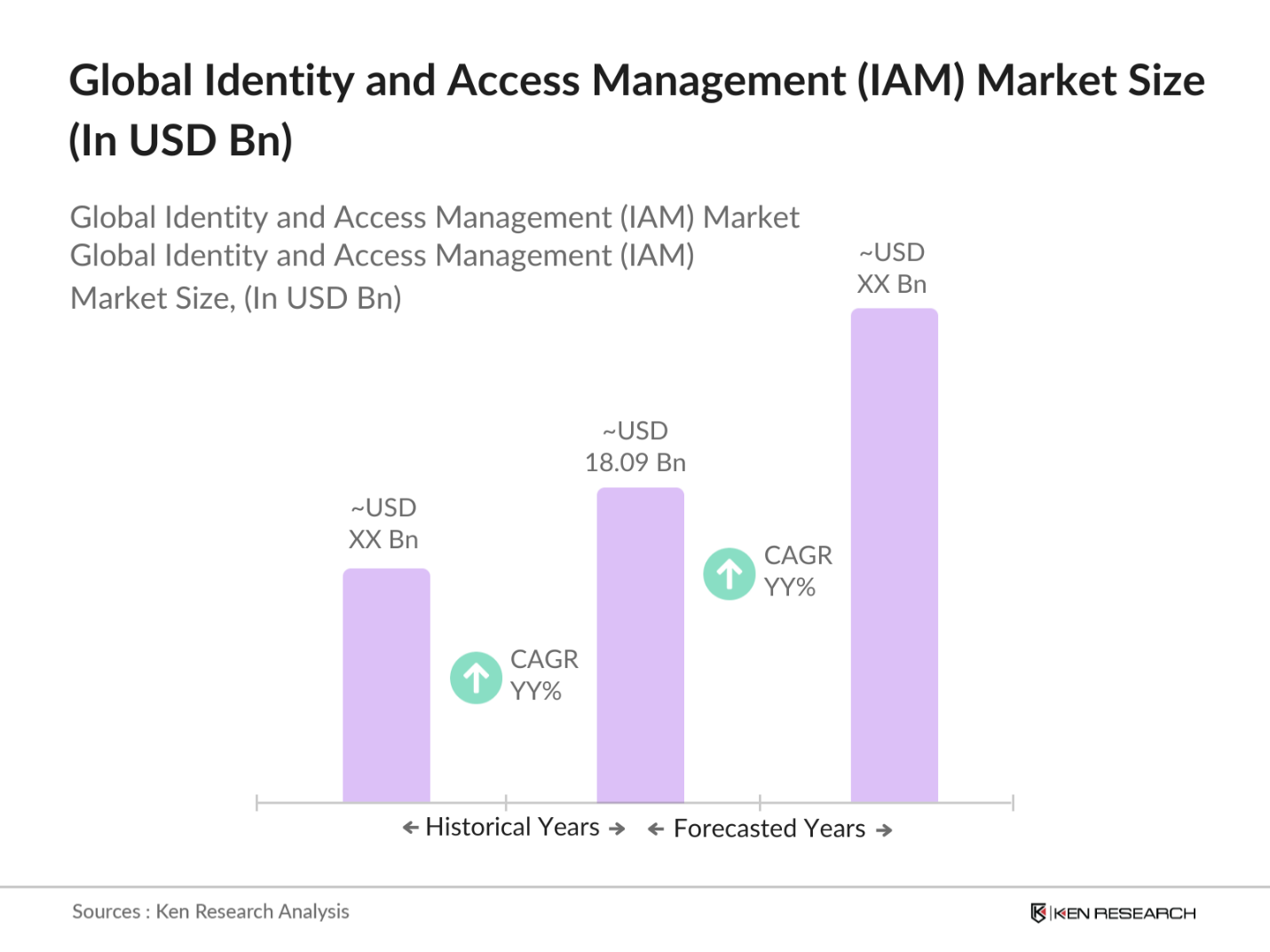
The Global Identity and Access Management market was valued at USD 18.09 billion, driven by the growing demand for secure digital identity management solutions and compliance with regulatory standards.
Challenges in the IAM market include high implementation costs, integration with legacy systems, and the lack of skilled professionals capable of managing advanced IAM technologies.
Key players in the IAM market include Microsoft, IBM, Oracle, Ping Identity, and SailPoint Technologies. These companies dominate the market due to their robust IAM platforms, global presence, and continuous investment in R&D.
The IAM market is driven by increasing cybersecurity threats, the rise of cloud adoption, and stringent government regulations such as GDPR and CCPA, which mandate secure identity management practices.

What makes us stand out is that our consultants follows Robust, Refine and Result (RRR) methodology. i.e. Robust for clear definitions, approaches and sanity checking, Refine for differentiating respondents facts and opinions and Result for presenting data with story

We have set a benchmark in the industry by offering our clients with syndicated and customized market research reports featuring coverage of entire market as well as meticulous research and analyst insights.

While we don't replace traditional research, we flip the method upside down. Our dual approach of Top Bottom & Bottom Top ensures quality deliverable by not just verifying company fundamentals but also looking at the sector and macroeconomic factors.

With one step in the future, our research team constantly tries to show you the bigger picture. We help with some of the tough questions you may encounter along the way: How is the industry positioned? Best marketing channel? KPI's of competitors? By aligning every element, we help maximize success.

Our report gives you instant access to the answers and sources that other companies might choose to hide. We elaborate each steps of research methodology we have used and showcase you the sample size to earn your trust.

If you need any support, we are here! We pride ourselves on universe strength, data quality, and quick, friendly, and professional service.