















Global Inflatable Boat Market Outlook to 2030
Region:Global
Author(s):Naman Rohilla
Product Code:KROD8481
December 2024
89
About the Report
Global Inflatable Boat Market Overview
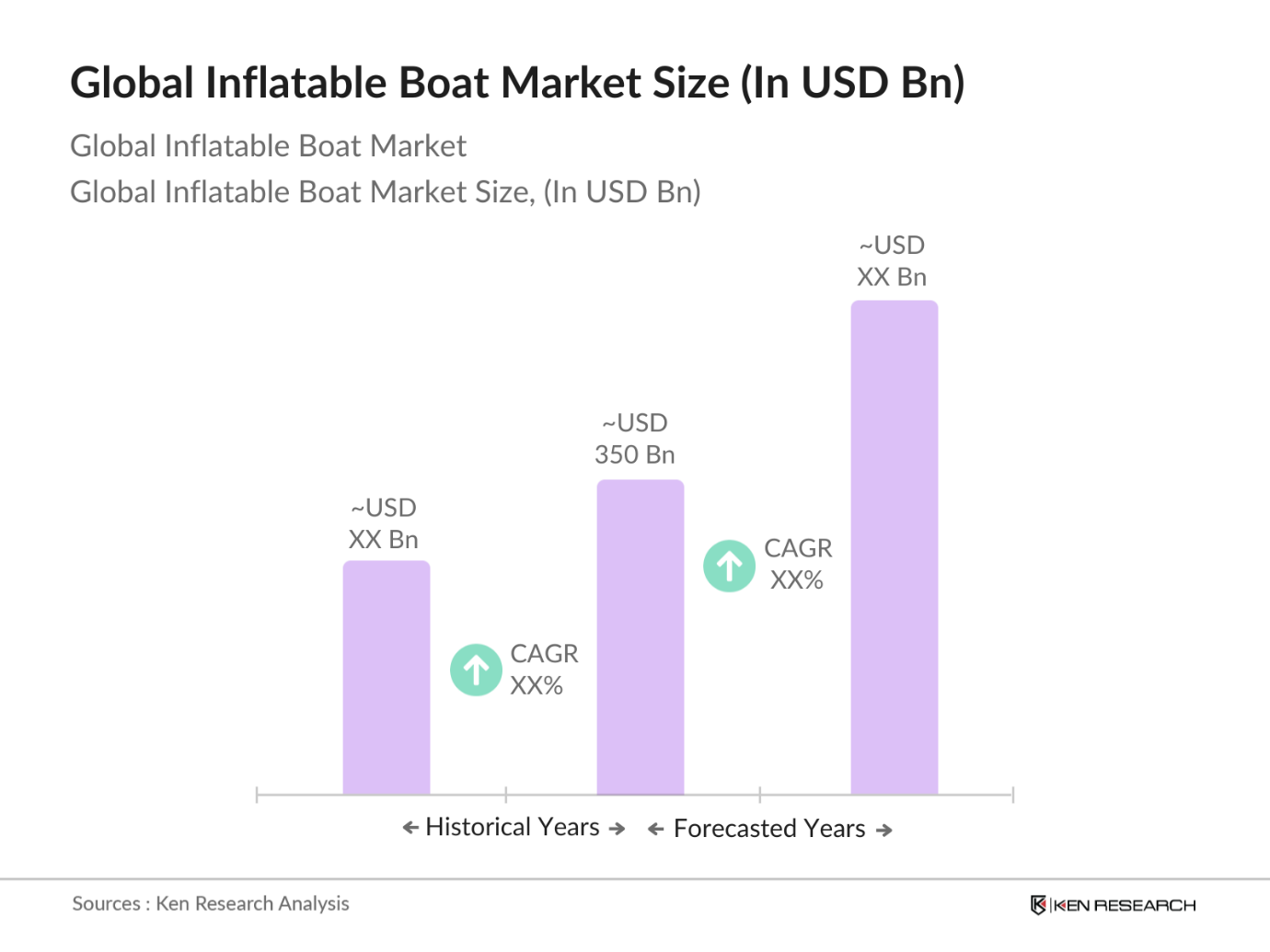
- The Global Inflatable Boat Market reached an estimated market valuation of USD 1.8 billion. This growth is primarily driven by increased recreational spending, demand for portable and lightweight marine vessels, and widespread applications in leisure, military, and rescue sectors. Technological advancements, such as eco-friendly materials and lightweight designs, have also strengthened this markets position. Economic growth in key regions, coupled with rising disposable incomes, has further contributed to this market expansion.
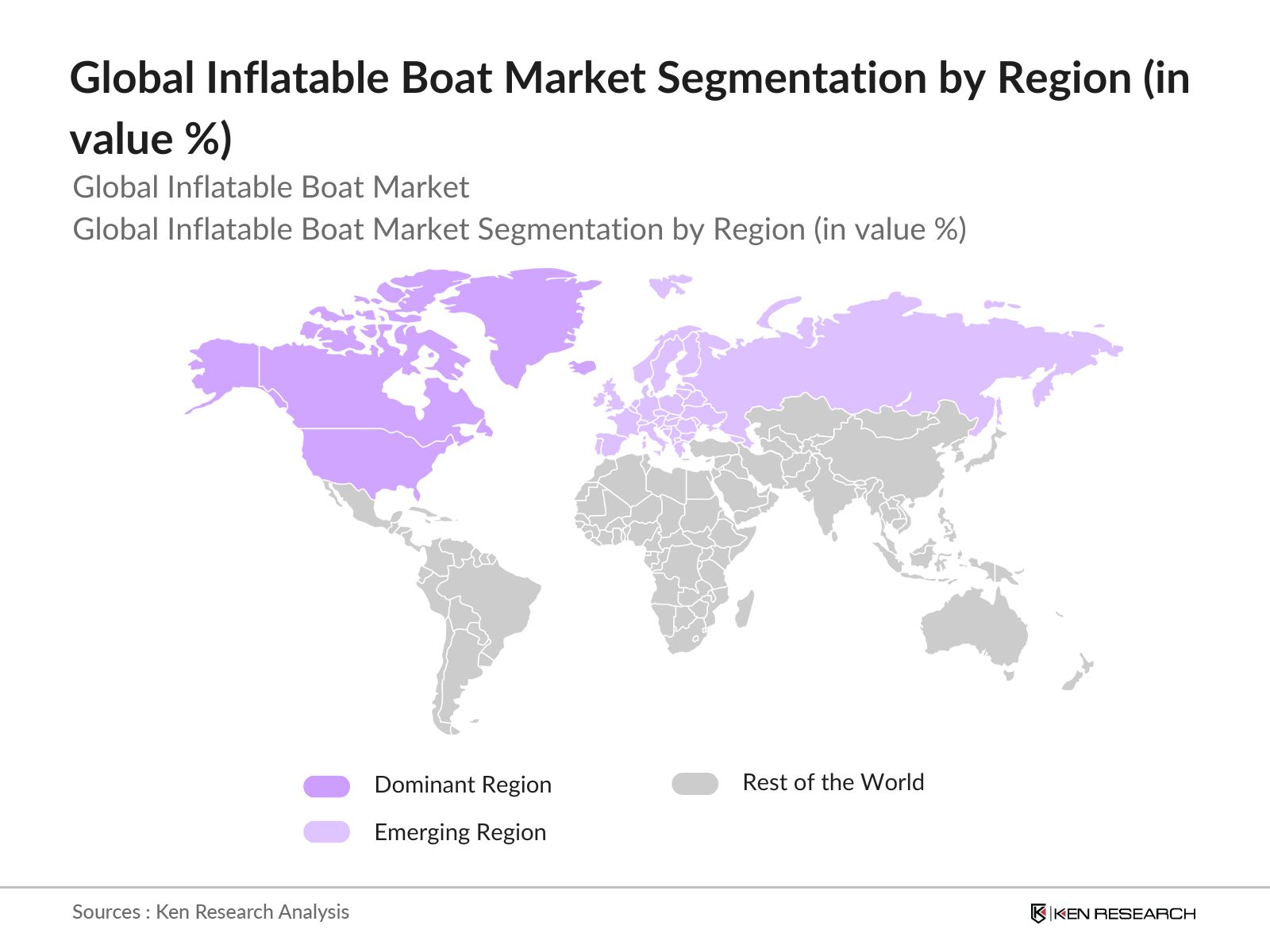
- Key markets like North America, Europe, and Asia-Pacific dominate the global inflatable boat sector due to their established maritime infrastructure, high adoption rates in recreational boating, and significant government investments in marine safety. The United States leads in leisure applications, while countries like China and Japan hold a robust position due to their coastline economies and large consumer bases. Additionally, Europes boating culture has significantly influenced this market, with strong demand in Germany and France.
- Maritime safety standards for inflatable boats are increasingly stringent, driven by efforts to enhance safety across recreational and commercial applications. In 2024, the International Maritime Safety Committee implemented updated guidelines for small watercraft construction and operation, impacting manufacturers globally. These regulations ensure that boats meet specific safety benchmarks, covering flotation, visibility, and material durability standards. Compliance with such regulations is crucial for manufacturers to remain competitive in regulated markets.
Global Inflatable Boat Market Segmentation
- By Boat Type: The global inflatable boat market is segmented by boat type into Rigid Inflatable Boats (RIB) and Soft Inflatable Boats (SIB). The RIB segment holds the largest share due to its durability and versatile use in both commercial and recreational settings. Its high-performance characteristics make it suitable for rough water, which appeals to the military and rescue sectors. Meanwhile, SIB boats are more cost-effective and highly portable, catering primarily to the leisure market, especially in Asia-Pacific and Europe.

- By End-User: The market segmentation by end-user includes Leisure, Defense, and Commercial. Leisure applications dominate the market, driven by rising consumer spending on recreational water sports. Defense applications, though smaller in share, hold steady demand due to the adoption of inflatable boats for quick deployments and coastal patrolling, notably in the United States, Japan, and NATO-affiliated countries.
- By Region: The Global Inflatable Boat Markets regional segmentation is categorized into North America, Europe, Asia-Pacific, and Middle East & Africa. North America dominates due to high leisure spending and established players, while Asia-Pacific shows substantial growth due to increasing tourism in countries like China and India.
Global Inflatable Boat Market Competitive Landscape
The Global Inflatable Boat Market features key players with strong regional and international presences. These companies hold a competitive advantage through their focus on technological innovations, product quality, and strategic collaborations.

Global Inflatable Boat Market Analysis
Market Growth Drivers
- Rising Demand in Leisure Boating: The global rise in recreational activities has driven demand in leisure boating, with inflatable boats being preferred for their lightweight design and portability. In 2024, the United Nations World Tourism Organization reported a continued post-pandemic increase in international tourist arrivals, reaching over 960 million trips globally, marking a significant uptick from 2023. This rise correlates with increased participation in water-based leisure activities, including inflatable boating, especially within the U.S. and Europe. The NOAA (National Oceanic and Atmospheric Administration) reports that over 11 million vessels were registered in the U.S. in 2023, illustrating the growing popularity of watercraft for personal leisure activities.
- Increasing Use in Rescue Operations: The need for effective and rapid waterborne rescue solutions has positioned inflatable boats as essential equipment for emergency response agencies. In the U.S., the Department of Homeland Security allocated over USD 20 billion to disaster relief and preparedness in 2024, highlighting investments in search and rescue operations. These boats mobility, quick deployment, and durability have made them critical tools, particularly in flood-prone regions. With increasing natural disasters globally, demand for reliable rescue equipment like inflatable boats has surged, evident from the rise in procurement by emergency services worldwide.
- Expansion in Emerging Markets: Emerging markets across Asia-Pacific and Latin America have shown substantial growth in marine leisure and commercial sectors, spurring demand for inflatable boats. As of 2024, the World Bank noted significant economic growth rates in countries like Indonesia (5.1%) and Vietnam (6.3%), both of which have increased investments in tourism infrastructure and coastal recreation. This development provides a promising landscape for the inflatable boat industry, especially for manufacturers targeting markets with rising disposable incomes and increased recreational boating activities.
Market Challenges
- High Production Costs: Production of inflatable boats involves significant expenses due to high-grade materials and stringent manufacturing processes. The U.S. Department of Labor reports a 3.6% increase in raw material costs across the manufacturing sector, primarily driven by rising prices in synthetic polymers and marine-grade materials. This cost inflation, coupled with labor expenses, places pressure on manufacturers, limiting profitability and potentially impacting consumer prices for inflatable boats.
- Regulatory Compliance and Safety Standards: Inflatable boats must comply with maritime safety standards, which vary widely across regions, increasing the complexity of meeting these requirements. The European Maritime Safety Agency (EMSA) reported that 23 new regulations affecting small marine crafts were enforced in 2024, underscoring the rising regulatory burden on manufacturers. Compliance with these standards requires investment in materials and rigorous testing, impacting production timelines and costs.
Global Inflatable Boat Market Future Outlook
The Global Inflatable Boat Market is anticipated to experience notable growth, propelled by advancements in eco-friendly materials, expansion in emerging markets, and rising popularity of electric-powered models. Continuous government support and environmental regulations are likely to encourage sustainability in manufacturing processes, which will appeal to environmentally conscious consumers. In addition, increased applications in disaster response and rescue operations are projected to open further growth avenues, especially in regions prone to natural disasters and floods.
Market Opportunities
- Growth in Eco-Friendly Boat Production: There is a marked shift toward eco-friendly materials in boat manufacturing to address environmental concerns. According to the United Nations Environment Programme, over 12 countries have introduced incentives for eco-friendly product innovation in 2024, facilitating sustainable production methods. This shift creates an opportunity for inflatable boat manufacturers to develop and market boats made with recyclable and sustainable materials, potentially gaining favor in regions with stringent environmental standards.
- Adoption in Military and Defense Sectors: The inflatable boat industry has seen growing adoption in military applications, particularly due to the boats durability, stealth, and versatility in tactical operations. The U.S. Department of Defense allocated an estimated USD 2.3 billion to tactical watercraft in 2024, signifying a heightened focus on versatile, quick-deploy assets like inflatable boats. This demand is echoed by defense sectors globally, making the military a key growth area for inflatable boat manufacturers.
Scope of the Report
Boat Type | Rigid Inflatable Boats (RIB) Soft Inflatable Boats (SIB) |
End-User | Leisure Defense Commercial |
Floor Type | Aluminum Fiberglass Air Mattress |
Application | Rescue Operations Recreational Water Sports Transport and Logistics |
Region | North America Europe Asia-Pacific Middle East & Africa |
Products
Key Target Audience
Inflatable Boat Manufacturers
Marine Equipment Distributors
Leisure Industry Corporations
Defense Procurement Agencies
Banks and financial Institutions
Environmental and Regulatory Bodies (e.g., Environmental Protection Agency)
Investor and Venture Capitalist Firms
Government and Regulatory Bodies (Maritime Administration, Coast Guards)
Tourism and Recreational Authorities
Companies
Players mentioned in the Report
Zodiac Nautic
AB Inflatables
Ribcraft USA
Walkers Bay
Brig Rigid Intelligent Boats
Mercury Marine
Survitec Group Limited
Highfield Boats
Bombard
Marlin Boats
Table of Contents
1. Global Inflatable Boat Market Overview
1.1 Definition and Scope
1.2 Market Taxonomy
1.3 Market Growth Rate (CAGR)
1.4 Market Segmentation Overview
2. Global Inflatable Boat Market Size (Value in USD Billion)
2.1 Historical Market Size
2.2 Year-on-Year Growth Analysis
2.3 Key Market Developments
3. Global Inflatable Boat Market Analysis
3.1 Growth Drivers
3.1.1 Rising Demand in Leisure Boating
3.1.2 Increasing Use in Rescue Operations
3.1.3 Technological Advancements in Material and Design
3.1.4 Expansion in Emerging Markets
3.2 Market Challenges
3.2.1 High Production Costs
3.2.2 Regulatory Compliance and Safety Standards
3.2.3 Environmental Concerns Regarding Materials
3.3 Opportunities
3.3.1 Growth in Eco-Friendly Boat Production
3.3.2 Adoption in Military and Defense Sectors
3.3.3 Electric and Solar-Powered Inflatable Boats
3.4 Trends
3.4.1 Demand for Customizable Inflatable Boats
3.4.2 Integration with Autonomous and IoT Technologies
3.5 Regulatory Environment
3.5.1 Maritime Safety Regulations
3.5.2 Environmental Certifications
3.6 SWOT Analysis
3.7 Stakeholder Ecosystem
3.8 Porters Five Forces Analysis
4. Global Inflatable Boat Market Segmentation
4.1 By Boat Type
4.1.1 Rigid Inflatable Boats (RIB)
4.1.2 Soft Inflatable Boats (SIB)
4.2 By End-User
4.2.1 Leisure
4.2.2 Defense
4.2.3 Commercial
4.3 By Floor Type
4.3.1 Aluminum Floor
4.3.2 Fiberglass Floor
4.3.3 Air Mattress
4.4 By Application
4.4.1 Rescue Operations
4.4.2 Recreational Water Sports
4.4.3 Transport and Logistics
4.5 By Region
4.5.1 North America
4.5.2 Europe
4.5.3 Asia-Pacific
4.5.4 Middle East & Africa
5. Global Inflatable Boat Market Competitive Analysis
5.1 Competitor Profiles
5.1.1 Zodiac Nautic
5.1.2 AB Inflatables
5.1.3 Brig Rigid Intelligent
5.1.4 Ribcraft USA
5.1.5 Walkers Bay
5.1.6 Damen Shipyard Group
5.1.7 Mercury Marine
5.1.8 Highfield Boats
5.1.9 Survitec Group Limited
5.1.10 Achilles Inflatable Boats
5.1.11 Bombard
5.1.12 Marlin Boats
5.1.13 Seago Yachting Ltd.
5.1.14 Gemini Marine
5.1.15 Williams Jet Tenders
5.2 Cross Comparison Parameters (Market Share, R&D Investments, Regional Presence, Partnerships, Boat Type Portfolio, Manufacturing Capacity, Revenue Growth, Brand Reputation)
5.3 Market Share Analysis
5.4 Strategic Initiatives
5.5 Mergers & Acquisitions
5.6 Investment Analysis
6. Global Inflatable Boat Market Regulatory Framework
6.1 Maritime and Environmental Standards
6.2 Certification Requirements
6.3 Compliance Regulations
7. Global Inflatable Boat Future Market Size (Projected Value in USD Billion)
7.1 Market Growth Forecast
7.2 Key Drivers for Future Growth
8. Global Inflatable Boat Market Analysts Recommendations
8.1 Total Addressable Market (TAM), Serviceable Available Market (SAM), Serviceable Obtainable Market (SOM) Analysis
8.2 Strategic Marketing Insights
8.3 Regional Penetration Opportunities
8.4 Emerging Market Segments
Research Methodology
Step 1: Identification of Key Variables
The research begins by mapping key variables, including global market size, growth drivers, and emerging trends. Through extensive secondary research and insights from industry experts, these critical factors are identified to accurately define market dynamics.
Step 2: Market Analysis and Construction
Data collection includes a thorough analysis of historical market performance, segmentation metrics, and market penetration rates. The compiled information undergoes a detailed statistical analysis to validate market trends and structure.
Step 3: Hypothesis Validation and Expert Consultation
Hypotheses are tested through consultations with industry experts and key stakeholders. This ensures an accurate understanding of market challenges, opportunities, and operational trends specific to the inflatable boat industry.
Step 4: Research Synthesis and Final Output
The final phase involves synthesizing data from various sources, including industry surveys and expert interviews. This step ensures a validated, comprehensive report on the Global Inflatable Boat Market, covering all relevant market metrics and segments.
Frequently Asked Questions
01. How big is the Global Inflatable Boat Market?
The global inflatable boat market was valued at USD 1.8 billion, driven by rising demand across recreational and defense applications.
02. What challenges are present in the Global Inflatable Boat Market?
Challenges include high production costs, regulatory compliance in manufacturing materials, and environmental concerns associated with traditional boat materials.
03. Who are the major players in the Global Inflatable Boat Market?
Key players include Zodiac Nautic, Ribcraft USA, Walkers Bay, and AB Inflatables, each holding a strong position due to their technological advancements and product variety.
04. What drives the demand in the Global Inflatable Boat Market?
Demand is propelled by growth in recreational water sports, increased investment in disaster management, and defense applications for rapid deployment.
Why Buy From Us?

What makes us stand out is that our consultants follows Robust, Refine and Result (RRR) methodology. i.e. Robust for clear definitions, approaches and sanity checking, Refine for differentiating respondents facts and opinions and Result for presenting data with story

We have set a benchmark in the industry by offering our clients with syndicated and customized market research reports featuring coverage of entire market as well as meticulous research and analyst insights.

While we don't replace traditional research, we flip the method upside down. Our dual approach of Top Bottom & Bottom Top ensures quality deliverable by not just verifying company fundamentals but also looking at the sector and macroeconomic factors.

With one step in the future, our research team constantly tries to show you the bigger picture. We help with some of the tough questions you may encounter along the way: How is the industry positioned? Best marketing channel? KPI's of competitors? By aligning every element, we help maximize success.

Our report gives you instant access to the answers and sources that other companies might choose to hide. We elaborate each steps of research methodology we have used and showcase you the sample size to earn your trust.

If you need any support, we are here! We pride ourselves on universe strength, data quality, and quick, friendly, and professional service.