















Global IV Therapy Market Outlook to 2030
Region:Global
Author(s):Sanjna
Product Code:KROD7131
December 2024
87
About the Report
Global IV Therapy Market Overview
The Global IV Therapy market is valued at USD 12 billion, based on a detailed five-year historical analysis. This growth is primarily driven by the increasing prevalence of chronic diseases such as cancer, diabetes, and kidney disorders. These diseases require continuous intravenous (IV) therapies for hydration, medication, and nutrition. The growing geriatric population and a rising demand for home healthcare services are also significantly propelling the market.
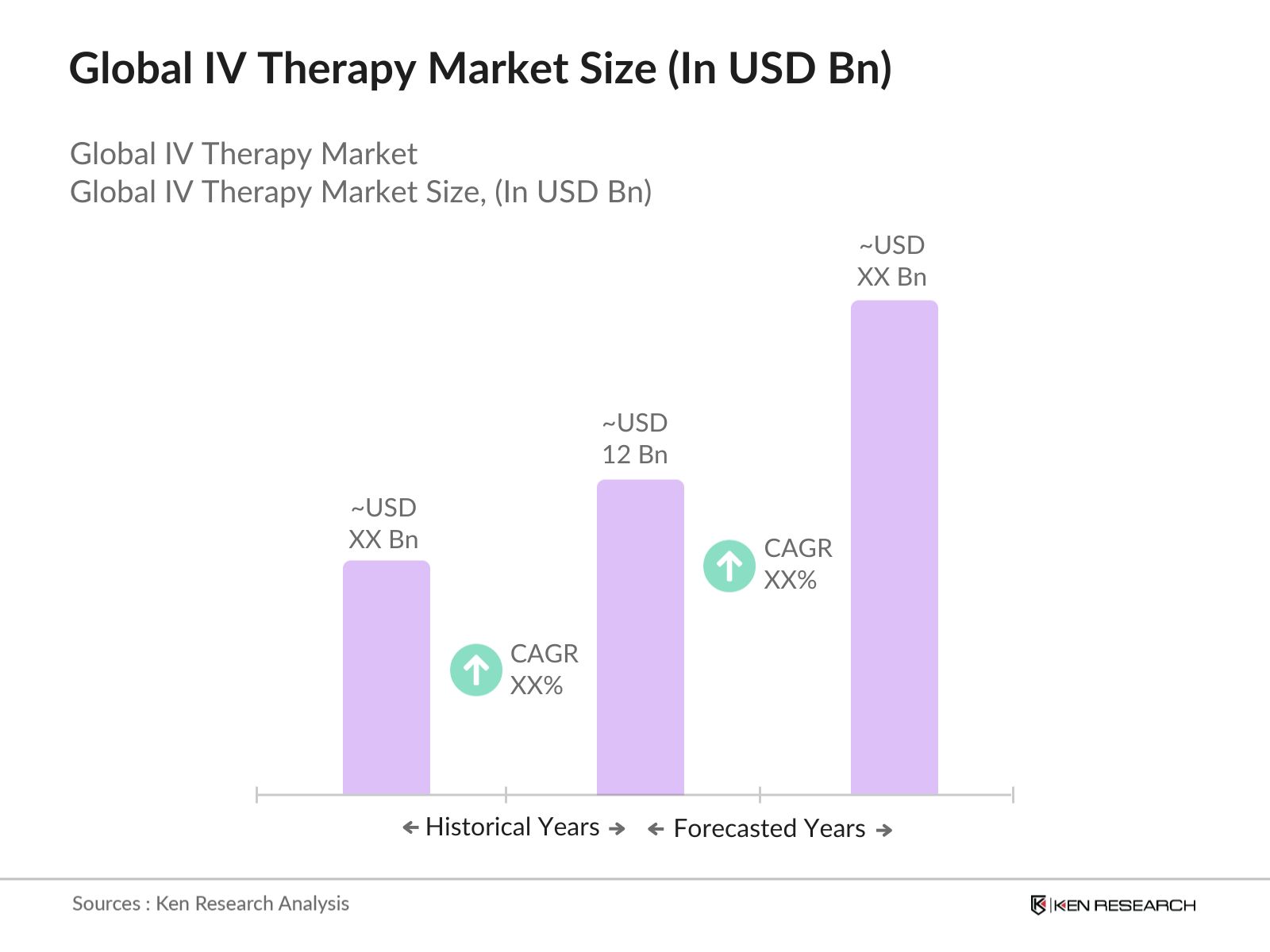
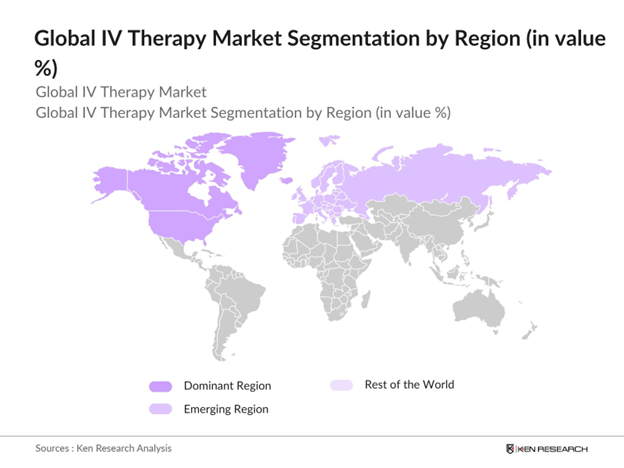
- North America, particularly the United States, dominates the global IV Therapy market due to its advanced healthcare infrastructure and significant investments in medical technologies. Europe follows closely, led by countries like Germany and France, where the presence of well-established hospital networks and government-backed healthcare systems promotes the adoption of IV therapies. Meanwhile, the Asia Pacific region is rapidly catching up, with India and China experiencing rising healthcare demands due to an aging population and improved access to healthcare services.
- The U.S. Food and Drug Administration (FDA) regulates the safety and efficacy of IV devices through stringent guidelines. IV pumps, catheters, and related equipment must meet the FDAs quality and safety standards before entering the market. In 2022, the FDA introduced new regulations aimed at improving the safety of IV pumps and minimizing device-related malfunctions, which accounted for over 56,000 adverse events reported in hospitals from 2020 to 2022. Compliance with these regulatory standards is critical for manufacturers to avoid product recalls and ensure patient safety, making FDA regulations a cornerstone of the IV therapy industry in the U.S.
Global IV Therapy Market Segmentation
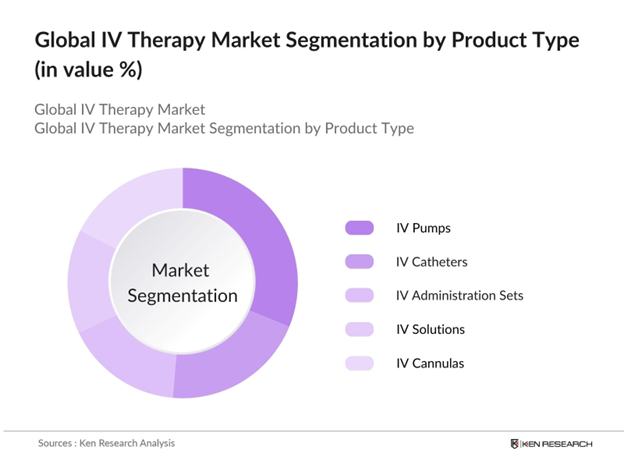
By Product Type: The Global IV Therapy market is segmented by product type into IV Catheters, IV Pumps, IV Administration Sets, IV Solutions, and IV Cannulas. Recently, IV Pumps hold a dominant market share under this segmentation due to their increased usage in administering precise medication dosages, reducing human error, and promoting patient safety. The widespread adoption of smart infusion pumps in hospitals and home healthcare settings has further bolstered this segment's growth, supported by manufacturers' continuous innovations in pump technologies.
By Region: The Global IV Therapy market is regionally segmented into North America, Europe, Asia Pacific, Latin America, and the Middle East & Africa. North America has a dominant market share, driven by robust healthcare systems and a high demand for advanced medical treatments. The United States leads in the development and adoption of new IV therapy technologies, while Canada also contributes significantly due to its efficient healthcare policies. Meanwhile, the Asia Pacific region is witnessing rapid growth, driven by a surge in healthcare expenditure and improved accessibility to healthcare services across emerging economies.
By Application: Global IV Therapy market is divided into Hydration Therapy, Chemotherapy, Parenteral Nutrition, Antibiotic Therapy, and Blood Transfusion. Chemotherapy has emerged as the dominant segment in this market due to the rising global incidence of cancer. The continuous need for IV chemotherapy treatments, along with the demand for personalized cancer therapies, has driven the widespread use of IV drugs in oncology departments worldwide. Furthermore, advancements in cancer treatment protocols have placed IV chemotherapy at the forefront of cancer care.
Global IV Therapy Market Competitive Landscape
The global IV Therapy market is dominated by key players who account for a significant portion of the market. The market shows signs of consolidation with mergers, acquisitions, and strategic collaborations. Companies such as Becton, Dickinson and Company (BD) and Baxter International Inc. lead the market due to their extensive product portfolios and strong R&D capabilities. The presence of global companies alongside regional players creates a competitive landscape characterized by innovation, strategic expansions, and product differentiation.
|
Company |
Establishment Year |
Headquarters |
No. of Employees |
Revenue (USD Bn) |
R&D Spending (USD Bn) |
Product Portfolio |
Geographic Presence |
|
Becton, Dickinson & Co. |
1897 |
New Jersey, USA |
- |
- |
- |
- |
- |
|
Baxter International Inc. |
1931 |
Illinois, USA |
- |
- |
- |
- |
- |
|
B. Braun Melsungen AG |
1839 |
Melsungen, Germany |
- |
- |
- |
- |
- |
|
Fresenius Kabi AG |
1912 |
Bad Homburg, Germany |
- |
- |
- |
- |
- |
|
ICU Medical Inc. |
1984 |
California, USA |
- |
- |
- |
- |
- |
Global IV Therapy Market Analysis
Growth Drivers
- Increased Prevalence of Chronic Diseases: The global rise in chronic diseases like cancer and diabetes has significantly fueled the demand for IV therapy. According to the World Health Organization (WHO), cancer incidence reached 19.3 million new cases in 2020, with a growing trend expected due to an aging population and lifestyle factors. Moreover, the International Diabetes Federation (IDF) reported that over 537 million people worldwide lived with diabetes in 2021, a figure projected to climb steadily.
- Growing Geriatric Population: The geriatric population, particularly those aged over 65, is rapidly expanding, contributing to the surge in demand for IV therapy. In 2022, global elderly populations were recorded at 771 million, with the number expected to rise by 10 million annually according to the United Nations (UN). Older adults often require IV therapy for conditions like dehydration, nutritional deficiencies, and medication administration. The United States Census Bureau highlights that by 2025, 22% of the U.S. population will be aged 65 or older, further driving the demand for IV treatments tailored to their healthcare needs.
- Rising Preference for Home Healthcare: Home healthcare is gaining traction, with many patients opting for at-home IV services. Data from the Centers for Medicare & Medicaid Services (CMS) indicate that spending on home healthcare in the U.S. surpassed $130 billion in 2022. As the preference for non-hospitalized care increases, patients dealing with chronic conditions, including cancer, are increasingly relying on IV therapy at home. The demand for skilled nursing services, specifically for IV treatments in home settings, is expected to further escalate, particularly in countries with aging populations and stretched healthcare infrastructure.
Challenges
- High Risk of IV Therapy-Related Infections: According to the Centers for Disease Control and Prevention (CDC), catheter-related bloodstream infections affect approximately 250,000 patients annually in the U.S., leading to increased morbidity, hospital stays, and medical costs. The European Centre for Disease Prevention and Control (ECDC) similarly reports that hospital-acquired infections, particularly from IV catheters, account for nearly 9% of all hospital infections across Europe, creating concerns regarding the safety and administration of IV therapy.
- Stringent Regulatory Approvals: In the U.S., the Food and Drug Administration (FDA) requires extensive clinical trials and data submissions before granting approval for IV products, a process that can take several years and cost millions. According to the European Medicines Agency (EMA), the regulatory landscape in Europe is similarly complex, leading to delays in product launches. As a result, smaller manufacturers may struggle to bring new innovations to market, slowing down the adoption of advanced IV technologies.
Global IV Therapy Market Future Outlook
Global IV Therapy market is expected to exhibit significant growth, driven by continuous advancements in IV technology, increasing healthcare expenditure in developing regions, and the rising incidence of chronic diseases that require IV treatment. As patient safety and convenience become increasingly prioritized, the demand for home-based IV therapy solutions will continue to expand. Furthermore, the integration of IV devices with telemedicine platforms is anticipated to revolutionize how IV treatments are monitored and administered remotely.
Market Opportunities
- Technological Advancements in IV Therapy (Introduction of Smart IV Pumps): Technological innovations, particularly the introduction of smart IV pumps, are transforming the IV therapy landscape. These devices, equipped with advanced software to regulate fluid administration, have seen widespread adoption in hospitals and home care settings. These systems improve safety by minimizing human errors in drug delivery and optimizing medication dosages, offering significant benefits for both healthcare providers and patients.
- Increasing Adoption of Parenteral Nutrition: Parenteral nutrition, which involves delivering nutrients directly into the bloodstream via IV therapy, is gaining popularity, especially for patients who cannot consume food orally. The global parenteral nutrition market experienced a growth rate of approximately 6.2% year-on-year in 2023. This specialized form of IV therapy is crucial for critically ill patients or those with digestive system disorders, fueling the demand for nutrient-rich intravenous solutions and enhancing the growth of the IV therapy market.
Scope of the Report
|
Product Type |
IV Catheters IV Pumps IV Administration Sets IV Solutions IV Cannulas |
|
Application |
Hydration Therapy Chemotherapy Parenteral Nutrition Antibiotic Therapy Blood Transfusion |
|
End User |
Hospitals Home Healthcare Ambulatory Surgical Centers Wellness Clinics |
|
Route of Administration |
Peripheral IV Central Line IV |
|
Region |
North America Europe Asia Pacific Latin America Middle East & Africa |
Products
Key Target Audience
Healthcare Providers (Hospitals, Ambulatory Surgery Centers, and Home Healthcare Services)
IV Therapy Device Manufacturers
Pharmaceutical Companies
Government and Regulatory Bodies (FDA, EMA, TGA)
Investors and Venture Capitalist Firms
Distributors and Suppliers of IV Therapy Products
Medical Device R&D Firms
Telemedicine Service Providers
Companies
Players Mentioned in the Report
Becton, Dickinson & Co.
Baxter International Inc.
B. Braun Melsungen AG
Fresenius Kabi AG
ICU Medical Inc.
Terumo Corporation
Nipro Corporation
Vygon Group
Smiths Medical
AngioDynamics, Inc.
Table of Contents
1. Global IV Therapy Market Overview
1.1. Definition and Scope
1.2. Market Taxonomy (Product Types, Applications, End-Users)
1.3. Market Growth Rate (Current Market Value, Year-On-Year Growth)
1.4. Market Segmentation Overview (Products, Application, Regions)
2. Global IV Therapy Market Size (In USD Bn)
2.1. Historical Market Size
2.2. Year-On-Year Growth Analysis (Key Drivers for Yearly Growth)
2.3. Key Market Developments and Milestones
3. Global IV Therapy Market Analysis
3.1. Growth Drivers
3.1.1. Increased Prevalence of Chronic Diseases (Rising Incidence of Cancer, Diabetes, etc.)
3.1.2. Growing Geriatric Population (Demand for IV Treatment in Elderly)
3.1.3. Rising Preference for Home Healthcare (Demand for At-Home IV Services)
3.1.4. Expansion of Hospital Infrastructure (Impact of Hospital Expansion on IV Therapy Demand)
3.2. Market Challenges
3.2.1. High Risk of IV Therapy-Related Infections (Concerns Regarding Patient Safety)
3.2.2. Stringent Regulatory Approvals (Challenges in Product Launches)
3.2.3. Shortage of Skilled Healthcare Professionals (Impact on Proper IV Therapy Administration)
3.2.4. Rising Healthcare Costs (Cost Constraints for Hospitals and Home Care)
3.3. Opportunities
3.3.1. Technological Advancements in IV Therapy (Introduction of Smart IV Pumps)
3.3.2. Growth in Developing Regions (Increasing Healthcare Access in Asia and Africa)
3.3.3. Increasing Adoption of Parenteral Nutrition (Demand for Specialized IV Therapy in Nutrition)
3.3.4. Expansion of Home Infusion Therapy Market (Increasing Popularity of Home-Based IV Solutions)
3.4. Trends
3.4.1. Rise in Usage of Smart Infusion Pumps (Impact of Automation on IV Therapy)
3.4.2. Shift Towards Disposable IV Products (Hygiene Concerns Driving Disposable Usage)
3.4.3. Use of IV Therapy in Wellness Clinics (Growth of IV Therapy for Wellness and Detox)
3.4.4. Integration with Telemedicine (Remote Monitoring of IV Therapy)
3.5. Government Regulation
3.5.1. FDA Guidelines for IV Devices and Equipment (Impact of Regulatory Requirements)
3.5.2. Healthcare Reforms Promoting Home Infusion (Government Initiatives in Homecare)
3.5.3. Safety Standards for IV Administration (Compliance Requirements in Hospitals)
3.5.4. National Health Insurance Policies Impacting IV Therapy (Coverage of IV Treatments in Key Markets)
3.6. SWOT Analysis
3.7. Value Chain Analysis
3.8. Porters Five Forces Analysis
3.9. Market Stakeholder Ecosystem
4. Global IV Therapy Market Segmentation
4.1. By Product Type (In Value %)
4.1.1. IV Catheters
4.1.2. IV Pumps
4.1.3. IV Administration Sets
4.1.4. IV Solutions
4.1.5. IV Cannulas
4.2. By Application (In Value %)
4.2.1. Hydration Therapy
4.2.2. Chemotherapy
4.2.3. Parenteral Nutrition
4.2.4. Antibiotic Therapy
4.2.5. Blood Transfusion
4.3. By End User (In Value %)
4.3.1. Hospitals
4.3.2. Home Healthcare
4.3.3. Ambulatory Surgical Centers
4.3.4. Wellness Clinics
4.4. By Route of Administration (In Value %)
4.4.1. Peripheral IV
4.4.2. Central Line IV
4.5. By Region (In Value %)
4.5.1. North America
4.5.2. Europe
4.5.3. Asia Pacific
4.5.4. Latin America
4.5.5. Middle East & Africa
5. Global IV Therapy Market Competitive Analysis
5.1. Detailed Profiles of Major Companies
5.1.1. Becton, Dickinson and Company
5.1.2. Baxter International Inc.
5.1.3. B. Braun Melsungen AG
5.1.4. Fresenius Kabi AG
5.1.5. ICU Medical Inc.
5.1.6. Terumo Corporation
5.1.7. Smiths Medical
5.1.8. Nipro Corporation
5.1.9. Vygon Group
5.1.10. AngioDynamics, Inc.
5.2. Cross Comparison Parameters (Revenue, Employee Strength, Product Portfolio, R&D Spending, Regional Presence, Strategic Collaborations, Regulatory Approvals, Market Share)
5.3. Market Share Analysis
5.4. Strategic Initiatives
5.5. Mergers and Acquisitions
5.6. Investment Analysis
5.7. Government Grants and Subsidies
5.8. Private Equity Investments
5.9. Venture Capital Funding
6. Global IV Therapy Market Regulatory Framework
6.1. Regulatory Guidelines (FDA, EMA, PMDA, TGA Regulations)
6.2. Compliance Requirements (CE Marking, ISO Certifications)
6.3. Environmental and Waste Management Standards (IV Device Disposal Regulations)
6.4. Healthcare Reimbursement Policies
7. Global IV Therapy Future Market Size (In USD Bn)
7.1. Future Market Size Projections
7.2. Key Factors Driving Future Market Growth
8. Global IV Therapy Future Market Segmentation
8.1. By Product Type (In Value %)
8.2. By Application (In Value %)
8.3. By End User (In Value %)
8.4. By Route of Administration (In Value %)
8.5. By Region (In Value %)
9. Global IV Therapy Market Analysts Recommendations
9.1. TAM/SAM/SOM Analysis
9.2. Competitive Landscape Strategies
9.3. M&A Opportunity Analysis
9.4. Regional Expansion Strategies
Research Methodology
Step 1: Identification of Key Variables
The first step in the research process involved mapping out all key stakeholders within the IV Therapy market. This phase utilized desk research and secondary databases to collect critical data on market dynamics, stakeholder interactions, and product innovations. The primary goal was to identify variables influencing market trends, such as technological advancements, disease prevalence, and healthcare spending.
Step 2: Market Analysis and Construction
This stage entailed gathering and analyzing historical data for the Global IV Therapy market. Information on product penetration, IV therapy use cases, and treatment outcomes was compiled to construct a comprehensive understanding of market structure. Revenue estimates were cross-referenced with healthcare usage data to ensure accuracy.
Step 3: Hypothesis Validation and Expert Consultation
The hypotheses developed during the initial stages of the research were validated through consultations with IV therapy specialists and industry experts. These consultations provided insights into the latest technological developments and industry challenges. Feedback from industry professionals was integrated into refining our data.
Step 4: Research Synthesis and Final Output
The final stage of the research process involved synthesizing all collected data into a coherent report. Industry interviews, coupled with historical data analysis, were used to verify our estimates. This ensured the Global IV Therapy market report's accuracy and reliability, aligning with current market conditions and industry practices.
Frequently Asked Questions
01. How big is the Global IV Therapy Market?
The Global IV Therapy market is valued at USD 12 billion and continues to grow due to rising healthcare needs driven by chronic diseases and advancements in IV therapy technologies.
02. What are the challenges in the Global IV Therapy Market?
Challenges in Global IV Therapy market include the high risk of IV-related infections, stringent regulatory approvals, and a shortage of skilled professionals capable of administering IV therapies safely and effectively.
03. Who are the major players in the Global IV Therapy Market?
Key players in Global IV Therapy market include Becton, Dickinson & Co., Baxter International Inc., B. Braun Melsungen AG, Fresenius Kabi AG, and ICU Medical Inc., with their dominance attributed to their extensive product portfolios and R&D investments.
04. What are the growth drivers of the Global IV Therapy Market?
Global IV Therapy market is driven by factors such as the increasing prevalence of chronic diseases, the growing geriatric population, and rising demand for home healthcare services. Technological innovations like smart infusion pumps are also propelling growth.
Why Buy From Us?

What makes us stand out is that our consultants follows Robust, Refine and Result (RRR) methodology. i.e. Robust for clear definitions, approaches and sanity checking, Refine for differentiating respondents facts and opinions and Result for presenting data with story

We have set a benchmark in the industry by offering our clients with syndicated and customized market research reports featuring coverage of entire market as well as meticulous research and analyst insights.

While we don't replace traditional research, we flip the method upside down. Our dual approach of Top Bottom & Bottom Top ensures quality deliverable by not just verifying company fundamentals but also looking at the sector and macroeconomic factors.

With one step in the future, our research team constantly tries to show you the bigger picture. We help with some of the tough questions you may encounter along the way: How is the industry positioned? Best marketing channel? KPI's of competitors? By aligning every element, we help maximize success.

Our report gives you instant access to the answers and sources that other companies might choose to hide. We elaborate each steps of research methodology we have used and showcase you the sample size to earn your trust.

If you need any support, we are here! We pride ourselves on universe strength, data quality, and quick, friendly, and professional service.