















Global Microbial Fermentation Technology Market Outlook to 2030
Region:Global
Author(s):Mukul
Product Code:KROD11082
December 2024
81
About the Report
Global Microbial Fermentation Technology Market Overview
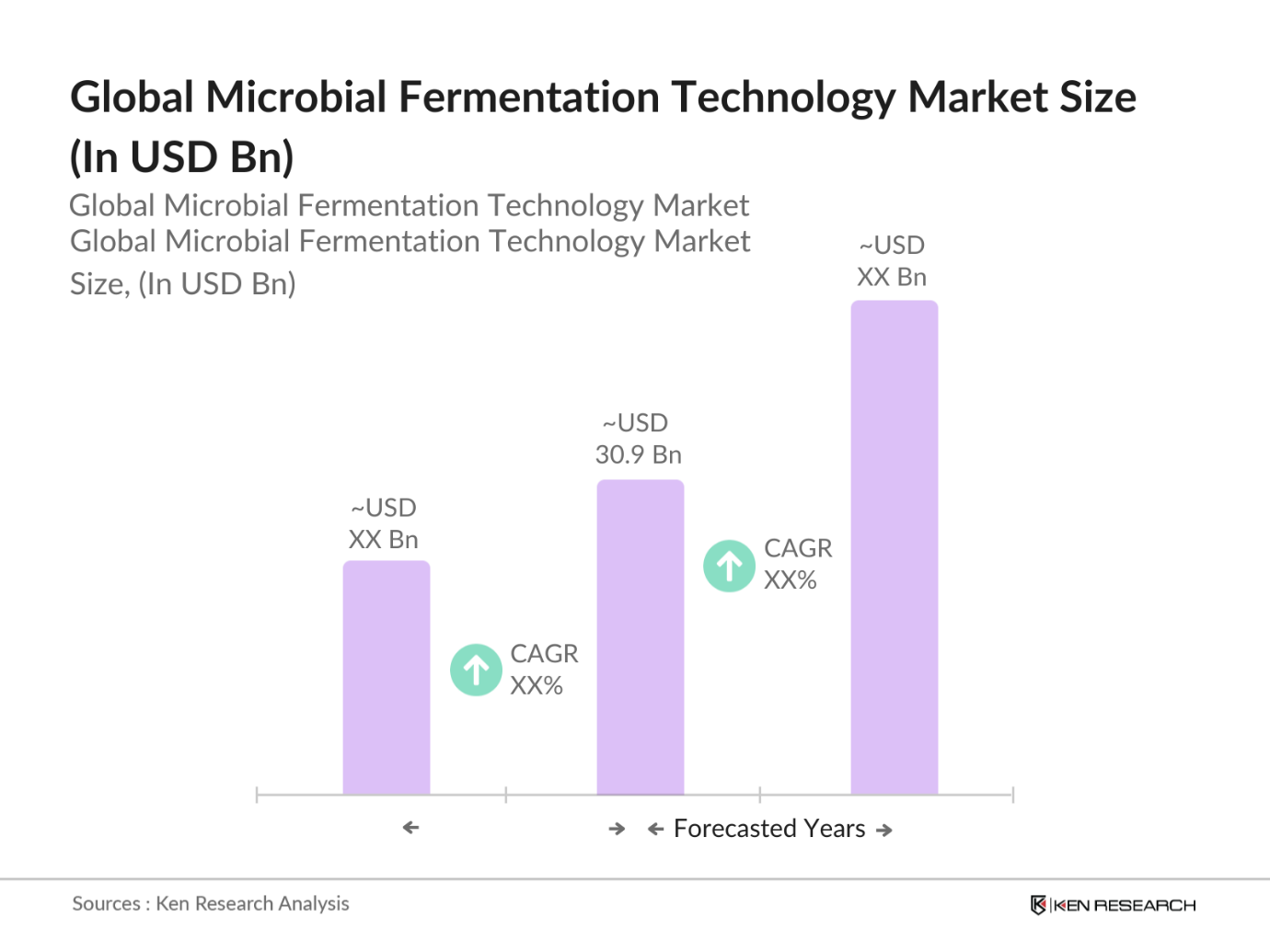
- The global microbial fermentation technology market is valued at USD 30.9 billion, with growth primarily driven by rising applications across pharmaceuticals, food & beverages, and biofuels. Key factors fueling this expansion include the increased demand for biopharmaceuticals and bio-based products, propelled by the shift towards sustainable production methods. The growth is further supported by advancements in fermentation techniques, enhancing production efficiency and scaling.
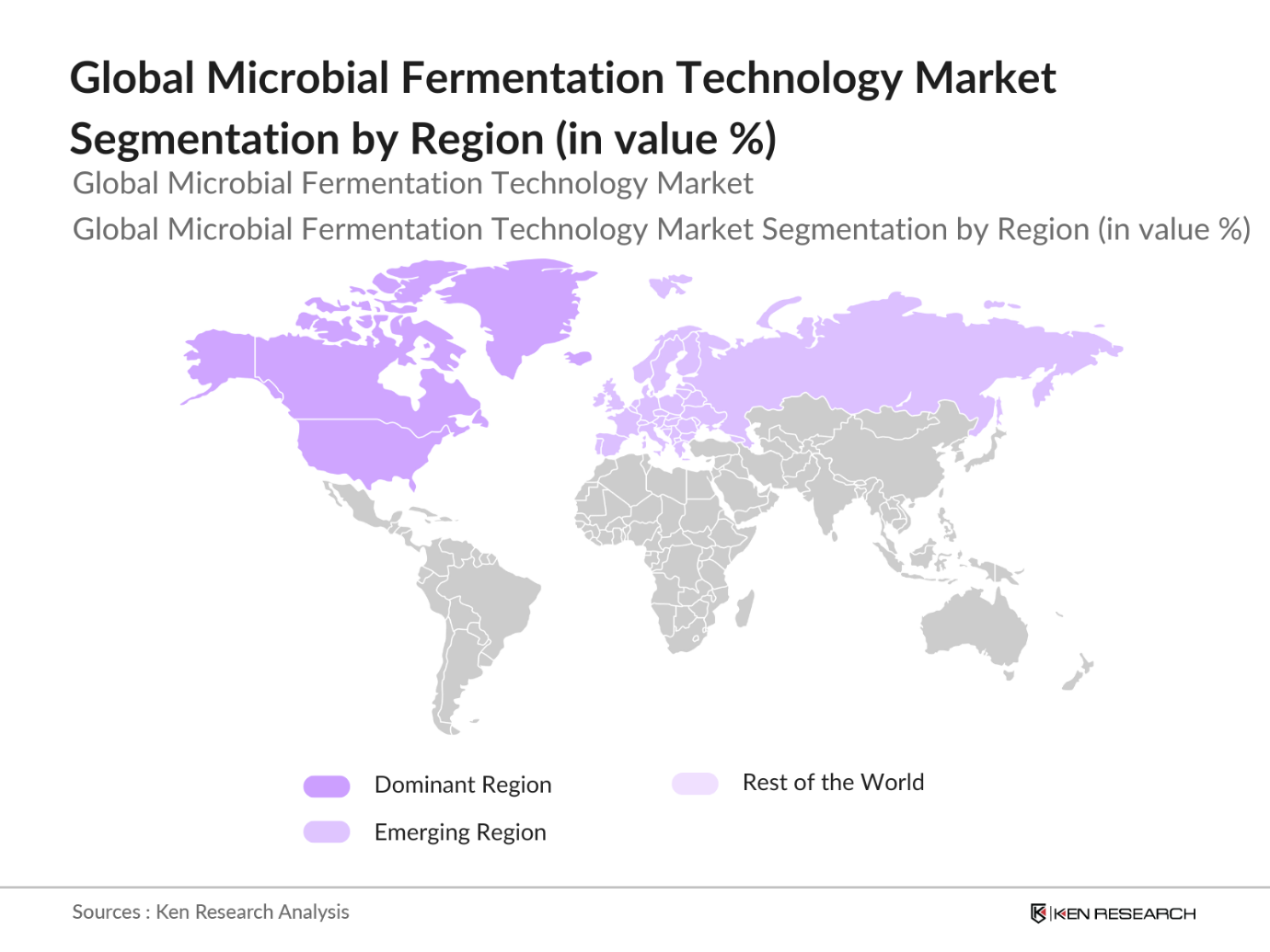
- Dominant Regions and Reasons for Dominance North America and Europe lead the microbial fermentation technology market due to their well-established pharmaceutical and biopharmaceutical industries. In North America, the high adoption of biotechnology, advanced infrastructure, and supportive regulatory policies drive market dominance. Similarly, Europes stringent environmental regulations and investments in biotechnology place it at the forefront of innovation and production.
- National biotechnology programs in various countries actively support microbial fermentation, fostering industry growth. The Indian government, under its National Biotechnology Development Strategy, invested $500 million in microbial fermentation research and infrastructure in 2023, focusing on applications in agriculture and healthcare. Such programs aim to reduce import reliance and increase local production, strengthening the microbial fermentation market in India and similar emerging economies
Global Microbial Fermentation Technology Market Segmentation
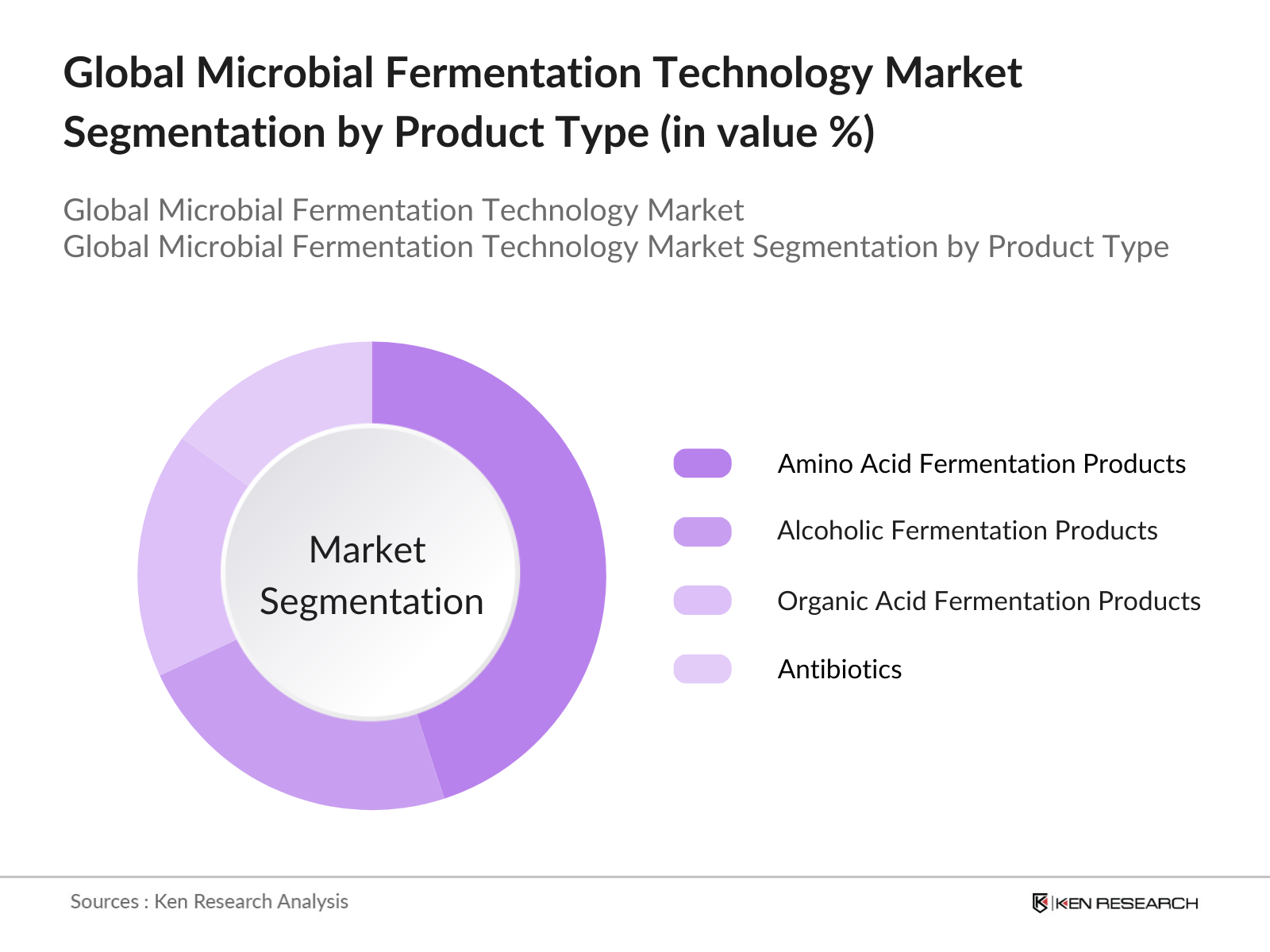
- By Product Type The microbial fermentation technology market is segmented by product type into alcoholic fermentation products, amino acid fermentation products, organic acid fermentation products, antibiotics, and other products. Among these, amino acid fermentation products hold the dominant share due to their extensive applications in the food & beverage and pharmaceutical industries. The growing trend of amino acids in nutritional supplements and animal feed is a key driver, as these products enhance productivity in livestock and contribute to the segment's growth.
- By Region The microbial fermentation technology market is segmented regionally into North America, Europe, Asia-Pacific, Latin America, and Middle East & Africa. North America dominates due to significant investments in biotechnology and the presence of key players. The regions robust infrastructure and favorable policies toward biotechnology and biopharmaceutical innovations further support its lead.
- By Application Segmentation by application in the microbial fermentation technology market includes pharmaceuticals, food & beverages, agriculture, industrial processes, and biofuels. Pharmaceuticals is the leading segment due to the increased demand for microbial fermentation in the production of antibiotics, vaccines, and other therapeutics. The efficiency of fermentation technology in producing high-purity products at lower costs is a significant factor in this segments dominance.
Global Microbial Fermentation Technology Market Competitive Landscape
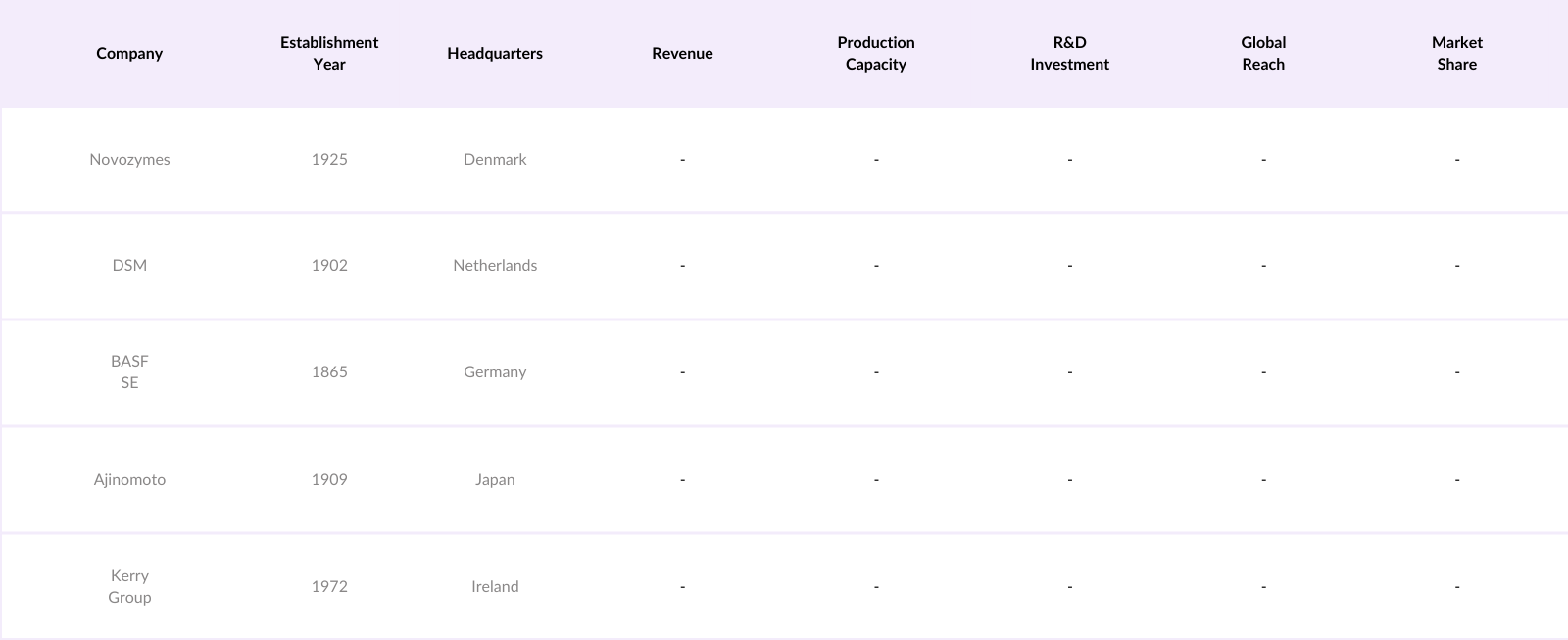
The global microbial fermentation technology market is characterized by the presence of several key players, primarily from North America, Europe, and Asia-Pacific. The competitive landscape includes large biopharmaceutical companies and specialized biotechnology firms that lead in innovation and product development.
Global Microbial Fermentation Technology Industry Analysis
Growth Drivers
- Increased Demand for Biopharmaceuticals (Demand Metric): The global microbial fermentation technology market benefits significantly from the rising demand for biopharmaceuticals, with the biopharmaceutical sector seeing annual production increases driven by the pharmaceutical industrys reliance on fermentation processes to develop biologics and biosimilars. In 2023, the World Bank reported an uptick in the demand for biologics by over 50 million patients globally, largely due to the surge in diseases requiring biopharmaceutical solutions. Fermentation technology enables efficient production of antibodies, vaccines, and enzymes, making it integral to biopharmaceutical production across major markets.
- Expansion in the Food & Beverage Industry (Industry Vertical Metric): The expansion of the food and beverage industry further drives microbial fermentation technology, with the industry leveraging fermentation to meet rising global food demands. According to the FAO, in 2023, global food production increased by over 35 million metric tons compared to 2022, with significant contributions from fermented products, including dairy, alcoholic beverages, and probiotics. Major food-producing economies, such as the United States and EU nations, have amplified fermentation capacity, driven by consumer demand for functional foods and beverages.
- Advances in Fermentation Technology (Innovation Metric): Technological advances in microbial fermentation, such as genetic engineering and automated bioreactors, support increased production efficiency. As of 2023, the United Nations Industrial Development Organization (UNIDO) recorded a 15% reduction in operational costs for biotechnological processes due to automation and bioengineering, making microbial fermentation more accessible and scalable. This technology is particularly pivotal in biopharma and food sectors where precision and control over microbial processes are essential for quality and safety.
Market Restraints
- High Production Costs (Cost Metric): Microbial fermentation technology faces cost-related challenges, especially in high-scale biopharmaceutical production. The U.S. Department of Energy (DOE) reports that fermentation processes account for 30-40% of operational expenses in biotech production facilities, largely due to costs associated with raw materials, energy, and equipment. This cost burden presents a barrier to scaling up, particularly in developing countries with limited access to cost-effective infrastructure for microbial fermentation.
- Compliance Complexity (Compliance Metric): The complexity of regulatory compliance poses significant challenges for the microbial fermentation market, particularly in biopharma. The European Medicines Agency (EMA) indicates that 60% of regulatory filings in 2023 for microbial-derived biopharmaceuticals faced delays due to stringent compliance checks, especially concerning microbial strain safety and quality control. This regulatory burden impacts time-to-market and increases operational costs, limiting production scalability across key markets.
Global Microbial Fermentation Technology Market Future Outlook
Over the coming years, the microbial fermentation technology market is poised for sustained growth, driven by the increasing use of bio-based products and the integration of advanced technologies such as AI in fermentation processes. A growing emphasis on sustainability, coupled with expanding applications in pharmaceuticals and agriculture, will also support market development. Additionally, the adoption of microbial fermentation for biofuels and waste reduction initiatives signals further market potential, especially in regions like Asia-Pacific and North America.
Market Opportunities
- Integration with Synthetic Biology (Tech Adoption Metric): The integration of microbial fermentation with synthetic biology offers substantial growth opportunities by enabling the production of novel bioproducts. The National Institutes of Health (NIH) noted in 2023 that synthetic biology applications had increased by 25% in biomanufacturing, particularly in the U.S., where biomanufacturing research funding exceeded $1.2 billion. This growth reflects a strong opportunity for microbial fermentation technology to merge with synthetic biology, expanding its use in precision medicine and sustainable material production.
- Expansion into Emerging Markets (Geographical Expansion Metric): Emerging markets in Asia and Africa present vast growth potential for microbial fermentation technology, especially for applications in agriculture and food security. The World Banks 2023 report on Sub-Saharan Africa indicated a $3 billion increase in agricultural investments focusing on microbial fermentation for crop and soil enhancement. This development underscores the potential for microbial fermentation technology to support food security and economic growth in emerging economies.
Scope of the Report
|
Product Type |
Alcoholic Fermentation Products Amino Acid Fermentation Products Organic Acid Fermentation Products Antibiotics Others |
|
Application |
Pharmaceuticals Food & Beverages Agriculture Industrial Processes Biofuels |
|
Microbe Type |
Bacteria Fungi Yeasts Actinomycetes Algae |
|
Fermentation Process Type |
Batch Fermentation Continuous Fermentation Fed-Batch Fermentation Solid-State Fermentation Submerged Fermentation |
|
Region |
North America Europe Asia-Pacific Latin America Middle East & Africa |
Products
Key Target Audience
Pharmaceutical Manufacturers
Food & Beverage Producers
Biotechnology Firms
Agricultural Producers
Biofuel Companies
Government and Regulatory Bodies (e.g., U.S. FDA, European Medicines Agency)
Environmental Agencies (e.g., EPA, European Environment Agency)
Investors and Venture Capitalist Firms
Companies
Players Mentioned in the Report:
Novozymes
DSM
BASF SE
Ajinomoto
Kerry Group
Lallemand
Lonza
DuPont
BioVectra
Merck KGaA
AB Enzymes
Roquette
Boehringer Ingelheim
Lesaffre
Archer Daniels Midland
Table of Contents
1. Global Microbial Fermentation Technology Market Overview
1.1. Definition and Scope
1.2. Market Taxonomy
1.3. Market Growth Rate
1.4. Market Segmentation Overview
2. Global Microbial Fermentation Technology Market Size (In USD Mn)
2.1. Historical Market Size
2.2. Year-On-Year Growth Analysis
2.3. Key Market Developments and Milestones
3. Global Microbial Fermentation Technology Market Analysis
3.1. Growth Drivers
3.1.1. Increased Demand for Biopharmaceuticals (Demand Metric)
3.1.2. Expansion in the Food & Beverage Industry (Industry Vertical Metric)
3.1.3. Advances in Fermentation Technology (Innovation Metric)
3.1.4. Environmental Sustainability Initiatives (Sustainability Metric)
3.2. Market Challenges
3.2.1. High Production Costs (Cost Metric)
3.2.2. Regulatory Compliance Complexity (Compliance Metric)
3.2.3. Limited Skilled Workforce (Labor Availability Metric)
3.3. Opportunities
3.3.1. Integration with Synthetic Biology (Tech Adoption Metric)
3.3.2. Expansion into Emerging Markets (Geographical Expansion Metric)
3.3.3. Potential in Waste-to-Product Conversions (Waste Reduction Metric)
3.4. Trends
3.4.1. Use of AI in Fermentation Process Optimization (Digital Transformation Metric)
3.4.2. Shift Towards Bio-Based Products (Green Economy Metric)
3.4.3. Increased Collaboration in R&D (Collaborative Innovation Metric)
3.5. Government Regulation
3.5.1. Compliance with FDA Guidelines (Regulatory Standard Metric)
3.5.2. EU Directives on Bioprocesses (Geopolitical Influence Metric)
3.5.3. National Biotechnology Programs (Policy Impact Metric)
3.6. SWOT Analysis
3.7. Stakeholder Ecosystem
3.8. Porters Five Forces
3.9. Competitive Ecosystem
4. Global Microbial Fermentation Technology Market Segmentation
4.1. By Product Type (In Value %)
4.1.1. Alcoholic Fermentation Products
4.1.2. Amino Acid Fermentation Products
4.1.3. Organic Acid Fermentation Products
4.1.4. Antibiotics
4.1.5. Others
4.2. By Application (In Value %)
4.2.1. Pharmaceuticals
4.2.2. Food & Beverages
4.2.3. Agriculture
4.2.4. Industrial Processes
4.2.5. Biofuels
4.3. By Microbe Type (In Value %)
4.3.1. Bacteria
4.3.2. Fungi
4.3.3. Yeasts
4.3.4. Actinomycetes
4.3.5. Algae
4.4. By Fermentation Process Type (In Value %)
4.4.1. Batch Fermentation
4.4.2. Continuous Fermentation
4.4.3. Fed-Batch Fermentation
4.4.4. Solid-State Fermentation
4.4.5. Submerged Fermentation
4.5. By Region (In Value %)
4.5.1. North America
4.5.2. Europe
4.5.3. Asia-Pacific
4.5.4. Latin America
4.5.5. Middle East & Africa
5. Global Microbial Fermentation Technology Market Competitive Analysis
5.1. Detailed Profiles of Major Companies
5.1.1. Novozymes
5.1.2. DSM
5.1.3. BASF SE
5.1.4. Lallemand
5.1.5. Ajinomoto
5.1.6. Lonza
5.1.7. DuPont
5.1.8. BioVectra
5.1.9. Kerry Group
5.1.10. Merck KGaA
5.1.11. AB Enzymes
5.1.12. Roquette
5.1.13. Boehringer Ingelheim
5.1.14. Lesaffre
5.1.15. Archer Daniels Midland
5.2. Cross Comparison Parameters (Revenue, Number of Patents, Global Reach, Market Share, Production Capacity, R&D Expenditure, Employee Count, Technological Edge)
5.3. Market Share Analysis
5.4. Strategic Initiatives
5.5. Mergers and Acquisitions
5.6. Investment Analysis
5.7. Venture Capital Funding
5.8. Government Grants
5.9. Private Equity Investments
6. Global Microbial Fermentation Technology Market Regulatory Framework
6.1. Environmental Standards
6.2. Compliance Requirements
6.3. Certification Processes
7. Global Microbial Fermentation Technology Future Market Size (In USD Mn)
7.1. Future Market Size Projections
7.2. Key Factors Driving Future Market Growth
8. Global Microbial Fermentation Technology Future Market Segmentation
8.1. By Product Type (In Value %)
8.2. By Application (In Value %)
8.3. By Microbe Type (In Value %)
8.4. By Fermentation Process Type (In Value %)
8.5. By Region (In Value %)
9. Global Microbial Fermentation Technology Market Analysts Recommendations
9.1. TAM/SAM/SOM Analysis
9.2. Customer Cohort Analysis
9.3. Marketing Initiatives
9.4. White Space Opportunity Analysis
Disclaimer
Contact Us
Research Methodology
Step 1: Identification of Key Variables
This stage includes constructing an ecosystem map covering all stakeholders within the microbial fermentation technology market. A combination of proprietary and secondary databases is utilized to gather industry-level information, focusing on key variables impacting market dynamics.
Step 2: Market Analysis and Construction
This phase involves analyzing historical data, assessing the balance between product types and applications, and evaluating production capacity statistics to ensure accurate revenue estimates for the microbial fermentation market.
Step 3: Hypothesis Validation and Expert Consultation
Market hypotheses are developed and validated through interviews with industry experts across major companies. This approach captures financial insights from industry practitioners to refine market data accuracy.
Step 4: Research Synthesis and Final Output
The final phase involves direct engagement with microbial fermentation companies to gather insights on product segments, sales performance, and consumer preferences. This feedback complements quantitative findings and ensures a comprehensive, validated analysis.
Frequently Asked Questions
1. How big is the Global Microbial Fermentation Technology Market?
The global microbial fermentation technology market was valued at USD 30.9 billion, primarily driven by applications in pharmaceuticals and food & beverage sectors.
2. What are the major challenges in the Global Microbial Fermentation Technology Market?
Challenges include high production costs, regulatory compliance complexity, and the need for a skilled workforce to operate advanced fermentation processes.
3. Who are the major players in the Global Microbial Fermentation Technology Market?
Key players include Novozymes, DSM, BASF SE, Ajinomoto, and Kerry Group, who dominate through extensive product offerings and strong global reach.
4. What are the growth drivers of the Global Microbial Fermentation Technology Market?
Growth drivers include rising demand for bio-based products, advancements in fermentation technologies, and increased applications in pharmaceuticals and agriculture.
Why Buy From Us?

What makes us stand out is that our consultants follows Robust, Refine and Result (RRR) methodology. i.e. Robust for clear definitions, approaches and sanity checking, Refine for differentiating respondents facts and opinions and Result for presenting data with story

We have set a benchmark in the industry by offering our clients with syndicated and customized market research reports featuring coverage of entire market as well as meticulous research and analyst insights.

While we don't replace traditional research, we flip the method upside down. Our dual approach of Top Bottom & Bottom Top ensures quality deliverable by not just verifying company fundamentals but also looking at the sector and macroeconomic factors.

With one step in the future, our research team constantly tries to show you the bigger picture. We help with some of the tough questions you may encounter along the way: How is the industry positioned? Best marketing channel? KPI's of competitors? By aligning every element, we help maximize success.

Our report gives you instant access to the answers and sources that other companies might choose to hide. We elaborate each steps of research methodology we have used and showcase you the sample size to earn your trust.

If you need any support, we are here! We pride ourselves on universe strength, data quality, and quick, friendly, and professional service.