
Global Military Transport Aircraft Market Outlook to 2030
Region:Global
Author(s):Yogita Sahu
Product Code:KROD5373
November 2024
92
About the Report
Global Military Transport Aircraft Market Overview
-
The global military transport aircraft market is valued at USD 8.08 billion, based on a five-year historical analysis. This market size is driven by the increasing need for rapid military mobility and logistical support across diverse operational environments. Demand is further fueled by rising defense budgets and geopolitical tensions, with governments prioritizing the modernization and expansion of their air fleets to meet strategic airlift requirements.
-
Countries like the United States, China, and Russia dominate the market due to their strong defense spending and continuous investment in fleet modernization. The dominance of these countries is primarily because of their expansive military operations globally, strong defense procurement policies, and the need for strategic and tactical airlift capabilities to maintain their military readiness and operational flexibility.
- The U.S. government’s NDAA for 2024 includes $70 billion specifically for aircraft procurement, with significant allocations toward modernizing the country’s military transport aircraft fleet. This includes adding more C-130J aircraft to the U.S. Air Force's inventory and upgrading existing units to improve their range and cargo capacity.
Global Military Transport Aircraft Market Segmentation
By Aircraft Type: The market is segmented by aircraft type into tactical airlifters, strategic airlifters, and aerial refueling aircraft. Tactical airlifters hold a dominant market share due to their flexibility in performing rapid deployments in various terrains and combat zones. These aircraft are essential for supporting tactical operations, delivering supplies, and evacuating troops, making them a critical asset for armed forces worldwide.
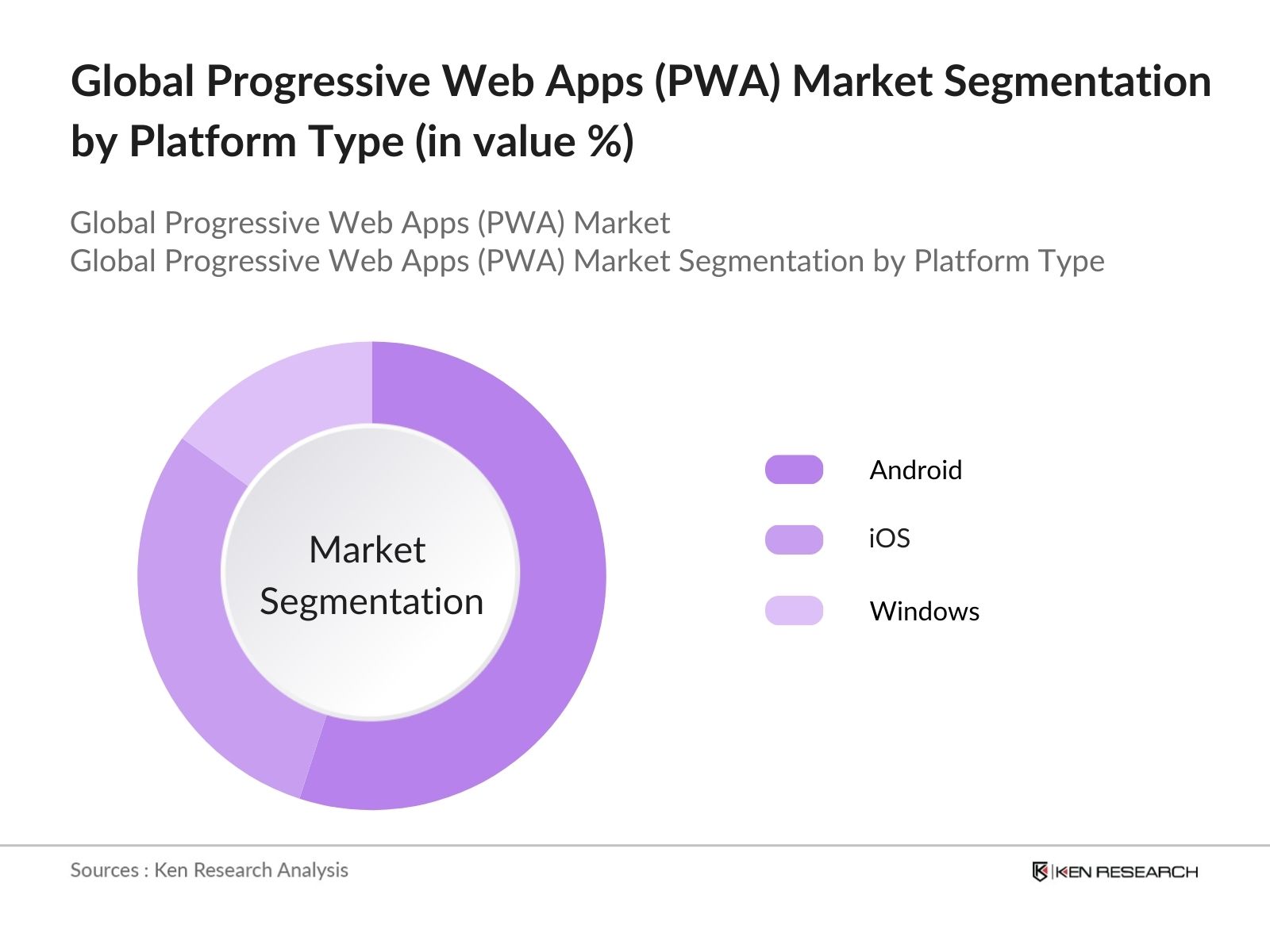
By Payload Capacity: The market is segmented by payload capacity into light, medium, and heavy categories. Medium payload transport aircraft dominate the market due to their versatility and efficiency in transporting military supplies and personnel. These aircraft provide the ideal balance between range, payload, and operational cost, making them highly sought after for various military operations.
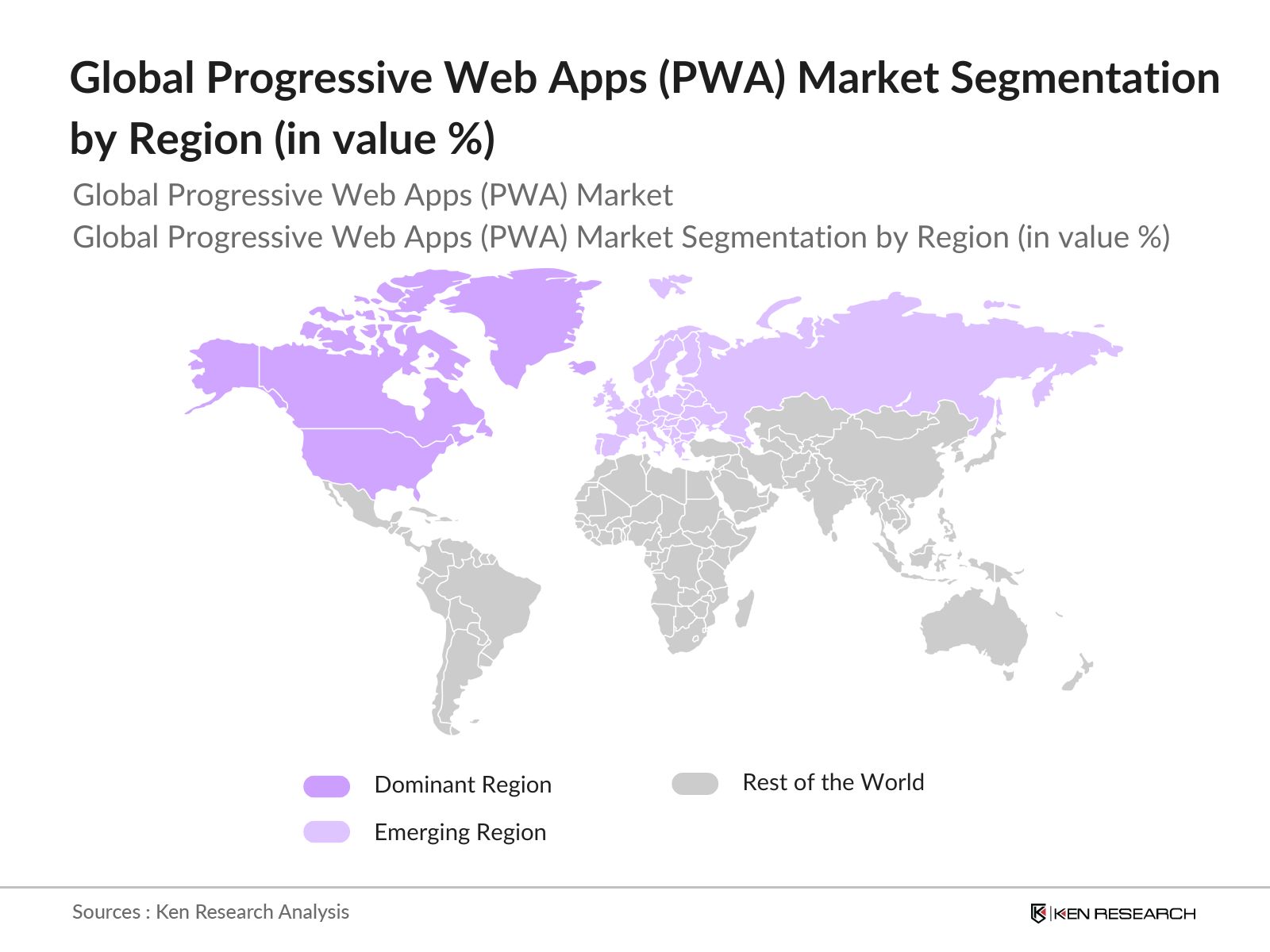
By Region: The market is divided into North America, Europe, Asia-Pacific, the Middle East & Africa, and Latin America. North America leads the market due to the extensive military infrastructure of the United States, including the largest air force fleet in the world. The strong presence of leading military aircraft manufacturers like Lockheed Martin and Boeing further consolidates North America's position in the global market.
Global Military Transport Aircraft Market Competitive Landscape
The market is highly consolidated, with a few key players dominating the landscape. These companies are known for their extensive research and development efforts, large defense contracts, and consistent investments in advanced aircraft technologies. The competitive landscape includes a mix of established global defense contractors and rising regional players.
|
Company Name |
Establishment Year |
Headquarters |
Global Presence |
Fleet Size |
R&D Investment |
Revenue (USD Bn) |
Major Contracts |
Key Platforms |
|
Lockheed Martin Corporation |
1995 |
Bethesda, MD, USA |
|
|
|
|
|
|
|
Boeing Defense, Space & Security |
1939 |
Chicago, IL, USA |
|
|
|
|
|
|
|
Airbus SE |
1970 |
Leiden, Netherlands |
|
|
|
|
|
|
|
Antonov State Enterprise |
1946 |
Kyiv, Ukraine |
|
|
|
|
|
|
|
Embraer SA |
1969 |
São Paulo, Brazil |
|
|
|
|
|
|
Global Military Transport Aircraft Market Analysis
Market Growth Drivers
- Increased Defense Spending by Major Economies: The market is driven by increased defense budgets from countries like the United States, China, and India. In 2024, the U.S. defense budget reached $858 billion, and China's defense budget hit $230 billion, largely driven by growing security concerns and the need for rapid troop and equipment deployment capabilities. Military transport aircraft play a critical role in airlifting personnel, equipment, and supplies, supporting defense and humanitarian missions.
- Global Military Presence and Operations: The need for rapid global response capabilities has increased as countries expand their military footprint. The U.S. currently has over 750 military bases in more than 80 countries, and the European Union is planning to enhance its global military mobility through initiatives like the Permanent Structured Cooperation (PESCO). These operations necessitate the acquisition of reliable and versatile military transport aircraft, such as Lockheed Martin's C-130J and Airbus' A400M, to transport troops and heavy equipment over long distances.
- Increased Focus on Domestic Production of Military Aircraft: Countries such as India and Brazil are focusing on developing domestic production capabilities for military transport aircraft to reduce their reliance on imports. In 2024, India allocated over $20 billion to boost its indigenous defense manufacturing sector under its "Make in India" initiative. Similarly, Brazil's Embraer is advancing its KC-390 project with significant government backing to cater to both local and global markets.
Market Challenges
- Delays in Aircraft Deliveries: Procurement of military transport aircraft is often plagued by delays due to the complexity of the manufacturing process. Airbus, for instance, faced delays in its A400M program, leading to postponed deliveries to countries like Germany and France. Such delays disrupt military planning and operations, particularly in times of crisis when rapid deployment is critical. These setbacks are common and add significant costs for defense ministries, affecting overall market growth.
- Regulatory and Export Control Issues: Military transport aircraft often face stringent regulatory scrutiny, particularly with regards to exports. The U.S. International Traffic in Arms Regulations (ITAR) impose restrictions on exporting defense equipment, including aircraft, to certain countries. These regulations hinder the ability of manufacturers to sell their products to foreign markets, thus limiting potential revenue streams.
Global Military Transport Aircraft Market Future Outlook
Over the next five years, the global military transport aircraft industry is expected to experience notable growth, driven by the continuous need for military mobility and the modernization of aging fleets.
Future Market Opportunities
- Shift Towards Low-Emission Military Aircraft: Environmental regulations are expected to pressure defense ministries to adopt low-emission military transport aircraft by 2029. The U.S. Department of Defense is already exploring hybrid-electric aircraft designs, with a $3 billion funding plan in place to research sustainable military aviation technologies. This shift is expected to revolutionize the military transport aircraft market by incorporating green technologies in new models.
- Collaborative Procurement Initiatives Among Allies: Over the next five years, countries will increasingly engage in collaborative procurement of military transport aircraft to reduce costs and improve interoperability. NATO allies are already exploring joint procurement programs for Airbus A400M.
Scope of the Report
|
By Aircraft Type |
Tactical Airlifters Strategic Airlifters Aerial Refueling Aircraft |
|
By Payload Capacity |
Light Medium Heavy |
|
By End-User |
Air Force Navy Army Joint Command Forces |
|
By Operation |
Combat Support Humanitarian Missions Special Operations |
|
By Region |
North America Europe Asia-Pacific Middle East & Africa Latin America |
Products
- Defense Ministries (e.g., U.S. Department of Defense, UK Ministry of Defence)
- Private Equity Firms
- Naval Aviation Companies
- Banks and Financial Institutions
- Investment and Venture Capitalist Firms
- Government Regulatory Bodies (e.g., Federal Aviation Administration, European Union Aviation Safety Agency)
Companies
- Lockheed Martin Corporation
- Boeing Defense, Space & Security
- Airbus SE
- Antonov State Enterprise
- Embraer SA
- Leonardo S.p.A
- Northrop Grumman Corporation
- Kawasaki Heavy Industries
- Saab AB
- BAE Systems plc
- Dassault Aviation
- Israel Aerospace Industries
- Tata Advanced Systems Limited
- Korea Aerospace Industries
- Hindustan Aeronautics Limited
Table of Contents
1. Global Military Transport Aircraft Market Overview
1.1 Definition and Scope
1.2 Market Taxonomy
1.3 Market Growth Rate (Aircraft Deliveries, Fleet Expansion)
1.4 Market Segmentation Overview
2. Global Military Transport Aircraft Market Size (In USD Bn)
2.1 Historical Market Size
2.2 Year-on-Year Growth Analysis
2.3 Key Market Developments and Milestones (New Aircraft Models, Contracts, & Orders)
3. Global Military Transport Aircraft Market Analysis
3.1 Growth Drivers
3.1.1 Rising Defense Budgets (Government Expenditures)
3.1.2 Geopolitical Tensions (Regional Defense Initiatives)
3.1.3 Strategic Airlift Requirements (Military Readiness and Operations)
3.1.4 Humanitarian and Disaster Relief Missions (Logistical Support)
3.2 Market Challenges
3.2.1 High Production Costs (R&D and Technology Investments)
3.2.2 Stringent Regulatory Approvals (Certification Processes)
3.2.3 Supply Chain Disruptions (Component Shortages, Manufacturing Delays)
3.3 Opportunities
3.3.1 Technological Advancements (Fuel Efficiency, Lightweight Materials)
3.3.2 Increasing Multinational Defense Alliances (Joint Ventures, Global Partnerships)
3.3.3 Emerging Markets (Defense Initiatives in Asia-Pacific, Latin America)
3.4 Trends
3.4.1 Modular Aircraft Designs (Adaptability for Multiple Missions)
3.4.2 Use of Unmanned Transport Aircraft (Autonomous Air Logistics)
3.4.3 Advancements in Aircraft Maintenance Technologies (Predictive Maintenance)
3.4.4 Increased Focus on Sustainability (Reduced Emissions, Green Aviation)
3.5 Government Regulations
3.5.1 National Defense Procurement Policies (Regional Acquisition Strategies)
3.5.2 Environmental and Emission Standards (Carbon Footprint Reduction)
3.5.3 Compliance with International Aviation Safety Regulations (ICAO Standards)
3.6 SWOT Analysis
3.7 Stake Ecosystem (OEMs, Component Suppliers, Defense Contractors)
3.8 Porter’s Five Forces Analysis
3.9 Competition Ecosystem
4. Global Military Transport Aircraft Market Segmentation
4.1 By Aircraft Type (In Value %)
4.1.1 Tactical Airlifters
4.1.2 Strategic Airlifters
4.1.3 Aerial Refueling Aircraft
4.2 By Payload Capacity (In Value %)
4.2.1 Light
4.2.2 Medium
4.2.3 Heavy
4.3 By End-User (In Value %)
4.3.1 Air Force
4.3.2 Navy
4.3.3 Army
4.3.4 Joint Command Forces
4.4 By Operation (In Value %)
4.4.1 Combat Support
4.4.2 Humanitarian Missions
4.4.3 Special Operations
4.5 By Region (In Value %)
4.5.1 North America
4.5.2 Europe
4.5.3 Asia-Pacific
4.5.4 Middle East & Africa
4.5.5 Latin America
5. Global Military Transport Aircraft Market Competitive Analysis
5.1 Detailed Profiles of Major Companies
5.1.1 Lockheed Martin Corporation
5.1.2 Boeing Defense, Space & Security
5.1.3 Airbus SE
5.1.4 Antonov State Enterprise
5.1.5 Embraer SA
5.1.6 Leonardo S.p.A
5.1.7 Kawasaki Heavy Industries
5.1.8 Northrop Grumman Corporation
5.1.9 Saab AB
5.1.10 BAE Systems plc
5.1.11 Dassault Aviation
5.1.12 Israel Aerospace Industries
5.1.13 Tata Advanced Systems Limited
5.1.14 Korea Aerospace Industries
5.1.15 Hindustan Aeronautics Limited
5.2 Cross Comparison Parameters (No. of Employees, Headquarters, Revenue, Fleet Size, Global Presence, R&D Spending, Major Contracts, Key Platforms)
5.3 Market Share Analysis
5.4 Strategic Initiatives (Expansion Plans, Strategic Alliances)
5.5 Mergers and Acquisitions
5.6 Investment Analysis
5.7 Venture Capital Funding
5.8 Government Contracts and Tenders
5.9 Private Equity Investments
6. Global Military Transport Aircraft Market Regulatory Framework
6.1 International Aviation Standards
6.2 Military Aviation Certification Processes
6.3 Compliance with Emission Reduction Targets
6.4 Safety Protocols and Testing Regulations
7. Global Military Transport Aircraft Future Market Size (In USD Bn)
7.1 Future Market Size Projections
7.2 Key Factors Driving Future Market Growth
8. Global Military Transport Aircraft Future Market Segmentation
8.1 By Aircraft Type (In Value %)
8.2 By Payload Capacity (In Value %)
8.3 By End-User (In Value %)
8.4 By Operation (In Value %)
8.5 By Region (In Value %)
9. Global Military Transport Aircraft Market Analysts' Recommendations
9.1 TAM/SAM/SOM Analysis
9.2 Customer Cohort Analysis (Defense Agencies, Government Procurement)
9.3 Marketing Initiatives
9.4 White Space Opportunity Analysis
Disclaimer
Contact Us
Research Methodology
Step 1: Identification of Key Variables
The initial phase involves constructing an ecosystem map encompassing all major stakeholders within the global military transport aircraft market. This is supported by secondary and proprietary data sources to define the key variables driving market growth.
Step 2: Market Analysis and Construction
This phase involves compiling and analyzing historical data related to the global military transport aircraft market. Data on fleet size, procurement activities, and revenue streams are collected to evaluate market penetration.
Step 3: Hypothesis Validation and Expert Consultation
Market hypotheses are validated through consultations with industry experts, particularly from defense contractors and military logistics departments, providing insights into market dynamics.
Step 4: Research Synthesis and Final Output
The final phase synthesizes data from primary and secondary sources, with direct consultations with defense contractors, producing a comprehensive and validated market analysis.
Frequently Asked Questions
01. How big is the Global Military Transport Aircraft Market?
The global military transport aircraft market is valued at USD 8.08 billion, driven by a growing demand for logistical airlift capabilities and the modernization of defense fleets globally.
02. What are the challenges in the Global Military Transport Aircraft Market?
Challenges in the global military transport aircraft market include high manufacturing costs, stringent regulatory approvals, and disruptions in the supply chain, particularly for aircraft components.
03. Who are the major players in the Global Military Transport Aircraft Market?
Key players in the global military transport aircraft market include Lockheed Martin Corporation, Boeing Defense, Space & Security, Airbus SE, Antonov State Enterprise, and Embraer SA, dominating through strategic contracts and advanced R&D investments.
04. What are the growth drivers of the Global Military Transport Aircraft Market?
The global military transport aircraft market is propelled by increasing defense budgets, geopolitical tensions, and the need for rapid airlift capabilities for both combat and humanitarian missions.
05. Which regions dominate the Global Military Transport Aircraft Market?
North America leads the global military transport aircraft market, followed by Europe and Asia-Pacific, with the U.S. and its extensive military infrastructure being a key driver for market dominance.
Why Buy From Us?

What makes us stand out is that our consultants follows Robust, Refine and Result (RRR) methodology. i.e. Robust for clear definitions, approaches and sanity checking, Refine for differentiating respondents facts and opinions and Result for presenting data with story

We have set a benchmark in the industry by offering our clients with syndicated and customized market research reports featuring coverage of entire market as well as meticulous research and analyst insights.

While we don't replace traditional research, we flip the method upside down. Our dual approach of Top Bottom & Bottom Top ensures quality deliverable by not just verifying company fundamentals but also looking at the sector and macroeconomic factors.

With one step in the future, our research team constantly tries to show you the bigger picture. We help with some of the tough questions you may encounter along the way: How is the industry positioned? Best marketing channel? KPI's of competitors? By aligning every element, we help maximize success.

Our report gives you instant access to the answers and sources that other companies might choose to hide. We elaborate each steps of research methodology we have used and showcase you the sample size to earn your trust.

If you need any support, we are here! We pride ourselves on universe strength, data quality, and quick, friendly, and professional service.