
Global Mobile Commerce Market Outlook to 2030
Region:Global
Author(s):Abhinav kumar
Product Code:KROD9048
Region:Global
Author(s):Abhinav kumar
Product Code:KROD9048
December 2024
88
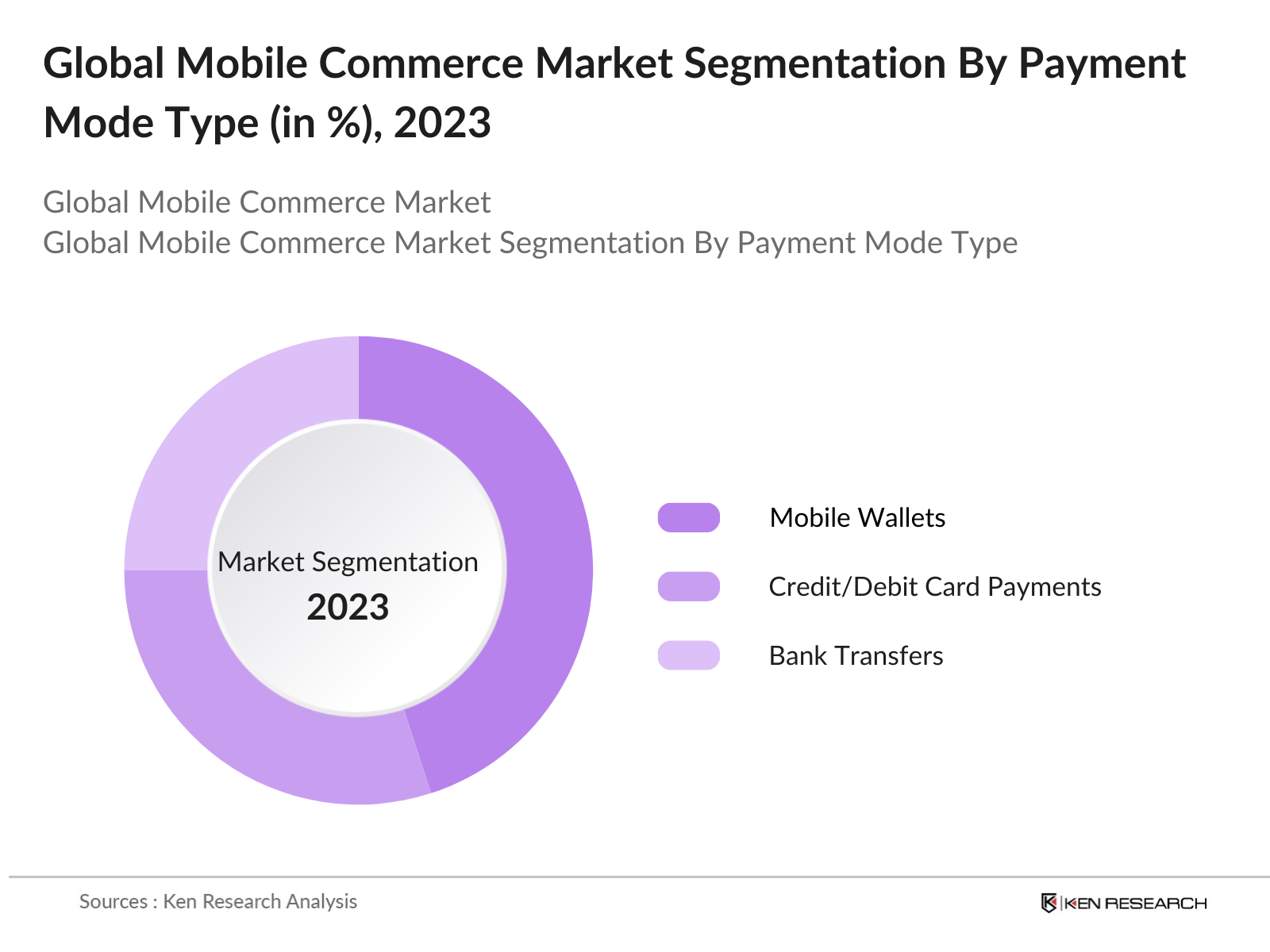
By Payment Mode: The Global Mobile Commerce market is segmented by payment mode into mobile wallets, credit/debit card payments, and bank transfers. Mobile wallets dominate this segment due to their convenience and security features, with popular apps like Apple Pay, Google Pay, and Alipay gaining massive user adoption globally. As consumers increasingly favor secure, one-tap transactions, the mobile wallet sub-segment continues to expand and hold the largest market share.
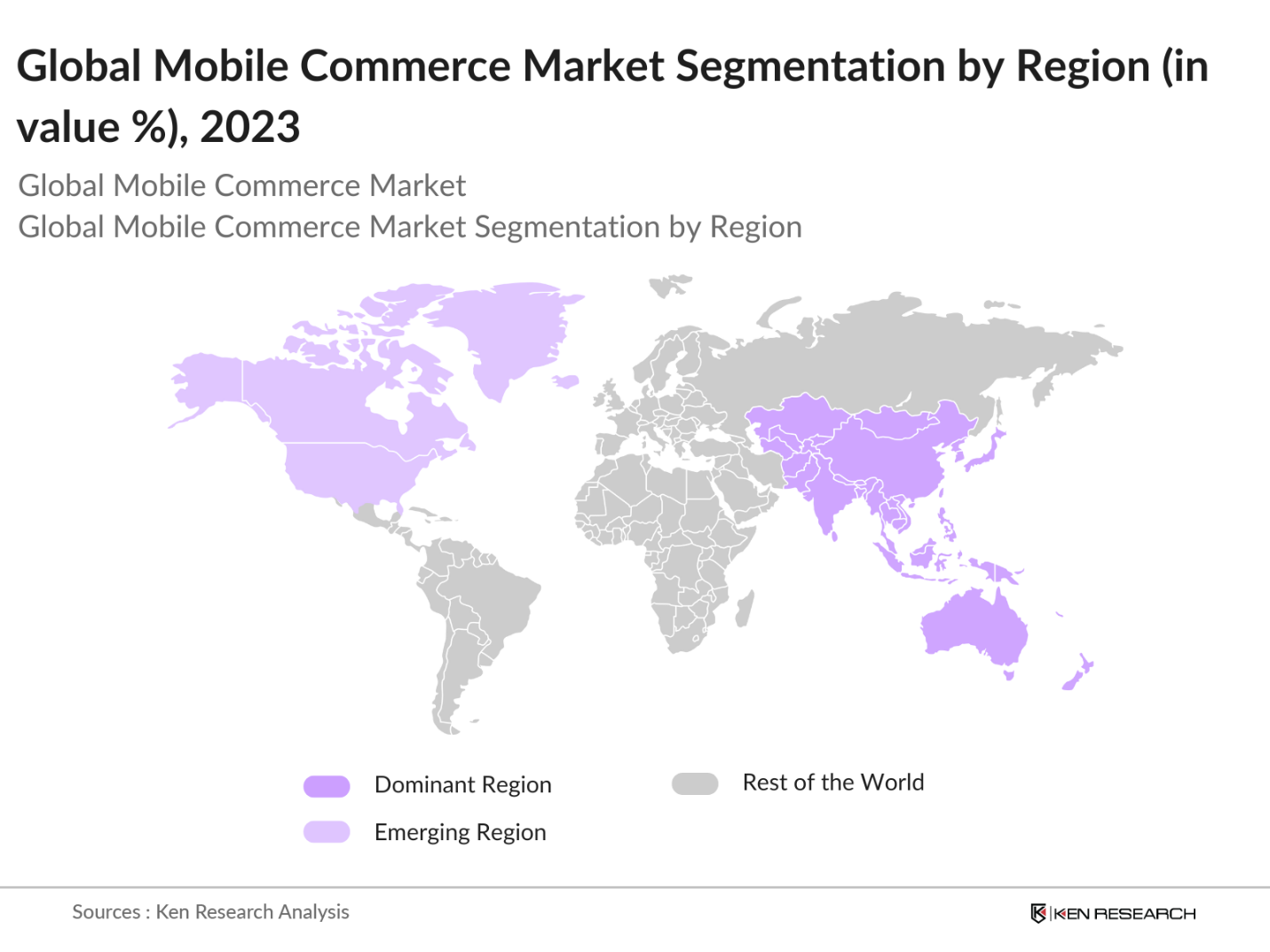
By Region: The market is segmented by region into North America, Europe, Asia-Pacific, Middle East & Africa, and Latin America. Asia-Pacific holds a dominant position due to the rapid adoption of mobile payments in China and India. These countries benefit from a high smartphone user base and government support for digital payments, making Asia-Pacific the leading region in the mCommerce sector.
By Transaction Type: The mobile commerce market is segmented by transaction type into peer-to-peer transfers, bill payments, and online shopping. Online shopping dominates this segment, driven by the shift of traditional retail to digital platforms. The convenience of mobile-based shopping apps, along with exclusive app discounts and personalized offers, has accelerated the growth of this segment. Online shopping remains the most significant contributor to mCommerce revenue.
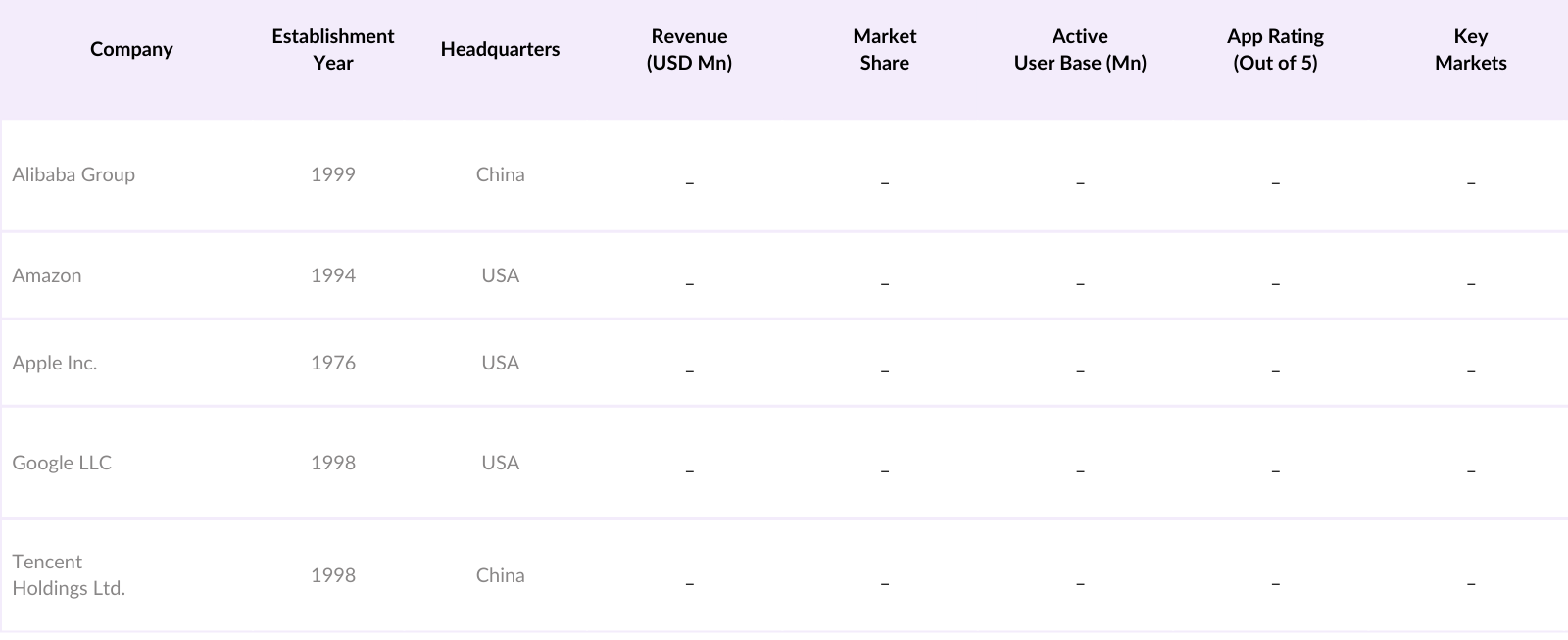
The global mobile commerce market is dominated by major players who invest heavily in technological innovation and user experience. These companies include both global giants and emerging regional leaders in mobile payments and eCommerce. Their influence highlights the competitive and highly consolidated nature of the market.
Over the next five years, the Global Mobile Commerce market is projected to experience significant expansion driven by technological advancements, increased security measures, and the growth of mobile payment options. With governments worldwide supporting cashless economies, the demand for mobile commerce solutions is expected to surge. Key drivers include increased smartphone penetration, enhanced connectivity, and AI-driven personalization in mobile shopping experiences.
|
Payment Mode |
Mobile Wallets Credit/Debit Card Payments Bank Transfers |
|
Transaction Type |
Peer-to-Peer Transfers Bill Payments Online Shopping |
|
End-User |
Retail Banking and Finance Travel & Hospitality |
|
Device Type |
Smartphones Tablets Wearable Devices |
|
Region |
North America Europe Asia-Pacific Middle East & Africa Latin America |
1.1. Definition and Scope
1.2. Market Taxonomy
1.3. Market Growth Rate
1.4. Market Segmentation Overview
2.1. Historical Market Size
2.2. Year-On-Year Growth Analysis
2.3. Key Market Developments and Milestones
3.1. Growth Drivers
3.1.1. Mobile Device Penetration
3.1.2. Increase in Internet Connectivity
3.1.3. Rise of Digital Payments
3.1.4. Evolving Consumer Buying Behavior
3.2. Market Challenges
3.2.1. Cybersecurity Risks
3.2.2. Mobile Platform Compatibility
3.2.3. Regulatory Compliance in Cross-Border Transactions
3.3. Opportunities
3.3.1. Expansion into Emerging Markets
3.3.2. Integration of AI & ML in Mobile Shopping
3.3.3. Personalization and Customer Experience Enhancements
3.4. Trends
3.4.1. Adoption of Augmented Reality (AR) for Shopping
3.4.2. Growth of Mobile Wallets
3.4.3. Integration of Social Commerce Channels
3.5. Government Regulations
3.5.1. Data Privacy Policies
3.5.2. Consumer Protection Laws
3.5.3. Financial Transaction Compliance
3.5.4. Anti-Fraud Measures
3.6. SWOT Analysis
3.7. Stakeholder Ecosystem
3.8. Porters Five Forces
3.9. Competition Ecosystem
4.1. By Payment Mode (In Value %)
4.1.1. Mobile Wallets
4.1.2. Credit/Debit Card Payments
4.1.3. Bank Transfers
4.2. By Transaction Type (In Value %)
4.2.1. Peer-to-Peer Transfers
4.2.2. Bill Payments
4.2.3. Online Shopping
4.3. By End-User (In Value %)
4.3.1. Retail
4.3.2. Banking and Finance
4.3.3. Travel & Hospitality
4.4. By Device Type (In Value %)
4.4.1. Smartphones
4.4.2. Tablets
4.4.3. Wearable Devices
4.5. By Region (In Value %)
4.5.1. North America
4.5.2. Europe
4.5.3. Asia-Pacific
4.5.4. Middle East & Africa
4.5.5. Latin America
5.1 Detailed Profiles of Major Companies
5.1.1. Alibaba Group
5.1.2. Amazon
5.1.3. Apple Inc.
5.1.4. eBay Inc.
5.1.5. Google LLC
5.1.6. MasterCard
5.1.7. PayPal Holdings, Inc.
5.1.8. Samsung Electronics
5.1.9. Square Inc.
5.1.10. Tencent Holdings Ltd.
5.1.11. Visa Inc.
5.1.12. Walmart
5.1.13. Rakuten, Inc.
5.1.14. JD.com
5.1.15. Stripe
5.2 Cross-Comparison Parameters (Revenue, Market Share, User Base, Mobile App Rating, Transaction Volume, Number of Active Users, Customer Satisfaction, Security Features)
5.3 Market Share Analysis
5.4 Strategic Initiatives
5.5 Mergers and Acquisitions
5.6 Investment Analysis
5.7 Venture Capital Funding
5.8 Government Grants
5.9 Private Equity Investments
6.1. Data Protection and Privacy Regulations
6.2. Financial Compliance Requirements
6.3. Cybersecurity Standards
6.4. International Trade Regulations
7.1. Future Market Size Projections
7.2. Key Factors Driving Future Market Growth
8.1. By Payment Mode (In Value %)
8.2. By Transaction Type (In Value %)
8.3. By End-User (In Value %)
8.4. By Device Type (In Value %)
8.5. By Region (In Value %)
9.1 TAM/SAM/SOM Analysis
9.2 Customer Cohort Analysis
9.3 Marketing Initiatives
9.4 White Space Opportunity Analysis
Disclaimer Contact UsThe research initiates with mapping the ecosystem of the Global Mobile Commerce Market, which includes identifying major stakeholders. This stage relies on comprehensive desk research using secondary and proprietary sources to define the critical variables influencing market dynamics.
This phase includes the analysis of historical data, examining the adoption rates of mobile payment solutions, transaction types, and regional preferences. Data are gathered on consumer preferences and transaction volumes to ensure an accurate estimation of revenue distribution.
Hypotheses regarding market behavior and growth projections are validated through consultations with industry experts. These discussions provide insights into operational challenges, technological adoption rates, and strategic initiatives shaping the market.
The final phase synthesizes primary data from industry players and secondary data sources. This integrated approach verifies the reliability of findings, yielding a comprehensive and validated analysis of the Global Mobile Commerce Market.
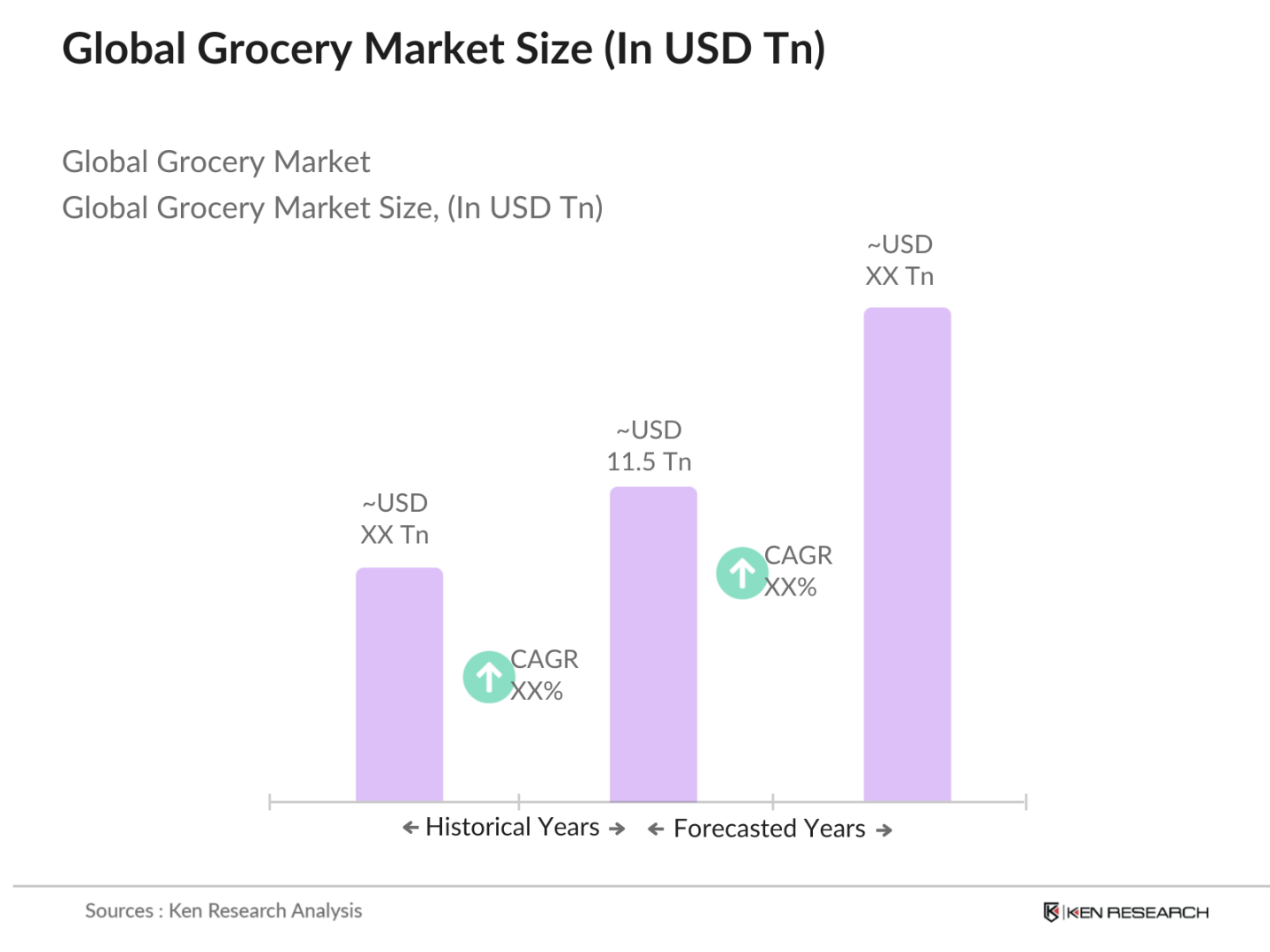
The Global Mobile Commerce market is valued at USD 1.25 trillion, driven by increasing smartphone penetration, digital payment adoption, and seamless online shopping experiences.
Key challenges include cybersecurity risks, data privacy concerns, and cross-border transaction regulations, which can hinder smooth operation across international markets.
Major players include Alibaba Group, Amazon, Apple Inc., Google LLC, and Tencent Holdings Ltd., all of which have established strongholds in mobile payment and eCommerce.
Growth is fueled by rising smartphone adoption, digital wallet popularity, and AI-driven mobile shopping personalization, enhancing user engagement in mobile commerce.

What makes us stand out is that our consultants follows Robust, Refine and Result (RRR) methodology. i.e. Robust for clear definitions, approaches and sanity checking, Refine for differentiating respondents facts and opinions and Result for presenting data with story

We have set a benchmark in the industry by offering our clients with syndicated and customized market research reports featuring coverage of entire market as well as meticulous research and analyst insights.

While we don't replace traditional research, we flip the method upside down. Our dual approach of Top Bottom & Bottom Top ensures quality deliverable by not just verifying company fundamentals but also looking at the sector and macroeconomic factors.

With one step in the future, our research team constantly tries to show you the bigger picture. We help with some of the tough questions you may encounter along the way: How is the industry positioned? Best marketing channel? KPI's of competitors? By aligning every element, we help maximize success.

Our report gives you instant access to the answers and sources that other companies might choose to hide. We elaborate each steps of research methodology we have used and showcase you the sample size to earn your trust.

If you need any support, we are here! We pride ourselves on universe strength, data quality, and quick, friendly, and professional service.