Global Mobile Market Outlook to 2030
Region:Global
Author(s):Dev
Product Code:KROD-050
Region:Global
Author(s):Dev
Product Code:KROD-050
June 2025
92
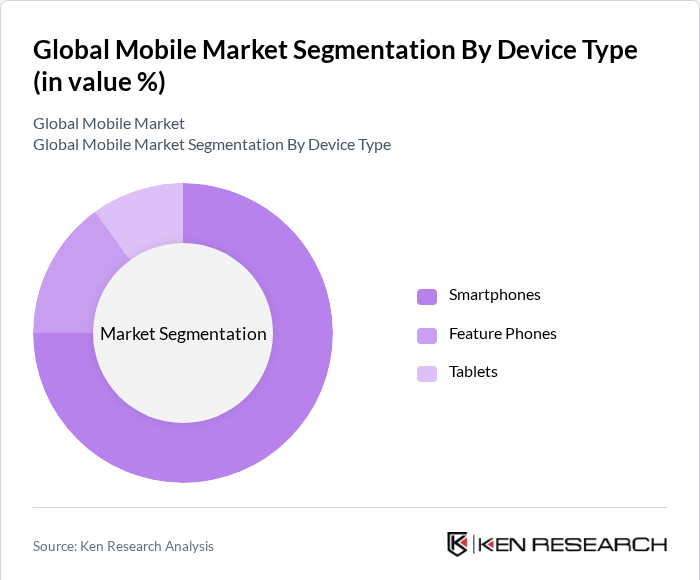
By Device Type: The mobile market is primarily segmented into smartphones, feature phones, and tablets. Among these, smartphones dominate the market due to their multifunctionality, which includes internet access, social media, and various applications. The increasing demand for high-performance smartphones with advanced features such as high-resolution cameras and AI capabilities has driven consumer preferences towards this segment. Additionally, the trend of upgrading to newer models frequently contributes to the sustained growth of the smartphone segment.
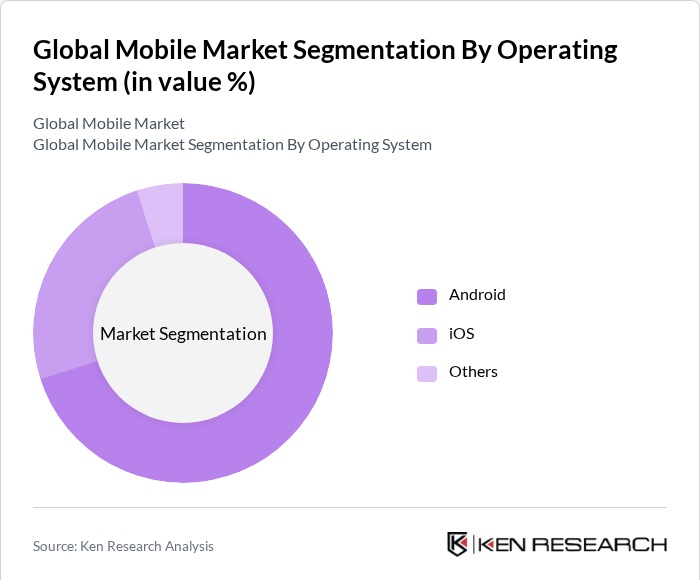
By Operating System: The mobile market is segmented into Android, iOS, and others. Android holds a significant share of the market due to its open-source nature and wide range of devices available at various price points. This flexibility allows manufacturers to cater to diverse consumer needs, from budget to premium devices. iOS, while having a smaller market share, is favored for its seamless integration with other Apple products and a loyal customer base that values security and user experience. The competition between these operating systems drives innovation and enhances user engagement.
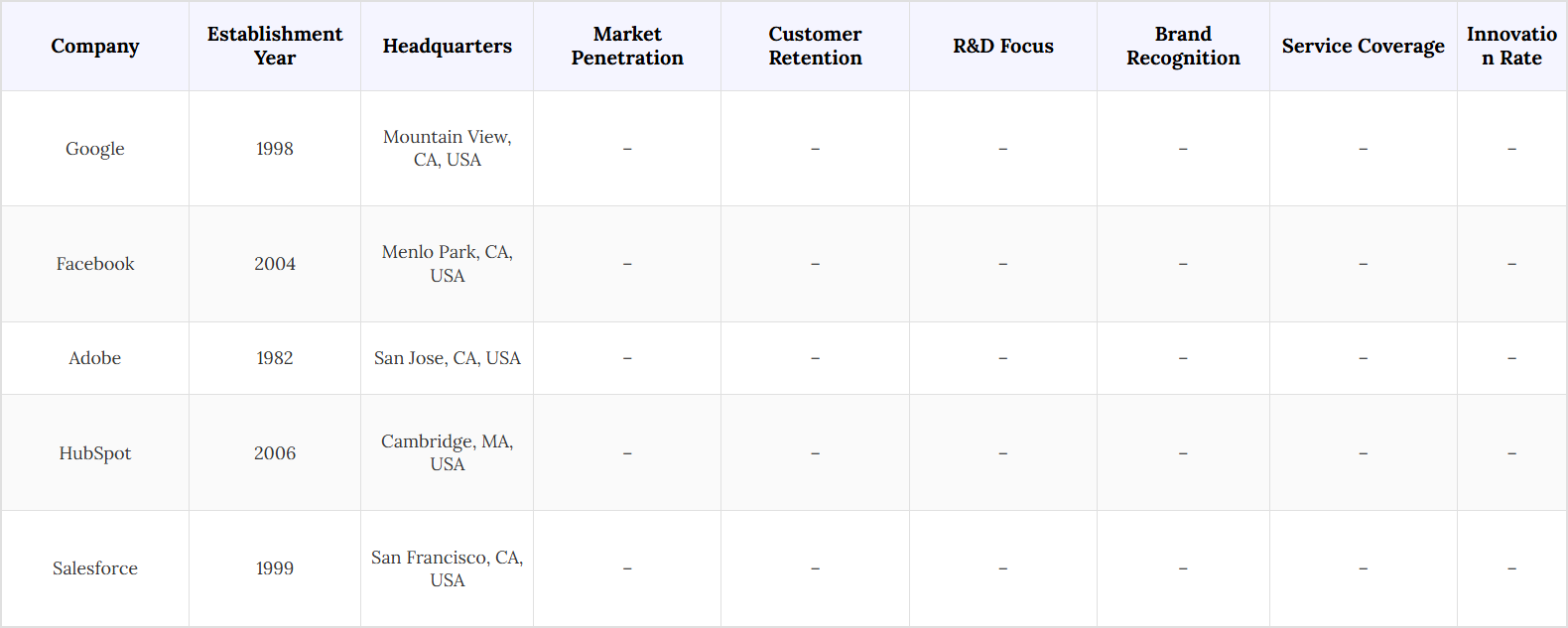
The Global Mobile Market is characterized by intense competition among key players such as Apple, Samsung, and Huawei. These companies are at the forefront of innovation, continuously enhancing their product offerings to meet consumer demands. The market is also witnessing the emergence of new entrants, particularly in developing regions, which adds to the competitive dynamics. The focus on technological advancements, customer satisfaction, and brand loyalty plays a crucial role in shaping the competitive landscape.
The future of the mobile market appears promising, driven by ongoing technological advancements and increasing consumer demand for connectivity. As 5G technology becomes more widespread, it is expected to unlock new applications and services, enhancing user experiences. Additionally, the integration of artificial intelligence and the Internet of Things (IoT) into mobile devices will create new opportunities for innovation. Companies that adapt to these trends and invest in sustainable practices will likely gain a competitive edge in the evolving landscape of the None region's mobile market.
| By Device Type |
Smartphones Feature Phones Tablets |
| By Operating System |
Android iOS Others |
| By Region |
North America Europe Asia-Pacific Latin America Middle East & Africa |
| By Distribution Channel |
Online Offline |
| By Price Range |
Low-end Mid-range High-end |
1.1. Definition and Scope
1.2. Market Taxonomy
1.3. Market Growth Rate
1.4. Market Segmentation Overview
2.1. Historical Market Size
2.2. Year-On-Year Growth Analysis
2.3. Key Market Developments and Milestones
3.1. Growth Drivers
3.1.1. Increasing smartphone penetration globally
3.1.2. Rising demand for mobile internet and data services
3.1.3. Advancements in mobile technology and innovation
3.2. Market Challenges
3.2.1. Intense competition among manufacturers
3.2.2. Rapid technological changes and obsolescence
3.2.3. Regulatory hurdles and compliance issues
3.3. Opportunities
3.3.1. Expansion into emerging markets
3.3.2. Growth of mobile applications and services
3.3.3. Integration of AI and IoT in mobile devices
3.4. Trends
3.4.1. Shift towards 5G technology adoption
3.4.2. Increasing focus on sustainability and eco-friendly products
3.4.3. Rise of foldable and innovative device designs
3.5. Government Regulation
3.5.1. Data privacy and protection regulations
3.5.2. Compliance with environmental standards
3.5.3. Regulations on telecommunications infrastructure
3.5.4. Import/export restrictions and tariffs
3.6. SWOT Analysis
3.7. Stake Ecosystem
3.8. Porter’s Five Forces
3.9. Competition Ecosystem
4.1. By Device Type
4.1.1. Smartphones
4.1.2. Feature Phones
4.1.3. Tablets
4.2. By Operating System
4.2.1. Android
4.2.2. iOS
4.2.3. Others
4.3. By Region
4.3.1. North America
4.3.2. Europe
4.3.3. Asia-Pacific
4.3.4. Latin America
4.3.5. Middle East & Africa
4.4. By Distribution Channel
4.4.1. Online
4.4.2. Offline
4.5. By Price Range
4.5.1. Low-end
4.5.2. Mid-range
4.5.3. High-end
5.1. Detailed Profiles of Major Companies
5.1.1. Apple Inc.
5.1.2. Samsung Electronics
5.1.3. Huawei Technologies
5.1.4. Xiaomi Corporation
5.1.5. Oppo Electronics
5.1.6. OnePlus Technology
5.1.7. Vivo Communication Technology
5.1.8. Realme Mobile
5.1.9. Motorola Mobility
5.1.10. Sony Mobile Communications
5.2. Cross Comparison Parameters
5.2.1. Market Share
5.2.2. Revenue Growth Rate
5.2.3. Product Portfolio Diversity
5.2.4. Geographic Presence
5.2.5. R&D Investment
5.2.6. Customer Satisfaction Ratings
5.2.7. Brand Recognition
5.2.8. Supply Chain Efficiency
6.1. Environmental Standards
6.2. Compliance Requirements
6.3. Certification Processes
7.1. Future Market Size Projections
7.2. Key Factors Driving Future Market Growth
8.1. By Device Type
8.1.1. Smartphones
8.1.2. Feature Phones
8.1.3. Tablets
8.2. By Operating System
8.2.1. Android
8.2.2. iOS
8.2.3. Others
8.3. By Region
8.3.1. North America
8.3.2. Europe
8.3.3. Asia-Pacific
8.3.4. Latin America
8.3.5. Middle East & Africa
8.4. By Distribution Channel
8.4.1. Online
8.4.2. Offline
8.5. By Price Range
8.5.1. Low-end
8.5.2. Mid-range
8.5.3. High-end
9.1. TAM/SAM/SOM Analysis
9.2. Customer Cohort Analysis
9.3. Marketing Initiatives
9.4. White Space Opportunity Analysis
The initial phase involves mapping out the key components and stakeholders within the Global Mobile Market. This step relies on extensive desk research, utilizing a mix of secondary data sources and proprietary databases to gather relevant industry information. The primary goal is to pinpoint and define the essential variables that drive market trends and dynamics.
In this phase, we will gather and analyze historical data related to the Global Mobile Market. This includes evaluating market penetration rates, the relationship between service providers and marketplaces, and the resulting revenue streams. Additionally, we will assess service quality metrics to ensure the accuracy and reliability of the revenue projections.
Market hypotheses will be formulated and validated through structured interviews with industry experts from various sectors. These consultations will provide critical operational and financial insights, helping to refine and substantiate the market data. Engaging with practitioners will enhance the credibility of the findings.
The final phase involves direct discussions with multiple manufacturers to gather in-depth insights into product categories, sales performance, consumer behavior, and other relevant factors. This engagement will help verify and enrich the data obtained from the bottom-up approach, ensuring a thorough and validated analysis of the Global Mobile Market.
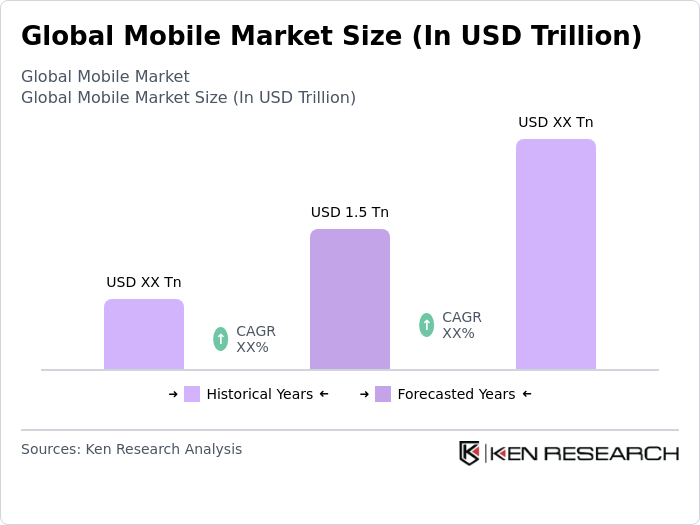
The Global Mobile Market is valued at USD 1.5 trillion, driven by factors such as increasing demand, technological advancements, and supportive government initiatives.
Key challenges in the Global Mobile Market include intense competition, regulatory complexities, and infrastructure limitations affecting market dynamics.
Major players in the Global Mobile Market include Apple Inc., Samsung Electronics, Huawei Technologies, Xiaomi Corporation, Oppo Electronics, among others.
The primary growth drivers for the Global Mobile Market are increasing consumer demand, favorable policies, innovation, and substantial investment inflows.

What makes us stand out is that our consultants follows Robust, Refine and Result (RRR) methodology. i.e. Robust for clear definitions, approaches and sanity checking, Refine for differentiating respondents facts and opinions and Result for presenting data with story

We have set a benchmark in the industry by offering our clients with syndicated and customized market research reports featuring coverage of entire market as well as meticulous research and analyst insights.

While we don't replace traditional research, we flip the method upside down. Our dual approach of Top Bottom & Bottom Top ensures quality deliverable by not just verifying company fundamentals but also looking at the sector and macroeconomic factors.

With one step in the future, our research team constantly tries to show you the bigger picture. We help with some of the tough questions you may encounter along the way: How is the industry positioned? Best marketing channel? KPI's of competitors? By aligning every element, we help maximize success.

Our report gives you instant access to the answers and sources that other companies might choose to hide. We elaborate each steps of research methodology we have used and showcase you the sample size to earn your trust.

If you need any support, we are here! We pride ourselves on universe strength, data quality, and quick, friendly, and professional service.