















Global Pain Relief Patch Market Outlook to 2030
Region:Global
Author(s):Shubham Kashyap
Product Code:KROD6385
December 2024
88
About the Report
Global Pain Relief Patch Market Overview
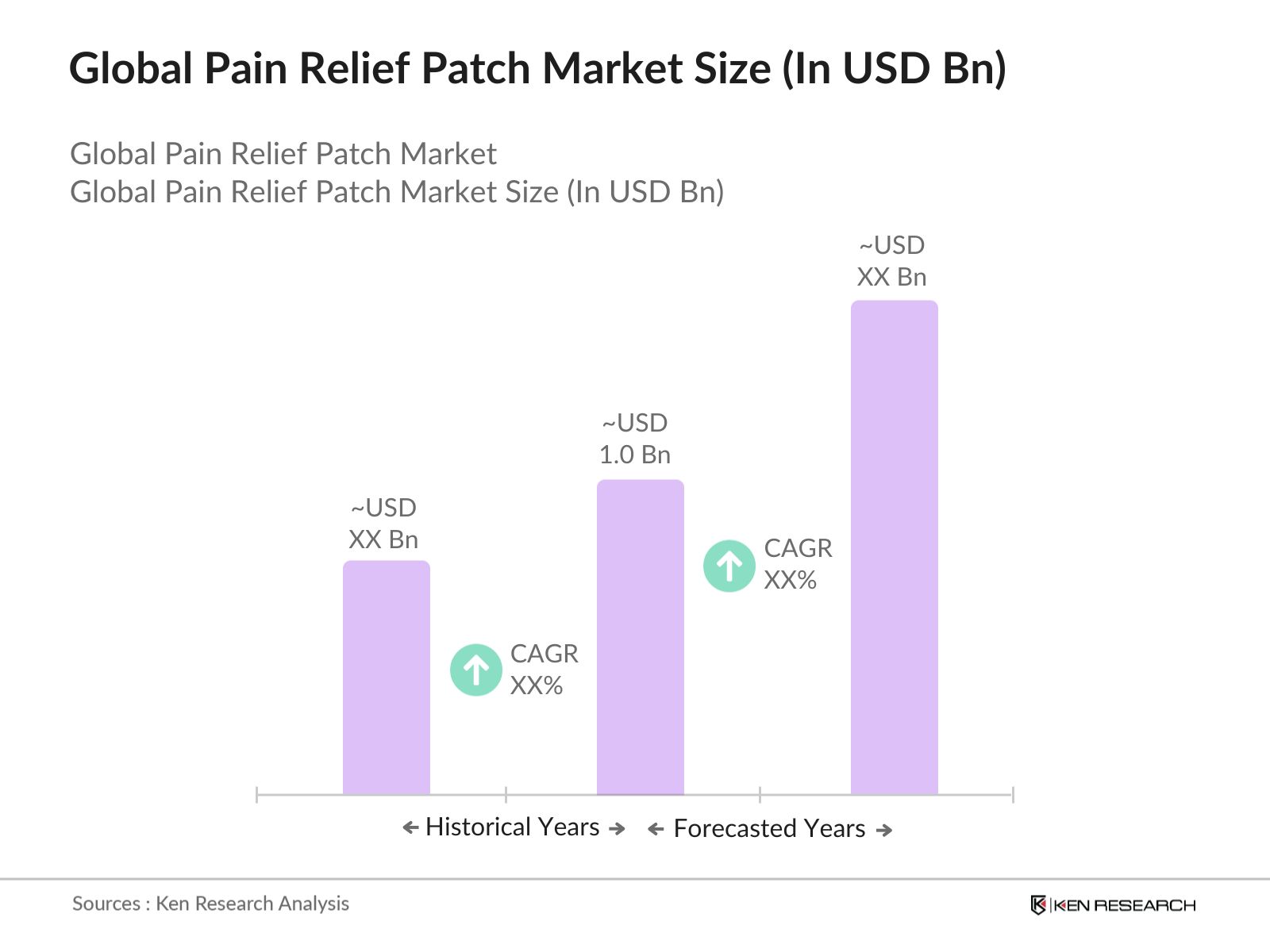
- The global pain relief patch market is valued at USD 1.0 billion, driven by the rising prevalence of chronic pain conditions, increasing healthcare expenditure, and growing consumer preference for non-invasive pain management solutions. This market growth is significantly influenced by advancements in transdermal drug delivery technologies, enabling the development of effective and convenient pain relief options. Moreover, the shift towards self-medication and the increasing focus on personalized healthcare further contribute to the demand for pain relief patches.
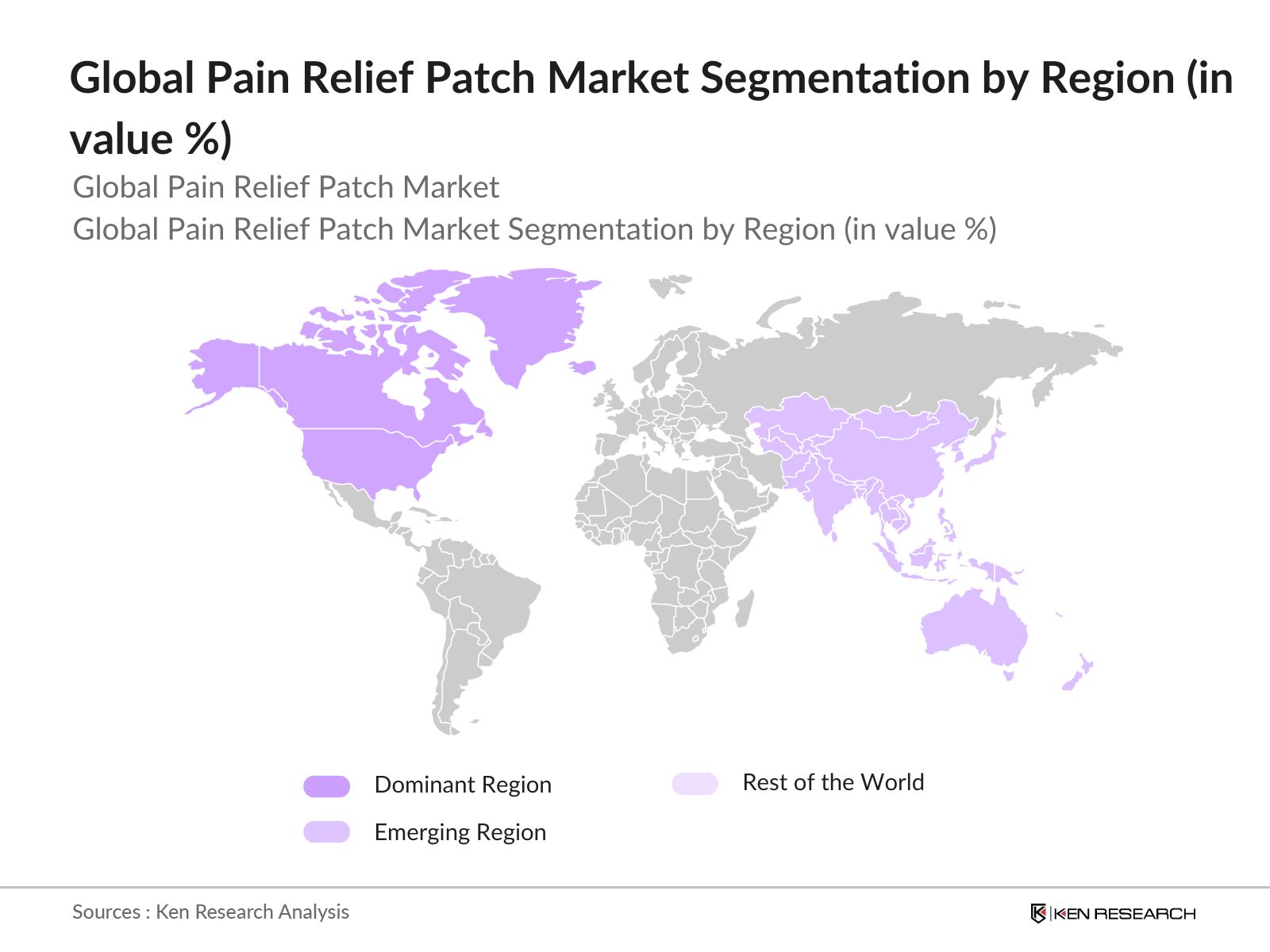
- North America and Asia-Pacific are the dominant regions in the pain relief patch market. North America, particularly the United States, leads due to a high incidence of chronic pain among the aging population, coupled with well-established healthcare infrastructure and consumer awareness regarding pain management options. In Asia-Pacific, countries like China and India are witnessing rapid growth driven by increased healthcare spending, a rising population engaged in sports, and greater accessibility to medical facilities, paving the way for innovative pain relief solutions.
- Compliance with regulations from the FDA and EMA is essential for pain relief patch manufacturers. The FDA requires rigorous testing and clinical data to ensure the safety and efficacy of transdermal products, which can involve lengthy approval processes. As of 2023, the FDA has implemented new guidelines for manufacturers, emphasizing the need for post-market surveillance to monitor adverse effects. Similarly, the EMA mandates compliance with strict safety standards, which can be challenging for new entrants in the market. Adherence to these regulations is critical for maintaining market integrity.
Global Pain Relief Patch Market Segmentation
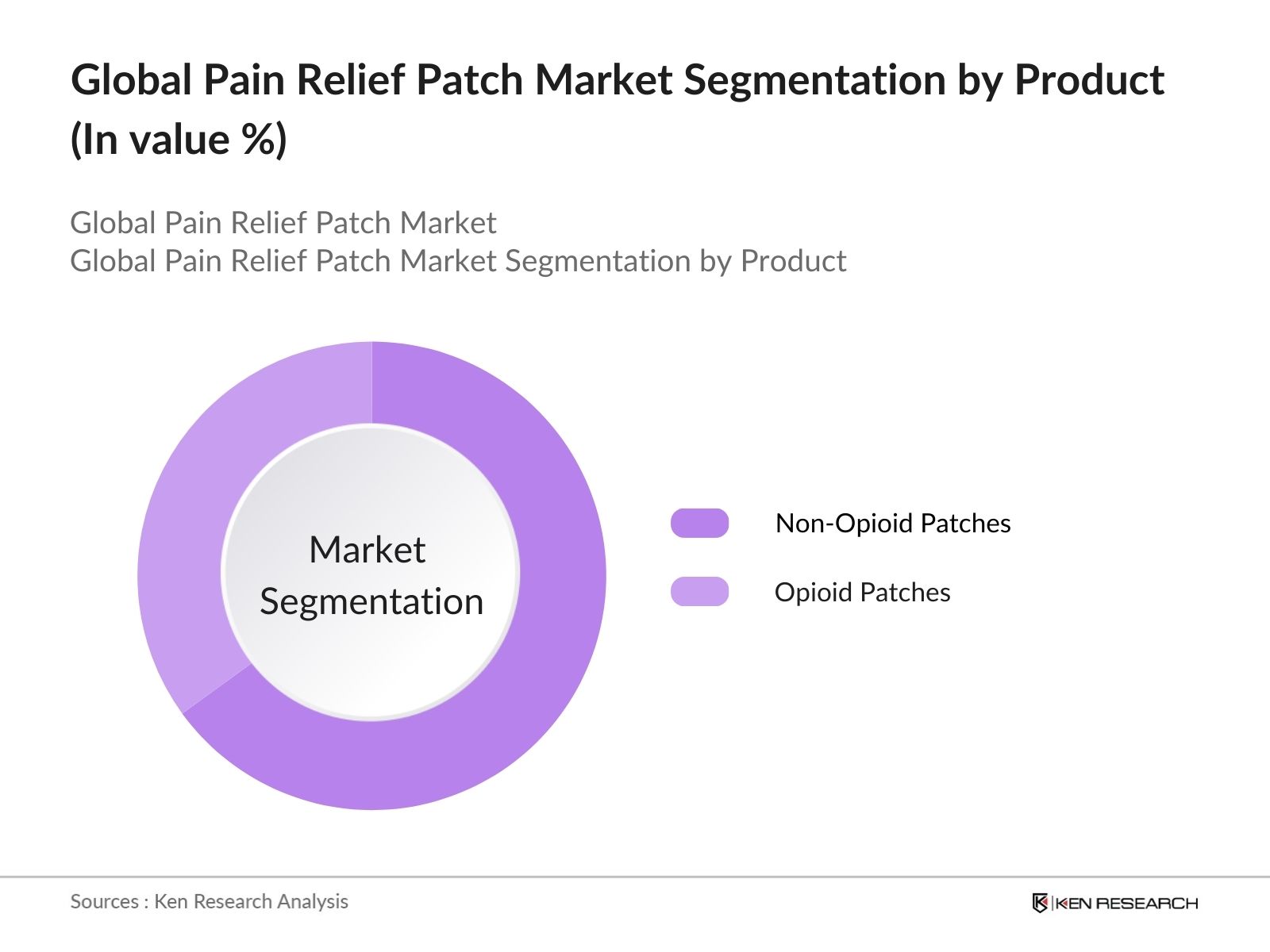
- By Product Type: The market is segmented by product type into opioid patches and non-opioid patches. Non-opioid patches currently dominate the market share as they are increasingly preferred by consumers seeking safe and effective pain relief without the risk of opioid dependency. This segment has seen a surge in adoption due to growing awareness about the dangers associated with opioid use. Brands such as Salonpas and IcyHot have established strong market presence, offering reliable non-opioid solutions that cater to a wide range of pain management needs.
- By Application: The market is also segmented by application into chronic pain management and acute pain management. Chronic pain management leads this segment as it addresses the needs of a significant portion of the population suffering from conditions such as arthritis, back pain, and fibromyalgia. The growing elderly population, particularly in developed regions, coupled with a rising awareness of chronic pain treatment options, has amplified the demand for effective chronic pain management solutions.
- By Region: The Market is regionally segmented into North America, Asia Pacific, Europe, Latin America, and the Middle East & Africa. North America, especially the U.S., leads the market due to a high prevalence of chronic pain and a strong healthcare infrastructure that supports easy accessibility to pain relief products. The Asia Pacific region is rapidly growing due to increasing healthcare expenditure, an aging population, and rising awareness of non-invasive pain management options, with China, Japan, and India being key markets.
Global Pain Relief Patch Market Competitive Landscape
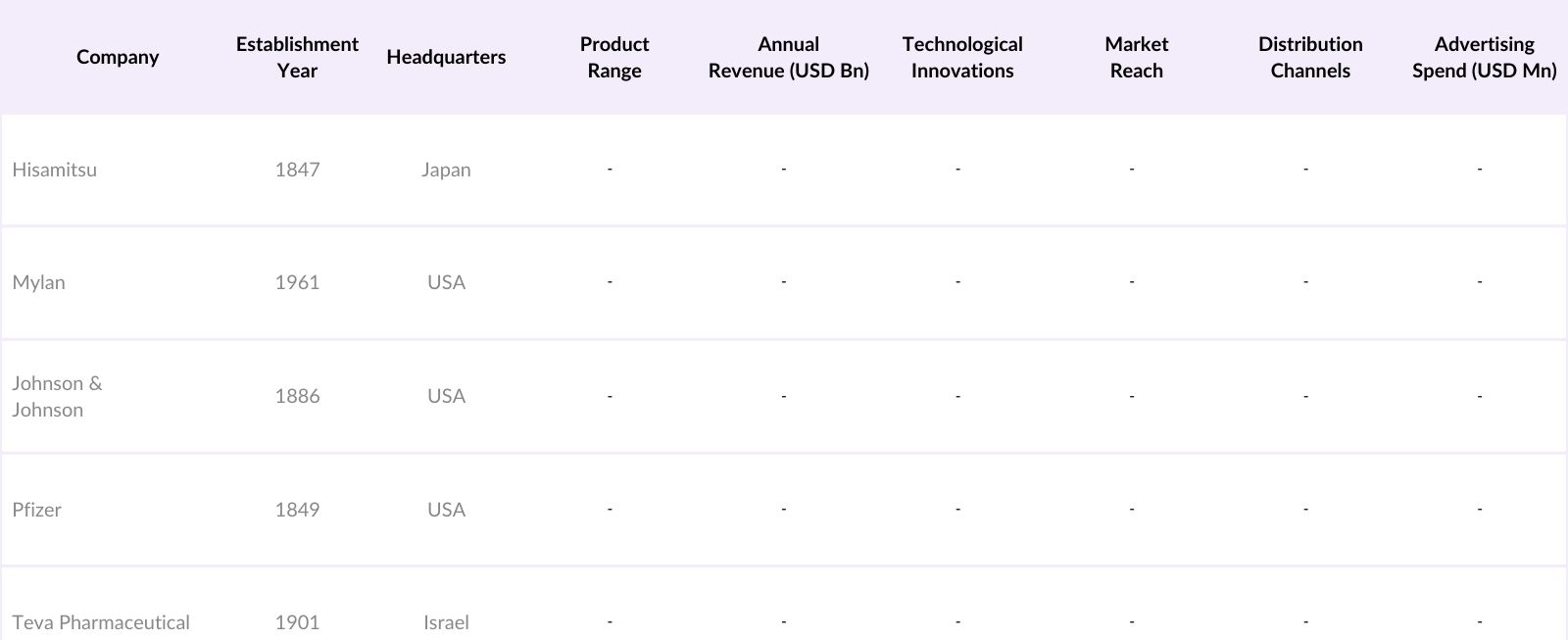
The global pain relief patch market features a mix of major players with diverse product portfolios and established distribution networks. These companies emphasize innovation, quality, and regulatory compliance, which distinguish them in a competitive market landscape.
Global Pain Relief Patch Market Analysis
Growth Drivers:
- Rising Prevalence of Chronic Pain: The global prevalence of chronic pain disorders continues to rise, significantly influencing the demand for pain relief patches. According to the World Health Organization, an estimated 20% of adults experience chronic pain globally, translating to approximately 1.5 billion individuals affected. In the United States, the National Institutes of Health reported that about 50 million adults suffer from chronic pain, contributing to high healthcare costs, estimated at USD 635 billion annually. This alarming trend drives consumers towards innovative and effective pain management solutions, including transdermal patches.
- Advancements in Transdermal Technology: The development of advanced transdermal drug delivery systems has propelled the growth of the pain relief patch market. Recent innovations include microneedle technology, which enhances drug absorption and efficacy. Research indicates that microneedle patches can deliver medication more efficiently, reducing the need for injections. In 2022, the National Institute of Health reported that microneedle patches can achieve a 80% delivery efficiency compared to traditional methods. This advancement not only improves patient compliance but also reduces healthcare visits, making transdermal solutions increasingly attractive.
- Rising Geriatric Population: The ageing global population is a significant driver of the pain relief patch market. The United Nations projects that by 2050, 1.5 billion people will be aged 65 and older. This demographic shift correlates with an increased incidence of chronic pain conditions such as arthritis and neuropathy. In the U.S., the Centers for Disease Control and Prevention reports that 30% of older adults experience chronic pain, underscoring the urgent need for effective pain management solutions tailored to this population. The rise in geriatric individuals directly contributes to a growing market for pain relief patches.
Market Challenges:
- Regulatory Compliance and Standards: Regulatory compliance remains a critical challenge in the pain relief patch market. Agencies such as the U.S. Food and Drug Administration (FDA) and the European Medicines Agency (EMA) enforce stringent guidelines for transdermal products to ensure safety and efficacy. As of 2023, the FDA requires comprehensive clinical data supporting the claims made by pain patch manufacturers, which can extend development timelines significantly. This regulatory landscape necessitates substantial investment in compliance and testing, potentially slowing down market entry for new products.
- Adverse Skin Reactions and Sensitivities: Adverse skin reactions remain a significant concern associated with the use of pain relief patches. Reports indicate that between 10% of users experience localized skin irritation or allergic reactions to patch materials. This issue has been documented in various studies, with the Journal of Clinical Dermatology noting that such reactions can lead to discontinuation of therapy. As manufacturers strive to create hypoallergenic materials, the challenge of ensuring patient safety and satisfaction continues to impact market growth.
Global Pain Relief Patch Market Future Outlook
The global pain relief patch market is poised for steady growth through the next five year, fueled by the increasing prevalence of chronic pain, advancements in transdermal technology, and heightened consumer awareness of non-invasive treatment options. As the healthcare landscape evolves, innovative patch designs and formulations are expected to emerge, further enhancing their effectiveness and user convenience. The ongoing trend towards personalized healthcare solutions will also contribute significantly to market growth, creating opportunities for companies to differentiate their offerings.
Future Market Opportunities:
- Emerging Markets in Asia-Pacific and Latin America: Emerging markets in Asia-Pacific and Latin America present significant growth opportunities for the pain relief patch market. The World Bank forecasts that these regions will experience robust economic growth, with GDP growth rates projected at 4.5% in Asia-Pacific and 3.5% in Latin America through 2025. As economic conditions improve, increased healthcare expenditure is expected, providing an avenue for the adoption of advanced pain management solutions. The expanding middle class in these regions will likely drive demand for effective, affordable pain relief options, creating a favorable environment for market expansion.
- Technological Innovations in Patch Design: Technological innovations in patch design are set to transform the pain relief market. Advancements such as smart patches equipped with IoT capabilities are being developed to monitor pain levels and deliver medication accordingly. A recent study indicated that 40% of patients express interest in using digital health solutions for pain management, highlighting a shift towards personalized medicine. The integration of technology in pain patches will likely enhance treatment effectiveness and patient adherence, paving the way for future growth in this sector.
Scope of the Report
|
By Product Type |
Non-Opioid Patches Opioid Patches Natural Ingredient-Based Patches |
|
By Application |
Chronic Pain Management Sports Injuries Post-Surgical Recovery |
|
By End-User |
Hospitals and Clinics Home Care Settings Retail Pharmacies |
|
By Distribution Channel |
Pharmacy and Drug Stores Online Retailers Hospital Pharmacies |
|
By Region |
North America Europe Asia-Pacific Latin America Middle East & Africa |
Products
Key Target Audience
Investors and Venture Capitalist Firms
Banks and Financial Institutions
Government and Regulatory Bodies (FDA, EMA)
Pharmaceutical Manufacturers
Healthcare Providers and Hospital Chains
Retail Pharmacies and Drug Stores
Sports and Rehabilitation Centers
Chronic Pain Management Clinics
Companies
Players Mentioned in the Report
Hisamitsu Pharmaceutical Co., Inc.
Mylan N.V.
Johnson & Johnson
Pfizer Inc.
Sanofi S.A.
Novartis AG
GlaxoSmithKline plc
Teva Pharmaceutical Industries Ltd.
Endo International plc
Grnenthal Group
Nichiban Co., Ltd.
Actavis
Purdue Pharma LP
Viatris Inc.
Haw Par Corporation
Table of Contents
01 Global Pain Relief Patch Market Overview
1.1. Definition and Scope
1.2. Market Taxonomy
1.3. Market Growth Rate
1.4. Market Segmentation Overview
02 Global Pain Relief Patch Market Size (In USD Bn)
2.1. Historical Market Size
2.2. Year-On-Year Growth Analysis
2.3. Key Market Developments and Milestones
03 Global Pain Relief Patch Market Analysis
3.1. Growth Drivers
3.1.1. Increase in Chronic Pain Disorders
3.1.2. Advancements in Transdermal Technology
3.1.3. Rising Geriatric Population
3.1.4. Demand for Non-Invasive Pain Relief Solutions
3.2. Market Challenges
3.2.1. Regulatory Compliance and Standards
3.2.2. Adverse Skin Reactions and Sensitivities
3.2.3. Competitive Pricing Pressures
3.3. Opportunities
3.3.1. Emerging Markets in Asia-Pacific and Latin America
3.3.2. Technological Innovations in Patch Design
3.3.3. Increased Healthcare Expenditure
3.4. Trends
3.4.1. Use of Biodegradable Patch Materials
3.4.2. Customization and Personalization in Pain Management
3.4.3. Adoption of Reusable Pain Patches
3.5. Government Regulations
3.5.1. FDA and EMA Compliance for Pain Patches
3.5.2. Licensing and Safety Standards
3.6. SWOT Analysis
3.7. Stakeholder Ecosystem
3.8. Porters Five Forces Analysis
3.9. Competition Ecosystem
Global Pain Relief Patch Market Segmentation
4.1. By Product Type (In Value %)
4.1.1. Non-Opioid Patches
4.1.2. Opioid Patches
4.1.3. Natural Ingredient-Based Patches
4.2. By Application (In Value %)
4.2.1. Chronic Pain Management
4.2.2. Sports Injuries
4.2.3. Post-Surgical Recovery
4.3. By End-User (In Value %)
4.3.1. Hospitals and Clinics
4.3.2. Home Care Settings
4.3.3. Retail Pharmacies
4.4. By Distribution Channel (In Value %)
4.4.1. Pharmacy and Drug Stores
4.4.2. Online Retailers
4.4.3. Hospital Pharmacies
4.5. By Region (In Value %)
4.5.1. North America
4.5.2. Europe
4.5.3. Asia-Pacific
4.5.4. Latin America
4.5.5. Middle East & Africa
05 Global Pain Relief Patch Market Competitive Analysis
5.1. Detailed Profiles of Major Companies
Hisamitsu Pharmaceutical Co., Inc.
Mylan N.V.
Johnson & Johnson
Actavis
Teikoku Seiyaku Co., Ltd.
Sanofi S.A.
Novartis AG
Pfizer Inc.
GlaxoSmithKline plc (GSK)
Viatris Inc.
Endo International plc
Nichiban Co., Ltd.
Teva Pharmaceutical Industries Ltd.
Purdue Pharma LP
Grnenthal Group
5.2. Cross Comparison Parameters (Revenue, Product Portfolio, R&D Investment, Market Share, Geographic Reach, Technological Innovations, Key Partnerships, Customer Base)
5.3. Market Share Analysis
5.4. Strategic Initiatives
5.5. Mergers and Acquisitions
5.6. Investment Analysis
5.7. Venture Capital Funding
06 Global Pain Relief Patch Market Regulatory Framework
6.1. Compliance Standards for Transdermal Patches
6.2. Certification Processes
6.3. Safety and Efficacy Guidelines
07 Global Pain Relief Patch Future Market Size (In USD Bn)
7.1. Future Market Size Projections
7.2. Key Factors Driving Future Market Growth
08 Global Pain Relief Patch Future Market Segmentation
8.1. By Product Type (In Value %)
8.2. By Application (In Value %)
8.3. By End-User (In Value %)
8.4. By Distribution Channel (In Value %)
8.5. By Region (In Value %)
09 Global Pain Relief Patch Market Analysts Recommendations
9.1. TAM/SAM/SOM Analysis
9.2. Customer Cohort Analysis
9.3. Marketing Initiatives
9.4. White Space Opportunity Analysis
Disclaimer Contact UsResearch Methodology
Step 1: Identification of Key Variables
In this initial phase, we mapped out all major stakeholders and market influencers within the pain relief patch market. Extensive secondary research was conducted to establish a baseline understanding of industry variables such as pricing trends, distribution channels, and regulatory impacts.
Step 2: Market Analysis and Construction
Historical data on market size, adoption rates, and technology advancements were analyzed to create reliable estimations for market growth. We incorporated diverse metrics such as revenue per capita and cross-market penetration to improve accuracy.
Step 3: Hypothesis Validation and Expert Consultation
Industry hypotheses were tested through structured interviews with experts from pharmaceutical companies, healthcare providers, and key government agencies. These consultations enriched our understanding of market challenges and projected trends.
Step 4: Research Synthesis and Final Output
The final phase synthesized qualitative insights from market players, validating quantitative data through triangulated analysis. This comprehensive approach ensured a balanced perspective and a highly accurate market representation.
Frequently Asked Questions
01. How big is the global pain relief patch market?
The global pain relief patch market is valued at USD 1.0 billion, driven by the increasing prevalence of chronic pain conditions and rising demand for non-invasive treatment options.
02. What are the challenges in the pain relief patch market?
Challenges in the global pain relief patch market include regulatory hurdles for product approvals, high costs of R&D for new patches, and occasional skin sensitivity issues among certain users, which can affect product adoption.
03. Who are the major players in the global pain relief patch market?
Key playersin the global pain relief patch market include Hisamitsu, Mylan, Johnson & Johnson, Pfizer, and Sanofi. These companies lead due to their extensive product portfolios, innovative R&D efforts, and large distribution networks.
04. What drives the demand for pain relief patches?
global pain relief patch market demand is primarily driven by the growing prevalence of chronic conditions, such as arthritis and back pain, especially among the aging population. Moreover, advancements in transdermal delivery have increased patch effectiveness.
Why Buy From Us?

What makes us stand out is that our consultants follows Robust, Refine and Result (RRR) methodology. i.e. Robust for clear definitions, approaches and sanity checking, Refine for differentiating respondents facts and opinions and Result for presenting data with story

We have set a benchmark in the industry by offering our clients with syndicated and customized market research reports featuring coverage of entire market as well as meticulous research and analyst insights.

While we don't replace traditional research, we flip the method upside down. Our dual approach of Top Bottom & Bottom Top ensures quality deliverable by not just verifying company fundamentals but also looking at the sector and macroeconomic factors.

With one step in the future, our research team constantly tries to show you the bigger picture. We help with some of the tough questions you may encounter along the way: How is the industry positioned? Best marketing channel? KPI's of competitors? By aligning every element, we help maximize success.

Our report gives you instant access to the answers and sources that other companies might choose to hide. We elaborate each steps of research methodology we have used and showcase you the sample size to earn your trust.

If you need any support, we are here! We pride ourselves on universe strength, data quality, and quick, friendly, and professional service.