















Global Pain Relief Patches Market Outlook to 2030
Region:Global
Author(s):Shivani Mehra
Product Code:KROD3699
December 2024
89
About the Report
Global Pain Relief Patches Market Overview
- The Global Pain Relief Patches market, valued at USD 3.9billion based on a five-year historical analysis, is driven by an increasing demand for non-invasive pain management solutions. The rise in chronic pain conditions, fueled by aging populations and a growing preference for over-the-counter solutions, contributes to the expansion of this market.
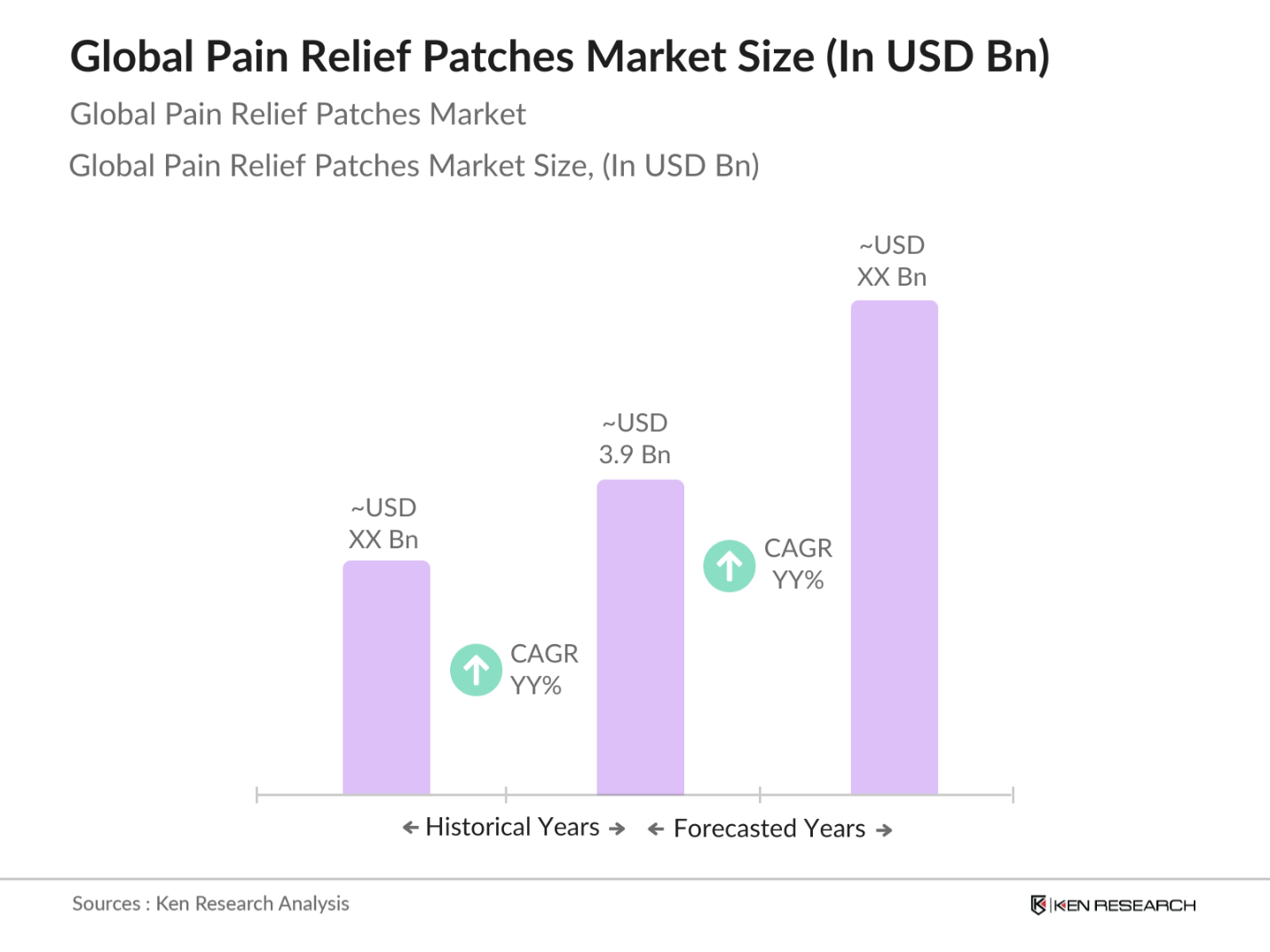
- Countries such as the United States, Japan, and Germany dominate the market due to advanced healthcare infrastructure and a high incidence of chronic conditions like arthritis, neuropathic pain, and musculoskeletal disorders. These nations also benefit from well-established pharmaceutical industries, strong distribution networks, and robust healthcare spending, which allow them to lead the adoption and consumption of pain relief patches globally.
- In 2023, the U.S. Food and Drug Administration (FDA) introduced updated guidelines for pain relief products, including transdermal patches, to enhance safety and efficacy. These guidelines focus on stringent clinical trials and post-market surveillance, ensuring that manufacturers adhere to higher standards of product safety. These regulatory updates have led to an increase in the approval time for new pain relief patches, but they also provide greater market confidence, reducing the risks of product recalls. The enhanced regulatory environment encourages more reliable pain management solutions for consumers.
Global Pain Relief Patches Market Segmentation
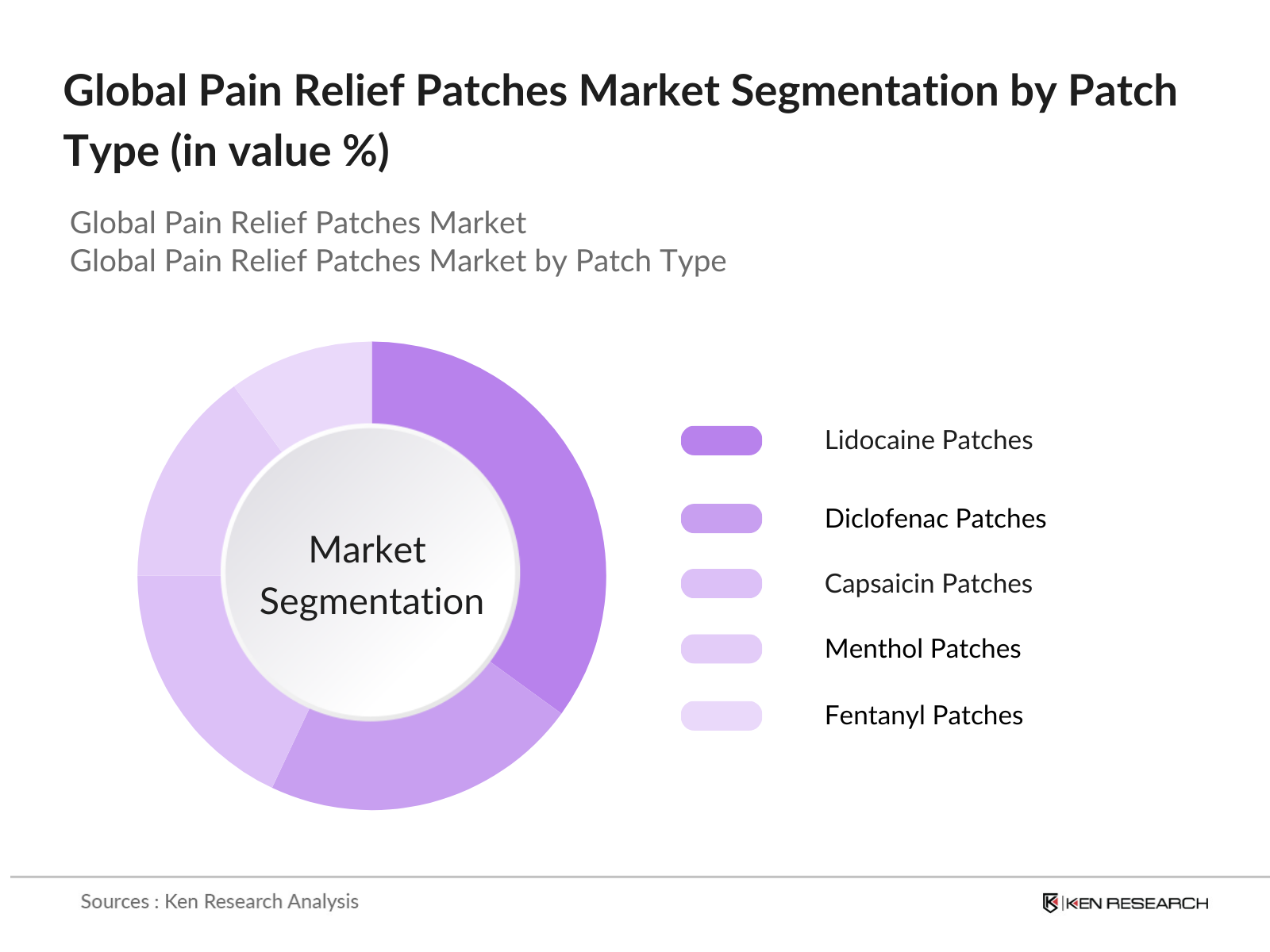
By Patch Type: The Global Pain Relief Patches market is segmented by patch type into lidocaine patches, diclofenac patches, capsaicin patches, menthol patches, and fentanyl patches. Among these, lidocaine patches dominate the market share due to their effective local anesthetic properties and wide applications in treating both acute and chronic pain. They are frequently prescribed for post-herpetic neuralgia and musculoskeletal conditions, contributing to their significant share.
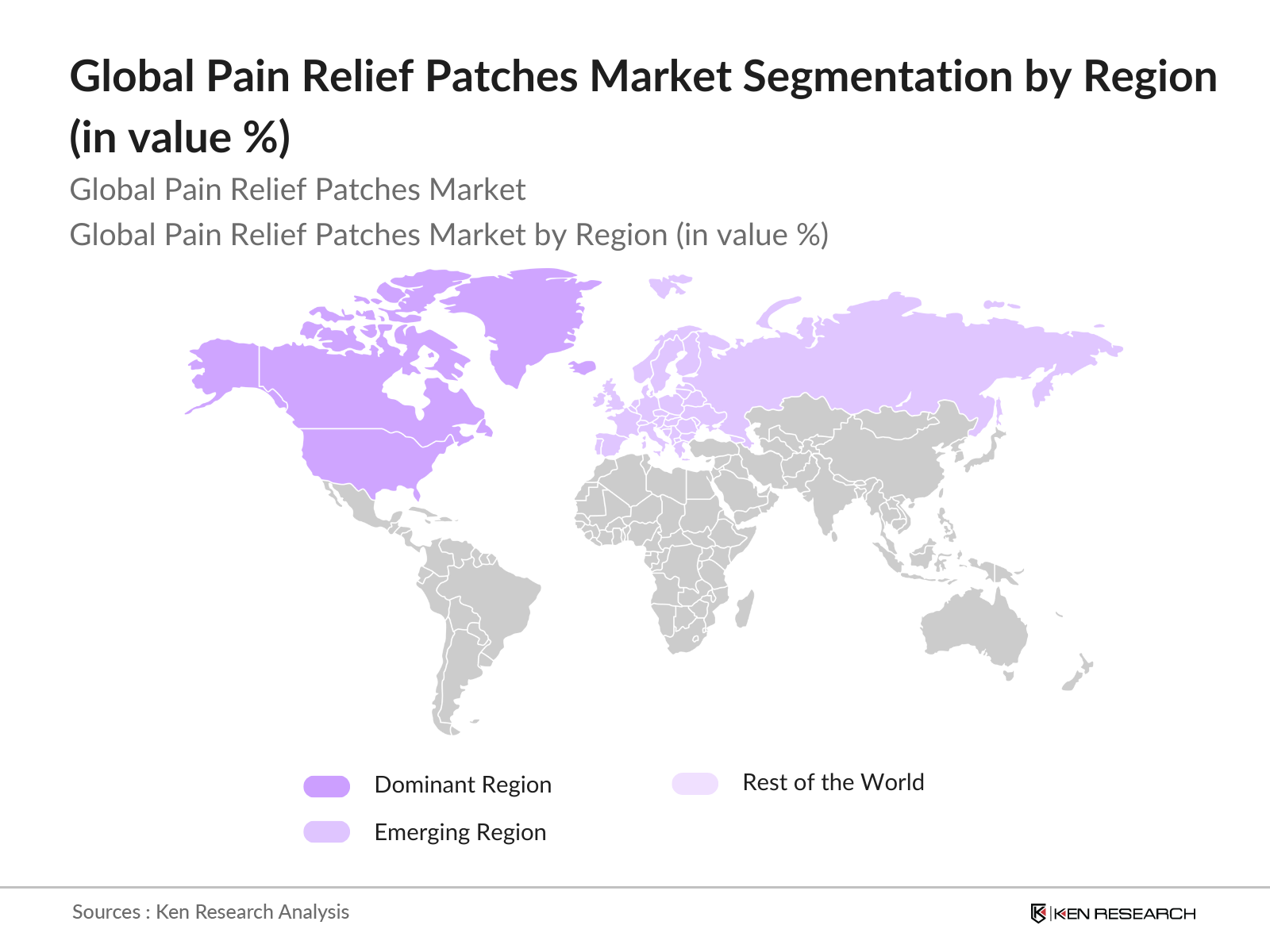
By Region: The Global Pain Relief Patches market is segmented regionally into North America, Europe, Asia-Pacific, Latin America, and the Middle East & Africa. Among these, North America dominates the market due to its advanced healthcare infrastructure and the presence of leading pharmaceutical manufacturers. The region sees a high demand for innovative pain management products, driven by an increasing awareness of non-invasive treatments and well-established regulatory frameworks that support the development and distribution of such products.
Global Pain Relief Patches Market Competitive Landscape
The Global Pain Relief Patches market is characterized by a mix of well-established pharmaceutical giants and specialized healthcare companies. Companies in this market compete based on product innovation, geographic reach, and strategic collaborations.
|
Company |
Establishment Year |
Headquarters |
R&D Spending |
Patents |
Product Portfolio |
Collaborations |
Geographic Reach |
|
Hisamitsu Pharmaceutical Co. |
1847 |
Japan |
|||||
|
Pfizer Inc. |
1849 |
USA |
|||||
|
GlaxoSmithKline PLC |
2000 |
UK |
|||||
|
Sanofi S.A. |
1973 |
France |
|||||
|
Mylan N.V. |
1961 |
USA |
Global Pain Relief Patches Market Analysis
Market Growth Drivers
- Increasing Prevalence of Chronic Pain (Healthcare System Overload): As of 2023, chronic pain affects over 1.5 billion people globally, according to the World Health Organization (WHO). With healthcare systems under increasing strain, there has been a notable rise in demand for accessible and efficient pain management solutions such as pain relief patches. Chronic pain-related hospital admissions are estimated to increase by 10 million annually by 2025. The growing burden on healthcare systems, combined with the convenience and effectiveness of patches, positions them as a key solution in non-invasive pain management.
- Rising Demand for Non-Invasive Pain Management (Consumer Preferences): In 2022, a significant number of patients in the United States sought non-invasive methods for pain management, such as patches, over traditional invasive procedures. This shift in consumer preference stems from concerns about opioid dependency, making non-invasive pain relief products a safer and more accessible option. The growing demand has led to a surge in healthcare expenditure on non-invasive pain treatments, with spending in the U.S. surpassing $400 billion in 2023, according to the Centers for Medicare & Medicaid Services.
- Growing Geriatric Population (Global Demographic Shifts): The global geriatric population (aged 65 and above) reached 761 million in 2022, as per the United Nations. By 2025, this number is expected to further increase due to declining birth rates and improvements in healthcare. With aging populations often experiencing chronic pain conditions such as arthritis, the demand for effective, easy-to-use pain relief methods like patches has been increasing. This demographic shift has led to an exponential rise in the production and distribution of pain management patches tailored to elderly users.
Market Challenges
- Side Effects and Contraindications (Product Safety Regulations): Despite their growing popularity, pain relief patches have been associated with certain side effects such as skin irritation, allergic reactions, and potential interactions with medications. According to the U.S. Food and Drug Administration (FDA), over 20,000 cases of adverse reactions to transdermal patches were reported in 2023. These issues highlight the need for stringent safety standards, with manufacturers required to meet strict regulatory guidelines. Ongoing regulatory scrutiny may delay new product releases, presenting a challenge for market players.
- Competition from Alternative Pain Management Solutions (Competitive Landscape): Pain management solutions such as oral medications, physical therapy, and injectable treatments continue to dominate in many regions. In 2023, oral pain relief solutions remained a major option for pain management in Europe, limiting the market share for patches. The widespread availability and affordability of these alternatives pose significant competition for the pain relief patch market, particularly in regions with lower disposable income where cost is a primary concern. This competitive landscape challenges the expansion of pain relief patches in markets traditionally reliant on more established treatments.
Global Pain Relief Patches Market Future Outlook
The Global Pain Relief Patches market is poised for sustained growth in the coming years, driven by increasing consumer preference for non-invasive treatments, advancements in transdermal drug delivery systems, and the expanding geriatric population globally. The development of innovative, targeted pain relief solutions and the integration of digital health technologies into pain management will further boost market growth. Additionally, the rise in e-commerce platforms offering easy access to OTC pain relief patches is expected to support broader market penetration.
Market Opportunities:
- Eco-Friendly and Biodegradable Patches (Sustainability Trends): With growing environmental awareness, consumers are demanding eco-friendly medical products, including biodegradable pain relief patches. In 2023, global demand for biodegradable healthcare products increased by 20%, leading manufacturers to explore sustainable alternatives for traditional materials used in patches. Companies developing eco-friendly pain relief patches can cater to this rising demand, particularly in Europe, where environmental regulations have tightened, requiring lower plastic and chemical usage in medical products.
- Adoption of Wearable Medical Devices (Integration with Digital Health Platforms): The integration of wearable technology with pain relief patches is revolutionizing the healthcare industry. In 2023, wearable devices capable of monitoring health metrics and adjusting patch dosages based on patient data saw a 15% increase in adoption across North America. These devices, which integrate with digital health platforms, allow real-time monitoring and customization, providing a seamless and efficient pain management solution. Such technological advancements are expected to play a significant role in the future of pain management.
Scope of the Report
|
By Patch Type |
Lidocaine Patches Diclofenac Patches Capsaicin Patches Menthol Patches Fentanyl Patches |
|
By Pain Type |
Acute Pain Chronic Pain Musculoskeletal Pain Neuropathic Pain Post-Operative Pain |
|
By Distribution Channel |
Hospital Pharmacies Retail Pharmacies E-commerce Platforms Drug Stores |
|
By Application |
Sports Injuries Back Pain Arthritis Post-Surgical Pain Cancer Pain |
|
By Region |
North America Europe Asia-Pacific Latin America Middle East & Africa |
Products
Key Target Audience
Pain Management Product Manufacturers
Hospitals and Healthcare Providers
Pharmaceutical Distributors
Pain Management Clinics
Government and Regulatory Bodies (e.g., FDA, European Medicines Agency)
Investments and Venture Capitalist Firms
E-commerce and Retail Platforms
Pain Management Research Organizations
Companies
Players Mention in the Report
Hisamitsu Pharmaceutical Co.
Pfizer Inc.
GlaxoSmithKline PLC
Sanofi S.A.
Mylan N.V.
Novartis AG
Johnson & Johnson
Endo Pharmaceuticals Inc.
Teikoku Seiyaku Co.
Actavis PLC
Acorda Therapeutics, Inc.
Grnenthal GmbH
Purdue Pharma L.P.
3M Company
Teva Pharmaceutical Industries Ltd.
Table of Contents
1. Global Pain Relief Patches Market Overview
1.1. Definition and Scope
1.2. Market Taxonomy
1.3. Market Growth Rate
1.4. Market Segmentation Overview
2. Global Pain Relief Patches Market Size (In USD Bn)
2.1. Historical Market Size
2.2. Year-On-Year Growth Analysis
2.3. Key Market Developments and Milestones
3. Global Pain Relief Patches Market Analysis
3.1. Growth Drivers
3.1.1. Increasing Prevalence of Chronic Pain (Healthcare System Overload)
3.1.2. Rising Demand for Non-Invasive Pain Management (Consumer Preferences)
3.1.3. Growing Geriatric Population (Global Demographic Shifts)
3.1.4. Increased Physical Activity and Sports Injuries (Consumer Lifestyle)
3.2. Market Challenges
3.2.1. Side Effects and Contraindications (Product Safety Regulations)
3.2.2. Competition from Alternative Pain Management Solutions (Competitive Landscape)
3.2.3. Fluctuating Raw Material Prices (Supply Chain Volatility)
3.3. Opportunities
3.3.1. Emerging Markets (Untapped Geographic Markets)
3.3.2. Innovative Drug Delivery Technologies (Technological Advancements)
3.3.3. Online Retail Expansion (E-commerce Penetration)
3.4. Trends
3.4.1. Eco-Friendly and Biodegradable Patches (Sustainability Trends)
3.4.2. Customizable Dosage Patches (Personalized Medicine)
3.4.3. Adoption of Wearable Medical Devices (Integration with Digital Health Platforms)
3.5. Government Regulations
3.5.1. FDA Guidelines for Pain Relief Products (Regulatory Compliance)
3.5.2. Reimbursement Policies for Pain Management Products (Health Insurance Policies)
3.5.3. National Campaigns for Chronic Pain Awareness (Public Health Initiatives)
3.6. SWOT Analysis
3.7. Stakeholder Ecosystem (Manufacturers, Suppliers, Healthcare Providers, Consumers)
3.8. Porters Five Forces (Competitive Intensity, Supplier Power, Buyer Power, Threat of Substitutes, Threat of New Entrants)
3.9. Competition Ecosystem
4. Global Pain Relief Patches Market Segmentation
4.1. By Patch Type (In Value %)
4.1.1. Lidocaine Patches
4.1.2. Diclofenac Patches
4.1.3. Capsaicin Patches
4.1.4. Menthol Patches
4.1.5. Fentanyl Patches
4.2. By Pain Type (In Value %)
4.2.1. Acute Pain
4.2.2. Chronic Pain
4.2.3. Musculoskeletal Pain
4.2.4. Neuropathic Pain
4.2.5. Post-Operative Pain
4.3. By Distribution Channel (In Value %)
4.3.1. Hospital Pharmacies
4.3.2. Retail Pharmacies
4.3.3. E-commerce Platforms
4.3.4. Drug Stores
4.4. By Application (In Value %)
4.4.1. Sports Injuries
4.4.2. Back Pain
4.4.3. Arthritis
4.4.4. Post-Surgical Pain
4.4.5. Cancer Pain
4.5. By Region (In Value %)
4.5.1. North America
4.5.2. Europe
4.5.3. Asia-Pacific
4.5.4. Latin America
4.5.5. Middle East & Africa
5. Global Pain Relief Patches Market Competitive Analysis
5.1. Detailed Profiles of Major Companies
5.1.1. Hisamitsu Pharmaceutical Co.
5.1.2. Teikoku Seiyaku Co.
5.1.3. Mylan N.V.
5.1.4. Pfizer Inc.
5.1.5. GlaxoSmithKline PLC
5.1.6. Sanofi S.A.
5.1.7. Endo Pharmaceuticals Inc.
5.1.8. Novartis AG
5.1.9. Actavis PLC
5.1.10. Johnson & Johnson
5.1.11. Teva Pharmaceutical Industries Ltd.
5.1.12. Acorda Therapeutics, Inc.
5.1.13. 3M Company
5.1.14. Grnenthal GmbH
5.1.15. Purdue Pharma L.P.
5.2. Cross Comparison Parameters (Product Portfolio, R&D Spending, Geographic Reach, Manufacturing Capacity, Patents, Collaborations, Market Share, Sales Growth)
5.3. Market Share Analysis
5.4. Strategic Initiatives
5.5. Mergers and Acquisitions
5.6. Investment Analysis
5.7. Venture Capital Funding
5.8. Government Grants
5.9. Private Equity Investments
6. Global Pain Relief Patches Market Regulatory Framework
6.1. Safety and Efficacy Standards
6.2. Licensing and Approvals
6.3. Global Certifications and Labeling Requirements
7. Global Pain Relief Patches Future Market Size (In USD Bn)
7.1. Future Market Size Projections
7.2. Key Factors Driving Future Market Growth
8. Global Pain Relief Patches Future Market Segmentation
8.1. By Patch Type (In Value %)
8.2. By Pain Type (In Value %)
8.3. By Distribution Channel (In Value %)
8.4. By Application (In Value %)
8.5. By Region (In Value %)
9. Global Pain Relief Patches Market Analysts Recommendations
9.1. TAM/SAM/SOM Analysis
9.2. Customer Cohort Analysis
9.3. Marketing Initiatives
9.4. White Space Opportunity Analysis
Disclaimer Contact UsResearch Methodology
Step 1: Identification of Key Variables
In the initial stage, we focused on mapping the ecosystem of the Global Pain Relief Patches Market by identifying major stakeholders, including manufacturers, healthcare providers, and distributors. Extensive secondary research was carried out to determine the key factors influencing market dynamics.
Step 2: Market Analysis and Construction
This phase involved collecting historical data on market trends, including pain management practices and patch usage. Various factors such as product demand, penetration rates, and distribution channel efficiency were analyzed to ensure accurate market estimates.
Step 3: Hypothesis Validation and Expert Consultation
To refine the research findings, hypotheses were validated through interviews with industry experts and pain management professionals. These insights helped in obtaining direct industry perspectives, allowing us to solidify our market data and assumptions.
Step 4: Research Synthesis and Final Output
The final stage involved synthesizing the data from both primary and secondary sources to create a comprehensive analysis. Multiple pain relief patch manufacturers and healthcare providers were consulted to confirm the accuracy of product performance data and market forecasts.
Frequently Asked Questions
01. How big is the Global Pain Relief Patches Market?
The Global Pain Relief Patches market, valued at USD 3.9billion, is driven by the increasing prevalence of chronic pain conditions and rising consumer preference for non-invasive treatments.
02. What are the challenges in the Global Pain Relief Patches Market?
Challenges include fluctuating raw material costs, side effects associated with prolonged patch use, and competition from alternative pain management solutions such as oral medications and physical therapy.
03. Who are the major players in the Global Pain Relief Patches Market?
Key players in the market include Hisamitsu Pharmaceutical Co., Pfizer Inc., GlaxoSmithKline PLC, Sanofi S.A., and Mylan N.V. These companies maintain a strong presence due to their extensive product portfolios and R&D investments.
04. What are the growth drivers for the Global Pain Relief Patches Market?
Key drivers include increasing geriatric populations, advancements in transdermal drug delivery systems, and growing consumer preference for topical pain relief solutions to avoid systemic side effects.
Why Buy From Us?

What makes us stand out is that our consultants follows Robust, Refine and Result (RRR) methodology. i.e. Robust for clear definitions, approaches and sanity checking, Refine for differentiating respondents facts and opinions and Result for presenting data with story

We have set a benchmark in the industry by offering our clients with syndicated and customized market research reports featuring coverage of entire market as well as meticulous research and analyst insights.

While we don't replace traditional research, we flip the method upside down. Our dual approach of Top Bottom & Bottom Top ensures quality deliverable by not just verifying company fundamentals but also looking at the sector and macroeconomic factors.

With one step in the future, our research team constantly tries to show you the bigger picture. We help with some of the tough questions you may encounter along the way: How is the industry positioned? Best marketing channel? KPI's of competitors? By aligning every element, we help maximize success.

Our report gives you instant access to the answers and sources that other companies might choose to hide. We elaborate each steps of research methodology we have used and showcase you the sample size to earn your trust.

If you need any support, we are here! We pride ourselves on universe strength, data quality, and quick, friendly, and professional service.