
Global Pea Protein Market Outlook to 2030
Region:Global
Author(s):Shivani Mehra
Product Code:KROD2356
December 2024
98
About the Report
Global Pea Protein Market Overview
- The global pea protein market has experienced significant growth, reaching a valuation of USD 580.61 million. This expansion is primarily driven by the increasing consumer shift towards plant-based diets, heightened health consciousness, and the rising demand for sustainable protein sources. Pea protein, known for its hypoallergenic properties and rich amino acid profile, has become a preferred alternative to animal-based proteins, catering to the needs of vegans, vegetarians, and individuals with dietary restrictions.
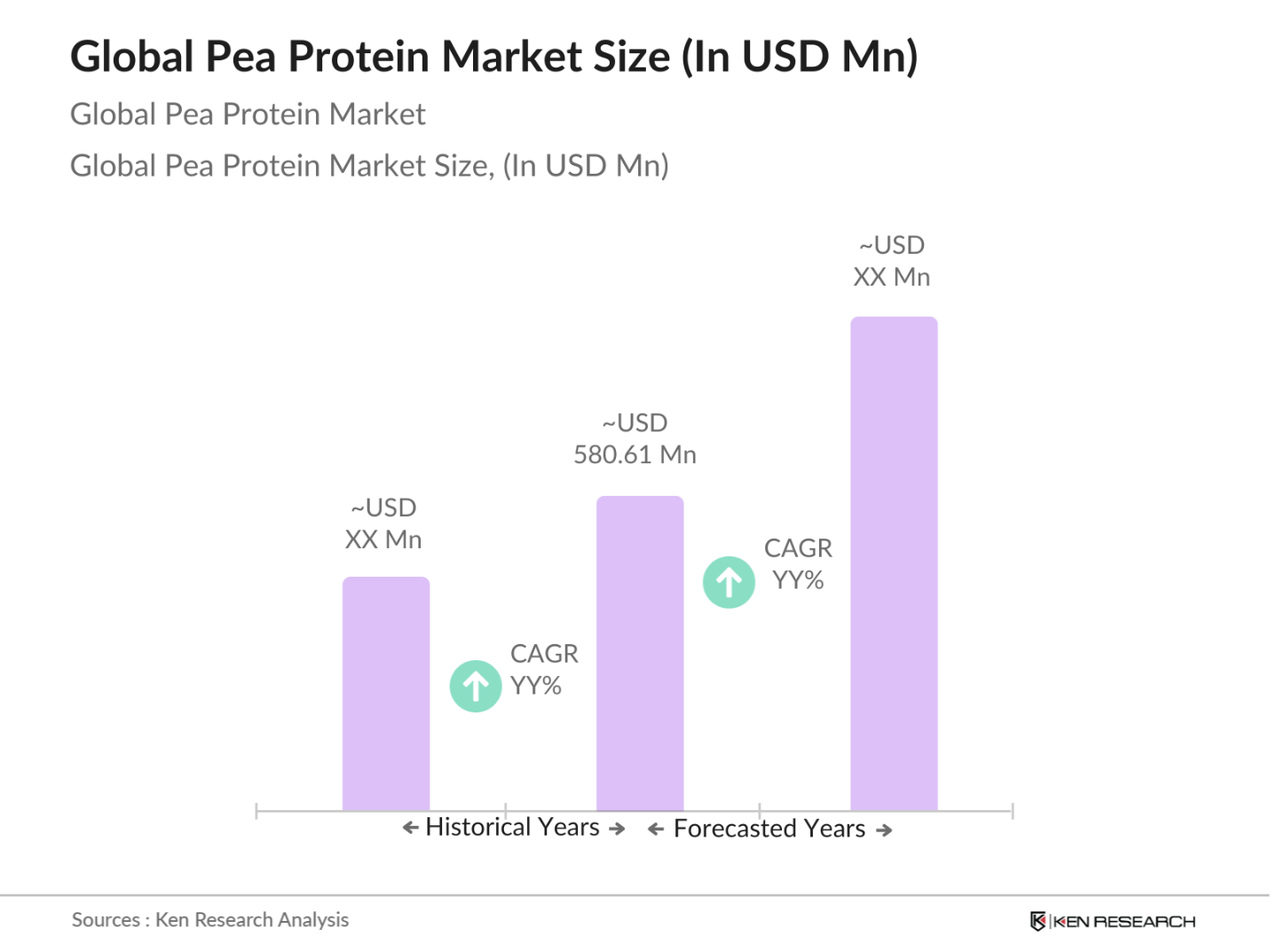
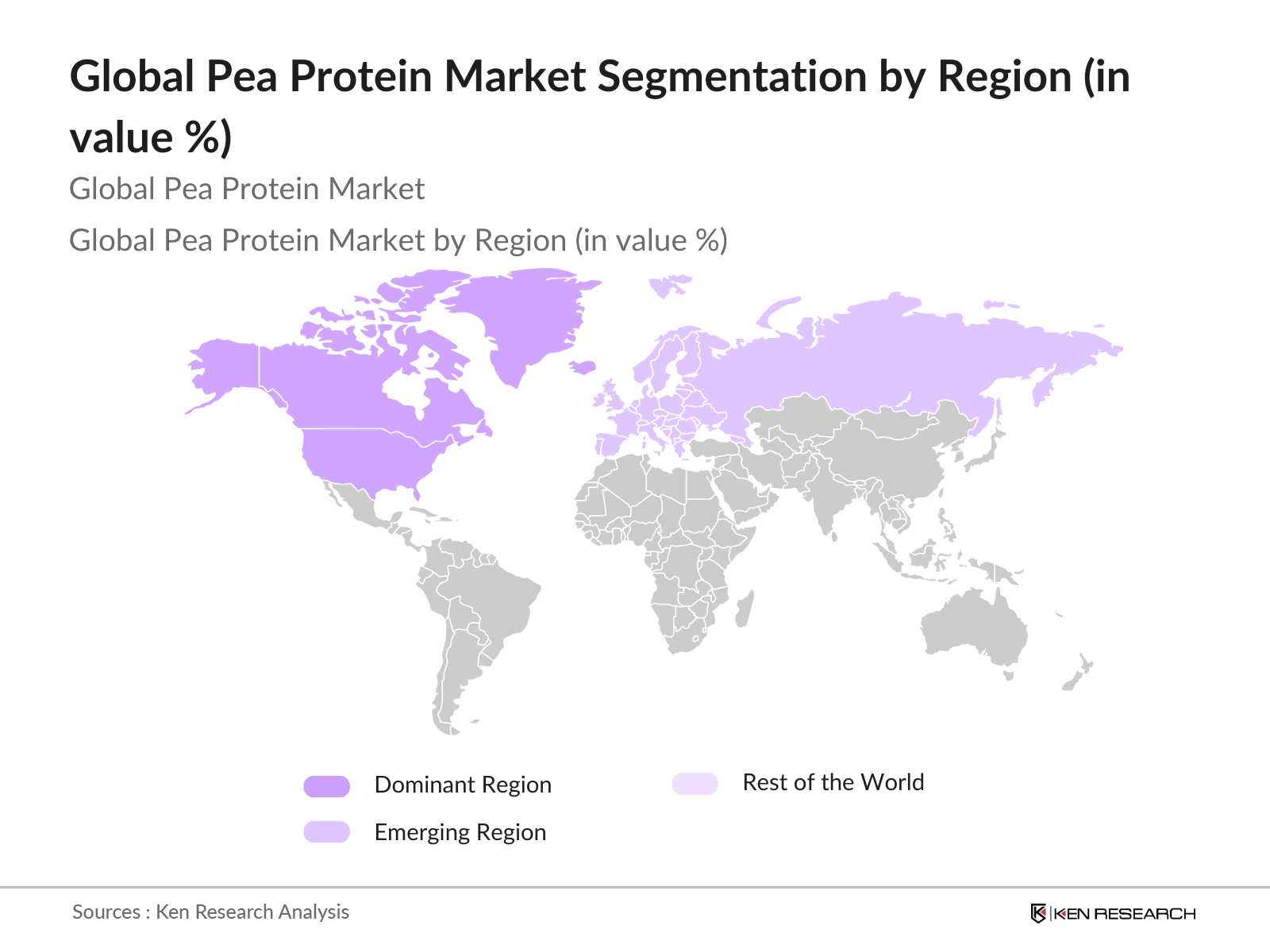
- North America stands as the dominant region in the pea protein market, attributed to its advanced food processing industry and a substantial consumer base inclined towards health and wellness products. The United States, in particular, has witnessed a surge in the adoption of plant-based proteins, driven by increasing awareness of the environmental and health benefits associated with plant-based diets. Additionally, Europe has emerged as a significant market, propelled by stringent regulations promoting plant-based nutrition and a growing trend towards veganism.
- In 2023, the Indian government integrated alternative proteins into its Bioeconomy for Environment, Energy, and Economy (BioE3) policy. This strategic move aims to position India as a global hub for research and development in the smart protein sector, fostering innovation and sustainable growth.
Global Pea Protein Market Segmentation
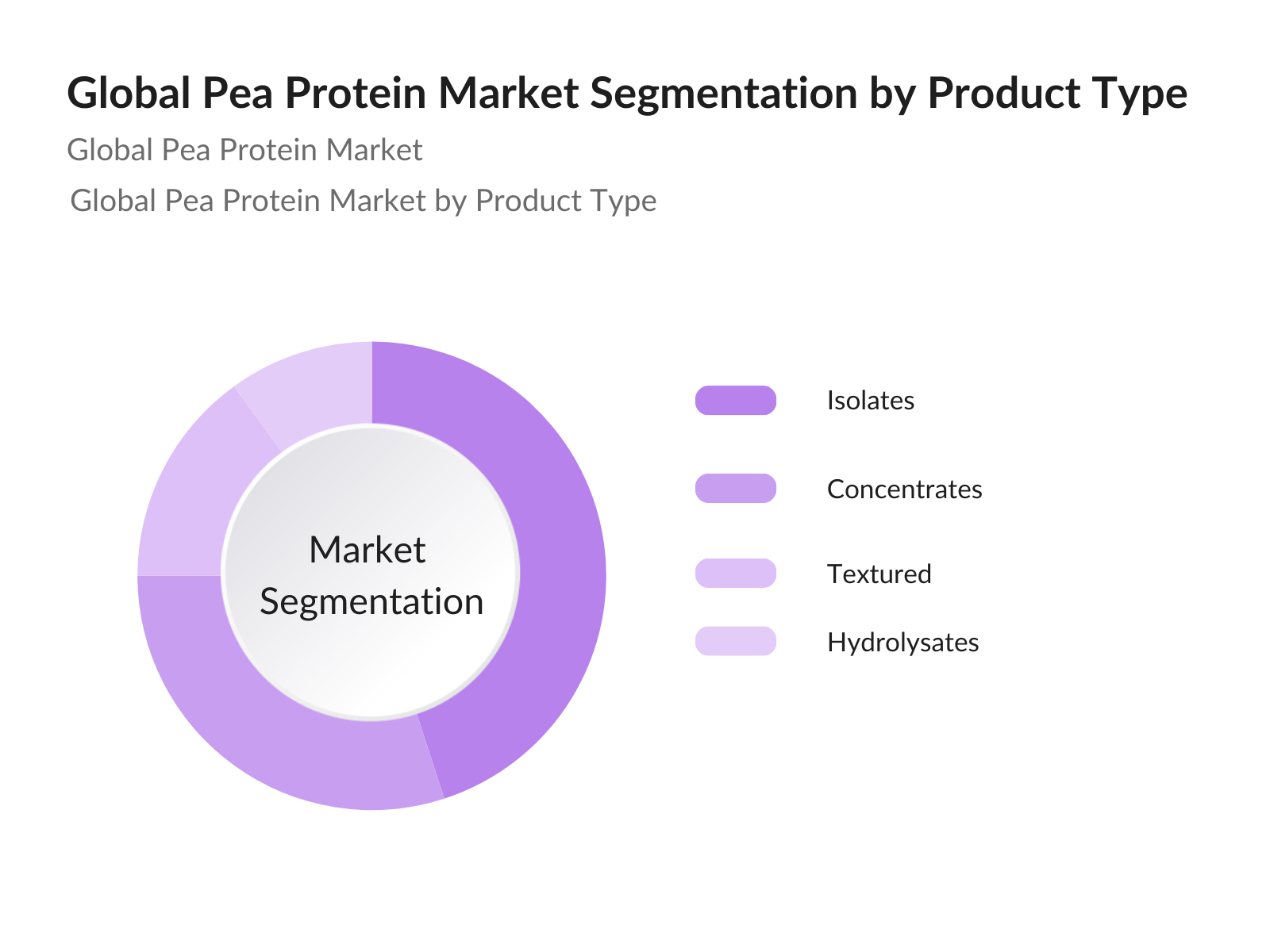
By Product Type: The pea protein market is segmented by product type into isolates, concentrates, textured, and hydrolysates. Among these, pea protein isolates hold a dominant market share due to their high protein content and superior digestibility. Their neutral taste and versatility make them ideal for various applications, including dietary supplements, meat substitutes, and functional foods.
By Region: The North America leads the pea protein market, driven by a robust food and beverage industry and a growing consumer preference for plant-based products. The presence of key market players and continuous product innovations also bolster the market's dominance in this region. Europe follows closely, with increasing vegan populations and supportive regulatory frameworks promoting plant-based diets.
Global Pea Protein Market Competitive Landscape
The global pea protein market is characterized by the presence of several key players who contribute to its growth and development. These companies focus on product innovation, strategic partnerships, and expansion to maintain their competitive edge.
|
Company Name |
Establishment Year |
Headquarters |
Product Portfolio |
Market Strategy |
Recent Developments |
Production Capacity |
Global Presence |
Sustainability Initiatives |
Research and Development Focus |
|
Roquette Frres |
1933 |
Lestrem, France |
|||||||
|
Burcon NutraScience |
1998 |
Vancouver, Canada |
|||||||
|
COSUCRA Groupe Warcoing |
1852 |
Warcoing, Belgium |
|||||||
|
Axiom Foods |
2005 |
Los Angeles, USA |
|||||||
|
Ingredion Incorporated |
1906 |
Westchester, USA |
Global Pea Protein Market Analysis
Market Growth Drivers
- Rising Demand for Plant-Based Proteins: The global shift towards plant-based diets has been significant, with a notable increase in the consumption of plant-based proteins. In India, the plant-based food sector has seen substantial growth, driven by health-conscious consumers and environmental considerations. The World Food India 2024 event highlighted the rapid expansion of the plant-based protein market, emphasizing its potential in the global food industry.
- Health Benefits and Nutritional Profile: Plant-based proteins offer numerous health advantages, including lower cholesterol levels and reduced risk of chronic diseases. The Indian Council of Agricultural Research (ICAR) has documented the nutritional benefits of plant-based dairy analogues, noting their potential to provide essential nutrients while catering to lactose-intolerant populations.
- Environmental Sustainability: The production of plant-based proteins generally requires fewer natural resources compared to animal-based proteins, leading to a smaller environmental footprint. The World Bank's Food Security Update emphasizes the importance of sustainable agricultural practices to ensure long-term food security, aligning with the environmental benefits of plant-based protein production.
Market Challenges:
- High Production Costs: The production of plant-based proteins can be cost-intensive due to the need for specialized processing techniques and quality control measures. The World Bank's report on Medicinal and Aromatic Plants discusses the challenges faced by producers in maintaining quality standards, which can lead to increased production costs.
- Limited Consumer Awareness in Emerging Markets: In many emerging markets, consumer awareness regarding the benefits and availability of plant-based proteins remains low. The Agricultural and Processed Food Products Export Development Authority (APEDA) notes that while there is a growing interest in plant-based foods, significant efforts are needed to educate consumers about their benefits.
Global Pea Protein Market Future Outlook
Over the next five years, the global pea protein market is expected to exhibit substantial growth, driven by increasing consumer demand for plant-based proteins, advancements in food processing technologies, and a growing focus on sustainable and healthy diets. The expansion of product applications in sectors such as sports nutrition, functional foods, and personal care products is anticipated to further propel market growth. Additionally, strategic initiatives by key players, including mergers, acquisitions, and collaborations, are likely to enhance market competitiveness and innovation.
Market Opportunities:
- Product Innovation and Development: Continuous innovation in product development can cater to diverse consumer preferences. The Indian Council of Agricultural Research (ICAR) emphasizes the importance of developing plant-based dairy analogues to meet the growing demand for alternative protein sources.
- Expansion into Emerging Markets: Emerging markets present significant opportunities for the plant-based protein industry. The World Bank's Poverty, Prosperity, and Planet Report 2024 indicates that nearly 700 million people live in extreme poverty, suggesting a vast potential consumer base for affordable plant-based protein products.
Products
Key Target Audience
Food and Beverage Manufacturers
Nutraceutical Companies
Sports Nutrition Product Manufacturers
Personal Care and Cosmetics Manufacturers
Animal Feed Producers
Government and Regulatory Bodies (e.g., U.S. Food and Drug Administration)
Investment and Venture Capitalist Firms
Research and Development Institutions
Companies
Players Mention in the Report
Roquette Frres
Burcon NutraScience
COSUCRA Groupe Warcoing
Axiom Foods
Ingredion Incorporated
The Scoular Company
Puris Proteins LLC
Glanbia plc
Kerry Group
Emsland Group
Shandong Jianyuan Foods Co., Ltd.
Yantai Shuangta Food Co., Ltd.
Fenchem Biotek Ltd.
Sotexpro
Nutri-Pea Limited
Table of Contents
01. Market Overview
Definition and Scope
Market Taxonomy
Market Growth Rate
Market Segmentation Overview
02. Market Size (USD Billion)
Historical Market Size
Year-On-Year Growth Analysis
Key Market Developments and Milestones
03. Market Analysis
Growth Drivers
Rising Demand for Plant-Based Proteins
Health Benefits and Nutritional Profile
Environmental Sustainability
Technological Advancements in Extraction Processes
Market Challenges
High Production Costs
Limited Consumer Awareness in Emerging Markets
Competition from Alternative Plant Proteins
Opportunities
Expansion into Emerging Markets
Product Innovation and Development
Strategic Partnerships and Collaborations
Trends
Increasing Adoption in Sports Nutrition
Growth in Vegan and Vegetarian Populations
Clean Label and Non-GMO Trends
Regulatory Landscape
Food Safety Standards
Labeling Requirements
Import and Export Regulations
SWOT Analysis
Stakeholder Ecosystem
Porters Five Forces Analysis
Competitive Landscape
04. Market Segmentation
By Product Type (Value %)
Isolates
Concentrates
Textured
Hydrolysates
By Form (Value %)
Dry
Wet
By Source (Value %)
Yellow Split Peas
Green Peas
Others
By Application (Value %)
Food & Beverages
Meat Substitutes
Bakery Goods
Dietary Supplements
Beverages
Others
Personal Care & Cosmetics
Animal Feed
By Region (Value %)
North America
Europe
Asia Pacific
Latin America
Middle East & Africa
05. Competitive Analysis
Detailed Profiles of Major Companies
Roquette Frres
Ingredion Incorporated
Cargill, Inc.
Axiom Foods, Inc.
Burcon NutraScience Corporation
Cosucra Groupe Warcoing SA
Glanbia PLC
Emsland Group
Shandong Jianyuan Foods Co., Ltd.
The Scoular Company
AGT Food and Ingredients
Kerry Group PLC
DuPont de Nemours, Inc.
Puris Proteins, LLC
Sotexpro
Cross Comparison Parameters
Number of Employees
Headquarters Location
Year of Establishment
Revenue
Product Portfolio
Market Share
Recent Developments
Strategic Initiatives
Market Share Analysis
Strategic Initiatives
Mergers and Acquisitions
Investment Analysis
Venture Capital Funding
Government Grants
Private Equity Investments
06. Regulatory Framework
Food Safety Standards
Compliance Requirements
Certification Processes
07. Future Market Size (USD Billion)
Future Market Size Projections
Key Factors Driving Future Market Growth
08. Future Market Segmentation
By Product Type (Value %)
By Form (Value %)
By Source (Value %)
By Application (Value %)
By Region (Value %)
09. Analysts Recommendations
Total Addressable Market (TAM), Serviceable Available Market (SAM), Serviceable Obtainable Market (SOM) Analysis
Customer Cohort Analysis
Marketing Initiatives
White Space Opportunity Analysis
Disclaimer Contact UsResearch Methodology
Step 1: Identification of Key Variables
In the initial phase, we map all significant stakeholders within the global pea protein market. This step involves extensive desk research using both secondary and proprietary databases to define essential market variables and indicators.
Step 2: Market Analysis and Construction
The next phase compiles historical data, including market penetration rates, key product metrics, and revenue generation trends, providing a solid foundation for reliable market estimates.
Step 3: Hypothesis Validation and Expert Consultation
Hypotheses are then validated through industry expert consultations and computer-assisted telephone interviews (CATI) with stakeholders, adding firsthand insights on operational challenges, production capacities, and consumer demand trends.
Step 4: Research Synthesis and Final Output
The final phase involves synthesizing data from multiple sources, ensuring a comprehensive, validated analysis of market dynamics, product segmentation, and future growth trajectories.
Frequently Asked Questions
01. How big is the global pea protein market?
The global pea protein market is valued at USD 580.61 million, driven by rising consumer demand for plant-based proteins and sustainable dietary choices.
02. What are the growth drivers in the global pea protein market?
Key growth drivers include increased consumer awareness of plant-based nutrition, rising vegan and vegetarian populations, and the environmental sustainability of pea protein.
03. Which are the dominant regions in the pea protein market?
North America and Europe dominate the market due to strong consumer demand for plant-based proteins and robust support from government policies.
04. What challenges does the global pea protein market face?
Challenges include high production costs, limited consumer awareness in emerging markets, and competition from alternative plant proteins.
Why Buy From Us?

What makes us stand out is that our consultants follows Robust, Refine and Result (RRR) methodology. i.e. Robust for clear definitions, approaches and sanity checking, Refine for differentiating respondents facts and opinions and Result for presenting data with story

We have set a benchmark in the industry by offering our clients with syndicated and customized market research reports featuring coverage of entire market as well as meticulous research and analyst insights.

While we don't replace traditional research, we flip the method upside down. Our dual approach of Top Bottom & Bottom Top ensures quality deliverable by not just verifying company fundamentals but also looking at the sector and macroeconomic factors.

With one step in the future, our research team constantly tries to show you the bigger picture. We help with some of the tough questions you may encounter along the way: How is the industry positioned? Best marketing channel? KPI's of competitors? By aligning every element, we help maximize success.

Our report gives you instant access to the answers and sources that other companies might choose to hide. We elaborate each steps of research methodology we have used and showcase you the sample size to earn your trust.

If you need any support, we are here! We pride ourselves on universe strength, data quality, and quick, friendly, and professional service.